

3 Best Queen Size Bed Storage Solutions That Maximise Your Bedroom Space in 2025
Did you know that the average bedroom wastes over 25 square feet of valuable storage space beneath the bed? That’s enough room to store an entire season’s wardrobe! If you’re struggling with bedroom clutter and limited storage options, you’re not alone. I’ve been there too – staring at piles of clothes, extra bedding, and seasonal items with nowhere to put them.
The good news? Your queen size bed can become your bedroom’s ultimate storage hero! Today, we’re diving into three game-changing storage solutions that will transform your sleeping space into an organised oasis. These aren’t just storage beds – they’re smart investments that combine comfort, style, and functionality. Ready to transform your cluttered bedroom into an organised sanctuary? Browse our complete collection of queen size ottoman beds and discover storage solutions that actually work! Shop Ottoman Beds Collection
Under-Bed Drawer Storage Systems: The Classic Space-Saver
Different Drawer Configurations: Finding Your Sweet Spot
• 2-Drawer Systems: The Deceptive Choice
I thought bigger drawers meant better storage when I first bought a 2-drawer bed. What a nightmare that turned out to be! Those massive compartments became black holes where everything disappeared into the depths. You’d spend ages digging through layers of clothes just to find one item. They’re only worth considering if you’re storing bulky items like duvets or pillows that need the extra depth.
• 4-Drawer Systems: The Goldilocks Option
This is where I found my storage sweet spot after learning from my 2-drawer mistake. Four drawers give you proper organisation – I use one for seasonal clothes, another for spare bedding, one for shoes, and the last for random bedroom bits. The size is just right for most items, and you can actually see what you’ve stored without emptying half the drawer.
• 6-Drawer Systems: Maximum Organisation (If You Need It)
Honestly, unless you’re a proper clothes horse or sharing with someone who has loads of stuff, six drawers might be overkill. I’ve seen mates with these systems who end up with empty drawers because they simply don’t have enough to fill them. They’re brilliant for large families or if you’re storing things for multiple seasons, but think carefully about whether you’ll actually use all that space.
Materials and Construction: Learning the Hard Way
• Engineered Wood: Budget-Friendly But Buyer Beware
My first storage bed was engineered wood from a budget shop, and it lasted about eight months before the drawer fronts started sagging. The particle board couldn’t handle my winter boots and heavy jumpers. If you’re going this route, check the weight ratings religiously – most handle 15-20kg per drawer max. Look for thicker panels (at least 18mm) and proper reinforcement around the drawer slides.
• Solid Wood: The Investment That Pays Off
After my engineered wood disaster, I splashed out on an oak frame with dovetail joints. Three years later, it’s still perfect – drawers glide smoothly even when packed full. Solid wood typically handles 25-35kg per drawer and ages beautifully. Yes, it costs more upfront (expect £600-1000+), but it’s worth every penny for the durability.
• Metal Systems: The Heavy-Duty Champions
These are absolute tanks for weight capacity – I’ve seen some rated for 50kg per drawer! Perfect if you’re storing books, tools, or other heavy items. They’re not always the prettiest option, but for pure functionality and longevity, metal systems are hard to beat. The powder-coated finishes are surprisingly durable, too.
Weight Capacity and Storage Strategy
• Understanding Real-World Weight Limits
Here’s something most people don’t think about – I weighed my university textbook collection once, and it was pushing 30kg! Most standard drawers would buckle under that load. Always check the manufacturer’s weight ratings and actually weigh your heaviest items. A drawer full of winter coats can easily hit 20kg, whilst shoes and boots add up faster than you’d think.
• Smart Storage Distribution
I learned to put my heaviest items in the bottom drawers – it keeps the bed stable and puts less stress on the upper drawer mechanisms. Seasonal clothes work brilliantly in these systems, as do spare bedding sets, shoes, and those random bedroom accessories that somehow multiply over time. Avoid storing anything damp or that needs air circulation.
Installation Reality Check
• Assembly Time and Skill Requirements
Don’t believe the “2-hour assembly” claims on the box – budget at least 3-4 hours if you want to do it properly. The trickiest bit is getting those drawer slides perfectly aligned. If they’re even slightly off, you’ll have drawers that stick, wobble, or sound like dying cats when you open them. I rushed my first attempt and regretted it for months.
• Essential Tools and Tips
You’ll need more than just the included Allen keys. A proper screwdriver set, spirit level, and measuring tape are essential. Pro tip: lay out all the pieces first and double-check you’ve got everything before starting. I once got halfway through assembly only to discover I was missing crucial screws. Take photos of the hardware layout – trust me on this one.
Brand Experiences and Pricing
• Budget Options (£200-400)
IKEA’s BRIMNES series is decent for the price point, though the weight capacity is limited, and the engineered wood shows wear fairly quickly. Argos and similar retailers offer various options in this range, but quality can be hit-or-miss. Perfect for renters or temporary solutions.
• Mid-Range Winners (£400-700)
Dreams’ storage bed collection has served me well in this price bracket. Decent build quality, reasonable weight capacity, and they often have sales. John Lewis’ own-brand options are reliable too, with better customer service if things go wrong.
• Premium Investment (£700+)
Hypnos and Silentnight do beautiful,l solid wood systems that’ll last decades. The craftsmanship is noticeably better, and the drawer mechanisms are silky smooth. Expensive, yes, but they’re proper furniture pieces rather than just storage solutions.
Maintenance and Longevity
• Monthly Maintenance Routine
I vacuum the drawer tracks monthly to prevent dust and debris buildup – it takes five minutes and keeps everything running smoothly. The metal slides occasionally need a tiny drop of 3-in-1 oil, especially if they start squeaking. Don’t overdo the lubrication, though; too much attracts more dirt.
• Long-Term Care
Keep an eye on the drawer bottoms for sagging, especially if you’re consistently loading them near capacity. Wood polish every few months keeps solid wood looking fresh, whilst metal frames just need occasional wiping down. If drawers start sticking, check the tracks for damage rather than forcing them – prevention is cheaper than replacement. Skip the drawer drama and upgrade to effortless hydraulic storage! Check out the Lizzy Ottoman Upholstered Bed Frame for smooth, reliable access to all your belongings.
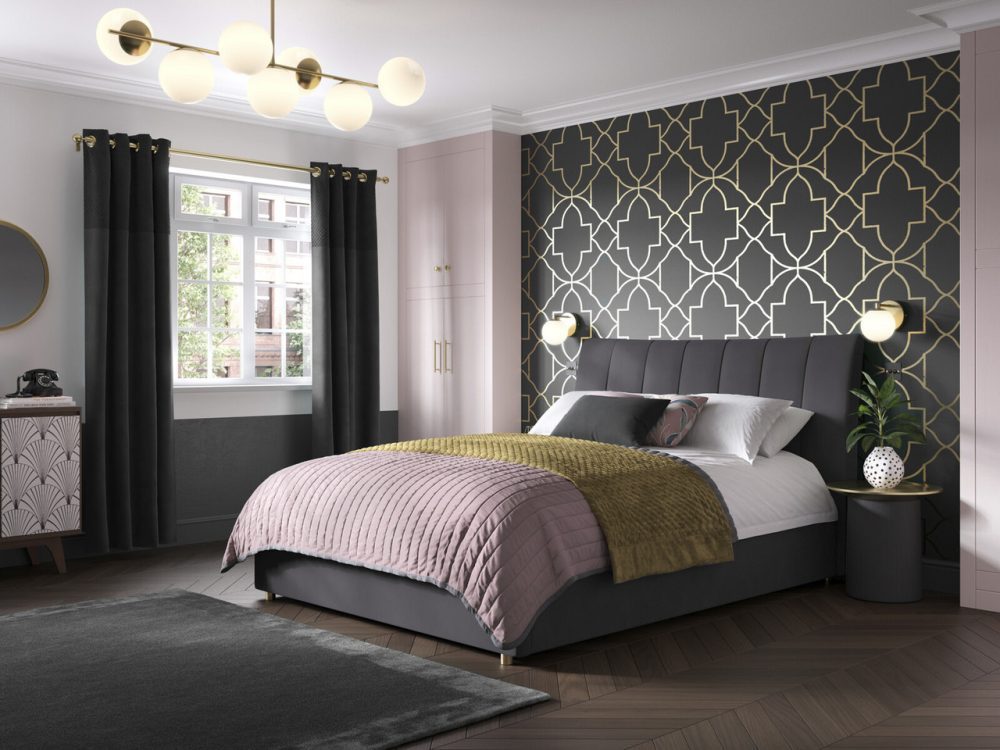
Hydraulic Lift Storage Beds: Maximum Capacity Champions
How Hydraulic Lift Mechanisms Work and Their Benefits
• The Engineering Behind the Magic
I’ll admit, when I first saw a hydraulic lift bed in action, I was properly sceptical. How could something that heavy lift so effortlessly? Turns out, it’s all about pressure and leverage. The hydraulic pistons use compressed gas or oil to create enough force to counterbalance the weight of your mattress and bed frame. It’s basically the same principle as those fancy office chairs that go up and down, just scaled up massively.
• Why They’re Brilliant for Storage
The biggest advantage hit me when I was helping my mate move house – we lifted his entire queen mattress with one finger! No joke, the hydraulic system does 90% of the work. You get access to the entire under-bed space without having to slide drawers in and out or crawl around on the floor. Plus, there’s something quite satisfying about that smooth, controlled lift motion.
• Safety Benefits You Don’t Think About
Here’s something I learned after my back went out trying to lift a traditional mattress to grab something underneath – hydraulic systems are brilliant for anyone with mobility issues or back problems. No heavy lifting, no awkward angles, just a gentle push and the whole bed rises. The controlled descent means you’re never going to trap fingers or drop the mattress unexpectedly.
Storage Capacity: The Numbers Game
• 40% More Space Than Drawers (And Why That Matters)
When I measured my old drawer system versus my new hydraulic bed, the difference was mental. Drawers waste loads of space with their frames, slides, and the gaps between them. With hydraulic lift, you get the entire footprint of the bed as storage – that’s roughly 1.2 cubic metres for a queen-size! I went from struggling to fit two winter duvets to storing my entire seasonal wardrobe plus spare bedding.
• Real-World Capacity Examples
To put this in perspective, I can now store six thick winter jumpers, two heavy coats, three pairs of boots, spare bedding for guests, and my camping gear all in one space. Try fitting that in traditional drawers – you’d need at least eight decent-sized drawers, which would cost a fortune and take up way more room.
• The Hidden Advantage: Irregular Items
This is where hydraulic beds really shine. Ever tried fitting a suitcase or guitar case in under-bed drawers? Nightmare. With lift storage, I can chuck in my large suitcase, sports equipment, or those awkwardly shaped items that never fit anywhere else. The open space means you’re not limited by drawer dimensions.
Safety Features and Weight Distribution
• Built-In Safety Mechanisms
Most decent hydraulic beds have safety struts that prevent the bed from slamming shut if the hydraulics fail. I tested this once (probably shouldn’t have) by disconnecting the gas line – the safety struts held the bed open perfectly. Look for beds with at least two independent safety supports; some cheaper models skimp on this and it’s not worth the risk.
• Weight Distribution Considerations
Here’s something that caught me off guard – you need to think about how you load the storage space. I initially piled everything on one side and the bed started lifting unevenly. The hydraulic pistons work best when the weight is distributed fairly evenly across the storage area. Heavy items should go towards the centre, lighter stuff around the edges.
• Maximum Load Limits
Most hydraulic beds can handle 150-200kg in the storage compartment, but don’t push it to the limit. I learned this when I stored my entire book collection (seriously heavy), and the hydraulics started struggling after a few months. Stick to about 80% of the maximum rating for longevity.
Best Items for Lift-Up Storage
• Seasonal Clothing: The Perfect Match
This is where hydraulic storage absolutely excels. I rotate my wardrobe seasonally now – summer clothes go in during winter and vice versa. The large, open space means you can store items in vacuum bags or large containers without worrying about drawer dimensions. I use clear storage boxes so I can see what’s what without unpacking everything.
• Bedding and Linens: Bulk Storage Winners
Spare duvets, pillows, and guest bedding sets are ideal for this type of storage. They’re light, bulky, and you don’t need frequent access. I keep my winter duvet stored here during the summer months, plus spare sheet sets and pillowcases. The dry environment under the bed is perfect for textiles.
• Luggage and Travel Gear
This was a revelation for me – storing suitcases under the bed makes so much sense! They’re only used occasionally, they’re awkwardly shaped for most storage solutions, and you can even store other travel items inside them. I keep my large suitcase, travel adapters, and holiday clothes all together in one convenient spot.
Gas Strut vs. Hydraulic Piston Systems
• Gas Strut Systems: The Budget-Friendly Option
My first hydraulic bed used gas struts, similar to what you’d find on a car boot. They’re simpler, cheaper, and easier to replace if they fail. The lift action is smooth enough, though not quite as controlled as proper hydraulics. Expect to pay £300-500 for a decent gas strut system. They typically last 3-5 years with regular use before needing replacement.
• Hydraulic Piston Systems: The Premium Choice
When I upgraded to proper hydraulic pistons, the difference was immediately obvious. The lift is incredibly smooth and controlled, with much better weight handling. They’re more expensive (£600-1000+) but last significantly longer – mine are still perfect after four years of daily use. The oil-filled pistons provide better damping and more precise control.
• Which Should You Choose?
If you’re on a budget or don’t plan to store heavy items, gas struts are perfectly adequate. For long-term use, heavy storage loads, or if you want the smoothest operation, hydraulic pistons are worth the extra investment. I’d go hydraulic again without hesitation.
Installation: Professional vs. DIY
• DIY Installation Reality Check
I attempted DIY installation on my first hydraulic bed, and it was… challenging. The hydraulic components are heavy and require precise alignment. You’ll need at least two people, proper tools, and a good few hours. The instruction manuals are often rubbish, with unclear diagrams and missing steps. I ended up calling a professional to fix my botched attempt.
• When to Call the Professionals
After my DIY disaster, I paid for professional installation on my second bed. Best £100 I ever spent! They had it assembled perfectly in 90 minutes, tested all the safety features, and showed me proper maintenance procedures. If you’re not confident with tools or don’t have help, professional installation is worth every penny.
• Essential Tools for DIY Attempts
If you’re determined to go DIY, you’ll need a proper socket set, spirit level, measuring tape, and ideally a torque wrench for the hydraulic fittings. The gas/oil connections need to be spot-on – too loose and they’ll leak, too tight and you’ll damage the threads.
Price Ranges and Value Analysis
• Budget Options (£400-600)
Entry-level hydraulic beds often use gas struts and engineered wood frames. They’ll do the job but don’t expect premium performance or longevity. IKEA occasionally stocks hydraulic options in this range, though availability varies. Argos and similar retailers offer various budget models.
• Mid-Range Sweet Spot (£600-900)
This is where you get the best value, in my experience. Decent hydraulic pistons, solid wood or quality engineered frames, and proper safety features. Dreams, John Lewis, and Furniture Village all offer good options in this bracket. My current bed cost £750 and has been brilliant value.
• Premium Investment (£900-1500+)
High-end hydraulic beds use premium materials, superior hydraulic systems, and often include additional features like soft-close mechanisms. Brands like Hypnos and Silentnight offer beautiful options, though you’re paying for craftsmanship as much as functionality.
Troubleshooting Common Issues
• Slow or Weak Lifting Action
This usually means the hydraulic pressure is dropping. Check all connections for leaks – you’ll often hear a slight hissing sound if gas is escaping. On gas strut systems, the struts themselves might need replacing after 3-5 years. It’s usually a straightforward job, though you’ll need to support the bed while swapping them out.
• Uneven Lifting or Tilting
Nine times out of ten, this is a weight distribution problem. I had this issue when I stored all my heavy books on one side. Redistribute the load more evenly, and the problem usually sorts itself. If it persists, one of the hydraulic units might be failing and need replacement.
• Bed Won’t Stay Up or Drops Slowly
This screams hydraulic leak to me. Check all the fittings and connections – sometimes they just need tightening. If you can see oil or hear gas escaping, you’ll need professional repair or replacement parts. Don’t ignore this issue; a failing hydraulic system can be dangerous if the bed drops unexpectedly. Experience the magic of hydraulic lift storage for yourself! The Sophia Ottoman Bed Frame offers maximum capacity with minimal effort – perfect for heavy storage needs.
Platform Beds with Built-In Storage Cubbies: Modern Minimalist Solution
Open Cubby vs. Closed Compartment Designs
• Open Cubbies: The Instagram-Ready Choice
I fell in love with open cubby designs after seeing them all over Pinterest, but the reality was a bit different than the photos! Open storage looks absolutely stunning when it’s perfectly organised – think neatly folded jumpers, matching storage boxes, and carefully arranged books. The accessibility is brilliant; you can grab what you need without opening doors or drawers. However, dust becomes your enemy, and everything needs to look presentable 24/7 since it’s always on display.
• Closed Compartments: The Practical Compromise
After living with open cubbies for six months, I switched to a platform bed with doors on some compartments. Game changer! You get the best of both worlds – some open areas for display and daily items, plus hidden storage for the less photogenic stuff. I keep my books and decorative boxes in the open sections, whilst my gym gear and random cables hide behind doors.
• Hybrid Designs: The Sweet Spot
The cleverest platform beds mix both approaches. My current setup has open cubbies at the head end (perfect for bedside essentials) and closed compartments towards the foot. It’s like having a built-in bedside table and wardrobe combined. The visual balance works brilliantly, and you’re not committed to keeping everything perfectly tidy all the time.
Styling Tips for Visible Storage
• The Rule of Thirds for Visual Appeal
Here’s something I learned from an interior design mate – arrange your visible items in groups of three or odd numbers. It looks more natural and pleasing to the eye. I group books by height, add a small plant or decorative object, and maybe a storage box. The key is varying heights and textures whilst keeping a cohesive colour scheme.
• Colour Coordination Without Going Mad
I initially tried to match everything perfectly, and it looked sterile. Now I stick to a loose colour palette – mostly neutrals with one or two accent colours. My cubbies have white storage boxes, natural wood elements, and touches of sage green. It feels intentional without being obsessive about matching every single item.
• The 60-40 Rule for Storage vs. Display
Don’t fill every cubby to the brim! I learned this the hard way when my platform bed looked like a cluttered shop display. Keep about 60% for actual storage and 40% for visual breathing room. Some cubbies can be completely empty – negative space is just as important as filled space for creating a calm, minimalist look.
Organisation Accessories and Perfect-Fit Storage
• Measuring for Success
This sounds obvious, but measure your cubbies properly before buying storage solutions! I wasted £50 on beautiful woven baskets that were 2cm too wide. Most platform bed cubbies are around 30cm wide, 35cm deep, and 25cm high, but there’s loads of variation. Take proper measurements and bring a tape measure when shopping.
• Storage Boxes That Actually Work
IKEA’s SKUBB boxes are brilliant for platform bed storage – they’re soft-sided so they squeeze into slightly irregular spaces, and they come in various sizes. For a more premium look, I love the canvas storage boxes from The White Company, though they’re pricier. Avoid rigid plastic boxes unless your measurements are spot-on; there’s no forgiveness if they don’t quite fit.
• Clever Divider Solutions
For open cubbies, drawer dividers work brilliantly to keep smaller items organised. I use bamboo expandable dividers to separate socks, underwear, and accessories. They’re adjustable, so they work in different-sized spaces, and the natural wood looks great with most platform bed finishes.
Space Planning for Different Bedroom Layouts
• Small Bedrooms: Maximising Every Inch
In my tiny London flat, the platform bed became my primary storage solution. I planned it so the cubbies faced the room’s main walkway, making everything easily accessible. The key is thinking vertically – I use the lower cubbies for heavy items like shoes and books, the middle sections for daily clothes, and the top areas for lighter seasonal items.
• Large Bedrooms: Creating Zones
With more space, you can be strategic about cubby placement. I helped my sister plan her master bedroom setup – cubbies on one side for her clothes and accessories, the other side for shared items like extra bedding and towels. The platform bed essentially created a room divider effect, separating the sleeping area from a small reading nook.
• Awkward Layouts: Working with Challenges
Not every bedroom is a perfect rectangle! In rooms with sloped ceilings or odd angles, platform beds with cubbies can actually help. The low profile works under sloped areas where tall furniture wouldn’t fit, and the built-in storage eliminates the need for separate wardrobes or chests of drawers.
Material Options and Their Benefits
• Solid Wood: The Timeless Investment
My oak platform bed has aged beautifully over three years. Solid wood handles daily use brilliantly, and you can sand out any scratches or dings. The natural grain adds warmth to the bedroom, and it works with virtually any decor style. Expect to pay £600-1200 for quality solid wood, but it’s furniture that’ll last decades with proper care.
• Engineered Wood: Budget-Friendly with Caveats
I started with an IKEA engineered wood platform bed for £200, and it served me well for two years. The laminate finish was easy to clean and looked decent, though it showed wear around the cubby edges where I’d been grabbing items. Perfect for renters or if you like changing furniture regularly, but don’t expect heirloom quality.
• Metal Frames: Industrial Chic
Metal platform beds with cubbies have a brilliant modern look, especially in industrial or minimalist bedrooms. They’re incredibly sturdy and can handle serious weight in the storage areas. The downside is they can feel cold and echo-y, and metal shows fingerprints easily. I’d recommend powder-coated finishes over raw metal for durability.
• Upholstered Options: Soft and Sophisticated
Upholstered platform beds add serious luxury to a bedroom. The fabric-covered cubbies look softer and more refined than hard materials. However, they’re harder to keep clean, especially in the storage areas where you’re constantly handling items. Choose performance fabrics if you go this route – I learned this after spilling coffee on my first attempt!
Integration with Bedroom Decor Themes
• Scandinavian Minimalism: Less is More
For Nordic-inspired bedrooms, stick to light woods like birch or pine, with white or natural storage accessories. Keep the cubbies fairly empty – maybe 50% filled maximum. I use white canvas boxes, add a few plants, and keep everything very clean-lined. The platform bed becomes a functional sculpture rather than just storage.
• Industrial Modern: Raw and Functional
Metal platform beds work brilliantly here, paired with leather or canvas storage boxes. I love the contrast of soft textiles against hard metal. Keep the colour palette neutral – blacks, greys, and browns. Exposed hardware and utilitarian storage solutions fit perfectly with this aesthetic.
• Bohemian Eclectic: Organised Chaos
This is where platform bed storage really shines for displaying collections. I helped a mate style her boho bedroom with woven baskets, vintage books, plants, and textiles in the cubbies. The key is controlled variety – lots of textures and colours, but within a cohesive palette. Natural materials work best here.
Accessibility for Daily-Use Items
• Strategic Placement for Morning Routines
I planned my cubby layout around my daily routine. Phone charger and water bottle in the top cubby nearest my pillow, workout clothes in an easily accessible middle section, and work shoes in a lower cubby by the foot of the bed. It sounds obsessive, but it genuinely makes mornings smoother when everything has a logical place.
• Height Considerations for Different Users
If you’re sharing the bed, think about who can comfortably reach which cubbies. My partner is shorter than me, so we put her daily items in the lower and middle sections, whilst I use the higher cubbies. It’s a small detail that makes a big difference in daily usability.
• Quick-Access vs. Long-Term Storage
The beauty of platform bed cubbies is that you can designate different areas for different access needs. I keep daily items in open cubbies at eye level, weekly items (like gym gear) in middle sections, and seasonal stuff in the harder-to-reach areas. It’s like having a personal filing system for your belongings.
Cost-Effective DIY Modifications
• Adding Doors to Open Cubbies
I retrofitted doors to some of my open cubbies using simple hinges and MDF panels. Cost about £30 in materials and took a weekend to complete. The trick is measuring carefully and using soft-close hinges to avoid slamming. It transformed the look from student digs to proper grown-up furniture.
• Installing LED Strip Lighting
Battery-powered LED strips inside the cubbies make finding items so much easier, especially in winter when it’s dark in the mornings. I used motion-activated strips that turn on when you reach into the cubby. Cost about £40 for the whole bed and the effect is surprisingly luxurious.
• Custom Dividers and Organisers
Rather than buying expensive storage solutions, I made custom dividers using thin plywood and fabric. They fit perfectly because I measured them specifically for my cubbies, and I could choose exactly the compartment sizes I needed. Total cost was under £20, and they look more expensive than shop-bought alternatives.
• Upgrading Hardware and Finishes
Simple upgrades like replacing basic handles with leather pulls or adding corner protectors can dramatically improve the look and feel of a budget platform bed. I spent £50 on brass corner details and leather handles, and it transformed my IKEA bed into something that looks custom-made. Love the minimalist look but need serious storage? The Evie Ottoman Bed Frame combines clean lines with clever compartments for the best of both worlds.
Conclusion
Choosing the right queen size bed storage solution can completely transform your bedroom from chaotic to calm. Whether you opt for the classic convenience of under-bed drawers, the massive capacity of hydraulic lift systems, or the modern appeal of platform storage cubbies, you’re making a smart investment in both comfort and organisation.
Remember, the best storage bed is the one that fits your specific needs, lifestyle, and budget. Consider how you’ll use the space, what you need to store, and how often you’ll access those items. Don’t let another day pass with bedroom clutter stealing your peace of mind – your perfectly organised, spacious bedroom is just one storage solution away!
Ready to reclaim your space? Start by measuring your current bedroom layout and identifying your storage priorities. Your future organised self will thank you! Your organised bedroom is just one click away! Browse our complete Ottoman bed collection and find the perfect storage solution for your space and budget.
Frequently Asked Questions About Queen Size Bed Storage Solutions
Q: What is the best queen size bed with storage for small bedrooms?
Hydraulic lift ottoman beds are the best queen size storage solution for small bedrooms because they maximise space efficiency. These beds provide up to 40% more storage capacity than drawer systems while maintaining a clean, uncluttered appearance that makes small rooms feel larger.
For small bedrooms, consider these key factors:
- Hydraulic lift beds offer the largest storage volume without protruding drawers
- Platform beds with cubbies work well under sloped ceilings or awkward layouts
- 2-drawer systems provide adequate storage while maintaining easy access
- Upholstered ottoman beds add luxury while hiding clutter completely
The compact footprint of ottoman beds means you won’t lose valuable floor space to extended drawers, making them ideal for tight bedroom layouts.
Q: How much weight can queen size storage beds hold in their compartments?
Queen size storage beds can typically hold between 150-200kg in their storage compartments, depending on the construction type. Solid wood and metal frame beds offer the highest weight capacity, while engineered wood systems usually support 15-25kg per drawer.
Weight capacity breakdown by storage type:
- Hydraulic lift beds: 150-200kg total capacity
- Solid wood drawer systems: 25-35kg per drawer
- Engineered wood drawers: 15-20kg per drawer
- Metal frame systems: Up to 50kg per drawer
Always distribute weight evenly across the storage area and avoid exceeding 80% of the maximum rating to ensure longevity of the hydraulic mechanisms and drawer slides.
Q: Are hydraulic lift storage beds difficult to assemble and maintain?
Hydraulic lift storage beds require moderate assembly skills and typically take 3-4 hours to complete properly. Professional installation is recommended for optimal safety and performance, though DIY assembly is possible with proper tools and assistance.
Assembly and maintenance considerations:
- Professional installation costs £100-150 but ensures proper alignment
- DIY assembly requires 2 people, a socket set, and a spirit level
- Monthly maintenance involves vacuuming tracks and checking connections
- Annual servicing may include lubricating hydraulic pistons
The hydraulic mechanisms are generally reliable and require minimal maintenance when properly installed, making them a low-maintenance storage solution long-term.
Q: What items should not be stored in under-bed storage compartments?
Items that require air circulation, are moisture-sensitive, or extremely heavy should not be stored in under-bed storage compartments. Avoid storing damp clothing, perishable items, or anything exceeding the weight capacity limits.
Items to avoid storing under beds:
- Damp or wet clothing that could develop mould or mildew
- Important documents that need climate-controlled storage
- Electronics are sensitive to dust and temperature fluctuations
- Extremely heavy items like exercise equipment or book collections exceeding weight limits
Instead, focus on storing seasonal clothing, spare bedding, shoes, and luggage that benefit from the dry, protected environment under your bed.
Q: How do platform beds with storage cubbies compare to traditional wardrobes?
Platform beds with storage cubbies offer integrated storage that saves floor space compared to traditional wardrobes, but provide less total capacity. They’re ideal for modern minimalist bedrooms where visible organization and space efficiency are priorities.
Platform bed storage vs. traditional wardrobes:
- Space efficiency: Platform beds eliminate the need for separate furniture pieces
- Storage capacity: Wardrobes typically offer 2-3x times more storage volume
- Accessibility: Cubbies provide easier access to frequently used items
- Visual impact: Platform storage creates a cleaner, more streamlined bedroom appearance
Choose platform bed storage for smaller bedrooms or minimalist aesthetics, but opt for traditional wardrobes if you need maximum clothing storage capacity.