
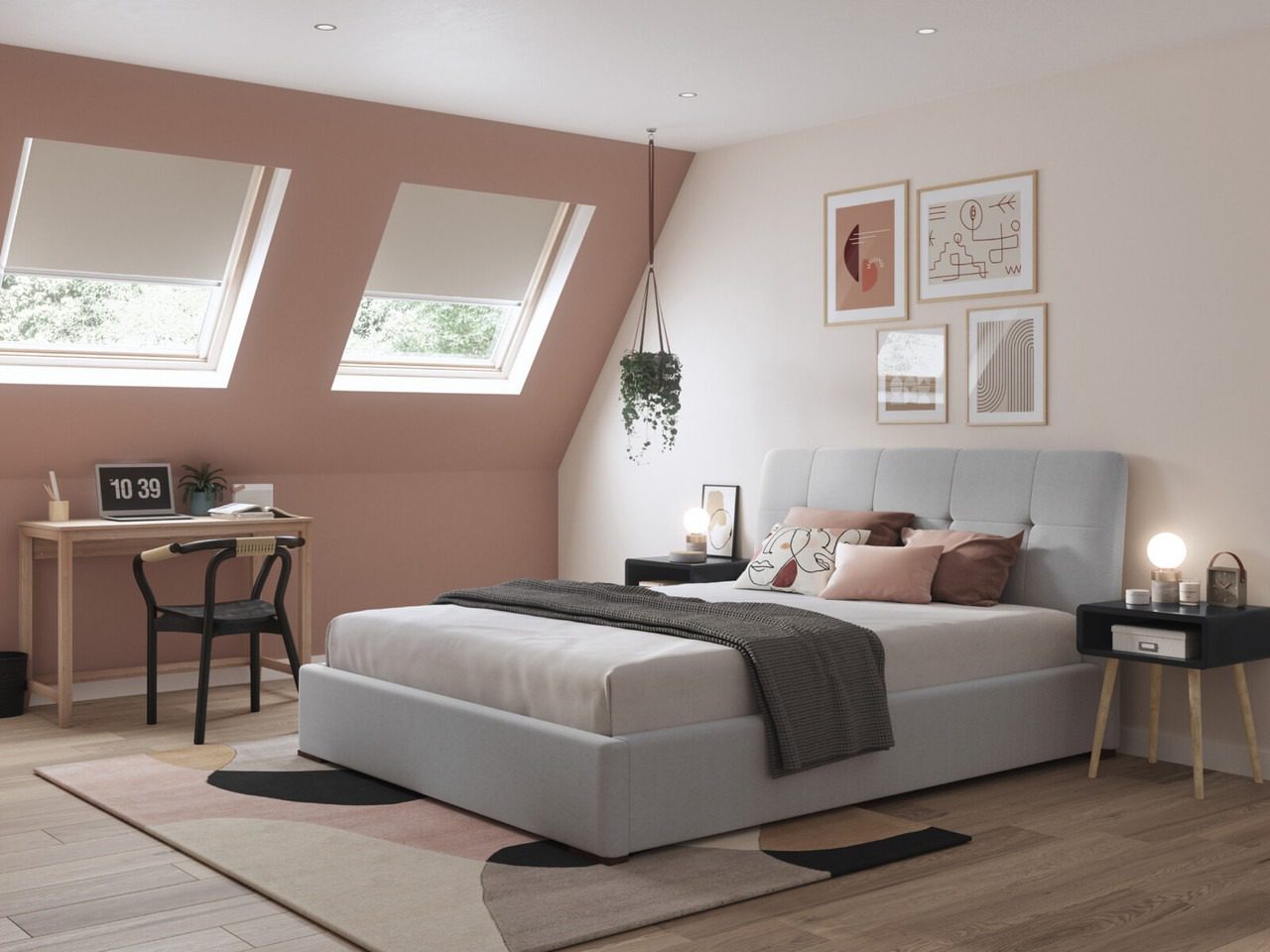
Smart & Stylish Storage: Top Ottoman Double Beds to Buy in 2025
Did you know that the average person spends about one-third of their life in bed? That’s why choosing the right one isn’t just about comfort—it’s an investment in your well-being! Ottoman double beds have revolutionized bedroom furniture by offering that perfect blend of style, comfort, and oh-so-precious storage space. I’ve seen firsthand how these multifunctional marvels can transform cluttered bedrooms into serene sleeping sanctuaries.
According to a recent interior design survey, storage ottoman beds have seen a 43% increase in popularity over the past year, making them one of the hottest bedroom furniture trends of 2025. Whether you’re dealing with a compact apartment or simply want to maximize your bedroom’s potential, an ottoman double bed might be the game-changing solution you’ve been searching for. Let’s dive into everything you need to know about these practical yet stylish sleep solutions! Ready to revolutionize your bedroom storage? Discover our complete range of ottoman double beds that combine style, comfort and practical storage solutions for every bedroom size. Browse All Ottoman Beds →
Key Features of Ottoman Double Beds: What I Wish I’d Known Before Buying
Let me tell you, when I first moved into my tiny London flat three years ago, I was absolutely gobsmacked by the lack of storage. My bedroom was barely bigger than a postage stamp! After weeks of tripping over piles of winter jumpers and spare bedding, I finally caved and started researching ottoman double beds—and blimey, what a game-changer they’ve been.
I remember being properly confused about what made ottoman beds different from regular storage beds at first. The main thing that sets ottoman double beds apart is their lifting mechanism. Unlike drawer storage beds where you access from the sides, the entire mattress platform lifts up to reveal a massive storage area underneath. It’s brilliant for accessing everything at once, rather than awkwardly fishing around in drawers.
The hydraulic lift mechanism was something I totally took for granted until mine started playing up last year. Most quality ottoman beds use gas-powered pistons (similar to what keeps your car boot open) to help lift the weight of your mattress. Trust me on this—don’t skimp here! My first ottoman had cheap pistons that gave up after 18 months, and lifting a heavy mattress without assistance is NOT fun. The better systems have multiple pistons and can handle heavier mattresses without making you feel like you’re doing a workout just to grab a spare duvet.
Storage capacity was another revelation. My ottoman double bed holds roughly 35 cubic feet of storage—that’s about the same as a small garden shed! Most standard doubles offer between 25-40 cubic feet depending on the height of the base. I’ve managed to fit all my seasonal clothes, spare bedding, and even my Christmas decorations in there. Who needs a loft when you’ve got an ottoman bed, right?
Best Ottoman Beds in 2025: Ultimate Storage Bed Buying Guide & Top Picks
One thing I learned the hard way was about weight limitations. There’s actually two different weights to consider—how much the bed frame can support (you and your mattress) and how much you can store underneath. My first ottoman bed frame claimed to support 250kg, but the storage compartment was only rated for 40kg of evenly distributed items. I found out the hard way when I stored my entire book collection in there and the base started to bow! Most decent ottoman doubles can handle about 40-60kg in the storage area, so keep those encyclopedias elsewhere.
The space-saving benefits have been absolutely massive for my 12×10 foot bedroom. Before, I had a regular bed plus a chest of drawers and still needed under-bed storage boxes. Now I’ve ditched the drawers completely, freeing up nearly 8 square feet of floor space. It’s made my tiny room feel so much bigger! For studio flats or box rooms, these beds are absolute gold.
Now, let’s chat about side-lifting versus end-lifting designs because this is something I totally got wrong the first time. I originally bought a side-lifting ottoman without thinking about my room layout. Big mistake! My bed was positioned against a wall on one side, which meant I could only access half the storage area properly. End-lifting models are brilliant if your bed is against a wall, while side-lifting ones work best when you’ve got space on both sides. I eventually switched to an end-lift design, and it’s been so much more practical for my room layout.
One last thing nobody told me—ottoman beds are heavy! Mine took three of us to assemble, and I wouldn’t fancy moving it in a hurry. But the storage benefits have been worth every backache and swear word during the assembly process. If you’re constantly battling with storage issues like I was, an ottoman double might just change your life—or at least stop you tripping over your winter coats every morning! Experience superior storage with our Premium Hydraulic Ottoman Bed! Discover the Aniya Ottoman Bed Frame with dual-piston system and 35+ cubic feet of storage space. Shop the Aniya Ottoman Bed Now →
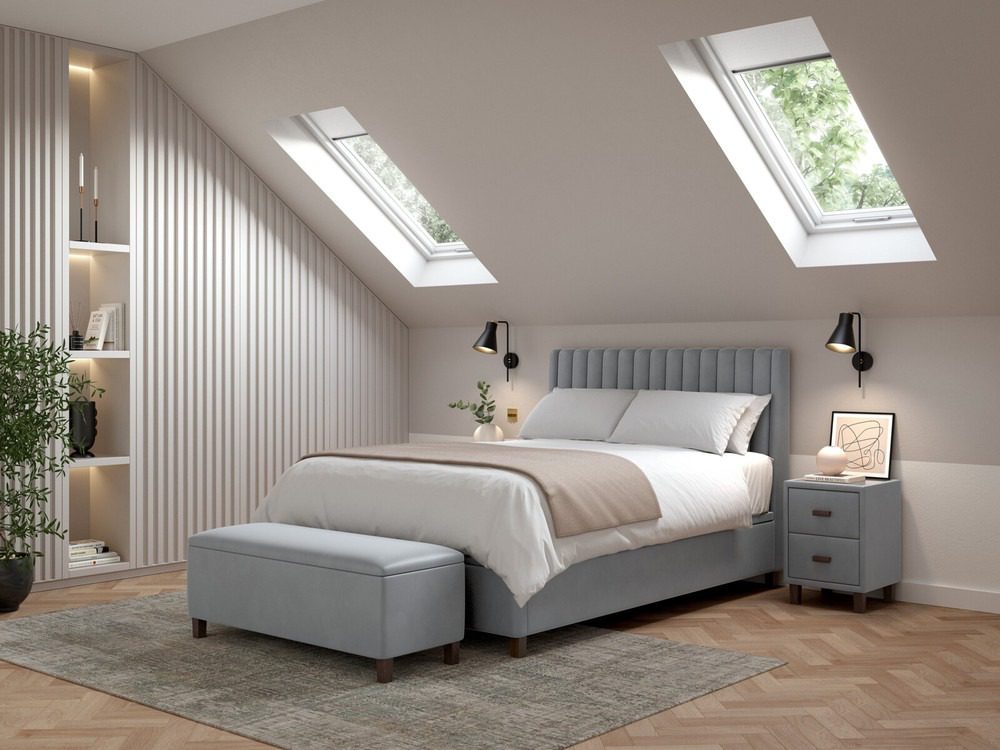
Types of Ottoman Double Beds: My Journey Through Materials, Styles and Regrets
When I first started hunting for an ottoman double bed, I naively thought they were all pretty much the same. Three beds later (and a significantly lighter wallet), I’ve learned there’s a whole world of difference between types! Let me save you from making the same expensive mistakes I did.
The material of your ottoman bed frame makes a massive difference to both durability and style. My first was a wooden ottoman double—lovely to look at with its oak veneer, but the frame wasn’t quite as sturdy as I’d hoped. Solid wooden frames tend to be the priciest (mine was about £800), but they do bring a certain warmth to the room. Metal frames are typically cheaper and surprisingly robust, though mine did develop an annoying squeak after about a year. These days, I’ve settled on a hybrid frame with metal mechanisms but a wooden surround—best of both worlds, innit?
Fabric choices are where things get properly exciting (or overwhelming, depending on your decisiveness). My velvet ottoman bed was gorgeous for the first six months—until my cat decided it was an overpriced scratching post! Velvet looks luxe but shows every mark and can be a right pain to clean. Leather and faux leather options are more practical for households with pets or kids, though they do cost a pretty penny more.
My current bed is upholstered in a linen-blend fabric that’s proven quite resilient, though I do notice it collects dust more visibly than other materials. If you’re on a budget, polyester and microfiber options start around £350-400 and can be surprisingly durable—my mate’s had one for five years with barely a mark on it!
The difference between traditional and contemporary ottoman designs wasn’t something I’d given much thought to initially. Traditional ottoman beds typically feature button-tufted headboards, ornate stitching and sometimes wooden feet. They look dead posh but can be a bit overpowering in smaller rooms (as I discovered in my box room). Contemporary designs tend toward cleaner lines, minimal detailing, and often sit lower to the ground. My current bed has a simple square headboard without tufting, which works much better in my modestly-sized bedroom.
Upholstered Ottoman King Size Bed: Design, Functionality and Style Guide 2025
I had no idea what an ottoman divan bed was until a salesperson explained it’s essentially sectional—the base comes in two pieces that sit together, rather than one solid frame. This makes it brilliant for navigating narrow staircases and doorways (a lesson I learned after having to remove my bedroom door to get my first ottoman bed in). Platform styles, meanwhile, have a more minimalist look with the mattress sitting inside a frame rather than on top of it. They tend to be lower to the ground, which I’ve found makes my room feel bigger.
Headboards might seem like a minor detail, but they make a massive impact on both comfort and style. My first ottoman had a tiny headboard that provided zero support for sitting up and reading—proper disappointing! Tall, padded headboards are brilliant for reading in bed, while winged designs help block drafts if your bed sits against an exterior wall. The width matters too—my current headboard extends about 10cm wider than the bed on each side, which creates a more substantial focal point in the room.
For those with low ceilings or loft conversions, low-profile ottoman beds are an absolute godsend. My cousin’s attic bedroom has sloped ceilings, and she found a low-profile ottoman that’s just 30cm from floor to mattress top (plus mattress height). These beds typically sacrifice a bit of storage depth but can be the difference between banging your head every morning or not! The trade-off is that they can be harder to get in and out of, especially for older people or those with mobility issues.
One thing nobody told me about was the weight difference between types. My upholstered ottoman weighs nearly twice what my wooden frame did, making it a nightmare to move when redecorating. If you’re someone who likes rearranging furniture regularly (guilty as charged), this is definitely something to consider before splashing the cash! Find your perfect upholstered ottoman style! Explore our Ella Sunset Ottoman Bed Frame with premium linen-blend fabric that’s both stylish and durable. View the Ella Ottoman Collection →
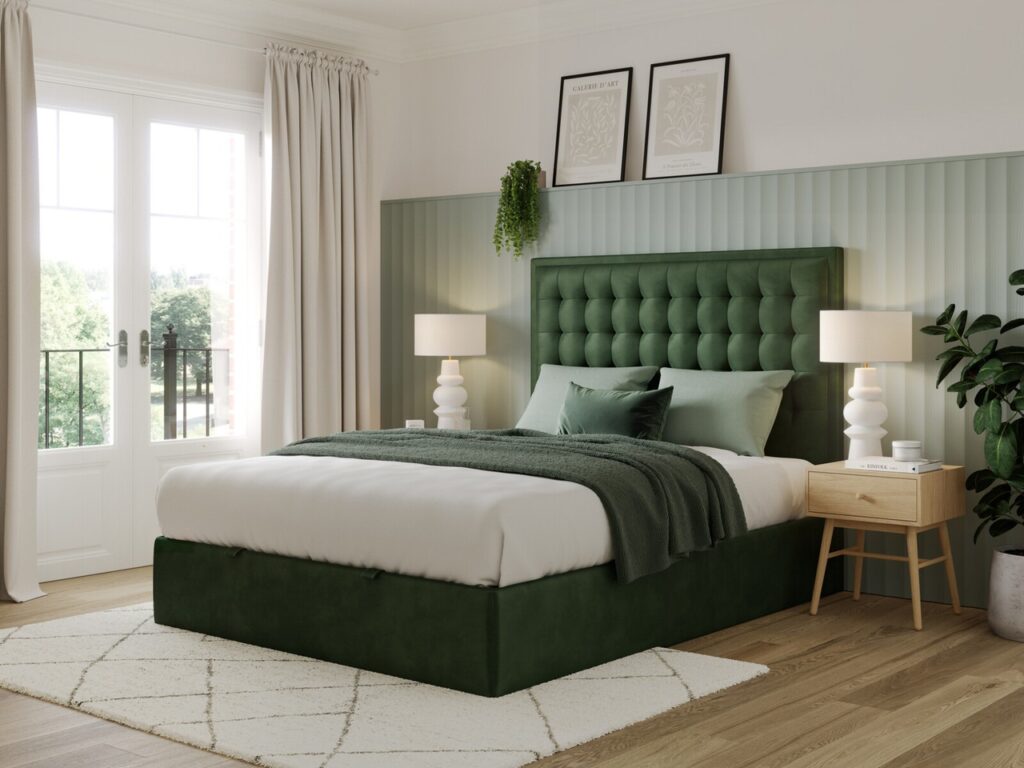
Benefits of Ottoman Double Beds: How They Saved My Sanity and My Space
I never thought I’d be the type to get excited about a bed frame, but here I am, three years into ottoman bed ownership, and I’m still banging on about it to anyone who’ll listen! When I moved from a spacious suburban house to a tiny flat in Manchester, the storage shock hit me hard. My bedroom was half the size but somehow needed to hold all the same stuff. Enter my ottoman double bed—absolute game changer!
The organizational advantages of having storage built right into your bed are properly brilliant. Before my ottoman, I had stuff crammed everywhere—under the bed in those flimsy fabric containers that always rip, stacked in precarious piles on top of wardrobes, and stuffed into every available nook. Now, everything has a designated home. I’ve divided my ottoman storage into sections using storage boxes—winter clothes at one end, summer at the other, and bedding in the middle. It’s dead easy to find exactly what I need without creating a mess. No more avalanches of jumpers when I’m looking for that one specific scarf!
The difference in bedroom clutter has been night and day. My room used to look like a jumble sale by midweek, with clothes and bits everywhere because there simply wasn’t enough proper storage. My ottoman bed swallows up all those bulky, occasionally-used items that used to make my room look chaotic. Spare pillows, winter duvets, that massive beach towel I use twice a year—all tucked away out of sight but easy to access when needed. My bedroom actually stays tidy now, which I genuinely didn’t think was possible for someone as naturally messy as me.
When it comes to cost-effectiveness, I initially balked at spending £599 on my ottoman bed. Seemed steep compared to a basic bed frame! But when I added up what I’d have spent on storage alternatives—a decent chest of drawers (£200+), storage boxes (£50), a blanket chest (£150)—it actually worked out cheaper. Plus, those separate pieces would’ve eaten up precious floor space. Three years on, I reckon it’s been one of my smartest purchases. The bed I bought would’ve been about £300 without the ottoman feature, so I paid roughly £300 extra for built-in storage that would’ve cost me £400+ to buy separately.
Top Space-Saving Ottoman Beds: Maximizing Small Spaces in 2025
For small spaces, ottoman beds are absolute magic. My bedroom is just 8×10 feet, and every inch counts. With a standard bed, I’d have needed at least one large chest of drawers, which would’ve taken up about 8 square feet of floor space. My ottoman bed gives me all that storage without using any additional floor space beyond what the bed already occupies. This means I’ve been able to fit in a small desk, which would’ve been impossible otherwise. For studio flats or box rooms, this space optimization isn’t just nice—it’s essential for maintaining your sanity!
The impact on my sleep quality wasn’t something I’d anticipated, but it’s been a lovely surprise. There’s actual research showing that cluttered bedrooms can increase anxiety and disrupt sleep—and I can totally vouch for that. Before, I’d lie in bed staring at piles of stuff, mentally adding “tidy room” to my never-ending to-do list. Now, with everything tucked away, my bedroom feels like a proper calm space. I’ve genuinely noticed I fall asleep faster and wake up feeling less stressed. Who knew a storage bed could be good for your mental health?
The versatility factor has been brilliant too. When my parents come to stay, I can quickly transform my office/spare room by clearing the desk and pulling out the guest bedding from my ottoman storage—all without having to dig through hallway cupboards or the loft. For those in studio flats, ottoman beds are even more valuable. My mate has a studio where her ottoman bed stores not just clothes and bedding but also her yoga equipment, winter boots, and even some kitchen appliances she doesn’t use daily. It’s basically functioning as her loft, garage, and closet all in one!
One thing I wasn’t expecting was how my ottoman bed would help during seasonal changes. When winter rolls around, I used to have this palaver of dragging storage boxes down from my parents’ loft to swap clothes over. Now, I just lift my mattress and there’s all my winter woolies, ready to go. Same with Christmas decorations—they live in my bed for 11 months of the year!
The only downside I’ve found? Sometimes I’m too lazy to lift the bed just to put one thing away, which can lead to small piles forming until I do a proper sort-out. But that’s on me, not the bed! All in all, my ottoman double has been absolutely brilliant for keeping my small space functional, organized, and surprisingly zen. If you’re battling with storage issues or just want a tidier bedroom, I reckon it might just change your life—it certainly changed mine! Transform your bedroom organization today! The Milla Moonshine Ottoman Bed offers exceptional storage that keeps clutter at bay and improves sleep quality. Get the Milla Ottoman Bed →
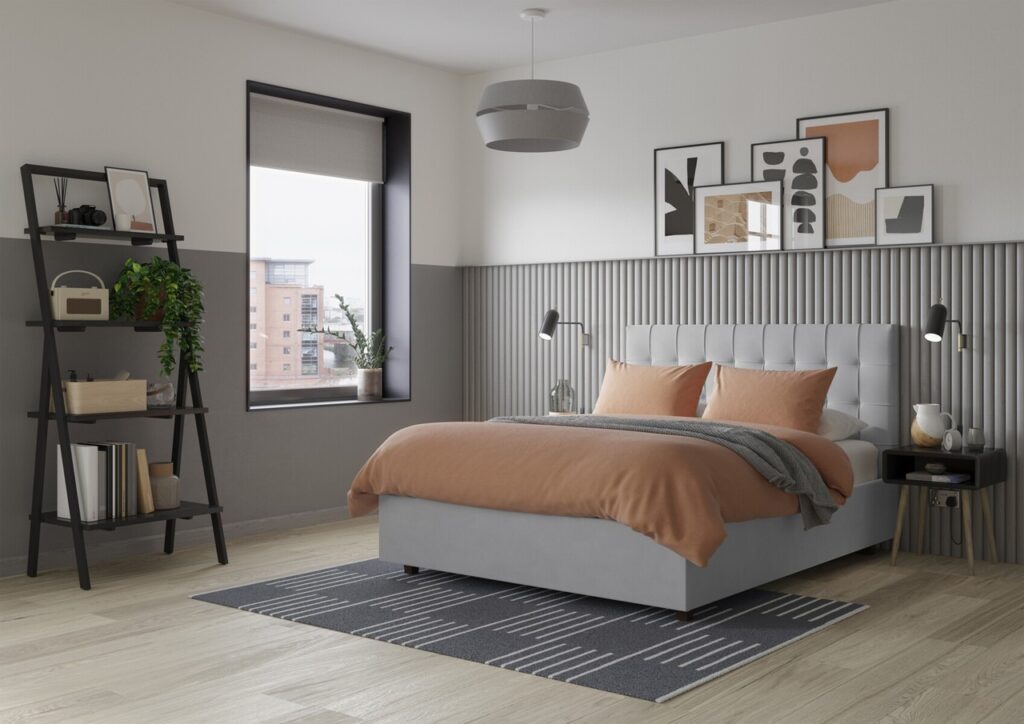
How to Choose the Right Ottoman Double Bed: Lessons from My Three Expensive Mistakes
Picking the perfect ottoman double bed might seem straightforward—until you make the same blunders I did! My first ottoman was too big for my room, the second had a dodgy lifting mechanism, and the third… well, let’s just say I finally got it right on attempt number three. Here’s what I wish someone had told me before I spent nearly two grand on trial and error.
Measuring your bedroom space properly is absolutely crucial—and I’m not just talking about whether the bed will fit. My first ottoman disaster involved a gorgeous king-size that technically fit in my bedroom but left only 38cm of space to walk around. The recommended minimum is 60cm for comfortable movement, and believe me, that extra space matters!
I spent six months shuffling sideways around my bed before admitting defeat. For a double ottoman, you’ll need at least 190cm × 140cm for the bed itself, plus those vital 60cm pathways on the sides you’ll use for access. Don’t forget to measure doorways too—my second ottoman had to be completely disassembled to get it through my Victorian flat’s narrow doorframe. What a faff!
The weight considerations for ottoman beds are something I’d never even thought about until my landlord pointed out the slight dip in my bedroom floor. These beds are substantially heavier than standard frames—my current ottoman double weighs about 85kg before you even add the mattress or storage contents! If you’ve got older floorboards like mine, consider positioning the bed so it straddles multiple joists rather than sitting parallel to them. Concrete floors can handle the weight no problem, but if you’re on an upper floor of an older building, it’s worth checking the load-bearing capacity. Also worth noting that carpet makes opening and closing the ottoman mechanism slightly harder than solid floors due to the increased friction.
When it comes to quality indicators, I’ve learned to be properly fussy. The frame material is your first clue—solid hardwood frames last ages but cost a bomb (usually £700+), while MDF-based frames (£350-600) can be perfectly decent if they use thick boards (look for at least 18mm thickness). Check the corner joints—dovetail or mortise and tenon joints are signs of quality construction, while simple screwed butt joints might loosen over time. My second ottoman started squeaking after just a few months because of poor joinery. The upholstery attachment matters too—stapled fabric might pull loose eventually, while properly sewn upholstery typically lasts longer.
How to Choose an Ottoman Bed in 2025: Expert Buying Guide & Tips
Price ranges for ottoman doubles vary massively, and I’ve tried beds from nearly every tier. Budget options (£250-400) often use thinner materials and basic mechanisms—fine for occasional use in a guest room but probably won’t stand up to daily use for years. Mid-range beds (£400-700) offer the best value in my experience, with decent mechanisms and materials that should last 5+ years with proper care. Premium ottoman doubles (£700-1200+) offer luxurious upholstery, superior mechanisms, and frames that should last a decade or more. My current bed was £650 and hits the sweet spot between quality and not making my bank account weep.
The hydraulic mechanism is the heart of any ottoman bed, and it’s where many manufacturers cut corners. My cheap first ottoman had a single-piston system that gave up after 18 months, leaving me to manually heave up a heavy mattress—absolute nightmare! Quality ottomans use dual or even quad-piston systems.
A good test in the showroom: open the ottoman with one hand—if it requires significant effort or feels jerky, that’s a red flag. Also check how the pistons are attached to the frame—welded attachments are sturdier than screwed ones. My current bed has gas struts rated for 1,500 lifting cycles, which should last about 10 years with normal use. Worth every penny of the extra £100 it cost!
Warranty considerations saved my bacon when my second ottoman’s frame cracked after just 9 months. Standard warranties typically cover the frame for 1-5 years, but the mechanisms often have separate, shorter coverage periods. My advice? Don’t even consider beds with less than 2 years of full coverage. Read the small print carefully—many warranties become invalid if you don’t use their recommended mattress weight or if you overload the storage area. Some only cover manufacturing defects but not wear and tear or accidental damage. Extended warranties are usually available but rarely worth it in my experience—if a bed is going to fail, it typically happens in the first year.
One thing I didn’t consider until too late was the mattress compatibility. Some ottoman beds have slat gaps that are too wide for foam mattresses, causing premature sagging. My memory foam mattress needed slats no more than 7cm apart, but my first ottoman had gaps of nearly 10cm! Check this before buying or you might end up replacing your mattress as well.
Assembly is another consideration—my current ottoman took two of us nearly three hours to put together, with some colorful language thrown in! Many retailers offer assembly services for £50-90, which honestly might be worth it for the sake of your sanity and relationship if you’re not handy with an Allen key.
After three beds and too much money spent, I’ve finally got an ottoman double that works perfectly for my space and needs. Take your time, do your measurements properly, and invest in quality where it counts (especially those pistons!). Your back—and your wallet—will thank you for getting it right the first time, unlike some people I could mention… cough me cough. Invest in quality that lasts! Our Emily Moonshine Ottoman features premium materials, a 5-year warranty, and dual-piston hydraulics rated for 1,500+ lifting cycles. Shop the Emily Ottoman Bed →
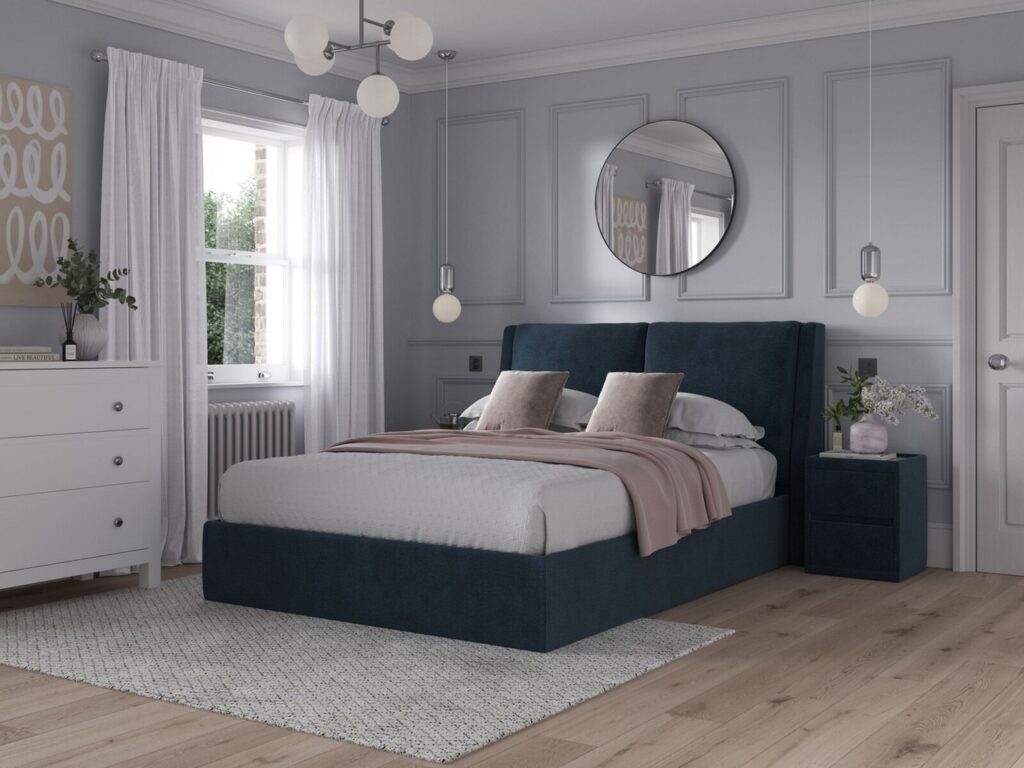
Top Ottoman Double Bed Styles for 2025: What I’ve Seen (And What I’m Saving For!)
I’ve been obsessed with interior design since my university days, and let me tell you—ottoman double beds have come a long way from the bulky, overstuffed boxes they used to be! After visiting three furniture exhibitions this year and spending far too many hours scrolling through design websites, I’m proper excited about the ottoman bed trends emerging for 2025. My bank account’s not quite as thrilled, mind you, as I’ve already started saving for an upgrade!
The minimalist ottoman bed trend has absolutely exploded recently, and I’m totally here for it. Gone are the days of chunky frames and overly ornate headboards. The new minimalist styles feature clean lines, low profiles, and nearly invisible storage functionality. My mate just got one with a frame that’s barely 20cm high, with the thinnest possible borders around the mattress. The Japanese-inspired designs are particularly gorgeous, with natural wood finishes and zero unnecessary details.
These beds make your room look twice as big! Most impressive are the “floating” minimalist ottomans that use recessed bases to create the illusion that your bed is hovering slightly above the floor. They’re not cheap though—expect to pay around £700-900 for quality versions that don’t wobble.
The luxury upholstered options this year are making me seriously consider a cheeky finance plan! Premium fabrics have gone beyond the standard velvet and leather to include some properly luxe materials. Bouclé upholstered ottoman beds are everywhere at the high end, with their nubbly texture adding gorgeous dimension to bedrooms. I tried one out in a showroom that was covered in a wool-cashmere blend that felt like sleeping in a posh jumper!
Crushed silk velvet is another premium option that catches the light beautifully—though at £1,200+ for a double, they’re definitely investment pieces. What’s clever about 2025’s luxury ottomans is how they’ve slimmed down the profiles while keeping the plushness. My current ottoman looks like a massive box compared to these new streamlined versions that somehow still feel opulent.
15 Best Minimalist Ottoman Beds for 2025: Clean Lines Meet Smart Storage
The eco-friendly and sustainable ottoman bed market has finally matured beyond greenwashing to offer some genuinely impressive options. I’ve been eyeing one made from reclaimed scaffold boards that’s been hand-finished with natural oils rather than chemical varnishes. Bamboo frames are becoming more common too, offering similar strength to hardwood but from a much more sustainable source. The most exciting development I’ve seen is in the upholstery—fabrics made from recycled ocean plastic that honestly feel just as nice as virgin polyester.
There’s even a company using mycelium (mushroom roots) to create leather alternatives for their ottoman covers! These sustainable options used to come with a massive price premium, but competition has brought prices down to around £650-850 for a good quality double—still not cheap, but at least in the realm of possibility for us normal folk.
Smart ottoman beds with integrated tech features are the thing I didn’t know I needed until I saw them. These clever beds are solving storage problems I didn’t even realize could be addressed! My absolute favourite has built-in LED lighting that automatically illuminates the storage area when you lift the mattress—no more fumbling with your phone torch to find that specific jumper! Some models now come with dehumidifier pods built into the storage area to prevent any mustiness developing with stored bedding.
The proper fancy ones include USB charging ports integrated into the headboards, Bluetooth speakers, and even sleep tracking sensors built into the base. One exhibition model I tried had a remote-controlled lifting mechanism so you don’t even have to manually open it! These tech-integrated options typically start around £800 and can go well north of £1,500 depending on how many bells and whistles you want.
Designer collaboration pieces are making serious waves in the ottoman bed market this year. I spotted a limited edition ottoman designed by a famous Scandinavian furniture designer that somehow makes a storage bed look like a piece of sculptural art. The high-street collaborations are more within reach for most of us—there’s a gorgeous ottoman range designed by a well-known British fashion designer featuring subtle signature details like distinctive stitching patterns and unique fabric textures.
What makes these designer pieces special is the attention to small details—perfectly matched patterns at the seams, unusual button formations on headboards, and exclusive colorways you won’t find elsewhere. Prices vary wildly from around £700 for the high-street collabs to several thousand for the limited edition designer pieces. Worth it? My heart says yes, my bank balance screams no!
For those of us with champagne taste but prosecco budgets, there are some brilliant budget-friendly options that don’t compromise on quality. I’ve been impressed by several ottoman doubles in the £400-550 range that nail the essentials. The trick is finding beds that spend the money where it counts—on solid lifting mechanisms and sturdy frames—while saving on non-essential details.
One brand offers “design your own” ottomans where you can choose a basic frame and then select from different headboard styles and fabric options, only paying for the upgrades you care about. Another approach is the “hybrid ottoman” that only lifts halfway but costs significantly less while still providing decent storage. My neighbor just got a “half ottoman” (where only half the bed lifts, usually from the foot end) for just £375 that looks much more expensive than it was.
The trend I’m most excited about combines several of these elements—”adaptable ottomans” designed to evolve with your needs. These clever beds have headboards and bases that can be reupholstered without replacing the entire frame, and modular storage dividers that can be reconfigured as your storage needs change. Perfect for indecisive types like me who fancy a change every few years!
I’m currently saving up for a minimalist smart ottoman with sustainable fabric—trying to tick all the trend boxes without requiring a second mortgage! Whatever your budget though, 2025’s ottoman beds are miles ahead of what was available even a couple of years ago. The storage bed has finally had its fashion moment, and our bedrooms (and their contents) are all the better for it! Embrace minimalist luxury with our designer collection! The Isabelle Star Ottoman Bed combines clean lines with smart storage for the ultimate contemporary bedroom. Discover the Isabelle Ottoman →
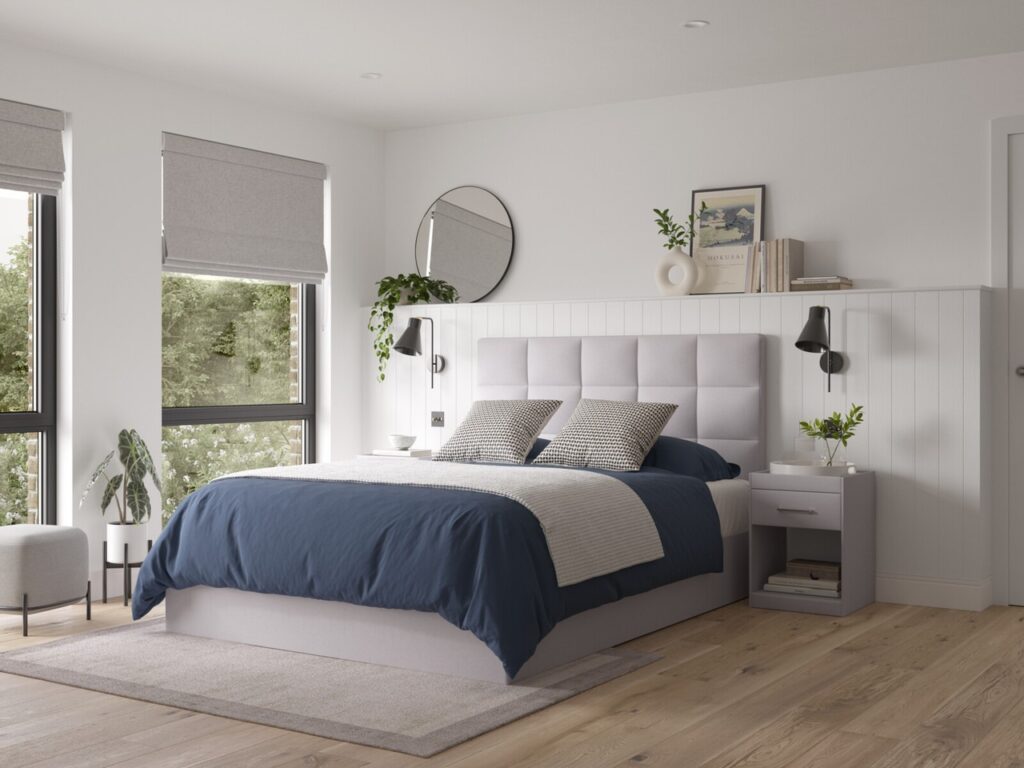
Ottoman Double Bed Assembly and Maintenance: My Blood, Sweat and Tears (Mostly Tears)
Let me start by saying I’m not exactly what you’d call “handy.” My idea of DIY success is hanging a picture frame without putting my thumb through the plasterboard. So when my ottoman double bed arrived in what felt like 500 separate pieces, I nearly had a proper meltdown! Three ottoman beds later, I’ve learned a thing or two about assembly and maintenance—mostly through making every mistake possible.
The typical assembly process for an ottoman double bed is, to put it mildly, not for the faint-hearted. My first attempt took nearly five hours, involved two cups of tea, one pizza delivery, and language that would make a sailor blush. Most ottoman beds come flat-packed in 2-3 massive boxes, with the frame components, slats, lifting mechanism, headboard, and about a million screws and bolts all separated.
The basic assembly flow usually starts with building the base frame, attaching the lifting mechanism, connecting the storage base, adding the slats, and finally attaching the headboard. What the instructions don’t mention is the wrestling match required to align everything perfectly while simultaneously holding heavy pieces in place and tightening bolts. The difficulty level? I’d rate it a solid 8/10 for a novice—somewhere between building IKEA’s most complex wardrobe and performing minor surgery.
Don’t even think about tackling this job without the right tools and an extra pair of hands! At minimum, you’ll need a decent screwdriver (both Phillips and flathead), an Allen key set (though most kits include basic ones), a rubber mallet, and ideally a power drill with screwdriver bits to save your wrists. The instructions might suggest it’s a one-person job, but they’re having a laugh. You absolutely need a second person—preferably someone patient who won’t judge your colorful language choices.
My poor mum held pieces in place for three hours during my first assembly attempt, and we’re still recovering from the experience two years later. The trickiest part is attaching the gas pistons to both the base and the lifting platform while keeping everything aligned. I found placing cushions strategically to prop up pieces while working made things marginally easier.
Professional vs DIY Ottoman Bed Assembly: Complete Guide 2025
Cleaning and maintaining your ottoman bed properly makes a massive difference to its lifespan. My velvet ottoman taught me this lesson the hard way after a spilled cup of tea created a stain that no amount of scrubbing would shift. For fabric upholstery, invest in a good handheld vacuum with upholstery attachments—regular vacuuming prevents dust from settling into the fibers.
Different materials need specific care: velvet and chenille should be brushed with a soft clothes brush in the direction of the pile; leather and faux leather can be wiped with a slightly damp cloth and specific leather cleaners; while linen and cotton blends benefit from fabric protection spray applied every 6-12 months. Whatever you do, avoid soaking any part of the bed—moisture can seep into the frame and warp the materials. For stubborn stains, test any cleaning product on an inconspicuous area first—I learned this after accidentally bleaching a small patch of my grey ottoman bright white!
The hydraulic mechanism is the heart of your ottoman bed, and when it goes wrong, it’s properly annoying. My second ottoman developed a fault where one side would lift faster than the other, creating a wonky opening that threatened to send my mattress sliding onto the floor! Common issues include pistons that lose pressure (resulting in a bed that won’t stay open), mechanisms that become stiff or squeaky, and alignment problems that make opening difficult.
For squeaking, a small amount of silicone-based lubricant applied to the metal joints (not the pistons themselves!) works wonders. If one side is lifting faster than the other, check the weight distribution of your mattress and stored items—uneven weight can cause this problem. For pistons losing pressure, unfortunately, they usually need replacing. You can buy replacement gas struts online for about £30-50 a pair. The good news is they’re relatively easy to switch out—just make sure to prop the bed open securely while working! One tip I wish I’d known earlier: never force the mechanism if it feels stuck or stiff—you’ll likely bend something important.
Proper weight distribution is crucial for both the longevity of your ottoman bed and your own safety. My first ottoman developed a worrying crack in the base after I stored my entire book collection in one corner. Most ottoman doubles can handle about 40-60kg of evenly distributed storage weight, but the key word here is “evenly.” Spread heavier items across the entire base rather than concentrating them in one area.
Keep the heaviest items in the center of the storage space where the base has the most support. I now use fabric storage boxes to organize my ottoman contents, which helps distribute the weight more evenly and makes things easier to access. Another tip: avoid storing anything that might leak or spill, as liquids can damage the interior base materials and create unpleasant odors. I learned this after a bottle of fabric conditioner leaked all over my winter jumpers—not a mistake I’ll repeat!
After my assembly nightmare, I become a massive advocate for professional assembly services. Most retailers offer this as an add-on service, typically charging between £60-90 for ottoman beds. Some independent furniture assemblers will do it for around £50-70 if you shop around. Is it worth it? ABSOLUTELY. Professionals usually complete the job in under an hour with no drama, no relationship-testing arguments, and no risk of incorrect assembly that might damage your new bed.
They also remove all packaging and position the bed exactly where you want it. If you’re buying an ottoman bed that costs £500+, the extra £60-90 for professional assembly is money well spent for both the quality of the build and your mental well-being. Some retailers even offer free assembly with higher-priced models, which is worth factoring into your purchasing decision.
One final maintenance tip that’s saved me headaches: tighten all visible screws and bolts every 6-12 months. Ottoman beds involve moving parts that vibrate slightly with each opening and closing, which can gradually loosen connections. A quick once-over with a screwdriver twice a year prevents that annoying wobble from developing. Also, check the underside of the slats occasionally—any cracked or damaged slats should be replaced promptly to prevent mattress damage.
I might sound traumatized by my ottoman assembly experiences, but honestly, the storage benefits have been worth every curse word and minor injury. Just learn from my mistakes: get help, use the right tools, maintain it properly, and if your DIY skills are anything like mine, seriously consider paying for professional assembly! Stress-free assembly with premium construction! The Amelia Nocturne Ottoman Bed comes with clear instructions and optional professional assembly service. Shop the Amelia Ottoman Bed →
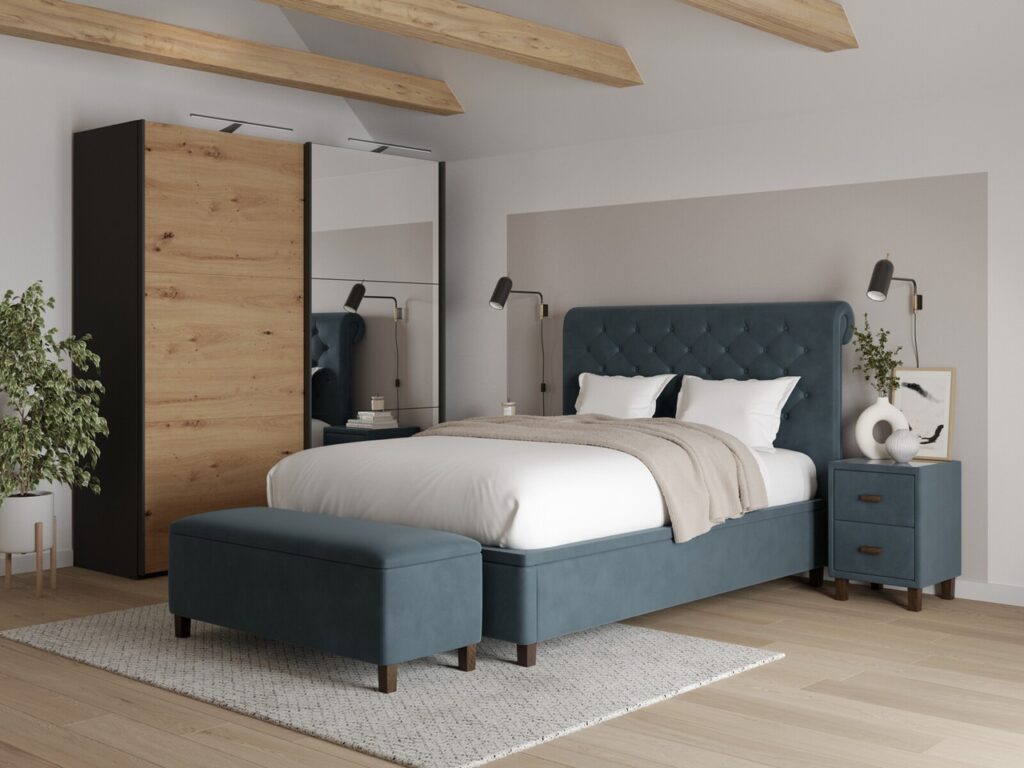
Styling Your Ottoman Double Bed: How I Transformed Mine from Boring to Boutique-Worthy
When I first got my ottoman double bed, I was so chuffed about the storage that I completely overlooked the styling potential. It sat in my bedroom looking like an oversized box for months before I realized it could actually be the star of my bedroom! After countless hours on Pinterest, several impulse buys (some brilliant, some proper disasters), and three complete bedroom makeovers, I’ve finally cracked the code to styling an ottoman bed that looks straight out of a posh hotel.
Finding complementary bedroom furniture that works with an ottoman bed can be a bit tricky. Since these beds already provide loads of storage, you don’t necessarily need massive wardrobes or chest of drawers cluttering up the space. My first mistake was keeping all my old bedroom furniture, which made the room feel cramped and disjointed. I’ve found that slimline, floating bedside tables work brilliantly with ottoman beds—they maintain that sense of space while providing a spot for your cuppa and phone.
Wall-mounted or floating dressing tables are another game-changer, especially in smaller rooms. For my grey velvet ottoman, I paired it with oak furniture featuring clean lines and minimal detailing, which created a lovely balance between soft and structured elements. If your ottoman has a dramatic headboard, keep other furniture pieces simple to avoid visual competition. Conversely, if your ottoman is more minimalist, you can go a bit bolder with statement pieces elsewhere.
Color schemes can make or break your ottoman bed styling. My first bedding set clashed horribly with my navy ottoman—a mistake I lived with far too long because I’d spent a fortune on it! If you’ve got a neutral ottoman (grey, beige, white), you’re in luck as they work with nearly any color palette. For my current grey ottoman, I’ve gone with blush pink, sage green, and warm neutrals which create a calming scheme that feels properly sophisticated. If you’ve got a bold colored ottoman like emerald or mustard, consider working with complementary colors rather than matching exactly.
My friend’s mustard ottoman looks amazing with navy and white bedding—the contrast makes the bed pop without being overwhelming. One approach I love is using the 60-30-10 rule: 60% of the room in your dominant color (often walls and large furniture), 30% in a secondary color (perhaps bedding and curtains), and 10% in an accent color for accessories. This creates a balanced look that feels intentional rather than random.
Bedding choices can completely transform how your ottoman bed looks! Since these beds tend to be quite substantial pieces of furniture, I’ve found that layering different textures creates a much more interesting look than just using a plain duvet set. My current setup includes a simple white cotton base layer, a textured throw in a complementary color, and then accent cushions in various shapes and fabrics. The height of your ottoman bed should influence your bedding style—higher beds can handle more dramatic, heavily layered bedding, while lower profile ottomans look better with simpler, less bulky options.
Ottoman Beds with Headboard Options: Design Impact Guide 2025
If your ottoman has button detailing or quilting, consider echoing that in your bedding choices for a cohesive look. I splashed out on a quilted bedspread that mimics the diamond pattern on my headboard, and it ties everything together beautifully. Don’t forget about valance sheets or box springs—with higher ottoman beds, these visible elements should be coordinated with your overall scheme.
Maximizing visual impact in different room sizes requires some strategic thinking. In my tiny first flat, my ottoman dominated the space until I learned some visual tricks. For smaller rooms, choosing an ottoman in a lighter color or the same color as your walls creates a more seamless look that doesn’t chop up the visual space. Wall-mounting bedside lights rather than using table lamps freed up surface space and created a cleaner look.
In larger rooms, ottoman beds can sometimes get lost, so creating a frame around them helps—think tall plants in corners, wall art above, or even a canopy frame. I’ve recently painted a feature wall behind my ottoman in a slightly darker shade than the other walls, which frames the bed beautifully and creates depth without requiring any floor space.
Creating a focal point with your ottoman bed is easier than you might think! Since these beds typically have substantial headboards, they’re naturally drawn to be the center of attention. I enhanced mine by hanging a large round mirror centered above the headboard—the contrast between the squared bed and circular mirror creates a lovely focal point. Another approach is using symmetry—identical bedside tables, lamps, and artwork arrangements on either side of the bed creates a balanced, intentional focal area.
Lighting plays a huge role too—I installed wall-mounted reading lights on either side of my headboard, which not only looks dead stylish but draws the eye right to the bed. For a really dramatic effect, LED strip lights behind the headboard create a floating effect that looks properly premium (and cost me less than £20!).
Accessorizing is where you can really inject personality into your ottoman bed setup. I went through a phase of having approximately 97 cushions on my bed (slight exaggeration, but not by much), which looked amazing in photos but was a right faff to remove every night. I’ve now settled on a more reasonable five—two large European pillows at the back, two standard pillows, and one accent cushion in a contrasting texture.
A throw folded at the foot of the bed adds another layer of texture and is actually practical for chilly evenings. Don’t forget the space around your bed—a beautiful rug underneath helps define the bed area, especially in larger rooms. Plants are brilliant accessories that bring life to the space—I’ve got a tall fiddle leaf fig in the corner that draws the eye up and creates height variation. If your ottoman has a plain headboard, consider creating a gallery wall above it, or hanging a statement textile piece like a macramé wall hanging.
One styling tip I wish I’d known sooner: consider the visual weight of your ottoman bed when choosing other elements. Because these beds are quite substantial, balancing with airier pieces elsewhere prevents the room feeling bottom-heavy. I swapped my chunky wooden bedside tables for glass and metal ones, which instantly made the room feel more spacious and balanced.
The best thing about ottoman beds is how they combine practicality with style potential. Mine has evolved from a purely functional storage solution to the centerpiece of a bedroom that genuinely makes me happy every time I walk in. With some thoughtful styling choices, your ottoman bed can be both the hardest-working and best-looking piece in your bedroom! Create your dream bedroom aesthetic! The Leah Snooze Ottoman Bed Frame offers versatile styling options with its neutral upholstery and contemporary design. View the Leah Ottoman Bed →
Conclusion:
Ottoman double beds truly represent the perfect marriage of form and function for today’s space-conscious homeowner. From maximizing storage in compact urban apartments to creating clutter-free sleep sanctuaries in larger homes, these versatile pieces have earned their place as bedroom essentials in 2025.
When selecting your perfect ottoman double bed, remember to consider your specific storage needs, available space, and design preferences. The right ottoman bed doesn’t just provide a comfortable place to sleep—it transforms your entire bedroom experience by eliminating clutter and creating a more peaceful environment.
Ready to elevate your bedroom with this practical yet stylish solution? With the comprehensive information we’ve covered, you’re now equipped to choose an ottoman double bed that will serve you well for years to come. Sweet dreams and happy organizing! Transform your bedroom into a clutter-free sanctuary today! With our extensive collection of ottoman double beds, you’ll find the perfect balance of comfort, style and storage to enhance your sleep environment. Find Your Perfect Ottoman Bed →