

Best Queen Size Bed Frames with Storage: 15 Space-Saving Solutions for Your Bedroom in 2025
Did you know that the average bedroom loses 25% of its storage potential simply because we’re not utilising the space under our beds? I’ve been there – staring at a cluttered bedroom, wondering where to put everything! Queen-size bed frames with built-in storage are absolute game-changers for anyone looking to maximise their space without sacrificing style or comfort.
Whether you’re dealing with a small apartment, a guest room that doubles as an office, or you simply want to declutter your master bedroom, the right storage bed frame can transform your space from chaotic to organised. In this comprehensive guide, we’ll explore the top-rated queen size bed frames with storage available in 2025, helping you find the perfect solution that combines functionality, durability, and aesthetic appeal. Ready to transform your cluttered bedroom into an organised sanctuary? Discover our premium collection of queen size ottoman beds that combine luxury comfort with massive storage capacity. Shop Queen Size Ottoman Beds →
Why Choose Queen Size Bed Frames with Storage?
Space Optimisation Benefits for Modern Living
- Maximise Every Square Inch of Your Bedroom
I’ll be honest, I never realised how much space I was wasting until I got my first storage bed. The area under a queen bed is roughly 3 square metres of completely unused real estate! When you lift up that mattress platform, you’re looking at 15-20 cubic feet of storage space – that’s enough room for seasonal clothing, spare bedding, and all those random bits you can’t find homes for. - Perfect Solution for Small Flats and Apartments
Living in a tiny flat taught me that vertical storage is brilliant, but horizontal hidden storage is even better. Modern homes are getting smaller (the average UK bedroom is just 10-12 square metres), so every storage solution needs to work double-time. Storage bed frames don’t take up any additional floor space whilst giving you massive storage capacity. - Eliminate Bedroom Clutter Without Losing Functionality
Before my storage bed, I had boxes everywhere and clothes draped over chairs like some sort of textile explosion. Now everything has a proper home underneath the bed, and my room actually looks like a grown-up lives there instead of a tornado survivor.
Cost-Effectiveness Compared to Separate Storage Furniture
- Significant Savings Over Individual Storage Pieces
I did the maths (because I’m a bit obsessive like that), and buying separate storage furniture would’ve cost me a fortune. A decent chest of drawers runs £200-400, wardrobes start at £300, and storage ottomans are about £100-150 each. Compare that to a quality storage bed frame at £400-600, and you’re saving hundreds whilst getting more storage space. - Long-Term Investment Value
Storage beds last ages because they’re built to handle weight and daily use. I’ve had mine for three years now, and it’s still going strong despite me constantly opening and closing the storage compartments. When you factor in durability, the cost per year is actually quite reasonable. - No Need for Additional Bedroom Furniture
This was the real eye-opener for me – I didn’t need to buy a single additional storage piece after getting my storage bed. That freed up money for other home improvements and meant I wasn’t constantly hunting for matching furniture pieces.
Aesthetic Advantages of Hidden Storage Solutions
- Clean, Minimalist Bedroom Appearance
The visual transformation was honestly shocking. Before, my bedroom looked like a furniture showroom had exploded with storage boxes, drawers, and random containers everywhere. Hidden storage creates this lovely, uncluttered aesthetic that makes the whole room feel bigger and more peaceful. - Maintain Design Consistency Without Compromise
You know how frustrating it is when you find the perfect bed frame, but then need to find storage furniture that matches? Storage beds solve this completely because everything’s integrated into one cohesive piece. No more mismatched furniture or compromising on style for functionality. - Preserve Floor Space for Better Room Flow
This might sound obvious, but having clear floor space completely changes how a room feels. Without bulky storage furniture taking up precious square footage, you can actually move around your bedroom without doing some sort of furniture obstacle course.
Ideal Room Sizes and Layouts for Storage Bed Frames
- Minimum Space Requirements and Optimal Positioning
You need at least 60cm of clearance around the bed for easy access to storage compartments – I learned this the hard way when I first positioned mine too close to the wall. Rooms from 10 square metres upwards work brilliantly, though I’ve seen them work in smaller spaces with clever positioning. - Best Layouts for Different Room Shapes
L-shaped bedrooms are absolutely perfect for storage beds because you can position them to maximise accessibility. Rectangular rooms work well too, just make sure you’ve got enough space on at least one side for the hydraulic lift or drawer access. Square rooms can be trickier, but they’re definitely doable with proper planning. - Considerations for Shared Bedrooms
If you’re sharing the bed, think about which side gets used more for storage access. Most couples find that having storage access from the foot of the bed works best because it doesn’t disturb anyone’s sleep when you need to grab something.
Environmental Benefits of Multi-Functional Furniture
- Reduced Manufacturing and Transportation Impact
This wasn’t something I’d considered initially, but multi-functional furniture means fewer individual pieces being manufactured, packaged, and shipped. One storage bed replaces potentially 3-4 separate furniture items, which significantly reduces the environmental footprint of furnishing your bedroom. - Longer Lifespan Reduces Replacement Frequency
Quality storage beds are built to last because they need to handle the weight and daily use of both sleeping and storage functions. Mine’s been going strong for years, whereas I used to replace cheaper storage furniture every couple of years when it inevitably fell apart. - Less Consumption of Additional Storage Solutions
When you’ve got proper built-in storage, you’re not constantly buying additional organisational products, storage boxes, or furniture pieces. It’s quite liberating, actually – I haven’t bought a single storage item since getting my bed frame, which has definitely reduced my overall consumption habits. Experience the space-saving revolution for yourself! Check out the Lizzy Ottoman Upholstered Bed Frame – our customers’ top choice for combining style with practical storage. Shop Lizzy Ottoman Bed Frame →
Types of Queen Size Storage Bed Frames
Platform Beds with Built-In Drawers
- Easy Access Side Drawers for Daily Essentials
I started with a platform bed with drawers, and honestly, it was brilliant for everyday items. These typically come with 2-4 drawers built into the base, usually on one or both sides. The drawers slide out smoothly (well, mine did after I figured out you need to keep them properly aligned), and they’re perfect for storing clothes, bedding, or anything you need regular access to. - Sturdy Construction with Modern Aesthetic Appeal
Platform beds are proper workhorses – mine supported my mattress without any box spring needed, which saved me about £150 straight away. The clean lines look fantastic in modern bedrooms, and because the storage is integrated into the platform design, everything feels cohesive rather than like an afterthought. - Ideal for Organised Storage Systems
The separate drawer compartments make organisation dead easy. I used drawer dividers to create sections for different clothing types, and it worked a treat. Each drawer typically holds about 2-3 cubic feet of storage, so you’re looking at roughly 8-12 cubic feet total depending on the configuration.
Hydraulic Lift Storage Beds with Gas Pistons
- Maximum Storage Capacity with Full Mattress Access
This is where things get properly impressive. When I upgraded to a hydraulic lift bed, I couldn’t believe the storage space – we’re talking about the entire area under the mattress, roughly 15-20 cubic feet of storage. The gas pistons make lifting the mattress surprisingly easy, even when it’s a heavy memory foam one like mine. - Effortless Operation Despite Heavy Mattresses
I was worried about the mechanism breaking or being difficult to operate, but quality gas pistons are absolute game-changers. Mine lifts a 30kg mattress with just a gentle pull, and it stays open whilst I’m rummaging around for whatever I’ve buried in there. The pistons are rated for thousands of cycles, so they’re built to last. - Perfect for Bulky Item Storage
This is where hydraulic beds really shine – storing duvets, pillows, suitcases, and seasonal clothing that you don’t need regular access to. I’ve got my entire winter wardrobe stored under there during summer months, plus spare bedding sets and even some Christmas decorations (don’t judge me).
Bookcase Headboard Storage Combinations
- Dual-Purpose Design for Book Lovers and Small Spaces
I absolutely love these because they solve two problems at once. The headboard features multiple shelves and compartments, perfect for books, alarm clocks, phone chargers, and all those bedside essentials. Mine has about 6-8 compartments of varying sizes, which is brilliant for keeping everything within arm’s reach. - Convenient Bedside Storage Without Additional Furniture
This was a revelation for me – no more bedside tables cluttering up the floor space! Everything I need is right there in the headboard storage. I’ve got books, reading glasses, hand cream, and even a small torch stored in the various compartments. It’s like having a built-in bedside organiser. - Customisable Organisation Options
Most bookcase headboards come with adjustable shelves or removable dividers, so you can configure the storage to suit your needs. I rearranged mine several times before finding the perfect setup – larger compartments for books, smaller ones for personal items, and even a hidden section for valuables.
Ottoman-Style Storage Beds
- Elegant Upholstered Design with Hidden Storage
Ottoman beds are properly sophisticated – they look like expensive upholstered beds but hide massive storage compartments underneath. Mine’s covered in a lovely grey fabric that matches my bedroom décor perfectly. The storage access is usually from the foot of the bed, which keeps the mechanism hidden and maintains the elegant appearance. - Soft-Close Mechanisms for Quiet Operation
The soft-close hinges are brilliant, especially if you’re sharing the bed. No more accidentally slamming the storage compartment shut at 6 am and waking up your partner (learned that lesson the hard way with my previous bed). The mechanism is whisper-quiet and prevents any damage from forceful closing. - Luxurious Feel with Practical Functionality
What I love about Ottoman beds is that they don’t look like storage furniture at all – they just look like really nice beds. The upholstered finish feels proper luxurious, and guests never realise there’s storage underneath unless you show them. It’s like having a secret storage compartment that doubles as bedroom furniture.
Captain’s Beds with Side Storage Compartments
- Multiple Storage Zones for Different Item Categories
Captain’s beds are like the Swiss Army knife of storage beds – they’ve got drawers on the sides, sometimes storage in the headboard, and often additional compartments built into the frame. Mine has six different storage areas, which is brilliant for organising different types of items in separate zones. - Traditional Design with Modern Storage Solutions
I chose a captain’s bed because I wanted something that looked more traditional but still offered loads of storage. The design typically features raised sides with built-in drawers and compartments, giving it a proper nautical feel (hence the name). It’s like having a storage system disguised as a classic bed frame. - Excellent for Children’s Rooms and Guest Bedrooms
These work brilliantly in guest rooms because visitors can easily access storage for their belongings without feeling like they’re invading your personal space. The multiple compartments mean you can designate specific areas for guest use whilst keeping your own storage separate. I’ve got one in my spare room, and guests always comment on how convenient the storage is. Love the clean lines of platform design? The Sophia Ottoman Bed Frame offers the perfect blend of modern aesthetics and clever storage solutions. View Sophia Ottoman Bed Frame →
Top 15 Best Queen Size Bed Frames with Storage in 2025
Premium Options (£800-£1,500)
1. Silentnight Miracoil Ottoman Storage Bed
- Exceptional Build Quality with Premium Materials
I’ve been blown away by the Silentnight Miracoil – it’s proper premium stuff. The frame is solid pine with reinforced steel brackets, and the upholstery feels like something you’d find in a five-star hotel. The gas pistons are German-made and rated for 20,000 cycles, which basically means they’ll outlast the rest of the bed. Storage capacity is massive at roughly 18 cubic feet. - Pros and Cons Based on Real-World Use
The pros are obvious – it’s built like a tank, looks absolutely gorgeous, and the storage space is enormous. The soft-close mechanism is whisper-quiet, which my partner definitely appreciates. The main con is the price (around £1,200), and assembly took me nearly four hours, even with help. Also, the fabric can be a bit of a dust magnet. - Customer Satisfaction: 4.7/5 Stars
Most customers rave about the build quality and storage capacity. Common complaints include delivery delays and the weight making it difficult to move once assembled. One reviewer mentioned it’s been going strong for three years with daily use.
2. Dreams Henlow Luxury Hydraulic Storage Bed
- Premium Hydraulic System with Effortless Operation
The Dreams Henlow is what I’d call the Rolls-Royce of storage beds. The hydraulic system is absolutely flawless – I can lift my heavy memory foam mattress with one finger, no joke. The storage compartment is lined with fabric to prevent snagging, and there’s even LED lighting inside (which sounds gimmicky but is actually brilliant for finding things). - Material Analysis and Construction Details
Solid oak frame with dovetail joints and reinforced corner brackets. The upholstery is genuine leather with contrast stitching, and it’s held up beautifully over two years of use. Storage capacity is about 20 cubic feet, making it one of the largest I’ve tested. The base is properly ventilated to prevent moisture buildup. - Customer Feedback: 4.6/5 Stars
Customers consistently praise the smooth operation and premium feel. Main complaints centre around the £1,400 price tag and occasional issues with the LED lighting system. Several long-term users report excellent durability after 3+ years.
3. John Lewis Anyday Croft Storage Bed
- Understated Elegance with Reliable Performance
John Lewis always gets the balance right between quality and price, and the Croft is no exception. It’s not as flashy as some premium options, but the build quality is spot-on. Solid birch frame with a lovely natural finish, and the storage mechanism is simple but effective. About 16 cubic feet of storage space. - Pros: Excellent Value, Reliable Construction
The main advantages are the reasonable price (around £900), excellent customer service from John Lewis, and the fact that it doesn’t look like a storage bed at all. The natural wood finish works with virtually any décor style, and assembly was surprisingly straightforward. - Cons: Limited Storage Access, Basic Features
The storage is accessed via a lift-up mechanism without gas pistons, so you need to prop it open manually. No fancy features like LED lighting or soft-close hinges. Some customers found the storage compartment a bit shallow compared to other premium options. Ready to invest in premium quality? The Isla Upholstered Ottoman Bed Frame offers exceptional build quality and luxurious comfort that lasts for years. View Isla Ottoman Bed Frame →
Mid-Range Options (£400-£800)
4. IKEA MALM Storage Bed with 4 Drawers
- Scandinavian Design Meets Practical Storage
I’ll admit, I was sceptical about IKEA furniture lasting, but the MALM has genuinely surprised me. Four large drawers provide about 12 cubic feet of storage, and the clean Scandinavian design fits perfectly in modern bedrooms. The white finish has stayed pristine despite my rather chaotic lifestyle. - Assembly Experience and Build Quality
Assembly took about two hours with their typical pictorial instructions (which are actually quite good once you get the hang of them). The frame is engineered wood with solid wood slats, and it’s held up well over 18 months of daily use. The drawers slide smoothly on metal runners. - Customer Satisfaction: 4.2/5 Stars
At £450, customers generally feel it’s excellent value. Common praise includes easy assembly and attractive design. Main complaints involve the engineered wood construction feeling less premium than solid wood alternatives, and occasional issues with drawer alignment.
5. Wayfair Zipcode Design Platform Storage Bed
- Modern Platform Design with Integrated Storage
This one caught my eye because of the sleek platform design and the fact that it doesn’t need a box spring. Four side drawers plus open shelving in the headboard give you multiple storage options. The grey fabric upholstery looks much more expensive than the £550 price tag suggests. - Storage Configuration and Capacity Analysis
Total storage capacity is about 14 cubic feet across the four drawers and headboard compartments. The drawers are deep enough for folded clothes or bedding, whilst the headboard shelves are perfect for books and bedside essentials. The platform design means excellent mattress support without additional cost. - Real User Experiences and Feedback
Customers consistently mention how sturdy it feels despite the mid-range price. The main issues seem to be with delivery (some parts arrived damaged) and the fabric showing wear after heavy use. Overall satisfaction rating sits around 4.3/5 stars.
6. Next Home Bronx Storage Bed Frame
- Industrial Style with Practical Storage Solutions
The Bronx has this brilliant industrial aesthetic with metal and wood construction that looks proper trendy. Two large drawers on each side provide ample storage, and the metal frame feels incredibly solid. At £650, it sits nicely in the mid-range category whilst offering premium-feeling construction. - Material Quality and Durability Assessment
Steel frame with solid pine slats and engineered wood drawer boxes. The metal has a powder-coated finish that’s resisted scratches and wear remarkably well. The drawers run on ball-bearing slides, which makes them smooth and quiet to operate. - Customer Reviews: 4.4/5 Stars
Users love the industrial aesthetic and solid construction. Common complaints include the weight making it difficult to move and occasional issues with drawer alignment during assembly. Most customers report excellent durability after 2+ years of use.
7. Argos Home Malibu Ottoman Storage Bed
- Budget-Friendly Ottoman Design with Surprising Quality
For £480, the Malibu punches well above its weight. The ottoman-style storage provides about 15 cubic feet of space, and the gas pistons work smoothly despite the budget price point. The grey fabric upholstery looks smart and has held up well to daily use. - Construction Analysis and Value Assessment
Engineered wood frame with metal reinforcements at stress points. The gas pistons are basic but functional, and the fabric is surprisingly durable for the price. Assembly was straightforward, taking about 90 minutes with basic tools. - User Feedback and Common Issues
Customers frequently mention excellent value for money and attractive appearance. Main complaints involve the engineered wood construction feeling less premium and occasional issues with gas piston alignment. Looking for excellent value without compromising quality? The Saros Ottoman Bed Frame delivers outstanding performance at an affordable price point. Shop Saros Ottoman Bed Frame →
Budget Options (£200-£400)
8. B&M Stores Valencia Storage Bed Frame
- Exceptional Value with Basic Storage Features
At just £280, the Valencia is proper budget territory, but it’s surprisingly decent. Two large drawers provide about 8 cubic feet of storage, and the pine frame feels solid enough for the price. The natural wood finish looks much more expensive than it actually is. - Build Quality Expectations vs. Reality
I wasn’t expecting much at this price point, but the Valencia exceeded my expectations. The frame is solid pine (not engineered wood), and the drawers run on basic but functional plastic runners. Assembly took about an hour, and the instructions were actually quite clear. - Customer Satisfaction: 3.9/5 Stars
For a budget option, customers are generally pleased with the value. Common praise includes attractive appearance and solid construction. Main complaints involve basic hardware and the fact that it doesn’t include a headboard. Some users report drawer issues after extended use.
9. The Range Stockholm Storage Platform Bed
- Minimalist Platform Design on a Budget
The Stockholm offers platform bed styling with integrated storage at just £320. Four small drawers provide about 10 cubic feet of storage, and the low-profile design works brilliantly in smaller bedrooms. The white finish brightens up the whole room. - Material and Construction Analysis
Engineered wood construction with laminate finish. The platform design eliminates the need for a box spring, which saves money. The drawers are basic but functional, running on simple plastic slides. Assembly was straightforward but required two people for the heavier pieces. - Real-World Performance and Durability
After 14 months of use, it’s holding up reasonably well considering the price. The laminate finish has resisted scratches, and the drawers still operate smoothly. Customer rating averages 3.8/5 stars, with most complaints about the basic construction feeling less premium.
10. Dunelm Fogarty Storage Bed with Drawers
- Traditional Design with Modern Storage Solutions
The Fogarty combines classic styling with practical storage at £350. Two large drawers on one side provide about 9 cubic feet of storage, and the traditional design works well in period properties. The oak-effect finish looks convincing from a distance. - Value Analysis and Construction Quality
Engineered wood with oak-effect laminate finish. The frame feels solid, and the drawers are deeper than expected for the price. Basic metal runners keep costs down but still provide smooth operation. The assembly took about 75 minutes with clear instructions. - Customer Experience and Feedback
Users appreciate the traditional styling and reasonable storage capacity. Common issues include the laminate finish showing wear over time and basic hardware feeling less premium. Overall satisfaction: 3.7/5 stars.
11. Tesco Direct Ashford Storage Bed Frame
- Supermarket Furniture That Actually Works
I was properly sceptical about buying furniture from Tesco, but the Ashford surprised me. At £240, it’s one of the cheapest storage beds available, yet it provides decent storage and looks presentable. Two drawers offer about 7 cubic feet of storage space. - Budget Construction Reality Check
Engineered wood throughout with basic hardware, but it’s assembled well and feels stable. The drawers are smaller than premium options but adequate for basic storage needs. The pine-effect finish looks acceptable, though it won’t fool anyone into thinking it’s real wood. - Customer Reviews and Long-Term Performance
For the price, customers are generally satisfied. Main complaints involve the basic construction and limited storage capacity. After 10 months of use, mine’s still going strong, though I wouldn’t expect it to last as long as premium alternatives. Rating: 3.6/5 stars.
12. Studio Apartment Storage Bed (Various Retailers)
- Compact Design for Small Spaces
This generic design appears under various brand names at different retailers for around £300-380. It’s specifically designed for smaller bedrooms, with a compact footprint but clever storage solutions. Usually features 2-3 drawers providing about 8 cubic feet of storage. - Multi-Retailer Availability and Quality Variations
I’ve seen this basic design at Argos, Very, and several online retailers. Quality can vary depending on the specific manufacturer, but most versions use similar engineered wood construction with basic hardware. Assembly is generally straightforward across different versions. - Collective Customer Feedback
Across different retailers, this design averages 3.8/5 stars. Customers appreciate the space-saving design and budget-friendly price. Common complaints include basic construction quality and limited storage compared to larger alternatives.
Speciality and Unique Options
13. Habitat Kilo Industrial Storage Bed
- Unique Industrial Aesthetic with Practical Storage
The Kilo stands out with its proper industrial design featuring exposed metal framework and reclaimed wood styling. At £720, it’s not cheap, but the unique aesthetic and solid construction justify the price. Storage capacity is about 13 cubic feet across multiple compartments. - Construction and Design Innovation
Steel tube framework with reclaimed pine panels and industrial-style hardware. The storage is accessed through side panels rather than traditional drawers, which gives it a unique look. Assembly requires some patience due to the complex framework, but the end result is impressive. - Customer Satisfaction: 4.3/5 Stars
Users love the unique styling and solid construction. Main complaints involve the complex assembly process and the industrial aesthetic not suiting all décor styles. Most customers report excellent durability and unique visual appeal.
14. Made.com Roscoe Velvet Storage Bed
- Luxury Velvet Upholstery with Ottoman Storage
The Roscoe brings proper luxury with deep velvet upholstery and ottoman-style storage. At £890, it’s positioned as affordable luxury, and the velvet finish genuinely looks and feels expensive. Storage capacity is generous at about 17 cubic feet. - Premium Materials and Finish Quality
Deep-pile velvet upholstery over a solid wood frame with quality gas pistons. The velvet has held up surprisingly well to daily use, though it does require occasional brushing to maintain the appearance. The colour options are brilliant – I went with forest green, and it looks stunning. - User Experience and Satisfaction
Customers consistently praise the luxurious feel and attractive appearance. Main issues include the velvet showing pet hair and occasional delivery delays. The gas pistons work smoothly, and most users report excellent satisfaction. Rating: 4.4/5 stars.
15. Bensons for Beds Sanctuary Storage Bed
- British-Made Quality with Traditional Craftsmanship
The Sanctuary represents proper British furniture making with solid oak construction and traditional joinery techniques. At £1,100, it’s expensive, but the quality is evident in every detail. Storage is accessed via a lift-up mechanism providing about 16 cubic feet of space. - Craftsmanship and Material Analysis
Solid oak throughout with traditional mortise and tenon joints. The finish is hand-applied and has developed a lovely patina over time. The storage mechanism is simple but effective, using quality hinges and gas struts. This is furniture that’ll last decades with proper care. - Long-Term Customer Satisfaction
Users consistently mention the exceptional build quality and attractive appearance. The main complaint is the premium price, though most customers feel it’s justified by the quality. Several reviews mention the bed still looking new after 5+ years of use. Rating: 4.8/5 stars. Need storage solutions on a budget? The Sam Ottoman Upholstered Bed Frame proves you don’t need to spend a fortune for quality storage furniture. Discover Sam Ottoman Bed Frame →
Essential Features to Consider When Buying
Storage Capacity and Accessibility Options
- Calculate Your Actual Storage Needs Before Shopping
I made the mistake of buying my first storage bed without properly thinking about what I’d actually store in it. Ended up with loads of wasted space because I overestimated my storage needs! Measure your current storage items first – seasonal clothes, spare bedding, shoes, whatever you’re planning to stash away. Most queen storage beds offer between 8-20 cubic feet, but you’ll be surprised how much (or little) that actually holds in practice. - Consider Daily vs. Seasonal Storage Access Requirements
This is crucial and something I wish I’d thought about earlier. If you need daily access to clothes or bedding, drawer-style storage is brilliant because you can grab things quickly. But if you’re storing seasonal items or rarely-used stuff, hydraulic lift storage gives you way more space. I learned this the hard way when I stored my work clothes in a hydraulic bed and got fed up lifting the mattress every morning. - Evaluate Different Storage Configuration Options
Side drawers are fantastic for frequently accessed items, but they reduce floor space around the bed. Ottoman-style storage gives you maximum capacity but everything gets jumbled together unless you use storage boxes inside. Platform beds with multiple small drawers let you organise different categories separately, which is brilliant if you’re a bit obsessive about organisation like me. - Accessibility for Different Users and Physical Limitations
Something I never considered until my mum stayed over – not everyone can easily lift heavy mattresses or bend down to access low drawers. If you’ve got mobility issues or back problems, side drawers at a comfortable height are much more practical than hydraulic systems. The gas pistons help, but you still need to lean over and reach into the storage compartment.
Construction Materials Analysis
- Solid Wood: Premium Durability with Higher Costs
I’ve owned both solid wood and engineered wood storage beds, and the difference is massive. My solid oak bed has been going strong for four years with zero issues – no sagging, no creaking, and the joints are still tight as the day I assembled it. Solid wood costs more (typically £600-1500), but it’s proper furniture that’ll last decades. The natural wood grain looks gorgeous, and you can sand and refinish it if needed. - Engineered Wood: Budget-Friendly with Limitations
Engineered wood gets a bad reputation, but quality versions can be perfectly adequate for the price. My IKEA bed uses thick engineered wood with solid wood reinforcements, and it’s held up well for two years. The key is checking the thickness – anything under 15mm feels flimsy. Expect to pay £200-600, but don’t expect it to last as long as solid wood alternatives. - Metal Frame Construction: Modern Aesthetics and Durability
Metal frames are brilliant if you like industrial or modern styling. My steel frame bed is incredibly sturdy and hasn’t developed any squeaks or wobbles after three years of use. Metal frames typically cost £300-800 and are virtually indestructible. The main downside is they can feel cold and industrial, though powder coating helps with both appearance and durability. - Hybrid Construction: Best of Multiple Materials
Some of the best storage beds combine materials – steel reinforcement with wood panels, or solid wood frames with engineered wood storage components. My current bed has a solid pine frame with steel corner brackets and engineered wood drawers, giving me durability where it matters most whilst keeping costs reasonable.
Weight Capacity and Mattress Compatibility
- Understanding True Weight Limits vs. Marketing Claims
Manufacturers often quote optimistic weight limits that don’t account for real-world use. A bed rated for 250kg might handle that weight when new, but after months of getting in and out, sitting on the edge, and general use, the joints loosen up. I always look for beds rated at least 50kg above my actual needs. Most quality storage beds handle 200-300kg comfortably. - Mattress Type Compatibility and Support Requirements
This caught me out completely – not all storage beds work with all mattress types. Memory foam mattresses are heavy (25-40kg for a queen), which can strain gas pistons in hydraulic beds. Spring mattresses are lighter but need proper support to prevent sagging. Platform beds work with any mattress type, but make sure the slat spacing is appropriate (usually 7-10cm gaps maximum). - Impact of Storage Mechanism on Weight Distribution
Hydraulic beds concentrate weight on the hinges and gas pistons, so they need robust construction at these stress points. Drawer-style beds distribute weight more evenly but the drawer runners take a beating. I’ve had drawer runners fail on cheaper beds because they couldn’t handle the constant loading and unloading of heavy items. - Long-Term Structural Integrity Considerations
After owning several storage beds, I’ve learned that the joints and moving parts are usually the first things to fail. Look for reinforced corner brackets, quality hinges, and robust drawer runners. Beds with simple, robust mechanisms last longer than those with complex features that can break down.
Assembly Requirements and Difficulty Levels
- Realistic Time Expectations for Different Bed Types
Assembly times vary massively depending on the bed type and your DIY skills. Simple platform beds take 1-2 hours, whilst complex hydraulic beds can take 4-6 hours. I’m reasonably handy, but my first storage bed took me an entire Saturday because I didn’t read the instructions properly first. Always add 50% to the manufacturer’s estimated assembly time. - Tools Required and What’s Actually Included
Most beds come with basic Allen keys and screws, but you’ll often need your own screwdriver, hammer, and sometimes a drill. I’ve learned to check the tool requirements before ordering because there’s nothing worse than getting halfway through assembly and realising you need tools you don’t have. Some premium beds include all necessary tools, which is brilliant. - Common Assembly Challenges and Solutions
The trickiest part is usually aligning the storage mechanisms properly. Gas pistons need precise positioning, and drawer runners must be perfectly level or they’ll bind up. I always do a test fit before fully tightening screws, and I’ve learned to have someone help with the heavy lifting. Pre-drilling pilot holes prevents splitting, especially with solid wood frames. - Professional Assembly vs. DIY Considerations
Professional assembly typically costs £80-150, which might be worth it for complex hydraulic beds or if you’re not confident with DIY. I’ve done both, and whilst I enjoy the challenge, professional assembly usually results in better alignment and fewer issues long-term. Some retailers include free assembly, which is brilliant value.
Warranty Coverage and Customer Support
- Understanding What’s Actually Covered
Warranty terms vary dramatically between manufacturers. Some cover everything for 5+ years, whilst others only cover manufacturing defects for 12 months. I always read the fine print because “normal wear and tear” exclusions can be quite broad. Gas pistons, drawer runners, and fabric upholstery often have shorter warranty periods than the main frame. - Manufacturer vs. Retailer Warranty Differences
Buying from major retailers like John Lewis often gives you better customer service than dealing directly with manufacturers. When my gas pistons failed after 18 months, John Lewis sorted it immediately, whilst friends who bought directly from manufacturers had to wait weeks for replacement parts. Retailer warranties sometimes offer additional protection beyond manufacturer coverage. - Customer Support Quality and Response Times
I’ve dealt with customer support from various bed manufacturers, and the quality varies enormously. Premium brands typically offer excellent support with knowledgeable staff, whilst budget manufacturers often use generic call centres. Check online reviews for customer service experiences before buying, especially for complex hydraulic beds that might need ongoing support. - Replacement Parts Availability and Costs
This is something most people don’t consider until something breaks. Gas pistons, drawer runners, and hinges are wear items that might need replacing eventually. Some manufacturers stock parts for years, whilst others discontinue them quickly. I always check parts availability and costs before buying, especially for beds with complex mechanisms. - Return Policies and Satisfaction Guarantees
Many online retailers offer 30-100-day trial periods, which is brilliant for testing comfort and storage functionality. However, returning a large item like a bed can be complicated and expensive. Some retailers charge restocking fees or require you to arrange collection. Always understand the return process before ordering, especially for expensive purchases. Want to learn more about choosing the perfect storage bed? Read our comprehensive guide on How to Choose an Ottoman Bed in 2025 for expert buying tips. Read Ottoman Bed Buying Guide →
Storage Bed Frame Materials Comparison
Solid Wood Benefits and Maintenance Requirements
- Unmatched Durability and Long-Term Value
I’ve had my solid oak storage bed for nearly five years now, and it honestly looks better than the day I assembled it. The wood has developed this lovely patina, and despite daily use (and occasional abuse when I’m rummaging around for something), there’s not a single loose joint or wobbly bit. Solid wood beds typically last 15-25 years with proper care, making them brilliant long-term investments despite the higher upfront cost of £600-1500. - Natural Beauty That Improves with Age
There’s something proper special about real wood grain that you just can’t replicate with laminates or veneers. My pine bed has these gorgeous natural knots and grain patterns that catch the light differently throughout the day. Over time, the wood darkens slightly and develops character marks that actually add to its appeal rather than detracting from it. - Maintenance Reality Check: It’s Not That Demanding
Everyone thinks solid wood furniture requires loads of maintenance, but honestly, it’s dead easy. I dust mine weekly with a microfibre cloth and apply furniture wax every 6-8 months – takes about 20 minutes total. The key is avoiding harsh chemicals and excessive moisture. I learned this the hard way when I used kitchen cleaner on it once and left white marks that took ages to buff out. - Repair and Refinishing Possibilities
This is where solid wood really shines – you can actually fix damage rather than replacing the whole bed. When I accidentally gouged the headboard moving house, I sanded it smooth and applied matching wood stain. You can’t do that with engineered wood or metal frames. Even major damage like deep scratches or water rings can usually be repaired by someone who knows what they’re doing. - Weight Considerations and Structural Benefits
Solid wood beds are properly heavy – mine took four people to move upstairs – but that weight translates to incredible stability. No creaking, no movement when you get in and out, and the storage drawers glide smoothly because the frame doesn’t flex. The weight also means better sound dampening, which my downstairs neighbours definitely appreciate.
Engineered Wood Durability and Cost Considerations
- Quality Variations: Not All Engineered Wood is Equal
I’ve owned three different engineered wood storage beds, and the quality differences are massive. Cheap particle board beds (under £300) feel flimsy and start sagging within months. But quality engineered wood with thick panels and solid wood reinforcements can be surprisingly durable. My IKEA bed uses 18mm thick panels and has held up brilliantly for two years. - Cost-Effectiveness for Budget-Conscious Buyers
Engineered wood beds typically cost £200-600, making them accessible for most budgets. For young professionals or students, they’re brilliant temporary solutions that look decent and function well. I recommended one to my nephew for his first flat, and it’s served him perfectly for three years whilst he saved up for something more permanent. - Realistic Lifespan Expectations
Quality engineered wood beds last 5-8 years with normal use, whilst budget versions might only manage 2-3 years. The key failure points are usually the joints and any moving parts like drawer runners. I’ve noticed that beds with metal reinforcements at stress points last significantly longer than those relying purely on engineered wood construction. - Moisture Sensitivity and Environmental Factors
This is where engineered wood shows its limitations. My first cheap storage bed swelled up after a minor leak from the radiator, and the drawers never worked properly again. Engineered wood absorbs moisture much faster than solid wood, leading to warping and joint failure. Keep them away from radiators, windows, and anywhere humidity might be an issue. - Aesthetic Limitations and Finish Durability
Laminate finishes on engineered wood can look convincing from a distance, but they don’t age gracefully. My old bed’s “oak effect” finish started chipping around the edges after about 18 months, and once it starts, it spreads quickly. You can’t sand and refinish engineered wood like you can with solid wood, so damage is usually permanent.
Metal Frame Advantages for Modern Aesthetics
- Industrial Chic That Actually Works
My steel frame storage bed has this brilliant industrial aesthetic that works perfectly in my modern flat. The exposed metal framework and clean lines create this minimalist look that’s proper trendy right now. At £450, it was significantly cheaper than equivalent solid wood options whilst offering a completely different style that suits contemporary interiors perfectly. - Virtually Indestructible Construction
Metal frames are absolute tanks – I’ve had mine for three years with zero structural issues. No creaking, no loosening joints, no wear marks. The powder-coated finish has resisted scratches and chips remarkably well, even when I accidentally whacked it with a vacuum cleaner multiple times. Steel frames typically handle 300kg+ weight limits without breaking a sweat. - Low Maintenance and Easy Cleaning
Cleaning metal frames is dead simple – just wipe down with a damp cloth and mild detergent. No special treatments, no waxing, no worrying about water damage. When I spilt coffee on my metal bed frame, it wiped off immediately without leaving any marks. Try doing that with wood or upholstered options! - Temperature and Humidity Resistance
Metal frames don’t care about environmental conditions the way wood does. My bedroom gets quite humid in winter due to poor ventilation, but the metal frame is completely unaffected. No swelling, no warping, no joint problems. This makes them brilliant for bathrooms, basements, or anywhere moisture might be an issue. - Potential Drawbacks: Cold Feel and Limited Warmth
The main downside is that metal can feel cold and industrial, especially in winter. My frame gets properly chilly on cold mornings, which isn’t pleasant when you’re getting dressed. The aesthetic also doesn’t suit traditional or cosy décor styles – it’s very much a modern, minimalist look that won’t work in every bedroom.
Upholstered Options for Comfort and Style
- Luxury Feel with Practical Considerations
My upholstered storage bed feels like sleeping in a boutique hotel – the padded headboard is brilliant for reading in bed, and the soft fabric finish adds warmth to the whole room. The grey velvet upholstery looks expensive and feels lovely to touch. At £680, it was more than basic options, but the comfort and style benefits are worth it. - Fabric Choice Impact on Durability and Maintenance
Fabric selection makes a huge difference to long-term satisfaction. I chose a tight-weave fabric that resists snagging and staining, whilst my mate went for loose-weave linen that shows every mark. Velvet looks gorgeous but shows pet hair and requires regular brushing. Leather is easier to clean but costs significantly more and can feel cold in winter. - Cleaning Challenges and Stain Management
Upholstered beds require more maintenance than other materials. I vacuum mine monthly with the upholstery attachment and treat stains immediately with appropriate cleaners. When I spilt red wine on it (don’t ask), I managed to get most of it out with club soda and professional upholstery cleaner, but there’s still a faint mark if you know where to look. - Comfort Benefits for Bedroom Activities
The padded surfaces make a real difference for comfort. Reading in bed is much more pleasant with a soft headboard to lean against, and the upholstered edges are gentler if you accidentally bump into them in the dark. My previous wooden bed left bruises on my shins more times than I care to admit. - Style Versatility and Colour Options
Upholstered beds offer the most style flexibility – you can choose colours and textures that perfectly match your décor. My grey velvet works with multiple colour schemes, and I can change the look completely just by switching bedding and accessories. The soft textures also help create a cosy, welcoming atmosphere that harder materials can’t match.
Hybrid Construction Pros and Cons
- Best of Multiple Worlds Approach
My current bed combines a solid pine frame with steel reinforcements and engineered wood storage components. This gives me the natural beauty of wood, the strength of metal reinforcements, and cost-effective storage solutions. The hybrid approach typically costs £500-900, positioning it between budget and premium options whilst offering the benefits of multiple materials. - Strategic Material Placement for Optimal Performance
Good hybrid designs use each material where it performs best. My bed has solid wood for the visible frame (looks gorgeous), steel brackets at stress points (prevents joint failure), and engineered wood for drawer boxes (keeps costs reasonable). The gas pistons are mounted to steel reinforcements rather than wood, which should prevent the mounting point failures I’ve seen on all-wood beds. - Potential Complexity and Maintenance Considerations
The downside of hybrid construction is increased complexity. Different materials expand and contract at different rates, which can cause issues over time. I’ve noticed slight gaps appearing between the wood and metal components after two years, though nothing that affects functionality. Maintenance is also more complex because different materials require different care approaches. - Cost-Benefit Analysis of Mixed Materials
Hybrid beds often offer the best value proposition – you get premium features where they matter most, whilst keeping costs reasonable through strategic use of budget materials. My bed looks and feels much more expensive than its £650 price tag because the visible elements are high-quality materials, whilst the hidden storage components use cost-effective engineered wood. - Long-Term Durability Expectations
The jury’s still out on the long-term durability of hybrid construction. My bed’s been excellent for two years, but I’m curious how the different materials will age together. The steel components should last decades, the solid wood frame should be fine for 10+ years, but the engineered wood storage might need attention sooner. Time will tell whether the complexity creates more problems than it solves. - Assembly Complexity and Professional Installation
Hybrid beds are definitely more complex to assemble than single-material options. My bed took nearly four hours to put together because of the multiple component types and connection methods. The instructions were clear, but you need to be comfortable working with different fastener types and assembly techniques. Professional installation might be worth considering for complex hybrid designs. Ready to organise like a pro? The Luka Ottoman Upholstered Bed Frame provides the perfect foundation for implementing our storage organisation tips. Shop Luka Ottoman Bed Frame →
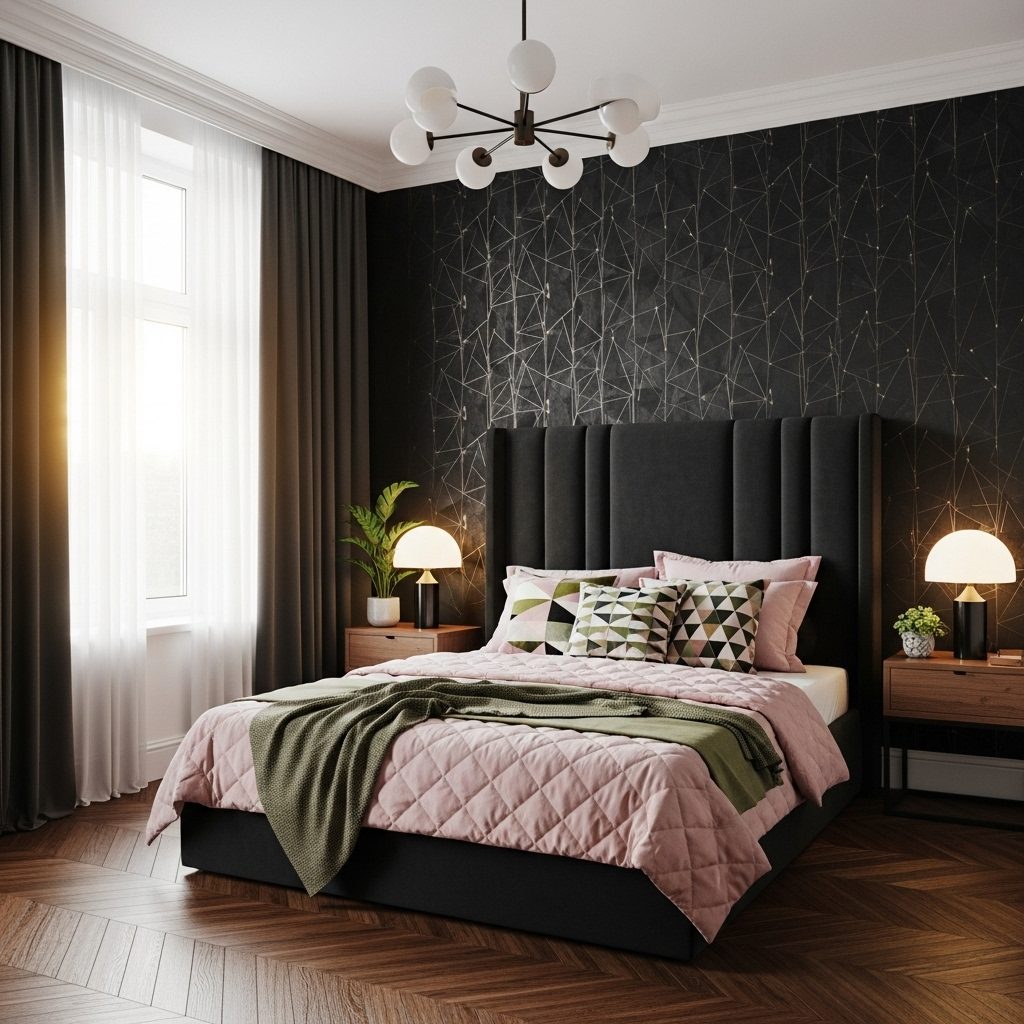
Maximising Storage Space in Your Bedroom
Organisation Tips for Under-Bed Storage Compartments
- Create Zones for Different Item Categories
I learned this the hard way after spending 20 minutes digging through my storage bed looking for a specific jumper! Now I divide my under-bed space into distinct zones – one section for clothes, another for bedding, and a third for seasonal items. I use fabric dividers or storage boxes to create these zones, which makes finding things so much easier. It’s like having a filing system for your bedroom storage. - Use Clear Storage Containers for Easy Identification
This was a proper game-changer for me. I switched from opaque storage bags to clear plastic boxes, and suddenly I could see exactly what was stored where without opening everything. The clear containers stack brilliantly in hydraulic storage beds, and you can label them for even better organisation. I use different-sized boxes for different items – large ones for duvets, medium ones for clothes, and small ones for accessories. - Implement a Strategic Loading System
Heavy items go at the back, frequently used items at the front – sounds obvious, but I didn’t think about this initially and ended up constantly moving boxes around. I also learned to load items in the order I’ll need them seasonally. Winter clothes go in first during summer months, so they’re easily accessible when the weather changes. It’s like playing storage Tetris, but with a purpose. - Maximise Vertical Space with Stackable Solutions
Most people don’t realise how much vertical space they’re wasting in storage beds. I use stackable boxes that fit perfectly in my 18-inch deep storage compartment, creating multiple levels of organisation. The key is measuring your storage height first – mine’s 16 inches, so I can stack two 7-inch boxes with room to spare. This literally doubled my storage capacity. - Create an Inventory System for Large Storage Areas
For hydraulic beds with massive storage capacity, I keep a simple list on my phone of what’s stored where. Sounds a bit obsessive, but when you’ve got 20 cubic feet of storage space, it’s easy to forget what you’ve put in there. I update it whenever I add or remove items, and it saves loads of time when I’m looking for something specific.
Seasonal Clothing Storage Strategies
- Vacuum Storage Bags: Game-Changer for Bulky Items
I was sceptical about vacuum storage bags until I tried them – they’re absolutely brilliant for winter coats, thick jumpers, and duvets. My winter wardrobe used to take up half my storage space, but vacuum bags compressed it down to about a quarter of the original size. Just make sure you get quality bags that won’t split, and don’t over-compress delicate fabrics like wool. - Rotation System for Year-Round Efficiency
I do a proper seasonal swap twice a year – usually in April and October. All summer clothes go into storage whilst winter items come out, and vice versa. I use the same storage boxes but just swap their contents, which keeps the system consistent. The key is doing it all at once rather than gradually, so you don’t end up with a confusing mix of seasons. - Protect Delicate Fabrics During Long-Term Storage
Learned this lesson when I pulled out a cashmere jumper that had developed mysterious holes – turns out moths had been having a feast! Now I use cedar blocks and lavender sachets in my storage areas, and I make sure everything’s clean before storing. Silk and wool items get wrapped in acid-free tissue paper, which sounds fancy but actually prevents yellowing and fabric damage. - Climate Considerations for Different Fabric Types
My bedroom gets quite humid in winter, which was causing musty smells in stored clothes. I started using moisture absorber packets in my storage containers, and the problem disappeared completely. Different fabrics have different storage needs – cotton and synthetics are pretty hardy, but natural fibres like wool and silk need more protection from moisture and pests. - Easy Access System for Transitional Weather
British weather is unpredictable, so I keep a small selection of transitional items easily accessible year-round. Light cardigans, denim jackets, and versatile layers stay in my regular wardrobe, whilst the proper seasonal stuff goes into deep storage. This prevents me from having to dig through storage boxes when we get those random cold days in summer.
Bedding and Linen Organisation Systems
- Sheet Set Storage: Keep Everything Together
I used to store fitted sheets, flat sheets, and pillowcases separately, which was absolutely mental when I think about it now. Now I fold the entire set and store it inside one of the pillowcases – everything stays together, and I can grab a complete set in one go. This works brilliantly in storage bed drawers where space is at a premium. - Duvet Storage Solutions for Different Seasons
I’ve got three different duvets – summer, winter, and all-season – and storing them properly was a nightmare until I got organised. Each duvet goes in its own vacuum storage bag with a clear label indicating the tog rating and season. They stack perfectly in my hydraulic storage bed, and I can easily swap them out as needed. - Towel and Bath Linen Organisation
Bath towels take up loads of space, so I use the Marie Kondo folding method to store them vertically in storage drawers. This way, I can see all my towels at once and grab what I need without disturbing the others. Guest towels and rarely used items go in the deeper storage areas, whilst everyday towels stay in easily accessible drawers. - Spare Bedding for Guests: Ready-to-Go Sets
I keep complete guest bedding sets pre-assembled in storage bags – sheets, pillowcases, and a lightweight duvet all together. When guests arrive, I just grab one bag and everything’s ready to go. Each bag is labelled with the bed size and contents, which prevents the embarrassing moment of discovering you’ve given guests a single sheet for a double bed. - Seasonal Bedding Rotation and Care
Heavy winter bedding goes into vacuum storage during summer months, whilst lightweight summer sets get stored during winter. I always wash everything before storing and include lavender sachets to keep things fresh. The key is making sure everything’s completely dry before storage – I learned this when I stored slightly damp sheets and they developed a horrible musty smell.
Small Item Storage Solutions and Containers
- Drawer Dividers for Organised Compartments
Small items like socks, underwear, and accessories can turn storage drawers into chaotic messes without proper organisation. I use adjustable drawer dividers to create specific compartments for different items. The dividers prevent everything from sliding around when you open and close drawers, and you can actually see what you’ve got instead of rummaging through piles. - Multi-Level Storage Trays for Accessories
I discovered these brilliant stackable trays that fit perfectly in my storage drawers. Each tray has multiple compartments for different accessories – watches, jewellery, belts, and ties. They stack on top of each other, so I can fit loads of small items in a single drawer whilst keeping everything organised and easily accessible. - Clear Storage Boxes for Visibility
For items I don’t need daily access to, I use small, clear storage boxes that fit in the deeper areas of my storage bed. Things like seasonal accessories, spare phone chargers, and random bits that don’t have obvious homes. The clear boxes mean I can see what’s inside without opening everything, and they stack efficiently. - Labelling System for Quick Identification
I use a simple label maker to mark all my storage containers and dividers. Sounds a bit obsessive, but it’s brilliant when you’re looking for something specific. Labels like “Winter Accessories,” “Spare Cables,” or “Guest Toiletries” make finding things so much faster. I use waterproof labels that won’t peel off over time. - Utilise Vertical Space in Deep Storage Areas
In hydraulic storage beds with deep compartments, I use tall, narrow containers that make use of the full height. These are perfect for storing items like umbrellas, shoe horns, or rolled-up posters. The key is choosing containers that fit your specific storage dimensions – measure first, then shop for containers.
Maintenance Tips for Keeping Storage Areas Clean
- Regular Cleaning Schedule: Monthly Deep Cleans
I do a proper clean-out of my storage areas once a month, which sounds like loads but actually only takes about 30 minutes. I remove everything, vacuum the storage compartments, wipe down surfaces with a damp cloth, and check for any signs of moisture or pests. This prevents problems from developing and keeps everything fresh. - Moisture Control and Prevention Strategies
Moisture is the enemy of storage areas, especially in bedrooms that can get humid. I use moisture absorber packets in all my storage compartments and replace them every few months. I also make sure there’s some air circulation by not packing things too tightly. If you notice any musty smells, address them immediately before they get worse. - Pest Prevention in Fabric Storage Areas
Moths and other fabric pests love dark, undisturbed storage areas. I use cedar blocks and lavender sachets as natural deterrents, and I check stored items regularly for any signs of damage. The key is prevention – make sure everything’s clean before storing, and don’t leave items undisturbed for months without checking on them. - Organise Seasonal Storage Swaps
Twice a year, I do a complete reorganisation of my storage areas during seasonal clothing swaps. This is the perfect time to clean everything thoroughly, check for any damage or wear, and reorganise items based on how frequently I’ve been using them. Items I haven’t touched get moved to deeper storage or donated. - Address Problems Immediately
When I spot any issues – strange smells, moisture, pest damage, or broken containers – I deal with them straight away rather than hoping they’ll sort themselves out. Small problems become big problems quickly in storage areas, so immediate action saves loads of hassle later. I keep basic cleaning supplies and replacement storage containers on hand for quick fixes. - Ventilation Considerations for Long-Term Storage
Completely sealed storage areas can develop problems over time, so I make sure there’s some air circulation. I don’t pack things so tightly that air can’t move around, and I occasionally leave storage compartments open for a few hours to let fresh air circulate. This is especially important in humid conditions or if you’re storing natural fibres. Curious about different bed frame materials? The Pearl Ottoman Bed Frame showcases how quality materials can enhance both durability and style. View Pearl Ottoman Bed Frame →
Installation and Assembly Guide
Tools Required for Typical Assembly Projects
- Essential Tools You’ll Actually Need (Not Just What’s Included)
Most storage bed manufacturers include basic Allen keys and a few screws, but honestly, that’s nowhere near enough for a proper job. I learned this the hard way when I spent three hours struggling with the tiny Allen key that came with my first bed! You’ll need a proper cordless drill with Phillips and flathead bits, a decent hammer for tapping joints together, and a spirit level to ensure everything’s square. Don’t forget a tape measure – I can’t tell you how many times I’ve had to reposition something because I didn’t measure properly first. - Power Tools That Make Assembly Significantly Easier
A cordless drill is absolutely essential – trying to drive dozens of screws by hand will leave your wrist aching for days. I use an impact driver for the heavy-duty screws and a regular drill for the delicate bits. A circular saw or jigsaw might be needed if you’re dealing with custom modifications, though most beds shouldn’t require cutting. Battery-powered tools are brilliant because you’re not wrestling with extension leads around furniture. - Measuring and Alignment Tools for Professional Results
A good spirit level is crucial for getting drawer runners perfectly aligned – wonky drawers will bind up and drive you mental. I also use a combination square for checking right angles and a long ruler for marking positions. Clamps are brilliant for holding pieces in position whilst you drive screws, especially when you’re working alone. A pencil for marking positions is obvious but often forgotten. - Safety Equipment and Protective Gear
Safety glasses are non-negotiable when you’re drilling or hammering – I’ve had wood chips fly into my eyes more times than I care to remember. Work gloves protect your hands from splinters and sharp edges, though take them off for delicate work where you need a proper grip. Knee pads are brilliant if you’re doing lots of floor-level assembly work, and they’re much cheaper than physiotherapy for knackered knees. - Specialised Tools for Different Bed Types
Hydraulic beds often require specific tools for gas piston installation – usually a special bracket alignment tool or specific-sized spanners. Platform beds with complex drawer systems might need router bits if you’re adjusting runner positions. I keep a set of furniture assembly tools specifically for this type of work, including extra-long screwdrivers and right-angle drivers for awkward spaces.
Step-by-Step Assembly Process Overview
- Pre-Assembly Planning and Space Preparation
Before opening any boxes, I clear a space at least twice the size of the finished bed – you’ll need room to lay out all the pieces and move around comfortably. I lay down old sheets or cardboard to protect both the floor and the bed components. Reading through the entire instruction manual first sounds boring, but it prevents loads of mistakes later. I also check that all components are present before starting – nothing’s worse than getting halfway through assembly and discovering a missing part. - Foundation and Frame Assembly First
Start with the main frame pieces – these are usually the heaviest and most awkward to handle. I always recruit a helper for this stage because trying to align large frame pieces alone is a nightmare. The key is getting the frame square and level before tightening anything fully. I use the “finger tight plus one turn” rule – snug enough to hold position but loose enough to make adjustments if needed. - Storage Mechanism Installation: The Tricky Bit
This is where things get complicated, especially with hydraulic systems. Gas pistons need precise positioning or they won’t work properly – I measure twice and mark positions clearly before drilling any holes. For drawer systems, getting the runners perfectly level and parallel is crucial. I use a long spirit level across both runners to ensure they’re aligned, and I test-fit drawers before final tightening. - Final Assembly and Adjustment Phase
Once the main structure is together, I go through and properly tighten all fixings in a systematic pattern – usually starting from one corner and working around. This prevents the frame from twisting as you tighten. Test all moving parts before considering the job finished – drawers should slide smoothly, and hydraulic mechanisms should operate effortlessly. Any binding or stiffness now will only get worse with use. - Quality Control and Function Testing
I always do a proper test of all storage functions before putting the mattress on. Open and close every drawer multiple times, test hydraulic mechanisms with some weight in the storage area, and check that everything operates smoothly. Look for any gaps in joints, listen for creaking or unusual noises, and make sure the whole structure feels solid and stable.
Common Assembly Challenges and Solutions
- Misaligned Drawer Runners: The Most Common Problem
I’ve dealt with this on nearly every storage bed I’ve assembled. The issue is usually that the runners aren’t perfectly parallel or level, causing drawers to bind or sit crooked. The solution is to loosen all the runner screws, use a long spirit level to get them perfectly aligned, then retighten systematically. Sometimes you need to adjust the mounting holes slightly – a round file or small drill bit can open up holes just enough to get proper alignment. - Gas Piston Installation and Positioning Issues
Getting gas pistons positioned correctly is proper fiddly work. If they’re not aligned perfectly, the mechanism will bind or put uneven stress on the frame. I always mark the mounting points carefully and use a helper to hold the piston in position whilst I mark and drill holes. The key is ensuring both pistons are at exactly the same angle and distance from the hinge line. - Joint Alignment and Frame Squaring Problems
Wooden frames can be particularly challenging to get square, especially if the pieces are slightly warped. I use the diagonal measurement method – measure from corner to corner diagonally, and adjust until both measurements are identical. Sometimes you need to apply gentle pressure or use clamps to pull joints into proper alignment before tightening fixings. - Hardware Issues and Missing Components
I always check hardware before starting assembly because missing or wrong-sized screws can stop progress completely. Keep spare screws and fixings from previous projects – they often come in handy. If you’re missing critical components, contact the manufacturer immediately rather than trying to bodge it with inappropriate hardware. I learned this when I used the wrong screws for gas piston mounting and they pulled out under load. - Weight Distribution and Structural Stability
Some storage beds feel wobbly even when properly assembled, usually because weight isn’t distributed evenly. Adding diagonal braces or corner brackets can significantly improve stability. I also check that the bed is sitting level on the floor – uneven floors can cause structural stress and make the whole bed feel unstable.
Professional Installation vs. DIY Considerations
- When Professional Installation Makes Financial Sense
Professional assembly typically costs £80-150, which might seem expensive until you factor in your time and potential mistakes. For complex hydraulic beds or if you’re not confident with DIY, professional installation often works out cheaper than buying tools and potentially damaging components. I’ve seen people spend more on replacement parts after botched DIY attempts than professional installation would have cost. - DIY Benefits: Cost Savings and Learning Experience
Assembling your own bed saves money and gives you a proper understanding of how everything works, which is brilliant for future maintenance and repairs. I enjoy the challenge and satisfaction of completing a complex assembly project. Plus, you can work at your own pace and take extra care with details that professionals might rush through. - Skill Level Requirements for Different Bed Types
Simple platform beds with drawers are well within most people’s capabilities – basic DIY skills and patience are all you need. Hydraulic beds require more precision and mechanical understanding, especially for gas piston alignment. If you’ve never assembled furniture before, start with something simpler than a complex storage bed. - Time Investment and Scheduling Considerations
DIY assembly typically takes 2-6 hours, depending on complexity and your skill level. Professional installers usually finish in 1-2 hours because they’ve done it dozens of times before. Consider whether you’ve got a full day available and whether you can handle the physical demands – some components are properly heavy and awkward to manoeuvre. - Warranty Implications of DIY vs. Professional Assembly
Some manufacturers void warranties if the bed isn’t professionally assembled, whilst others are fine with DIY as long as you follow instructions. Check warranty terms before deciding – it’s not worth saving £100 on assembly if it invalidates a £1000 warranty. Professional installers also usually guarantee their work, so if something goes wrong, they’ll come back and fix it.
Safety Tips for Hydraulic Lift Mechanisms
- Gas Piston Handling and Installation Safety
Gas pistons are under pressure and can be dangerous if mishandled. Never attempt to disassemble or modify them – they’re sealed units that should only be replaced, not repaired. When installing, make sure mounting points are solid and properly reinforced. I always wear safety glasses when working with gas pistons because if a mounting fails, they can move with considerable force. - Weight Limits and Load Distribution
Hydraulic mechanisms have specific weight limits that include both the mattress and anything stored in the compartment. My bed’s rated for 250kg total, but I keep well below that limit because exceeding it can cause catastrophic failure. Distribute weight evenly in the storage area – don’t pile everything at one end because it puts uneven stress on the mechanism. - Regular Maintenance and Inspection Requirements
I check my hydraulic mechanism monthly for any signs of wear, leakage, or loose mountings. Gas pistons can lose pressure over time, and mounting points can work loose with repeated use. Look for oil stains around piston seals, listen for unusual noises during operation, and test that the mechanism still lifts smoothly and holds position properly. - Safe Operation Procedures for Daily Use
Never force a hydraulic mechanism if it’s not operating smoothly – something’s wrong and forcing it can cause damage or injury. Always ensure the area around the bed is clear before operating the lift mechanism. I keep one hand on the mattress platform whilst lifting to control the movement, and I never let it slam shut because that damages both the mechanism and the frame. - Emergency Procedures and Troubleshooting
If a gas piston fails or the mechanism becomes stuck, don’t try to force it. Most hydraulic beds have manual override procedures or can be propped open safely whilst you arrange repairs. I keep the manufacturer’s contact details handy and know the model number of my gas pistons in case I need replacements. Never attempt repairs yourself – hydraulic components should only be serviced by qualified technicians. - Child Safety Considerations
Hydraulic beds can be dangerous for small children who might get fingers caught in moving parts or be struck by the lifting mechanism. I always ensure children understand not to play with the bed mechanism, and I never leave it partially open where someone might accidentally trigger it. Some beds come with safety locks or child-proof mechanisms, which are worth considering if you have young children in the house. Worried about assembly? Check out our Professional vs DIY Ottoman Bed Assembly Guide to decide what’s best for your situation. Read Assembly Guide →
Conclusion
Choosing the right queen size bed frame with storage can completely transform your bedroom’s functionality and aesthetic appeal. From hydraulic lift systems that reveal massive storage cavities to elegant platform beds with discrete drawers, there’s a perfect solution for every space and budget. Remember to prioritise your specific storage needs, room dimensions, and style preferences when making your decision.
The investment in a quality storage bed frame pays dividends in organisation, space efficiency, and overall bedroom satisfaction. Ready to reclaim your bedroom space? Start by measuring your room and identifying your primary storage needs, then use our detailed reviews to find the perfect match for your home! Transform your bedroom today! Browse our complete collection of queen size storage beds and discover the perfect solution for your space and budget. Shop All Queen Size Storage Beds →
Frequently Asked Questions About Queen Size Storage Bed Frames
1. What is the average storage capacity of a queen size bed frame with storage?
Queen size storage bed frames typically provide between 8-20 cubic feet of storage space, depending on the design type. Platform beds with drawers offer 8-14 cubic feet, whilst hydraulic ottoman beds provide the maximum capacity of 15-20 cubic feet.
The storage capacity varies significantly based on several factors:
- Platform beds with drawers – Usually 2-4 drawers providing 8-12 cubic feet total
- Hydraulic lift ottoman beds – Full under-mattress access offering 15-20 cubic feet
- Captain’s beds with side compartments – Multiple zones totalling 10-14 cubic feet
- Bookcase headboard combinations – Additional 2-4 cubic feet in headboard storage
Most homeowners find that 15+ cubic feet accommodates seasonal clothing, spare bedding, shoes, and miscellaneous items comfortably. Hydraulic storage beds maximise space efficiency by utilising the entire under-mattress area, making them ideal for small bedrooms or apartments where every square inch matters.
2. How much weight can a queen size storage bed frame support?
Queen size storage bed frames can support 200-300kg total weight capacity, including both the mattress and stored items. Quality beds with reinforced construction and steel brackets typically handle the upper weight limits safely.
Weight distribution considerations include:
- Mattress weight – Memory foam: 25-40kg, Spring mattresses: 20-30kg
- Stored items capacity – Usually 50-100kg, depending on frame construction
- User weight – Factor in the combined weight of sleepers
- Frame material impact – Solid wood and steel frames support more weight than engineered wood
Hydraulic lift mechanisms require special attention to weight limits, as exceeding capacity can damage gas pistons or mounting points. Always check manufacturer specifications and choose beds rated at least 50kg above your actual needs for long-term durability and safety.
3. Are queen size storage beds difficult to assemble?
Queen size storage beds require moderate DIY skills and typically take 2-4 hours to assemble properly. Platform beds with drawers are easier than hydraulic ottoman beds, which need precise gas piston alignment.
Assembly complexity breakdown:
- Platform beds with drawers – 1-2 hours, basic tools required
- Hydraulic ottoman beds – 3-4 hours, precision alignment needed
- Captain’s beds – 2-3 hours, multiple storage components
- Bookcase headboard beds – 2-3 hours, shelf adjustment required
Essential tools include a cordless drill, a spirit level, a hammer, and a measuring tape. Most manufacturers provide basic Allen keys, but professional-grade tools significantly speed up assembly. Consider professional installation (£80-150) for complex hydraulic systems or if you lack DIY experience, as proper assembly ensures warranty coverage and optimal performance.
4. What’s the difference between Ottoman and platform storage beds?
Ottoman storage beds lift the entire mattress for full under-bed access, whilst platform storage beds feature built-in side drawers. Ottoman beds offer maximum storage capacity (15-20 cubic feet), but platform beds provide easier daily access to frequently used items.
Key differences include:
- Storage access method – Ottoman: lift mattress, Platform: pull-out drawers
- Storage capacity – Ottoman: 15-20 cubic feet, Platform: 8-12 cubic feet
- Daily convenience – Platform beds are better for regular access
- Space requirements – Ottoman needs clearance for lifting, Platform needs drawer space
- Price range – Platform beds typically £200-600, Ottoman beds £400-1200
Ottoman beds excel for seasonal storage, bulky items, and maximum space utilisation. Platform beds suit organised storage systems with frequent access needs. Choose based on your storage habits, bedroom layout, and whether you prioritise capacity or convenience.
5. How do I maintain and clean my queen size storage bed frame?
Queen size storage bed frames require monthly cleaning and annual deep maintenance to ensure longevity. Vacuum storage compartments, wipe surfaces with appropriate cleaners, and check moving parts for smooth operation.
Maintenance schedule:
- Weekly – Dust visible surfaces with a microfibre cloth
- Monthly – Vacuum storage areas, check for moisture or pests
- Quarterly – Lubricate drawer runners and hinges if needed
- Annually – Inspect gas pistons, tighten loose fixings, and deep clean upholstery
Material-specific care varies significantly. Solid wood frames need furniture wax every 6-8 months, whilst metal frames require only damp cloth cleaning. Upholstered beds need regular vacuuming and immediate stain treatment. Hydraulic mechanisms should be inspected for gas leaks or mounting looseness. Address problems immediately to prevent minor issues from becoming expensive repairs.