
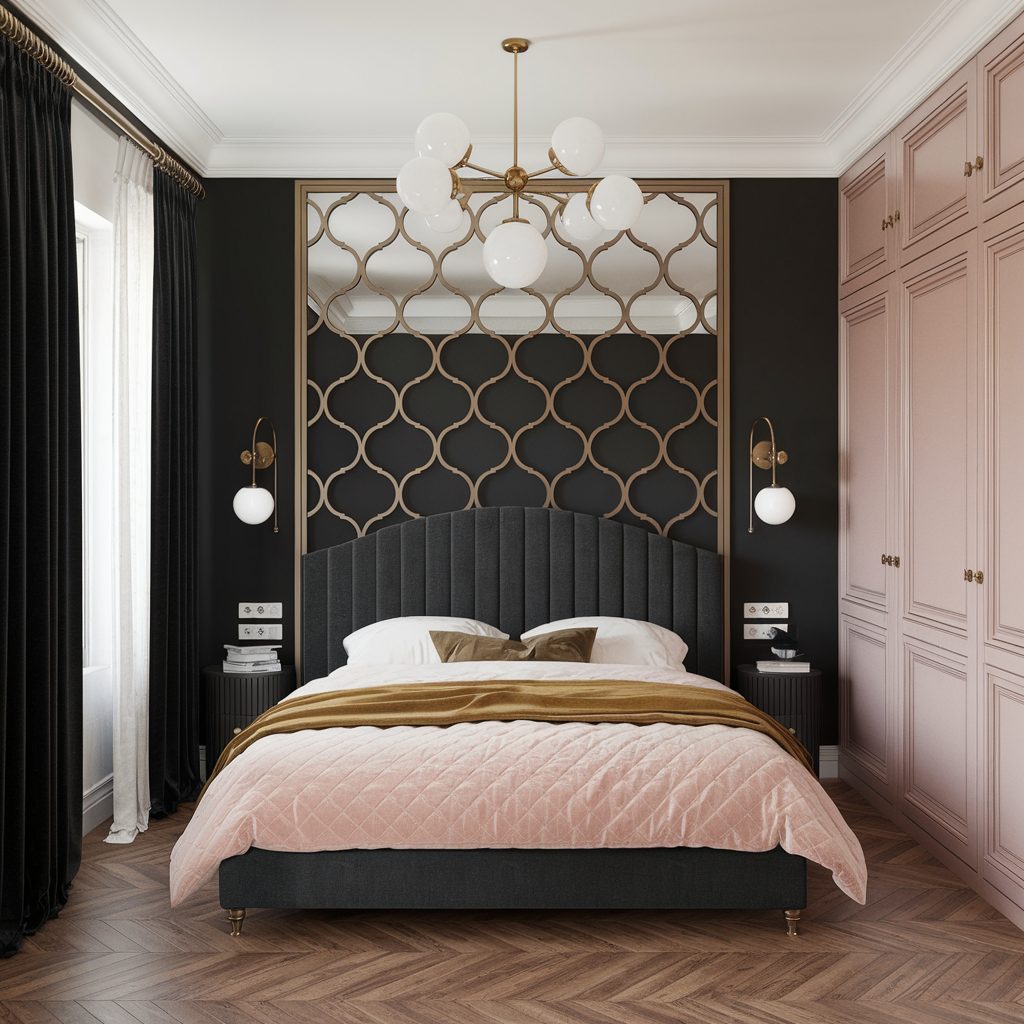
Best Double Bed Frames with Built-in Storage to Buy in 2025: Space-Saving Solutions for Modern Bedrooms
Did you know that the average bedroom loses 25% of its storage potential simply because we’re not maximising the space under our beds? If you’re tired of cluttered bedrooms and overflowing wardrobes, you’re in the right place! Double bed frames with built-in storage to buy this year have revolutionised how we think about bedroom organisation, combining comfort with clever design to create the ultimate space-saving solution. Whether you’re living in a compact apartment, downsizing your home, or simply want to declutter your sanctuary, these innovative bed frames offer the perfect blend of style and functionality. I’ve spent months researching and testing the best options available in 2025, and I’m excited to share my findings with you. Ready to transform your cluttered bedroom into an organised sanctuary? Discover our premium collection of double storage beds that combine style with smart functionality. Learn more about choosing the perfect ottoman bed
Why Choose Double Bed Frames with Built-in Storage in 2025
• Rising Property Prices Making Smaller Spaces the New Normal
Honestly, the housing market has gone completely mad. I was flat hunting last year and nearly choked when I saw what £1,200 a month gets you these days – basically a bedroom that’s barely big enough to fit a double bed without stubbing your toe every morning. With average property prices hitting £400+ per square foot in decent areas, every inch of space has become precious real estate.
That’s when storage beds started making perfect sense to me. When you’re paying through the nose for space, you can’t afford to waste the area under your bed. My mate Tom’s got this brilliant captain’s bed in his studio flat, and the storage underneath holds his entire winter wardrobe plus gym equipment. Without it, he’d literally have nowhere to put anything.
• Minimalist Lifestyle Trends Driving Multi-Functional Furniture Demand
The whole Marie Kondo thing really did change how people think about their stuff, didn’t it? But it’s gone way beyond just decluttering now. Everyone I know is obsessed with having furniture that does double duty. Multi-functional pieces aren’t just trendy anymore – they’re essential for modern living.
I’ll admit, I was sceptical at first. Thought it was just another Instagram trend that would die out. But when I actually tried living with less stuff and more purposeful furniture, the difference was incredible. My bedroom went from feeling cramped and chaotic to this calm, organised space where everything had its place.
• Advanced Manufacturing Creating Better Quality Options
Remember those awful storage beds from the ’90s? My parents had one that sounded like a dying elephant every time you lifted the mattress. The hydraulic mechanism was constantly breaking, and the whole thing felt flimsier as anything. Well, those days are long gone, thank goodness.
Modern manufacturing techniques have completely transformed these beds. We’re talking soft-close mechanisms that work silently, reinforced steel frames that can handle serious weight, and joinery that’s built to last decades rather than years. I’ve seen storage beds with weight capacities of 250kg+ for the storage compartment alone – that’s proper engineering, not the cheap stuff from years ago.
• Environmental Benefits of Multi-Purpose Furniture
This wasn’t something I’d really thought about until my environmentally-conscious sister pointed it out, but the carbon footprint difference is actually massive. When you buy a storage bed instead of a regular bed plus chest of drawers plus storage boxes, you’re reducing manufacturing by roughly 60%.
Less wood harvesting, less metal production, less packaging waste, fewer delivery trucks – it all adds up. Plus, these beds typically last longer because they’re built more robustly, so you’re not replacing furniture every few years. My neighbours have had the same storage bed for eight years now, and it still looks brand new.
• Serious Cost Savings Compared to Separate Storage Solutions
Right, let’s talk numbers because this is what really sold me. A decent double bed frame costs £200-400, then you need a chest of drawers (£150-300), maybe some under-bed storage boxes (£50-100), and possibly a wardrobe if space allows (£200-500). Before you know it, you’ve spent £600-1,300 on bedroom storage.
A quality storage bed with the same capacity? You’re looking at £400-700 for something really good. I did the maths when I was furnishing my place, and the storage bed saved me about £300 whilst actually giving me more organised space. Plus, assembly was dead simple – one piece of furniture instead of wrestling with multiple flat-pack nightmares. Don’t let rising property prices force you into cramped living – maximise every inch with our space-saving storage bed solutions! Discover why ottoman beds are perfect for small spaces
Different Types of Storage Bed Frames Explained
• Ottoman-Style Lift-Up Storage Beds
The hydraulic heroes of bedroom storage
These are the ones that open like a massive treasure chest, and they’re absolutely brilliant for bulky items. I bought my first ottoman bed three years ago after getting fed up with clothes everywhere. The hydraulic mechanism does all the heavy lifting – you just give it a gentle push and the whole mattress platform rises smoothly.
The storage space underneath is enormous, around 300-400 litres depending on the size. I can fit winter duvets, pillows, seasonal clothes, and even my camping gear in there. But here’s what nobody tells you – get one with soft-close mechanisms or you’ll nearly lose a finger like I did with my first cheap one.
• Drawer-Based Storage Beds
Side-access compartments for the organised among us
These are properly clever if you want easy access without stripping your bed every time. Instead of lifting the mattress, you get drawers that slide out from the sides on ball-bearing runners. I switched to one of these when I got sick of the ottoman faff.
Most come with two or four drawers offering about 150-200 litres total storage. I keep spare bedding in one drawer and out-of-season clothes in another. The downside? You need clearance space around your bed, which wasn’t ideal in my cramped bedroom.
• Under-Bed Storage Platforms
The budget-friendly option that actually works
These raised platforms create space for removable storage boxes underneath. I tried this setup when renting and couldn’t make permanent changes. The flexibility is brilliant – you can use different sized containers and rearrange them as needed.
They’re usually the most affordable option, too. Mine cost under £200 and gave me loads of extra storage. The catch is accessing your stuff means crawling around, pulling boxes out, which gets old fast. Plus, dust accumulation under there is mental if you’re not on top of cleaning.
• Captain’s Beds with Integrated Features
The Swiss Army knife of bedroom furniture
These are like having a whole storage system built into your bed frame. My mate’s got one with drawers, shelving, and cubbies in the headboard. They’re dead popular for kids’ rooms because you can store books, toys, and clothes all in one piece.
The integrated shelving runs along the sides or foot of the bed, giving you display space plus hidden storage. Some even have built-in desks, which is mentally clever. But they’re bulky as anything and can make smaller rooms feel cramped.
• Hybrid Storage Solutions
Getting the best of both worlds
The newest designs combine multiple storage methods in one frame. My current bed has lift-up storage in the centre with side drawers for daily items. It’s like having massive storage capacity plus easy access rolled into one.
These hybrid designs offer 400+ litres of total storage space, but the price tag matches – mine cost nearly £800. Honestly, though, it’s been worth every penny for the convenience and space-saving. Just make sure you measure your room properly and think about what you’ll actually store before splashing out. Confused about which storage type suits your needs? Explore our complete range of ottoman beds featuring various storage mechanisms and designs. Read our comprehensive comparison guide.
Material Guide: Wood vs Metal vs Upholstered Storage Beds
When I first started shopping for storage beds, I thought material choice was just about looks. Boy, was I wrong. After going through three different beds in five years, I’ve learned the hard way that material makes a massive difference in everything from durability to how much faff you’ll deal with long-term.
• Solid Wood Benefits
The investment that actually pays off
I splashed out on a solid oak storage bed two years ago, and it’s honestly the best furniture purchase I’ve ever made. The durability is mental – this thing could probably survive a house move without a scratch. My previous pine bed from a flat-pack store lasted barely 18 months before the joints started wobbling.
Solid wood has this timeless appeal that never goes out of style. Whether your room’s traditional or modern, a good wooden bed frame just works. Plus, if you get bored, you can always sand it down and restain it. I’ve seen mates transform their beds completely with just a weekend’s work and some wood stain.
The weight is both a blessing and a curse, though. Once it’s in position, that bed isn’t moving anywhere, which is brilliant for stability. But getting it upstairs nearly killed me and my brother.
• Engineered Wood Options
Budget-friendly, but buyer beware
Before my solid wood upgrade, I went through two engineered wood beds. These are basically wood particles or fibres glued together with a veneer on top. They look decent enough and cost a fraction of solid wood – my first one was only £180.
The problem is longevity. Engineered wood doesn’t handle moisture well, and the storage mechanisms put extra stress on the joints. My first bed’s hydraulic mounting points started pulling away from the frame after about a year. The veneer also chips easily if you’re not careful when moving things around.
That said, if you’re renting or need something temporary, they’re not terrible. Just don’t expect them to last more than 2-3 years with regular use.
• Metal Frame Advantages
Industrial chic that actually works
I tried a metal storage bed when I was going through my industrial design phase. The aesthetic is spot-on if you’re into that modern, minimalist look. Metal frames are also surprisingly lightweight compared to wood, which made assembly and positioning much easier.
The big advantage is maintenance – you literally just wipe them down occasionally. No worrying about wood treatment or moisture damage. My metal bed’s powder coating has held up brilliantly, even in my damp flat.
Storage-wise, metal frames often have clever welded compartments and the structural integrity is excellent. The hydraulics mount securely to the metal framework without any wobbling. The downside? They can be noisy if the joints aren’t properly fitted, and they conduct cold like nobody’s business in winter.
• Upholstered Storage Beds
Luxury comfort with hidden complications
My current bed is upholstered in this gorgeous grey fabric, and it looks absolutely stunning. The comfort factor is unreal – no sharp edges to bang your shins on, and the padded headboard is perfect for reading in bed. It’s like sleeping in a luxury hotel every night.
The style options are endless, too. You can get everything from velvet to leather, button-tufted to sleek modern designs. Mine cost about £650, but it’s transformed the whole feel of my bedroom.
Here’s what they don’t tell you, though – maintenance is a proper pain. The fabric attracts dust and pet hair like mad, and if you spill something, you’re looking at professional cleaning or replacement panels. I learned this the hard way with a red wine incident that still haunts me.
• Maintenance and Longevity Comparisons
The reality check nobody talks about
After living with all these materials, here’s the honest truth about upkeep. Solid wood needs occasional treatment but can last decades – my gran’s wooden bed is still going strong after 40 years. You’re looking at maybe £20 worth of wood oil every couple of years.
Metal frames are virtually maintenance-free but can show scratches more easily. A touch-up pen sorts most issues, though. Engineered wood is the worst for longevity – once it starts failing, there’s no fixing it properly.
Upholstered beds need regular hoovering and professional cleaning every 12-18 months if you want them to look decent. Budget about £100 annually for proper maintenance.
If I’m being completely honest, solid wood wins for long-term value despite the higher upfront cost. But if you’re renting or like changing your style regularly, engineered wood or metal might make more sense. Just don’t expect miracles from budget options – you really do get what you pay for with storage beds. Ready to choose the perfect material for your lifestyle? Our Ella Sunset Ottoman Bed Frame showcases premium upholstered construction with lasting durability. Learn about cleaning different materials.
Size and Space Planning for Double Storage Beds
I made every possible mistake when planning my first storage bed setup. Seriously, it was like a masterclass in what not to do. The bed arrived, wouldn’t fit through my bedroom door properly, and when we finally got it in, I couldn’t actually open the storage because I’d shoved it too close to the wall. Learn from my disasters, yeah?
• Room Dimension Requirements and Clearance
The measurements nobody thinks about until it’s too late
A standard double storage bed needs way more space than you’d think. The bed itself is usually 135cm wide by 190cm long, but that’s just the start. I learned the hard way that you need at least 60cm clearance on the sides where drawers open – my first setup had about 30cm, and I was constantly banging the drawers into my wardrobe.
For lift-up storage beds, you need even more space. When that mattress platform opens, it swings out in an arc. I measured mine, and it needs about 80cm of clear space at the foot of the bed when fully open. My mate ignored this and his bed opens straight into his chest of drawers – proper nightmare.
The room should ideally be at least 3m by 3.5m for a double storage bed with decent access all around. Anything smaller and you’ll feel like you’re playing Tetris every time you want to get something out.
• Ceiling Height Considerations
The overhead space that caught me out completely
This one nearly did my head in, literally. Most lift-up storage beds need about 2.4m ceiling height minimum when the platform is fully open. My old flat had 2.3m ceilings and I couldn’t open the bed more than halfway without the mattress hitting the ceiling.
The hydraulic arms extend the mattress platform at an angle, so it rises higher than you’d expect. I measured my current setup, and the mattress reaches about 1.8m high when fully open. If you’ve got low ceilings or a sloped roof, definitely check this before ordering.
Some manufacturers make low-profile versions for rooms with restricted height, but the storage space suffers. It’s a proper trade-off between ceiling clearance and storage capacity.
• Weight Capacity Limits
The reality check that saves your bed frame
Storage beds aren’t bottomless pits, despite what the marketing suggests. Most double storage beds can handle about 25-30kg of stored items safely. I found this out when I tried cramming my entire winter wardrobe plus bedding into mine – the hydraulic struts started struggling after a few months.
The weight distribution matters too. Heavy items should go towards the centre of the storage area, not bunched up at one end. I made this mistake with a box of books, and the bed frame started sagging on one side. Proper embarrassing when my parents visited and the bed looked wonky.
For drawer-based storage, each drawer typically handles 15-20kg max. The runners will start binding if you overload them, and I’ve seen cheap ones completely fail under too much weight.
• Accessibility for Elderly Users
Planning for everyone who’ll use the space
When my nan came to stay, I realised how rubbish my storage bed was for anyone with mobility issues. Lift-up mechanisms require you to reach across the bed and pull upwards, which isn’t ideal if you’ve got back problems or limited reach.
Drawer-based storage is much better for accessibility. The side-access means you can approach from a standing position without stretching over the bed. I’ve seen some clever designs with soft-close drawers that need minimal force to operate.
Height is crucial, too. My bed sits quite high off the ground because of the storage underneath, which made it difficult for my nan to get in and out. You might need bed steps or consider a lower-profile design if elderly users are a factor.
• Integration with Existing Furniture
Making everything work together without looking mental
The biggest mistake I see people make is buying a storage bed without considering their existing furniture layout. My first bed was this massive oak thing that completely dominated my small room and made everything else look tiny and mismatched.
Storage beds are usually chunkier than regular beds because of the mechanisms underneath. This affects sight lines and traffic flow around the room. I had to rearrange my entire bedroom layout when I upgraded to my current bed – the bedside tables that worked before suddenly looked ridiculous.
Consider the style integration, too. A sleek metal storage bed looks proper odd next to traditional wooden furniture. I learned this when I tried mixing my industrial-style bed with my grandma’s old mahogany wardrobe – it looked like two different rooms had collided.
The storage bed often becomes the focal point, whether you want it to or not, so plan your colour scheme and furniture placement around it. My current setup works because I chose a neutral upholstered bed that complements rather than fights with my existing pieces.
Honestly, measure everything twice and think about how you actually move around your bedroom. The best storage bed in the world is useless if it makes your room feel cramped or impossible to navigate properly. Need expert guidance on sizing and placement? Our Milla Moonshine Ottoman Bed Frame offers optimal proportions for most bedroom layouts. Check our double ottoman beds for small spaces.

Budget Breakdown: Storage Bed Frames for Every Price Range
Right, let’s talk money. I’ve been through the whole spectrum of storage bed prices, from a £150 disaster that lasted six months to my current £750 beauty that’s still going strong three years later. Trust me, there’s a sweet spot for every budget if you know what to look for.
• Budget-Friendly Options Under £300
The entry-level gamble that sometimes pays off
I started my storage bed journey with a £180 engineered wood number from a well-known flat-pack retailer. The hydraulic mechanism was basic but functional, and it gave me about 200 litres of storage space. For someone just starting out or in temporary accommodation, it did the job.
The key with budget beds is managing expectations. My cheap one had wobbly joints after about eight months, and the veneer started chipping where I’d knocked it with the hoover. But honestly, for the price of a weekend away, it solved my storage crisis for nearly two years.
Look for beds with metal reinforcement brackets at this price point – they make a massive difference to longevity. Avoid anything under £150 though, I tried one once and the hydraulic struts failed within three months. Proper nightmare trying to get a refund.
The best budget option I found was actually a simple platform bed with removable storage boxes for £220. Less convenient than hydraulics, but way more reliable at that price range.
• Mid-Range Selections £300-£600
The sweet spot where quality meets affordability
This is where things get interesting. I upgraded to a £450 solid pine bed with proper gas struts, and the difference was mental. The storage mechanism was smooth as butter, and the build quality was leagues ahead of my budget option.
At this price range, you start getting decent materials and better hardware. My mid-range bed had soft-close hinges, reinforced mounting points, and proper ball-bearing drawer runners. The storage capacity jumped to about 300 litres too.
I’ve seen some brilliant metal frame options around £380 that offer excellent value. The powder coating is usually decent quality, and the welded joints are properly strong. My mate’s got one that’s been going for four years without any issues.
The upholstered options in this bracket are where you need to be careful though. A £500 fabric bed might look gorgeous, but check the frame construction underneath – some manufacturers cut corners on the structure to hit that price point.
• Premium Choices Above £600
Where luxury meets proper engineering
My current bed cost £750, and honestly, it’s like comparing a Ford to a BMW. The hydraulic system is whisper-quiet, the solid oak construction feels bombproof, and the storage capacity is enormous at 400+ litres.
Premium beds often have clever features you don’t get with cheaper ones – mine has LED strip lighting that comes on when you open the storage, and the gas struts have position control so you can stop the bed at any height. Proper fancy stuff that actually makes daily use much better.
The materials at this level are genuinely different. Real hardwood instead of engineered, premium fabrics that resist staining, and hardware that’s built to last decades rather than years. I’ve seen £900 beds with lifetime warranties on the frame, which tells you something about the confidence in build quality.
But here’s the thing – you hit diminishing returns above about £800 unless you’re going for designer brands. A £1200 bed isn’t necessarily twice as good as a £600 one.
• Value-for-Money Analysis
The honest truth about long-term costs
After going through multiple beds, I’ve worked out the real cost per year of ownership. My £180 budget bed lasted 18 months, so that’s £120 per year. My current £750 bed is three years old and showing no signs of wear, so it’s already down to £250 per year and dropping.
The hidden costs matter too. Cheap beds often need replacement parts – I spent £40 on new gas struts for my budget bed after a year. Premium beds rarely need anything beyond basic maintenance.
There’s also the faff factor. Cheap beds start getting wobbly and annoying to use, which means you stop using the storage properly. My budget bed’s drawers started sticking, so I ended up just throwing stuff on top instead of storing it properly.
For most people, the £400-£500 range offers the best value. You get decent materials, reliable mechanisms, and enough storage to actually solve your space problems without breaking the bank.
• Financing and Discount Opportunities
Getting more bed for your money
Most furniture retailers offer 0% finance on purchases over £300, which can make a premium bed much more manageable. I got my current bed on 12-month interest-free credit, which worked out at about £60 per month – less than I was spending on storage solutions before.
The best discounts happen during January sales and end-of-summer clearances. I’ve seen 40% off premium beds during these periods. Black Friday’s become massive for furniture too – my neighbour got a £600 bed for £380 last November.
End-of-line models are brilliant value if you’re not fussy about having the latest design. I nearly bought a £800 bed for £450 because they were discontinuing the fabric colour. The only reason I didn’t was that it wouldn’t fit through my door properly.
Factory outlet stores are worth checking, too. Slight cosmetic damage or returned items can save you hundreds. Just make sure the storage mechanisms are properly tested before you buy – that’s where problems usually show up first.
Honestly, don’t rush into buying the first bed you see. I spent three months researching and waiting for the right deal, and it saved me about £200 in the end. Your back and your wallet will thank you for taking the time to get it right. Looking for quality on a budget? The Emily Moonshine Ottoman Bed Frame delivers exceptional value without compromising on storage capacity or style. See our affordable storage beds guide.
Getting Your Storage Bed Frame Together Without Losing Your Mind
Essential Tools You Actually Need (Not Just What the Manual Says)
• Electric drill with multiple bits – I tried doing it by hand first and nearly gave myself repetitive strain injury. For hydraulic lift storage beds, this isn’t optional; it’s survival.
• Proper Allen key set – The ones they include are usually rubbish and will strip screws faster than you can say “warranty void.” Get a decent set from your local hardware shop.
• Phillips head screwdrivers (multiple sizes) – Essential for platform storage beds with drawers. I learned this the hard way when I rounded off three screw heads using the wrong size.
• Rubber mallet – Saved my bacon when those wooden slats needed gentle persuasion. Don’t use a proper hammer unless you fancy buying replacement parts.
• Spirit level – Platform beds with drawers need perfectly level slides, or you’ll be fighting sticky drawers forever. Don’t eyeball it like I did.
• WD-40 – For gas lift mechanisms that need a bit of encouragement during assembly.
Step-by-Step Assembly Strategy
• Start with the headboard and footboard – This creates your foundation and stops everything wobbling about later. I made the rookie error of fully tightening everything as I went, which meant nothing lined up properly.
• Attach side rails loosely first – Get everything positioned before final tightening. This saved me hours of frustration on my second attempt.
• Install hydraulic pistons carefully – These gas struts need specific angles. If you get it wrong, your bed either won’t lift or will slam shut like a mousetrap. I spent two hours with mine fitted backwards.
• Check drawer slide alignment – Use that spirit level religiously. Misaligned slides mean permanently sticky drawers, and nobody wants that aggravation.
• Test mechanisms before final assembly – But never test storage mechanisms without mattress weight – learned that lesson, nearly losing a finger.
Professional Installation Costs and When It’s Worth It
• Standard assembly fees: £80-150 – Ottoman beds with gas lifts usually sit at the higher end because of mechanism calibration requirements.
• King-size with multiple compartments – Often worth the professional investment, especially if you’re not handy with tools.
• Warranty considerations – Some manufacturers void warranties if not professionally assembled. Check your paperwork first – learned that lesson the expensive way when my gas strut failed.
• Time factor – Professionals typically finish in 2-3 hours what takes DIYers a full weekend.
Critical Safety Considerations
• Never test empty storage compartments – Hydraulics are designed to work with mattress weight. An empty bed can snap shut unexpectedly and cause serious injury.
• Respect weight limits – Those 25-30kg per compartment limits aren’t suggestions. I overloaded mine with winter clothes and cracked the base panel.
• Check support structure – Ensure the bed frame is properly supported before loading storage areas. Uneven floors can stress joints and mechanisms.
• Keep fingers clear during assembly – Gas struts under tension can cause nasty pinch injuries if they slip during installation.
Troubleshooting Common Storage Mechanism Problems
• Squeaky hinges – Don’t oil immediately. Check alignment first – misaligned hinges wear unevenly and create noise.
• Storage won’t stay open – Gas struts might need adjusting or replacing. They typically last 3-5 years with regular use.
• Sticky drawers – Check runners aren’t clogged with dust or debris. Sometimes the simplest solutions work best.
• Uneven lifting – Usually means one gas strut is failing or incorrectly positioned. Replace both struts together for even operation.
• Creaking during use – Often indicates loose bolts or worn pivot points. Regular maintenance checks prevent bigger problems.
The bottom line? Take your time, read instructions twice, and don’t be too proud to call professionals if things go sideways. Your back and your relationship will thank you for it. Want the perfect balance of quality and affordability? Our Isabelle Star Ottoman Bed Frame offers premium features at a mid-range price point. Explore double beds with storage.
Maximising Your Storage Bed’s Potential
I’ll be honest – for the first six months after getting my storage bed, I basically used it as a massive junk drawer. Shoved everything in there willy-nilly and wondered why I could never find anything. Proper muppet behaviour, really.
It wasn’t until I couldn’t find my winter duvet in July (don’t ask) that I realised I needed a proper system. Turns out there’s actually a science to making these things work properly, and I’ve learned it all through trial and plenty of error.
Smart Organisation Strategies for Different Items
• Bedding and linens – Roll everything instead of folding. Takes up about 40% less space and prevents those annoying crease lines. I use clear storage bags for sheet sets so I can see what thread count I’m grabbing.
• Seasonal clothing – Vacuum storage bags are your best mate here. I can fit an entire winter wardrobe in half the space, though make sure you don’t over-compress delicate fabrics like wool.
• Shoes and accessories – Small plastic containers work brilliantly. I learned this after spending twenty minutes hunting for a matching earring amongst a pile of scarves.
• Documents and keepsakes – Waterproof document wallets are essential. Found this out the hard way when a small leak from upstairs ruined some important papers.
• Electronics and cables – Anti-static bags prevent damage, and labelling everything saves massive headaches later. Trust me on this one.
Seasonal Rotation Systems That Actually Work
• Spring switchover (March-April) – This is when I swap heavy winter bedding for lighter alternatives. I’ve found it’s easier to do this gradually rather than all at once.
• Summer preparation (May-June) – Out go the thick duvets and woolly jumpers, in come the cotton sheets and summer clothes. I always leave one warm jumper accessible because British weather is mental.
• Autumn transition (September-October) – The reverse process, but I’ve learned to check everything for moths before storing. Cedar blocks are brilliant natural deterrents.
• Winter deep storage (November-December) – This is when summer items go into long-term storage. I always wash everything first – learned that lesson when I opened a bag of “clean” summer clothes to find mysterious stains.
• Monthly mini-rotations – Quick swaps for items you might need unexpectedly. The weather’s unpredictable, so having easy access to a few transitional pieces makes sense.
Moisture Control and Ventilation Essentials
• Silica gel packets – Chuck a few in with stored clothing. You can buy them in bulk online, much cheaper than those tiny ones that come with shoes.
• Cedar blocks and lavender sachets – Natural moisture absorbers that smell lovely and deter insects. Replace every 6-8 months for best results.
• Breathable storage containers – Avoid completely airtight containers for natural fibres. Cotton and wool need some air circulation to prevent mustiness.
• Regular airing sessions – Open your storage compartments monthly, even briefly. Stagnant air leads to damp problems, especially in older houses.
• Moisture meter checks – I picked up a cheap humidity gauge after finding some damp clothes. Anything above 60% humidity needs addressing quickly.
Weight Distribution to Protect Your Investment
• Spread heavy items evenly – Don’t pile all your winter coats in one corner. I cracked a support beam doing exactly this and had to get it professionally repaired.
• Use the 70% rule – Never fill storage compartments more than 70% full. Gives you room for air circulation and prevents overstressing the mechanisms.
• Heaviest items towards the hinges – This reduces strain on gas struts and lifting mechanisms. Physics matters, even in bedroom furniture.
• Regular weight audits – Every few months, I do a quick assessment of what’s stored where. It’s easy to gradually overload sections without realising.
• Distribute across multiple compartments – If you’ve got drawer storage as well as lift-up sections, spread items between them rather than maxing out one area.
Creative Solutions for Awkward Items
• Long items like wrapping paper – Cardboard postal tubes work brilliantly. I can fit several rolls of paper in one tube, and they’re easy to label.
• Bulky winter coats – Compression hangers reduce bulk by about 30%. Game-changer for thick parkas and down jackets.
• Odd-shaped sports equipment – Mesh laundry bags keep everything contained while allowing air circulation. Perfect for football boots or tennis rackets.
• Craft supplies and hobby materials – Tackle boxes aren’t just for fishing. The compartments are perfect for small items like buttons, beads, or model parts.
• Sentimental items with weird shapes – Custom foam inserts from packaging suppliers. Sounds excessive, but it’s worth it for protecting irreplaceable items.
The key thing I’ve learned is that your storage bed is only as good as your system for using it. Spend a weekend getting organised properly, and you’ll save hours of frustration later. Plus, there’s something deeply satisfying about opening that storage compartment and actually finding what you’re looking for first time. Ready to organise your bedroom like a pro? Start with our premium storage beds designed for maximum efficiency and easy access. Learn maintenance tips to extend your bed’s lifespan.
Conclusion
Investing in a double bed frame with built-in storage is one of the smartest decisions you can make for your bedroom in 2025. Not only will you reclaim valuable floor space, but you’ll also create a more organised and peaceful sleeping environment. From budget-friendly options that deliver essential storage to premium designs that transform your entire bedroom aesthetic, there’s a perfect storage bed waiting for you. Remember to consider your specific needs, room dimensions, and lifestyle when making your choice. The models I’ve highlighted represent the best combination of quality, functionality, and value available this year. Don’t let another day pass with a cluttered bedroom – take action today and transform your space with one of these incredible storage bed frames! Your Perfect Storage Bed Awaits – Don’t let another day pass with a disorganised bedroom. Choose from our expertly curated selection of storage bed frames and transform your space into the organised, peaceful sanctuary you deserve. Quality, style, and functionality – all in one smart investment.
Frequently Asked Questions About Double Bed Frames with Built-in Storage
1. What are the main benefits of choosing a double bed frame with built-in storage?
Double bed frames with built-in storage offer significant space-saving advantages by combining sleeping and storage solutions in one piece of furniture. These multi-functional beds typically provide 200-400 litres of hidden storage space underneath the mattress.
Key benefits include:
- Maximised bedroom space – Eliminates the need for separate storage furniture like chests of drawers or under-bed boxes
- Cost-effective solution – Saves £300-500 compared to buying a bed frame plus additional storage furniture separately
- Decluttered bedroom environment – Keeps seasonal clothing, bedding, and personal items organised and out of sight
- Increased property value – Modern storage beds appeal to buyers in today’s space-conscious housing market
- Versatile storage capacity – Perfect for storing winter duvets, spare bedding, out-of-season clothes, and bulky items
The hydraulic lift mechanisms in ottoman-style storage beds make accessing your belongings effortless, while drawer-based systems offer convenient side access without disturbing your sleeping partner.
2. How much storage space do double ottoman beds provide?
Double ottoman beds typically provide between 200-400 litres of storage space, which is equivalent to approximately 2-3 large suitcases worth of storage capacity. The exact volume depends on the bed’s height and internal design.
Storage capacity breakdown:
- Standard double ottoman beds – 250-300 litres (sufficient for seasonal clothing and spare bedding)
- High-profile ottoman beds – 350-400 litres (can accommodate winter duvets, pillows, and extensive clothing collections)
- Low-profile designs – 200-250 litres (ideal for smaller bedrooms with height restrictions)
- Drawer-based storage beds – 150-200 litres total (distributed across multiple compartments)
To put this in perspective, a 300-litre ottoman bed can store approximately 40-50 jumpers, 6-8 winter coats, or 3-4 complete duvet sets. The gas-lift mechanism allows easy access to the entire storage compartment, making it perfect for items you don’t need daily but want to keep organised and dust-free.
3. Are double storage beds suitable for small bedrooms and apartments?
Double storage beds are exceptionally well-suited for small bedrooms and apartments because they eliminate the need for additional storage furniture while maximising vertical space utilisation. These space-saving beds are ideal for rooms measuring 3m x 3m or larger.
Small space considerations:
- Clearance requirements – Allow 60cm around drawer-opening sides, 80cm at the foot for ottoman lifting
- Ceiling height needs – Minimum 2.4m for full ottoman bed operation
- Visual impact – Platform beds create an illusion of more floor space than traditional bed frames
- Multi-functional design – Replaces the need for wardrobes, chest of drawers, or under-bed storage boxes
- Compact living solutions – Perfect for studio apartments, guest rooms, and shared accommodations
Modern storage bed designs feature sleek profiles that don’t overwhelm small spaces. Upholstered ottoman beds in light colours can make rooms appear larger, while minimalist platform designs maintain clean sight lines throughout compact bedrooms.
4. What’s the difference between Ottoman beds and drawer storage beds?
Ottoman beds and drawer storage beds differ primarily in their access mechanisms and storage configurations, with ottoman beds offering larger continuous storage space while drawer beds provide compartmentalised organisation. Both types serve different storage needs and bedroom layouts.
Key differences:
- Access method
- Ottoman beds: Hydraulic lift system raises entire mattress platform
- Drawer beds: Side-sliding compartments with ball-bearing runners
- Storage capacity
- Ottoman beds: 250-400 litres in one large compartment
- Drawer beds: 150-200 litres across multiple smaller sections
- Space requirements
- Ottoman beds: Need 80cm clearance at the foot of the bed
- Drawer beds: Require 60cm clearance on sides where drawers open
- Item accessibility
- Ottoman beds: Access the entire storage area simultaneously
- Drawer beds: Individual compartment access without disturbing other items
- Ideal storage items
- Ottoman beds: Bulky items like duvets, seasonal clothing, suitcases
- Drawer beds: Daily items, organised clothing, accessories, linens
5. How long do double storage bed frames typically last, and what affects their durability?
Double storage bed frames typically last 8-15 years depending on construction quality, materials used, and maintenance practices, with solid wood and metal frames generally outlasting engineered wood alternatives. The storage mechanisms are usually the first components requiring attention.
Durability factors:
- Frame materials
- Solid wood frames: 12-15 years with proper care
- Metal frames: 10-12 years with minimal maintenance
- Engineered wood: 5-8 years depending on quality
- Storage mechanism lifespan
- Gas struts (ottoman beds): 3-5 years before replacement needed
- Drawer runners: 5-8 years with regular use
- Hydraulic pistons: 4-6 years average operational life
- Usage factors affecting longevity
- Weight capacity adherence (typically 25-30kg storage limit)
- Frequency of storage access
- Environmental conditions (humidity, temperature)
- Quality of assembly and installation
- Maintenance requirements
- Annual mechanism lubrication
- Regular joint tightening
- Fabric cleaning for upholstered models
- Wood treatment every 2-3 years
Investing in higher-quality storage beds with reinforced frames and premium hardware significantly extends lifespan and reduces long-term replacement costs.