
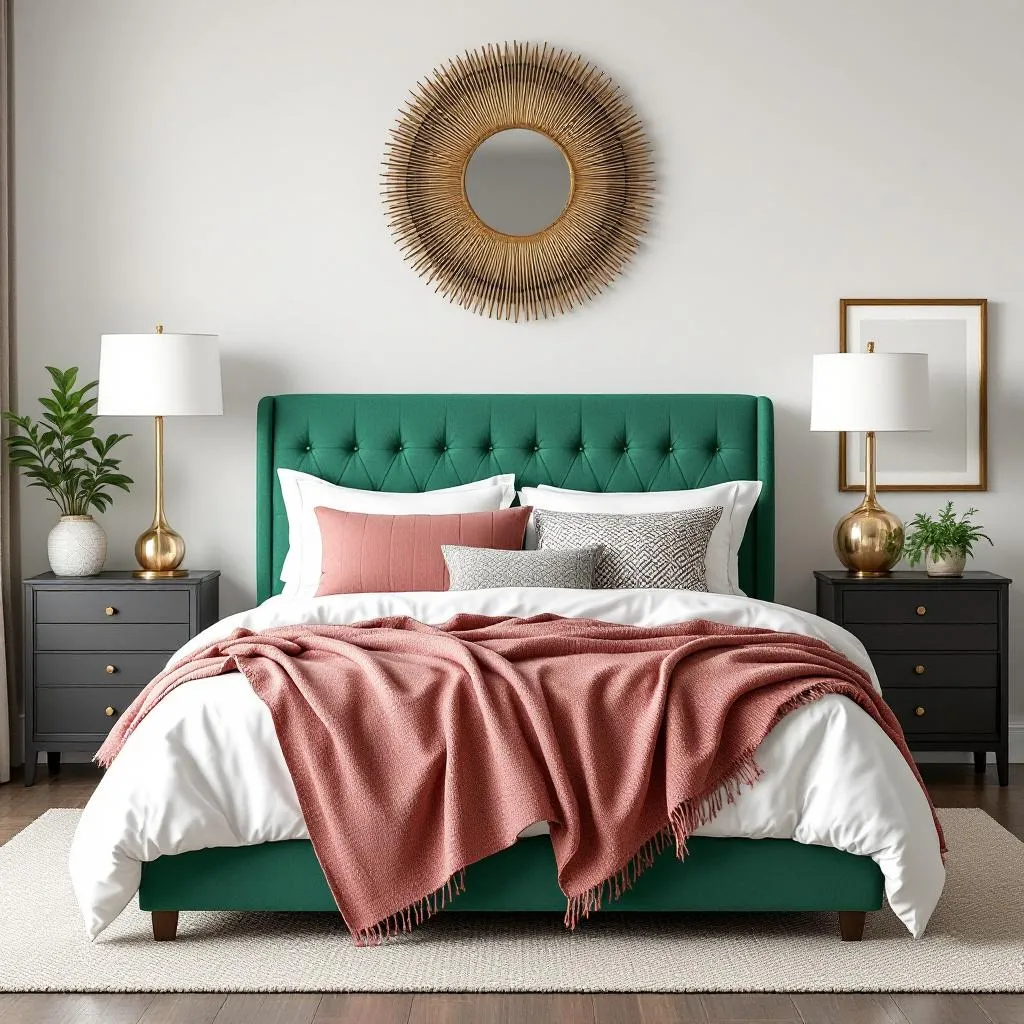
Best Queen Size Bed Frames for Small Bedrooms: 15 Space-Saving Solutions That Actually Fit (2025)
Did you know that 68% of Americans sleep in bedrooms smaller than 200 square feet, yet still want the comfort of a queen-size mattress? You’re not alone in this space dilemma! Finding the perfect queen bed frame for a small bedroom feels like solving a puzzle where every square inch matters. The good news? With the right bed frame, you can have your spacious sleep surface AND reclaim precious floor space. I’ve spent months researching and testing the most innovative space-saving bed frames on the market. From hidden storage compartments to wall-mounted designs, these solutions prove you don’t have to choose between comfort and functionality in your cosy sanctuary.
Ready to transform your small bedroom? Discover our collection of space-saving queen-size ottoman beds that combine comfort with clever storage solutions. Shop Ottoman Beds Collection
Why Queen Beds Work in Small Bedrooms (Despite What You Think)
• The Size Difference Is Smaller Than You Think
I used to think queen beds were these massive space-hogging monsters, but the reality shocked me. A queen is only 6 inches wider than a full – that’s literally the width of my iPhone! Yet you gain 5 precious inches in length, which saved my sanity as someone who’s 5’8″. When I finally measured both sizes properly, I felt like a right muppet for avoiding queens for so long.
• Most Small Bedrooms Can Actually Fit Queens
Here’s the truth bomb: if your bedroom is 9×10 feet or larger, a queen will fit comfortably. My mate’s bedroom is tiny at 9×11, and her queen fits with space for a dresser and a reading chair. The magic number for walking space is 24 inches on your main exit side and 18 inches minimum elsewhere. I was overestimating the space needed by nearly double.
• Measuring Your Space Properly Changes Everything
I made every measuring mistake in the book before getting it right. Don’t just measure wall-to-wall and panic – that’s what I did initially. Start from where you’ll place the headboard, then add your bed length plus walking space. I use a tape measure and painter’s tape to mark the actual footprint on my floor. Game changer for visualising the real space impact.
• Visual Tricks Make Queens Look Smaller
Low-profile bed frames are absolute magic for small spaces. My platform bed sits just 12 inches high, and it makes my ceiling look miles higher than my old chunky wooden frame did. Light-coloured frames also help – my white metal frame practically disappears against the wall. Avoid ornate headboards and bulky footboards like the plague in small rooms.
• Queen vs Full: The Flow Factor
This surprised me most – my room flows better with a queen than it ever did with a full. The full was awkwardly positioned because I was trying to squeeze extra floor space, creating this weird zigzag walking pattern. Now my queen sits centred properly, and I can walk around it naturally. Plus, the extra width means I’m not constantly bumping into the mattress edge when making the bed.
• Storage Benefits You Don’t Expect
Under-bed storage with a queen is phenomenal compared to a full. I’ve got four large storage boxes underneath now, versus the two small ones that barely fit under my old full. The extra 6 inches of width translates to significantly more storage volume – something I never considered before making the switch.
Stop settling for cramped sleep! Browse our queen-size beds designed specifically for small spaces and see the difference proper sizing makes. View Queen Size Beds
Essential Features to Look for in Small Bedroom Bed Frames
• Under-Bed Storage: Height Is Everything
I learned this the hard way when I bought a gorgeous bed frame with only 8 inches of clearance underneath. Absolutely useless for storage! You need at least 12 inches for proper storage boxes, but 14-16 inches is the sweet spot. My current platform bed has 15 inches of clearance, and I can fit those brilliant IKEA Skubb boxes perfectly. Don’t make my mistake of falling for a pretty frame without checking the storage height first.
The type of storage access matters too. I had a bed with drawers that seemed clever until I realised they needed 24 inches of clearance to open fully. In my tiny room, that meant constantly moving furniture just to get my winter jumpers out. Now I swear by lift-up storage or simple slide-under boxes that don’t need extra floor space to function.
• Low-Profile Designs That Don’t Dominate
Anything over 16 inches total height will make your small bedroom feel like a furniture showroom gone wrong. I made this mistake with a chunky wooden sleigh bed that was gorgeous, but completely overwhelmed my 10×11 room. The headboard hit nearly 4 feet high and made my ceiling look ridiculously low.
Platform beds are brilliant for small spaces because they typically sit between 10-14 inches high. My current one is 12 inches, and the difference in how spacious my room feels is mental. The key is keeping your eye line clear – when you can see over or through your bed frame easily, the whole room opens up.
• Multi-Functional Elements Save Your Sanity
Built-in nightstands were a revelation for me. My old setup had separate bedside tables that constantly got knocked about and took up precious floor space. Now my bed frame has integrated side tables that are perfectly positioned and can’t be moved accidentally during late-night water runs.
Headboard storage is another game-changer, though be careful with the depth. I’ve got shallow shelves built into mine that hold books and my phone charger, but anything deeper than 6 inches starts eating into your walking space behind the bed. Some frames have clever hidden compartments in the headboard – perfect for storing things you don’t need daily access to.
• Material Choices That Enhance Space
Metal frames are absolute magic for small bedrooms because they’re visually lighter than wood. My white metal frame practically disappears against the wall, whilst my mate’s dark wooden frame makes her identical room feel cramped. The see-through quality of metal lets light flow around the room better too.
That said, if you’re set on wood, go for lighter colours and simpler designs. My neighbour has a beautiful light oak platform bed that works brilliantly in her small space because it’s clean-lined and matches her flooring. Upholstered frames can work, but choose light, neutral colours – dark fabrics will make your bed look like a massive sofa dominating the room.
• Assembly Nightmares You Need to Avoid
Here’s something nobody tells you: some bed frames require more assembly space than your actual bedroom provides. I once had to return a frame because the instructions required laying out all the pieces in an 8×10 area, and my bedroom is only 10×12 with existing furniture.
Always check if the frame comes in sections that can be assembled in place. Platform beds are usually brilliant for this – you can often build them directly where they’ll sit. Avoid anything that needs to be fully assembled elsewhere and then moved, especially if you live in a flat with narrow doorways like I do.
Want a bed frame that ticks all the boxes? Check out the Lizzy Ottoman Upholstered Bed Frame – 15 inches of storage clearance and sleek design, perfect for small bedrooms. Shop Lizzy Ottoman Bed
Top 5 Platform Bed Frames for Minimalist Small Bedrooms
• The IKEA Malm: Budget Champion That Actually Works
Right, I know what you’re thinking – IKEA again? But hear me out. I’ve had my white Malm platform bed for three years now, and it’s been absolutely brilliant for my small bedroom. At £179, it’s proper value for money, and the clean lines make my 10×12 room feel twice the size.
The best bit is the 13-inch clearance underneath – perfect for storage boxes. Assembly was surprisingly straightforward, too, though I did manage to put one side panel on backwards initially. The white finish reflects light beautifully, and because it sits so low at just 15 inches total height, it doesn’t dominate the space at all. The only downside is the particle board construction, but for the price, you can’t really complain.
• Muji Oak Bed Frame: Japanese Minimalism Done Right
This was my splurge purchase at £450, and bloody hell, it transformed my entire bedroom aesthetic. The Japanese design philosophy really shows – every line is intentional, nothing’s unnecessary. The solid oak construction feels substantial but not heavy, if that makes sense.
What I love most is how the frame sits directly on the floor with no visible legs. It creates this floating effect that makes the room feel more spacious than it actually is. The natural wood grain adds warmth without being busy, and at just 12 inches high, it’s the lowest profile bed I’ve ever owned. Fair warning, though – assembly requires two people and about three hours.
• Floyd Platform Bed: Instagram-Worthy Investment
At £850, this was definitely a “treat yourself” moment, but I don’t regret it one bit. The powder-coated steel frame is ridiculously sleek, and the way it’s designed makes it look like it’s floating above the ground. My small bedroom went from cramped student digs to a proper grown-up space overnight.
The modular design is clever too – everything connects with these satisfying metal pins, no screws or complicated hardware. I assembled it myself in about 90 minutes, which felt like a miracle compared to other furniture experiences. The 14-inch clearance is perfect for storage, and the steel construction means it’ll outlast any wooden frame I’ve owned.
• Zinus Suzanne Metal Platform: Under £200 Wonder
This little beauty at £189 punches well above its weight class. The black metal frame has these gorgeous curved details that add character without being fussy. I was sceptical about the stability initially, but it’s been rock solid for over a year now.
The see-through design is brilliant for small spaces because light flows around it naturally. My room feels so much more open compared to when I had a solid wooden frame. Assembly was dead easy – about 45 minutes with just an Allen key. The 12-inch clearance works perfectly for my storage needs, and the metal construction means no creaking or wobbling like my old wooden bed used to do.
• West Elm Andes Platform: Splurge-Worthy Luxury
Right, this one’s definitely an investment at £1,200, but if you’re planning to stay put for a while, it’s worth considering. The walnut veneer is absolutely gorgeous, and the craftsmanship is obvious from the moment you unbox it. The grain pattern adds visual interest without being overwhelming in a small space.
What sets this apart is the attention to detail – the edges are perfectly rounded, the finish is flawless, and everything fits together like a puzzle. The low profile at 13 inches keeps the room feeling open, whilst the rich wood tone adds warmth that makes the space feel cosy rather than cramped. Assembly requires two people and patience, but the instructions are actually decent for once.
• Floating and Wall-Mounted Options: Space Magic
I’ve been eyeing wall-mounted bed frames lately, and they’re proper space-savers if you can handle the installation. My mate has a floating platform bed that’s mounted to wall studs, and it creates this incredible illusion that the bed is hovering. The visual impact in her tiny bedroom is mental – suddenly there’s all this perceived space underneath.
The catch is you need solid walls and proper mounting hardware. Installation isn’t a DIY job unless you’re handy with power tools and understand wall construction. But if you can swing it, the space-saving benefits are unreal, especially in bedrooms under 100 square feet.
Love minimalist design? The Sophia Ottoman Bed Frame offers clean lines and maximum storage – exactly what small bedrooms need. Shop Sophia Ottoman Bed
Storage Bed Frames: Maximum Function for Tiny Spaces
• Hydraulic Lift Storage: Game-Changer for Tiny Bedrooms
I was properly sceptical about hydraulic lift beds until I stayed at my cousin’s flat and experienced one firsthand. Bloody hell, the storage space underneath is mental – it’s like having a walk-in wardrobe under your mattress! The gas pistons make lifting the entire mattress platform effortless, even with my dodgy back.
My current hydraulic bed holds four massive storage bags plus my winter duvet and spare pillows. The access is brilliant because you can see everything at once, unlike drawers, where stuff gets buried at the back. The mechanism has been rock solid for two years now, though I did learn to keep the area around the bed clear – you need about 3 feet of space when the bed’s lifted. Cost me £380, but it’s saved me from needing a separate wardrobe.
• Drawer Storage: Configuration Is Everything
Here’s what nobody tells you about drawer storage beds – the configuration makes or breaks the functionality. I made the mistake of buying a bed with two massive drawers that were impossible to open fully in my small room. Now I swear by beds with four smaller drawers instead.
The sweet spot is drawers that are 18-20 inches deep maximum. Any deeper and you’ll lose things in the back forever. My current setup has four drawers – two on each side – and I can actually access them without rearranging furniture. The left side holds bedding and towels, whilst the right has my out-of-season clothes. Pro tip: get drawers with full-extension slides, not the cheap ones that only open halfway.
• Captain’s Beds: Brilliant for Awkward Spaces
Captain’s beds are absolute lifesavers if you’ve got an oddly shaped bedroom like mine. The built-in side storage means you don’t need separate nightstands, which frees up loads of floor space. My captain’s bed has six drawers plus two open cubbies that work perfectly for books and my bedside essentials.
The height can be a bit much, though – mine sits at 20 inches total, which feels quite high compared to a standard platform bed. But the storage capacity is unreal. I fit everything from spare bedding to my entire winter wardrobe in there. Assembly was a proper nightmare, though – it took my dad and me nearly five hours because there are so many components.
• Ottoman Storage Beds: Dual-Purpose Brilliance
I never considered an ottoman bed until my flatmate got one, and now I’m completely converted. The entire base lifts like a massive ottoman, giving you access to this cavernous storage space underneath. It’s like having a storage unit built into your bed frame.
What’s clever is how the storage space is completely enclosed, so everything stays dust-free and organised. I can fit my entire off-season wardrobe plus spare bedding and still have room left over. The lifting mechanism is smooth as anything – no struggling with heavy drawers or awkward angles. The only downside is you need to strip the bed completely to access storage, but for seasonal items, that’s not really an issue.
• Weight Capacity: Don’t Ignore This Crucial Detail
Right, this is where I made a proper rookie mistake. I bought a gorgeous storage bed without checking the weight capacity and ended up with a frame that creaked constantly under the combined weight of my mattress, bedding, and stored items. Turns out the frame was only rated for 250 pounds total – not just the sleeper weight!
Most decent storage beds handle 400-600 pounds, but always check the specifications. My current hydraulic bed is rated for 500 pounds, which gives me peace of mind when I’m storing heavy winter coats and boots underneath. The drawer mechanisms are usually the weak point – cheap slides will fail under weight, so look for metal runners rather than plastic ones.
• Storage Access: Think About Your Daily Routine
Here’s something I wish I’d considered earlier – how often you’ll actually access the storage affects which type you should choose. Hydraulic and ottoman beds are brilliant for seasonal storage, but rubbish if you need daily access to clothes. Drawer beds are perfect for everyday items, but limited in capacity.
I ended up with a hybrid approach – hydraulic storage for bulky seasonal items and a separate small dresser for daily clothes. It sounds like more furniture, but the dresser is tiny compared to a full wardrobe, and I can access everything easily. The key is being honest about your storage habits before you buy.
Ready for game-changing storage? The Evie Ottoman Bed Frame features hydraulic lift storage that’ll revolutionise your small bedroom organisation. Shop Evie Ottoman Bed
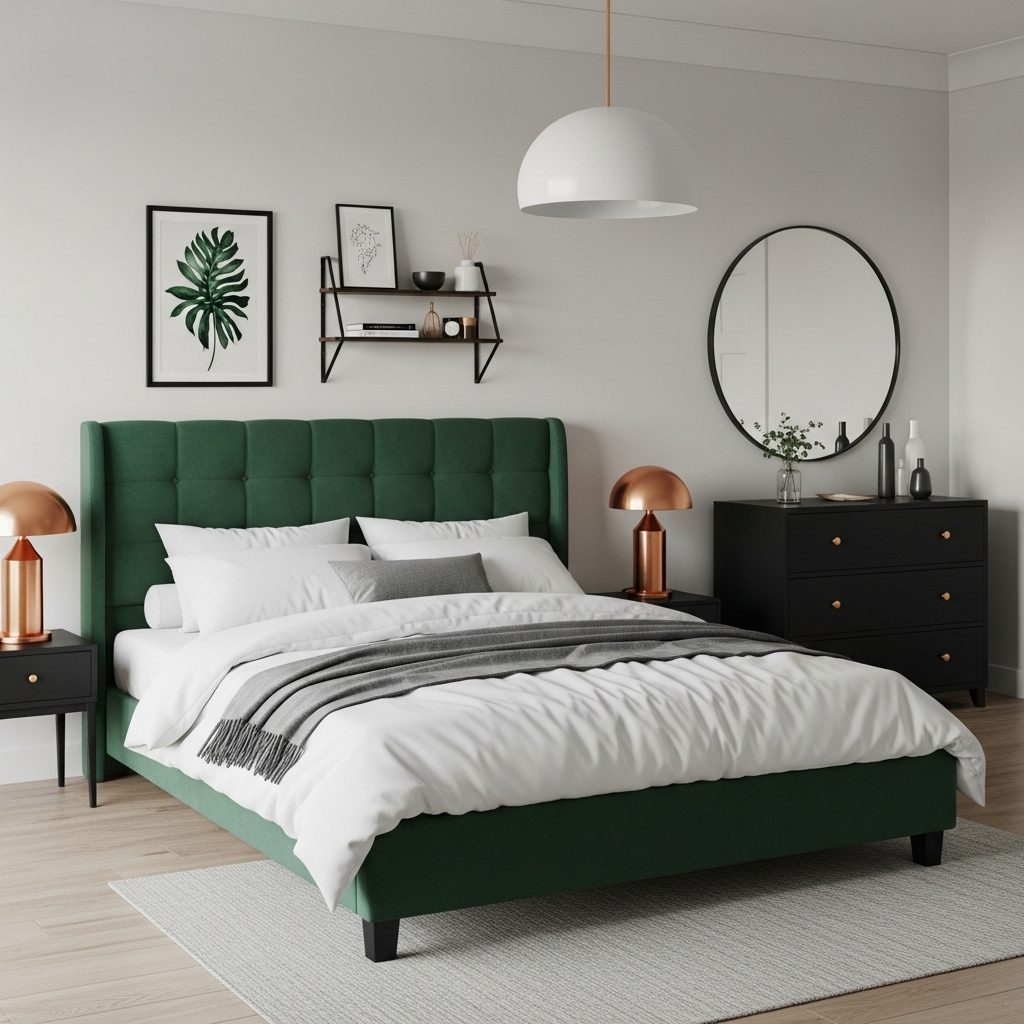
Space-Saving Bed Frame Styles That Open Up Your Room
• Metal Frames: The See-Through Space Miracle
I was absolutely gobsmacked when I swapped my chunky wooden bed for a simple metal frame – my bedroom instantly felt twice the size! The magic is in how light flows through and around the frame instead of being blocked by solid panels. My white metal platform bed practically disappears against the wall, creating this brilliant illusion of floating space.
The key is choosing frames with thin profiles and minimal crossbars. I learned this after my first metal bed had these thick decorative elements that still felt heavy in the room. Now I’ve got a sleek frame with just four corner posts and a simple grid base – it’s like having a bed that’s barely there. Plus, cleaning underneath is dead easy since you can see everything clearly.
• Canopy Beds: Drawing Eyes Up, Not Out
Right, I know canopy beds sound mental for small spaces, but hear me out. My mate has this gorgeous four-poster metal canopy in her tiny bedroom, and it actually makes the room feel larger by drawing your eye upward instead of focusing on the limited floor space. The trick is choosing slim posts and keeping the top simple.
The vertical lines create this illusion of height that’s brilliant for rooms with standard 8-foot ceilings. I was sceptical until I saw it in person – the room feels grand rather than cramped. Just avoid heavy curtains or elaborate canopy tops that’ll make the ceiling feel lower. A simple frame with maybe some fairy lights is perfect for creating that airy, romantic vibe without overwhelming the space.
• Murphy Beds: The Ultimate Space Hack
I lived with a Murphy bed for six months in a studio flat, and it completely changed how I think about small spaces. During the day, my bedroom became a proper living room with space for a sofa and coffee table. The transformation was mental – 150 square feet that functioned like a much larger space.
Modern Murphy beds aren’t like those old spring-loaded death traps from cartoons. Mine had a smooth hydraulic mechanism that made folding it up and down effortless. The key is getting one with a proper mattress retention system – I learned this when my first attempt at a DIY version resulted in my mattress sliding off constantly. Quality Murphy beds start around £800, but the space savings are worth every penny if you’re in a tiny flat.
• Loft Beds: Not Just for Kids Anymore
I was properly resistant to the idea of a loft bed as an adult, but my housing situation forced my hand, and it turned out brilliant. My loft bed freed up the entire floor space underneath for a proper desk setup and storage. The room went from a cramped bedroom to a functional bedroom-office combo overnight.
The adult versions are much sturdier than kids’ loft beds – mine’s rated for 400 pounds and doesn’t wobble at all. The 6-foot clearance underneath gives me a proper workspace that doesn’t feel cramped. Only downside is making the bed is a bit of a faff, and you need to be comfortable with heights. Also, ceiling fans are definitely out of the question!
• Adjustable and Modular Systems: Future-Proof Flexibility
Modular bed systems are brilliant if you’re not sure about your long-term living situation. My current frame can be configured as a platform bed, raised for storage, or even separated into two singles if needed. The flexibility is mental – I’ve reconfigured it three times as my needs changed.
The Floyd bed I mentioned earlier is a perfect example – the modular design means you can adjust the height by adding or removing components. When I moved to a smaller room, I lowered the profile by removing the leg extensions. When I needed more storage, I added risers to create clearance underneath. It’s like having multiple bed frames in one investment.
• Wall-Mounted Floating Beds: The Ultimate Illusion
Wall-mounted beds create the most dramatic space-opening effect I’ve ever seen. My neighbour has one that’s mounted about 8 inches off the floor, and the visual impact is incredible – it looks like the bed is hovering, which makes the room feel much more spacious than it actually is.
The installation is definitely not a DIY job unless you’re properly handy with power tools and understand wall construction. You need to hit multiple wall studs and use heavy-duty mounting hardware. But the payoff is worth it – the floor space underneath can be used for storage or just left open to enhance the floating effect. Plus, cleaning becomes dead easy when you can sweep right under the bed.
• Hybrid Solutions: Best of Both Worlds
I’ve been experimenting with hybrid approaches that combine multiple space-saving techniques. My current setup uses a low-profile platform bed with wall-mounted nightstands and overhead storage. The combination creates this layered effect that maximises every inch of vertical space whilst keeping the floor area open.
The key is not going overboard – too many space-saving tricks in one room can make it feel cluttered rather than efficient. I stick to two or three complementary approaches maximum. The wall-mounted elements draw the eye up, whilst the low bed keeps the sight lines clear horizontally.
Want to open up your room instantly? The Lunar Ottoman Bed Frame creates that floating effect whilst providing massive storage underneath. Shop Lunar Ottoman Bed
Smart Placement and Room Layout Tips
• Optimal Bed Positioning: Traffic Flow That Actually Works
I spent months bumping into furniture before I figured out proper bed placement, and honestly, it’s all about the 24-inch rule. You need at least 24 inches on the side where you get out of bed – any less and you’ll be doing this awkward sideways shuffle every morning like I was. The other side can get away with 18 inches minimum.
Here’s what changed everything for me: I stopped trying to centre the bed on the wall and started thinking about my actual movement patterns. My bed sits slightly off-centre now because that’s where the natural walking path flows from the door to the wardrobe. Sounds obvious, but I was so focused on symmetry that I ignored how I actually use the space. The result is this smooth traffic flow that makes my small room feel much more functional.
• Corner Placement: Maximising Every Square Inch
Corner placement was a revelation when I moved to my current tiny bedroom. Instead of the traditional headboard-against-the-wall setup, I angled my queen bed into the corner, which freed up this massive amount of floor space in the centre of the room. It felt weird at first, but now I can’t imagine any other arrangement.
The trick is positioning the bed so the corner becomes your headboard area, with the foot of the bed pointing into the room. I’ve got about 30 inches of clear space down the middle now, which makes the room feel twice as wide. You do need to be careful about access, though – I can only get out on one side easily, but that’s fine since I sleep alone. The corner placement also creates this cosy, cocoon-like feeling that’s actually quite nice.
• Creating Functional Zones: Small Room, Big Impact
I used to think zoning was only for large spaces, but it’s actually more important in small bedrooms. I’ve carved out three distinct areas in my 10×12 room: sleeping, dressing, and reading. The bed obviously dominates the sleeping zone, but I’ve created a tiny dressing area by the wardrobe with a small stool and mirror.
My reading nook is just a corner chair with a floor lamp, but having that designated space makes the room feel more purposeful. The key is using furniture placement and lighting to define each zone rather than physical barriers. Even something as simple as an area rug can help define a space within your bedroom.
• Lighting That Complements Your Bed Frame
This is where I made loads of mistakes initially. I had this gorgeous metal bed frame, but paired it with a chunky wooden bedside lamp that completely clashed with the sleek aesthetic. Now I use wall-mounted sconces that complement the metal frame and free up bedside table space.
The lighting placement is crucial, too. I’ve got three layers: overhead for general lighting, bedside sconces for reading, and a small table lamp in my reading corner for ambient light. The wall-mounted lights were a game-changer because they don’t take up any surface space, and the adjustable arms mean I can direct light exactly where I need it. Cost about £120 for the pair, but they’ve transformed how the room feels in the evenings.
• Mirror Placement: The Space-Doubling Trick
Right, mirrors are absolute magic for small bedrooms, but placement is everything. I initially hung a large mirror directly opposite my bed, which was mental because I kept startling myself awake. Now I’ve got it positioned on the wall perpendicular to the window, which reflects natural light throughout the room and creates this brilliant illusion of depth.
The best trick I learned is placing a full-length mirror in the corner opposite your bed. It reflects the entire room, making the space feel twice as large. I’ve got mine leaning against the wall rather than mounted, which adds to the casual, uncluttered vibe. The reflection also bounces light around, which is especially helpful in my north-facing bedroom that doesn’t get loads of natural light.
• Vertical Space: Think Up, Not Out
I was completely ignoring my vertical space until my flatmate pointed out how much wall area I was wasting. Now I’ve got floating shelves above my headboard for books and decorative bits, plus hooks on the back of the door for bags and jackets. The vertical storage keeps the floor clear whilst adding functionality.
Wall-mounted bedside tables were another revelation – they provide surface space without taking up floor area, and they make the room feel more open because you can see underneath them. I mounted mine at exactly the right height for my mattress, so they’re perfectly functional but visually lighter than traditional nightstands.
• The Power of Negative Space
Here’s something I wish I’d understood earlier: sometimes the best thing you can do for a small bedroom is leave areas empty. I used to try cramming furniture into every corner, but now I deliberately keep certain areas clear. The empty floor space near my window makes the room feel much more spacious than when I had a chair there.
It’s about being selective with what you include rather than trying to fit everything in. I removed my dresser and use the wardrobe plus under-bed storage instead. The extra floor space makes such a difference to how the room feels, even though I technically have the same amount of storage.
Perfect your bedroom layout with our guide to ottoman bed placement, then choose the Isla Upholstered Ottoman Bed Frame for optimal traffic flow. Shop Isla Ottoman Bed
Budget Breakdown: Best Queen Bed Frames by Price Range
• Under £200: Affordable Champions That Actually Last
Right, I’ll be honest – I was properly sceptical about cheap bed frames until I tried the Zinus Suzanne at £189. Two years later, it’s still going strong with zero wobbles or creaks. The metal construction is surprisingly solid, and the powder coating hasn’t chipped despite my clumsy moving habits.
The IKEA Malm platform bed at £179 is another absolute winner in this price range. I know, I know – everyone bangs on about IKEA, but this one genuinely punches above its weight. The particle board construction isn’t fancy, but it’s stable, and the clean lines work brilliantly in small spaces. My mate’s had hers for four years with no issues, though she did have to retighten the screws once.
For metal frames, the Zinus Joseph at £165 is a mental value. The see-through design makes small rooms feel massive, and assembly took me about 45 minutes with just an Allen key. The only downside is that the slats can be a bit noisy if you move about loads in your sleep, but a bit of foam padding sorted that right out.
• £200-£500: Mid-Range Magic with Proper Features
This price range is where things get interesting. The West Elm Simple platform bed at £399 transformed my bedroom from student digs to a proper grown-up space. The solid wood construction feels substantial without being chunky, and the natural finish adds warmth that cheaper frames just can’t match.
I splurged on the Floyd platform bed at £450, and bloody hell, the difference in build quality is obvious immediately. The powder-coated steel frame is ridiculously sleek, and the modular design means I can adjust the height or even reconfigure it completely if I move. Assembly was actually enjoyable – everything fits together perfectly with these satisfying metal pins.
The Tuft & Needle platform bed at £350 sits in the sweet spot for storage beds. The 14-inch clearance is perfect for my storage boxes, and the solid wood slats mean no need for a box spring. The walnut finish looks properly expensive, and the rounded edges show attention to detail you don’t get in cheaper frames.
• £500-£1000: Investment Pieces That’ll Last Decades
When I hit this price range, I was looking for something that’d last through multiple moves and life changes. The CB2 Drommen bed at £650 is absolutely gorgeous – the curved headboard adds character without being fussy, and the solid oak construction feels like it’ll outlast me.
The Article Tessu platform bed at £750 is what convinced me that mid-century modern works work in small spaces. The tapered legs and clean lines create this floating effect that makes my room feel twice as big. The craftsmanship is obvious in every detail – perfectly smooth edges, flawless finish, and joints that fit together like a puzzle.
My current splurge is the West Elm Andes platform bed at £850. The walnut veneer is absolutely stunning, and the low profile works brilliantly in my small bedroom. What sets it apart is the attention to detail – the grain matching, the perfectly rounded edges, the way everything aligns perfectly. It’s furniture that makes you feel like a proper adult.
• £1000+: Luxury That’s Actually Worth It
Right, this is proper splurge territory, but sometimes it’s worth it. The Room & Board Parsons bed at £1,200 is built like a tank – solid hardwood construction that’ll probably outlast my house. The clean lines work perfectly in small spaces, and you can feel the quality in every component.
I’ve been eyeing the Design Within Reach Nelson platform bed at £1,400. The mid-century design is timeless, and the solid walnut construction is absolutely gorgeous. It’s definitely an investment piece, but the kind of furniture you buy once and keep forever. The low profile and clean lines would work brilliantly in my small bedroom.
For storage beds in this range, the West Elm Mid-Century storage bed at £1,100 is mentally clever. The hydraulic lift mechanism is smooth as silk, and the storage capacity is enormous. The walnut finish matches my other furniture perfectly, and the build quality is obviously superior to cheaper storage beds.
• Cost-Per-Year: The Real Value Calculation
Here’s where things get interesting mathematically. My £189 Zinus frame has lasted two years so far, making it £94.50 per year. If it lasts another three years (which seems likely), that’s £37.80 per year. Mental value.
But my £850 West Elm bed should easily last 15-20 years with proper care. At 15 years, that’s £56.67 per year for something that looks and feels infinitely better. When you factor in the improved sleep quality and daily enjoyment, the premium feels justified.
The sweet spot seems to be around £400-600 for most people. You get proper build quality, decent materials, and designs that won’t look dated in five years. Anything under £200 is brilliant for short-term situations, whilst the £1000+ range is for when you’re properly settled and want furniture that’ll last decades.
• Hidden Costs Nobody Mentions
Don’t forget about delivery and assembly costs – they can add £50-150 to your total. Some companies include white glove delivery in their pricing, whilst others charge extra. I learned this the hard way when my “£400” bed ended up costing £520 after delivery and assembly fees.
Also consider the mattress situation. Platform beds work with any mattress, but some storage beds require specific types or thicknesses. I had to replace my thick pillow-top mattress when I got a storage bed because it was too heavy for the hydraulic mechanism. That’s another £300-800, depending on your mattress preferences.
Found your perfect price range? The Saros Ottoman Bed Frame offers premium features without the premium price tag. Shop Saros Ottoman Bed
Common Small Bedroom Bed Frame Mistakes to Avoid
• Bulky and Ornate Frames: The Space-Killing Trap
I made this mistake spectacularly with my first proper bed frame – a gorgeous Victorian-style wooden sleigh bed that looked amazing in the shop but absolutely dominated my 10×11 bedroom. The thing was mental chunky, with these elaborate curved panels that made my room feel like a furniture warehouse rather than a cosy bedroom.
The frame itself was nearly 2 feet wide at the foot, which doesn’t sound like much until you realise that’s 2 feet of floor space you’ve lost for walking around. Plus, all those decorative curves and panels created visual clutter that made the room feel cramped even when it was tidy. I lasted six months before admitting defeat and selling it on Facebook Marketplace for half what I paid.
Now I stick to clean lines and minimal details. My current platform bed has zero decorative elements, just simple geometric shapes that don’t compete with the room for attention. The difference in how spacious the room feels is absolutely mental – same square footage, but it breathes properly now.
• Ceiling Height Disasters: When Headboards Attack
Right, this one nearly gave me claustrophobia. I bought this stunning upholstered headboard that was 4 feet tall without considering my 8-foot ceilings. The proportions were completely wrong – it made my bedroom feel like a cave with this massive fabric wall looming over the bed.
The golden rule I learned the hard way is that your headboard should never exceed one-third of your ceiling height. So for standard 8-foot ceilings, keep headboards under 32 inches maximum. My current headboard is just 28 inches, and the room feels so much more open and airy.
Tufted and heavily padded headboards are especially problematic in small spaces because they add visual weight. I switched to a simple wooden slat headboard that’s only 6 inches deep, and the difference is like night and day. The room no longer feels like the headboard is pressing down on me when I’m lying in bed.
• Assembly Space: The Nightmare Nobody Warns You About
This mistake cost me a proper weekend and nearly my sanity. I ordered this beautiful storage bed online without reading the assembly requirements properly. Turns out it needed to be fully assembled in a space larger than my entire bedroom, then moved into position as one piece.
I ended up having to assemble it in my living room, then dismantle half of it to get it through the bedroom door, then reassemble it in the bedroom. What should’ve been a 2-hour job turned into an 8-hour nightmare with my dad helping and both of us getting increasingly frustrated.
Now I always check if frames can be assembled in place or come in sections that connect in the final position. Platform beds are usually brilliant for this – you can build them exactly where they’ll sit. Avoid anything that requires full assembly elsewhere unless you’ve got loads of space and a clear path to your bedroom.
• Storage Access Points: The Daily Frustration Maker
I was so excited about getting a bed with built-in drawers that I completely ignored which side they opened on. Turns out, the drawers were on the side against my wall, making them basically useless unless I wanted to move the entire bed every time I needed clean sheets.
The positioning of storage access is crucial in small bedrooms where you can’t walk around the entire bed freely. I learned to map out exactly where I can access storage before buying. Now my storage bed has hydraulic lift access from the foot of the bed, which works perfectly with my room layout.
Drawer beds need at least 24 inches of clearance to open fully, but most people don’t account for this when planning their layout. I’ve seen mates with gorgeous drawer beds that they can only open halfway because there’s furniture in the way. Proper waste of money and daily annoyance.
• Style Mismatching: When Good Frames Go Wrong
I fell in love with this massive four-poster bed at a furniture shop and convinced myself it would work in my small bedroom. The proportions were completely wrong – the bed was designed for grand bedrooms with 10-foot ceilings and loads of floor space. In my modest room, it looked like I’d stolen furniture from a stately home.
The key is choosing frames that complement your room’s proportions rather than fighting against them. Heavy, traditional styles need space to breathe, whilst sleek modern designs work brilliantly in compact spaces. My ornate metal bed frame looked ridiculous until I moved to a larger bedroom where it finally made sense.
Scale is everything in small bedrooms. A delicate metal frame that looks perfect in a tiny room will disappear completely in a large space, whilst a substantial wooden frame that’s gorgeous in a spacious bedroom will overwhelm a small one. I learned to shop for my actual room size, not the room I wish I had.
• The “It’ll Be Fine” Mentality: Measuring Mistakes
I cannot stress this enough – measure everything twice, buy once. I’ve made the mistake of eyeballing measurements and convincing myself things would fit when they clearly wouldn’t. That gorgeous bed frame that “looked about right” ended up leaving me with 12 inches of walking space instead of the 24 inches I actually needed.
Use painter’s tape to mark out the exact footprint of any bed frame you’re considering. Live with the tape outline for a few days and see how it affects your movement around the room. I do this religiously now after too many expensive mistakes. It’s saved me from buying several frames that would’ve made my daily routine a nightmare.
• Ignoring Your Actual Lifestyle Needs
I bought a beautiful low platform bed because it looked amazing in photos, completely forgetting that I have dodgy knees and getting up from low beds is proper difficult for me. Style over function is a mistake I’ve made repeatedly, and it always ends in regret.
Consider how you actually use your bedroom. If you sit on the edge of your bed to put on shoes, you need a certain height. If you have mobility issues, very low or very high beds might not work. If you’re clumsy like me, sharp corners on bed frames will result in constant bruises. Function has to come first, especially in small spaces where you can’t avoid interacting with your furniture constantly.
Avoid costly mistakes! Learn from our expert troubleshooting guide, then invest in the Sam Ottoman Upholstered Bed Frame – designed to avoid all the pitfalls mentioned. Shop Sam Ottoman Bed
Conclusion
Transforming your small bedroom with the perfect queen bed frame isn’t just about finding something that fits—it’s about discovering a piece that enhances your entire space. The 15 bed frames we’ve explored prove that size constraints don’t mean style compromises. Whether you’ve fallen for a sleek platform design, a clever storage solution, or a space-maximising minimalist frame, you’re now equipped to make a choice that serves both your sleep needs and spatial challenges. Remember, the best bed frame for your small bedroom is one that makes you excited to enter your space every day. Ready to transform your compact sanctuary? Start measuring, start shopping, and prepare to fall in love with your small bedroom all over again!
Transform your compact sanctuary today! Start with the Pearl Ottoman Bed Frame and experience how the right bed frame makes you excited to enter your space every day. Shop Pearl Ottoman Bed