
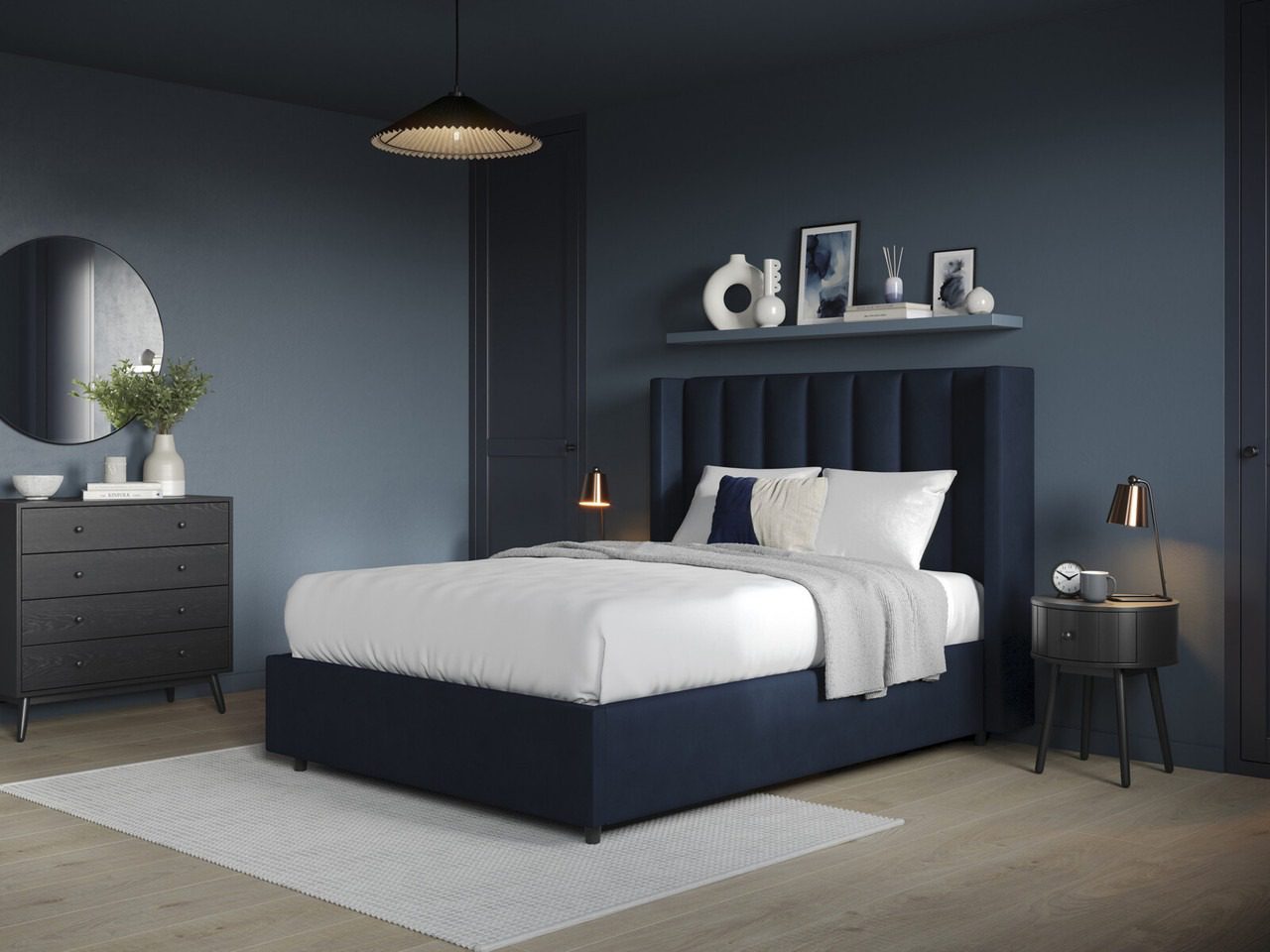
Ottoman King Size Bed Frame with Storage vs Double Bed: Complete 2025 Buying Guide
Did you know that the average person spends one-third of their life in bed? That’s roughly 26 years! With such a significant investment of time, choosing the right bed frame becomes crucial for both comfort and functionality. If you’re torn between an ottoman king size bed frame with storage vs double bed, you’re not alone. This decision affects everything from your sleep quality to your bedroom’s storage capacity and overall aesthetic.
Whether you’re furnishing a master bedroom, dealing with limited space, or simply want to maximise your bedroom’s potential, understanding the key differences between these two popular options will help you make an informed choice that you’ll love for years to come. Ready to transform your bedroom with maximum storage and comfort? Explore our complete collection of premium ottoman beds designed for modern living. Browse All Ottoman Beds
Understanding Ottoman King Size Bed Frames with Storage
What Exactly Is an Ottoman Storage Bed?
• The basic concept: An ottoman storage bed is essentially a bed frame where the entire mattress platform lifts to reveal a massive storage compartment underneath. Think of it like a giant treasure chest, but instead of gold coins, you’re storing your winter duvets and that collection of cushions you never use but can’t bear to throw away.
• Design appearance: The bed looks completely normal from the outside – you’d never guess there’s enough storage space underneath to hide a small person (not that I’m suggesting that, obviously). The mattress sits on a solid platform that’s attached to the base with hinges, usually at the foot end.
• Storage capacity: When you lift it, you’ve got access to the entire footprint of the bed for storage. We’re talking about roughly 1.5 cubic metres of space in a king-size ottoman – that’s enough to store several sets of bedding, out-of-season clothes, or even suitcases.
How Hydraulic Lift Mechanisms Actually Work
• Gas strut technology: The hydraulic lift system uses gas struts – similar to what you’d find on a car boot – to help you lift the heavy mattress and platform. I remember struggling with my old bed frame, trying to lift a king-size mattress by myself. Nearly threw my back out!
• Effortless operation: With hydraulic struts, even my mum can lift it with one hand. The gas struts are usually rated for different weight capacities, typically between 40-60kg of lifting force, which covers pretty much any mattress you’d throw at it.
• Safety features: Most decent hydraulic systems include soft-close mechanisms that prevent the bed from slamming shut. I learned this the hard way when I bought a cheap ottoman bed online that came with rubbish struts – the thing barely lifted my medium-firm mattress, let alone when I upgraded to a memory foam one later.
Different Types of Ottoman Storage Systems
• Side-opening ottomans: These have hinges along one of the long sides, so the bed opens like a book. You need more clearance space around the bed, but they’re great if you’ve got limited space at the foot of your bed.
• End-opening systems: These have hinges at the foot of the bed, so you lift from the head end. I prefer end-opening because you don’t need as much clearance space around the bed, and it feels more natural to lift from where you’d normally stand.
• Split storage options: Some premium ottoman beds offer split storage compartments with separate lifting sections. This means you can access one side without lifting the entire mattress – brilliant if your partner’s still sleeping!
Weight Capacity and Durability Considerations
• Total weight limits: A proper ottoman bed frame should handle at least 150kg total weight – that’s your mattress plus whatever you’re storing underneath. The cheaper ones I’ve seen start creaking and sagging after just a year or two.
• Frame construction quality: Look for reinforced corner brackets and thick steel or solid wood construction. The lifting mechanism puts extra stress on the frame compared to standard beds, so build quality is absolutely crucial.
• Hydraulic system lifespan: Quality gas struts should last 5-10 years with regular use. Cheaper systems might start failing after 18 months, leaving you struggling to lift your mattress manually – trust me, it’s not fun!
Popular Materials Used in Ottoman Bed Construction
• Solid wood frames: Oak, pine, or birch frames are gorgeous but pricey. They’re incredibly durable and look fantastic, but you’re looking at £800+ for a decent king-size frame.
• Engineered wood options: MDF or particle board with veneer gives you that wood look without breaking the bank. I went with a fabric-upholstered MDF frame – looks smart, reasonably priced, and the soft edges mean I don’t bruise my shins every morning!
• Metal frame construction: Steel frames are super sturdy but can be a bit industrial-looking. They’re brilliant for weight capacity, though – some can handle up to 200kg without breaking a sweat.
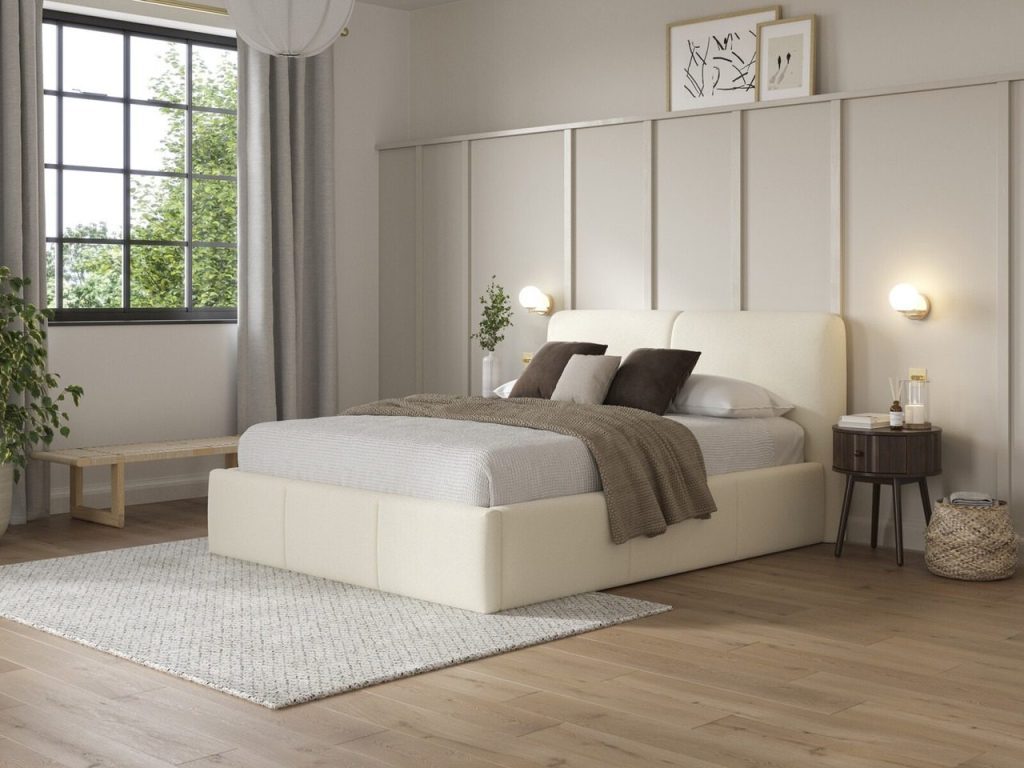
• Upholstered finishes: Fabric or faux leather upholstery adds comfort and style. Just make sure it’s removable or easy to clean – spills happen, and you don’t want to be stuck with a stained bed frame! Experience the luxury of effortless storage with our Lizzy Ottoman Upholstered Bed Frame – featuring premium hydraulic lift mechanisms and spacious storage.
Double Bed Basics: Size, Style, and Functionality
Standard Double Bed Dimensions and Space Requirements
• Exact measurements: A standard UK double bed measures 135cm wide by 190cm long (4’6″ x 6’3″ in old money). I always thought they were bigger until I actually measured mine – turns out I’d been living in denial about how cramped my partner and I were!
• Clearance space needed: You’ll want at least 60cm of walking space around the bed, though 90cm is more comfortable. I learned this when I squeezed a double into my tiny flat and had to practically vault over the footboard every morning to get to the wardrobe.
• Headboard considerations: If you’re adding a headboard, factor in an extra 5-15cm depth depending on the style. Some chunky upholstered headboards can stick out quite a bit, which I discovered when mine blocked my bedside table drawer from opening properly.
Traditional Bed Frame Styles and Design Options
• Platform bed frames: These sit low to the ground with a solid base – brilliant for modern, minimalist looks. I’ve got one now and love how it makes my ceiling feel higher, though getting up in the morning requires a bit more effort when you’re closer to floor level.
• Sleigh bed designs: The curved headboard and footboard give a classic, elegant look. They’re gorgeous but take up more visual space than you’d expect. My mate’s got one and it completely dominates her bedroom, even though it’s the same size as my platform bed.
• Four-poster frames: Proper statement pieces that work brilliantly in period properties or if you’re going for that romantic, dramatic vibe. Just make sure your ceiling’s high enough – nothing looks sillier than a four-poster that nearly touches the ceiling!
• Metal frame options: From simple black steel to ornate wrought iron designs. They’re usually lighter than wooden frames, which is handy if you move house frequently, like I used to. Plus, they don’t creak as much as wooden joints can over time.
Mattress Compatibility and Support Systems
• Slatted base systems: Most modern double beds use wooden or metal slats spaced about 7-10cm apart. The closer the slats, the better support you’ll get – I made the mistake of buying a bed with widely spaced slats, and my mattress started sagging in the gaps within months.
• Solid platform support: Some beds have a completely solid base, which works brilliantly with memory foam mattresses. Traditional spring mattresses need more airflow, though, so check what your mattress manufacturer recommends.
• Sprung slat options: These flexible slats give a bit more bounce and comfort. They’re pricier than standard slats but worth it if you’ve got back problems. My physio actually recommended them when I was having lower back issues.
• Centre support rails: Essential for double beds to prevent sagging in the middle. Any decent frame should have a centre leg or support beam – if it doesn’t, walk away. I’ve seen too many beds collapse because they skimped on this crucial support.
Price Range and Budget Considerations
• Budget frames (£100-300): Basic metal or simple wooden frames that’ll do the job. I started with a £150 IKEA frame that lasted me three years before the joints started loosening. Perfect for students or first homes.
• Mid-range options (£300-600): Better materials, more style choices, and improved durability. This is the sweet spot for most people – you get decent quality without breaking the bank. My current bed cost £450 and it’s been solid for four years.
• Premium frames (£600+): Solid wood construction, designer styles, or specialist features. Unless you’re planning to keep it for decades or it’s a centrepiece in your master bedroom, you’re probably paying for aesthetics rather than function.
• Hidden costs to consider: Don’t forget the mattress (£200-800+), bedding sets (£50-150), and potential delivery charges. I once bought a “bargain” bed frame only to spend twice as much on a decent mattress to go with it.
Ideal Room Sizes for Double Bed Placement
• Minimum room dimensions: You can squeeze a double into a 2.5m x 3m room, but it’ll feel cramped. I lived with this setup for two years and constantly felt like I was playing bedroom Tetris with my furniture.
• Comfortable room size: A 3m x 3.5m room gives you proper breathing space and room for essential furniture like wardrobes and bedside tables. This is what I’d consider the minimum for a proper double bedroom.
• Optimal layout space: 3.5m x 4m or larger lets you add a dressing table, reading chair, or chest of drawers without the room feeling cluttered. You can actually walk around without stubbing your toe on furniture corners every morning.
• Ceiling height considerations: Standard 2.4m ceilings work fine, but if you’ve got lower ceilings (some Victorian conversions are around 2.1m), stick to low-profile bed frames to avoid the room feeling oppressive. I once viewed a flat where the four-poster bed made the room feel like a cave! Perfect for smaller spaces? Discover our complete range of stylish and functional double beds that maximise comfort without compromising on style.
Size Comparison: King vs Double Bed Dimensions
Exact Measurements: King Size vs Double Bed Dimensions
• King-size specifications: A UK king-size bed measures 150cm wide by 200cm long (5ft x 6’6″). That’s a proper, generous sleeping space – I upgraded from a double to a king three years ago and honestly can’t imagine going back. The extra width makes such a difference when you’re sharing.
• Double bed dimensions: Standard UK double beds are 135cm wide by 190cm long (4’6″ x 6’3″). When you put them side by side, the difference is more dramatic than you’d expect – we’re talking 15cm extra width and 10cm extra length on the king size.
• The reality of space difference: That 15cm width translates to roughly 7.5cm extra space per person when sharing – doesn’t sound like much, but it’s the difference between constantly bumping elbows and actually having your own sleeping territory. The extra 10cm length is brilliant if you’re over 6ft tall, like my partner.
• Mattress weight considerations: King-size mattresses are significantly heavier – typically 30-50% more than doubles. I learned this the hard way when moving house and nearly did my back in trying to manoeuvre a memory foam king mattress up two flights of stairs!
Space Requirements Including Clearance Around the Bed
• King-size clearance needs: You’ll want at least 70cm clearance on each side of a king bed, with 90cm being more comfortable. I made the mistake of cramming a king into my old bedroom with just 50cm clearance – I felt like I was doing gymnastics every morning just to get dressed.
• Double bed spacing: Doubles need about 60cm minimum clearance, though 75cm is better for comfort. The smaller footprint means you can get away with tighter spaces, which is why doubles work brilliantly in guest rooms or smaller master bedrooms.
• Doorway access considerations: Most UK doorways are 76cm wide, so getting a king mattress through can be tricky. You’ll often need to bend or fold the mattress, which isn’t ideal for memory foam types. Doubles usually go through doorways without drama.
• Under-bed access space: If you’re planning to use under-bed storage, factor in extra clearance for pulling out boxes or vacuum storage bags. I’ve got storage boxes under my king bed and need at least 80cm clearance to access them properly.
Room Size Recommendations for Each Bed Type
• Minimum room for king beds: You can technically fit a king into a 3m x 3.5m room, but it’ll dominate the space completely. I tried this in my previous flat, and there was barely room for a single bedside table – it felt more like sleeping in a corridor than a bedroom.
• Comfortable king bedrooms: A 3.5m x 4m room is the sweet spot for king beds. This gives you space for bedside tables, a wardrobe, and maybe a chair without the room feeling cramped. My current bedroom is 3.8m x 4.2m, and it feels perfectly proportioned.
• Double bed room flexibility: Doubles work brilliantly in 2.8m x 3.2m rooms and still leave space for proper furniture. I had a double in a room this size for years and managed to fit in a wardrobe, chest of drawers, and even a small desk.
• Optimal room proportions: For kings, aim for rooms that are at least 3.5m in the shortest dimension. For doubles, a 3m minimum width works fine. The length matters less – both bed types work in rectangular rooms as long as you’ve got the width sorted.
Impact on Bedroom Layout and Furniture Placement
• King bed furniture challenges: With a king bed, you’re often forced into specific layouts. I had to put my wardrobe at the foot of the bed because there simply wasn’t wall space anywhere else. Bedside tables become crucial for storage since you lose floor space for other furniture.
• Double bed layout flexibility: Doubles give you more options for furniture arrangement. You can often fit wardrobes on either side, have space for a dressing table, or even squeeze in a reading chair. The smaller footprint means more creative layout possibilities.
• Traffic flow differences: King beds can create awkward traffic patterns, especially in rectangular rooms. I’ve learned to position mine so there’s a clear path to the ensuite, even if it means sacrificing some symmetry in the room layout.
• Storage furniture impact: With a king bed, you’ll rely more heavily on vertical storage and built-in solutions. Doubles leave room for freestanding storage furniture like chests of drawers or ottoman storage benches at the foot of the bed.
Considerations for Couples vs Single Sleepers
• Couple sleeping comfort: For couples, the king size is a game-changer. My partner and I used to wake each other up constantly on our old double – every time one of us rolled over, the other felt it. The king gives us proper personal space while still feeling connected.
• Motion isolation differences: King beds with quality mattresses offer much better motion isolation. When my partner gets up for early morning gym sessions, I barely notice now. On our old double, I’d wake up every single time he moved.
• Single sleeper luxury: If you’re sleeping alone, a king bed feels absolutely luxurious – you can starfish to your heart’s content! Though honestly, a double gives a single sleeper plenty of space and leaves more room for other bedroom activities.
• Relationship dynamics: Sounds daft, but bed size can affect relationships. Some couples love the extra space of a king, while others feel too separated. We found the king actually improved our sleep quality so much that we’re both happier during the day. Worth considering if you’re having sleep-related grumpiness issues! Ready to upgrade toking-sizee luxury? The Sophia Ottoman Bed Frame offers the perfect balance of space, storage, and sophisticated design.
Storage Solutions: Ottoman vs Traditional Options
Storage Capacity Comparison Between Ottoman Beds and Under-Bed Alternatives
• Ottoman bed storage volume: A king-size ottoman bed gives you roughly 1.5 cubic metres of storage space – that’s absolutely massive! I measured mine, and it’s basically like having an extra wardrobe built into your bed. You can fit about 15-20 vacuum storage bags in there, which is mental when you think about it.
• Traditional under-bed boxes: Standard plastic storage boxes typically give you about 0.3-0.5 cubic metres total under a king bed. I used to have six large boxes under my old bed frame, and they held maybe a quarter of what my ottoman bed stores now. Plus, you lose loads of space between the boxes and around the bed legs.
• Vacuum storage bag efficiency: With ottoman beds, you can use the entire space for vacuum bags without worrying about awkward shapes or accessing individual containers. I’ve got my winter duvets, out-of-season clothes, and spare bedding all vacuum-packed in there – would’ve needed three separate wardrobes otherwise.
• Wasted space elimination: Traditional bed frames waste so much space around the legs and support structures. My old metal frame probably only gave me 60% usable storage space underneath, whereas the ottoman uses literally every square centimetre of the bed’s footprint.
Accessibility and Ease of Use for Stored Items
• Ottoman bed convenience: Lifting the entire mattress gives you complete access to everything at once. No more crawling around on your hands and knees trying to drag boxes out from the back corners – I used to dread getting my Christmas decorations out because they were always shoved right to the back.
• Hydraulic lift advantages: The gas struts make lifting effortless, even with a heavy memory foam mattress. My mum, who’s in her seventies, can operate mine with one hand. Compare that to heaving heavy storage boxes in and out – my back’s definitely grateful for the upgrade.
• Traditional storage limitations: Under-bed boxes are a nightmare if you need something from the middle or back. I once had to pull out five boxes just to get to my ski gear, then put them all back again. With an ottoman, everything’s visible and accessible immediately.
• Frequency of access considerations: If you need to get into your storage weekly, ottoman beds are brilliant. For stuff you only access seasonally, traditional boxes might be fine, but honestly, the convenience of ottoman storage spoils you pretty quickly.
Types of Items Best Suited for Ottoman Storage
• Bedding and linens: This is where ottoman beds really shine. I store all my spare duvet sets, extra pillows, and seasonal bedding in vacuum bags. The large, flat space is perfect for keeping everything organised and wrinkle-free.
• Seasonal clothing storage: Winter coats, jumpers, and boots fit brilliantly in ottoman storage. I vacuum-pack my summer clothes in October and swap them for winter gear – it takes about ten minutes and saves loads of wardrobe space.
• Items to avoid storing: Don’t put anything valuable or fragile in there – the lifting mechanism means things can shift about. I learned this when I stored some photo albums, and they got a bit battered. Also, avoid anything you need daily access to.
• Suitcases and travel gear: Empty suitcases are perfect for ottoman storage since they’re bulky but lightweight. I keep mine in there along with travel accessories, and it’s dead convenient when packing for holidays – everything’s in one place.
Alternative Storage Solutions for Double Beds
• Rolling under-bed drawers: These are brilliant for double beds because you can access them from either side. I had some in my old bedroom that slid out on wheels – much easier than lifting heavy boxes. They’re perfect for shoes, accessories, or everyday items.
• Bed risers and taller frames: Raising your bed by 15-20cm creates loads more storage space underneath. I used bed risers on my old double and could fit much larger storage containers. Just make sure the bed doesn’t look ridiculously high – learned that lesson the hard way!
• Modular storage systems: Stackable boxes or drawer units that fit the exact dimensions under your bed. IKEA does some brilliant ones that maximise every inch of space. They’re more expensive than random plastic boxes, but so much more efficient.
• Headboard storage options: Some double bed headboards come with built-in shelving or hidden compartments. Not as much space as ottoman storage, but perfect for books, phone chargers, or bedtime essentials you want within arm’s reach.
Cost-Effectiveness of Built-in vs Separate Storage Furniture
• Ottoman bed initial investment: You’re looking at £400-800 for a decent ottoman bed frame, which seems steep until you consider it replaces both a bed frame and a large storage unit. My ottoman cost £55,0 but saved me buying a £300 wardrobe for seasonal storage.
• Traditional storage costs add up: Quality under-bed storage boxes cost £20-40 each, and you’ll need 4-6 for a king bed. Add bed risers (£30-50) and you’re looking at £150-300 total. Seems cheaper initially, but the convenience factor of ottoman storage is worth the extra cost.
• Long-term value considerations: Ottoman beds tend to hold their value better because the storage feature is always useful. I sold my old traditional bed frame for about 30% of what I paid, but ottoman beds seem to retain 50-60% of their value on the second-hand market.
• Space-saving financial benefits: If ottoman storage means you can manage without an extra wardrobe or chest of drawers, you’re saving £200-500 on additional furniture. In smaller homes, that storage space is genuinely valuable – probably worth more than the extra cost of the ottoman bed itself. Maximise your bedroom storage with the Evie Ottoman Bed Frame – designed for those who demand both style and exceptional storage capacity.
Comfort and Sleep Quality Factors
Mattress Support Differences Between Bed Types
• Ottoman bed platform support: Ottoman beds typically use solid platform bases or very closely spaced slats, which gives brilliant, even support across the entire mattress. My memory foam mattress has never felt better – no sagging or soft spots that you sometimes get with traditional slatted bases.
• Traditional bed frame variations: Standard bed frames can be hit or miss depending on the slat spacing. I had one with slats 15cm apart, and my mattress started dipping between them within six months. The closer the slats (ideally 5-7cm apart), the better support you’ll get.
• Centre support importance: Both bed types need proper centre support, but it’s more crucial with traditional frames. My mate’s double bed collapsed in the middle because it didn’t have a centre rail – woke up in a V-shape! Ottoman beds usually have this built into the lifting mechanism structure.
• Mattress type compatibility: Pocket spring mattresses work brilliantly with both bed types, but memory foam really benefits from the solid support of ottoman platforms. I switched from a traditional frame to an ottoman when I got my memory foam mattress, and the difference in support was immediately noticeable.
Impact of Bed Size on Sleep Quality for Couples
• Personal space and sleep disruption: The jump from double to king size transformed our sleep quality completely. On a double, every time my partner rolled over, I’d feel it and often wake up. Now we’ve got proper personal space – it’s like having separate beds that are still connected.
• Temperature regulation differences: Bigger beds mean less body heat transfer between partners. My partner runs hot and I run cold, so the extra space in our king bed means we can each find our ideal temperature zone without affecting each other.
• Sleep position freedom: On our old double, we were constantly negotiating sleeping positions – someone always ended up squashed against the edge. With a king bed, we can both starfish if we want to without ending up on the floor!
• Relationship sleep dynamics: Sounds silly, but better sleep quality genuinely improved our relationship. We’re both less grumpy in the mornings, and we don’t have those 3 am arguments about someone hogging the duvet anymore.
Motion Isolation and Partner Disturbance Considerations
• Bed frame construction impact: Ottoman beds often have better motion isolation because the solid platform base doesn’t flex like traditional slatted frames. When my partner gets up for early gym sessions, the bed barely moves compared to our old frame that would bounce and creak.
• Mattress and frame combination: The best motion isolation comes from pairing a quality pocket spring or memory foam mattress with a solid, well-built frame. I learned this after years of waking up every time my partner moved – turns out our cheap bed frame was amplifying every movement.
• Size vs motion isolation: Bigger beds naturally provide better motion isolation just through physics – there’s more mattress between you and your partner’s movements. Even with the same mattress, upgrading from double to king made a massive difference in sleep disturbance.
• Hydraulic mechanism considerations: The gas struts in ottoman beds can occasionally make tiny adjustment sounds as they settle, but it’s nothing compared to the creaking and groaning of traditional bed joints. Most quality ottoman beds are virtually silent during normal use.
Headboard Options and Sleeping Comfort
• Upholstered headboard benefits: Soft, padded headboards are brilliant if you like reading in bed or watching TV. I’ve got a deep-buttoned fabric headboard that’s perfect for leaning against – much more comfortable than the hard wooden one I had before.
• Height and positioning importance: Your headboard should be tall enough to support your back when sitting up, but not so tall that it dominates the room. I made the mistake of buying one that was too short and constantly found myself leaning against the cold wall instead.
• Storage headboard functionality: Some headboards come with built-in shelving or hidden storage, which is dead handy for books, phone chargers, or a glass of water. My mate’s got one with LED lighting built in – looks proper fancy and practical for bedtime reading.
• Material considerations for comfort: Fabric headboards are comfiest but can be harder to clean. Leather or faux leather wipes clean easily, but can be cold against your back. Wood looks classic but isn’t great for leaning against – learned that from experience!
Long-term Durability and Comfort Maintenance
• Ottoman mechanism longevity: Quality gas struts should last 5-10 years with regular use, but cheaper ones can start failing after 18 months. I’ve had mine for four years and they’re still working perfectly, but I did invest in a decent brand rather than going for the cheapest option.
• Traditional frame wear patterns: Wooden bed frames can develop creaks and loose joints over time, especially at the corners where most stress occurs. I had to tighten the bolts on my old frame every six months, and eventually the screw holes got too worn to hold properly.
• Mattress support consistency: Ottoman beds maintain consistent support because the platform doesn’t flex or sag like traditional slats can. My previous bed’s slats started bowing after three years, creating uncomfortable dips in the mattress surface.
• Maintenance requirements: Ottoman beds need occasional lubrication of the hinges and checking that the gas struts are working properly. Traditional frames mainly need bolt tightening and slat replacement if they crack. Both are pretty low-maintenance, but ottoman beds have slightly more moving parts to consider.
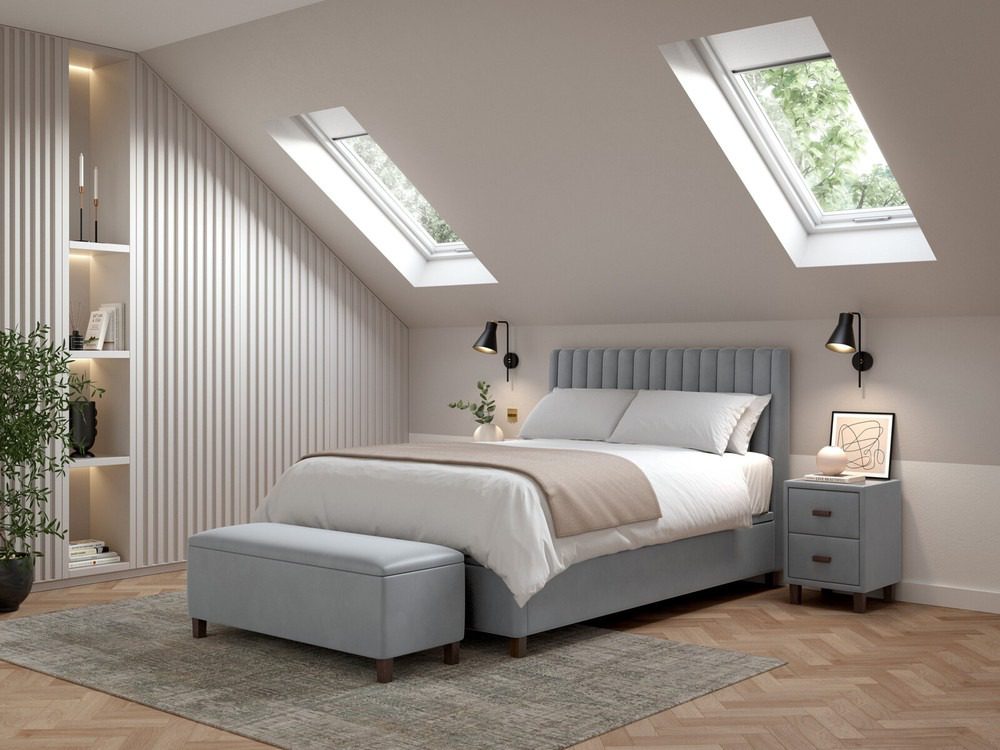
• Comfort degradation over time: A well-built bed frame of either type should maintain comfort for 10+ years. The mattress will need replacing long before the frame becomes uncomfortable, assuming you’ve bought decent quality initially. I’ve learned that spending a bit more upfront saves money and hassle in the long run. Invest in better sleep quality with the Lunar Ottoman Bed Frame – featuring superior mattress support and motion isolation for couples.
Cost Analysis: Initial Investment and Long-term Value
Price Comparison Between Ottoman King Beds and Double Beds
• Ottoman king bed pricing: You’re looking at £400-1200 for a decent Ottoman king bed, with the sweet spot around £600-800 for good quality. I paid £650 for mine three years ago and it’s been brilliant – solid construction, smooth hydraulics, and loads of storage space.
• Double bed frame costs: Standard double bed frames range from £150 to £ 600, depending on materials and style. I started with a £200 IKEA double that lasted four years before the joints started loosening. You can get something perfectly functional for £300-400.
• The storage premium: Ottoman beds typically cost 50-100% more than equivalent non-storage frames. Sounds steep, but when you factor in that you’re getting a bed frame plus the equivalent of a large wardrobe’s worth of storage, the maths starts making sense.
• Quality vs price considerations: Cheap ottoman beds under £400 are often a false economy – the hydraulic mechanisms fail quickly and the storage becomes useless. I’ve seen mates struggle with broken gas struts after just 18 months. Better to save up for something decent or stick with a traditional frame.
Additional Costs: Mattresses, Bedding, and Accessories
• Mattress price differences: King-size mattresses cost roughly 30-50% more than doubles. A decent double mattress might cost £300-500, while the same quality in king size is £450-750. I spent £600 on my king memory foam mattress – would’ve been £400 for the double equivalent.
• Bedding cost escalation: King-size bedding sets are noticeably pricier – expect to pay £40-80 for decent sheets compared to £25-50 for double. Duvet covers, fitted sheets, everything costs more. I probably spend an extra £100-150 per year on bedding compared to when I had a double.
• Delivery and assembly charges: Larger beds often mean higher delivery costs, especially if you live upstairs like I do. My ottoman bed cost an extra £50 for two-man delivery and assembly – worth every penny when you see the size of the box it comes in!
• Hidden accessory costs: King beds need bigger bedside tables to look proportional, potentially larger bedroom furniture, and definitely more pillows to fill the space properly. These “styling” costs can add up to £200-300 if you’re starting from scratch.
Value for Money Considering Storage Benefits
• Storage replacement value: My ottoman bed replaced the need for a separate chest of drawers that would’ve cost £250-400. When you think about it like that, the extra cost of the ottoman frame suddenly seems much more reasonable.
• Space-saving financial benefits: In smaller homes or flats, that storage space is genuinely valuable. If Ottoman storage means you can manage in a smaller bedroom or avoid renting a place with an extra storage room, you could save hundreds per year in rent or mortgage costs.
• Decluttering and organisation savings: Having proper storage built into your bed means less need for additional storage solutions. I used to spend money on various organisers, vacuum bags, and storage boxes – now everything’s contained in one place.
• Opportunity cost of floor space: Traditional under-bed storage boxes take up visual and physical space that could be used for other furniture or just to make the room feel less cluttered. The clean lines of an ottoman bed can make a room feel bigger and more expensive.
Maintenance and Replacement Costs Over Time
• Ottoman mechanism servicing: Gas struts might need replacing every 5-10 years at about £30-50 per pair. I haven’t needed to replace mine yet, but it’s worth factoring in. Some manufacturers offer replacement parts, others don’t – definitely worth checking before buying.
• Traditional frame maintenance: Wooden frames might need bolt tightening annually and occasional slat replacement (£20-40). Metal frames are generally more robust but can develop squeaks that need addressing with lubricant or rubber washers.
• Mattress lifespan considerations: Both bed types should give similar mattress longevity, but ottoman beds’ solid support might actually extend mattress life slightly. My memory foam mattress is showing less wear than my previous one did on a traditional slatted frame.
• Long-term durability differences: A well-made ottoman bed should last 15-20 years, similar to traditional frames. The hydraulic mechanism is the potential weak point, but quality systems are surprisingly robust. My mate’s had his for eight years with no issues.
Resale Value and Market Demand Considerations
• Ottoman bed resale strength: Ottoman beds hold their value better than traditional frames because the storage feature remains useful regardless of trends. I’ve seen 3-4 year old Ottoman beds selling for 50-60% of their original price, compared to 30-40% for standard frames.
• Market demand factors: There’s growing demand for space-saving furniture, especially in urban areas where storage is premium. Ottoman beds appeal to downsizers, young professionals, and anyone dealing with limited space – that’s a pretty broad market.
• Size considerations for resale: King-size beds generally have better resale value than doubles because they’re seen as more luxurious. However, they also have a smaller potential buyer pool due to space constraints in many homes.
• Condition impact on value: Ottoman beds need to be in good working order to retain value – broken hydraulics kill resale appeal completely. Traditional frames are more forgiving of minor wear and tear. Keep your gas struts working and the frame clean, and you’ll get decent money back when upgrading.
• Timing and market trends: I sold my old double bed frame just as the property market was picking up and people were moving to bigger places. Got £120 for something I paid £300 for three years earlier – not bad considering the use I got out of it. Get exceptional value with the Isla Upholstered Ottoman Bed Frame – premium quality storage solutions that pay for themselves in organisation benefits.
 Space Planning and Bedroom Design
 Space Planning and Bedroom Design
Room Size Requirements for Each Bed Type
• Minimum king bed dimensions: You can technically squeeze a king bed into a 3m x 3.5m room, but it’ll feel like sleeping in a storage cupboard. I tried this in my old flat and there was barely 40cm clearance on one side – had to climb over the bed to get to the window!
• Comfortable king bed spacing: A 3.5m x 4m room is the sweet spot for king beds. This gives you proper walking space, room for bedside tables, and doesn’t make you feel like the bed is swallowing the entire room. My current bedroom is 3.8m x 4.2m, and it feels perfectly balanced.
• Double bed flexibility: Doubles work brilliantly in rooms as small as 2.8m x 3.2m and still leave space for essential furniture. I lived happily with a double in a 3m x 3.3m room for three years – had space for a wardrobe, chest of drawers, and even a small reading chair.
• Ceiling height considerations: Standard 2.4m ceilings work fine for both bed types, but if you’ve got lower ceilings (some Victorian conversions are around 2.1m), avoid tall headboards or four-poster styles. I viewed a flat once where a chunky sleigh bed made the room feel oppressively cave-like.
Impact on Bedroom Traffic Flow and Functionality
• King bed traffic challenges: With a king bed, you often end up with awkward traffic patterns. I had to position mine diagonally in one bedroom because otherwise there wasn’t a clear path to the ensuite – looked a bit odd but was the only way to make it work functionally.
• Double bed movement freedom: Doubles give you much more flexibility for creating natural traffic flows. You can usually access both sides of the bed comfortably, reach wardrobes without squeezing past furniture, and move around the room without doing bedroom gymnastics.
• Door swing considerations: Factor in how your bedroom door opens – I once had a king bed that blocked the door from opening fully, which was fine until I needed to move furniture out and couldn’t get it through the restricted opening!
• Emergency access planning: Sounds dramatic, but you need clear escape routes in bedrooms. King beds can create bottlenecks, especially if you’ve got built-in wardrobes or awkward room shapes. I always make sure there’s at least one clear path to the door from either side of the bed.
Furniture Arrangement Possibilities with Different Bed Sizes
• King bed layout limitations: With a king bed, you’re often forced into specific arrangements. I had to put my wardrobe at the foot of the bed because there simply wasn’t wall space anywhere else. Bedside tables become crucial for storage since you lose floor space for other furniture.
• Double bed creative options: Doubles leave room for more creative layouts. You can often fit wardrobes on either side, squeeze in a dressing table, or even have a reading nook by the window. I managed to fit a small desk in my double bedroom – impossible with a king bed.
• Symmetry vs practicality: King beds look best with matching bedside tables, but sometimes the room layout doesn’t allow it. I’ve got a proper bedside table on one side and a narrow shelf on the other because of radiator placement – not ideal but functional.
• Multi-functional furniture needs: With king beds taking up more space, you need furniture that works harder. Ottoman storage benches at the foot of the bed, bedside tables with drawers, headboards with built-in storage – every piece needs to earn its place in the room.
Visual Impact and Room Proportions
• King beds as room dominators: A king bed will be the focal point, whether you want it to be or not. In smaller rooms, it can make everything else look like doll’s house furniture. I learned to embrace this and chose a really beautiful headboard since it was going to dominate the view anyway.
• Double bed proportion balance: Doubles maintain better visual balance in most bedrooms. The room still feels like a bedroom rather than just a place to house a massive bed. You can have other focal points like artwork or a statement wardrobe.
• Ceiling height illusions: Low-profile bed frames make ceilings feel higher, while tall headboards can make rooms feel cosier but potentially cramped. I switched from a high sleigh bed to a platform b, ed and the room immediately felt more spacious.
• Colour and material impact: Darker bed frames make rooms feel smaller, lighter ones more spacious. My black ottoman bed looks stunning, but it definitely makes my bedroom feel more intimate than the white frame I had before.
Solutions for Small Bedrooms and Space Optimisation
• Vertical storage maximisation: In small bedrooms, think upwards. Tall, narrow wardrobes, wall-mounted bedside shelves, and headboards with storage all help maximise space without eating into floor area. I’ve got floating shelves above my bed that hold loads without taking up any floor space.
• Under-bed storage optimisation: Whether you choose ottoman or traditional beds, maximise that under-bed space. I use vacuum storage bags for seasonal clothes and bedding – they compress down to nothing and free up wardrobe space for everyday items.
• Multi-purpose furniture strategies: Every piece needs to work double duty in small bedrooms. Storage ottomans that work as seating, bedside tables with drawers, mirrors that hide storage – I’ve become obsessed with furniture that does more than one job.
• Light and mirror tricks: Large mirrors make small bedrooms feel bigger, and good lighting prevents them from feeling cave-like. I’ve got a full-length mirror on my wardrobe door that doubles the apparent size of my bedroom – proper game-changer for small spaces.
• Decluttering and minimalism: Sometimes the best space solution is simply having less stuff. I did a massive declutter when I moved to a smaller bedroom and realised I didn’t miss 80% of what I got rid of. Less stuff means more space for the furniture you actually need.
• Built-in vs freestanding choices: If you’re staying long-term, built-in wardrobes and storage can be more space-efficient than freestanding furniture. I had custom wardrobes fitted in my awkward-shaped bedroom and gained loads more storage than standard furniture would’ve provided. Perfect for modern bedrooms, the Saros Ottoman Bed Frame combines sleek design with intelligent space planning for any room size.
Pros and Cons: Making the Right Choice
Advantages of Ottoman King Size Beds with Storage
• Massive storage capacity: The storage space is genuinely life-changing – I can fit all my seasonal bedding, winter clothes, and spare pillows in there with room to spare. It’s like having an extra wardrobe that doesn’t take up any floor space, which is brilliant in smaller homes.
• Superior sleeping comfort for couples: The extra width means no more elbow battles or waking up when your partner moves. My relationship genuinely improved when we upgraded – we’re both less grumpy in the mornings because we’re actually getting proper sleep!
• Clean, uncluttered bedroom aesthetic: No more storage boxes cluttering up the floor or bulky wardrobes dominating the room. The Ottoman bed looks sleek and modern while hiding loads of stuff – it’s like having a secret storage room built into your bed.
• Easy access to stored items: Lifting the mattress gives you complete visibility of everything stored underneath. No more crawling around trying to drag boxes out from awkward corners – I can find anything in seconds, and my back doesn’t hate me for it.
Benefits of Choosing a Double Bed
• Budget-friendly option: Double beds and mattresses cost significantly less than twin-size equivalents. When I was starting, a double bed setup cost me about £400 total compared to £800+ for a decent king size – that extra money went towards other essential furniture.
• Room layout flexibility: Doubles leave space for other bedroom furniture like dressing tables, reading chairs, or proper wardrobes. I managed to fit a small desk in my double bedroom, which was perfect for working from home during lockdown.
• Suitable for smaller spaces: You can make a double work in rooms where a king would be overwhelming. My mate’s got a double in a converted Victorian terrace bedroom that would look ridiculous with a king bed – the proportions just wouldn’t work.
• Lower ongoing costs: Bedding, mattress protectors, and replacement mattresses all cost less for doubles. Over the years, this adds up – I probably save £100-150 annually on bedding costs compared to when I had a king bed.
Common Drawbacks and Limitations of Each Option
• Ottoman bed disadvantages: The hydraulic mechanism can fail over time, leaving you struggling to lift a heavy mattress manually. I’ve seen this happen to mates who bought cheap ottoman beds – proper nightmare when the gas struts give up after 18 months.
• King bed space requirements: They absolutely dominate smaller bedrooms and can make rooms feel cramped rather than luxurious. I made this mistake in my previous flat – the king bed looked massive and out of proportion in a 3m x 3.5m room.
• Double bed limitations for couples: Honestly, sharing a double as a couple is tough long-term. You’re constantly disturbing each other’s sleep, fighting for duvet space, and someone always ends up squashed against the edge. Fine for occasional guests but not ideal for nightly use.
• Traditional storage accessibility issues: Under-bed boxes are a pain to access regularly. I used to dread getting seasonal clothes out because it meant pulling out multiple heavy boxes, and half the time I’d forget what was in the ones at the back.
Lifestyle Factors That Influence the Best Choice
• Relationship status and sleeping habits: If you’re in a long-term relationship and either of you is a restless sleeper, the king bed is worth every penny. Single people or couples who don’t mind close sleeping quarters can definitely make doubles work perfectly well.
• Storage needs and current solutions: If you’re constantly battling clutter and a lack of storage space, an ottoman bed pays for itself in organisation benefits. But if you’ve already got loads of storage or live minimally, the extra cost might not be justified.
• Moving frequency considerations: I used to move flats every couple of years, and lugging a king mattress up narrow staircases was absolute hell. Doubles are much more manageable if you’re not settled long-term – learned this the hard way!
• Budget priorities and timeline: If money’s tight, start with a decent double and upgrade later when finances allow. I did this progression and it worked brilliantly – used the double for three years, then sold it to fund part of my king bed upgrade.
Decision-Making Framework for Your Specific Needs
• Room measurement reality check: Measure your bedroom properly and mark out the bed dimensions with tape on the floor. I thought my room was bigger than it actually was until I did this – it saved me from making an expensive mistake with an oversized bed.
• Storage audit exercise: List everything you currently store under your bed, in wardrobes, or in spare rooms. If it’s mostly seasonal stuff you access twice a year, ottoman storage could replace multiple pieces of furniture and free up loads of space.
• Sleep quality assessment: Track your sleep for a week – are you waking up because of partner movement, feeling cramped, or fighting for space? If yes, the upgrade to king size will probably improve your quality of life significantly.
• Five-year planning perspective: Think about where you’ll be living and what your needs might be in five years. If you’re planning to move to a bigger place or start a family, investing in a king bed now might make sense even if your current room is a bit tight.
• Total cost calculation: Work out the complete cost, including mattress, bedding, delivery, and any additional furniture you’ll need. Sometimes the total package cost makes the decision clearer – I nearly bought a cheap ottoman bed until I factored in the expensive mattress it needed.
• Trial and error acceptance: Remember that furniture choices aren’t permanent. I’ve had four different beds in ten years and learned something from each one. Start with what makes sense for your current situation and upgrade when circumstances change – there’s no shame in evolving your choices as your life changes. Make the smart choice with the Sam Ottoman Upholstered Bed Frame – designed for those who want the best of both worlds: luxury and practicality.
Conclusion:
Choosing between an ottoman king-size bed frame with storage and a double bed ultimately depends on your specific needs, space constraints, and lifestyle preferences. Ottoman king beds offer superior storage solutions and sleeping space for couples, making them ideal for master bedrooms where maximising functionality is key.
Double beds, however, provide excellent value for money and work perfectly in smaller spaces or guest rooms. Consider your room size, storage needs, budget, and long-term plans when making this important decision. Remember, the best bed is one that enhances your sleep quality while fitting seamlessly into your lifestyle and home design! Transform your bedroom today! Browse our complete collection of ottoman beds and find the perfect storage solution for your lifestyle.
Frequently Asked Questions
1. What is the difference between an Ottoman king-size bed and a double bed?
An ottoman king-size bed differs from a double bed in three key areas: size, storage capacity, and sleeping comfort for couples.
The main differences include:
- Dimensions: King-size beds measure 150cm x 200cm, while double beds are 135cm x 190cm, providing 15cm extra width and 10cm additional length
- Storage space: Ottoman king beds offer approximately 1.5 cubic metres of hydraulic lift storage compared to traditional under-bed storage boxes that provide only 0.3-0.5 cubic metres
- Sleeping comfort: King-size beds provide better motion isolation, reduced partner disturbance, and more personal sleeping space for couples
- Room requirements: King beds need a minimum of 3.5m x 4m rooms, while doubles work in 2.8m x 3.2m spaces
- Cost considerations: King ottoman beds typically cost £600-800 compared to £300-600 for double bed frames, but offer superior storage functionality and sleep quality
2. How much storage space does an ottomanking-size bed actually provide?
An Ottoman king-size bed provides approximately 1.5 cubic metres of storage space, equivalent to a large wardrobe’s capacity.
The storage breakdown includes:
- Total volume: 1.5 cubic metres using the entire bed footprint (150cm x 200cm x 50cm depth)
- Practical capacity: 15-20 vacuum storage bags for seasonal bedding, clothing, and linens
- Item examples: Multiple duvet sets, winter clothing, spare pillows, suitcases, and out-of-season items
- Comparison advantage: Traditional under-bed boxes only utilise 60% of available space due to bed legs and support structures
- Accessibility: Complete visibility and access to all stored items through a hydraulic lift mechanism
- Organisation benefits: Flat, wide storage area perfect for vacuum-packed items and large bedding sets
3. Are Ottoman beds worth the extra cost compared to regular bed frames?
Ottoman beds are worth the extra cost when you factor in storage replacement value, space-saving benefits, and long-term convenience.
The value proposition includes:
- Storage replacement: An ottoman bed replaces £250-400 worth of separate storage furniture like chests of drawers or wardrobes
- Space efficiency: Eliminates the need for multiple under-bed storage boxes (£150-300 total cost) while providing superior accessibility
- Convenience factor: Hydraulic lift mechanisms save time and physical effort compared to dragging heavy storage boxes
- Resale value: Ottoman beds retain 50-60% of their original value compared to 30-40% for traditional bed frames
- Quality of life: Better sleep quality, reduced clutter, and improved bedroom aesthetics justify the 50-100% price premium
- Long-term durability: Quality ottoman beds last 15-20 years with proper maintenance, making them cost-effective over time
4. What room size do I need for a king-size ottoman bed?
A king-size ottoman bed requires a minimum room size of 3.5m x 4m for comfortable placement and proper functionality.
Room size recommendations include:
- Minimum dimensions: 3m x 3.5m (technically possible but cramped with limited furniture options)
- Comfortable size: 3.5m x 4m provides adequate clearance and space for essential bedroom furniture
- Optimal layout: 3.8m x 4.2m or larger allows for bedside tables, wardrobes, and additional seating
- Clearance requirements: 70-90cm space around the bed for easy access and hydraulic lift operation
- Ceiling height: Standard 2.4m ceilings work well, but avoid tall headboards in rooms under 2.2m
- Door access: Ensure 76cm+ doorway width for mattress delivery and room functionality
- Traffic flow: Plan clear pathways to ensuite bathrooms and wardrobe access points
5. How long do Ottoman bed hydraulic mechanisms last, and what maintenance do they need?
Ottoman bed hydraulic mechanisms typically last 5-10 years with regular use, requiring minimal maintenance for optimal performance.
Maintenance and lifespan details include:
- Quality systems: Premium gas struts last 8-10 years with daily use, budget versions may fail after 18 months
- Maintenance schedule: Lubricate hinges every 6 months and check gas strut operation quarterly
- Weight considerations: Avoid exceeding 150kg total weight (mattress plus stored items) to prevent premature wear
- Replacement costs: Gas strut replacement costs £30-50 per pair when needed
- Warning signs: Difficulty lifting, slow closing, or unusual noises indicate potential mechanism issues
- Preventive care: Keep the storage area clean, avoid overloading, and operate the lift mechanism gently
- Warranty coverage: Quality ottoman beds offer 2-5 year warranties on hydraulic components