
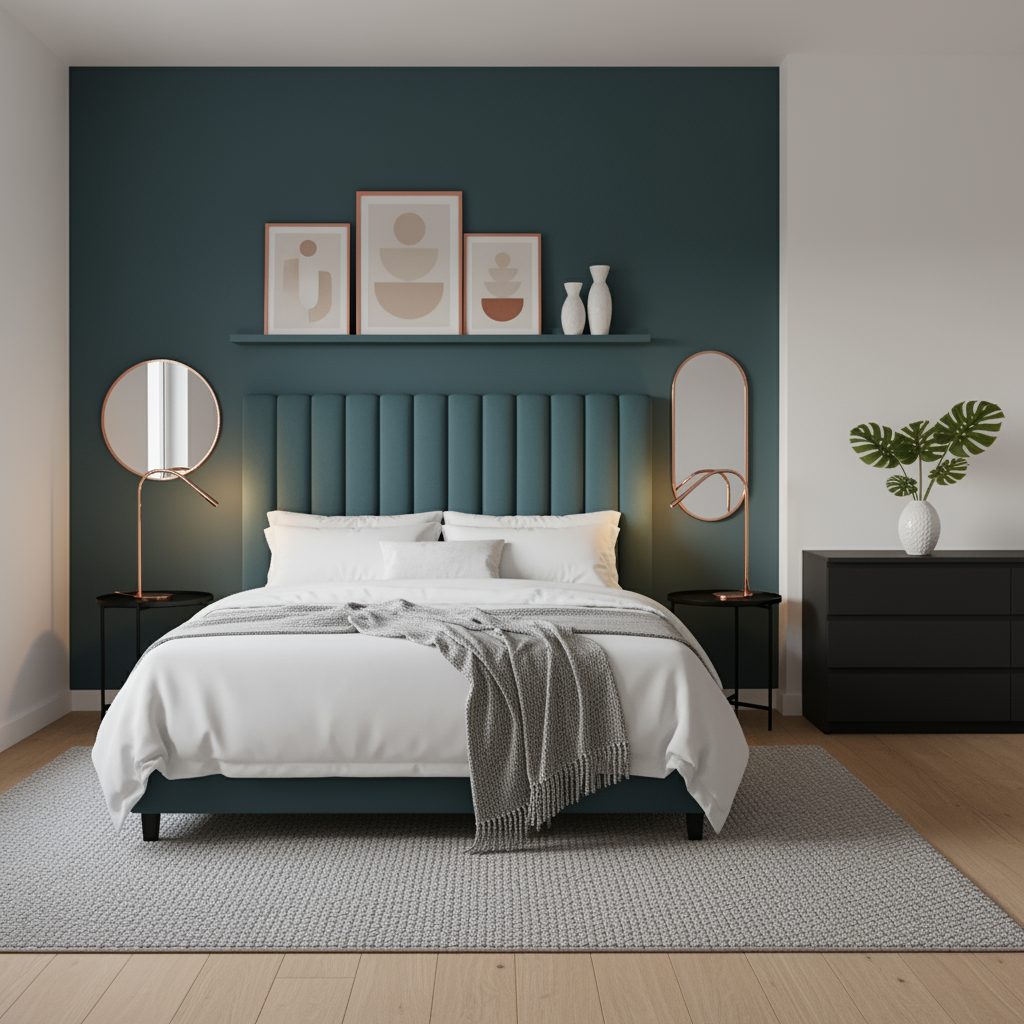
Upholstered Ottoman Bed vs Traditional Storage Bed: Which Storage Solution Reigns Supreme in 2025?
Did you know that the average bedroom wastes over 30% of its potential storage space? If you’re tired of cluttered bedrooms and overflowing wardrobes, you’re not alone! The battle for bedroom storage supremacy has come down to two heavyweight contenders: the sleek upholstered ottoman bed and the classic traditional storage bed.
But here’s the thing – choosing the wrong storage bed can leave you with wasted space, poor accessibility, and buyer’s remorse. I’ve spent years helping homeowners maximise their bedroom potential, and today we’re diving deep into this storage showdown. Whether you’re furnishing a compact city apartment or redesigning your master suite, understanding these two popular options will transform how you think about bedroom storage forever! Ready to revolutionise your bedroom storage? Discover our premium collection of upholstered ottoman beds that combine luxury comfort with massive storage capacity.
What Are Upholstered Ottoman Beds? Understanding the Modern Storage Revolution
Definition and Key Characteristics
• The Basic Concept: An upholstered ottoman bed is essentially a storage bed that lifts up from the foot end, revealing a massive storage compartment underneath your mattress. Think of it like a giant treasure chest, but instead of gold coins, you’re storing your winter duvets and that collection of handbags you never use but can’t bear to chuck out.
• What Sets Them Apart: The key characteristic that distinguishes these beds from traditional storage options is the hydraulic lift system. Instead of pulling out drawers or lifting heavy panels manually, gas struts do all the heavy lifting for you. I remember the first time I used mine – I barely touched the bed frame and whoosh, up it went like magic.
• Storage Capacity: Most ottoman beds offer between 300-600 litres of storage space, depending on size. That’s roughly equivalent to 6-12 large storage boxes worth of space – a proper game-changer for small bedrooms.
How the Hydraulic Lift Mechanism Works
• Gas Strut Technology: The hydraulic system uses pressurised nitrogen-filled gas struts (those metal cylinders you see) to create the lifting force. When you lift the bed base slightly, the gas pressure takes over and raises the entire platform smoothly. It’s surprisingly simple technology, though I’ll admit I was initially terrified I’d break something!
• Weight Distribution: Most quality ottoman beds use two or four gas struts, depending on the bed size. The struts are typically rated for 35-50kg each. I learned this the hard way when I first got mine and tried to stuff it with every single thing I owned – the bed struggled to lift properly because I’d exceeded the recommended weight limit.
• Safety Features: There’s usually a soft-close feature that prevents the bed from slamming shut, which saved my fingers more times than I care to admit. Some models even have a stay-open function that holds the bed at a 45-degree angle for easier access whilst you’re rummaging about.
Popular Upholstered Materials and Fabric Options
• Velvet Upholstery: Massively popular right now, and I can see why. The fabric feels luxurious and hides minor marks well. However, velvet does show water marks if you’re not careful, and pet hair sticks to it like nobody’s business. Expect to pay £400-800 for a decent velvet ottoman bed.
• Faux Leather Options: This has become my go-to recommendation for most people. It’s incredibly durable, easy to clean with just a damp cloth, and doesn’t show wear patterns as quickly as fabric options. Plus, it works with virtually any bedroom style from modern to traditional.
• Linen and Cotton Fabrics: I initially went for a gorgeous cream linen because it looked dead posh in the showroom. Big mistake – within three months, it looked like a crime scene from all the daily wear. Natural fabrics need more maintenance but offer breathability and a softer feel.
• Performance Fabrics: For families with young kids, I always suggest treated materials with stain-resistant coatings. Trust me, when your toddler decides to eat chocolate biscuits on your bed, you’ll thank me for this advice. These typically cost 20-30% more but save money long-term.
Size Variations and Weight Capacity Considerations
• Standard UK Sizes Available: Ottoman beds come in single (90cm), small double (120cm), double (135cm), king (150cm), and super king (180cm). But here’s what the salespeople don’t always tell you: the storage capacity varies dramatically between sizes and manufacturers.
• Storage Volume by Size: A standard double typically offers 300-400 litres of storage space. King size beds can provide up to 600 litres – enough space for seasonal bedding, out-of-season clothes, and even small suitcases. Single beds usually max out around 200 litres.
• Weight Capacity Limits: Most ottoman beds can handle a combined weight of 150-200kg (that’s mattress plus storage contents). I made the rookie error of not considering my memory foam mattress’s weight when calculating storage capacity. Those things are properly heavy – sometimes 40kg alone!
• Mattress Compatibility: These beds work with most mattress types, but pocket sprung and memory foam mattresses work best. Avoid really thick mattresses (over 30cm) as they can interfere with the lifting mechanism.
Assembly Requirements and Installation Process
• What’s in the Box: Most ottoman beds arrive in flat-pack form with pre-drilled holes and numbered components. The hydraulic struts usually come pre-attached to the base, which saves loads of time. You’ll typically need a Phillips head screwdriver, an Allen key set (usually provided), and about 2-3 hours of patience.
• The Trickiest Bits: Getting the gas struts aligned properly is crucial. If they’re not positioned correctly, the bed won’t lift evenly, and you’ll end up with a wonky storage system. I learned to test the mechanism before fully tightening all the bolts – much easier to adjust things when they’re still loose.
• Professional vs DIY Assembly: Whilst most people can manage DIY assembly, professional installation typically costs £50-100 and includes disposal of packaging. Worth considering if you’re not confident with tools or have mobility issues.
• Moving and Positioning: Even without the mattress, these beds are substantial pieces of furniture. Make sure you’ve got help moving it into position, especially if you’re dealing with stairs or tight doorways. The assembled weight can be 60-80kg, depending on size and materials. Experience the hydraulic storage revolution for yourself! Check out our Lizzy Ottoman Upholstered Bed Frame – the perfect blend of modern technology and elegant design.
Traditional Storage Beds Explained: The Time-Tested Bedroom Solution
Overview of Traditional Storage Bed Designs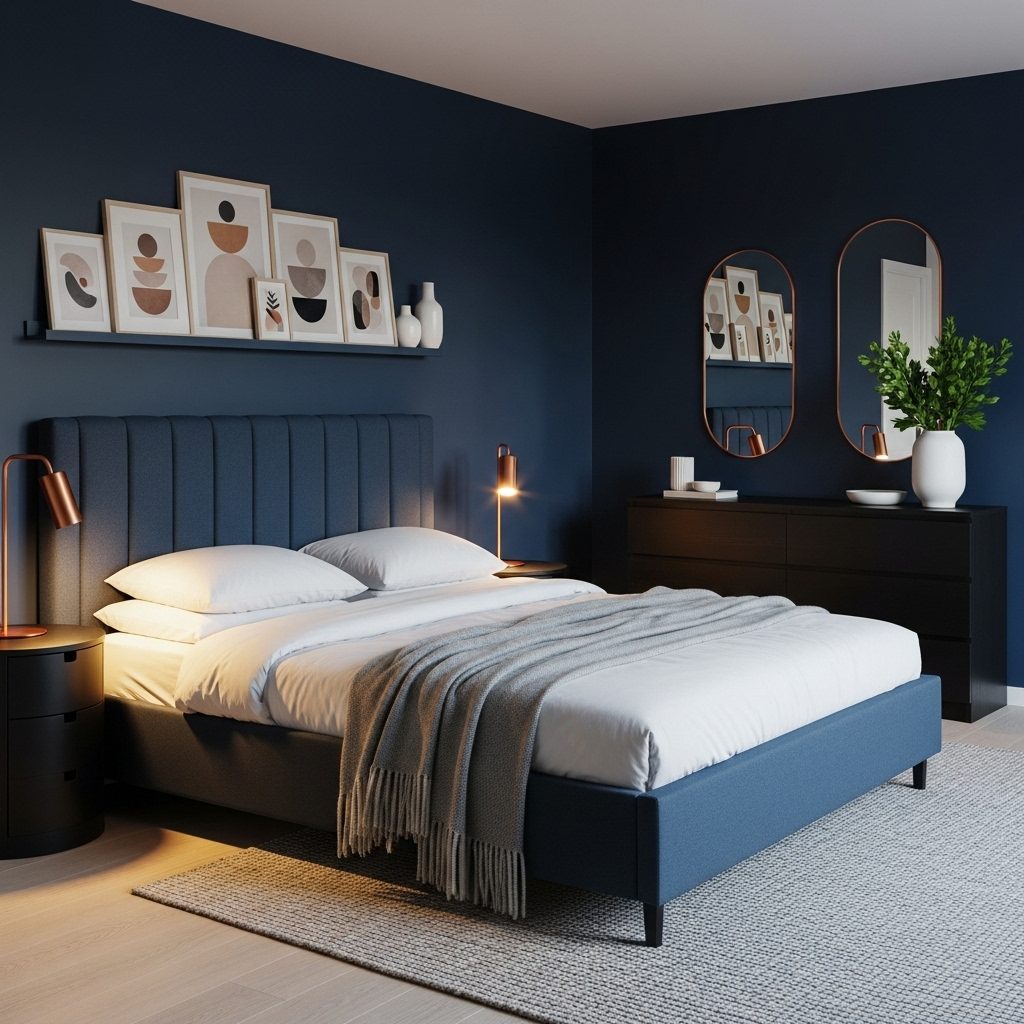
• The Classic Approach: Traditional storage beds have been around for decades, and there’s a reason they’ve stood the test of time. Unlike their fancy hydraulic cousins, these beds rely on good old-fashioned drawers, compartments, and built-in storage that you can actually see and access easily. I grew up with one of these – my nan’s old divan with drawers that squeaked like a haunted house every time you opened them.
• Proven Reliability: What I love about traditional storage beds is their simplicity. There are no complicated mechanisms to break down, no gas struts to lose pressure, and no worrying about weight limits for the lifting system. You pull a drawer, and it opens. You close it, it stays closed. Sometimes the old ways really are the best ways.
• Accessibility Factor: The biggest advantage is how easy it is to grab what you need. No lifting the entire mattress just to get a spare pillowcase. I remember helping my mate move house and comparing his traditional storage bed to my ottoman – his took 10 minutes to empty, mine took nearly an hour because I had to keep lifting and lowering the bed base.
• Cost-Effective Storage: Generally speaking, traditional storage beds offer better value for money. You’re not paying for fancy hydraulic systems or premium upholstery, which means more budget left over for a decent mattress or other bedroom furniture.
Different Types: Drawer Storage, Under-Bed Compartments, and Built-In Shelving
• Drawer Storage Systems: The most common type features 2-4 drawers built into the bed base. These usually run on metal runners or wooden tracks. I’ve had both, and honestly, the metal runners are worth the extra cost – they glide so smoothly and don’t stick when the weather gets humid. Expect storage capacity of about 50-80 litres per drawer.
• Continental Drawer Beds: These feature drawers on both sides of the bed, maximising storage potential. Brilliant if you’ve got space to access both sides, but I learned the hard way that having a drawer on the wall side is pretty useless unless you fancy rearranging furniture every time you need something.
• Under-Bed Compartments: Some traditional beds feature lift-up panels or removable sections in the base. Not as convenient as drawers, but they offer larger storage areas for bulky items like duvets or seasonal clothes. The downside is that you usually need to remove the mattress to access them properly.
• Built-In Shelving Options: Less common but increasingly popular, these beds incorporate open shelving into the headboard or footboard. Perfect for books, decorative items, or bedside essentials. I’ve seen some clever designs with hidden compartments behind false backs – proper secret agent stuff!
• Divan Storage Beds: The classic British option with either drawers or ottoman-style storage built into a fabric-covered base. These have been popular since the 1960s and remain a solid choice for traditional bedrooms.
Common Materials Used in Construction
• Solid Wood Construction: Pine, oak, and beech are the most common choices. Solid wood beds last for decades if properly maintained, but they’re heavy and can be pricey. I inherited a solid oak storage bed from my grandparents – the thing weighs a ton, but it’s built like a tank and still going strong after 40 years.
• Engineered Wood Options: MDF and particleboard with veneer finishes offer the look of solid wood at a fraction of the cost. Quality varies massively, though – cheap MDF beds can start sagging within a couple of years. Look for 18mm thickness for the base panels.
• Metal Frame Storage Beds: Usually feature fabric or wooden drawer fronts with metal internal structures. These tend to be lighter and often more affordable, but the storage capacity is typically smaller. The metal can also be noisy if the joints aren’t properly tightened.
• Upholstered Divan Bases: Traditional fabric-covered bases with internal storage. The upholstery is usually a basic polyester or cotton blend – functional rather than fancy. These are brilliant for rental properties because they’re relatively inexpensive and hard-wearing.
Standard Sizing Options and Storage Capacity
• Single Bed Storage: Traditional single storage beds typically offer 100-150 litres of storage across 1-2 drawers. Not massive, but perfect for a child’s bedroom or guest room. The drawers are usually positioned at the foot end to avoid interfering with bedside access.
• Double and King Size Options: Double beds commonly feature 2-4 drawers providing 200-320 litres total storage. King size beds can offer up to 400 litres, though this varies significantly between manufacturers. I’ve measured loads of these over the years, and the actual usable space is often 20-30% less than advertised due to drawer mechanisms and internal supports.
• Drawer Dimensions: Standard drawers in traditional storage beds measure roughly 60cm wide x 40cm deep x 15cm high. That’s enough for bedding sets, clothes, or shoes, but forget about storing anything really bulky, like winter coats or large suitcases.
• Weight Capacity: Most traditional storage beds can handle 150-200kg total weight (including mattress and occupants). The individual drawers typically support 15-25kg each – more than enough for most storage needs, but worth considering if you’re planning to store books or other heavy items.
Traditional vs Modern Traditional Storage Bed Styles
• Classic Traditional Design: Think ornate wooden headboards, turned legs, and decorative panel details. These beds often feature visible drawer handles and traditional joinery techniques. My parents still have one from the 1980s with brass handles and carved details – proper old-school craftsmanship that you don’t see much anymore.
• Modern Traditional Approach: Contemporary takes on classic designs with cleaner lines and simplified details. These often feature push-to-open drawers instead of handles, giving a sleeker appearance whilst maintaining the traditional storage functionality. The wood finishes tend to be more neutral – lots of grey and white painted options.
• Shaker-Style Storage Beds: Inspired by traditional Shaker furniture, these feature simple, functional designs with minimal ornamentation. The focus is on quality construction and practical storage rather than decorative elements. Very popular in modern farmhouse and Scandinavian-inspired bedrooms.
• Country Cottage Styles: Often feature distressed finishes, curved details, and vintage-inspired hardware. These beds work brilliantly in period properties or rooms with a rustic aesthetic. The storage tends to be more about charm than maximum capacity.
• Contemporary Traditional Fusion: The newest trend combines traditional storage functionality with modern materials and finishes. Think solid wood construction with contemporary metal accents, or classic drawer designs in unexpected colours like navy or charcoal. These bridge the gap between old and new perfectly. Want reliable, accessible storage that’s stood the test of time? Our Sophia Ottoman Bed Frame offers the best of both worlds with traditional reliability and modern convenience.
Storage Capacity Showdown: Maximising Your Bedroom Space
Cubic Feet Comparison Between Ottoman and Traditional Storage Beds
• Ottoman Bed Storage Volume: A standard double ottoman bed typically offers 10-14 cubic feet of storage space (that’s roughly 300-400 litres for us metric folks). King size ottomans can provide up to 21 cubic feet – absolutely massive compared to traditional options. I measured my king size ottoman last year and was gobsmacked to find it held the equivalent of 12 large storage boxes worth of stuff.
• Traditional Storage Bed Capacity: Most traditional storage beds with drawers offer significantly less – usually 7-11 cubic feet total across all drawers for a double bed. The individual drawers are typically 1.5-2.5 cubic feet each, which sounds decent until you realise how quickly that fills up. My old traditional bed had four drawers, but I could barely fit two duvet sets in the whole thing.
• The Reality Check: Here’s what the sales brochures don’t tell you – usable storage is always less than advertised capacity. Ottoman beds lose about 15-20% of space due to the lifting mechanism and internal supports. Traditional beds lose even more (25-30%) because of drawer runners, dividers, and the awkward shapes of individual compartments.
• Volume vs Practicality: Whilst ottoman beds win on pure volume, traditional beds sometimes make better use of smaller spaces. I can fit 20 pairs of shoes in my ottoman bed, but finding a specific pair means emptying half the contents. My mate’s traditional bed holds fewer shoes but he can grab any pair in seconds.
Accessibility Differences: Lift-Up vs Pull-Out Storage
• Ottoman Bed Access: The lift-up system gives you complete access to the entire storage area at once, which is brilliant for seasonal swaps or major reorganisation. However, getting to something at the back means moving everything else first. I learned this the hard way when I buried my winter coat under summer clothes and had to unpack the entire bed to find it in November.
• Traditional Drawer Access: Individual drawers mean you can access specific items without disturbing everything else. Each drawer essentially becomes a dedicated storage zone. The downside is you’re limited by drawer dimensions – forget about storing anything longer than 60cm or taller than 15cm in most traditional beds.
• Daily Use Considerations: For items you need regularly, traditional drawers win hands down. I can grab clean sheets from my drawer without waking my partner, but lifting an ottoman bed at 6 am sounds like a construction site. The hydraulic mechanism isn’t exactly silent, especially on cheaper models.
• Physical Effort Required: Traditional drawers require minimal effort – even my 80-year-old mum can use them easily. Ottoman beds need a bit more strength initially, though the gas struts do most of the work. If you’ve got mobility issues or back problems, traditional drawers are definitely more user-friendly.
• Safety and Convenience: Ottoman beds have that soft-close feature, but there’s still a risk of the bed dropping if the gas struts fail. Traditional drawers can’t fall on you, though I have stubbed my toe on open drawers more times than I care to admit – especially the ones that stick out further than expected.
Organisation Potential and Compartmentalisation Options
• Ottoman Bed Organisation: The large open space is both a blessing and a curse. You can fit massive items like winter duvets or suitcases, but keeping things organised requires serious planning. I use vacuum storage bags and clear plastic boxes to create my own compartments – a game-changer for finding stuff quickly.
• Traditional Bed Compartments: Each drawer naturally creates separate storage zones. I typically use one for bedding, one for out-of-season clothes, one for shoes, and one for random bits. The built-in organisation is brilliant, but you’re stuck with the drawer sizes, whether they suit your needs or not.
• DIY Organisation Solutions: Ottoman beds work brilliantly with modular storage systems. I’ve got a mix of fabric boxes, vacuum bags, and even some old suitcases creating different zones. Traditional beds are trickier to customise – drawer dividers help, but you’re limited by the fixed dimensions.
• Seasonal Rotation Systems: Ottoman beds excel at seasonal storage swaps. Twice a year, I do a complete changeover – summer clothes out, winter clothes in. Takes about an hour, but everything stays organised. With traditional drawers, seasonal swaps are more gradual but also more convenient for grabbing individual items.
• Labelling and Inventory: Both systems benefit from proper labelling, but it’s more crucial with Ottoman beds. I keep a simple list on my phone of what’s stored where – sounds nerdy, but it saves loads of time. Traditional drawers are more intuitive because you can see into each compartment easily.
Seasonal Storage Capabilities
• Winter Bedding Storage: Ottoman beds are absolute champions for bulky winter duvets and thick blankets. I can fit three king-size duvets plus pillows in my ottoman bed during the summer months. Traditional drawers struggle with anything thicker than a summer duvet – the dimensions just don’t work for bulky bedding.
• Clothing Seasonal Swaps: Both systems work for clothes, but differently. Ottoman beds are perfect for complete seasonal wardrobes – I store all my winter coats, boots, and heavy jumpers during summer. Traditional drawers work better for gradual transitions and keeping some seasonal items accessible year-round.
• Holiday and Occasional Items: Suitcases, camping gear, and holiday clothes fit brilliantly in ottoman beds. I store our family’s camping equipment under the bed from September to May – saves loads of loft space. Traditional drawers can’t accommodate large or oddly-shaped items like sleeping bags or suitcases.
• Sports and Hobby Equipment: Ottoman beds can swallow seasonal sports gear like cricket bats, tennis rackets, or skiing equipment. Traditional beds are limited to smaller items like trainers, swimming gear, or gym clothes. The height restriction in drawers is the main limiting factor.
Small Bedroom Optimisation Strategies
• Maximising Floor Space: Both bed types free up floor space compared to separate storage furniture, but ottoman beds typically offer more storage per square foot of bedroom space. In my tiny flat, replacing a chest of drawers with an ottoman bed gave me back nearly two square metres of floor space.
• Vertical Space Utilisation: Traditional beds with built-in headboard storage make better use of vertical space. Some models include shelving, reading lights, and even charging points. Ottoman beds focus purely on under-bed storage, so you might need additional furniture for everyday items.
• Multi-Functional Furniture: Ottoman beds work brilliantly as part of a minimalist approach – the bed becomes your primary storage solution. Traditional storage beds often work better as part of a coordinated bedroom set, complementing other storage furniture rather than replacing it entirely.
• Room Layout Considerations: Traditional beds with side drawers need clearance space on both sides, which can be problematic in narrow bedrooms. Ottoman beds only need foot-end access, making them more flexible for tight spaces or rooms with awkward layouts.
• Weight Distribution: In older properties with questionable floor strength, traditional beds distribute weight more evenly across multiple points. Ottoman beds concentrate more weight in the centre, which could be a consideration for upper-floor bedrooms in period properties.
• Future Flexibility: Traditional storage beds are easier to move and reconfigure if you change bedroom layouts. Ottoman beds are heavier and more awkward to manoeuvre, so they’re better suited to permanent bedroom arrangements. Something to consider if you’re renting or planning future moves. Ready to maximize every inch of your bedroom? The Evie Ottoman Bed Frame delivers unmatched storage volume – perfect for small spaces that need big solutions.
Comfort and Sleep Quality: Which Bed Delivers Better Rest?
Mattress Compatibility for Both Bed Types
• Ottoman Bed Mattress Requirements: Ottoman beds work with virtually any mattress type, but there are some important considerations. The lifting mechanism works best with mattresses under 30cm thick – anything chunkier and the hydraulic struts struggle. I learned this when I bought a massive 35cm memory foam mattress and suddenly needed two people to lift the bed base. Most manufacturers recommend keeping the total mattress weight under 40kg for optimal performance.
• Traditional Bed Flexibility: Traditional storage beds are generally more forgiving with mattress choices. The solid platform base supports everything from basic spring mattresses to thick memory foam toppers. I’ve used everything from a £200 pocket spring to a £1,500 natural latex mattress on my traditional bed frame, and both worked perfectly.
• Platform vs Slatted Support: Most ottoman beds feature solid platform bases, which work brilliantly with memory foam and latex mattresses that need even support. Traditional beds often use slatted bases, which provide better airflow but can create pressure points with softer mattresses. The slats need to be no more than 7cm apart for memory foam – something I wish I’d known before my first mattress started sagging between the gaps.
• Mattress Retention Systems: Ottoman beds typically have better mattress retention because the platform base prevents sliding. Traditional beds sometimes struggle with mattress movement, especially on slatted bases. I’ve woken up with my mattress halfway off the bed frame more times than I care to admit – proper annoying when you’re trying to get a good night’s sleep.
• Weight Distribution Considerations: Ottoman beds distribute mattress weight more evenly across the entire base, which can extend mattress life. Traditional beds with slatted bases can create uneven wear patterns, particularly with heavier mattresses. My memory foam mattress lasted two years longer on an ottoman base compared to my previous slatted frame.
Support System Differences and Impact on Sleep
• Ottoman Bed Support Structure: The solid platform base provides consistent support across the entire mattress surface. This is particularly beneficial for people with back problems or those who need firm, even support. I switched to an ottoman bed partly because of lower back issues, and the difference in morning stiffness was noticeable within a week.
• Traditional Bed Support Variations: Traditional storage beds offer more variety in support systems – from solid platforms to adjustable slat tensions. Some higher-end models feature zones with different firmness levels, which can be brilliant for couples with different support needs. The downside is that cheaper traditional beds often have inadequate support, leading to premature mattress sagging.
• Edge Support Differences: Ottoman beds typically provide excellent edge support because the entire perimeter is reinforced to handle the lifting mechanism. Traditional beds can vary significantly – some have reinforced edges, others feel like you’re going to roll off if you sit on the side. This matters more than you’d think, especially if you use the bed edge for getting dressed or sitting.
• Foundation Stability: Ottoman beds are generally more stable because the storage mechanism requires a robust frame construction. Traditional beds can develop squeaks and wobbles over time, particularly at the joints where drawers attach to the main frame. My old traditional bed started creaking like a ship in a storm after about three years.
• Adjustability Options: Some traditional storage beds offer adjustable slat firmness or removable support sections. Ottoman beds are typically fixed systems, though some premium models now include adjustable head sections. If you like tweaking your sleep setup, traditional beds offer more customisation options.
Motion Isolation and Partner Disturbance Factors
• Ottoman Bed Motion Transfer: The solid platform base of ottoman beds generally provides excellent motion isolation. When my partner tosses and turns, I barely feel it compared to our old sprung base. However, accessing the storage can be disruptive – lifting the bed base at night definitely wakes your partner, so midnight rummaging is off the table.
• Traditional Bed Movement: Traditional storage beds with slatted bases can actually increase motion transfer if the slats aren’t properly secured. I’ve experienced this firsthand – loose slats create a trampoline effect that amplifies every movement. However, well-constructed traditional beds with solid platforms perform just as well as ottoman beds for motion isolation.
• Storage Access Noise: This is where traditional beds have a massive advantage. I can quietly open a drawer to grab something without disturbing my sleeping partner. Ottoman beds require lifting the entire mattress, which involves hydraulic sounds, potential creaking, and the inevitable disturbance of whoever’s sleeping. Late-night storage access is practically impossible without waking everyone.
• Frame Stability Over Time: Ottoman beds maintain their stability better because the storage mechanism is integral to the frame structure. Traditional beds can develop loose joints where drawer mechanisms attach, leading to increased movement and noise. I’ve had to tighten screws on traditional beds annually, but my ottoman bed has remained solid for five years.
• Partner Weight Differences: Significant weight differences between partners can affect both bed types differently. Ottoman beds handle this well due to the solid base construction. Traditional beds with inadequate support can create a “rolling together” effect where the lighter partner slides toward the heavier one – particularly problematic with cheaper slatted bases.
Temperature Regulation and Airflow Considerations
• Ottoman Bed Airflow Limitations: The solid platform base of ottoman beds restricts airflow around the mattress, which can lead to heat retention and moisture buildup. I noticed this particularly during the summer months – the mattress felt warmer and took longer to cool down. Some manufacturers now include ventilation holes, but it’s still not as breathable as slatted alternatives.
• Traditional Bed Ventilation: Slatted traditional beds provide excellent airflow around the mattress, helping with temperature regulation and moisture management. This is particularly beneficial for memory foam mattresses, which tend to retain heat. The improved ventilation also helps prevent mould and mildew in humid conditions – something I learned about the hard way in a damp flat.
• Moisture Management: Poor airflow in ottoman beds can lead to condensation issues, especially in poorly ventilated bedrooms. I had to start using a mattress protector and dehumidifier after discovering moisture buildup under my mattress. Traditional beds with good ventilation rarely have this problem, though solid platform traditional beds can suffer similar issues.
• Seasonal Comfort Variations: The temperature differences become more noticeable seasonally. Ottoman beds can feel uncomfortably warm in summer but provide better insulation in winter. Traditional slatted beds maintain more consistent temperatures year-round, though they can feel cooler in the winter months.
• Material Impact on Temperature: The upholstery material on ottoman beds can affect bedroom temperature. Leather and synthetic fabrics tend to retain more heat than natural materials. Traditional beds with minimal upholstery generally have less impact on room temperature, though fabric-covered divan bases can have similar heat retention issues.
Long-Term Comfort Durability
• Ottoman Bed Longevity: The hydraulic mechanisms in ottoman beds are generally reliable, but they do have a finite lifespan. Gas struts typically last 8-12 years with normal use, and replacement can cost £50-100. However, the solid construction means the actual bed frame often outlasts traditional alternatives. My ottoman bed is seven years old and still feels as supportive as day one.
• Traditional Bed Wear Patterns: Traditional storage beds can develop comfort issues as drawer mechanisms wear out. Loose runners, sagging drawer fronts, and worn joints can affect the overall bed stability. I’ve had to replace drawer runners twice on traditional beds, and the constant opening and closing gradually loosened the frame joints.
• Maintenance Requirements: Ottoman beds require minimal maintenance beyond occasional gas strut replacement. Traditional beds need more regular attention – tightening screws, adjusting drawer runners, and replacing worn components. The trade-off is that traditional bed parts are usually easier and cheaper to replace when things go wrong.
• Support System Degradation: Slatted traditional beds can suffer from broken or warped slats over time, affecting mattress support and comfort. Ottoman beds maintain consistent support because there are fewer moving parts to fail. However, if the platform base develops issues, it’s typically more expensive to repair than to replace individual slats.
• Investment Value: Both bed types can provide excellent long-term comfort if you buy quality construction. Ottoman beds tend to maintain their comfort levels more consistently, whilst traditional beds may require more ongoing maintenance to preserve optimal sleep quality. The key is buying the best quality you can afford initially rather than trying to upgrade components later.
Comfort and Sleep Quality: Which Bed Delivers Better Rest?
Mattress Compatibility for Both Bed Types
• Ottoman Bed Mattress Requirements: Ottoman beds work with virtually any mattress type, but there are some important considerations. The lifting mechanism works best with mattresses under 30cm thick – anything chunkier and the hydraulic struts struggle. I learned this when I bought a massive 35cm memory foam mattress and suddenly needed two people to lift the bed base. Most manufacturers recommend keeping the total mattress weight under 40kg for optimal performance.
• Traditional Bed Flexibility: Traditional storage beds are generally more forgiving with mattress choices. The solid platform base supports everything from basic spring mattresses to thick memory foam toppers. I’ve used everything from a £200 pocket spring to a £1,500 natural latex mattress on my traditional bed frame, and both worked perfectly.
• Platform vs Slatted Support: Most ottoman beds feature solid platform bases, which work brilliantly with memory foam and latex mattresses that need even support. Traditional beds often use slatted bases, which provide better airflow but can create pressure points with softer mattresses. The slats need to be no more than 7cm apart for memory foam – something I wish I’d known before my first mattress started sagging between the gaps.
• Mattress Retention Systems: Ottoman beds typically have better mattress retention because the platform base prevents sliding. Traditional beds sometimes struggle with mattress movement, especially on slatted bases. I’ve woken up with my mattress halfway off the bed frame more times than I care to admit – proper annoying when you’re trying to get a good night’s sleep.
• Weight Distribution Considerations: Ottoman beds distribute mattress weight more evenly across the entire base, which can extend mattress life. Traditional beds with slatted bases can create uneven wear patterns, particularly with heavier mattresses. My memory foam mattress lasted two years longer on an ottoman base compared to my previous slatted frame.
Support System Differences and Impact on Sleep
• Ottoman Bed Support Structure: The solid platform base provides consistent support across the entire mattress surface. This is particularly beneficial for people with back problems or those who need firm, even support. I switched to an ottoman bed partly because of lower back issues, and the difference in morning stiffness was noticeable within a week.
• Traditional Bed Support Variations: Traditional storage beds offer more variety in support systems – from solid platforms to adjustable slat tensions. Some higher-end models feature zones with different firmness levels, which can be brilliant for couples with different support needs. The downside is that cheaper traditional beds often have inadequate support, leading to premature mattress sagging.
• Edge Support Differences: Ottoman beds typically provide excellent edge support because the entire perimeter is reinforced to handle the lifting mechanism. Traditional beds can vary significantly – some have reinforced edges, others feel like you’re going to roll off if you sit on the side. This matters more than you’d think, especially if you use the bed edge for getting dressed or sitting.
• Foundation Stability: Ottoman beds are generally more stable because the storage mechanism requires a robust frame construction. Traditional beds can develop squeaks and wobbles over time, particularly at the joints where drawers attach to the main frame. My old traditional bed started creaking like a ship in a storm after about three years.
• Adjustability Options: Some traditional storage beds offer adjustable slat firmness or removable support sections. Ottoman beds are typically fixed systems, though some premium models now include adjustable head sections. If you like tweaking your sleep setup, traditional beds offer more customisation options.
Motion Isolation and Partner Disturbance Factors
• Ottoman Bed Motion Transfer: The solid platform base of ottoman beds generally provides excellent motion isolation. When my partner tosses and turns, I barely feel it compared to our old sprung base. However, accessing the storage can be disruptive – lifting the bed base at night definitely wakes your partner, so midnight rummaging is off the table.
• Traditional Bed Movement: Traditional storage beds with slatted bases can actually increase motion transfer if the slats aren’t properly secured. I’ve experienced this firsthand – loose slats create a trampoline effect that amplifies every movement. However, well-constructed traditional beds with solid platforms perform just as well as ottoman beds for motion isolation.
• Storage Access Noise: This is where traditional beds have a massive advantage. I can quietly open a drawer to grab something without disturbing my sleeping partner. Ottoman beds require lifting the entire mattress, which involves hydraulic sounds, potential creaking, and the inevitable disturbance of whoever’s sleeping. Late-night storage access is practically impossible without waking everyone.
• Frame Stability Over Time: Ottoman beds maintain their stability better because the storage mechanism is integral to the frame structure. Traditional beds can develop loose joints where drawer mechanisms attach, leading to increased movement and noise. I’ve had to tighten screws on traditional beds annually, but my ottoman bed has remained solid for five years.
• Partner Weight Differences: Significant weight differences between partners can affect both bed types differently. Ottoman beds handle this well due to the solid base construction. Traditional beds with inadequate support can create a “rolling together” effect where the lighter partner slides toward the heavier one – particularly problematic with cheaper slatted bases.
Temperature Regulation and Airflow Considerations
• Ottoman Bed Airflow Limitations: The solid platform base of ottoman beds restricts airflow around the mattress, which can lead to heat retention and moisture buildup. I noticed this particularly during the summer months – the mattress felt warmer and took longer to cool down. Some manufacturers now include ventilation holes, but it’s still not as breathable as slatted alternatives.
• Traditional Bed Ventilation: Slatted traditional beds provide excellent airflow around the mattress, helping with temperature regulation and moisture management. This is particularly beneficial for memory foam mattresses, which tend to retain heat. The improved ventilation also helps prevent mould and mildew in humid conditions – something I learned about the hard way in a damp flat.
• Moisture Management: Poor airflow in ottoman beds can lead to condensation issues, especially in poorly ventilated bedrooms. I had to start using a mattress protector and dehumidifier after discovering moisture buildup under my mattress. Traditional beds with good ventilation rarely have this problem, though solid platform traditional beds can suffer similar issues.
• Seasonal Comfort Variations: The temperature differences become more noticeable seasonally. Ottoman beds can feel uncomfortably warm in summer but provide better insulation in winter. Traditional slatted beds maintain more consistent temperatures year-round, though they can feel cooler in the winter months.
• Material Impact on Temperature: The upholstery material on ottoman beds can affect bedroom temperature. Leather and synthetic fabrics tend to retain more heat than natural materials. Traditional beds with minimal upholstery generally have less impact on room temperature, though fabric-covered divan bases can have similar heat retention issues.
Long-Term Comfort Durability
• Ottoman Bed Longevity: The hydraulic mechanisms in Ottoman beds are generally reliable, but they do have a finite lifespan. Gas struts typically last 8-12 years with normal use, and replacement can cost £50-100. However, the solid construction means the actual bed frame often outlasts traditional alternatives. My ottoman bed is seven years old and still feels as supportive as day one.
• Traditional Bed Wear Patterns: Traditional storage beds can develop comfort issues as drawer mechanisms wear out. Loose runners, sagging drawer fronts, and worn joints can affect the overall bed stability. I’ve had to replace drawer runners twice on traditional beds, and the constant opening and closing gradually loosened the frame joints.
• Maintenance Requirements: Ottoman beds require minimal maintenance beyond occasional gas strut replacement. Traditional beds need more regular attention – tightening screws, adjusting drawer runners, and replacing worn components. The trade-off is that traditional bed parts are usually easier and cheaper to replace when things go wrong.
• Support System Degradation: Slatted traditional beds can suffer from broken or warped slats over time, affecting mattress support and comfort. Ottoman beds maintain consistent support because there are fewer moving parts to fail. However, if the platform base develops issues, it’s typically more expensive to repair than to replace individual slats.
• Investment Value: Both bed types can provide excellent long-term comfort if you buy quality construction. Ottoman beds tend to maintain their comfort levels more consistently, whilst traditional beds may require more ongoing maintenance to preserve optimal sleep quality. The key is buying the best quality you can afford initially rather than trying to upgrade components later. Transform your sleep experience with superior support! The Lunar Ottoman Bed Frame features a solid platform base that’s perfect for memory foam mattresses and back support.
Price Comparison: Getting the Best Value for Your Investment
Initial Purchase Cost Analysis
• Ottoman Bed Price Ranges: Entry-level ottoman beds start around £300-500 for a double, but honestly, you get what you pay for at this price point. The hydraulic mechanisms on cheap models are proper rubbish – I bought a £350 ottoman bed from a budget retailer and the gas struts failed within 18 months. Mid-range options (£600-1200) offer much better build quality and reliability. Premium ottoman beds can easily hit £2000+ for king size with quality upholstery.
• Traditional Storage Bed Costs: Basic traditional storage beds start from £200-400 for a double, making them significantly cheaper upfront. You can get a decent quality traditional bed with drawers for £400-800, which is roughly half the cost of a comparable ottoman bed. High-end traditional storage beds with solid wood construction range from £800-1500, still generally cheaper than equivalent ottoman options.
• Hidden Costs to Consider: Ottoman beds often require specific mattress types for optimal performance, which can add £200-500 to your total cost. Traditional beds are more flexible with mattress choices, potentially saving money. However, traditional beds might need additional bedroom storage furniture, whilst ottoman beds can replace multiple storage pieces – something worth factoring into your budget calculations.
• Assembly and Delivery Charges: Ottoman beds typically cost more for delivery and assembly due to their weight and complexity. Expect £50-150 for a professional setup, compared to £30-80 for traditional beds. I learned this the hard way when my “free delivery” ottoman bed came with a £120 assembly charge that wasn’t mentioned until checkout.
• Financing and Payment Options: Many retailers offer better financing deals on higher-priced ottoman beds, sometimes with 0% interest over 12-24 months. Traditional beds rarely qualify for these deals due to lower purchase prices, but the upfront cost is more manageable for cash buyers.
Long-Term Value and Durability Factors
• Ottoman Bed Lifespan: Quality ottoman beds typically last 10-15 years with proper care, though the hydraulic mechanisms may need replacement after 8-12 years. The solid construction means the frame itself often outlasts the storage mechanism. My mate’s £800 ottoman bed is still going strong after 12 years, though he did replace the gas struts once at year 9 for about £80.
• Traditional Bed Durability: Well-built traditional storage beds can last 15-20 years, particularly solid wood models. However, the drawer mechanisms are often the weak point – runners wear out, handles break, and joints loosen over time. I’ve seen £400 traditional beds last 8 years and £1200 models still perfect after 15 years. The quality difference really shows in longevity.
• Resale Value Considerations: Ottoman beds generally hold their value better, especially premium models with quality upholstery. I sold my 5-year-old mid-range ottoman bed for about 40% of its original price. Traditional beds depreciate faster, though solid wood models retain value better than MDF alternatives. The storage functionality adds appeal for second-hand buyers in both categories.
• Cost Per Year Analysis: When you break down the numbers, a £1000 ottoman bed lasting 12 years costs about £83 per year. A £600 traditional bed lasting 10 years works out to £60 annually. However, factor in potential replacement costs and the gap narrows significantly.
• Upgrade Potential: Traditional beds offer more upgrade flexibility – you can replace individual drawers, upgrade handles, or even swap out the headboard. Ottoman beds are more integrated systems, so upgrades usually mean replacing the entire bed. This affects long-term value, especially if your style preferences change.
Maintenance and Replacement Costs
• Ottoman Bed Ongoing Costs: The main maintenance expense is gas strut replacement every 8-12 years, typically costing £50-120 depending on bed size and quality. Upholstery cleaning or replacement can cost £100-300, though many covers are removable and washable. I’ve spent about £150 on maintenance over 7 years of ottoman bed ownership – pretty reasonable considering the daily use.
• Traditional Bed Maintenance Expenses: Drawer runner replacement costs £20-50 per drawer, and you’ll likely need this every 5-8 years with regular use. Handle replacement is cheap (£5-15 each) but adds up over time. Frame tightening and joint repairs might require professional help, costing £50-100 occasionally. My traditional bed has needed about £200 in maintenance over 10 years.
• Cleaning and Care Costs: Ottoman beds with fabric upholstery need professional cleaning every 2-3 years (£80-150) or regular home cleaning products. Traditional beds are generally easier to maintain – a quick wipe-down for most surfaces. However, fabric-covered divan bases have similar cleaning requirements to ottoman beds.
• Warranty and Repair Services: Ottoman beds typically come with 5-10 year warranties on the frame and 2-5 years on hydraulic components. Traditional beds often have shorter warranties (1-5 years), but repairs are usually simpler and cheaper. Extended warranties cost £50-150 but can be worthwhile for complex ottoman mechanisms.
• DIY vs Professional Repairs: Traditional bed repairs are often DIY-friendly – replacing drawer runners or tightening screws is straightforward. Ottoman bed repairs usually require professional service, especially for hydraulic issues. This ongoing cost difference can be significant over the bed’s lifetime.
Budget-Friendly Options in Both Categories
• Affordable Ottoman Bed Strategies: Look for end-of-line models or floor samples for 30-50% discounts. I found a £900 ottoman bed reduced to £450 because it had a tiny mark on the upholstery. Online-only brands often offer better value than high street retailers – expect to save 20-40% but check return policies carefully. Consider basic fabric options over leather or premium materials to keep costs down.
• Budget Traditional Storage Beds: MDF construction with veneer finishes offers the look of solid wood at a fraction of the cost. Basic pine or beech models provide good value, though avoid the cheapest particle board options. Flat-pack assembly saves £50-100 on setup costs if you’re handy with tools. Look for simple designs without fancy hardware to minimise potential failure points.
• Timing Your Purchase: Both bed types see significant discounts during January sales, end-of-summer clearances, and Black Friday periods. I’ve seen 40-60% reductions in quality models during these sales. The end of the financial year (March) often brings good deals as retailers clear stock.
• Second-Hand Considerations: Traditional beds work well second-hand if you check the drawer mechanisms carefully. Ottoman beds are riskier purchases used – the hydraulic systems may be near the end of life, and replacement costs can exceed the purchase savings. Always test the lifting mechanism thoroughly before buying.
• Package Deal Savings: Many retailers offer mattress and bed packages with substantial discounts. Even if you don’t love the included mattress, the savings often make it worthwhile. I saved £300 buying a bed and mattress together, then sold the mattress for £150 – net saving of £150, plus I got to choose my preferred mattress.
Premium Features and Luxury Upgrades
• High-End Ottoman Bed Features: Premium models include soft-close mechanisms, stay-open functions, and reinforced gas struts rated for heavier loads. Luxury upholstery options like genuine leather or designer fabrics can add £500-1500 to the base price. Some top-end models feature integrated USB charging, LED lighting, or even built-in speakers – though these gimmicks often fail before the bed does.
• Traditional Bed Premium Options: Solid hardwood construction, dovetail joints, and premium hardware significantly increase durability and appearance. High-end models might include soft-close drawer runners, integrated lighting, or coordinated bedroom furniture sets. Handcrafted details and custom sizing options are available, but expect to pay 2-3 times standard prices.
• Upholstery and Fabric Upgrades: Premium fabrics like genuine leather, high-grade velvet, or performance materials add £200-800 to ottoman bed costs. Traditional beds with upholstered headboards offer similar upgrade options. Consider stain-resistant treatments (£50-100 extra) if you have kids or pets – worth every penny in my experience.
• Custom Sizing and Modifications: Both bed types offer custom sizing, though ottoman beds are more expensive to modify due to the hydraulic mechanisms. Expect a 30-50% premium for non-standard sizes. Custom storage configurations, additional drawers, or specific compartment sizes can add £200-500 to traditional bed costs.
• Technology Integration: Modern premium beds increasingly include USB charging ports, wireless charging pads, and integrated lighting. These features add £100-300 but can eliminate bedside clutter. However, technology dates quickly – the wireless charging standard from 5 years ago is already obsolete. Consider whether these features justify the extra cost and potential future compatibility issues.
• Warranty and Service Upgrades: Extended warranties, white-glove delivery, and setup services can add £100-300 to your purchase. Premium brands often include these services standard, whilst budget options charge extra. The peace of mind can be worth it, especially for complex Ottoman mechanisms or if you’re not confident with assembly. Get premium storage without breaking the bank! Our Isla Upholstered Ottoman Bed Frame offers exceptional value with quality construction and elegant upholstery.
Installation and Maintenance: Practical Considerations
Assembly Complexity and Time Requirements
• Ottoman Bed Assembly Challenges: Ottoman beds are proper fiddly to assemble, and I’m speaking from painful experience here. The hydraulic mechanisms need precise alignment, and if you get it wrong, the bed won’t lift evenly – or worse, it’ll slam shut unexpectedly. My first attempt took 6 hours because I kept having to undo sections when the gas struts weren’t positioned correctly. Most manufacturers estimate 2-3 hours, but realistically allow 4-5 hours if you’re not experienced with furniture assembly.
• Traditional Bed Assembly Time: Traditional storage beds are generally more straightforward to put together. Basic drawer mechanisms are intuitive, and most components are clearly labelled. I assembled my last traditional bed in about 2 hours, including coffee breaks. The trickiest bit is usually getting the drawer runners perfectly aligned – wonky drawers are infuriating and surprisingly common with rushed assembly.
• Tool Requirements: Ottoman beds typically need a full toolkit – Phillips screwdrivers, Allen keys (usually provided), spirit level for alignment, and sometimes a drill for pilot holes. Traditional beds usually manage with basic screwdrivers and the provided Allen keys. I learned to invest in a proper electric screwdriver after my hand cramped up during a particularly lengthy assembly session.
• Instruction Manual Quality: This varies massively between manufacturers. Premium brands usually provide clear, step-by-step guides with proper diagrams. Budget options often have instructions that look like they’ve been translated through three different languages. I once spent an hour trying to figure out which way round a component went because the diagram was completely unclear.
• Common Assembly Mistakes: With ottoman beds, the biggest error is not testing the hydraulic mechanism before fully tightening everything. I’ve seen people complete the entire assembly only to discover the bed lifts unevenly. Traditional beds suffer from rushed drawer installation – taking time to properly align runners saves hours of frustration later when drawers stick or fall out.
Professional Installation vs DIY Setup
• When to Choose Professional Installation: If you’re not confident with tools or have mobility issues, professional installation is worth every penny. Ottoman beds particularly benefit from expert assembly because the hydraulic alignment is crucial. I watched a professional installer work on my neighbour’s bed – what would’ve taken me 4 hours, he completed perfectly in 90 minutes.
• Professional Installation Costs: Expect to pay £50-150 for professional assembly, depending on bed complexity and your location. Some retailers include this in delivery charges, whilst others charge separately. London prices are typically 30-50% higher than other areas. The cost often includes disposal of packaging materials, which is handy if you don’t have a car.
• DIY Installation Benefits: Beyond saving money, DIY assembly helps you understand how your bed works, making future maintenance easier. I can now spot potential issues early because I know how everything fits together. Plus, there’s genuine satisfaction in completing a complex assembly successfully – though I’ll admit this feeling only comes after everything works properly!
• Tools and Space Requirements: Professional installers bring all necessary tools and can work in cramped spaces efficiently. DIY assembly needs adequate floor space (at least 3×3 metres for a king size bed) and good lighting. I learned this when trying to assemble a bed in a tiny spare room – ended up moving everything to the living room halfway through.
• Timing Considerations: Professional installation is usually scheduled within delivery windows, getting everything sorted in one go. DIY assembly means you might sleep on a mattress on the floor for a night or two while you find time to complete the job. Weekend assembly sessions are popular, but allow extra time when you’re not rushed.
Cleaning and Upkeep Requirements
• Ottoman Bed Upholstery Care: Fabric ottoman beds need regular vacuuming to prevent dust buildup in the upholstery. I use the brush attachment weekly and do a thorough clean monthly. Leather options are easier – just wipe with a damp cloth and condition every 6 months. Velvet upholstery is gorgeous but shows every mark, requiring professional cleaning annually (£80-120) to maintain appearance.
• Traditional Bed Maintenance: Traditional beds are generally easier to keep clean. Wooden surfaces need occasional polishing, and fabric elements require regular vacuuming. The drawer interiors collect dust and debris over time – I empty and vacuum mine every few months. Metal components might need occasional lubrication to prevent squeaking.
• Stain Prevention and Treatment: Upholstered beds benefit enormously from fabric protection sprays applied annually. I learned this after spilling coffee on my cream ottoman bed – the untreated fabric absorbed the stain immediately, requiring professional cleaning. Scotchgard or similar products cost £15-25 but can save hundreds in cleaning costs.
• Seasonal Deep Cleaning: Both bed types benefit from thorough seasonal cleaning. Ottoman beds need the storage area emptied and cleaned, checking for dust or moisture buildup. Traditional beds require drawer removal for proper cleaning of runners and internal mechanisms. I do this twice yearly and it’s amazing how much dust accumulates in hidden areas.
• Preventive Maintenance: Regular inspection prevents small issues from becoming major problems. Check gas strut operation monthly on ottoman beds, looking for signs of reduced pressure or uneven lifting. Traditional beds need periodic screw tightening and drawer alignment checks. Five minutes monthly can prevent hours of frustration later.
Repair Considerations and Warranty Coverage
• Common Ottoman Bed Repairs: Gas strut failure is the most frequent issue, typically occurring after 8-12 years. Replacement costs £50-120 depending on bed size and strut quality. Upholstery damage from normal wear requires professional repair or replacement. I’ve had to replace torn fabric on a bed corner where it caught on sharp objects – cost £150 but looked good as new afterwards.
• Traditional Bed Repair Needs: Drawer runner replacement is the most common repair, needed every 5-8 years with regular use. Runners cost £20-50 per drawer but installation is usually DIY-friendly. Handle replacement is frequent but cheap (£5-15 each). Frame joint loosening requires periodic tightening and occasionally wood glue for permanent fixes.
• Warranty Coverage Variations: Ottoman beds typically offer 5-10 years on the frame and 2-5 years on hydraulic components. Traditional beds often have shorter warranties (1-5 years), though solid wood models may offer longer coverage. Always read warranty terms carefully – some exclude normal wear items like upholstery or drawer runners.
• DIY Repair Capabilities: Traditional bed repairs are often within DIY capabilities – replacing runners, tightening joints, or swapping handles. Ottoman bed repairs usually require professional service, especially for hydraulic issues. However, simple upholstery repairs like small tears can be DIY projects with fabric glue or patches.
• Spare Parts Availability: Established manufacturers usually stock spare parts for 10+ years, but budget brands may discontinue parts quickly. I always photograph assembly instructions and part numbers for future reference. Generic replacement parts (like drawer runners) are widely available, but specific components (like gas struts) may need manufacturer sourcing.
Moving and Relocation Challenges
• Ottoman Bed Moving Complexity: These beds are heavy and awkward to move, even when disassembled. The hydraulic mechanisms make partial disassembly tricky – you can’t just remove the mattress and go. I moved house with an ottoman bed and needed three people plus professional movers. The upholstered base is particularly vulnerable to damage during moves, requiring careful wrapping and handling.
• Traditional Bed Portability: Traditional storage beds are generally easier to move, especially if you can remove drawers separately. The modular nature means you can often disassemble completely, making stair navigation much easier. However, solid wood traditional beds can be surprisingly heavy – my oak storage bed required two strong people even when fully disassembled.
• Disassembly Requirements: Ottoman beds often need complete disassembly for moving, which means reassembly at the destination. Keep all screws and small parts in labelled bags – I learned this lesson when I lost crucial bolts during a move and had to wait a week for replacements. Traditional beds can sometimes be moved, partially assembled if you have adequate access.
• Professional Moving Considerations: Specialist furniture movers charge extra for complex beds, particularly ottoman models. Expect 20-30% premium for beds requiring disassembly and reassembly. However, this often includes proper packing materials and insurance coverage. I’ve seen too many DIY moves result in damaged upholstery or broken mechanisms to recommend going it alone.
• Rental Property Implications: If you move frequently, traditional beds are more practical due to easier disassembly and lower moving costs. Ottoman beds are better suited to long-term homes where you won’t be relocating regularly. Consider this when choosing between bed types – the convenience of ottoman storage might not justify the moving hassles if you relocate every few years.
• Storage During Moves: If you need temporary storage during relocation, traditional beds pack more efficiently when disassembled. Ottoman beds take up more storage space due to the integrated mechanisms and upholstered components. Self-storage costs can add up quickly, so factor this into moving budgets. I once paid £200 extra in storage fees because my ottoman bed wouldn’t fit efficiently in a standard storage unit. Want hassle-free assembly and long-lasting quality? The Saros Ottoman Bed Frame comes with clear instructions and premium gas struts for years of reliable operation.
Pros and Cons: The Complete Comparison Breakdown
Upholstered Ottoman Bed Advantages and Disadvantages
• Maximum Storage Capacity: Ottoman beds absolutely smash traditional options when it comes to storage volume. My king size ottoman holds roughly 600 litres – that’s equivalent to about 12 large storage boxes worth of stuff. I can fit our entire winter wardrobe, spare bedding, and even some camping gear under there. It’s like having a walk-in wardrobe hidden under your mattress, which is brilliant for small homes or flats.
• Clean, Modern Aesthetics: The sleek appearance without visible drawers or handles creates a minimalist bedroom look that’s proper on-trend. My ottoman bed makes the room feel larger and less cluttered compared to traditional storage beds with protruding drawers. The upholstered finish also adds a luxury hotel feel that guests always comment on.
• Space Efficiency: Ottoman beds maximise storage per square foot of bedroom space better than any other furniture. In my tiny flat, replacing a chest of drawers and bedside storage with an ottoman bed freed up nearly three square metres of floor space. That’s enough room for a reading chair or desk – game-changing in small bedrooms.
• Hydraulic Mechanism Convenience: When it works properly, the gas-assisted lifting is effortless and smooth. I can lift my king size bed base with one finger once the mechanism engages. It’s particularly helpful for people with back problems who struggle with heavy lifting or awkward drawer access.
• Limited Daily Access: Here’s the major downside – accessing storage means lifting the entire mattress, which is disruptive and noisy. Forget about quietly grabbing something whilst your partner sleeps. I’ve learned to plan ahead and get everything I need before bedtime, which isn’t always practical for spontaneous needs.
• Higher Initial Investment: Quality ottoman beds cost significantly more upfront than traditional alternatives. My mid-range ottoman bed cost £800 compared to £400 for a similar quality traditional bed. The hydraulic mechanisms and upholstered construction drive up manufacturing costs, though the storage capacity can justify the premium.
• Maintenance Complexity: When things go wrong with ottoman beds, repairs are more complicated and expensive. Gas strut replacement costs £50-120 and usually requires professional service. I’ve had to call out a technician twice in seven years – once for uneven lifting and once for a failed strut. Traditional beds rarely need professional repairs.
• Moving and Assembly Challenges: Ottoman beds are properly awkward to move and assemble. The integrated hydraulic system means you can’t easily disassemble it for transport, and professional moving costs are higher. Assembly took me 5 hours compared to 2 hours for my previous traditional bed, and I still needed help with the heavy lifting.
Traditional Storage Bed Benefits and Drawbacks
• Easy Daily Access: Individual drawers mean you can grab specific items without disturbing anything else or waking your partner. I can quietly access clean sheets, clothes, or personal items any time of day or night. Each drawer essentially becomes a dedicated storage zone, making organisation much more intuitive than one large compartment.
• Lower Purchase Costs: Traditional storage beds offer excellent value for money, with decent quality options starting around £300-500. You’re not paying for complex hydraulic systems or premium upholstery, leaving more budget for a quality mattress or other bedroom furniture. The cost-effectiveness makes them ideal for first homes or rental properties.
• Simple Maintenance: Repairs are usually straightforward and DIY-friendly. Replacing drawer runners costs £20-50 and takes about 30 minutes with basic tools. I’ve maintained my traditional bed for 10 years with minimal expense – just occasional screw tightening and one set of replacement runners.
• Moving Flexibility: Traditional beds disassemble completely, making house moves much easier and cheaper. Professional movers don’t charge premiums for standard storage beds, and you can often transport them yourself with a large car or van. The modular design means you can even move rooms within your home without major hassle.
• Proven Reliability: The simple drawer mechanism has been refined over decades and rarely fails catastrophically. Even when components wear out, the bed remains functional – unlike ottoman beds, where hydraulic failure can make storage completely inaccessible.
• Limited Storage Volume: Traditional beds simply can’t match ottoman storage capacity. My four-drawer traditional bed held about 200 litres total, roughly half what my current ottoman bed manages. Bulky items like winter duvets or large suitcases often won’t fit in standard drawer dimensions.
• Drawer Access Requirements: You need clearance space around the bed for drawer operation, which can be problematic in small or awkwardly shaped bedrooms. Side drawers are useless if the bed sits against a wall, and foot-end drawers can interfere with bedroom traffic flow.
• Visible Storage Elements: Drawer handles and visible storage compartments can make bedrooms look cluttered or busy. The protruding drawers also create dust traps and potential toe-stubbing hazards, especially in dimly lit bedrooms. Some people find the utilitarian appearance less aesthetically pleasing than sleek ottoman designs.
• Organisational Limitations: Fixed drawer sizes mean you’re stuck with predetermined storage compartments, whether they suit your needs or not. Large items that don’t fit the drawer dimensions require alternative storage solutions, potentially negating the space-saving benefits.
Situational Recommendations for Different Lifestyles
• Young Professionals in Small Flats: Ottoman beds are brilliant for maximising limited space whilst maintaining a sophisticated appearance. The storage capacity can replace multiple furniture pieces, and the modern aesthetic suits contemporary apartment living. However, consider your moving frequency – if you relocate every 2-3 years, traditional beds might be more practical.
• Growing Families: Traditional storage beds work better for families with young children. Easy drawer access means kids can help with tidying, and quiet operation prevents disturbing sleeping siblings. The lower cost also makes sense when budgets are stretched across multiple bedrooms. Ottoman beds can work for master bedrooms where storage needs are substantial.
• Elderly or Mobility-Impaired Users: Traditional beds with well-designed drawer systems are more accessible for people with limited mobility or strength. Drawer operation requires less physical effort than lifting ottoman mechanisms, even with gas assistance. However, some people find bending to access low drawers difficult, so consider drawer height and positioning carefully.
• Frequent Movers: If you relocate regularly for work or lifestyle reasons, traditional storage beds are definitely more practical. Lower moving costs, easier disassembly, and reduced damage risk make them the sensible choice. Ottoman beds are better suited to settled households planning to stay put for several years.
• Minimalist Lifestyle Enthusiasts: Ottoman beds align perfectly with minimalist principles, hiding storage completely and creating clean, uncluttered bedroom aesthetics. The ability to replace multiple storage furniture pieces with one bed supports the minimalist goal of owning fewer, higher-quality items.
• Rental Property Living: Traditional storage beds make more sense for renters due to lower initial investment and easier moving. Landlords also prefer simpler furniture that’s less likely to require specialist repairs. However, if you’re in a long-term rental with limited storage, an ottoman bed might justify the investment.
Common Buyer Mistakes to Avoid
• Ignoring Room Layout: I see people buying ottoman beds without considering foot-end access requirements. You need at least 1.5 metres of clear space at the foot of the bed for comfortable operation. Similarly, traditional bed buyers often forget about drawer clearance – side drawers need 60-80cm of space to open fully.
• Underestimating Assembly Complexity: Many people assume all beds assemble similarly, but ottoman beds are significantly more complex. Budget extra time and consider professional installation if you’re not confident with tools. I’ve helped friends who spent entire weekends struggling with assembly because they didn’t read instructions properly beforehand.
• Focusing Only on Initial Price: The cheapest option often costs more long-term due to poor build quality and frequent repairs. I learned this with a £300 ottoman bed that needed gas strut replacement after 18 months. Investing in quality construction saves money and frustration over the bed’s lifetime.
• Wrong Mattress Selection: Ottoman beds work best with specific mattress types and thicknesses. Heavy or thick mattresses can strain hydraulic mechanisms, whilst very light mattresses might not provide enough weight for smooth operation. Always check manufacturer recommendations before buying your mattress.
• Overlooking Storage Organisation: Both bed types need proper storage organisation to maximise benefits. Buying storage boxes, vacuum bags, or drawer dividers should be part of your initial budget. I wasted months struggling with disorganised storage before investing in proper organisational systems.
• Ignoring Future Needs: Consider how your storage requirements might change over time. Young couples might need more clothing storage initially, but families require space for children’s items, seasonal decorations, and sports equipment. Choose a system that can adapt to evolving needs.
Expert Recommendations for Specific Scenarios
• Master Bedroom in Family Homes: Ottoman beds work brilliantly here, providing massive storage for seasonal bedding, out-of-season clothes, and personal items. The sophisticated appearance suits the primary bedroom, and adults can handle the access requirements easily. Invest in quality construction and consider leather or performance fabric upholstery for durability.
• Guest Bedrooms: Traditional storage beds are perfect for guest rooms, offering accessible storage for spare bedding and guest supplies. The lower cost makes sense for occasional-use rooms, and guests can easily access storage without complicated mechanisms. Choose simple designs that complement various decor styles.
• Children’s and Teen Bedrooms: Traditional beds with easy-access drawers encourage independence and organisation skills. Kids can manage drawer operation safely, and parents appreciate the lower replacement cost as children grow. Avoid ottoman beds in children’s rooms due to potential safety concerns with hydraulic mechanisms.
• Studio Apartments: Ottoman beds are game-changers in studio living, maximising storage whilst maintaining clean aesthetics essential in multi-purpose spaces. The ability to replace wardrobes or storage units with bed storage creates more living space. Choose neutral upholstery that works with changing decor.
• Retirement Downsizing: Traditional beds often work better for downsizing seniors who need accessible storage without complex mechanisms. However, if mobility isn’t an issue, ottoman beds can help maximise storage in smaller retirement homes. Consider the long-term accessibility implications of your choice.
• Investment Properties: Landlords should generally choose traditional storage beds due to lower cost, easier maintenance, and tenant-friendly operation. However, in premium rental markets, ottoman beds can justify higher rents and attract quality tenants who appreciate luxury features and space efficiency. Ready to make the smart storage choice? Our Sam Ottoman Upholstered Bed Frame perfectly balances style, functionality, and value – ideal for modern living.
Conclusion
Choosing between an upholstered ottoman bed and a traditional storage bed ultimately comes down to your specific needs, space constraints, and lifestyle preferences. Ottoman beds excel in maximising storage capacity and creating clean, modern aesthetics, while traditional storage beds offer easier access and often better value for money.
Remember, the best storage bed is the one that seamlessly integrates into your daily routine while solving your specific storage challenges. Consider your bedroom size, storage needs, budget, and design preferences before making your final decision. Ready to transform your bedroom into an organised sanctuary? Start by measuring your space and identifying your primary storage requirements – your perfect bed solution is waiting! Your perfect storage solution is just a click away! Browse our complete range of ottoman and traditional storage beds to find the ideal match for your bedroom needs.
Frequently Asked Questions
1. What is the difference between an Ottoman bed and a traditional storage bed?
The main difference between an Ottoman bed and a traditional storage bed lies in their storage access mechanisms and capacity. Ottoman beds use hydraulic gas struts to lift the entire mattress platform, revealing a large open storage compartment underneath, while traditional storage beds feature individual drawers or compartments built into the bed frame.
Key differences include:
- Storage capacity – Ottoman beds typically offer 300-600 litres of storage space, significantly more than traditional beds with drawers
- Access method – Ottoman beds require lifting the mattress to access storage, while traditional beds use pull-out drawers
- Storage organisation – Traditional beds provide separate compartments for better organisation, ottoman beds offer one large space
- Daily accessibility – Traditional drawer systems allow quiet, easy access without disturbing your partner
- Price point – Ottoman beds generally cost more due to hydraulic mechanisms and upholstered construction
2. How much storage space does a king size ottoman bed actually provide?
A king size ottoman bed provides approximately 500-600 litres of storage space, equivalent to 12-15 large storage boxes. This massive storage capacity makes king size ottoman beds ideal for storing seasonal bedding, out-of-season clothing, shoes, and bulky items like winter coats or camping equipment.
Storage capacity breakdown:
- King size (150cm) – 500-600 litres of storage space
- Double size (135cm) – 300-400 litres of storage space
- Single size (90cm) – 150-200 litres of storage space
- Super king (180cm) – 600-700 litres of storage space
The actual usable storage is typically 15-20% less than advertised due to the hydraulic lifting mechanism and internal supports, but still provides exceptional bedroom storage solutions for maximising small bedroom spaces.
3. Are ottoman beds difficult to assemble and maintain?
Ottoman beds are more complex to assemble than traditional storage beds, typically requiring 3-5 hours for DIY assembly. The hydraulic gas struts need precise alignment for proper operation, and many people choose professional installation costing £50-150 to ensure correct setup.
Assembly considerations:
- Tools needed – Phillips screwdriver, Allen keys, spirit level, and adequate floor space
- Time requirement – 3-5 hours for experienced DIY enthusiasts, 90 minutes for professionals
- Critical steps – Gas strut alignment, testing the hydraulic mechanism before final tightening
- Maintenance needs – Gas strut replacement every 8-12 years (£50-120), regular upholstery cleaning
- Professional help – Recommended for complex hydraulic repairs and warranty coverage
Regular maintenance includes monthly operation checks, annual fabric protection treatments, and seasonal deep cleaning of the storage compartment.
4. Which type of storage bed is better for small bedrooms?
Ottoman beds are generally better for small bedrooms because they maximise storage per square foot of floor space. Unlike traditional storage beds that need clearance around drawers, ottoman beds only require foot-end access, making them ideal for compact bedroom layouts and studio apartments.
Small bedroom advantages:
- Space efficiency – Ottoman beds can replace multiple storage furniture pieces
- Floor space – No protruding drawers means more walking space around the bed
- Storage volume – Higher storage capacity in the same footprint as traditional beds
- Room layout flexibility – Can be positioned against walls without blocking access
- Minimalist aesthetics – Clean lines make small rooms appear larger and less cluttered
However, consider traditional storage beds if you need frequent access to stored items or have mobility limitations that make lifting the mattress platform difficult.
5. Do ottoman beds work with all mattress types and affect sleep quality?
Ottoman beds work with most mattress types but perform best with medium-weight mattresses under 30cm thick and 40kg total weight. The solid platform base provides excellent support for memory foam and latex mattresses, often improving sleep quality through consistent spinal alignment and superior edge support.
Mattress compatibility factors:
- Weight limits – Keep total mattress weight under 40kg for optimal hydraulic operation
- Thickness restrictions – Mattresses over 30cm may strain gas struts and lifting mechanisms
- Support benefits – Solid platform base prevents sagging and extends mattress lifespan
- Motion isolation – Platform construction reduces partner disturbance during sleep
- Temperature considerations – Solid base restricts airflow, potentially causing heat retention
The reinforced frame construction required for hydraulic mechanisms often provides better long-term support than traditional slatted bases, making ottoman beds excellent for people with back problems or those seeking firm, consistent mattress support.