
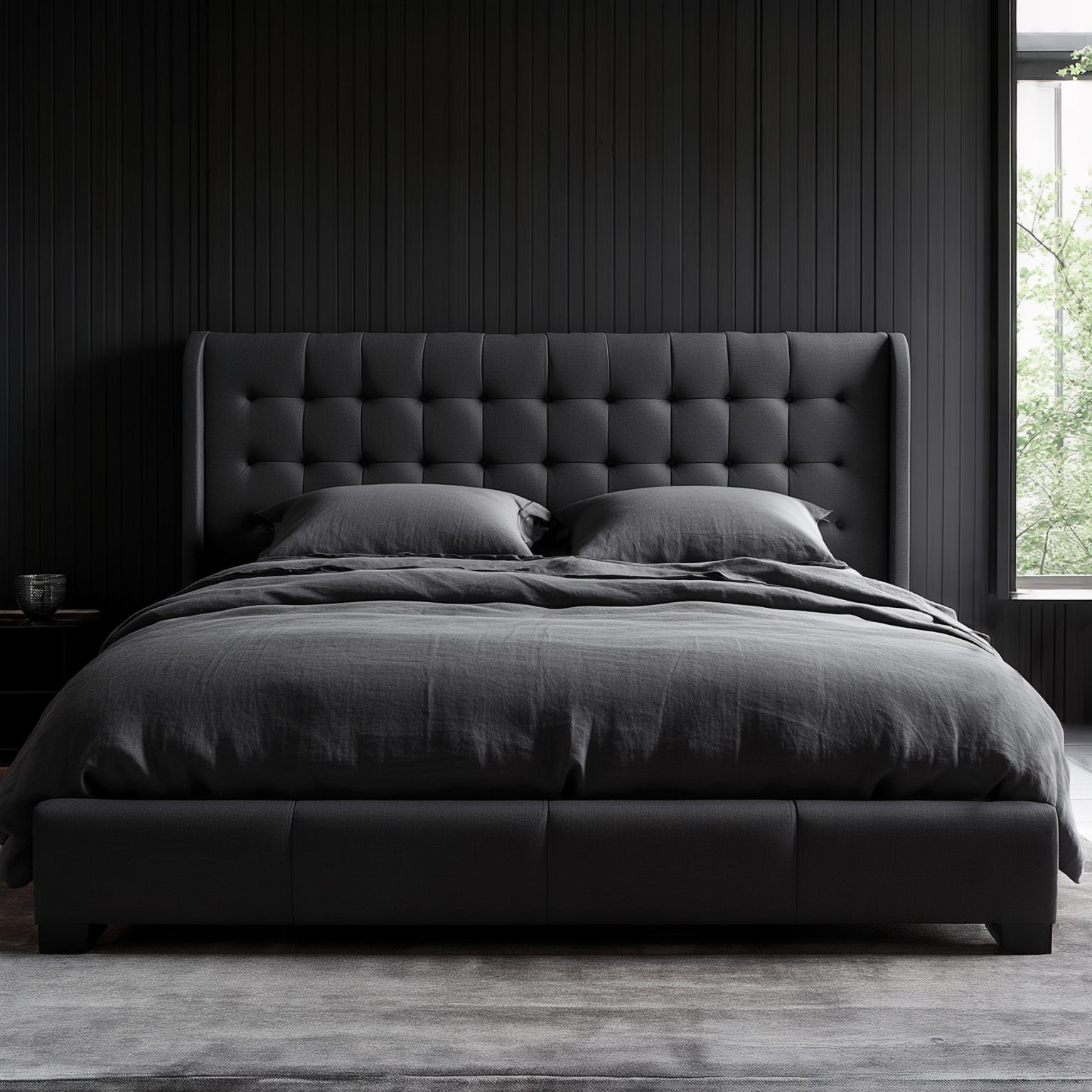
Top 10 Double Bed with Under-Bed Storage: Space-Saving Solutions for Modern Bedrooms
Are you tired of cluttered bedrooms and overflowing wardrobes? You’re not alone! Studies show that 71% of people struggle with bedroom storage, making under-bed space one of the most underutilised areas in our homes. Double beds with built-in storage have revolutionised how we think about bedroom furniture, offering clever solutions that combine comfort with functionality.
Whether you’re living in a compact apartment or want to declutter your space, these innovative storage beds can transform your bedroom into an organised sanctuary. In this comprehensive guide, I’ll walk you through the top 10 double beds with under-bed storage, helping you find the perfect balance between style, comfort, and practicality. Ready to transform your cluttered bedroom into an organised sanctuary? Discover our complete collection of premium double beds with under-bed storage and start maximising your space today! Browse All Ottoman Storage Beds

Why Choose a Double Bed with Under-Bed Storage?
Maximising Limited Bedroom Space Efficiently
• Turn dead space into valuable storage real estate – I learned this the hard way when I moved into my first proper tiny flat. That massive area under your bed is just sitting there doing nothing, and in small bedrooms, wasting 0.5 cubic metres of potential storage is basically criminal. My storage bed provided ample space for seasonal clothes, spare bedding, and all those random items you accumulate but don’t use daily.
• Perfect for awkward room layouts – You know those bedrooms where furniture placement is a proper puzzle? Storage beds work brilliantly because they don’t add any extra footprint to your room, whilst doubling your storage capacity. I’ve got mine in a corner where a separate chest of drawers would’ve made the room feel cramped.
Eliminating Additional Storage Furniture
• Say goodbye to bulky furniture pieces – Before my storage bed, I had this massive chest of drawers that dominated half the room. Honestly, it was like living with a wardrobe that had taken over. Now all that storage is hidden away under the mattress, and my bedroom actually feels like a bedroom again rather than a storage facility.
• Reduce furniture costs significantly – I worked out I’d spent nearly £300 over two years on various storage solutions – ottoman boxes, under-bed containers, those flimsy fabric wardrobes. One storage bed replaced the lot and actually cost less than buying quality separate storage furniture.
Keeping Seasonal Items Organised
• Seasonal rotation made simple – Winter duvets, heavy coats, summer clothes – everything has its place and stays organised. I use vacuum storage bags for bulky items, which means I can fit an entire season’s wardrobe in the space that used to hold just a couple of jumpers. No more hunting through random boxes come changeover time.
• Protection from dust and damage – Unlike open shelving or those plastic boxes under traditional beds, storage bed compartments keep everything properly enclosed. I’ve never had issues with dust accumulation or that musty smell you get with poorly ventilated storage areas.
Perfect for Small Apartments and Guest Rooms
• Guest room game-changer – My spare room doubles as an office, so storage space was always at a premium. The storage bed holds all the guest bedding, towels, and seasonal decorations without needing a separate linen cupboard. Guests have no idea there’s enough storage under their bed to kit out a small hotel.
• Children’s bedrooms benefit massively – Kids accumulate stuff at an alarming rate. Toys, clothes they’ve outgrown, school projects – it all fits neatly away whilst keeping their room tidy and safe. Stop wasting valuable bedroom space! Transform that dead area under your bed into premium storage with the Lizzy Ottoman Upholstered Bed Frame – perfect for maximising small bedrooms.
Types of Under-Bed Storage Solutions
Drawer Storage Beds: Easy Access with Pull-Out Compartments
• Perfect for daily-use items – I’ve got to admit, drawer storage beds are brilliant for things you need regular access to. My mate Sarah has one with four deep drawers, and she keeps everything from pyjamas to workout gear in there. The beauty is you don’t have to lift the entire mattress just to grab a pair of socks – proper convenient for busy mornings.
• Ideal for shared bedrooms – When my brother and his partner moved in together, drawer beds saved their relationship, honestly. Each person gets their own drawers, so there are no arguments about whose stuff is where. The soft-close mechanisms mean no slamming drawers at 6 am either, which keeps the peace.
Ottoman Storage Beds: Lift-Up Mattress Design for Maximum Capacity
• Unbeatable storage volume – These are the workhorses of storage beds. I switched to an ottoman bed after realising my old drawer system wasn’t cutting it for bulky items. You can fit proper large things in there – spare duvets, winter coats, even suitcases. The entire base opens up like a massive treasure chest.
• Great for infrequent access items – Perfect for seasonal storage or things you only need occasionally. I keep my camping gear, Christmas decorations, and out-of-season clothes in mine. The hydraulic struts make lifting surprisingly easy, even when it’s packed full.
Hydraulic Lift Beds: Gas-Assisted Mechanisms for Effortless Opening
• No more struggling with heavy mattresses – Before I had gas struts, opening my storage bed was like a proper workout. Now my 70-year-old mum can lift it with one finger – the hydraulic assistance does all the heavy lifting. It’s especially brilliant if you’ve got back problems or just don’t fancy wrestling with a king-size mattress.
• Safety features built in – The controlled lowering means no risk of the bed slamming shut on your fingers. I learned this the hard way with my old manual lift bed – I nearly lost a fingernail trying to grab something quickly.
Platform Beds with Cubbies: Open Storage Compartments for Quick Access
• Modern aesthetic meets functionality – These look dead smart in contemporary bedrooms. My cousin has one with built-in LED lighting in the cubbies, and it’s like something from a fancy hotel. Perfect for displaying books, storing shoes, or keeping bedside essentials within easy reach.
• No mechanisms to break – Unlike hydraulic or drawer systems, there’s nothing mechanical to go wrong. Just open storage that’s always accessible. Brilliant for people who want storage without the faff of moving parts.
Captain’s Beds: Traditional Style with Multiple Drawer Configurations
• Classic design with serious storage – Originally designed for ship cabins where space was premium, these beds pack multiple drawers around the base. I’ve seen configurations with up to six drawers – enough storage for a small family’s worth of clothes and linens.
• Sturdy construction for heavy items – Built like proper furniture rather than flat-pack solutions. The drawers can handle heavy items like books, tools, or craft supplies without the runners giving up after six months.
Divan Beds with Storage: Classic Upholstered Options with Hidden Compartments
• Seamless bedroom integration – These look like traditional beds but hide storage compartments in the base. My parents have had theirs for fifteen years, and you’d never know there’s storage unless someone told you. The upholstered finish matches any bedroom décor perfectly.
• Various access options available – You can get them with drawers, ottoman-style lifting, or even split storage with different access methods on each side. Proper versatile for different storage needs. Love easy access to your daily essentials? The Sophia Ottoman Bed Frame offers brilliant drawer-style convenience with premium build quality that lasts.
Key Features to Consider When Buying
Storage Capacity: Measure Your Storage Needs and Available Space
• Calculate your actual storage requirements first – I made the rookie mistake of buying based on what looked good rather than what I actually needed. Spent ages measuring the bed frame, but completely forgot to work out how much stuff I needed to store. Ended up with loads of wasted space because I’d overestimated my storage needs by about half.
• Consider future storage growth – Your storage needs will probably increase over time, trust me on this one. I bought a bed thinking my current belongings were all I’d ever have, but three years later, I’m stuffed to capacity. Factor in about 20% extra space for life’s inevitable accumulation of random bits and bobs.
• Measure awkward items beforehand – Don’t just think about clothes and bedding. I wanted to store my guitar case and some sports equipment, but I never measured them properly. Turns out my tennis racket bag was too long for the storage compartment – proper annoying discovery after delivery.
Access Mechanism: Choose Between Drawers, Lift-Up, or Open Storage
• Match the mechanism to your usage patterns – If you’re accessing storage daily, drawers are brilliant. But if it’s seasonal stuff, Ottoman-style lifting works better for bulky items. I initially went for drawers thinking they’d be more convenient, but actually found myself frustrated when trying to store larger items that didn’t fit through the drawer opening.
• Test the mechanism before buying – Seriously, go to the shop and actually operate the storage system. Some hydraulic lifts are smooth as butter; others feel like you’re wrestling with a stubborn garage door. The difference in build quality is massive, and you’ll be using this mechanism for years.
Build Quality: Look for Solid Construction and Durable Materials
• Check the frame materials and joints – Cheap storage beds use flimsy particleboard that’ll sag within months. I learned this expensive lesson with my first storage bed – the base started bowing after six months of normal use. Look for solid wood or high-quality engineered wood with proper reinforcement brackets.
• Examine the storage mechanism hardware – The hinges, drawer runners, and hydraulic struts are the bits that’ll fail first. My mate’s bed has drawer runners that constantly stick because they used cheap plastic components. Spend extra for metal hardware – it’s worth every penny for long-term reliability.
Mattress Compatibility: Ensure Proper Support for Your Preferred Mattress Type
• Memory foam needs different support than spring mattresses – This caught me out completely. My memory foam mattress needed a solid, flat surface, but my storage bed had slats with gaps. Ended up with uncomfortable dips, and the mattress warranty was void because of inadequate support. Always check the manufacturer’s requirements first.
• Consider mattress weight and thickness – Heavier mattresses put more strain on hydraulic mechanisms, and thick mattresses might not fit properly with some storage bed designs. My 30cm thick mattress barely cleared the storage compartment walls, making access awkward.
Assembly Requirements: Consider DIY vs. Professional Installation Needs
• Be realistic about your DIY skills – Storage beds are more complex than regular beds, with moving parts and precise alignment requirements. I’m reasonably handy, but my storage bed took an entire weekend and several choice words. If you’re not confident with tools, factor in professional assembly costs from the start.
• Check what tools are actually required – The instruction manual said “basic tools required” but didn’t mention I’d need a drill, specific drill bits, and a socket set. Ended up making three trips to the hardware shop, which was properly frustrating when I just wanted to sleep in my new bed.
Weight Capacity: Check Maximum Load Limits for Both Sleeping and Storage
• Sleeping weight limits are usually higher than storage limits – Most beds can handle two adults sleeping, but the storage compartments often have much lower weight limits. I packed mine with books and nearly broke the hydraulic struts – turns out the storage was only rated for 30kg, not the 150kg sleeping capacity.
• Factor in the combined weight of everything – It’s not just about individual item weights, but the total load, including mattress, bedding, sleepers, and stored items. My bed started creaking ominously when fully loaded, even though I was technically within each individual weight limit. Ready to calculate your perfect storage solution? Start with the Pearl Ottoman Bed Frame and discover how much space you can actually reclaim!
Storage Bed Materials and Construction
Solid Wood Options: Durability and Natural Aesthetics
• Oak and pine are proper workhorses for storage beds – I’ve had my solid oak storage bed for eight years now, and it still looks brilliant despite being moved house three times and surviving a flood in the spare room. The natural grain patterns mean every scratch or mark just adds character rather than looking like damage. Pine’s a bit softer but dead affordable if you’re on a budget.
• Weight considerations can be mental, though – Solid wood storage beds are absolute units. Mine weighs about 80kg empty, which made moving house a proper nightmare. Needed four blokes and a lot of swearing to get it upstairs. But that weight also means it’s rock-solid stable – no creaking or wobbling when you’re getting in and out.
• Natural wood breathes better for storage – Unlike manufactured materials, solid wood doesn’t trap moisture as much. I keep woollens and leather items in mine without worrying about that musty smell you get with some storage solutions. The wood naturally regulates humidity levels in the storage compartment.
Engineered Wood: Cost-effective with Various Finish Options
• MDF and particle board get a bad rap, but quality matters – My first storage bed was cheap engineered wood that started sagging after six months. But my current guest room bed uses high-density MDF with proper reinforcement, and it’s been solid for three years. The key is checking the density rating – anything under 600kg/m³ is asking for trouble.
• Finish options are endless with engineered materials – You can get realistic wood grain effects, high-gloss lacquers, or even textured finishes that look like concrete or metal. My sister’s got one with a white high-gloss finish that looks dead expensive but costs half what solid wood would’ve been.
Metal Frames: Modern Industrial Look with Excellent Durability
• Steel frames are virtually indestructible – I’ve got a metal storage bed in my teenage son’s room, and despite his best efforts to destroy everything he owns, it’s still perfect. The powder-coated finish resists scratches and chips better than any wood finish I’ve tried. Plus, metal doesn’t expand and contract with temperature changes like wood does.
• Assembly is usually more straightforward – Metal frames typically use bolt connections rather than complex joinery. Took me about two hours to assemble compared to the full weekend my wooden bed required. The instructions were clearer too, with fewer “insert tab A into mysterious slot B” moments.
• Can feel cold and industrial in traditional bedrooms – The aesthetic isn’t for everyone. My mum hated the metal bed when I first got it, saying it looked like hospital furniture. But paired with the right bedding and décor, it can look properly smart and contemporary.
Upholstered Designs: Soft Fabric or Leather for Luxury Appeal
• Fabric choices affect maintenance massively – I learned this the hard way with a light grey fabric storage bed. Looked gorgeous in the showroom, but showed every mark and stain. Now I stick to darker colours or performance fabrics that can handle the odd coffee spill without permanent damage.
• Leather ages beautifully but needs proper care – My parents have a leather storage bed that’s developed this lovely patina over five years. But leather needs conditioning every few months, and it can crack if you don’t maintain it properly. Also gets cold in winter and sticky in summer without climate control.
Hybrid Constructions: Combining Materials for Optimal Performance
• Wood frame with metal reinforcement is brilliant – My current bed combines a solid wood exterior with steel reinforcement brackets in the storage mechanism. Gets you the natural look of wood with the strength of metal where it matters most. The hydraulic struts are mounted to steel plates rather than directly into wood, which prevents splitting.
• Upholstered headboard with wooden storage base – This combination gives you comfort where you need it and durability where it counts. The fabric headboard is dead comfortable for reading in bed, whilst the wooden base handles the mechanical stress of daily storage access.
Eco-Friendly Materials: Sustainable Options for Environmentally Conscious Buyers
• FSC-certified wood makes a proper difference – I specifically looked for Forest Stewardship Council certification when buying my latest bed. Costs about 15% more than non-certified wood, but knowing the timber came from responsibly managed forests was worth it for peace of mind.
• Bamboo storage beds are surprisingly robust – My mate’s got a bamboo storage bed that’s held up brilliantly for two years. Bamboo grows dead fast compared to traditional hardwoods, so it’s much more sustainable. Plus, it’s naturally antimicrobial, which is handy for storage areas.
• Low-VOC finishes matter for indoor air quality – Cheap furniture often uses finishes that off-gas nasty chemicals for months. I made sure my bed used water-based, low-VOC finishes. No chemical smell when it arrived, and better for long-term health, especially in bedrooms where you spend eight hours a day. Want natural durability that ages beautifully? The Isabelle Star Ottoman Bed Frame showcases premium solid wood construction for lasting elegance.
Maximising Your Under-Bed Storage Space
Organisation Tips: Use Storage Boxes and Dividers Effectively
• Clear plastic boxes are absolute game-changers – I used to just chuck everything loose into my storage bed, and finding anything was like an archaeological excavation. Now I use transparent storage boxes that stack properly, and I can see exactly what’s in each one without opening them. The rectangular ones make much better use of space than round containers, too.
• Adjustable dividers prevent the dreaded jumble – Without dividers, everything just migrates to one corner over time. I learned this when I opened my storage compartment to find all my t-shirts had somehow ended up in a tangled mess with my winter scarves. Now I use foam dividers that I can move around depending on what I’m storing.
• Size your containers to fit your storage compartment perfectly – Measure the internal dimensions first, then buy boxes that maximise the space. I wasted loads of room initially because my boxes were slightly too wide, leaving unusable gaps around the edges. A few centimetres make a massive difference when space is premium.
Seasonal Rotation: Store Off-Season Clothing and Bedding
• Create a proper rotation schedule – I do mine twice a year, usually when the clocks change. Spring cleaning means winter coats and thick jumpers go into storage, whilst summer clothes come out. Having a set routine means I’m not constantly rummaging through everything looking for that one specific item.
• Keep a transition box for unpredictable weather – British weather is mental, so I always keep one lightweight jacket and one warm layer easily accessible. Last April, I had to dig through vacuum bags to find a coat when it suddenly snowed – proper annoying when you’re already running late.
• Store complete outfits together when possible – Rather than separating tops, bottoms, and accessories, I group complete seasonal outfits in the same container. Makes getting dressed much easier when the weather changes, and you’re not hunting through multiple boxes for matching pieces.
Vacuum Storage Bags: Compress Bulky Items to Save Space
• Game-changer for duvets and winter coats – I can fit three winter duvets in the space that used to hold one. The compression is mental – my thick winter coat went from taking up half a storage box to fitting in a corner. Just make sure you’ve got a decent vacuum cleaner because cheap ones struggle with the suction needed.
• Don’t over-compress delicate fabrics – I ruined a cashmere jumper by vacuum-packing it too tightly for too long. The fibres got permanently flattened, and they never recovered their original texture. Now I use light compression for delicate items and save the full vacuum treatment for robust materials like synthetic duvets.
• Label bags before storing them – Vacuum bags all look identical once compressed, and trying to identify contents by feeling through the plastic is hopeless. I write on masking tape with a permanent marker – much easier than trying to see through condensation on the inside of the bag.
Labelling Systems: Keep Track of Stored Items Easily
• Digital inventory beats handwritten lists every time – I keep a simple spreadsheet on my phone with what’s stored where. Sounds nerdy, but it’s brilliant when you’re looking for something specific. I can search for “Christmas” and immediately know which box contains the decorations rather than opening everything.
• Colour-coded labels work for visual people – My partner is hopeless with written labels but brilliant with colours. We use different coloured tape for different categories – blue for bedding, red for winter clothes, green for sports gear. Much faster than reading labels when you’re in a hurry.
• Include dates on seasonal items – I learned this after finding clothes I’d forgotten about for three years. Now I date everything going into storage, and if something hasn’t been used for two years, it probably needs donating rather than storing.
Climate Considerations: Protect Items from Moisture and Dust
• Silica gel packets are your best friend – I chuck a few in each storage container, especially for leather items or anything that might get musty. You can buy them in bulk online for pennies, and they prevent that horrible damp smell that develops in enclosed spaces.
• Cedar blocks work brilliantly for natural moth protection – Much better than those chemical mothballs that make everything smell like your nan’s wardrobe. I use cedar rings on hangers and small blocks in storage boxes. They smell lovely and actually repel insects naturally.
• Check stored items periodically – I do a quick inspection every few months, especially during humid summer weather. Found a small leak in my bedroom once because stored items at the back were slightly damp. Catching problems early prevents major damage to your belongings.
Weight Distribution: Balance Heavy Items Across Storage Areas
• Heavy items go towards the head of the bed – This prevents the hydraulic struts from struggling and keeps the bed balanced when you’re sleeping. I learned this when my bed started tilting slightly because I’d loaded all my books at the foot end.
• Distribute weight evenly in drawer systems – Don’t put all your heavy items in one drawer, or the runners will wear out unevenly. I alternate heavy and light items across drawers, and the mechanism still works smoothly after four years of daily use.
• Consider the cumulative weight of everything – It’s not just about individual items but the total load. My bed started creaking when I packed it full of books, winter clothes, and spare bedding all at once. Had to redistribute some items to other storage areas to keep within the weight limits. Ready to become a storage organisation expert? Learn professional techniques with our comprehensive guide to maximising your ottoman bed storage potential.
Installation and Maintenance Tips
Assembly Best Practices: Tools Needed and Step-by-Step Guidance
• Get proper tools before you start, not halfway through – I made the classic mistake of thinking “basic tools required” meant a screwdriver and maybe a spanner. Ended up needing a drill, socket set, spirit level, and rubber mallet. The instruction manual conveniently forgot to mention half of these, so I was making emergency trips to B&Q whilst my bedroom looked like a furniture explosion.
• Clear a massive workspace and protect your floors – Storage beds come in about fifteen different pieces, and you’ll need room to lay everything out properly. I tried assembling mine in the actual bedroom and spent more time moving bits around than actually building. Use old blankets or cardboard to protect floors from scratches – learned this expensive lesson on my mate’s hardwood floors.
• Follow the sequence religiously, even when it seems daft – The temptation is to skip ahead or do things in a different order, but storage bed mechanisms are properly fiddly. I tried to attach the hydraulic struts before the base was fully assembled and had to take half of it apart again. The engineers who designed these things actually knew what they were doing, apparently.
Maintenance Schedules: Regular Cleaning and Mechanism Checks
• Monthly quick checks prevent major problems – I spend five minutes each month testing all the moving parts and giving everything a quick clean. Sounds boring, but it’s caught several issues before they became expensive repairs. Drawer runners get dusty, hydraulic struts collect fluff, and hinges need occasional lubrication.
• Vacuum the storage compartments regularly – Dust builds up mentally fast in enclosed spaces, especially if you’re storing fabric items. I do mine every couple of months with the brush attachment. Found a family of spiders had moved into one corner once – proper grim discovery when you’re looking for your winter duvet.
• Check weight limits aren’t being exceeded – It’s dead easy to gradually add more stuff until you’re overloading the mechanisms. I weigh storage boxes occasionally with bathroom scales to make sure I’m not pushing my luck. The hydraulic struts on my bed started struggling because I’d slowly accumulated too much heavy stuff.
Troubleshooting Common Issues: Drawer Sticking and Hydraulic Problems
• Sticking drawers usually mean dirty or misaligned runners – Before you panic about expensive repairs, clean the drawer tracks properly with a damp cloth and check nothing’s blocking them. I spent ages thinking my drawer mechanism was broken when, actually, a sock had fallen behind and was jamming everything up.
• Hydraulic struts lose pressure gradually over time – If your bed’s getting harder to lift, the gas struts probably need replacing rather than the whole mechanism. They’re about £20 each online and dead easy to swap out. I replaced mine after three years when lifting became a proper workout instead of effortless.
• Squeaking hinges just need proper lubrication – Don’t use WD-40 on furniture hinges – it attracts dust and makes things worse long-term. I use a tiny drop of 3-in-1 oil every six months, and everything stays silent. Too much oil just collects dirt, so less is definitely more.
Warranty Considerations: Understanding Coverage and Claims Process
• Read the warranty terms properly before assembling – Some warranties are void if you don’t use “qualified installers,” which I discovered after my hydraulic strut failed. Luckily, mine was just wear and tear after four years, but it could’ve been expensive if it had happened earlier. The small print matters with furniture warranties.
• Keep all your receipts and assembly photos – I photograph each stage of assembly now, which sounds mental, but saved me when I had a warranty claim. The manufacturer wanted proof that the bed was assembled correctly, and having photos made the whole process much smoother.
• Understand what’s actually covered – Most warranties cover manufacturing defects, but not wear and tear or damage from overloading. My mate tried claiming for a broken drawer runner after storing his entire book collection in one drawer – unsurprisingly, that wasn’t covered.
Professional vs. DIY Installation: When to Call in Experts
• Complex hydraulic systems might need professional help – I’m reasonably handy, but some storage beds have mentally complicated mechanisms with multiple gas struts and safety catches. If the instruction manual looks like it needs an engineering degree to understand, it’s probably worth paying for professional assembly.
• Consider your physical limitations honestly – Storage beds are heavy, and some assembly steps need two people. I tried doing mine solo and nearly dropped a 40kg base section on my foot. If you’ve got back problems or live alone, professional installation is worth every penny for safety alone.
• Factor in insurance and comeback if things go wrong – Professional installers are insured and will fix problems they cause. When I bodged my first attempt and stripped some screw holes, I had to buy wood filler and start again. A professional would’ve sorted that at no extra cost.
Safety Precautions: Proper Handling of Heavy Components
• Lift with your legs, not your back – Storage bed components are deceptively heavy, especially the base sections with built-in storage compartments. I pulled a muscle trying to manhandle a base section upstairs and was walking like a penguin for a week. Get help for anything over 20kg, and use proper lifting technique.
• Watch your fingers around hydraulic mechanisms – Gas struts have serious force behind them, and getting fingers caught is no joke. I always keep my hands well clear when testing the lifting mechanism, and I never try to force anything that’s not moving smoothly.
• Secure loose components during assembly – Small parts like screws and brackets have a habit of disappearing under furniture or rolling into corners. I use a magnetic tray to keep everything together, which prevents the frustrating hunt for that one crucial screw when you’re nearly finished. Want to ensure your storage bed lasts for years? Discover professional assembly and maintenance secrets that protect your investment long-term.
Budget Considerations and Value for Money
Budget Storage Beds (£100-300)
• What you get for your money: Basic drawer systems or simple lift-up mechanisms, usually with MDF construction and basic hardware. I bought my first storage bed in this range, and honestly, it did the job for about 18 months before things started going wonky.
• Storage capacity reality check: Most budget options give you around 2-3 cubic feet of storage space. When you calculate cost per cubic foot, you’re looking at roughly £8-15 per cubic foot, which isn’t terrible if you just need somewhere to chuck spare bedding.
• The durability trade-off: Here’s where I learned my lesson the hard way – those plastic drawer runners and basic gas struts aren’t built for daily use. My drawer handle snapped off after six months, and the lifting mechanism started making this awful creaking sound that drove my partner mental.
Mid-Range Options (£300-800)
• Sweet spot territory: This is where you start getting proper value for money, in my experience. Better materials like solid wood frames, metal drawer runners, and decent hydraulic systems that actually last. I’ve had my current mid-range bed for three years without a single issue.
• Storage efficiency: Mid-range beds typically offer 4-6 cubic feet of storage, bringing your cost per cubic foot down to around £5-8. Plus, the storage is usually deeper and better organised with proper compartments.
• Build quality that matters: The difference in daily use is massive. Smooth-operating drawers, quiet lifting mechanisms, and frames that don’t wobble when you’re getting in and out of bed. Worth every extra penny, honestly.
Luxury Storage Beds (£800+)
• Premium features and materials: We’re talking solid hardwood construction, soft-close mechanisms, and sometimes clever features like built-in USB charging or LED lighting. I tested one at a showroom that had individual compartments for different items – proper fancy stuff.
• Long-term investment perspective: When you break down the cost over 10+ years of use, luxury beds can actually represent decent value. A £1200 bed that lasts 15 years works out to £80 per year, whilst replacing budget beds every few years adds up quickly.
• The diminishing returns factor: Beyond £1000, you’re often paying for brand names and aesthetics rather than functional improvements. Unless you’re planning to keep it for decades, the extra cost might not be justified.
Calculating True Value: Cost Per Storage Cubic Foot
• The maths that changed my buying decisions: Take the bed price and divide by storage volume in cubic feet. That £150 bed I nearly bought? £12 per cubic foot. The £400 option I actually went with? £6 per cubic foot because it had twice the storage depth.
• Hidden storage factors: Don’t just look at total volume – consider accessibility too. Deep storage that requires lifting the entire mattress might be cheaper per cubic foot, but it’s a real pain for items you need regularly.
• Comparing like with like: Make sure you’re comparing actual usable storage space, not just the theoretical volume under the bed. Some designs waste loads of space with poor internal layouts.
Financing Options and Payment Plans
• Interest-free deals that actually work: I got my current bed on a 12-month 0% plan during their January sale. Meant I could afford the mid-range option instead of settling for budget, and it didn’t cost me a penny extra in interest.
• The discipline factor: Only works if you can stick to the payment schedule. Miss a payment and you’ll often get whacked with backdated interest on the full amount. I’ve seen mates get stung by this when they forgot to update their direct debit.
• Credit score considerations: These financing deals usually require a decent credit rating. If you’re not sure about approval, it’s worth checking your credit score first rather than getting rejected and having it marked on your file.
Seasonal Sales: Timing Your Purchase
• January clearance goldmine: Post-Christmas sales are brilliant for storage beds. Retailers are clearing stock for new collections, and I’ve seen discounts of 30-50%. That’s when I nabbed my current bed for £280 instead of £450.
• August furniture refresh: Another excellent time as stores prepare for autumn collections. Less obvious than January sales, so sometimes better stock availability.
• Black Friday reality check: Decent deals but limited selection. Often, it’s last season’s designs or specific models they’re trying to shift. Still worth a look, but don’t expect the full range to be discounted.
Warranty Value and Protection
• Peace of mind pricing: A 5-year warranty on a £500 bed versus 1 year on a £200 bed changes the value equation completely. My mate’s gas strut failed after 18 months, but the warranty covered a full replacement mechanism worth £80.
• What warranties actually cover: Read the small print carefully. Some only cover manufacturing defects, not wear and tear. Others include free repairs or replacements for mechanical parts like hinges and gas struts.
• Extended warranty considerations: Retailers often push extended warranties, but they’re usually overpriced. The manufacturer’s warranty is typically sufficient for quality mid-range and luxury beds. Working with a tight budget but need quality storage? Explore our guide to finding the best affordable ottoman beds that don’t compromise on functionality.
Conclusion
Choosing the right double bed with under-bed storage can completely transform your bedroom experience! From space-saving drawer systems to innovative hydraulic lift mechanisms, these top 10 options offer something for every budget and style preference. Remember to consider your specific storage needs, room dimensions, and personal aesthetic when making your decision. The best storage bed is one that seamlessly blends functionality with comfort, giving you peaceful nights and organised days.
Ready to reclaim your bedroom space? Start by measuring your room and identifying your storage priorities, then revisit our top picks to find your perfect match. Your clutter-free bedroom sanctuary awaits! Your clutter-free bedroom sanctuary is just one click away! Browse our complete collection of top-rated double storage beds and transform your space today.
Frequently Asked Questions About Double Beds with Under-Bed Storage
1. How much storage space do double beds with under-bed storage actually provide?
Double beds with under-bed storage typically provide between 2-6 cubic feet of storage space, depending on the design and mechanism type. Ottoman-style beds offer the most capacity, whilst drawer systems provide easier access but less volume.
The actual storage capacity varies significantly based on several factors:
- Ottoman beds: Usually offer 4-6 cubic feet of storage space
- Drawer storage beds: Typically provide 2-4 cubic feet across multiple compartments
- Platform beds with cubbies: Generally offer 1-3 cubic feet in open compartments
- Captain’s beds: Can provide 3-5 cubic feet across multiple drawer configurations
Storage depth is equally important – most beds offer between 15-25cm of usable height under the mattress. When calculating your needs, consider that bulky items like winter duvets require more vertical space, whilst folded clothes and linens can maximise the available cubic footage through efficient packing.
2. What’s the difference between Ottoman beds and drawer storage beds for double beds?
Ottoman beds and drawer storage beds differ primarily in access method and storage capacity. Ottoman beds lift the entire mattress for maximum storage volume, whilst drawer beds offer convenient compartmentalised access without disturbing the sleeping surface.
Key differences include:
- Storage capacity: Ottoman beds typically offer 50-100% more storage space
- Access convenience: Drawer beds allow daily access without lifting the mattress
- Item suitability: Ottoman beds excel for bulky seasonal items, drawers work better for everyday clothing
- Mechanism complexity: Drawer systems have more moving parts that can wear over time
- Price point: Ottoman beds generally cost less due to simpler mechanisms
Ottoman beds use hydraulic gas struts or manual lifting to access one large storage compartment, making them ideal for storing duvets, pillows, and seasonal clothing. Drawer storage beds feature multiple compartments with individual access, perfect for organising different types of items separately. Consider your storage habits – if you need daily access to stored items, drawers work better. For seasonal storage and maximum capacity, ottoman designs are superior.
3. Are double storage beds suitable for small bedrooms and studio apartments?
Double storage beds are excellent for small bedrooms and studio apartments because they eliminate the need for additional storage furniture whilst maximising floor space. They provide essential storage without increasing the room’s furniture footprint.
Benefits for small spaces include:
- Space efficiency: Replace multiple storage pieces with one multifunctional bed
- Floor space maximisation: No need for separate chests of drawers or wardrobes
- Vertical storage utilisation: Make use of typically wasted under-bed space
- Clutter reduction: Hidden storage maintains clean, minimalist aesthetics
- Cost effectiveness: One piece replaces several storage furniture items
In studio apartments, storage beds are particularly valuable because they help maintain distinct living and sleeping areas. The hidden storage keeps personal items out of sight, creating a more organised living environment. For rooms under 10 square metres, a storage bed can provide equivalent storage to a small wardrobe whilst taking up no additional floor space. Consider the room’s layout when choosing between ottoman and drawer styles – ottoman beds work better in tight spaces where drawer clearance might be limited.
4. How much weight can double beds with storage compartments safely hold?
Double beds with storage compartments typically support 150-200kg for sleeping weight, whilst storage compartments usually handle 30-50kg, depending on the mechanism type and build quality. Always check manufacturer specifications for exact weight limits.
Weight capacity breakdown:
- Sleeping surface: Most double storage beds support 150-200kg (two adults)
- Storage compartments: Ottoman beds typically handle 40-50kg of stored items
- Individual drawers: Usually rated for 15-25kg per drawer
- Combined load: Total weight includes mattress, sleepers, and stored items
- Mechanism stress: Hydraulic systems handle more weight than manual mechanisms
Exceeding weight limits can damage hydraulic struts, drawer runners, or bed frames. Heavy items like books should be distributed evenly rather than concentrated in one area. Quality beds with reinforced frames and premium hardware typically offer higher weight capacities. When storing heavy items, place them towards the centre of ottoman compartments or distribute across multiple drawers. Consider the cumulative weight – a thick mattress, two adults, and fully loaded storage can approach maximum capacity limits on budget beds.
5. What maintenance do double beds with under-bed storage require?
Double beds with under-bed storage require minimal maintenance but benefit from monthly mechanism checks, quarterly deep cleaning, and annual lubrication of moving parts. Proper maintenance extends the bed’s lifespan and ensures smooth operation.
Essential maintenance tasks:
- Monthly checks: Test hydraulic struts and drawer operation for smooth movement
- Quarterly cleaning: Vacuum storage compartments and wipe down surfaces
- Annual lubrication: Apply appropriate lubricant to hinges and drawer runners
- Weight monitoring: Ensure storage limits aren’t exceeded to prevent mechanism damage
- Hardware inspection: Check screws, bolts, and brackets for loosening
Hydraulic gas struts typically last 3-5 years with normal use before requiring replacement. Drawer runners may need adjustment or replacement after 2-3 years of daily use. Keep storage areas dry to prevent moisture damage and mould growth. Use appropriate cleaning products for your bed’s material – fabric beds need different care than wooden frames. Address squeaking or sticking immediately rather than forcing mechanisms, as this can cause expensive damage. Professional servicing isn’t usually necessary, but warranty coverage often requires following the manufacturer’s maintenance guidelines.