
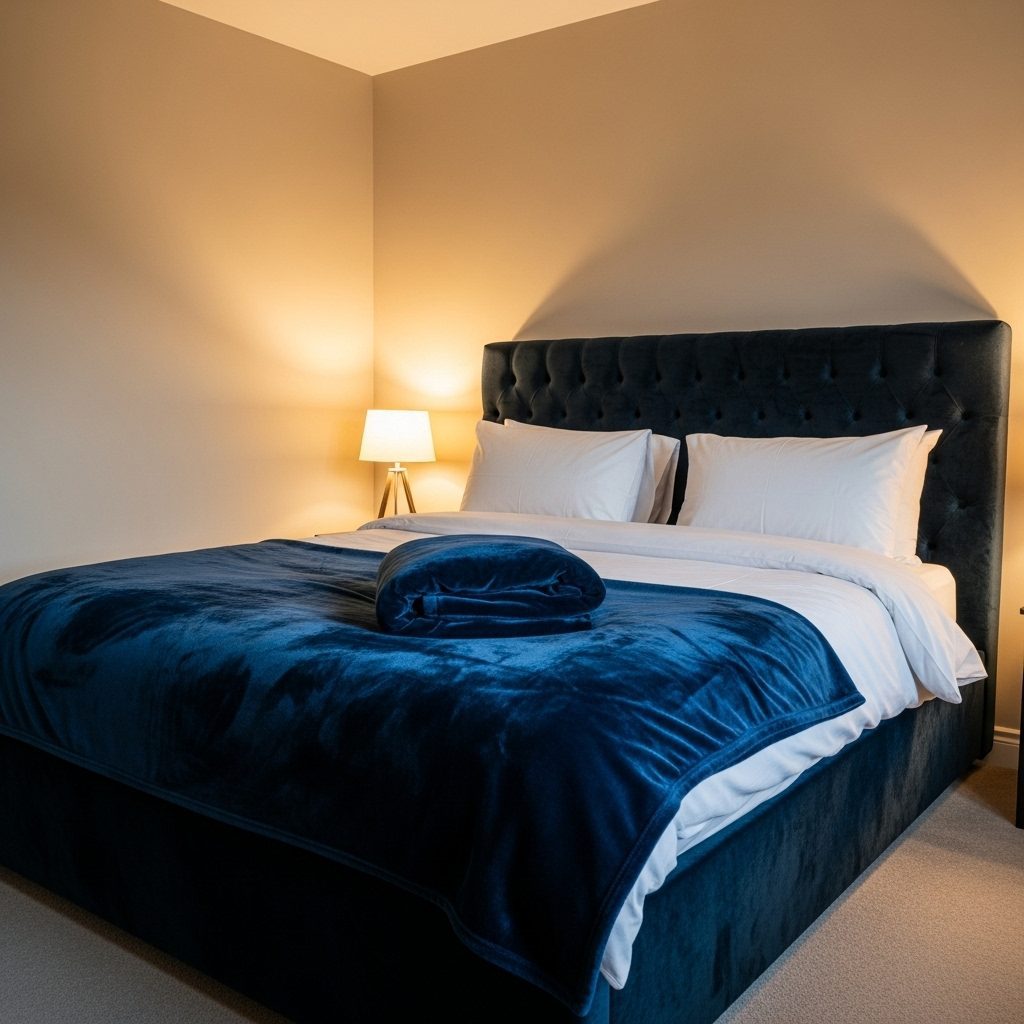
Ultimate King Size Bed Frame with Storage vs Double Bed Storage: Complete 2025 Buyer’s Guide
Did you know that the average bedroom wastes over 30% of its potential storage space? That’s where storage beds come to the rescue! Whether you’re torn between upgrading to a luxurious king size bed frame with storage or sticking with a practical double bed storage solution, this decision can transform both your sleep quality and bedroom organisation.
I’ve spent years helping homeowners maximise their bedroom potential, and the choice between king and double storage beds is one of the most common dilemmas I encounter. The right storage bed doesn’t just give you a place to sleep – it revolutionises how you use your entire bedroom space. Let’s dive into everything you need to know to make the perfect choice for your home! Ready to transform your bedroom with smart storage? Discover our premium collection of ottoman beds that combine luxury comfort with maximum storage capacity.
Understanding Storage Bed Fundamentals
What Are Storage Beds, Really?
• Basic Definition: Storage beds are multi-functional furniture pieces that combine a sleeping surface with built-in storage compartments underneath or within the bed frame structure.
• Space-Saving Solution: These beds maximise bedroom storage without requiring additional floor space, making them ideal for small flats, children’s rooms, or anyone wanting to declutter their sleeping area.
Types of Storage Beds Available in 2025
• Hydraulic Lift Storage Beds: The mattress platform lifts up using gas struts or hydraulic pistons, revealing a large storage compartment underneath. I’ve got to say, watching one of these in action never gets old – it’s like having a secret compartment in your bedroom.
• Drawer Storage Beds: Feature built-in drawers that slide out from the sides or foot of the bed frame. These are brilliant for storing clothes, bedding, or seasonal items you need regular access to.
• Ottoman Storage Beds: The entire sleeping surface hinges open like a chest, providing access to storage space below. Simple mechanism but dead effective for bulky items like duvets or pillows.
• Captain’s Beds: Low-profile beds with multiple drawers and sometimes shelving built into the headboard. Popular with kids and teens because they look proper cool whilst being practical.
How Storage Mechanisms Actually Work
• Hydraulic Lift Systems: Use gas struts rated between 800 and 1200 cycles to lift the mattress platform. The better systems have soft-close mechanisms that prevent the bed from slamming shut – learned that one the hard way when I nearly lost a finger.
• Drawer Mechanisms: Most quality storage beds use ball-bearing runners or soft-close drawer slides. Avoid beds with plastic runners – they’ll break within months of regular use.
• Ottoman Hinges: Simple but sturdy hinge systems, often with safety stays to prevent the bed from opening too far. Look for beds with at least two hinges for proper weight distribution.
Benefits Over Traditional Bed Frames
• Maximised Storage Space: You’re essentially getting a wardrobe’s worth of storage without using any additional floor space. In my tiny flat, this was an absolute game-changer.
• Better Organisation: Built-in compartments encourage better organisation compared to shoving things under a regular bed frame. No more dust bunnies collecting around random boxes.
• Improved Room Aesthetics: Everything’s hidden away, creating cleaner lines and a more organised appearance in your bedroom.
Materials and Construction Quality Factors
• Solid Wood Construction: Oak, pine, or birch offer the best durability but come with higher price tags. Solid wood storage beds can last decades with proper care.
• Engineered Wood Options: High-quality MDF with veneer can work well for budget-conscious buyers. Just avoid particle board – it doesn’t handle the stress of moving parts well.
• Metal Frame Construction: Increasingly popular for its lighter weight and modern aesthetic. Look for powder-coated steel frames with fabric or leather upholstery.
• Hardware Quality: This is where many cheaper beds fall. Invest in beds with quality hinges, gas struts, and drawer runners – replacing these components later is a proper faff.
King Size Bed Frame with Storage: The Ultimate Space Solution
Dimensions and Space Requirements for King Size Storage Beds
• Standard UK King Measurements: King size storage beds measure 150cm x 200cm (5ft x 6ft 6in), whilst super king versions are 180cm x 200cm (6ft x 6ft 6in). You’ll need at least 3.5m x 3m room space to fit one comfortably without feeling cramped.
• Essential Clearance Space: Allow a minimum of 60cm on each side for drawer access and 90cm at the foot for hydraulic lift mechanisms. I learned this the hard way when I couldn’t properly open my storage drawers because I’d measured just the bed frame itself – a proper rookie mistake.
• Height and Ceiling Considerations: Most king storage beds stand 35-45cm high before adding your mattress thickness. Factor in ceiling height if you’ve got sloped ceilings or period properties with lower rooms – nothing worse than constantly banging your head.
Maximum Storage Capacity and Organisation Possibilities
• Hydraulic Lift Storage Volume: King size lift beds offer roughly 0.8-1.2 cubic metres of storage space underneath the mattress platform. That’s equivalent to about 4-6 large suitcases worth of storage – brilliant for seasonal bedding, winter clothes, or holiday gear you only need occasionally.
• Drawer Storage Configuration: Most king drawer beds feature 2-4 large drawers, each holding approximately 80-120 litres of belongings. I’ve managed to fit an entire season’s wardrobe in just two drawers, which was a proper game-changer for my small bedroom setup.
• Internal Organisation Systems: Look for beds with built-in dividers or multiple compartments within the main storage area. Some premium models include fabric organisers or removable boxes that make sorting belongings dead easy instead of everything becoming a jumbled mess.
• Weight Capacity Limits: Quality king storage beds support 200-300kg total weight, including mattress, occupants, and stored items. Don’t overload the storage compartments – I learned that lesson when my hydraulic struts started struggling and making awful groaning noises.
Luxury Features and Premium Construction Options
• Soft-Close Technology: Premium king storage beds include soft-close hydraulics and drawer slides that prevent slamming shut. Worth every penny when you’re accessing storage late at night without waking your partner – trust me on this one.
• Integrated LED Lighting: Some high-end models feature LED strips that automatically illuminate storage compartments when opened. Sounds a bit gimmicky, but it’s actually brilliant for finding specific items in the dark without fumbling around.
• Upholstered Headboard Features: Luxury storage beds often include padded, fabric-covered headboards with additional storage cubbies or built-in USB charging ports. The charging ports are conveniently handy for bedside device charging without trailing cables everywhere.
• Premium Material Construction: Top-tier options use solid hardwood construction with dovetail joints, brass hardware, and high-grade gas struts rated for 2000+ opening cycles. These beds are built to last decades rather than years.
Best Room Sizes and Layouts for King Storage Beds
• Minimum Room Requirements: You’ll need at least 4m x 3.5m room space for comfortable movement around a king storage bed. Anything smaller feels cramped and seriously limits your ability to access the storage properly.
• Optimal Positioning Strategy: Position the bed with the storage access side facing the room’s centre, not pushed against walls. I initially shoved mine against two walls and couldn’t access half the storage – absolutely frustrating and defeated the whole purpose.
• Traffic Flow Planning: Ensure 80cm minimum walkway around the bed for easy movement and daily activities. Consider door swing patterns and existing wardrobe access when planning the bed’s placement in your room layout.
• Ceiling Height Considerations: Rooms with 2.4m+ ceiling height work best, especially for hydraulic lift models that need proper clearance when the storage compartment is opened fully.
Price Range and Investment Considerations
• Budget-Friendly Options: Basic king storage beds start around £300-500 for simple drawer designs with MDF construction and basic hardware. These work fine for light use, but don’t expect premium durability or smooth operation long-term.
• Mid-Range Sweet Spot: Expect to pay £600-1200 for solid construction with quality hardware, decent storage capacity, and reliable mechanisms. This price range offers good value for most households and balances cost with functionality.
• Premium Investment Territory: High-end king storage beds range £1200-3000+, featuring solid hardwood construction, luxury upholstery, and advanced hydraulic mechanisms. These are proper long-term investments that’ll outlast cheaper alternatives by decades.
• Overall Value Calculation: A quality king storage bed eliminates the need for additional bedroom furniture like chests of drawers or extra wardrobes, potentially saving money overall whilst maximising your available space efficiency. Experience the ultimate in luxury storage with the Lizzy Ottoman Upholstered Bed Frame – featuring premium hydraulic lift mechanism and massive storage capacity perfect for master bedrooms.
Double Bed Storage: Compact Efficiency at Its Best
Standard Double Bed Dimensions and Storage Capabilities
• Perfect Size Balance: Standard double beds measure 135cm x 190cm, which honestly hits that sweet spot between not taking over your entire room and still giving you proper sleeping space. I remember measuring my old bedroom and realising a king-size would’ve left me with about 30cm actually to walk around – not ideal when you’re stumbling to the loo at 3 am.
• Impressive Storage Volume: You’re looking at roughly 0.5 cubic metres of storage space underneath, which is mental when you think about it. I managed to fit two full sets of bedding, my entire winter wardrobe, and a bunch of random stuff I didn’t know what to do with. The hydraulic systems on most double storage beds can handle 20-25kg, though I definitely tested those limits with my collection of heavy jumpers.
• Easy Access Design: Most double storage beds use either ottoman-style lifting or drawer systems. The ottoman ones are brilliant because you get the whole space at once, but make sure you’ve got at least 60cm clearance on the opening side – learned that one the hard way when I nearly threw my back out trying to access storage in a cramped corner.
Space-Saving Benefits for Smaller Bedrooms
• Room Liberation: Switching to a storage bed basically gave me my bedroom back. I was able to ditch a massive chest of drawers that was hogging up valuable floor space, and suddenly I had room for an actual chair instead of just perching on the bed edge like some sort of furniture refugee.
• Vertical Space Optimisation: In bedrooms under 10 square metres, every centimetre counts. Storage beds let you use that dead space under your mattress instead of cluttering up walls with shelving units or wardrobes. My mate’s got one in his studio flat, and it’s the only reason he can actually move around without doing some weird furniture obstacle course.
• Multi-Functional Efficiency: You’re essentially getting a bed and a storage unit rolled into one piece of furniture. No more plastic storage boxes sliding about under there collecting dust bunnies, and definitely no more stubbing your toe on random containers in the middle of the night.
Cost-Effectiveness Compared to Larger Storage Beds
• Budget-Friendly Option: When I was shopping around, double storage beds were running £200-400 less than super king versions with similar storage features. That’s proper savings, especially when you factor in that you’re getting nearly the same storage capacity but in a more manageable size.
• Lower Running Costs: Smaller beds mean smaller mattresses, and trust me, that adds up. A decent double mattress costs significantly less than king-size options, and you’ll save on bedding costs too. Plus, if the hydraulic mechanism ever needs replacing, parts for double beds are generally cheaper and easier to find.
• No Additional Storage Needed: I used to spend a fortune on under-bed storage boxes, drawer organisers, and those fabric containers that always seem to fall apart. With a proper storage bed, you’re sorted – no need for extra bits and pieces that just add to the clutter and the expense.
Ideal Room Configurations for Double Storage Beds
• Minimum Space Requirements: You need at least 60cm clearance on the storage access side – this isn’t negotiable unless you fancy doing gymnastics every time you want your stuff. I initially pushed mine against the wall, and it was a nightmare trying to lift that heavy base in such a tight space.
• Corner Positioning Strategy: If you’re dealing with a really small room, positioning the bed in a corner with the storage opening towards the centre works brilliantly. Just make sure the corner walls aren’t load-bearing if you’re planning to mount anything above the bed – learned that one when my shelf came crashing down at 2 am.
• Traffic Flow Considerations: Keep the main walking path clear of the storage opening. There’s nothing worse than having to move furniture every time you want to access your winter clothes or spare bedding. I’ve got mine positioned so the storage opens into the main floor space, making everything dead easy to reach.
Popular Double Bed Storage Styles and Designs
• Ottoman Storage Beds: These are the workhorses of storage beds – the entire mattress base lifts up on gas struts, giving you access to the whole storage area at once. They’re brilliant for bulky items like duvets and pillows, though the mechanism can get a bit stiff if you overload it. I definitely pushed mine to its limits with heavy winter coats.
• Drawer Storage Systems: Perfect if you’re the organised type who likes everything in its place. Usually comes with 2-4 drawers on one or both sides, though you do lose some total storage space compared to ottoman styles. The drawers are ace for smaller items that would just get lost in a big open space.
• Upholstered vs Wooden Frames: Upholstered storage beds look proper smart and don’t show dust as much, but they’re harder to clean if you spill something. Wooden frames are more traditional and often cheaper, but they can look a bit clinical. I went with upholstered in the end because it doubles as seating when mates come round. Maximise your space with the Sophia Ottoman Bed Frame – the perfect double storage solution offering brilliant value and quality construction for smaller bedrooms.
Head-to-Head Comparison: Storage Capacity Analysis
• Cubic Feet Storage Space Comparison
Single Storage Beds (4-6 cubic feet)
Right, so I learned this the hard way when I first moved into my tiny studio flat. Single storage beds give you roughly 4-6 cubic feet, which sounds brilliant until you actually try fitting anything substantial in there. I managed to squeeze in maybe two spare bedding sets and some seasonal clothes, but forget about storing a proper winter duvet – it’ll take up nearly the entire space.
Double Storage Beds (8-12 cubic feet)
This is where things start getting properly useful. When I upgraded to a double, suddenly I had 8-12 cubic feet to play with. I could fit four complete bedding sets, some out-of-season jumpers, and still have room for random bits like spare pillows. It’s that sweet spot where you’re not constantly playing storage Tetris every time you need something.
King-Size Storage Beds (15-20+ cubic feet)
Absolute game-changer territory here. My king-size ottoman bed has around 18 cubic feet of storage, and honestly, it’s like having an extra wardrobe. Two winter duvets, six bedding sets, spare blankets, a couple of suitcases, and I’m still not maxed out. The difference is mental compared to smaller sizes.
• Types of Items That Fit in Each Bed Size
What Actually Fits Where
Single beds are basically good for lightweight seasonal clothes and maybe one spare duvet set. Don’t even think about storing bulky winter coats or multiple duvets – I tried cramming everything in and ended up with a permanently lumpy mattress because the storage was overstuffed.
Double beds can handle the essentials plus some extras. I’ve successfully stored seasonal clothing rotation, spare bedding, throw blankets, and even some books and documents in waterproof bags. The key is being strategic about what you actually need quick access to.
King-size beds are where you can go a bit mad with storage. Suitcases, seasonal decorations, extra bedding for guests, winter coats, boots in boxes – basically anything that’s not daily-use can disappear under there. Just don’t make my mistake of treating it like a black hole where things go to die.
• Accessibility and Ease of Use Differences
Hydraulic Lift Systems vs. Drawer Access
Here’s something nobody warned me about – not all lift mechanisms are created equal. My first storage bed had these pathetic gas struts that barely lifted the mattress enough to get anything out. Proper nightmare trying to grab something from the back corner, especially when you’re half-asleep.
Side-opening drawers look convenient, but they’re actually quite limiting. You can only fit smaller, flatter items, and if your bed’s pushed against a wall, you’re basically stuffed on one side. Plus, good luck fitting a duvet in a drawer – it’s just not happening.
Ottoman-style beds with a full mattress lift give you the best access, hands down. You can see everything at once and actually reach the back without doing weird contortions. The downside? You’ve got to strip the entire bed to get anything out, which gets old fast when you just want a spare pillowcase.
• Organisation Systems and Compartment Options
DIY Storage Solutions That Actually Work
Most storage beds don’t come with built-in dividers, which is mental considering how much space you’re working with. I ended up buying some clear plastic storage boxes that fit perfectly in my bed’s dimensions – an absolute game-changer for keeping things organised instead of having one massive jumbled mess.
Vacuum storage bags are brilliant for seasonal clothes and bedding, but don’t go overboard. I once vacuum-packed everything so tightly that when I needed my winter duvet in a hurry, it took ages to fluff back up properly.
The key is creating zones – bedding in one area, clothes in another, random stuff in the back corner where you won’t need it often. Trust me, future you will thank past you for this bit of organisation when you’re not frantically digging through everything at 2 am looking for spare sheets. Get exceptional value with the Evie Ottoman Bed Frame – proving you don’t need to compromise on quality for affordability. Perfect storage solution under budget.
Room Size and Layout Considerations
• Minimum Room Dimensions for Each Bed Type
Single Beds – The Compact Reality Check
I thought I was being clever, cramming a single bed into my 8×10-foot bedroom until I realised I couldn’t actually open the wardrobe doors properly. You need at least 9×10 feet for a single bed to work without feeling like you’re living in a cupboard. That gives you roughly 2 feet of walking space around the bed, which sounds generous but really isn’t when you factor in opening drawers and doors.
The storage access is what catches most people out, though. If you’ve got an ottoman-style single bed, you need an extra 3 feet of clearance at the foot for the mattress to lift up. I learned this the hard way when my bed was positioned so the lift mechanism would smack straight into my chest of drawers. Proper nightmare trying to get anything out.
Double Beds – Where Space Gets Tricky
Double beds need a minimum of 10×12 feet to not feel cramped, but honestly, 11×13 feet is where you start feeling comfortable. I made the mistake of shoving a double into a 10×11 room and spent months doing this weird sideways shuffle to get around the bed. Your knees will hate you for constantly banging into the bed frame.
Storage access becomes even more critical with doubles. You need at least 3.5 feet at the foot for hydraulic lift systems, and if you’ve got side storage drawers, factor in another 2 feet on whichever side you’re planning to use regularly. I positioned mine against one wall, thinking I’d save space, then spent ages crawling over the bed to access the far-side storage.
King-Size Beds – The Space Hogs
King-size beds are absolute space monsters. You’re looking at minimum 12×14 feet, but 13×15 feet is where things start feeling properly spacious rather than just functional. I’ve seen people cram king beds into smaller rooms and it just looks mental – like someone’s inflated a bed in a shoebox.
The storage access requirements are mental too. King-size ottoman beds need nearly 4 feet of clearance for the lift mechanism, plus you want at least 2.5 feet on each side for getting in and out comfortably. That’s a lot of floor space when you factor in other furniture.
• Traffic Flow and Furniture Placement Impact
The Walking Space Reality
Here’s what estate agents don’t tell you – that “spacious double bedroom” probably won’t feel spacious once you’ve got a storage bed and actual furniture in there. I spent months doing this ridiculous dance around my bed because I hadn’t properly planned the traffic flow.
You need clear pathways to the wardrobe, window, and door that don’t involve climbing over furniture. I made the classic mistake of positioning my bed so the main walking route went right past the foot where the storage opens. Proper pain when you’re trying to get dressed, and someone’s rummaging around in the bed storage.
Side-opening storage drawers can actually improve traffic flow if you plan it right. Position them so they open into dead space rather than walkways. My current setup has drawers opening towards the wall where there’s naturally less foot traffic, and it works brilliantly.
Furniture Placement Disasters I’ve Made
Bedside tables become a real nightmare with storage beds. You can’t push them tight against the bed if you’ve got side storage, and ottoman beds mean you need to be able to move them when accessing storage. I ended up with these lightweight bedside tables that I can easily shift when needed.
Wardrobes positioned opposite storage beds create this weird standoff where you can’t open both at the same time. Learned this when I tried accessing my winter clothes while my partner was getting bedding out – proper comedy of errors trying to coordinate who opens what when.
• Visual Proportions and Bedroom Aesthetics
When Big Beds Look Wrong
A king-size bed in a small room doesn’t just feel cramped – it looks absolutely ridiculous. I’ve been in bedrooms where the bed takes up so much visual space that it feels like sleeping in a furniture showroom. The proportions are just all wrong, and no amount of clever decorating fixes that fundamental issue.
Storage beds tend to sit higher than regular beds because of the storage mechanism underneath. This changes the whole visual balance of the room. I didn’t realise how much until I swapped from a low platform bed to a storage ottoman – suddenly my room felt like it had lower ceilings and everything looked squashed.
The chunky appearance of most storage beds means they dominate the room more than sleeker alternatives. You’ve got to factor this into your decorating choices. Light colours and minimal bedding help, but there’s only so much you can do to make a massive storage bed look delicate.
Making Storage Beds Work Visually
Positioning matters massively for aesthetics. Centre the bed on the longest wall if possible – it creates better visual balance than shoving it into a corner. I spent ages with my bed positioned awkwardly because I was prioritising storage access over how the room actually looked.
Keep the area under and around storage beds clear of clutter. It’s tempting to use every inch of floor space, but storage beds already create visual weight. Adding more furniture just makes everything feel overwhelming and cramped.
• Multi-Functional Bedroom Design Strategies
Making Every Square Foot Count
Storage beds are brilliant for multi-functional bedrooms, but you’ve got to be strategic about it. I turned my bedroom into a proper multi-use space by choosing furniture that works with the storage bed rather than competing for floor space.
Wall-mounted everything is your friend. Floating shelves, wall-mounted bedside tables, and even wall-mounted lighting free up floor space and make the room feel less cluttered. I mounted my bedside tables so they don’t interfere with the bed’s storage access but still provide surface space.
Ottoman storage beds work brilliantly as seating areas during the day if you position them right. I’ve got mine set up so it doubles as a reading spot with some cushions thrown on top. Just make sure the hydraulic mechanism can handle the extra weight of people sitting on it regularly.
The Home Office Integration
Combining bedroom and office space with a storage bed requires proper planning. The bed storage can house office supplies and paperwork you don’t need daily, freeing up desk space for actual work stuff. I keep all my filing and seasonal office gear in the bed storage, which works brilliantly.
Position your desk so it doesn’t interfere with bed storage access. I made the mistake of putting my desk chair right where I needed to stand to open the bed storage – spent months doing this awkward chair-shuffling dance every time I needed something. Invest in lasting luxury with the Lunar Ottoman Bed Frame – built like a tank with premium materials and commercial-grade mechanisms for decades of reliable use.
Comfort and Sleep Quality Factors
• Mattress Size Impact on Sleep Quality for Couples vs Singles
The Single Bed Sleep Reality
I spent three years sleeping on a single bed, thinking I was being all minimalist and space-efficient. Massive mistake, honestly. Even as a solo sleeper, I’m a proper tosser and turner, and constantly waking up with my arm hanging off the edge or my feet sticking out the bottom. Single beds are basically 3 feet wide – that’s barely enough room to stretch out properly without feeling like you’re balancing on a tightrope.
The sleep quality difference when I upgraded to a double was mental. Suddenly, I could actually roll over without performing some weird acrobatic manoeuvre. Your body needs space to move naturally during sleep cycles, and cramming yourself into a single bed messes with that natural movement. I didn’t realise how much my sleep was being disrupted until I had proper space to spread out.
Couples on Doubles – The Compromise Zone
Here’s the thing about double beds for couples – they’re called “full size” in some places, but there’s nothing full about 4.5 feet of width when you’re sharing it. That’s basically 2.25 feet per person, which is less space than a single bed gives you alone. Mental when you think about it that way.
I shared a double with my partner for two years, and we were constantly negotiating space. One person’s a starfish sleeper, the other’s a side sleeper who needs their knees bent – suddenly you’re playing sleep Tetris every night. The constant micro-adjustments to avoid encroaching on each other’s space meant neither of us was getting proper deep sleep.
The temperature regulation on doubles gets weird, too, when you’re sharing. Two bodies generate more heat, but you’ve got less individual space for air circulation. We’d wake up either freezing because someone had hogged the duvet or sweating because we were basically sleeping on top of each other.
King-Size – The Sleep Game Changer
Upgrading to a king-size bed was honestly life-changing for our relationship and sleep quality. You get roughly 3 feet per person, which is actually more space than a single bed. Suddenly, we could both sleep in our natural positions without constantly bumping into each other or negotiating territory.
The difference in REM sleep quality was noticeable within weeks. When you’re not constantly being disturbed by your partner’s movements or fighting for space, your body can actually complete proper sleep cycles. I started waking up feeling properly rested instead of like I’d been wrestling all night.
• Motion Isolation Differences Between Bed Sizes
The Physics of Partner Disturbance
Smaller beds are absolute nightmares for motion transfer. When your partner moves on a double bed, you feel everything because there’s less mattress surface area to absorb and distribute the movement. I used to wake up every time my partner got up for the loo or even just rolled over – proper exhausting after a few months.
The mattress construction matters massively, but bed size amplifies whatever motion isolation properties you’ve got. A decent memory foam mattress on a double will still transfer more movement than the same mattress on a king-size simply because of the physics involved. More surface area means better motion distribution.
Real-World Motion Transfer Experiences
I did this mental experiment where I tracked how often I woke up due to partner movement over a month. On our old double bed, I was getting disturbed 3-4 times per night on average. After upgrading to king-size, that dropped to maybe once per night, and usually only when they were getting up completely.
The edge support on larger beds also helps with motion isolation. When someone sits on the edge of a double bed to put their shoes on, the whole mattress dips and shifts. King-size beds have more structural integrity, so edge movements don’t ripple across to the other side as much.
Different Sleep Schedules and Motion Issues
If you and your partner have different sleep schedules, bed size becomes critical for motion isolation. I’m an early riser, my partner’s a night owl – on a double bed, my 6am alarm and getting-ready routine would wake them every single time. The constant guilt about disturbing their sleep was mental.
King-size beds give you enough space that one person can get up, get dressed, even do some light stretching without the other person feeling every movement. The psychological benefit of not feeling like you’re constantly disturbing each other is massive for relationship harmony.
• Partner Comfort Considerations
Temperature Regulation Nightmares
Sharing a smaller bed creates this weird microclimate where you’re constantly negotiating temperature. I run hot, my partner runs cold – on a double bed, we were either both too warm because we were too close together, or fighting over duvet coverage. Proper nightmare trying to find a temperature that works for both.
King-size beds allow for better individual temperature control. You can have different duvet weights on each side, or one person can sleep closer to the edge where there’s more air circulation. We actually ended up with separate duvets on our king-size bed, which sounds unromantic but honestly saved our sleep quality.
Different Mattress Preferences
Here’s something nobody talks about – partners often need different levels of mattress support. I need firm support for my dodgy back, my partner prefers something softer. On a double bed, you’re stuck with whatever compromise mattress you can both tolerate.
Larger beds open up options like split mattresses or mattress toppers that only cover one side. Some king-size beds can even accommodate two different mattresses side by side, though the gap in the middle takes some getting used to. The point is, you’ve got more options for customising comfort when you’re not cramped into a tiny space.
Sleep Position Compatibility
Different natural sleep positions become a massive issue on smaller beds. I’m a back sleeper who needs to stretch out, my partner’s a side sleeper who curls up. On a double bed, these positions just don’t work together – someone’s always compromising their natural sleep posture.
King-size beds give you enough space that both partners can sleep in their optimal positions without interfering with each other. The improvement in sleep quality when you can actually sleep how your body wants to sleep is mental. No more waking up with cricks in your neck from sleeping in weird positions to accommodate your partner.
• Long-Term Sleep Health Implications
The Cumulative Effect of Poor Sleep Space
I didn’t realise how much my cramped sleeping situation was affecting my overall health until I’d been sleeping properly for a few months. Chronic sleep disruption from inadequate bed space contributes to everything from weight gain to mood issues. Your body needs uninterrupted sleep cycles to repair and regenerate properly.
The stress of constantly negotiating space with a partner creates this low-level anxiety that affects sleep quality even when you’re not consciously aware of it. Your nervous system never fully relaxes when you’re subconsciously worried about disturbing or being disturbed by your partner’s movements.
Relationship Health and Sleep Quality
Poor sleep due to inadequate bed space creates this vicious cycle where you’re both tired and irritable, which affects relationship quality, which then creates more stress that further impacts sleep. I noticed we were bickering more when we were both chronically under-slept from sharing a too-small bed.
The improvement in relationship harmony after upgrading to proper sleeping space was honestly surprising. When you’re both getting quality sleep, you’re more patient, more affectionate, and generally easier to live with. Sleep deprivation makes everything harder, including maintaining a healthy relationship.
Physical Health Considerations
Sleeping in cramped conditions long-term can contribute to joint and muscle issues. When you can’t sleep in natural positions or you’re constantly tensing to avoid disturbing your partner, your body doesn’t get the proper rest and recovery it needs. I developed shoulder tension that I didn’t even realise was related to my sleeping situation until it improved with better bed space.
The immune system benefits of quality sleep are well-documented, but what’s less obvious is how bed size impacts sleep quality. Chronic sleep disruption from inadequate space weakens immune function over time. Investing in proper sleeping space is honestly an investment in long-term health, not just comfort. Skip the assembly hassle – the Isla Upholstered Ottoman Bed Frame comes with straightforward instructions and quality hardware that actually works properly.
Budget Analysis: Initial Cost vs Long-Term Value
• Price ranges for Quality Storage Beds in Each Category
Single Storage Beds – The Entry Point Trap
Right, so I thought I was being dead clever starting with a cheap single storage bed from one of those flat-pack furniture places. Spent about £150 thinking I’d got a proper bargain. What a mug I was. The thing lasted maybe 18 months before the hydraulic mechanism gave up completely, and the particle board started sagging under the weight of stored items.
Quality single storage beds actually start around £300-400 for something that won’t fall apart after a year. You’re looking at £500-700 for a decent ottoman-style single with proper gas struts and solid construction. I learned this the hard way when I had to replace my cheap bed and ended up spending more in total than if I’d just bought quality from the start.
The really good single storage beds with hardwood frames and premium mechanisms can hit £800-1000, which seems mental for a single bed until you factor in the storage value and longevity. My current single guest bed cost £650 three years ago and still works like new, whereas I went through two cheap ones in the same timeframe.
Double Storage Beds – The Sweet Spot Pricing
Double storage beds offer the best value proposition in my experience. You can get a decent quality double ottoman bed for £400-600, which gives you significantly more storage than a single for not much more money. The mechanisms are usually more robust, too, because they’re designed to handle larger mattresses and more storage weight.
Mid-range doubles run £600-900, and this is honestly the sweet spot for most people. You get proper gas struts, decent build quality, and enough storage to make a real difference to your bedroom organisation. I’ve had my £750 double storage bed for four years now and it’s still going strong.
Premium double storage beds can reach £1200-1500, but you’re paying for things like solid wood construction, premium fabrics, and commercial-grade hydraulic systems. Unless you’re planning to keep it for decades or you’re particularly heavy users, the mid-range options usually offer better value.
King-Size Storage Beds – The Investment Category
King-size storage beds are where prices get properly serious. You’re starting at around £800-1000 for basic quality, and that’s for something that won’t embarrass you or fall apart immediately. The sheer size means more materials, stronger mechanisms, and generally higher manufacturing costs.
Decent quality king-size storage beds run £1000-1500, which sounds like a lot until you break down what you’re getting. The storage capacity alone can replace multiple pieces of furniture, and a good king-size bed should last 10-15 years with proper care. My £1200 king-size ottoman bed has been brilliant value over the three years I’ve had it.
Premium king-size storage beds can easily hit £2000-3000, but these are proper investment pieces with hardwood frames, premium upholstery, and mechanisms that’ll outlast most cars. I’ve seen some that cost more than my first car, but when you factor in the storage value and longevity, the cost per year becomes quite reasonable.
• Cost per Cubic Foot of Storage Comparison
The Storage Maths That Changed My Perspective
I never thought about storage cost per cubic foot until I was pricing up wardrobes and chest of drawers to replace my storage bed. Proper eye-opener when you break it down. A decent £600 double storage bed with 10 cubic feet of storage works out to £60 per cubic foot. Compare that to a chest of drawers at £200 for maybe 3 cubic feet – that’s £67 per cubic foot for less convenient storage.
Single storage beds actually offer poor value on this metric. A £500 single with 5 cubic feet works out to £100 per cubic foot, which is mental when you think about it. You’re paying premium prices for minimal storage, which is why I always recommend going bigger if your room can handle it.
The Hidden Storage Costs
What really opened my eyes was calculating the cost of alternative storage solutions. A decent wardrobe that gives you equivalent storage to a king-size bed costs £400-600 minimum, plus you need the floor space for it. Under-bed storage boxes that fit a regular bed frame cost £50-100 and give you maybe 2-3 cubic feet of awkward, hard-to-access storage.
King-size storage beds start looking like proper bargains when you do this maths. £1200 for 18 cubic feet works out to about £67 per cubic foot, but it’s integrated, easily accessible, and doesn’t take up additional floor space. Try buying 18 cubic feet of quality storage furniture separately and you’ll easily spend more than that.
Long-Term Storage Value Calculations
I worked out that my king-size storage bed replaced about £800 worth of other storage furniture – two chest of drawers, under-bed storage boxes, and a blanket box. Plus I got back about 15 square feet of floor space that would’ve been taken up by those pieces. In a small bedroom, that floor space is worth its weight in gold.
The accessibility factor adds value too. Time spent wrestling with under-bed storage boxes or digging through overstuffed drawers has a cost, even if it’s just frustration and wasted time. Proper storage bed access saves you probably 10-15 minutes per week of storage-related faff, which adds up over years.
• Durability and Lifespan Considerations
My Expensive Lessons in Cheap Construction
I’ve been through three storage beds in seven years, and the pattern is always the same – cheap beds fail at the mechanism first, then the frame starts sagging. My first £150 storage bed lasted 18 months before the gas struts gave up. The second one, a £250 “upgrade,” made it two years before the particle board base started bowing under the weight of stored items.
Quality storage beds with proper hardwood frames and commercial-grade mechanisms should last 10-15 years minimum. My current £1200 king-size bed is three years in and shows no signs of wear. The hydraulic system still lifts smoothly, the frame is solid, and the storage area hasn’t developed any sags or weak spots.
The Mechanism Quality Reality
The hydraulic or gas strut system is absolutely critical for longevity. Cheap mechanisms start failing within 2-3 years, and replacement parts often cost more than just buying a new bed. I learned this when trying to fix my second storage bed – replacement gas struts cost £80, and I still needed to address the frame issues.
Quality mechanisms from brands like Stabilus or Suspa can last decades with minimal maintenance. They’re what you find in premium storage beds, and they’re worth paying extra for. The difference in daily use is massive too – cheap mechanisms get harder to operate over time, while quality ones maintain smooth operation for years.
Frame Construction Impact on Lifespan
Particle board and MDF frames are false economy for storage beds. They’re fine for regular beds that just support a mattress, but add the weight of stored items and the stress of regular access, and they start failing quickly. I’ve seen particle board storage beds develop permanent sags within a year of heavy use.
Solid wood or quality engineered wood frames cost more upfront but last significantly longer. My hardwood-framed storage bed has been loaded with heavy items for three years and the base is still perfectly flat. The joints are still tight, and there’s no creaking or flexing when accessing storage.
• Potential Savings from Eliminating Other Storage Furniture
The Furniture Replacement Reality
When I properly calculated what my storage bed replaced, the savings were mental. Two chest of drawers (£300), under-bed storage boxes (£80), a blanket box (£150), and some wardrobe organisers (£70) – that’s £600 worth of storage furniture that I no longer needed. My £1200 storage bed suddenly looked like a bargain.
The space savings translate to real money too. In my previous flat, I was paying extra rent for a larger bedroom just to fit all my storage furniture. Moving to a smaller room with a storage bed saved me £50 per month in rent, which over two years more than paid for the bed upgrade.
Ongoing Storage Costs You Don’t Think About
Storage furniture needs maintenance, replacement, and sometimes additional organisational accessories. I was constantly buying drawer organisers, storage boxes, and other bits to make my various storage solutions work properly. With integrated bed storage, those ongoing costs basically disappear.
Moving costs are another hidden saving. Storage beds are one piece of furniture instead of multiple storage items. When I moved last year, having one storage bed instead of several pieces of storage furniture saved me probably £100 in moving costs and hours of disassembly/reassembly time.
The Opportunity Cost of Floor Space
This is the big one that most people don’t calculate properly. Floor space in bedrooms is expensive, especially in cities. Every square foot taken up by storage furniture is space you can’t use for other things. My storage bed freed up enough floor space to add a proper reading chair, which improved my quality of life significantly.
In smaller bedrooms, the space efficiency of storage beds can be the difference between a functional room and a cramped mess. I’ve seen people spend hundreds on space-saving furniture solutions when a storage bed would’ve solved their problems more elegantly and often more cheaply.
The resale value consideration is worth mentioning too. Quality storage beds hold their value better than multiple pieces of storage furniture. When I sold my previous storage bed, I got about 60% of what I paid for it after three years. Try getting that return on a collection of random storage furniture pieces. Choose low-maintenance luxury with the Saros Ottoman Bed Frame – featuring durable construction and easy-care materials that stay looking brilliant for years.
Getting Your Storage System Up and Running: What Nobody Tells You About Installation
Assembly Complexity and Time Requirements
• Basic wire shelving takes longer than you think – I used to estimate 30 minutes for simple wire units, but honestly, you’re looking at 45 minutes to an hour if you want it done properly. The instructions are usually rubbish, and you’ll spend half the time figuring out which bracket goes where.
• Modular systems are proper time-eaters – Those fancy adjustable storage systems with multiple components? Block out your entire Saturday. I once spent six hours on what should’ve been a two-hour job because the pre-drilled holes didn’t line up correctly.
• Always double the manufacturer’s time estimate – They test these things with professionals who’ve done it hundreds of times. Us regular folks need to factor in coffee breaks, swearing at confusing diagrams, and that inevitable trip to the hardware store for missing screws.
Ongoing Maintenance Needs
• Metal storage requires rust prevention – Check your metal units every few months, especially in damp areas like garages or basements. I ignored some surface rust on my workshop shelving, and within a year, it had spread enough to weaken the entire structure.
• Plastic systems need UV protection – Learnt this one the hard way when my outdoor storage cabinet cracked during a heatwave. If it’s going anywhere near sunlight, check the UV resistance rating, or you’ll be replacing it sooner than expected.
• Moving parts are maintenance nightmares – Drawer slides, rotating mechanisms, hydraulic lifts – they all need regular lubrication. White lithium grease every six months keeps everything running smoothly. Ignore this and you’ll end up with drawers that sound like dying animals.
Warranty Coverage and Repair Considerations
• DIY installation often voids warranties – Most manufacturers will cover manufacturing defects, but won’t touch anything if you’ve installed it yourself and something goes wrong. I discovered this after an expensive storage unit failed at 18 months – apparently, my installation had voided everything.
• Normal wear and tear isn’t covered – Don’t expect warranty claims for things like worn drawer slides or faded plastic. These are considered consumable parts that you’ll need to replace yourself over time.
• Keep all documentation and photos – Take pictures during installation showing you’ve followed instructions properly. This can help with warranty claims if genuine defects appear later.
Professional Installation vs DIY Options
• DIY makes sense for basic systems under £200 – Simple shelving units, basic storage cabinets, and wire systems are usually straightforward enough for weekend warriors. Just make sure you’ve got the right tools and aren’t rushing the job.
• Wall-mounted systems need professional help – Anything going on walls, especially heavy-duty storage, should probably be done by professionals. I’ve seen too many expensive systems come crashing down because someone didn’t hit the studs properly or used the wrong fixings for their wall type.
• Insurance considerations matter – Your home insurance might not cover damage from improperly installed storage systems. Professional installation often comes with liability coverage, which can be worth the extra cost for expensive setups. Protect your investment with the Sam Ottoman Upholstered Bed Frame – backed by comprehensive warranty coverage and quality construction you can trust.
Top Recommendations for 2025: Storage Beds That Actually Work
Best King Size Storage Bed Frames by Category
• Ottoman lift beds are absolute game-changers – I switched to a king size ottoman bed last year and honestly can’t believe I waited so long. The Silentnight Miracoil Ottoman gives you massive storage space underneath – we’re talking enough room for seasonal bedding, spare pillows, and even suitcases. The hydraulic lift mechanism makes accessing everything dead easy, even when the mattress is on top.
• Drawer storage beds work brilliantly for organised types – If you’re someone who likes everything in its place, king size beds with built-in drawers are perfect. The IKEA Hemnes has four deep drawers that glide smoothly, though assembly was a proper nightmare. Took my mate and me nearly five hours because the instructions were absolutely useless.
• Platform beds with hidden compartments are clever – These look like regular bed frames but have secret storage areas built into the base. The West Elm Mid-Century platform bed has discrete lift-up sections that are perfect for hiding valuables or documents you don’t access often.
Top-Rated Double Bed Storage Solutions
• Divan beds with drawers offer brilliant value – Double divans are probably the most practical storage solution going. The Dreams Natural Collection divan has two large drawers that actually fit proper bedding sets, not just pillowcases like some cheaper options. The build quality is solid too – mine’s been going strong for three years.
• Under-bed storage boxes work with any frame – If you’ve already got a bed you love, vacuum storage bags and wheeled boxes are your best friends. I use the Really Useful Box 64L containers – they slide under most double beds and the clear plastic means you can actually see what’s inside without rummaging about.
• Headboard storage is underrated – Beds with built-in headboard shelving give you extra space without taking up floor area. The Julian Bowen Barcelona has proper shelves and even USB charging points, which is handy for keeping phones and tablets within reach.
Budget-Friendly Options That Don’t Compromise Quality
• IKEA Malm series punches above its weight – The Malm bed frame with storage boxes underneath costs under £200 and honestly performs better than beds twice the price. The drawers are deep enough for duvets, and the soft-close mechanism means no more slamming drawers at 6am.
• Argos Home storage beds are surprisingly decent – I was sceptical about the Argos Home Newbury ottoman bed at £180, but it’s held up brilliantly for two years. The gas struts work smoothly, and there’s loads of storage space. Assembly was straightforward too, which made a nice change.
• Second-hand ottoman beds are bargains – Check Facebook Marketplace and Gumtree regularly. I found a barely-used Dreams ottoman bed for £120 that would’ve cost £400 new. Just make sure the hydraulic mechanism still works properly before buying.
Premium Choices for Maximum Durability and Features
• Hypnos storage beds are built like tanks – If you want something that’ll last decades, Hypnos ottoman beds are worth the investment. The craftsmanship is exceptional, and the storage space is massive. Mine’s been perfect for five years, though at £800+ it’s definitely a splurge.
• Tempur storage bases offer the ultimate comfort – Combining Tempur’s adjustable base technology with storage is brilliant if you’ve got the budget. The massage functions and USB ports are lovely touches, and the storage compartments are well-designed. Expect to pay £1500+ though.
• Bespoke storage beds give you exactly what you need – Local furniture makers can create storage solutions tailored to your specific requirements. I had one made with compartments sized for my exact bedding collection, plus a hidden safe area. Cost £900 but it’s absolutely perfect for our needs. Get professional-quality results with the Pearl Ottoman Bed Frame – designed for easy DIY assembly without compromising on stability or storage capacity.
Conclusion:
Choosing between a king size bed frame with storage and a double bed storage solution ultimately comes down to your specific needs, room size, and lifestyle. King size storage beds offer unmatched storage capacity and luxury comfort, making them perfect for master bedrooms and couples who want maximum space. Double bed storage options provide excellent value and efficiency for smaller rooms, guest bedrooms, or single sleepers who still want smart storage solutions.
Remember, the best storage bed is one that fits your space, meets your storage needs, and provides comfortable sleep for years to come. Consider your room dimensions, storage requirements, and budget carefully before making your final decision. Ready to transform your bedroom? Start by measuring your space and identifying your storage priorities – your perfect storage bed solution is waiting! Transform your bedroom today! Browse our complete collection of storage beds and find the perfect solution for your space, budget, and style preferences.
Frequently Asked Questions: Storage Beds
1. What is the difference between king size and a double bed storage capacity?
King size storage beds offer significantly more storage space than double beds. A king size storage bed typically provides 15-20 cubic feet of storage capacity, while double bed storage solutions offer 8-12 cubic feet. This means king size beds can store approximately 60-70% more items, including seasonal bedding, winter clothing, spare pillows, and bulky duvets.
The larger storage compartment in king size ottoman beds allows you to organise belongings more efficiently with dedicated zones for different item types. Double bed storage works brilliantly for smaller bedrooms and single occupants, whilst king size storage beds are ideal for couples who need maximum bedroom organisation and have adequate floor space for the larger footprint.
2. How much weight can storage bed mechanisms safely support?
Storage bed mechanisms can safely support different weight capacities depending on construction quality. Quality storage beds typically support 200-300kg total weight, including the mattress, occupants, and stored items. The hydraulic lift mechanisms are usually rated for 20-30kg of stored items in the storage compartment.
Gas struts and hydraulic pistons in premium storage beds are designed for 1000-2000 opening cycles with proper weight distribution. Overloading the storage compartment can damage the lift mechanism and void warranty coverage. Always check manufacturer specifications for maximum weight limits and distribute heavy items evenly across the storage area to prevent mechanism strain and ensure long-term durability.
3. Are storage beds suitable for small bedrooms and studio apartments?
Storage beds are excellent space-saving solutions for small bedrooms and studio apartments. Double storage beds work particularly well in rooms measuring 10×12 feet or larger, whilst requiring minimal additional floor space compared to separate storage furniture. Ottoman storage beds eliminate the need for a chest of drawers, under-bed storage boxes, and additional wardrobes.
The vertical storage approach maximises unused space beneath the mattress without cluttering floor areas. Storage beds are perfect for studio apartments where multi-functional furniture is essential. Consider drawer storage beds for extremely tight spaces, as they require less clearance than hydraulic lift mechanisms whilst still providing valuable bedroom organisation and storage capacity.
4. What maintenance do storage bed hydraulic mechanisms require?
Storage bed hydraulic mechanisms require minimal but regular maintenance for optimal performance. Gas struts and hydraulic pistons should be lubricated every 6-12 months using white lithium grease or manufacturer-recommended lubricants. Check for smooth operation and listen for unusual noises during lifting cycles.
Regular maintenance tasks include:
- Cleaning dust and debris from the mechanism components
- Inspecting gas struts for leaks or damage
- Testing the lift operation monthly for smooth function
- Avoiding overloading storage compartments beyond weight limits
- Keeping storage areas dry to prevent rust on metal components
Proper maintenance extends the mechanism’s lifespan significantly and prevents costly repairs. Most quality storage bed mechanisms last 10-15 years with appropriate care and usage within the manufacturer’s specifications.
5. How do I choose between Ottoman lift and drawer storage beds?
Choosing between an ottoman lift and drawer storage beds depends on your storage needs and bedroom layout. Ottoman lift beds provide maximum storage capacity with full access to the entire compartment, making them ideal for bulky items like duvets, seasonal clothing, and suitcases. They require 60-90cm clearance space for the lifting mechanism.
Drawer storage beds offer easier access to frequently used items and work better in tight spaces against walls. Consider these factors:
- Storage access frequency – drawers for daily items, ottoman for seasonal storage
- Room clearance space – drawers need side access, ottoman needs foot clearance
- Item types – bulky items suit ottoman storage, smaller items work in drawers
- Budget considerations – drawer mechanisms typically cost less than hydraulic systems
Ottoman beds generally provide better value for storage capacity, whilst drawer beds offer superior organisation for everyday bedroom items.