
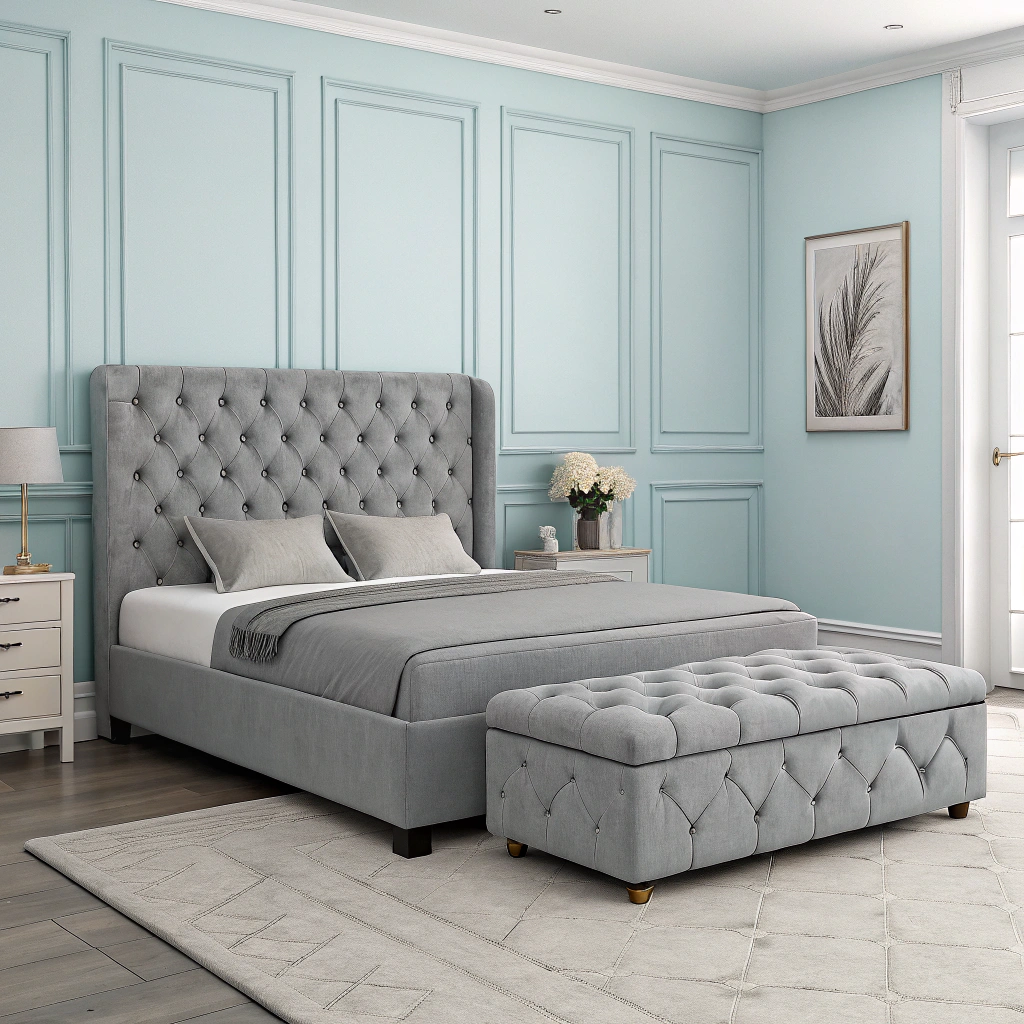
7 Best Queen Size Bed Storage Options for Apartment Living in 2025: Maximise Your Space
Living in a small apartment doesn’t mean you have to sacrifice comfort or style! Did you know that the average American bedroom is only 132 square feet, yet we spend a third of our lives there? When you’re working with limited space, every square inch counts. That’s where clever queen size bed storage solutions come to the rescue.
I’ve spent years helping apartment dwellers transform their cramped bedrooms into organised sanctuaries. The secret? Your bed isn’t just for sleeping – it’s prime real estate for storage! Whether you’re dealing with a studio apartment or a tiny bedroom, the right storage bed can double your available space while keeping your room looking sleek and uncluttered. Ready to transform your cramped apartment bedroom? Discover our premium Ottoman bed collection that combines queen-size comfort with massive storage capacity – perfect for maximizing every square inch of your space!
Why Queen Size Beds with Storage Are Perfect for Apartment Living
• Space Efficiency Benefits of Combining Sleep and Storage Functions
Maximising Every Square Inch
Let me tell you, when I first moved into my shoebox flat, I thought I was being clever by cramming a regular queen bed plus all my storage furniture into one tiny room. What a disaster that was! I could barely walk around without doing some weird sideways shuffle just to reach my wardrobe.
My storage bed completely changed the game. You’re essentially getting two pieces of furniture for the footprint of one, which is brilliant when every inch counts. I measured it once (because I’m a bit obsessive like that), and my storage bed freed up roughly 12 square feet compared to my old setup. In a small flat, that’s massive – enough space for a proper desk or reading chair.
• Cost-Effectiveness Compared to Buying Separate Furniture Pieces
The Money Talk Nobody Wants to Have
Right, let’s be honest about the finances here. When I was furniture shopping on a student budget, I nearly had a proper meltdown looking at prices. A decent queen bed frame, two matching nightstands, and a chest of drawers would’ve easily cost me £800-1200. My storage bed? £450, and it does the job of all three pieces.
The savings don’t stop at the initial purchase either. Think about delivery fees for multiple items, assembly time (I’ve lost entire weekends to flat-pack furniture), and the fact that you’re not dealing with pieces that might not match or could get damaged separately. It’s just more sensible all round.
• Aesthetic Advantages of Hidden Storage Versus Visible Clutter
From Chaos to Calm
I used to be one of those people who thought open storage looked “lived-in” and cosy. What absolute rubbish that was! My bedroom looked like a charity shop had exploded – clothes draped everywhere, books stacked on every surface, random bits and bobs cluttering up the space.
Hidden storage completely transformed my room’s vibe. Everything has its proper place now, and more importantly, everything stays there. My seasonal clothes, extra bedding, books I’m not currently reading – it all disappears neatly under the bed. The visual impact is incredible; my bedroom actually looks like a grown-up space instead of a teenager’s disaster zone.
• How Storage Beds Can Replace Multiple Furniture Items
One Bed, Multiple Jobs
This is where storage beds really prove their worth. My current bed has replaced not just the bed frame, but also my old nightstands (the drawers are perfect for bedside essentials like phone chargers and reading glasses), and that massive chest of drawers that used to dominate half the room.
Some of my mates have gone even further with storage beds that include built-in shelving units or headboards with compartments. One friend’s bed literally replaced five separate pieces of furniture in her studio flat. The space transformation was mental – she went from cramped and cluttered to spacious and organised overnight.
• The Psychology of Organised Spaces and Better Sleep Quality
Sleep Better, Live Better
Here’s something I didn’t expect – I actually sleep loads better now that my bedroom’s properly organised. There’s real science behind this too; cluttered spaces increase cortisol levels, which messes with your sleep quality. When everything’s tucked away neatly, your brain can properly switch off at bedtime.
I used to lie in bed staring at piles of clothes and thinking about all the tidying I needed to do. Now? My bedroom’s a proper sanctuary. Everything’s in its place, the space feels calm, and I drift off much more easily. It’s amazing how much mental energy visible clutter was draining without me even realising it. Experience the ultimate in storage capacity! The Sophia Ottoman Bed features premium hydraulic lift mechanisms with 30+ cubic feet of storage space – perfect for seasonal clothing and bulky items.
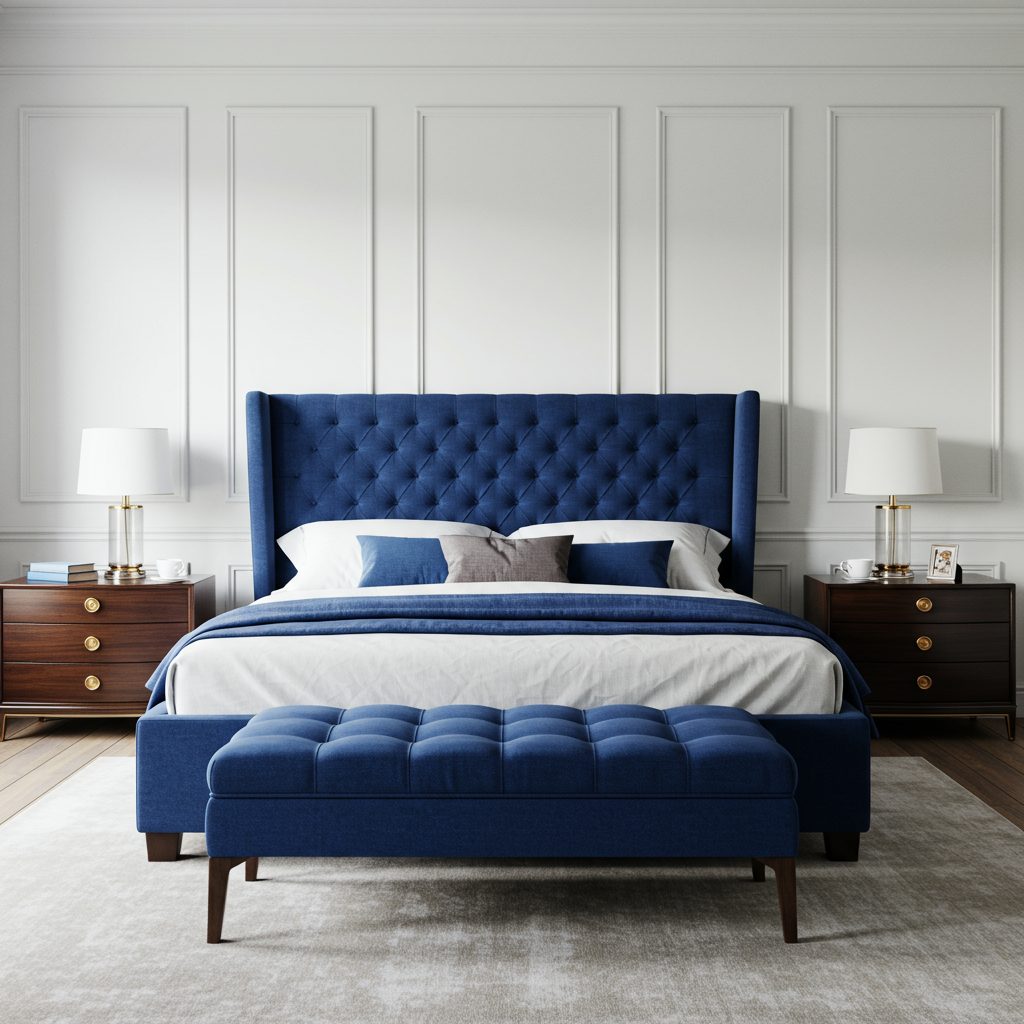
Platform Beds with Built-In Drawers: The Ultimate Space Saver
• Overview of Platform Bed Designs with Integrated Drawer Systems
The Low-Profile Game Changer
Platform beds are basically the Swiss Army knife of bedroom furniture, and I wish someone had told me about them years ago. Unlike traditional bed frames that need a box spring, these clever designs sit low to the ground with a solid base that supports your mattress directly. The real magic happens underneath, though – that’s where the drawer systems live.
Most platform beds come with either side drawers (usually two to four on each side) or end drawers that pull out from the foot of the bed. I’ve got the side drawer setup, and it’s brilliant because you can access storage from both sides without having to move the bed around. The integrated design means everything looks seamless too, not like you’ve just shoved some random storage boxes under there.
• Weight Capacity Considerations for Storing Heavy Items
Don’t Make My Rookie Mistake
Right, here’s where I learned a proper lesson the hard way. When I first got my platform bed, I thought “brilliant, I’ll store all my uni textbooks and winter coats in here!” Big mistake. Most platform bed drawers can handle about 30-50 pounds each, but I was cramming them full of books like they were industrial storage units.
The drawer slides started getting wonky after about six months, and one drawer completely came off its tracks. Turns out I was putting closer to 80 pounds in each drawer – whoops! Now I use them for lighter stuff like bedding, clothes, and seasonal items. Save the heavy books and equipment for proper storage solutions. Your drawer mechanisms will thank you for it.
• Easy-Access Drawer Configurations and Soft-Close Mechanisms
Smooth Operation is Everything
The difference between cheap drawer slides and quality ones is like night and day. My first platform bed had basic metal slides that sounded like a freight train every time I opened them – not ideal when you’re trying to grab pyjamas without waking your flatmate at 6 am.
Soft-close mechanisms are worth every penny. They prevent that awful slamming sound and protect the drawer fronts from damage. The best configurations I’ve seen have full-extension slides, which means you can pull the drawer completely out to access everything at the back. Some newer models even have push-to-open systems, so you just press the drawer front and it pops open – dead handy when your hands are full.
• Material Options from Solid Wood to Engineered Alternatives
Wood Types and What Actually Matters
Solid wood platform beds look gorgeous and last forever, but they’ll cost you a fair bit – we’re talking £600-1200 for a decent queen size. I went with engineered wood (basically high-quality particle board with a veneer) for my first one, and honestly, it’s held up brilliantly for three years now.
The key is looking for furniture-grade engineered wood, not the cheap stuff that falls apart if you look at it wrong. MDF with a laminate finish is another solid option that’s budget-friendly but still looks proper smart. Pine and oak are lovely if you can stretch the budget, but for most of us, a well-made engineered option does the job perfectly fine.
• Assembly Requirements and Apartment-Friendly Installation Tips
Assembly Without the Tears
Platform beds are generally easier to assemble than traditional bed frames, but don’t let that fool you into thinking it’s a quick job. Set aside a proper afternoon for this – I made the mistake of trying to rush it on a Sunday evening and ended up with wonky drawers that I had to redo.
Most come flat-packed with everything you need, but having a proper electric screwdriver makes life so much easier. The trickiest bit is usually getting the drawer slides aligned perfectly – take your time with this bit because if they’re off, your drawers will stick forever. Also, assemble it in the room where it’s staying if possible; these things are heavy once they’re built!
• Top 3 Platform Bed Recommendations with Pricing and Features
My Tried and Tested Picks
After helping three mates choose platform beds and going through two myself, here are the ones that actually deliver. The IKEA Brimnes (around £280) is brilliant for tight budgets – four spacious drawers and surprisingly sturdy for the price, though the drawer slides aren’t the smoothest.
For mid-range, the Wayfair Reece platform bed (£450-550) has been my go-to recommendation. Soft-close drawers, full-extension slides, and it looks way more expensive than it is. The assembly’s straightforward too, which is always a bonus.
Transform your bedroom with smart storage! Check out the IKEA Brimnes alternative – our Lizzy Ottoman Bed offers superior drawer mechanisms and soft-close technology at an unbeatable price.
Hydraulic Lift Storage Beds: Maximum Storage Capacity
• How Hydraulic Lift Mechanisms Work and Their Durability
The Engineering Behind the Magic
Right, so hydraulic lift beds are basically like having a massive treasure chest that you sleep on top of. The mechanism uses gas pistons (similar to what’s in your car boot) to lift the entire mattress and bed base up, revealing a cavernous storage space underneath. It’s proper clever engineering, and when I first saw one in action, I was genuinely amazed.
The pistons do all the heavy lifting for you – literally. You just give the mattress a gentle pull, and it rises smoothly without any effort on your part. Most quality systems are rated for about 10,000-15,000 lift cycles, which works out to roughly 20-30 years of daily use. I’ve had mine for four years now, and the mechanism still works like it’s brand new. The key is buying from a reputable manufacturer, though – cheap hydraulic systems can fail within months.
• Storage Volume Comparison – Up to 30 Cubic Feet of Space
Absolutely Mental Storage Capacity
This is where hydraulic lift beds absolutely smash every other storage option. We’re talking about 25-30 cubic feet of storage space under a queen bed – that’s roughly equivalent to a large wardrobe! When I measured my storage area, it came out to about 28 cubic feet, which is mental when you think about it.
To put that in perspective, my old chest of drawers held maybe 8 cubic feet, and my wardrobe was about 35 cubic feet. So this one bed basically replaced most of my bedroom storage furniture. I can fit my entire winter wardrobe, spare bedding, suitcases, and still have room left over. It’s like having a secret room under your bed – proper game-changing stuff for small flats.
• Safety Features and Weight Distribution Considerations
Don’t Ignore the Safety Bits
Here’s something that scared me initially – what happens if the hydraulic system fails while you’re sleeping? Quality lift beds have multiple safety features that prevent catastrophic failure. Most have safety struts that lock the bed in the raised position, and the gas pistons are designed to fail slowly rather than suddenly.
Weight distribution is crucial, though. The storage area needs to be loaded evenly, or you’ll put uneven stress on the mechanism. I learned this when I stored all my books on one side – the bed started lifting unevenly, which isn’t good for the pistons. Now I make sure heavy items are spread out, and I never exceed the recommended storage weight of about 150-200 pounds total.
• Best Items to Store in Lift-Up Compartments
What Works and What Doesn’t
The beauty of lift storage is that you can store larger items that wouldn’t fit in drawers. I keep my winter duvets, out-of-season clothes, spare pillows, and suitcases in there. It’s brilliant for bulky stuff that you don’t need regular access to. Christmas decorations, camping gear, extra blankets – all perfect candidates.
What doesn’t work so well? Daily-use items that you need quick access to. Getting into the storage means lifting the entire bed, which isn’t practical if you need something every day. Also, avoid storing anything fragile or valuable down there – whilst it’s secure, it’s not exactly gentle when you’re moving the bed around. I made the mistake of storing some photo albums in there once, and they got a bit battered.
• Installation Requirements and Ceiling Height Considerations
Measure Twice, Buy Once
This is absolutely crucial – you need proper ceiling clearance for these beds to work. When the bed lifts up, it needs about 3-4 feet of space above the mattress. My ceiling is 8 feet high, and with a 10-inch mattress, I’ve got just enough room. Any lower and you’d be in trouble.
Most hydraulic beds come pre-assembled or with minimal assembly required, which is a blessing because the mechanism is quite complex. You’ll definitely need two people to move it into position, though – these things are heavy! The base alone weighs about 80-100 pounds before you add the mattress. Make sure your floor can handle the concentrated weight, too, especially in older buildings.
• Top 2 Hydraulic Lift Bed Recommendations with Pros and Cons
The Ones That Actually Deliver
After researching loads and trying two different models, I’ve got strong opinions on what works. The Ottoman Storage Bed from Dreams (£650-800) has been absolutely brilliant. The hydraulic system is smooth as butter, massive storage capacity, and it’s held up perfectly for four years. The only downside is that the fabric upholstery can be a pain to keep clean, and the colour options are a bit limited.
For a budget option, the Birlea Phoenix lift bed (£400-550) is decent value. The storage space is slightly smaller, and the hydraulic mechanism isn’t quite as smooth, but it does the job well enough. The main cons are that it can be a bit noisy when lifting, and the build quality feels less premium. But if you’re on a tight budget and need maximum storage, it’s a solid choice that won’t break the bank. Experience the ultimate in storage capacity! The Sophia Ottoman Bed features premium hydraulic lift mechanisms with 30+ cubic feet of storage space – perfect for seasonal clothing and bulky items.
Under-Bed Storage Solutions: Affordable and Flexible Options
• Rolling Storage Bins and Their Mobility Advantages
Wheels Make All the Difference
I used to think wheels on storage boxes were just a gimmick until I tried dragging a heavy container out from under my bed without them. What a nightmare that was! Rolling storage bins are absolute lifesavers, especially when you’re dealing with the awkward space under a standard bed frame.
The mobility factor is huge – you can easily pull out exactly what you need without having to shift everything around. I’ve got four rolling bins under my bed now, and I can access any of them in seconds. The key is getting ones with proper swivel wheels, not those cheap fixed ones that only roll in one direction. Trust me, spending an extra tenner on decent wheels will save your back and your sanity. Most good rolling bins hold about 30-40 litres, which is perfect for seasonal clothes or spare bedding.
• Vacuum-Sealed Storage Bags for Seasonal Clothing
Space-Saving Magic (When It Works)
Vacuum storage bags are brilliant in theory, and mostly brilliant in practice too. I can fit my entire winter wardrobe into three large bags that take up maybe a quarter of the space they would normally. The compression is mental – thick jumpers that used to fill half a drawer now squash down to practically nothing.
But here’s the thing nobody tells you – not all vacuum bags are created equal. I’ve had cheap ones that lost their seal after a few months, and suddenly my compressed clothes were expanding like some weird science experiment under my bed. Invest in proper quality bags with double-zip seals. Also, don’t vacuum-pack anything with down filling or delicate fabrics – learned that lesson the hard way when I ruined a lovely wool coat.
• Modular Storage Systems That Adapt to Different Bed Heights
One Size Doesn’t Fit All
This is where modular systems really shine. My first flat had a low platform bed, my current place has a higher traditional frame, and my modular storage cubes work perfectly with both. You can stack them, separate them, or arrange them however fits your space best.
The IKEA Skubb system has been my go-to for years – dead simple, cheap as chips, and you can buy extra pieces as needed. Each cube is about 44cm square, so they fit perfectly under most beds. The beauty is that when you move house (and let’s face it, us renters move a lot), you just reconfigure the system to fit your new space. No need to buy entirely new storage solutions every time.
• Clear Containers Versus Fabric Options for Easy Identification
The Great Visibility Debate
I’ve tried both, and honestly, each has its place. Clear plastic containers are brilliant when you need to find something quickly – no more playing guessing games about which box contains your summer clothes. You can see everything at a glance, which is proper handy when you’re rushing to get ready.
Fabric options look nicer and are usually cheaper, but they’re useless when you’re trying to remember where you put something specific. I’ve ended up with a hybrid system – clear containers for frequently accessed stuff like seasonal clothes, and fabric boxes for long-term storage like Christmas decorations. The fabric ones also handle moisture better, which brings me to my next point…
• Dust Protection and Moisture Control Considerations
The Hidden Enemies of Under-Bed Storage
Nobody warns you about the dust situation under beds. It’s like a dust bunny breeding ground down there! I learned this the hard way when I pulled out a fabric storage box after six months and found everything covered in a fine layer of dust. Now I only use containers with proper lids, and I give the under-bed area a quick hoover every few weeks.
Moisture is the other sneaky problem, especially in ground-floor flats or older buildings. I had some clothes develop a musty smell after storing them in basic cardboard boxes. Now I chuck a few silica gel packets (you know, those little sachets from shoe boxes) into each container. Proper game-changer for keeping everything fresh and dry. Cedar blocks work well too and smell loads better than chemical moisture absorbers.
• Budget-Friendly DIY Storage Hacks Using Everyday Items
Making Do with What You’ve Got
Before I invested in proper storage solutions, I got quite creative with everyday items. Large suitcases make brilliant under-bed storage – they’re already designed to be packed efficiently, and you’re probably not using them most of the time anyway. I stored my entire summer wardrobe in an old suitcase for two years.
Cardboard boxes from online deliveries can work short-term if you reinforce them with packing tape. I covered mine with contact paper to make them look less rubbish, and they lasted about a year before falling apart. Plastic shopping bags aren’t ideal for long-term storage, but they’re perfect for quick seasonal swaps. The key is being realistic about how long these DIY solutions will last and upgrading gradually when you can afford proper storage containers. Need flexible storage solutions? Learn more about maximizing small spaces with our comprehensive guide to apartment-friendly storage beds and space-saving techniques.
Ottoman Storage Beds: Style Meets Function
• Upholstered Ottoman Bed Designs and Fabric Choices
The Fabric Makes or Breaks the Look
Ottoman beds are basically the posh cousin of regular storage beds, and the fabric choice is absolutely crucial. I learned this lesson when I first bought a cheap ottoman bed in what I thought was a lovely grey velvet. Turns out it was some synthetic nonsense that looked proper cheap and attracted every bit of fluff and pet hair in the flat.
The design options are mental these days – you’ve got everything from classic button-tufted headboards to sleek modern styles with clean lines. Linen and cotton blends are brilliant for everyday use because they’re durable and easy to clean. Velvet looks gorgeous but shows every mark, whilst leather (or faux leather) is practically indestructible but can feel a bit cold. I’ve settled on a textured weave fabric that hides minor stains and still looks smart after three years of proper use.
• Storage Capacity in the Base and Footboard Areas
More Space Than You’d Think
The storage capacity in Ottoman beds is seriously impressive, though it varies depending on the design. My current one has a massive base compartment that holds about 20 cubic feet – that’s enough for my entire winter wardrobe plus spare bedding. The lift-up mechanism reveals this cavernous space that’s perfect for bulky items you don’t need regular access to.
Some models also have storage in the footboard area, which is brilliant for smaller items like shoes or accessories. The footboard storage usually opens with drawers or a flip-up panel, so you can access it without lifting the entire mattress. It’s not huge – maybe 3-4 cubic feet – but every bit helps in a small flat. The base storage is where the real magic happens, though; it’s like having a massive chest hidden under your bed.
• Comfort Considerations for Sitting and Lounging
It’s Not Just About Sleeping
Here’s something I didn’t consider when buying my first ottoman bed – you’ll probably end up sitting on it quite a bit. The edge needs to be the right height and firmness for perching whilst getting dressed or just lounging about. My bed is about 18 inches high, which is perfect for sitting, but anything much lower feels awkward.
The upholstered sides are actually quite comfortable for leaning against when you’re reading or watching telly in bed. Much nicer than a hard wooden bed frame digging into your back! The padding around the base also means you won’t hurt yourself if you accidentally kick it in the dark – something that happened embarrassingly often with my old metal bed frame.
• Colour Coordination with Existing Apartment Decor
Getting the Colour Right is Everything
This is where I made a proper mess of things initially. I fell in love with a gorgeous, deep blue ottoman bed without considering that my flat has warm-toned everything – wooden floors, cream walls, brass fixtures. The blue looked completely out of place and made the whole room feel disjointed.
Neutral colours are your safest bet – greys, beiges, and soft browns work with pretty much any decor style. If you want to add colour, consider what you’ve already got in the room. I eventually went with a warm grey that picks up the tones in my wooden furniture, and it looks loads better. The bed should complement your space, not dominate it. Also, think about how the colour will age – that trendy mustard yellow might look dated in a few years.
• Maintenance and Cleaning Requirements for Upholstered Surfaces
The Reality of Fabric Care
Nobody tells you how much maintenance upholstered beds require until you’re dealing with mysterious stains and wondering how to clean them. Different fabrics need completely different care approaches, and it’s worth knowing this before you buy.
My current linen-blend fabric can handle spot cleaning with a damp cloth for most spills, but anything more serious needs professional cleaning. I learned to treat stains immediately – leaving them even for a day makes them much harder to shift. Velvet needs special brushes to maintain the pile, and leather needs conditioning every few months. I keep a fabric protector spray handy and give the bed a light spray every six months, which has saved me from several potential disasters.
• Top 2 Ottoman Storage Bed Recommendations
The Ones That Actually Deliver
After trying three different ottoman beds and helping mates choose theirs, I’ve got strong opinions on what works. The Dreams Toulouse ottoman bed (£550-750) has been absolutely brilliant. The hydraulic lift mechanism is smooth as anything, the storage space is massive, and the fabric quality is proper good. The button-tufted headboard looks expensive, and it’s held up perfectly for two years. Only downside is the limited colour options – they only do it in about four shades.
For a budget option, the Wayfair Ophelia ottoman bed (£350-450) is a decent value. The storage capacity is slightly smaller, and the fabric feels less premium, but it does the job well enough. The lift mechanism isn’t quite as smooth, and you can hear it creak a bit when opening, but for the price difference, it’s a solid choice. The colour range is better too – loads of options to match different decor styles. Just don’t expect it to last as long as the pricier options. Upgrade to luxury storage! The Evie Ottoman Bed combines elegant upholstered design with massive base storage – perfect for style-conscious apartment dwellers who need serious storage capacity.
Captain’s Beds: Traditional Storage with Modern Appeal
Classic Design Elements and Naval Heritage
Right, so I had no clue about this until I started researching captain’s beds properly. These things actually come from old ship cabins where space was absolutely precious. Naval officers needed beds that doubled as storage for their gear during long voyages. The original designs featured sturdy wooden platforms with built-in compartments underneath – basically the first “multi-functional furniture” centuries before IKEA made it trendy.
Drawer Configurations That Actually Work
• Single-side drawers: Three to four deep drawers along one side – perfect for smaller rooms
• Double-side storage: Drawers on both sides if you’ve got the floor space (need 60cm clearance each side, learned that the hard way!)
• Mixed storage options: Some drawers plus open cubbies for books or decorative bits
I made the mistake of getting a six-drawer model without measuring my room properly. Couldn’t open half the drawers because my wardrobe was in the way – felt like a proper numpty!
Bookshelf Integration Benefits
The headboard storage is where these beds really shine. Built-in shelving keeps your bedtime reading within arm’s reach without needing separate furniture. I’ve got mine set up with books on the lower shelves and a small lamp on top. It’s brilliant for small spaces because you’re using vertical space that would otherwise be wasted.
Why Solid Wood Construction Matters
• Durability: My first captain’s bed was particleboard – lasted about 18 months before the drawers went wonky
• Weight capacity: Solid wood handles heavy storage loads without sagging or breaking
• Drawer mechanisms: Better quality slides that stay smooth for years
• Long-term value: Costs more upfront, but you’re looking at decades of use
Trust me on this one – don’t go cheap on the construction. I learned that lesson the expensive way.
Space Planning for Drawer Clearance
This bit’s crucial and often overlooked. You need a minimum of 60cm clearance for drawers to open fully, sometimes more for deeper models. I always sketch out the room layout first now, marking where furniture sits and how the drawers will open. Also consider the bed height – some captain’s beds sit quite high off the ground, which affects the room’s visual proportions.
Modernising Traditional Designs
• Lighter wood tones: Ash or maple instead of heavy mahogany
• Clean hardware: Swap ornate brass for brushed steel or matte black pulls
• Platform styles: Lower profile designs feel less bulky in contemporary spaces
• Minimal bedding: Let the bed be the statement piece
The trick is keeping that classic functionality whilst making it feel current. I paired mine with simple white bedding and kept the surrounding décor quite minimal.
Best Options for Contemporary Apartments
For modern flats, look for single-sided drawer configurations if space is tight. Platform-style captain’s beds work better than traditional raised frames – they don’t dominate the room visually. I’d recommend models with integrated USB charging ports too, because let’s face it, we all need somewhere to charge our phones overnight.
The storage capacity is genuinely impressive – I fit an entire season’s worth of clothes in mine, plus spare bedding and random bits you accumulate in small spaces. Love traditional style with modern function? The Lunar Ottoman Bed offers classic design elements with contemporary storage solutions – ideal for apartments that need both style and substance.
Smart Shopping Tips: How to Choose the Right Storage Bed
Measuring Your Space Accurately Before Purchasing
I cannot stress this enough – measure twice, buy once! Made this mistake spectacularly when I ordered my first storage bed online. Thought I’d eyeballed the dimensions correctly, but when it arrived, the thing barely fit through my bedroom door. You need to measure not just the floor space, but also doorways, stairwells, and any tight corners the delivery team will navigate.
Don’t just measure the bed’s footprint either. Factor in at least 60-70cm clearance around drawers and lifting mechanisms. I learned this when my mate couldn’t open his ottoman-style storage bed because it was too close to the radiator. Also check ceiling height if you’re looking at bunk-style storage beds – nothing worse than banging your head every morning!
Weight Limits and Structural Considerations
• Floor loading: Most modern flats handle standard furniture fine, but heavy, solid wood storage beds can push 150-200kg when loaded
• Upper floor considerations: Check with your landlord if you’re in an older building – some have weight restrictions
• Foundation support: Ensure your floor joists can handle concentrated weight loads
• Mattress weight: Factor in your mattress weight plus stored items – it adds up quickly
My downstairs neighbour wasn’t thrilled when my oak storage bed made their ceiling creak every time I moved about. Worth checking if you’re in a converted flat or older building.
Assembly Complexity and Tool Requirements
Storage beds aren’t like regular bed frames – they’re proper furniture projects. Most require 4-6 hours assembly time, sometimes more for complex drawer systems. I spent an entire weekend building mine because I didn’t read the instructions properly first time around.
Check what tools you’ll need beforehand. Basic models need standard screwdrivers and an Allen key set, but some require power drills or specific bits. The hydraulic lift mechanisms on Ottoman beds can be particularly fiddly – definitely worth having someone help with those.
Warranty Coverage and Customer Service Reputation
This bit’s crucial because storage beds have more moving parts than regular beds. Look for a minimum 5-year warranty on the frame and 2-3 years on mechanisms like drawer slides or hydraulic lifts. I had drawer runners fail after 18 months on a cheap model – the manufacturer was useless about replacement parts.
Research the company’s customer service reputation before buying. Check how they handle warranty claims and whether replacement parts are readily available. Some smaller manufacturers disappear after a few years, leaving you stuck with broken hardware.
Reading Reviews and Identifying Common Issues
• Drawer alignment problems: Super common with flat-pack storage beds
• Hydraulic lift failures: Ottoman-style beds often have issues after 2-3 years
• Assembly difficulties: Look for reviews mentioning unclear instructions or missing parts
• Noise complaints: Squeaky drawers or creaky frames drive you mental long-term
I always read the 3-star reviews first – they’re usually most honest about real-world problems. Five-star reviews can be fake, one-star reviews are often user error, but three-star reviews tell you the genuine issues.
Budget Planning and Financing Options
Quality storage beds aren’t cheap – expect £400-1200 for something decent. I initially tried to go budget at £200 and regretted it within months. Better to save up for solid construction than replace cheap furniture repeatedly.
Many retailers offer 0% finance deals, which can be brilliant if you’re disciplined about payments. Just watch out for arrangement fees and what happens if you miss payments. Some stores do “buy now, pay later” schemes too, though the interest rates can be brutal if you’re not careful.
Consider the cost per year of use – a £800 bed lasting 15 years works out cheaper than a £300 bed you replace every 3 years. Plus, you get better storage capacity and build quality with the pricier options.
Factor in delivery costs too – these things are heavy and often require two-person delivery teams. Make the right choice for your space! Read our complete Ottoman bed buying guide to avoid costly mistakes and find the perfect storage solution for your apartment lifestyle.
Conclusion
Transforming your small apartment bedroom doesn’t have to break the bank or compromise on style. These seven queen size bed storage options prove that smart design can solve even the trickiest space challenges! From hydraulic lift beds that offer massive storage capacity to budget-friendly under-bed organisers, there’s a perfect solution for every apartment dweller.
Remember, the best storage bed is one that fits your lifestyle, budget, and space constraints. Take time to measure your room, consider your storage needs, and think about how you’ll use the space daily. Your future organised self will thank you!
Ready to reclaim your bedroom space? Start by measuring your room and identifying your biggest storage challenges. Then revisit this guide to find the perfect queen size storage solution that’ll transform your apartment living experience. Ready to reclaim your bedroom space? Start with our bestselling Aniya Ottoman Bed – the perfect combination of style, storage, and apartment-friendly design that transforms cramped spaces into organised sanctuaries!
Frequently Asked Questions About Queen Size Storage Beds for Apartments
Q: What is the best queen size storage bed for small apartments?
The best queen size storage bed for small apartments is typically a hydraulic lift ottoman bed, offering 25-30 cubic feet of storage space beneath the mattress. These beds maximise storage capacity while maintaining a compact footprint, making them ideal for studio apartments and cramped bedrooms where every square inch matters.
Q: How much storage space do queen size storage beds actually provide?
Queen size storage beds provide varying amounts of storage space depending on the design type. Platform beds with drawers offer 8-12 cubic feet of organised storage, while hydraulic lift ottoman beds provide the maximum capacity of 25-30 cubic feet – equivalent to a large wardrobe’s worth of space for seasonal clothing, bedding, and apartment essentials.
Q: Are storage beds worth the extra cost compared to regular bed frames?
Storage beds are definitely worth the extra cost for apartment living because they replace multiple furniture pieces. A quality storage bed eliminates the need for separate nightstands, dressers, and storage chests, saving both money and floor space. The cost per square foot of storage is significantly lower than buying individual furniture pieces for small apartments.
Q: What should I store in my queen size storage bed compartments?
Store seasonal items, spare bedding, and infrequently used belongings in your queen size storage bed compartments. Ideal items include:
- Winter clothing and heavy coats
- Extra pillows and comforters
- Suitcases and travel gear
- Holiday decorations
- Books and documents
Avoid storing daily-use items or fragile belongings that require frequent access.
Q: How do I choose between platform beds with drawers vs ottoman lift storage beds?
Choose platform beds with drawers for easy daily access to organised storage compartments, perfect for clothing and frequently used items. Select ottoman lift storage beds for maximum storage capacity and bulky items like seasonal bedding. Platform beds work better in tight spaces with limited clearance, while ottoman beds require adequate room for the lifting mechanism to operate safely.