
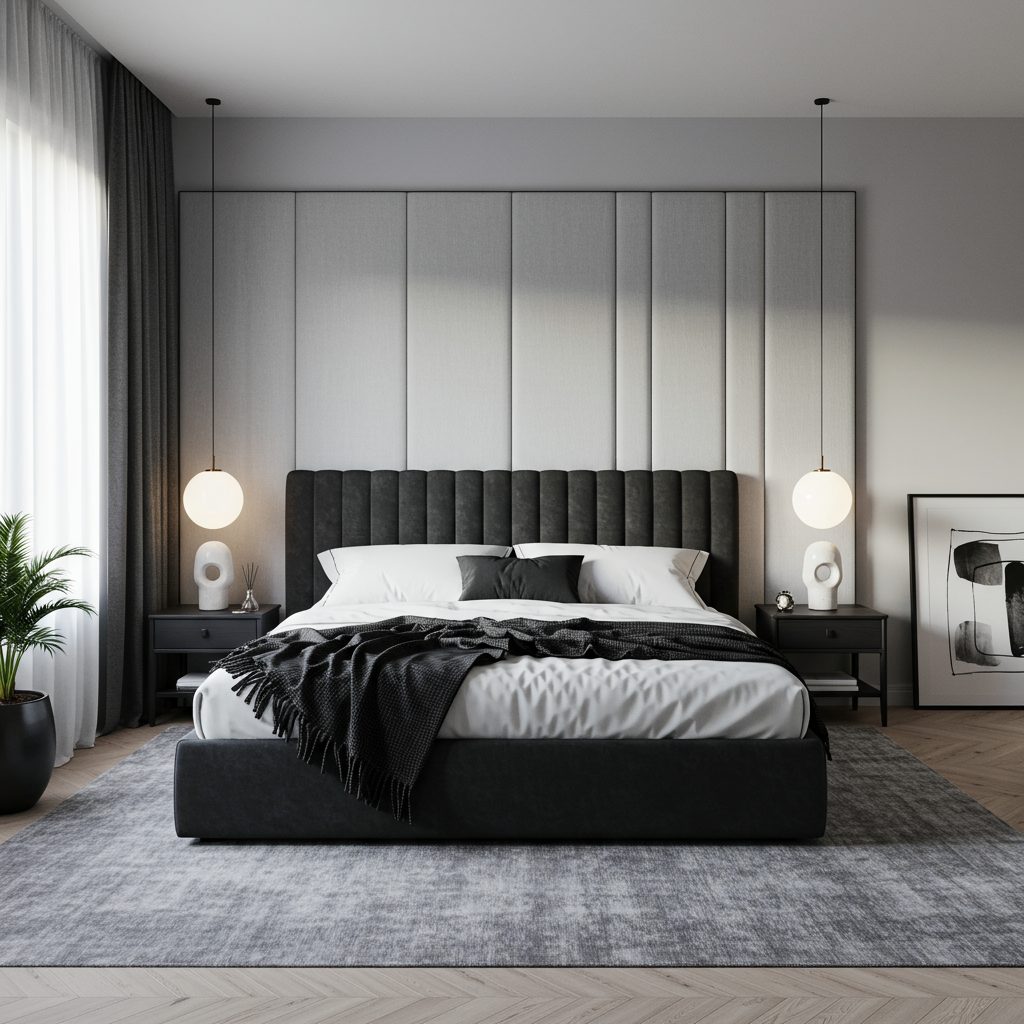
Ottoman Bed Features That Make Your Ottoman King Size Bed Frame with Storage the Ultimate Bedroom Solution in 2025
Did you know that the average bedroom wastes over 40% of its potential storage space? That’s where Ottoman beds come to the rescue! I’ve been researching bedroom storage solutions for years, and nothing beats the ingenious design of an ottoman king size bed frame with storage. These aren’t just beds – they’re complete storage systems disguised as luxurious sleeping spaces.
Whether you’re dealing with a cramped apartment or simply want to maximise your bedroom’s potential, understanding the key features of ottoman beds will revolutionise how you think about bedroom furniture. From gas-lift mechanisms that make accessing storage effortless to reinforced frames that support both your mattress and your belongings, every feature serves a purpose. Let’s dive into what makes these beds the ultimate bedroom game-changer! Ready to transform your bedroom with 40% more storage space? Discover our premium collection of Ottoman king size bed frames that combine revolutionary gas-lift technology with luxurious comfort.
Revolutionary Gas Lift Mechanisms That Define Quality Ottoman Beds
Hydraulic vs Pneumatic Lift Systems and Their Durability Differences
The heart of any quality ottoman bed lies in its lifting mechanism, and understanding the difference between hydraulic and pneumatic systems can make or break your investment. Hydraulic systems use fluid pressure to create lifting power, offering incredibly smooth and controlled movement that feels almost effortless when you’re accessing your storage space. These systems typically last 15-20 years with proper care and can handle heavier loads without compromising performance.
Pneumatic systems, on the other hand, rely on compressed air or gas to generate a lifting force. While they’re generally more affordable upfront, they tend to lose pressure over time and may require replacement every 5-10 years. However, modern pneumatic systems have improved significantly, with many featuring sealed chambers that maintain consistent pressure for years. The key difference you’ll notice is that hydraulic systems provide more consistent lifting power throughout their lifespan, while pneumatic systems may gradually become harder to operate as seals wear down.
For king size ottoman beds, hydraulic systems are often the preferred choice due to their superior weight-handling capabilities and longevity. The initial investment pays off when you consider the replacement costs and potential inconvenience of a failing pneumatic system.
Weight Capacity Considerations for Different Lift Mechanisms
Weight capacity isn’t just about how much your mattress weighs – it’s about the total load your ottoman bed will handle daily. Quality gas lift mechanisms for king-size beds should support at least 150-200 pounds of combined mattress and storage weight, but premium systems can handle up to 300 pounds or more.
The weight distribution matters just as much as total capacity. When you’re storing heavy items like winter clothing, books, or seasonal decorations, the lift mechanism needs to maintain smooth operation regardless of how the weight is distributed across the storage area. Look for systems with multiple gas struts (typically 2-4 for king size beds) that work in tandem to distribute the load evenly.
Consider your specific storage needs when evaluating weight capacity. If you plan to store heavy items like exercise equipment or large seasonal decorations, invest in a system rated for higher weight limits. Remember that exceeding the recommended weight capacity doesn’t just make the bed harder to operate – it can cause premature wear and potential safety hazards.
Smooth Operation Features That Prevent Slamming and Ensure Safety
The difference between a quality ottoman bed and a mediocre one becomes immediately apparent when you lift the mattress platform. Premium gas lift mechanisms incorporate soft-close technology that prevents the heavy mattress platform from slamming shut, protecting both your fingers and the bed frame from damage.
Look for systems with controlled descent features that slow the closing motion as the platform approaches the base. This isn’t just about convenience – it’s a crucial safety feature that prevents injuries and extends the life of your bed frame. Quality mechanisms also include stay-open features that hold the platform at various angles, allowing you to access storage without having to hold the heavy mattress platform open with one hand.
Anti-bounce technology is another hallmark of superior gas lift systems. This feature prevents the platform from bouncing or oscillating when you’re accessing storage, creating a stable and safe environment for retrieving your belongings. Some premium systems even include position memory features that return the platform to your preferred opening angle automatically.
Maintenance Requirements for Long-Lasting Lift Performance
Proper maintenance can extend the life of your gas lift mechanism from years to decades. The good news is that quality systems require minimal maintenance – usually just periodic cleaning and occasional lubrication of moving parts. Avoid using harsh chemicals on gas struts, as these can damage seals and reduce performance.
Keep the lifting mechanism clean and free from dust and debris, particularly around the piston rods and mounting points. A simple wipe-down with a damp cloth every few months is usually sufficient. Pay attention to any changes in lifting performance, such as increased resistance or uneven operation, as these can indicate developing issues that are easier to address early.
For hydraulic systems, check for any signs of fluid leakage around seals and connections. While these systems are generally very reliable, catching small leaks early can prevent more significant problems down the road. Most quality manufacturers provide detailed maintenance guidelines and may offer professional servicing options for complex issues.
How Lift Angle Affects Storage Accessibility and Ease of Use
The angle at which your ottoman bed opens dramatically impacts how easily you can access your stored items. Most quality systems open to at least 45 degrees, but premium mechanisms can achieve 60-75 degree opening angles for maximum accessibility. The wider opening angle means you can reach items stored at the foot of the bed without having to crawl partially under the raised platform.
Consider the height of your ceiling when evaluating lift angles. A bed that opens to 75 degrees needs more clearance than one that opens to 45 degrees. Measure your space carefully, accounting for any overhead fixtures, ceiling fans, or sloped ceilings that might interfere with full operation.
The lift angle also affects the stability of the open platform. Systems that open to extreme angles (over 80 degrees) may feel less stable and require more robust safety features to prevent accidental closure. The sweet spot for most users is between 60-70 degrees, providing excellent access while maintaining platform stability and safety.
Some advanced systems offer adjustable stop positions, allowing you to set custom opening angles based on your room’s constraints and personal preferences. This flexibility is particularly valuable in rooms with unique layouts or space limitations. Experience the difference of premium hydraulic lift systems! Browse our collection of ottoman beds featuring smooth, effortless operation and 15-20 year durability.
Storage Capacity Features That Maximise Your Bedroom Space
Internal Storage Dimensions and Volume Calculations for King Size Frames
When you’re investing in a king size ottoman bed, understanding the actual storage capacity can mean the difference between a clutter-free bedroom and continued storage frustrations. Most king size ottoman beds offer between 15-25 cubic feet of storage space – that’s equivalent to roughly 8-12 large storage boxes! To put this in perspective, you could easily store an entire season’s worth of clothing, extra bedding, and seasonal decorations in a single bed.
The internal dimensions typically measure around 72 inches long by 72 inches wide, with depths ranging from 8-14 inches depending on the bed’s overall height and frame design. However, these raw numbers don’t tell the whole story. The actual usable space depends on the frame construction, with some designs featuring internal support beams that reduce storage volume by 10-15%.
Calculate your specific storage needs before purchasing by measuring your current storage items. A standard comforter takes up about 2-3 cubic feet when compressed, while a full set of seasonal clothing might require 4-6 cubic feet. Remember that you’ll want to leave some space for air circulation and easy access, so plan to use about 80% of the total capacity for optimal organisation.
Premium ottoman beds often feature deeper storage compartments (12-14 inches) that can accommodate bulkier items like thick winter coats, sleeping bags, or even small furniture pieces. This extra depth can increase your storage capacity by 30-40% compared to standard 8-10 inch deep compartments.
Compartment Organisation Options and Divider Systems
The difference between organised storage and a chaotic jumble lies in smart compartmentalisation. Quality ottoman beds offer various divider systems that transform the large storage space into manageable sections. Fixed dividers create permanent compartments perfect for separating different types of items – imagine having dedicated sections for bedding, seasonal clothing, and personal items.
Adjustable divider systems provide ultimate flexibility, allowing you to reconfigure your storage layout as your needs change. These systems typically use removable panels or modular components that can create anywhere from 2-6 separate compartments. Some premium models feature sliding dividers that can be repositioned without removing stored items.
Fabric organisers and storage boxes designed specifically for ottoman beds maximise the compartmentalisation benefits. These accessories often feature handles for easy removal and breathable materials that protect stored items. Look for systems that include clear labelling options or transparent panels so you can quickly identify contents without opening every compartment.
Consider your storage habits when choosing divider options. If you prefer to store items in their original containers or bags, fewer, larger compartments work best. If you like to separate items by category or season, multiple smaller compartments with adjustable dividers provide better organisation. Some users find that a combination approach – one large compartment for bulky items and several smaller ones for frequently accessed items – works perfectly.
Weight Distribution Features That Protect Stored Items
Proper weight distribution isn’t just about protecting your lift mechanism – it’s crucial for safeguarding your stored belongings. Quality ottoman beds incorporate reinforced flooring systems that distribute weight evenly across the entire storage area, preventing sagging that could damage delicate items or create uneven surfaces.
Look for beds with multiple support points across the storage floor, typically spaced 12-18 inches apart. These support beams prevent the storage floor from flexing under heavy loads and ensure that weight is transferred to the bed’s main frame rather than concentrated in specific areas. Some premium designs feature honeycomb or grid support systems that provide exceptional strength while maintaining maximum storage volume.
Edge reinforcement is equally important, particularly around the perimeter where the storage floor meets the frame walls. This reinforcement prevents items from shifting during bed movement and protects against damage from sharp corners or edges. Quality beds often include padded edges or rounded corners that further protect stored items.
Consider the weight distribution of your stored items when loading your ottoman bed. Place heavier items toward the centre and lighter, more delicate items around the edges. Distribute weight as evenly as possible to prevent stress concentration that could affect both the storage system and your belongings. Some manufacturers provide weight distribution guidelines that specify maximum loads for different areas of the storage compartment.
Ventilation Systems That Prevent Moisture and Odour Buildup
Enclosed storage spaces can quickly become breeding grounds for moisture, mould, and unpleasant odours without proper ventilation. Quality ottoman beds incorporate sophisticated ventilation systems that maintain air circulation while keeping dust and debris out of your storage area. These systems typically include strategically placed vents that allow air to flow through the storage compartment without compromising the bed’s structural integrity.
Passive ventilation systems use natural air movement and temperature differences to circulate air through the storage space. These systems often feature mesh panels or perforated sections that allow airflow while filtering out dust and small particles. The placement of these vents is crucial – they’re typically positioned to create cross-flow ventilation that prevents stagnant air pockets.
Some premium ottoman beds feature active ventilation systems with small, quiet fans that ensure consistent air circulation. These systems are particularly valuable in humid climates or for storing items that are prone to moisture damage. The fans are usually battery-operated or connected to low-voltage systems that consume minimal energy while providing continuous air movement.
Moisture-absorbing materials integrated into the storage area provide an additional layer of protection. Some beds include built-in desiccant chambers or moisture-wicking fabrics that help maintain optimal humidity levels. Cedar lining is another popular option that naturally repels insects while providing pleasant, fresh scenting and moisture control.
Access Points and Opening Angles for Optimal Storage Retrieval
The way you access your storage can make the difference between a convenient solution and a daily frustration. Most ottoman beds feature a single large access point created by lifting the entire mattress platform, but the opening angle and additional access features significantly impact usability. Premium beds open to 60-75 degrees, providing excellent visibility and reach into all corners of the storage space.
Consider beds with multiple access points for maximum convenience. Some designs feature side-opening panels or removable sections that allow you to access specific storage areas without lifting the entire mattress. This is particularly valuable for frequently used items or when you need to retrieve something quickly without disturbing a sleeping partner.
The height of the opened platform affects your ability to reach stored items comfortably. Calculate the total height by adding your bed’s height to the opening angle projection. For most people, a maximum reach height of 48-54 inches provides comfortable access without requiring step stools or awkward stretching. Taller individuals may prefer beds with wider opening angles that bring the storage floor closer to their natural reach.
Safety features around access points are crucial for preventing accidents and protecting stored items. Look for beds with soft-close mechanisms that prevent the platform from slamming shut unexpectedly, and stay-open features that hold the platform at your preferred angle. Some premium models include LED lighting systems that automatically illuminate the storage area when opened, making it easy to locate items even in low-light conditions.
Edge protection around access points prevents damage to both the bed frame and stored items during retrieval. Padded edges or rubber gaskets create a protective barrier that also helps seal the storage area when closed, contributing to better moisture and dust protection. Maximize your bedroom space with 15-25 cubic feet of organized storage! Explore our king size ottoman beds with intelligent compartment systems.
Frame Construction Features for Durability and Stability
Solid Wood vs Engineered Wood Frame Materials and Their Benefits
The foundation of any exceptional ottoman bed lies in its frame construction, and the choice between solid wood and engineered wood materials can dramatically impact both performance and longevity. Solid wood frames, typically crafted from hardwoods like oak, maple, or birch, offer unmatched durability and can easily last 20-30 years with proper care. These frames provide superior screw-holding power, which is crucial for ottoman beds that experience repeated stress from lifting mechanisms and heavy storage loads.
Solid wood’s natural strength means it can handle the dynamic forces created when you lift and lower the mattress platform thousands of times over the bed’s lifetime. The grain structure in quality hardwoods distributes stress naturally, preventing the concentrated weak points that can develop in lesser materials. However, solid wood frames typically cost 30-50% more than engineered alternatives and can be significantly heavier, making assembly and repositioning more challenging.
Engineered wood options, including high-grade plywood and laminated veneer lumber (LVL), offer compelling advantages for ottoman bed construction. Modern engineered woods can actually exceed solid wood in some strength characteristics, particularly resistance to warping and dimensional stability. These materials are manufactured to precise specifications, eliminating the natural variations that can sometimes create weak spots in solid wood.
The key is understanding the grade and construction of the engineered wood used. Premium ottoman beds use multi-ply construction with at least 13-15 layers, creating exceptional strength and screw-holding power. Lower-grade particle board or MDF should be avoided for structural components, though they may be acceptable for non-load-bearing panels when properly reinforced.
Consider your specific needs when choosing between materials. Solid wood excels in longevity and repairability – you can refinish, repair, or modify solid wood frames years down the road. Engineered wood offers consistent performance, lighter weight, and often better moisture resistance, making it ideal for humid environments or frequent moves.
Metal Reinforcement Systems and Corner Bracing Techniques
Even the strongest wood frame benefits from strategic metal reinforcement, and quality ottoman beds incorporate sophisticated bracing systems that dramatically increase structural integrity. Corner bracing represents the most critical reinforcement area, as corners experience the highest stress concentrations during lifting operations and weight loading.
Premium ottoman beds feature heavy-duty steel corner brackets that connect multiple frame members simultaneously. These brackets, typically made from 12-14 gauge steel, create rigid connections that prevent the frame from racking or twisting under load. Look for brackets that use both mechanical fasteners and structural adhesives for maximum holding power.
L-shaped and T-shaped metal braces provide additional reinforcement along frame edges and at critical stress points. These braces are particularly important where the lifting mechanism attaches to the frame, as these connection points experience significant leverage forces. Quality systems use through-bolts rather than screws for these critical connections, distributing loads across larger areas of the frame.
Cross-bracing systems underneath the storage area prevent the frame from flexing under heavy loads. These systems typically consist of steel cables or rigid metal struts that triangulate the frame structure, creating exceptional rigidity. Some premium designs incorporate adjustable tensioning systems that allow you to fine-tune the frame’s stiffness over time.
Hidden reinforcement systems maintain the bed’s aesthetic appeal while providing structural benefits. These might include steel plates laminated between wood layers, internal steel channels, or carbon fibre reinforcement strips. While not visible, these systems can increase frame strength by 40-60% compared to unreinforced construction.
Weight-Bearing Capacity Specifications for Mattress and Storage
Understanding weight-bearing specifications is crucial for both safety and longevity, but many consumers focus only on mattress weight capacity while ignoring the equally important storage load limits. Quality king size ottoman beds should support at least 600-800 pounds of mattress and occupant weight, but the storage capacity rating is often much lower, typically 150-300 pounds, depending on the frame construction and lifting mechanism.
The distribution of weight matters as much as total capacity. Point loads – concentrated weight in small areas – can exceed frame limits even when total weight is within specifications. Quality frames include load distribution systems that spread concentrated weights across multiple support points. This is particularly important for storing heavy items like books, exercise equipment, or seasonal decorations.
Dynamic loading considerations account for the additional stresses created during normal use. When you sit on the edge of the bed or move around during sleep, you create forces that can exceed static weight limits by 50-100%. Premium frames are tested for these dynamic loads and include safety factors that ensure reliable performance under real-world conditions.
Storage weight capacity often varies by location within the storage area. The center of the storage compartment typically has the highest weight rating, while areas near the edges or corners may have reduced capacity. Some manufacturers provide detailed weight distribution charts that specify maximum loads for different storage zones.
Consider your specific usage patterns when evaluating weight specifications. If you’re a couple sharing a king size bed and plan to store heavy seasonal items, look for frames rated for at least 1000 pounds total capacity with 300+ pound storage limits. Remember that exceeding weight limits doesn’t just risk immediate failure – it can cause gradual degradation that reduces the bed’s lifespan significantly.
Anti-Sag Support Systems That Maintain Frame Integrity
Frame sagging is the enemy of both comfort and storage functionality, and quality ottoman beds incorporate multiple anti-sag systems that maintain structural integrity over decades of use. The primary support system typically consists of a network of slats or a solid platform that distributes mattress weight evenly across the frame perimeter.
Slat systems in premium ottoman beds use hardwood slats that are at least 3 inches wide and positioned no more than 3 inches apart. These slats are often slightly curved to provide natural flex that enhances comfort while maintaining support. The slat mounting system is equally important – look for beds that use flexible mounting clips rather than rigid brackets, as these allow natural movement while preventing slat displacement.
Solid platform systems eliminate slat-related issues entirely by providing continuous support across the entire mattress area. These platforms, typically made from high-grade plywood or engineered lumber, distribute weight perfectly and eliminate pressure points that can cause premature mattress wear. However, solid platforms require excellent ventilation systems to prevent moisture buildup.
Centre support systems become crucial for king size beds due to their extended length. Quality frames include centre support beams that run the full length of the bed, often with additional legs that transfer weight directly to the floor. These systems prevent the characteristic bow that can develop in long spans under continuous loading.
Adjustable support systems allow you to fine-tune the bed’s firmness and support characteristics over time. These might include tensioning systems for slats, adjustable centre supports, or modular support components that can be repositioned as needed. This adjustability is particularly valuable as mattresses age and support requirements change.
Warranty Coverage That Reflects Construction Quality
Warranty terms provide valuable insight into a manufacturer’s confidence in their construction quality, and understanding what’s covered can save you thousands in potential repair or replacement costs. Premium ottoman bed manufacturers typically offer 10-25 year warranties on frame construction, with some providing lifetime coverage on structural components.
Frame warranties should cover structural failures, including joint separation, cracking, or sagging beyond specified limits. Look for warranties that specify measurable failure criteria – for example, sagging greater than 1 inch over a 5-foot span. Vague warranty language that relies on subjective assessments of “excessive” wear should be viewed skeptically.
Lifting mechanism warranties are typically separate from frame coverage and usually range from 2-10 years, depending on the system type and quality. Hydraulic systems often carry longer warranties than pneumatic systems, reflecting their superior durability. Some manufacturers offer extended warranty options that can extend coverage to 15-20 years for an additional fee.
Component-specific coverage addresses different parts of the bed system individually. High-quality manufacturers provide separate warranty terms for the frame, lifting mechanism, hardware, and upholstery. This approach recognises that different components have different expected lifespans and failure modes.
Warranty service options significantly impact the practical value of coverage. Look for manufacturers that offer in-home service for major repairs, replacement part availability guarantees, and clear procedures for warranty claims. Some premium brands maintain authorised service networks that can perform repairs without requiring you to ship the entire bed.
Pro-rated warranties reduce coverage over time, while full-replacement warranties maintain complete coverage throughout the warranty period. While pro-rated warranties are common for upholstery and wear items, structural components should ideally carry full-replacement coverage. Read warranty terms carefully to understand what costs you might be responsible for, including shipping, labour, or diagnostic fees.
Consider the manufacturer’s track record and financial stability when evaluating warranty value. A 25-year warranty from a company that’s been in business for only 3 years carries a different risk than the same warranty from an established manufacturer with decades of history. Research customer reviews and warranty claim experiences to gauge how well manufacturers honour their commitments. Invest in lasting quality with our solid wood and engineered frame construction. Browse ottoman beds built to support 600-800 pounds with 10-25 year warranties.
Upholstery and Fabric Features for Style and Functionality
Fabric Durability Ratings and Stain-Resistance Properties
The upholstery on your ottoman bed faces unique challenges that standard furniture fabrics aren’t designed to handle. Unlike a sofa that experiences occasional use, your bed’s fabric endures daily contact, frequent lifting operations, and potential exposure to spills, body oils, and dust mites. Understanding fabric durability ratings can mean the difference between a bed that looks great for decades and one that shows wear within months.
The Martindale test provides the industry standard for measuring fabric durability, with ratings expressed in rubs or cycles. For ottoman beds, look for fabrics rated at a minimum of 25,000 rubs for light residential use, but premium beds often feature fabrics rated for 40,000-100,000 rubs. These higher ratings ensure your upholstery maintains its appearance and integrity even with daily use and the mechanical stress from lifting operations.
Stain-resistance technology has evolved dramatically beyond simple spray-on treatments. Modern performance fabrics incorporate stain resistance at the fibre level, creating permanent protection that won’t wash out or wear away over time. Crypton and similar technologies create a molecular barrier that prevents liquids from penetrating fabric fibres while maintaining the natural feel and breathability of the material.
Solution-dyed fabrics offer superior colour fastness and stain resistance compared to piece-dyed alternatives. In solution dyeing, colour is added during fibre production rather than applied afterwards, creating colour that penetrates completely through each fibre. This process results in fabrics that resist fading, bleeding, and staining while maintaining vibrant colours for years.
Consider the specific stain challenges your bedroom environment presents. Pet owners need fabrics with enhanced resistance to biological stains and odours, while families with children might prioritise resistance to food and beverage spills. Some premium fabrics offer specialised treatments for specific stain types – antimicrobial treatments for biological stains, or enhanced oil resistance for cosmetic and body oil protection.
Colour and Texture Options That Complement Bedroom Décor
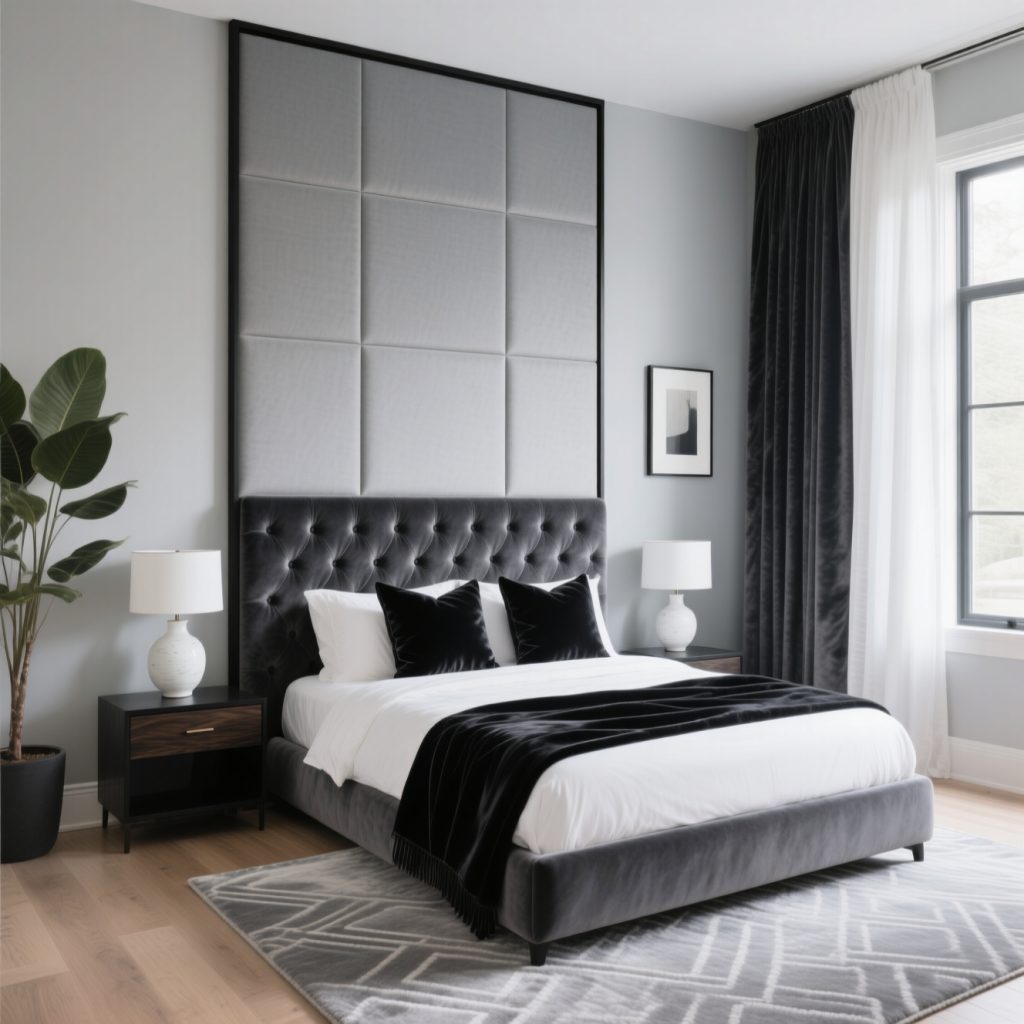
The visual impact of your ottoman bed extends far beyond its functional benefits, and the right upholstery choice can transform your bedroom’s entire aesthetic. Modern ottoman beds offer an extensive palette of colours ranging from classic neutrals to bold statement hues, allowing you to either blend seamlessly with existing décor or create a stunning focal point.
Neutral tones like charcoal, taupe, and cream provide timeless versatility that adapts to changing décor trends and color schemes. These colors also tend to show less wear and soil over time, making them practical choices for high-use bedrooms. However, don’t overlook the impact of undertones – a warm gray with brown undertones creates a completely different mood than a cool gray with blue undertones.
Texture plays an equally important role in both aesthetics and functionality. Smooth fabrics like microfiber or tightly woven cotton create clean, contemporary lines that work beautifully in modern bedrooms. These textures also tend to be easier to clean and maintain. Textured fabrics like bouclé, chenille, or linen weaves add visual interest and tactile appeal but may require more careful maintenance.
Consider how your chosen upholstery will interact with your room’s lighting throughout the day. Fabrics with subtle texture or sheen can appear dramatically different under natural daylight versus evening artificial lighting. Velvet and similar pile fabrics create rich, luxurious appearances but show directional marking from touch and may appear lighter or darker depending on viewing angle.
Pattern options have expanded significantly, with many manufacturers offering geometric prints, subtle textures, and even custom pattern matching. However, remember that patterns can make wear and staining more visible over time, and bold patterns may limit your future decorating flexibility. If you love patterns, consider them for accent pillows or throws that can be easily changed rather than permanent upholstery.
Easy-Clean Surfaces and Maintenance Requirements
The reality of bedroom life means your ottoman bed’s upholstery will encounter everything from morning coffee spills to pet hair, dust, and the inevitable wear from daily use. Easy-clean surfaces aren’t just convenient – they’re essential for maintaining a healthy sleep environment and protecting your investment over time.
Performance fabrics designed for easy cleaning typically feature tight weaves that prevent spills from penetrating deeply into fibers. Look for fabrics with soil-release properties that allow stains to lift easily during cleaning rather than setting permanently. Some premium fabrics feature nanotechnology treatments that create an invisible barrier, causing liquids to bead up on the surface for easy removal.
Removable covers represent the ultimate in easy maintenance, allowing you to machine wash upholstery components regularly. However, not all ottoman bed designs accommodate removable covers due to the complex shapes and fitted requirements around lifting mechanisms. When removable covers are available, ensure they’re pre-shrunk and colorfast to prevent fit issues after washing.
Spot-cleaning capabilities vary dramatically between fabric types. Microfiber and synthetic blends typically clean easily with mild detergent and water, while natural fibers like wool or cotton may require specialized cleaning products. Some fabrics are designed for water-based cleaning only, while others can handle solvent-based cleaners for oil-based stains.
Professional cleaning compatibility should factor into your fabric choice, especially for premium upholstery investments. Some fabrics can be professionally steam cleaned in place, while others require removal and specialized dry cleaning. Understanding these requirements upfront helps you budget for long-term maintenance and ensures you can properly care for your investment.
Consider the cleaning frequency your lifestyle demands. High-traffic bedrooms or homes with pets and children may benefit from fabrics that can handle weekly spot cleaning and monthly deep cleaning. Less demanding environments might prioritize other features like luxury feel or specific aesthetic qualities over maximum cleanability.
Breathability Features That Prevent Fabric Deterioration
Breathability isn’t just about comfort – it’s crucial for preventing the moisture buildup that can lead to mold, mildew, and premature fabric deterioration. Ottoman beds create unique breathability challenges because the upholstered surfaces are in close contact with both the sleeping environment and the enclosed storage area below.
Natural fiber content significantly impacts breathability, with cotton, linen, and wool offering superior air circulation compared to synthetic alternatives. However, modern synthetic fabrics have made tremendous advances in breathability through innovative weaving techniques and fiber treatments. Some synthetic fabrics now exceed natural fibers in moisture-wicking and quick-drying properties.
Weave structure affects breathability as much as fiber content. Open weaves and textured surfaces create more air circulation than tight, smooth weaves. However, this must be balanced against durability and stain resistance requirements. Some manufacturers achieve optimal breathability through micro-perforations or specialized weaving patterns that maintain fabric integrity while enhancing air flow.
Moisture-wicking treatments help fabrics actively move moisture away from the surface rather than simply allowing passive air circulation. These treatments are particularly valuable in humid climates or for people who tend to sleep warm. Advanced moisture management systems can move perspiration away from the body and through the fabric where it can evaporate naturally.
Consider the interaction between fabric breathability and your mattress type. Memory foam and other dense mattress materials can restrict air circulation, making breathable upholstery even more important. Some ottoman bed designs include ventilation channels or air gaps between the upholstery and frame to enhance overall breathability.
Anti-microbial treatments work in conjunction with breathability features to prevent the growth of bacteria, mold, and mildew that can cause odors and fabric deterioration. These treatments are particularly important in enclosed storage environments where air circulation may be limited.
Custom Upholstery Options for Personalized Bedroom Aesthetics
Custom upholstery transforms your ottoman bed from furniture into a personalized design statement that perfectly reflects your style and meets your specific functional requirements. Many premium manufacturers offer extensive customization programs that go far beyond simple color selection to include fabric choice, pattern matching, and even completely bespoke design options.
Fabric selection for custom upholstery typically includes access to designer fabric collections that aren’t available in standard offerings. These might include luxury brands, exclusive patterns, or specialty performance fabrics designed for specific applications. Working with custom options allows you to specify exact durability requirements, stain resistance levels, and maintenance preferences.
COM (Customer’s Own Material) programs allow you to provide your own fabric, giving you unlimited design flexibility. This option is particularly valuable when you want to match existing bedroom textiles or use a specific designer fabric. However, ensure your chosen fabric meets the manufacturer’s requirements for durability, stretch, and construction compatibility.
Pattern matching and directional considerations become crucial with custom upholstery, especially for large pieces like king size ottoman beds. Professional custom upholstery ensures patterns align properly across different sections and that directional fabrics like velvet or corduroy are oriented consistently. This attention to detail creates a polished, professional appearance that’s impossible to achieve with standard offerings.
Contrast welting, button tufting, and decorative stitching options allow you to add sophisticated design details that complement your bedroom’s aesthetic. These details can tie your bed’s appearance to other furniture pieces or create visual interest through texture and line variation. However, remember that complex details may increase maintenance requirements and cleaning challenges.
Lead times for custom upholstery typically range from 6-16 weeks depending on fabric availability and complexity of customization. Plan accordingly if you’re coordinating with other bedroom renovations or have specific delivery requirements. Some manufacturers offer rush services for additional fees, but these may limit fabric and customization options.
Cost considerations for custom upholstery can add 30-100% to the base bed price depending on fabric choice and customization complexity. However, this investment often proves worthwhile when you consider the bed’s central role in your bedroom’s design and the difficulty of changing upholstery later. Budget for potential fabric waste, as complex shapes and pattern matching may require additional material beyond basic yardage calculations. Choose from premium fabrics rated for 40,000-100,000 rubs with advanced stain resistance. Customize your perfect bedroom aesthetic with our upholstered ottoman beds today!
Safety Features That Protect Users and Belongings
Soft-Close Mechanisms That Prevent Finger Injuries
The most critical safety feature in any ottoman bed is the soft-close mechanism that prevents the heavy mattress platform from slamming shut unexpectedly. Without proper soft-close technology, a king size mattress platform weighing 50-80 pounds can close with enough force to cause serious finger injuries or damage to the bed frame itself. Quality soft-close systems use hydraulic dampening that gradually slows the platform’s descent as it approaches the closed position.
Premium soft-close mechanisms incorporate multi-stage dampening that provides different resistance levels throughout the closing cycle. The initial stage allows relatively free movement for easy positioning, while the final stage engages maximum dampening to ensure gentle contact with the base. This sophisticated control prevents the jarring impact that can damage both the bed frame and stored contents while eliminating the risk of trapped fingers.
Temperature compensation is a crucial but often overlooked aspect of soft-close technology. Basic systems may operate differently in cold or hot conditions, potentially becoming sluggish in winter or overly fast in summer heat. Quality mechanisms include temperature-stable fluids and seals that maintain consistent performance across a wide range of environmental conditions.
The engagement point of soft-close mechanisms varies between manufacturers, with some systems activating only in the final few inches of travel while others provide controlled descent throughout the entire closing cycle. Systems with earlier engagement provide superior safety but may feel less natural during operation. Consider your household’s specific needs – homes with children or elderly users benefit from earlier engagement and more aggressive dampening.
Look for soft-close systems with adjustable dampening rates that allow you to customise the closing speed to your preferences. Some premium beds include separate adjustment points for different stages of the closing cycle, letting you fine-tune the operation for optimal safety and convenience. These adjustments typically require simple tools and can be modified as your needs change over time.
Backup safety features complement primary soft-close mechanisms by providing protection if the main system fails. These might include mechanical catches that prevent rapid closure, secondary dampening systems, or position locks that hold the platform open if hydraulic pressure is lost. While system failures are rare with quality mechanisms, backup features provide peace of mind and additional protection.
Locking Systems That Secure Storage Contents
Security features in ottoman beds serve dual purposes: protecting valuable stored items from theft and preventing unauthorised access to potentially dangerous or inappropriate materials. Modern locking systems range from simple key locks to sophisticated electronic systems that provide both security and access logging capabilities.
Traditional key lock systems offer reliable security with minimal complexity and no power requirements. Quality key locks use hardened steel mechanisms that resist picking and forced entry while providing smooth operation over thousands of cycles. Look for locks with removable keys to prevent accidental locking when the key is inside the storage area. Some systems include master key capabilities that allow multiple beds to be opened with a single key.
Electronic locking systems provide enhanced security and convenience through keypad, RFID, or smartphone app control. These systems eliminate the risk of lost keys while allowing multiple access codes for different family members. Advanced electronic locks include features like automatic locking after a preset time, access logging that tracks when the storage was opened, and low-battery warnings that prevent unexpected lockouts.
Hidden locking mechanisms maintain the bed’s aesthetic appeal while providing security. These systems might be integrated into the lifting mechanism, concealed within decorative elements, or operated through hidden switches or sensors. While more complex than visible locks, hidden systems prevent tampering and maintain clean design lines.
Child-resistant locking features prevent young children from accessing storage contents while remaining operable by adults. These systems typically require specific sequences of actions, simultaneous button presses, or strength levels that exceed children’s capabilities. Some designs incorporate time delays that prevent rapid repeated access attempts.
Consider the balance between security and convenience when selecting locking systems. High-security locks may be overkill for storing seasonal clothing but essential for valuable items or sensitive materials. Some beds offer multiple locking zones with different security levels, allowing you to secure valuable items separately from everyday storage.
Rounded Edges and Corner Protection Features
Sharp edges and corners pose significant injury risks in bedroom environments where people move around in low light conditions and may be less alert upon waking. Quality ottoman beds incorporate comprehensive edge protection that eliminates sharp corners while maintaining structural integrity and aesthetic appeal.
Radius corners with minimum 1/4-inch curves eliminate the sharp 90-degree angles that cause the most serious injuries during accidental contact. Premium beds often feature larger radius corners (1/2-inch or more) that provide even greater safety margins. The radius should be consistent across all exposed edges, including the mattress platform, storage opening, and base frame.
Padded edge treatments provide additional protection beyond rounded corners by creating soft contact surfaces that absorb impact energy. These treatments typically use high-density foam covered with upholstery fabric, creating edges that compress upon contact rather than causing injury. Some designs incorporate gel padding that provides superior impact absorption while maintaining durability.
Corner guards and bumpers offer removable protection that can be added to existing beds or adjusted based on changing household needs. These accessories are particularly valuable in homes with young children or elderly family members who may be more susceptible to injury from accidental contact. Quality corner guards use medical-grade materials that won’t cause allergic reactions and feature secure attachment methods that prevent removal by children.
Edge lighting systems help prevent accidental contact by making bed edges visible in low-light conditions. LED strip lighting under the bed frame or around the mattress platform provides gentle illumination that defines the bed’s boundaries without creating sleep-disrupting brightness. Motion-activated systems turn on automatically when someone approaches the bed and turn off after a preset time.
Consider the interaction between edge protection and cleaning requirements. Padded edges may require more frequent cleaning than hard surfaces, while complex corner treatments can create dust collection points. Balance safety benefits against maintenance requirements based on your household’s specific needs and cleaning preferences.
Child Safety Considerations and Tamper-Resistant Designs
Homes with children require special attention to safety features that prevent both injury and unauthorised access to storage contents. Child safety in ottoman beds goes beyond basic injury prevention to include protection from entrapment, suffocation risks, and access to inappropriate materials stored within the bed.
Entrapment prevention features ensure that children cannot become trapped within the storage area if they climb inside. These include automatic ventilation systems that maintain air circulation even when closed, pressure-sensitive opening mechanisms that detect weight inside the storage area, and minimum opening gaps that prevent complete closure when objects are present.
Weight-activated safety systems prevent the bed from closing when significant weight is detected in the storage area. These systems use pressure sensors or mechanical switches that override the closing mechanism if a child or pet is inside the storage compartment. Advanced systems can distinguish between stored objects and living beings, preventing false alarms while maintaining protection.
Tamper-resistant hardware uses specialised fasteners and mechanisms that require adult tools or knowledge to operate. This prevents children from disassembling safety features or accessing internal mechanisms that could cause injury. Tamper-resistant designs also prevent children from defeating locking mechanisms or safety interlocks through manipulation.
Age-appropriate access controls allow parents to adjust safety features as children mature. These might include removable safety locks, adjustable opening force requirements, or programmable access restrictions. Some systems include parental override capabilities that allow adults to bypass child safety features when necessary.
Visual safety indicators help children understand safe and unsafe areas around the bed. These might include colour-coded zones, warning labels with pictographs, or LED indicators that show when safety systems are active. Clear visual cues help children develop safe habits around the bed while providing immediate feedback about potential dangers.
Consider the balance between child safety and normal bed operation. Overly restrictive safety features may discourage proper use of the bed’s storage capabilities, while insufficient protection creates obvious risks. Many families find that adjustable safety systems that can be modified as children grow provide the best long-term solution.
Emergency Release Mechanisms for Unexpected Situations
Emergency situations require immediate access to storage contents or the ability to open a bed that has malfunctioned or become stuck. Quality ottoman beds incorporate multiple emergency release mechanisms that function even when primary systems fail or power is unavailable.
Manual override systems allow the bed to be opened using physical force when hydraulic or pneumatic systems fail. These systems typically include mechanical release levers or emergency cranks that bypass the primary lifting mechanism. The override should be clearly marked and easily accessible to adults while remaining secure from accidental activation.
Emergency key access provides a backup method for opening locked storage areas when electronic systems fail or keys are lost. These systems often use universal emergency keys that override normal locking mechanisms, or mechanical key overrides that function independently of electronic components. Emergency keys should be stored securely but remain accessible to authorised users.
Power failure protection ensures that electronic locking and lifting systems remain functional during electrical outages. Battery backup systems maintain operation for essential functions like emergency unlocking and safety monitoring. Some systems include manual charging capabilities that allow operation even when backup batteries are depleted.
External access points allow emergency responders or family members to open the bed from outside the bedroom if necessary. These might include hidden release mechanisms accessible from the bed’s exterior or emergency access panels that can be opened with standard tools. External access points should be secure from unauthorised use while remaining available for genuine emergencies.
Communication systems in advanced beds can alert family members or emergency services if someone becomes trapped or if safety systems detect problems. These might include panic buttons accessible from within the storage area, automatic alerts when safety systems are triggered, or integration with home security systems that can summon help automatically.
Documentation and training ensure that family members understand how to use emergency systems when needed. Clear instructions should be permanently attached to the bed and include step-by-step procedures for different emergency scenarios. Regular testing of emergency systems helps ensure they function properly and that family members remain familiar with their operation.
Consider the specific emergency scenarios your household might face when evaluating emergency release features. Homes with elderly family members might prioritise medical emergency access, while families with children might focus on entrapment prevention and rescue capabilities. The most effective emergency systems address multiple scenarios while remaining simple enough to operate under stress. Protect your family with soft-close mechanisms and child-safe designs. Shop our collection of ottoman beds with comprehensive safety features.
Assembly and Installation Features for User Convenience
Tool Requirements and Assembly Complexity Levels
The assembly process for a king size ottoman bed can range from a straightforward weekend project to a complex undertaking requiring specialised tools and expertise. Understanding the tool requirements upfront helps you prepare properly and avoid frustrating delays during assembly. Most quality ottoman beds require basic hand tools, including Phillips and flathead screwdrivers, Allen keys (typically 4mm, 5mm, and 6mm), and an adjustable wrench or socket set.
Premium manufacturers design their beds with user-friendly assembly in mind, often including all necessary Allen keys and specialised tools in the hardware package. Look for beds that use consistent fastener types throughout the assembly process – switching between different screw heads and sizes adds complexity and increases the chance of using incorrect fasteners. Some manufacturers use colour-coded or numbered hardware systems that match assembly diagrams, significantly reducing confusion during construction.
Assembly complexity levels vary dramatically between manufacturers and design approaches. Entry-level complexity typically involves 15-25 major components with straightforward connections and minimal adjustment requirements. These beds can usually be assembled by one person in 2-4 hours with basic DIY skills. Intermediate complexity beds feature 25-40 components with some precision adjustments required for proper operation of lifting mechanisms and storage systems.
Advanced complexity assemblies involve 40+ components, precise alignment requirements, and potentially complex hydraulic or pneumatic system installation. These beds often require two people for assembly and may take 4-8 hours to complete properly. The additional complexity usually reflects superior features like multi-zone storage, advanced lifting mechanisms, or premium construction techniques.
Consider your DIY skill level honestly when evaluating assembly requirements. Incorrectly assembled ottoman beds can be dangerous, with improperly installed lifting mechanisms posing serious safety risks. If you’re uncomfortable with mechanical assemblies or lack the necessary tools, professional assembly is often worth the additional cost for peace of mind and warranty protection.
Pre-assembly services offered by some manufacturers can significantly reduce on-site assembly time. These services might include pre-installing lifting mechanisms, pre-fitting upholstery, or sub-assembling major components that only require final connection at your home. While more expensive than full DIY assembly, pre-assembly services can reduce installation time by 50-70% while ensuring critical components are properly configured.
Modular Design Features That Simplify Transportation
Transportation challenges represent one of the biggest obstacles to ottoman bed ownership, particularly for king size models that can exceed standard doorway dimensions when fully assembled. Modular design approaches break the bed into manageable components that fit through standard residential doorways while maintaining structural integrity when assembled.
Intelligent component sizing ensures that no individual piece exceeds 32 inches in width – the minimum standard doorway opening. This requires careful engineering to maintain structural strength while creating logical break points that don’t compromise the bed’s performance. Premium modular designs often feature components that nest together for shipping efficiency while separating cleanly for installation.
Flat-pack design principles, borrowed from furniture giants like IKEA, allow ottoman beds to ship in compact packages that dramatically reduce shipping costs and storage requirements. These designs typically reduce shipping volume by 60-80% compared to pre-assembled alternatives. However, flat-pack designs require more assembly time and may use different construction techniques than traditional furniture.
Sectional frame construction divides the bed frame into logical sections – typically head, foot, and side rails – that connect with heavy-duty hardware during assembly. This approach maintains the strength advantages of traditional construction while enabling transportation through standard doorways. Look for sectional designs that use mechanical fasteners rather than just bolts, as these provide superior long-term stability.
Removable storage components allow the storage system to be installed separately from the main frame, reducing the complexity of manoeuvring large assemblies through tight spaces. Some designs feature completely removable storage boxes that can be installed after the frame is in position, while others use modular storage panels that assemble within the frame.
Consider your specific transportation challenges when evaluating modular features. Apartment dwellers may prioritise maximum modularity to navigate narrow hallways and staircases, while homeowners with standard access might prefer fewer, larger components that reduce assembly time. Measure your delivery path carefully, including doorways, hallways, staircases, and any tight corners that might restrict movement.
Packaging efficiency affects both shipping costs and environmental impact. Quality modular designs achieve high packaging density while protecting components during shipping. Look for manufacturers that use minimal packaging materials while ensuring adequate protection – excessive packaging increases costs and waste, while insufficient protection can result in damaged components and assembly delays.
Clear Instruction Manuals and Video Support Resources
The quality of assembly instructions can make the difference between a successful DIY project and a frustrating experience that ends with professional assembly calls. Modern ottoman bed manufacturers increasingly recognise that clear instructions are crucial for customer satisfaction and warranty compliance, leading to significant improvements in documentation quality and support resources.
Visual instruction approaches use detailed diagrams, exploded views, and step-by-step photographs to guide assembly without relying heavily on text descriptions. These visual guides work across language barriers and accommodate different learning styles more effectively than traditional text-heavy manuals. Look for instructions that show both the component placement and the final result for each step, helping you verify correct assembly progress.
QR code integration in printed manuals provides instant access to digital resources, including video demonstrations, troubleshooting guides, and updated instructions. This hybrid approach combines the convenience of printed references with the dynamic capabilities of digital media. Some manufacturers update their digital resources based on customer feedback, continuously improving the assembly experience.
Video support resources have become increasingly sophisticated, with many manufacturers producing professional assembly videos that demonstrate proper techniques and highlight common mistakes. These videos often include multiple camera angles, close-up shots of critical connections, and real-time demonstrations of proper tool usage. Look for videos that address your specific bed model rather than generic assembly guides.
Interactive support platforms allow you to ask questions and receive guidance during assembly. These might include live chat support, video calling with technical experts, or community forums where experienced users share tips and solutions. Some manufacturers offer scheduled video support sessions where technicians guide you through assembly in real-time.
Troubleshooting sections address common assembly challenges and provide solutions for typical problems. Quality manuals include sections on identifying incorrectly installed components, adjusting mechanisms that don’t operate smoothly, and correcting alignment issues. These resources can save hours of frustration and prevent the need for disassembly and restart.
Consider the support resources available when comparing ottoman bed options. Manufacturers that invest in quality instructions and support typically stand behind their products more comprehensively. Poor documentation often indicates corners cut in other areas of design and manufacturing, while excellent support resources suggest attention to customer experience throughout the product lifecycle.
Professional Assembly Options and Associated Costs
Professional assembly services eliminate the time, effort, and potential frustration of DIY installation while ensuring proper setup that maintains warranty coverage. Understanding the available options and associated costs helps you make informed decisions about whether professional assembly represents good value for your specific situation.
Manufacturer-provided assembly services offer the advantage of technicians trained specifically on your bed model who carry specialised tools and replacement parts. These services typically cost $150-400 for king size ottoman beds, depending on complexity and regional labour rates. Manufacturer services often include setup verification, operational testing, and immediate warranty coverage for any assembly-related issues.
Third-party assembly services, including national chains like TaskRabbit or local handyman services, provide more flexible scheduling and potentially lower costs. However, these services may lack specific experience with ottoman bed mechanisms and might not provide warranty coverage for assembly-related problems. Costs typically range from $100-250, but verify that the service provider has experience with furniture assembly and hydraulic mechanisms.
White glove delivery services combine transportation and assembly into a comprehensive package that includes the removal of packaging materials and basic setup verification. These premium services typically cost $200-500 but provide the ultimate convenience for busy homeowners. Some services include positioning the bed in your desired location and basic operational instructions.
Timing considerations affect both the availability and the cost of professional assembly services. Peak moving seasons (summer months) and weekends typically command premium pricing and may have limited availability. Scheduling assembly during off-peak times can reduce costs by 20-30% while providing more flexible appointment windows.
Insurance and liability coverage vary significantly between assembly service providers. Manufacturer-provided services typically include comprehensive coverage for damage to your home or the bed during assembly. Third-party services may have limited coverage, potentially leaving you responsible for damage costs. Verify coverage details before scheduling any assembly service.
Value assessment for professional assembly should consider your time, tool costs, and risk tolerance. If you value your time at $25-50 per hour and assembly takes 4-6 hours, professional assembly may represent good value even before considering tool purchases and potential assembly mistakes. Factor in the peace of mind that comes with professional installation and warranty protection.
Space Requirements for Proper Installation and Operation
Proper space planning ensures your ottoman bed operates safely and conveniently while fitting harmoniously within your bedroom layout. Inadequate space planning can result in beds that can’t open fully, create safety hazards, or interfere with other bedroom functions. Understanding space requirements before purchase prevents costly mistakes and ensures optimal functionality.
Clearance requirements for bed operation extend well beyond the bed’s closed dimensions. King size ottoman beds typically require 24-36 inches of clearance at the foot of the bed for full opening operation, depending on the lifting mechanism and opening angle. This clearance must remain unobstructed by furniture, walls, or ceiling fixtures to ensure safe operation.
Ceiling height considerations become critical for beds with high opening angles or thick mattresses. Calculate the total height by adding the bed height, mattress thickness, and the vertical projection of the opened platform. Most bedrooms with standard 8-foot ceilings accommodate ottoman beds comfortably, but rooms with ceiling fans, light fixtures, or sloped ceilings may require careful measurement.
Assembly space requirements often exceed operational space needs, as you’ll need room to manoeuvre large components and access all sides of the bed during construction. Plan for at least 3-4 feet of clearance on all sides during assembly, and consider how you’ll move components through doorways and around existing furniture. Some assembly steps may require temporarily relocating other bedroom furniture.
Access considerations for ongoing use include pathways for reaching storage areas, clearance for bedside tables and lamps, and adequate space for making the bed and changing linens. The bed’s storage access pattern affects furniture placement – beds that open at the foot require different clearances than those with side access panels. Martindale test https://www.bsi-global.com/en-GB/standards/bs-en-iso-12947-2/
Room layout optimisation maximises both functionality and aesthetics by positioning the bed to take advantage of natural light, electrical outlets, and traffic flow patterns. Consider how the bed’s orientation affects storage access, particularly if you plan to store frequently used items. Some users prefer positioning the bed so storage access doesn’t require walking around other furniture.
Ventilation requirements ensure adequate air circulation around the bed for both comfort and fabric longevity. Avoid positioning beds directly against heating vents or in areas with poor air circulation. Some ottoman beds benefit from small gaps between the bed and walls to promote air movement and prevent moisture buildup.
Future flexibility considerations account for potential room rearrangements or furniture additions. Choose bed positions that allow for future changes without requiring bed relocation. Consider how seasonal furniture changes, such as adding space heaters or fans, might affect bed operation and plan accordingly.
Measure twice, install once – careful measurement and planning prevent expensive mistakes and ensure your ottoman bed provides years of convenient, safe operation. Create a scaled floor plan that includes all clearance requirements and test different positioning options before finalising your bed’s location. Get professional assembly or easy DIY setup with our modular designs. Browse ottoman beds with clear instructions and video support.
Conclusion
The right ottoman king size bed frame with storage can completely transform your bedroom experience. From revolutionary gas lift mechanisms that make accessing your belongings effortless to robust construction features that ensure years of reliable use, every element matters. Remember, investing in quality features like smooth hydraulic lifts, ample storage capacity, and durable upholstery will pay dividends in both functionality and longevity.
Ready to upgrade your bedroom storage game? Start by prioritising the features that matter most to your lifestyle – whether that’s maximum storage capacity, premium materials, or enhanced safety features. Your future self will thank you for choosing an ottoman bed that combines style, functionality, and smart design! Transform your bedroom today! Choose from our curated collection of premium ottoman king size bed frames that deliver unmatched storage, style, and functionality for years to come.
Frequently Asked Questions About Ottoman King Size Bed Frames with Storage
1. What are the main benefits of an Ottoman king size bed frame with storage?
Ottoman king size bed frames with storage offer multiple advantages for modern bedrooms. These beds provide 15-25 cubic feet of hidden storage space while maintaining a sleek appearance.
Key benefits include:
- Maximum storage capacity – Store seasonal clothing, bedding, and personal items in the spacious compartment beneath your mattress
- Space optimisation – Perfect for small bedrooms, master suites, and apartments where every square foot matters
- Easy access – Gas lift mechanisms and hydraulic systems make opening effortless, even with heavy mattresses
- Versatile organisation – Adjustable divider systems and compartment options keep belongings organised and easily accessible
- Enhanced bedroom aesthetics – Upholstered designs and custom fabric options complement any décor style
- Durability – Quality frame construction with solid wood or engineered materials ensures 20-30 years of reliable use
These storage bed solutions eliminate the need for additional bedroom furniture like dressers or storage boxes, creating cleaner, more organised living spaces while maximising your bedroom’s potential.
2. How much weight can a king size ottoman bed frame with storage hold?
King size ottoman bed frames with storage typically support 600-800 pounds for mattress and occupant weight, with storage capacity ranging from 150-300 pounds. Weight distribution across the frame is crucial for optimal performance.
Weight capacity breakdown:
- Mattress and occupant load – Premium frames handle 800+ pounds with proper support systems
- Storage compartment capacity – Most beds safely store 200-250 pounds of belongings
- Dynamic loading factors – Frames account for movement and sitting forces that exceed static weights by 50-100%
- Point load considerations – Concentrated weights in small areas may exceed limits even within total capacity
- Frame material impact – Solid wood frames typically support more weight than engineered alternatives
- Lifting mechanism limits – Hydraulic systems generally handle heavier loads than pneumatic alternatives
Quality ottoman beds include multiple support points, centre beam reinforcement, and anti-sag systems to distribute weight evenly. Always check manufacturer specifications and avoid exceeding recommended limits to prevent premature wear and ensure safety during operation.
3. What’s the difference between hydraulic and pneumatic lift mechanisms in ottoman beds?
Hydraulic and pneumatic lift mechanisms differ significantly in durability, performance, and maintenance requirements. Hydraulic systems use fluid pressure while pneumatic systems rely on compressed air or gas.
Key differences include:
- Lifespan – Hydraulic systems last 15-20 years versus 5-10 years for pneumatic alternatives
- Weight capacity – Hydraulic mechanisms handle heavier loads without performance degradation
- Operation consistency – Hydraulic systems maintain smooth operation throughout their lifespan
- Temperature stability – Quality hydraulic systems perform consistently in various environmental conditions
- Maintenance requirements – Hydraulic systems need minimal maintenance compared to pneumatic alternatives
- Initial cost – Pneumatic systems cost less upfront but require more frequent replacement
Hydraulic lift mechanisms provide superior long-term value for king size ottoman beds due to their enhanced durability and consistent performance. While pneumatic systems offer lower initial costs, the replacement frequency and potential inconvenience make hydraulic systems the preferred choice for quality ottoman bed frames with storage.
4. How do I maintain my ottoman bed’s gas lift mechanism for optimal performance?
Maintaining your ottoman bed’s gas lift mechanism ensures smooth operation and extends its lifespan significantly. Proper care requires minimal effort but prevents costly repairs and replacements.
Essential maintenance steps:
- Regular cleaning – Wipe piston rods and mounting points monthly with a damp cloth to remove dust and debris
- Avoid harsh chemicals – Use mild soap solutions only, as strong cleaners damage seals and reduce performance
- Monitor operation changes – Watch for increased resistance, uneven lifting, or unusual noises indicating developing issues
- Check for leaks – Inspect hydraulic systems for fluid leakage around seals and connections quarterly
- Lubricate moving parts – Apply manufacturer-recommended lubricants to pivot points and mechanical components annually
- Professional servicing – Schedule expert maintenance for complex issues or when performance degrades noticeably
Temperature compensation and proper weight distribution also impact mechanism longevity. Avoid exceeding weight limits and ensure stored items are distributed evenly across the storage compartment. Quality gas lift systems require minimal maintenance when properly cared for, providing decades of reliable service.
5. What safety features should I look for in an ottoman king size bed frame with storage?
Essential safety features in Ottoman king size bed frames with storage protect users from injury and secure stored belongings. Quality beds incorporate multiple safety systems for comprehensive protection.
Critical safety features include:
- Soft-close mechanisms – Hydraulic dampening prevents the heavy mattress platform from slamming shut, protecting fingers and frame
- Rounded edges and corners – Minimum 1/4-inch radius curves eliminate sharp angles that cause injuries in low-light conditions
- Child safety locks – Tamper-resistant locking systems prevent unauthorised access while remaining adult-operable
- Emergency release mechanisms – Manual override systems allow bed opening when primary systems fail or power is unavailable
- Weight-activated sensors – Pressure-sensitive systems prevent closure when objects or people are detected in storage areas
- Anti-entrapment features – Automatic ventilation and minimum opening gaps prevent suffocation risks
Additional safety considerations include edge lighting for visibility, backup safety catches, and clear visual indicators for safe operation zones. Quality ottoman beds balance comprehensive safety with convenient operation, ensuring family protection without compromising functionality or ease of use.