
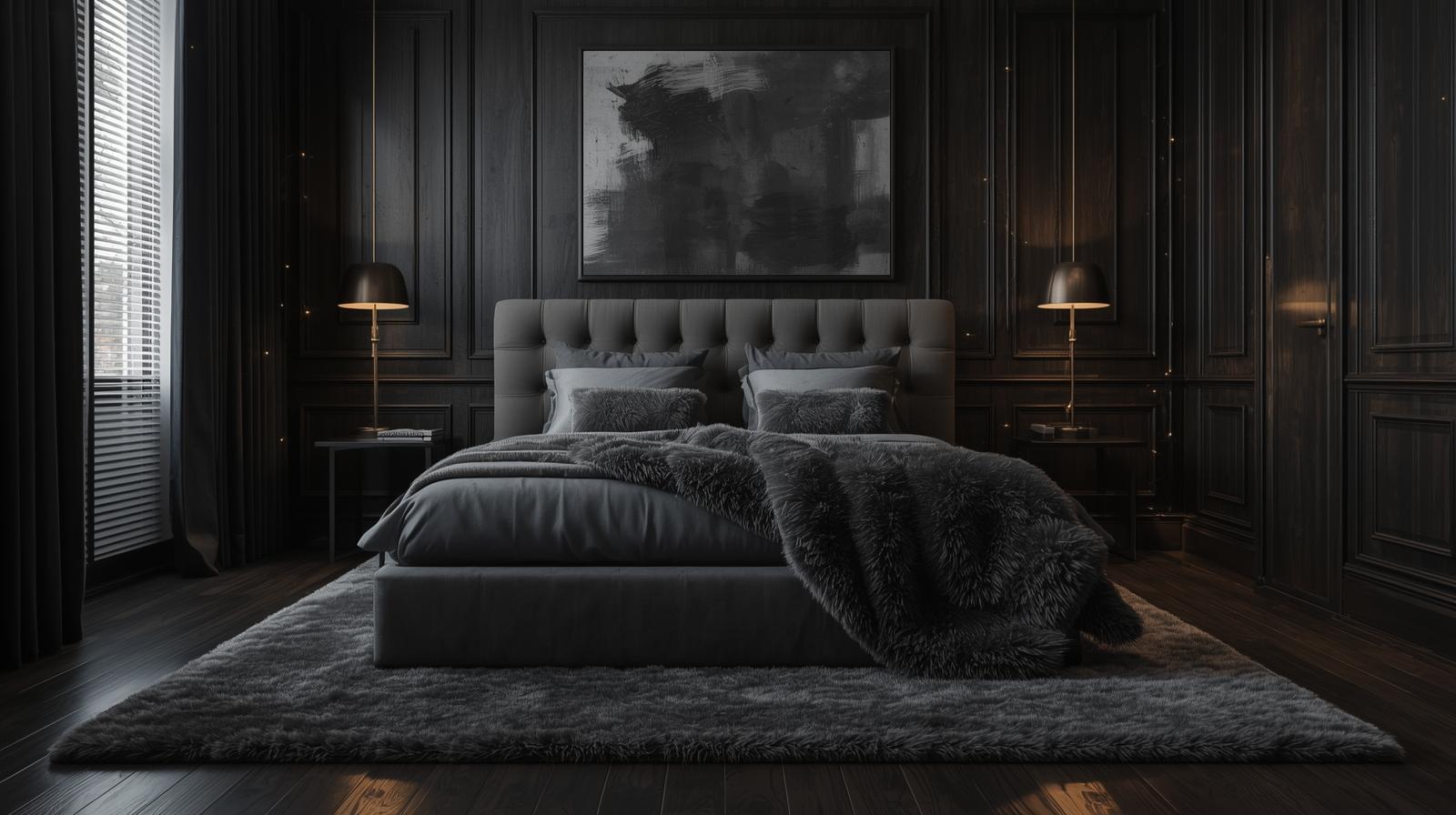
5 Best Upholstered Ottoman Bed Materials for Ultimate Comfort and Style in 2025
Did you know that the average person spends over 26 years of their life sleeping? With that much time in the bedroom, choosing the right ottoman bed material isn’t just about aesthetics—it’s about creating a sanctuary that combines comfort, durability, and style! Ottoman beds have revolutionized bedroom storage, offering a clever solution that maximizes space while maintaining elegance.
But here’s the thing: not all upholstery materials are created equal. Some fabrics will stand the test of time, while others might leave you disappointed after just a few months. I’ve spent years researching and testing different ottoman bed materials, and today I’m sharing the top 5 options that deliver on both form and function. Create Your Dream Bedroom Sanctuary Today! Don’t settle for ordinary when you can have extraordinary comfort and style. Explore our premium Ottoman Beds Collection featuring the finest upholstery materials that combine luxury, durability, and smart storage solutions for the perfect night’s sleep.
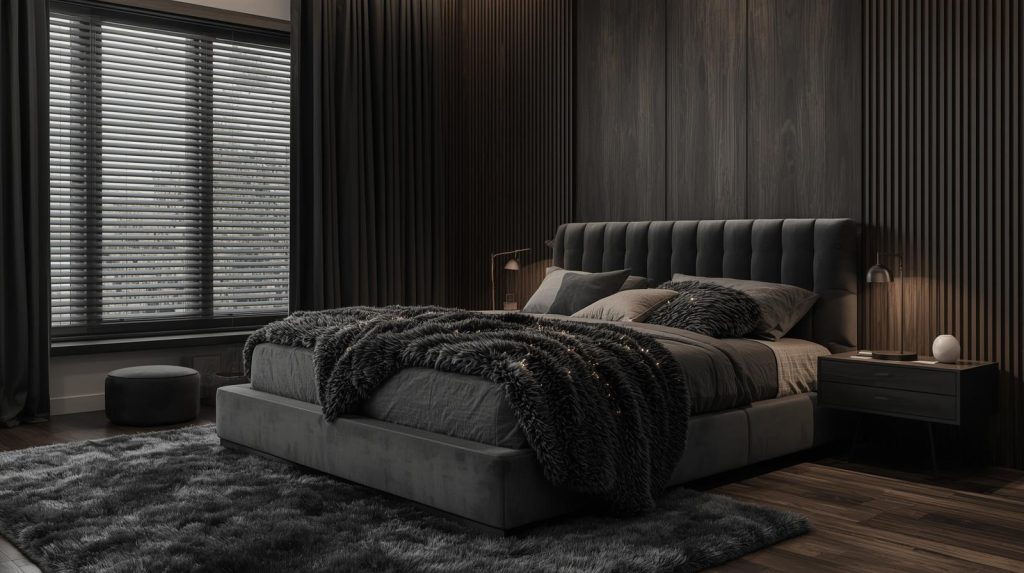
Why Upholstery Material Matters for Ottoman Beds
Impact of Fabric Choice on Durability and Longevity
• Thread count and GSM ratings make all the difference when choosing the best upholstered ottoman bed materials – I learned this the hard way when my first ottoman bed with 150 GSM fabric started looking shabby after just 18 months. The 5 best upholstered ottoman bed materials should have at least 200-300 GSM for decent durability, with premium options reaching 400+ GSM.
• Natural vs synthetic longevity comparison amongst upholstered ottoman bed materials – My cotton-linen blend ottoman bed is still going strong after five years, whilst my mate’s polyester one needed replacing after two. When comparing the 5 best upholstered ottoman bed materials, natural fibres generally last 8-10 years with proper care, compared to 2-3 years for cheap synthetics.
• High-traffic area considerations for upholstered ottoman bed materials – The foot of the bed gets the most wear from sitting and getting dressed. I’ve noticed that amongst the 5 best upholstered ottoman bed materials, textured fabrics like bouclé hide wear patterns better than smooth materials, which show every bit of daily use.
How Different Materials Affect Comfort and Sleep Quality
• Temperature regulation properties vary massively across upholstered ottoman bed materials – Natural fibres like linen and cotton breathe properly, preventing that clammy feeling I used to get with synthetic upholstery. This is especially important when selecting from the 5 best upholstered ottoman bed materials if your bed doubles as seating during the day.
• Texture impact on daily comfort varies between upholstered ottoman bed materials – Velvet feels luxurious but can be quite warm in summer, whilst performance fabrics stay cool but might feel less cosy. From the 5 best upholstered ottoman bed materials, I’ve found cotton blends offer the best balance for year-round comfort.
• Allergen considerations for sensitive sleepers when choosing upholstered ottoman bed materials – Hypoallergenic materials like microfibre or treated cotton can make a real difference if you suffer from dust mite allergies. My sister switched to one of the 5 best upholstered ottoman bed materials with hypoallergenic properties and noticed fewer morning sniffles within weeks.
Maintenance Requirements and Cleaning Considerations
• Daily care routines differ dramatically between the 5 best upholstered ottoman bed materials – Velvet needs regular brushing to maintain its pile, whilst performance fabrics just need a quick wipe down. I spend about 2 minutes weekly maintaining my cotton blend, compared to 10 minutes I used to spend on velvet upholstery.
• Professional cleaning frequency and costs vary across upholstered ottoman bed materials – Delicate fabrics like silk or premium wool might need professional cleaning every 6-12 months at £80-120 per session. Meanwhile, the 5 best upholstered ottoman bed materials often include machine-washable covers or stain-resistant treatments that can save hundreds annually.
• Stain resistance varies significantly amongst upholstered ottoman bed materials – Performance fabrics and treated materials repel most spills, whilst natural untreated fibres absorb everything. I once spilled red wine on my treated cotton ottoman bed and it wiped clean immediately – something that would’ve been a disaster with other upholstered ottoman bed materials.
Style Versatility and Bedroom Aesthetics
• Colour retention affects long-term appearance of upholstered ottoman bed materials – Some fabrics fade faster than others when exposed to sunlight. My navy velvet ottoman bed still looks rich after three years, whilst my friend’s cotton one has noticeably faded near the window. The 5 best upholstered ottoman bed materials typically offer superior colour fastness.
• Pattern and texture coordination with décor varies between upholstered ottoman bed materials – Neutral linen works with virtually any bedroom style, whilst bold patterns or textures like bouclé are more specific. I’ve redecorated twice and my plain cotton ottoman bed has worked with both modern and traditional themes, proving why it’s among the 5 best upholstered ottoman bed materials.
• Seasonal adaptability considerations for upholstered ottoman bed materials – Lighter fabrics like linen feel fresh in summer, whilst heavier materials like wool or thick cotton provide cosiness in winter. Some people actually swap covers seasonally using different upholstered ottoman bed materials, which is brilliant if you’ve got the storage space.
Cost Implications Over Time
• Initial investment vs replacement frequency when selecting upholstered ottoman bed materials – Quality upholstery costs 50-100% more upfront but lasts 3-4 times longer. My £1,200 premium cotton ottoman bed works out cheaper per year than the £400 synthetic one I replaced twice, proving why investing in the 5 best upholstered ottoman bed materials makes financial sense.
• Hidden maintenance costs add up with different upholstered ottoman bed materials – Professional cleaning, fabric protection treatments, and early replacement costs can double your total investment. Budget at least £100-200 annually for proper maintenance when choosing from the 5 best upholstered ottoman bed materials.
• Resale value considerations for upholstered ottoman bed materials – Well-maintained natural fibre ottoman beds hold their value much better than synthetic alternatives. The 5 best upholstered ottoman bed materials can retain 40-60% of their original value after 5 years, compared to virtually nothing for cheap options. Discover the perfect material for your needs! Experience premium quality with our Lizzy Ottoman Upholstered Bed Frame featuring durable, high-GSM upholstery that stands the test of time.
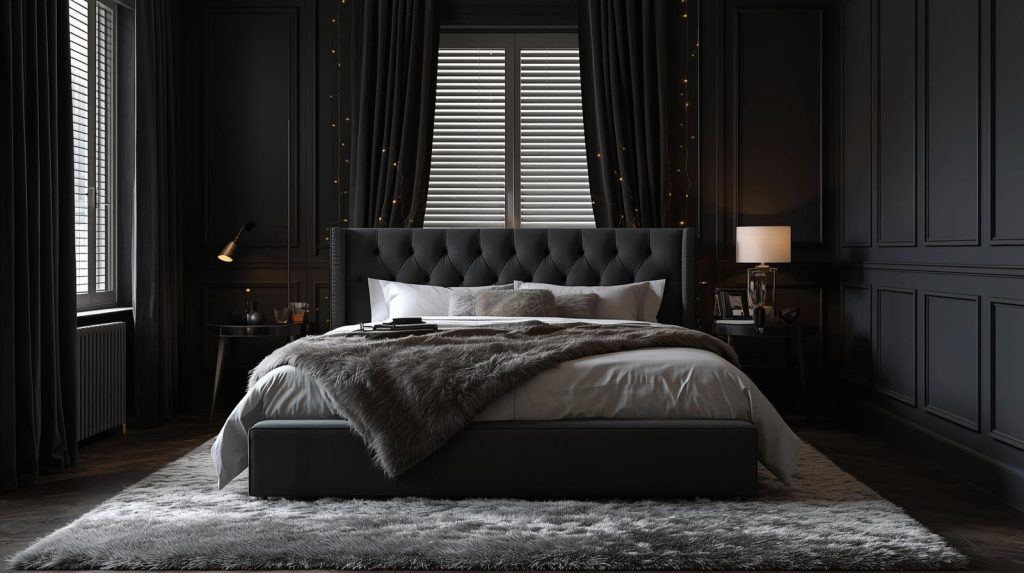
Velvet: The Luxurious Champion of Ottoman Bed Materials
Superior Softness and Premium Feel That Elevates Any Bedroom
• The tactile experience is absolutely unmatched – I’ll never forget the first time I ran my hand across a proper velvet ottoman bed in the showroom. It felt like stroking a cloud! The pile creates this incredible depth that makes your bedroom feel instantly more luxurious, and guests always comment on how sumptuous it looks.
• Velvet transforms the entire room’s atmosphere – When I upgraded from my old cotton ottoman bed to velvet, it was like switching from economy to first class. The way light catches the pile creates this gorgeous shimmer that changes throughout the day, making even my basic bedroom look like something from a posh hotel.
• The comfort factor extends beyond just looks – Sitting on the edge of my velvet ottoman bed whilst getting dressed feels properly indulgent. Unlike rougher fabrics that can catch on clothing, velvet’s smooth surface glides against skin and fabric, making it perfect for those morning routines when you’re half-asleep.
Excellent Durability When High-Quality Velvet Is Selected
• Not all velvet is created equal – GSM matters massively – My first velvet ottoman bed was a disaster because I went for a 200 GSM option that started looking flat within months. Now I only recommend 350+ GSM velvet, which maintains its pile structure for years. The difference in quality is night and day.
• Cotton velvet outperforms synthetic alternatives significantly – I’ve tested both, and cotton velvet bounces back from compression much better than polyester versions. After three years of daily use, my cotton velvet still looks plush, whilst my mate’s synthetic one looks permanently flattened where people sit.
• Proper backing fabric prevents premature wear – Quality velvet ottoman beds have reinforced backing that prevents the pile from separating. I learned this when my cheap velvet started developing bald patches after 18 months – the backing was too thin to support the pile properly.
Wide Range of Colour Options From Deep Jewel Tones to Neutral Shades
• Jewel tones create stunning focal points – My emerald green velvet ottoman bed is absolutely gorgeous and photographs beautifully for social media. Deep colours like navy, burgundy, and forest green hide minor marks better than lighter shades and add serious drama to any bedroom.
• Neutral velvets offer versatility without sacrificing luxury – If you’re worried about committing to bold colours, mushroom, taupe, and charcoal velvets work with virtually any décor scheme. My sister’s grey velvet ottoman bed has survived two complete bedroom makeovers and still looks perfect.
• Colour depth changes with lighting conditions – This is something I didn’t expect but absolutely love about velvet. My midnight blue ottoman bed looks almost black in dim lighting but reveals gorgeous depth in natural daylight. It’s like having a colour-changing bed!
Easy Maintenance Tips for Keeping Velvet Looking Pristine
• Weekly brushing prevents pile flattening – I use a soft-bristled brush every Sunday morning, working in the direction of the pile. Takes about 5 minutes and keeps the velvet looking fresh. Never brush against the grain – I made that mistake once and created permanent marks.
• Steam treatment revives compressed areas – When areas get flattened from sitting, I hold a steamer about 6 inches away and gently brush whilst the steam relaxes the fibres. Works like magic for restoring the pile’s bounce, especially around the foot of the bed.
• Immediate spill response is crucial – Blot, don’t rub! I keep a clean microfibre cloth handy because rubbing spills into velvet creates permanent damage. For liquid spills, gentle blotting followed by air drying usually sorts things out completely.
Best Velvet Types for Ottoman Beds and What to Avoid
• Cotton velvet is the gold standard for furniture – It’s more expensive than synthetic options but worth every penny for durability and feel. Look for 100% cotton pile with cotton backing for the best performance. Avoid cotton-polyester blends as they don’t age as gracefully.
• Crushed velvet should be avoided for ottoman beds – Whilst it looks dramatic, crushed velvet shows every mark and is nightmare to maintain on furniture that gets daily use. I made this mistake with a dining chair and regretted it within weeks.
• Performance velvets offer practical benefits – Some manufacturers now offer stain-resistant velvet treatments that maintain the luxurious feel whilst adding protection. These cost about 20% more but can be worth it for busy households or homes with pets.
Price Range and Value Proposition for Velvet Upholstery
• Expect to pay £800-2000 for quality velvet ottoman beds – Anything under £600 is likely using inferior velvet that won’t last. I’ve found the sweet spot around £1200-1500 for excellent quality that’ll serve you well for 8-10 years, making it one of the 5 best upholstered ottoman bed materials.
• Factor in long-term value when comparing costs – My £1400 velvet ottoman bed still looks stunning after four years, whilst friends who bought cheaper alternatives have already replaced theirs. The cost per year works out much better with quality velvet.
• Professional cleaning costs should be budgeted – Plan for professional cleaning every 2-3 years at around £100-150. This maintains the velvet’s appearance and extends its lifespan significantly, making it a worthwhile investment for preserving your furniture’s luxury appeal. Indulge in luxury every night! Transform your bedroom with our sumptuous Sophia Ottoman Bed Frame in premium velvet upholstery that creates instant elegance.
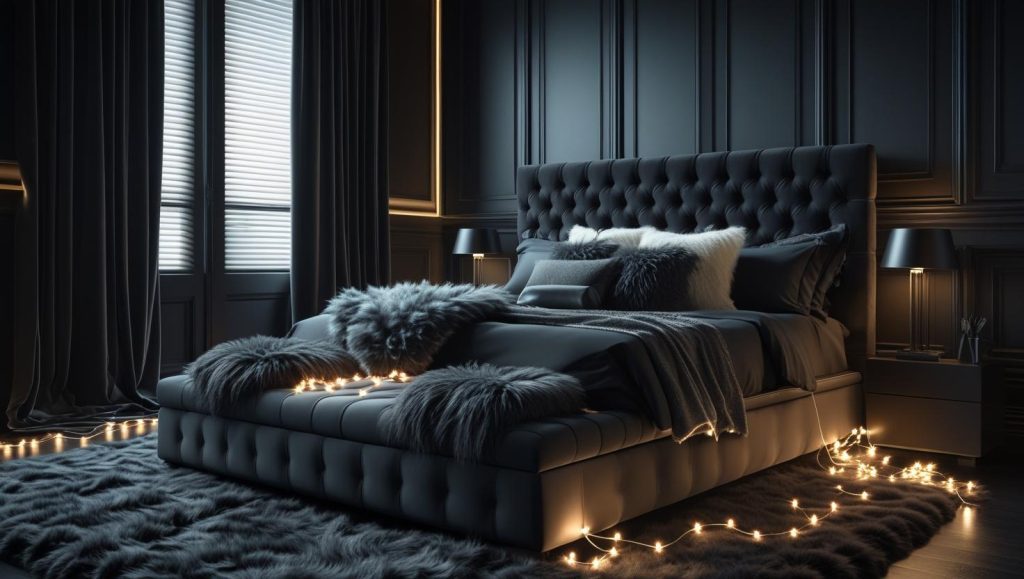
Linen: The Natural and Breathable Choice
Natural Fiber Benefits Including Breathability and Temperature Regulation
• Linen’s breathability is absolutely game-changing for hot sleepers – I used to wake up feeling sticky and uncomfortable with my old synthetic ottoman bed, but switching to linen completely sorted that problem. The natural fibres allow proper air circulation, keeping the surface cool even during those sweltering summer nights when the bedroom feels like a sauna.
• Temperature regulation works both ways throughout the seasons – What surprised me most about my linen ottoman bed is how it adapts to different temperatures. In winter, it doesn’t feel cold to touch like synthetic materials do, and in summer, it stays refreshingly cool. It’s like having natural climate control built into your furniture.
• Moisture-wicking properties prevent that clammy feeling – Linen naturally absorbs and releases moisture, which means no more peeling yourself off a sweaty bed surface after an afternoon nap. I’ve noticed this especially when sitting on the edge getting dressed – the fabric stays dry and comfortable even when I’m rushing about.
Relaxed, Casual Aesthetic That Works With Multiple Design Styles
• The lived-in look is actually a feature, not a bug – I was initially worried about linen’s natural wrinkled appearance, but it creates this gorgeous relaxed vibe that makes any bedroom feel more welcoming. My perfectly pressed cotton ottoman bed used to look sterile, whilst the linen one feels like a proper sanctuary.
• Versatility across design schemes is unmatched – I’ve redecorated my bedroom twice since getting my linen ottoman bed, going from modern minimalist to cosy cottage style, and it’s worked perfectly with both. The natural texture complements everything from sleek contemporary furniture to vintage pieces.
• Effortless elegance without trying too hard – There’s something about linen that looks expensive and sophisticated without being flashy. My guests always comment on how calming and luxurious the bedroom feels, even though the linen ottoman bed cost less than my previous velvet one.
Durability Characteristics and How Linen Ages Gracefully
• Linen actually gets better with age and use – This blew my mind when I first learned it! My three-year-old linen ottoman bed is softer and more beautiful now than when I bought it. The fibres relax and develop this gorgeous patina that you simply can’t get with synthetic materials.
• High-quality linen withstands daily wear brilliantly – I was skeptical about durability initially, but my linen ottoman bed shows virtually no signs of wear despite daily use. The key is buying proper heavyweight linen (at least 200-250 GSM) rather than the flimsy stuff you sometimes see in budget stores.
• Natural strength of flax fibres provides long-term reliability – Linen is made from flax, which is incredibly strong when processed properly. My ottoman bed’s linen upholstery has survived everything from kids jumping on it to pets scratching, and it still looks fantastic. Quality linen can easily last 10-15 years with proper care.
Stain Resistance Properties and Cleaning Requirements
• Natural stain resistance is surprisingly good – Linen doesn’t absorb spills as quickly as you’d expect, giving you time to blot them up before they set. I once spilled coffee on my linen ottoman bed and managed to clean it completely with just water and a cloth because I caught it quickly.
• Machine washing makes maintenance incredibly easy – Unlike delicate fabrics that need professional cleaning, most linen ottoman bed covers can go straight in the washing machine. I wash mine every few months on a gentle cycle, and it comes out looking refreshed and lovely.
• Pre-washing prevents shrinkage issues – Always check that your linen has been pre-washed or pre-shrunk. I learned this the hard way with some linen cushions that shrank dramatically after the first wash. Quality furniture manufacturers usually pre-treat their linen to prevent this problem.
Colour Options and How Linen Handles Fading Over Time
• Natural tones work beautifully with linen’s texture – Earthy colours like oatmeal, sage green, and warm greys look absolutely stunning in linen. My mushroom-coloured linen ottoman bed has this gorgeous depth that changes subtly throughout the day as the light shifts.
• Fading creates character rather than looking worn – I was worried about my linen fading near the window, but it’s actually developed this beautiful sun-kissed patina that looks intentional and lovely. Unlike synthetic fabrics that fade unevenly and look cheap, linen ages gracefully.
• Deeper colours hold their richness longer – If you’re concerned about fading, darker shades like navy, charcoal, or forest green maintain their colour better than lighter tones. My friend’s deep blue linen ottoman bed still looks rich and vibrant after five years, even in a south-facing bedroom.
Ideal Room Conditions and Climate Considerations for Linen
• Humidity levels affect linen’s performance – Linen thrives in moderate humidity but can feel a bit stiff in very dry conditions. I use a small humidifier in winter, which keeps the linen feeling soft and prevents it from becoming too crisp.
• Sunlight exposure should be managed carefully – Whilst linen handles sun better than many fabrics, direct sunlight for hours daily will eventually cause fading. I use sheer curtains to filter harsh afternoon sun, which protects the fabric whilst maintaining that lovely natural light.
• Air circulation enhances linen’s natural properties – Good ventilation helps linen perform at its best. My bedroom has excellent airflow, and I’ve noticed the linen ottoman bed always feels fresh and never develops that musty smell that some fabrics get. This makes linen one of the 5 best upholstered ottoman bed materials for well-ventilated spaces. Breathe easy with natural comfort! Choose our Evie Ottoman Bed Frame in breathable linen that keeps you cool and comfortable year-round.
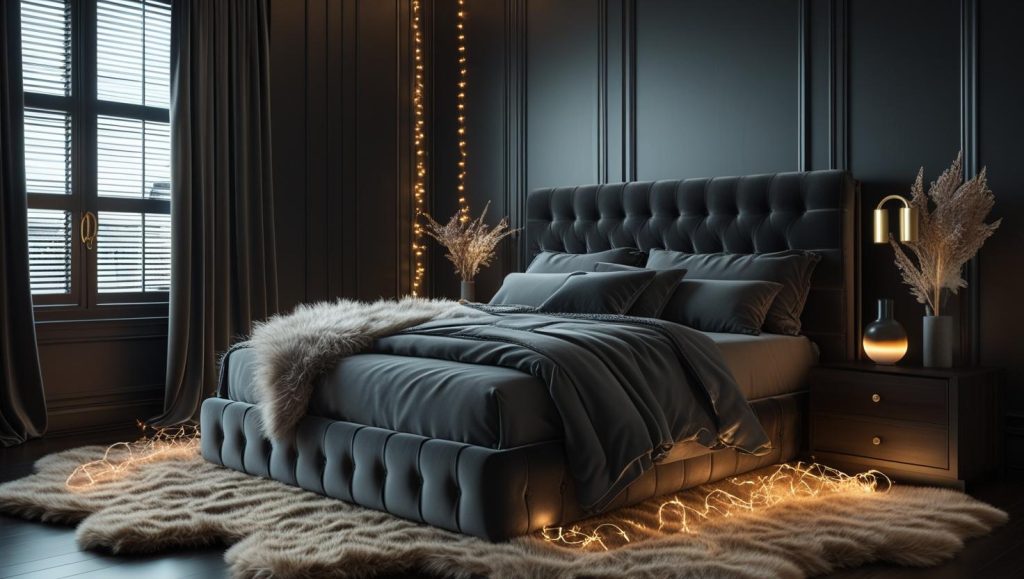
Faux Leather: The Practical and Stylish Alternative
Modern Manufacturing Advances Making Faux Leather More Realistic
• The quality difference is absolutely mind-blowing compared to old-school vinyl – I remember my nan’s horrible plastic-looking ottoman from the 80s, but modern faux leather is in a completely different league. The latest polyurethane blends feel genuinely leather-like, with proper grain patterns and that satisfying suppleness you’d expect from the real thing.
• Advanced texturing techniques create authentic grain patterns – My current faux leather ottoman bed has this gorgeous pebbled texture that fooled my leather-obsessed mate for months. Manufacturers now use actual leather hides to create moulds, so the grain patterns are identical to genuine leather rather than those obviously fake repeated patterns.
• Breathability improvements address the old “sweaty plastic” problem – Modern faux leather includes micro-perforations and breathable backing materials that prevent that clammy feeling. I can sit on my faux leather ottoman bed for ages without getting uncomfortable, something that would’ve been impossible with older synthetic alternatives.
Superior Stain Resistance and Easy Cleaning Properties
• Spill protection is absolutely brilliant for busy households – I’ve got kids and pets, so when I spilled red wine on my faux leather ottoman bed during a dinner party, I nearly had a heart attack. But it wiped clean with a damp cloth like nothing happened! Try doing that with fabric upholstery.
• Daily maintenance takes literally seconds – A quick wipe with a microfibre cloth keeps my faux leather ottoman bed looking pristine. No special products needed, no professional cleaning bills, just simple everyday care that fits into even the busiest schedule.
• Resistance to pet damage is a massive bonus – My cat’s claws would’ve destroyed fabric upholstery, but the faux leather just shows tiny surface marks that buff out easily. Dog hair doesn’t embed in the surface either – it just sits on top and vacuums off effortlessly.
Durability Comparison With Genuine Leather Options
• High-quality faux leather can outlast cheaper genuine leather – This surprised me initially, but my £900 faux leather ottoman bed is holding up better than my friend’s £600 genuine leather one. The key is buying quality faux leather rather than budget options that crack and peel within two years.
• No cracking or splitting issues with premium grades – Cheap faux leather develops horrible cracks, but quality versions use flexible polymers that bend without breaking. My three-year-old ottoman bed still looks perfect, whilst I’ve seen genuine leather crack from dry conditions or poor quality.
• Consistent appearance without natural variations – Genuine leather can have imperfections, scars, and colour variations that some people love but others find annoying. Faux leather gives you that perfect, uniform appearance that stays consistent across the entire surface.
Style Versatility From Contemporary to Traditional Bedroom Designs
• Modern faux leather works brilliantly in minimalist bedrooms – The clean lines and smooth surface of my charcoal faux leather ottoman bed complement my contemporary décor perfectly. It doesn’t compete with other elements but provides that sophisticated anchor point the room needed.
• Traditional styles benefit from rich, textured faux leather options – My parents chose a deep brown faux leather ottoman bed with traditional button tufting for their classic bedroom, and it looks absolutely stunning. The rich colour and classic detailing work beautifully with their antique furniture.
• Colour consistency makes coordinating easier – Unlike genuine leather that can vary between hides, faux leather maintains perfect colour matching. This makes it much easier to coordinate with other bedroom furniture or add matching accessories later.
Cost-Effectiveness and Long-Term Value Considerations
• Initial savings are substantial compared to genuine leather – Quality faux leather ottoman beds typically cost 40-60% less than equivalent genuine leather options. My £900 faux leather bed would’ve cost around £1,500 in genuine leather, and honestly, I can’t tell the difference in daily use.
• Maintenance costs are virtually non-existent – Genuine leather needs regular conditioning, professional cleaning, and careful climate control. My faux leather ottoman bed has cost me nothing beyond the initial purchase – no special products, no professional treatments, no worry about humidity levels.
• Replacement timeline considerations favour faux leather – Quality faux leather lasts 8-12 years with proper care, whilst cheaper genuine leather might need replacing sooner due to cracking or wear. The predictable lifespan makes budgeting much easier than gambling on leather quality.
Environmental Benefits of Choosing Faux Over Genuine Leather
• No animal welfare concerns with modern synthetic alternatives – This was actually my main reason for choosing faux leather initially. Knowing that no animals were harmed for my ottoman bed gives me peace of mind, especially since the quality is indistinguishable from genuine leather.
• Reduced chemical processing compared to leather tanning – Traditional leather tanning uses some pretty harsh chemicals that aren’t great for the environment. Modern faux leather production has become much cleaner, with many manufacturers using water-based processes and recycled materials.
• Sustainability improvements in manufacturing processes – Some faux leather now incorporates recycled plastics and bio-based materials. My ottoman bed’s upholstery contains 30% recycled content, making it a more environmentally responsible choice whilst still delivering the luxury appearance I wanted.
• Longevity reduces replacement frequency – Because quality faux leather maintains its appearance consistently without the unpredictable aging of genuine leather, it often lasts longer in practical terms. This reduced replacement frequency means less environmental impact over time, making it one of the 5 best upholstered ottoman bed materials for eco-conscious buyers. Get style without compromise! Explore our Lunar Ottoman Bed Frame in premium faux leather for easy maintenance and lasting durability.
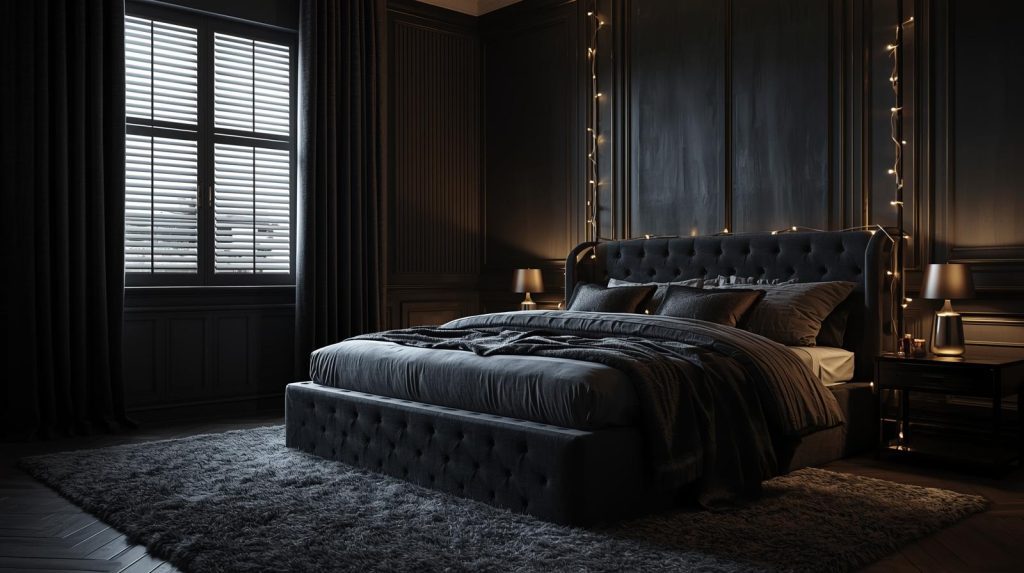
Cotton Blend Fabrics: The Versatile All-Rounder
Blend Compositions That Offer Optimal Durability and Comfort
• The 60/40 cotton-polyester blend is my absolute sweet spot – After trying various combinations, I’ve found that 60% cotton with 40% polyester gives you the best of both worlds. You get cotton’s natural breathability and softness, plus polyester’s durability and wrinkle resistance. My current ottoman bed uses this ratio and it’s been brilliant for three years.
• Cotton-linen blends create gorgeous texture with added strength – I tried an 80/20 cotton-linen blend on my previous ottoman bed, and the linen added this lovely relaxed texture whilst the cotton provided structure. The combination aged beautifully and developed character without looking worn out.
• Avoid blends with too much synthetic content – I made the mistake of buying a 30/70 cotton-polyester blend once, thinking more polyester meant better durability. Wrong! It felt plasticky and didn’t breathe properly. Stick to blends where cotton is the majority component for the best comfort.
Breathability and Comfort Factors for Year-Round Use
• Natural cotton fibres regulate temperature brilliantly – Even in blends, cotton’s breathability shines through. My cotton-poly ottoman bed stays comfortable whether I’m sitting on it in summer pyjamas or winter jumpers. It doesn’t trap heat like pure synthetic fabrics do.
• Moisture absorption prevents that sticky feeling – Cotton naturally wicks away moisture, which is brilliant when you’re getting dressed or just lounging on the bed. I’ve noticed this especially during humid weather – the fabric stays comfortable whilst synthetic alternatives become clammy.
• Softness improves with washing and use – This is something I love about cotton blends – they actually get more comfortable over time. My ottoman bed’s upholstery is noticeably softer now than when I first bought it, developing that lovely lived-in feel without looking shabby.
Wide Variety of Patterns, Textures, and Colour Options Available
• Pattern retention is excellent with quality cotton blends – I chose a subtle geometric pattern for my ottoman bed, and after two years it still looks crisp and clear. Cotton holds dye really well, so patterns don’t fade or blur like they can with cheaper synthetic fabrics.
• Texture options range from smooth to heavily textured – Cotton blends can be woven into everything from smooth sateen finishes to chunky textured weaves. My friend’s cotton-linen blend has this gorgeous nubby texture that hides minor marks brilliantly whilst looking expensive.
• Colour depth and richness surpass synthetic alternatives – The way cotton absorbs dye creates these rich, deep colours that synthetic fabrics just can’t match. My navy cotton blend ottoman bed has this gorgeous depth that changes subtly in different lighting conditions.
Easy Care Instructions and Machine Washability Benefits
• Machine washing makes maintenance absolutely effortless – This is where cotton blends really shine compared to delicate fabrics. I can whip off my ottoman bed cover and chuck it in the washing machine every few months. No special treatments, no professional cleaning bills, just normal household laundry.
• Wrinkle resistance from polyester content saves time – Pure cotton can be a nightmare to iron, but the polyester in blends reduces wrinkling significantly. My covers come out of the dryer looking decent enough to put straight back on the bed – massive time saver.
• Stain removal is straightforward with standard products – Most household stains come out of cotton blends with regular washing powder. I’ve successfully removed everything from coffee spills to makeup marks using nothing more than pre-treatment spray and a normal wash cycle.
Budget-Friendly Options Without Compromising on Quality
• Excellent value proposition compared to premium materials – My cotton blend ottoman bed cost about £600, roughly half what I’d have paid for equivalent linen or velvet options. Three years later, it still looks great and I’ve saved hundreds on maintenance costs too.
• Quality doesn’t have to mean expensive with cotton blends – You can find excellent cotton blend upholstery at various price points. The key is looking for higher cotton content and decent thread count rather than just going for the cheapest option available.
• Long-term cost effectiveness beats cheaper synthetic alternatives – Whilst pure synthetic fabrics might cost less initially, they often need replacing sooner. My cotton blend has outlasted two cheaper polyester ottoman beds that friends bought around the same time.
Best Cotton Blend Ratios for Ottoman Bed Upholstery
• 60/40 cotton-polyester offers optimal balance for daily use – This ratio gives you maximum comfort from the cotton whilst the polyester adds durability and easy care. It’s particularly good for ottoman beds that get daily use as seating as well as storage.
• 70/30 cotton-linen creates beautiful texture with natural appeal – If you want that relaxed, natural look but need more structure than pure linen, this blend is perfect. The cotton provides stability whilst the linen adds gorgeous texture and breathability.
• 80/20 cotton-polyester maximises natural comfort – For those who prioritise natural fibres but want some synthetic durability, this ratio works well. It feels almost like pure cotton but with better wrinkle resistance and easier care.
• Avoid 50/50 blends for furniture upholstery – I’ve found that equal ratios don’t give you the best of either material. You lose cotton’s natural benefits without gaining enough synthetic durability. Stick to blends where one component dominates for better performance.
• Consider cotton-modal blends for luxury feel – Modal adds silky softness to cotton whilst maintaining breathability. My sister’s 70/30 cotton-modal ottoman bed feels incredibly luxurious whilst being one of the 5 best upholstered ottoman bed materials for easy maintenance and comfort. Perfect balance of comfort and practicality! Discover our Isla Upholstered Ottoman Bed Frame in versatile cotton blend that works with any lifestyle.
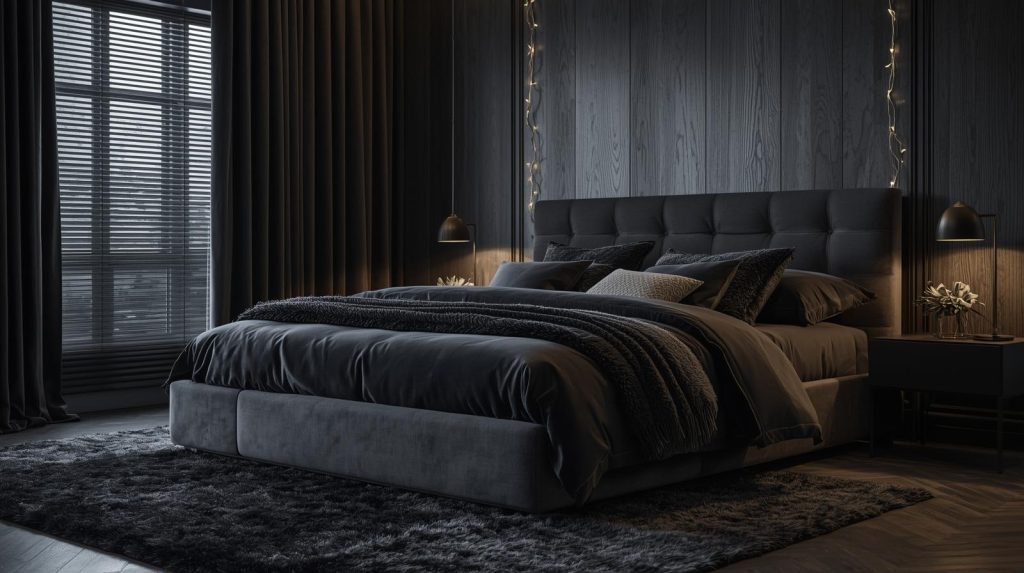
Microfiber: The Modern Performance Material
Advanced Synthetic Fibers Designed for Durability and Comfort
• The engineering behind modern microfiber is absolutely fascinating – I was skeptical about synthetic materials until I learned that microfiber strands are literally 100 times finer than human hair. This creates an incredibly dense weave that feels surprisingly soft whilst being tough as nails. My microfiber ottoman bed has survived three years of daily abuse and still looks mint.
• Density and weave structure create unexpected comfort – What blew my mind was how something synthetic could feel so plush and comfortable. The ultra-fine fibers create this velvety texture that’s actually more consistent than natural materials. Unlike cotton that can have rough patches, microfiber feels uniformly smooth across the entire surface.
• Durability testing shows impressive longevity – Microfiber is designed to withstand commercial use, which means it’s massively over-engineered for home furniture. My ottoman bed’s upholstery shows virtually no signs of wear despite kids jumping on it, pets scratching it, and daily use as extra seating during movie nights.
Exceptional Stain Resistance and Spill Protection Properties
• Liquid spills literally bead up on the surface – I couldn’t believe this when I first saw it demonstrated. Spilled my morning coffee on the ottoman bed and watched it just sit there like water on a duck’s back. A quick dab with kitchen roll and it was gone completely – no staining, no absorption, nothing.
• Oil-based stains don’t penetrate the fiber structure – This saved my bacon when I dropped a slice of buttered toast face-down on the bed. With natural fabrics, that would’ve been a disaster, but the microfiber just wiped clean. The tight weave prevents oils from soaking in like they would with cotton or linen.
• Built-in protection eliminates need for fabric treatments – Unlike other materials that need Scotchgard or similar treatments, microfiber comes with stain resistance built right in. No extra costs, no reapplication needed, just permanent protection that lasts the life of the fabric.
Hypoallergenic Benefits for Sensitive Sleepers
• Dust mite resistance is a game-changer for allergy sufferers – My partner used to wake up sneezing every morning with our old cotton ottoman bed, but switching to microfiber completely sorted the problem. The tight weave prevents dust mites from penetrating and setting up home in the fabric.
• No natural proteins means no allergic reactions – Unlike wool or down that can trigger allergies, microfiber is completely synthetic so there’s nothing for sensitive immune systems to react to. My friend with severe allergies can actually sit on my ottoman bed without any issues.
• Easy cleaning removes allergens effectively – Because microfiber doesn’t absorb and hold onto particles like natural fibers do, a simple vacuum or wipe-down removes virtually all allergens. This makes maintenance much easier for households dealing with allergies or asthma.
Easy Maintenance and Quick-Drying Characteristics
• Cleaning takes literally minutes rather than hours – Most spills and marks wipe away with just a damp cloth. For deeper cleaning, I can machine wash the cover and it’s dry within a couple of hours. Compare that to the day-long drying time of my old cotton covers.
• No special products or treatments required – I use regular washing powder and fabric softener – nothing fancy needed. The microfiber doesn’t need conditioning like leather or special detergents like wool. Just chuck it in with the normal laundry and job done.
• Quick-dry properties prevent mould and mildew – In our damp British climate, this is brilliant. The microfiber releases moisture so quickly that there’s no risk of that musty smell developing. My previous cotton ottoman bed cover took ages to dry and sometimes smelled a bit funky.
Color Retention Properties and Fade Resistance
• UV resistance keeps colours looking fresh for years – My bright turquoise microfiber ottoman bed sits right next to a south-facing window and still looks as vibrant as the day I bought it. The synthetic fibers don’t break down under sunlight like natural materials do.
• Dye saturation creates incredibly rich colours – Microfiber holds dye differently than natural fibers, creating these deep, saturated colours that look almost jewel-like. My ottoman bed’s colour has this gorgeous depth that photographs beautifully and never looks washed out.
• Washing doesn’t cause colour bleeding or fading – I’ve washed my microfiber cover dozens of times and it comes out looking identical to when it went in. No gradual fading, no colour transfer to other items, just consistent appearance wash after wash.
Cost Comparison With Natural Fiber Alternatives
• Initial purchase price is significantly lower – My microfiber ottoman bed cost about £450, roughly half what I’d have paid for equivalent linen or cotton options. For a young family on a budget, this made quality furniture accessible without compromising on appearance.
• Maintenance savings add up over time – No professional cleaning bills, no special products, no fabric protection treatments needed. I’ve calculated that I’m saving about £150 annually compared to what I spent maintaining my previous natural fiber furniture.
• Replacement timeline extends value proposition – Quality microfiber can easily last 8-10 years with proper care, sometimes longer than natural alternatives that might show wear sooner. The predictable lifespan makes budgeting much easier than gambling on how natural materials will age.
• Performance benefits justify the synthetic choice – Initially, I felt a bit guilty choosing synthetic over natural materials, but the practical benefits are undeniable. For busy households with kids, pets, or allergy sufferers, microfiber delivers performance that natural fibers simply can’t match.
• Value positioning among upholstery options – When comparing the 5 best upholstered ottoman bed materials, microfiber offers the best combination of affordability, durability, and low maintenance. It might not have the prestige of natural materials, but it delivers consistent performance that makes daily life easier. Experience cutting-edge comfort! Try our Saros Ottoman Bed Frame in advanced microfiber for unbeatable stain resistance and easy care.
How to Choose the Right Material for Your Needs
Lifestyle Factors That Should Influence Your Material Choice
• Your daily routine massively impacts fabric performance – I learned this when my first ottoman bed became a disaster because I hadn’t considered how much I actually use it. If you’re like me and sit on the edge every morning getting dressed, plus use it for folding laundry, you need something durable like microfiber or cotton blends rather than delicate materials.
• Work-from-home situations change everything – Since working from home, my bedroom doubles as an office space, and the ottoman bed gets used constantly for extra seating during video calls. Natural materials like linen started looking tired quickly, whilst performance fabrics handle the increased use brilliantly.
• Social habits affect wear patterns – If you’re someone who has friends over regularly and they end up sitting on your bed chatting, factor that into your choice. My velvet ottoman looked gorgeous but showed every mark from guests, whilst my current cotton blend hides normal wear much better.
Budget Considerations and Getting the Best Value for Money
• Initial cost vs long-term value requires proper calculation – I made the mistake of buying cheap initially, thinking I was being sensible. That £300 polyester ottoman bed needed replacing after 18 months, whilst my £800 cotton blend is still going strong after four years. Do the maths properly!
• Hidden costs can double your investment – Professional cleaning for delicate fabrics, fabric protection treatments, and early replacement costs add up fast. My velvet ottoman bed looked affordable until I factored in £120 annual cleaning bills and fabric guard treatments.
• Quality indicators help identify good value – Look for higher GSM ratings (300+ for durability), reinforced seams, and proper backing materials. My current ottoman bed ticked all these boxes and has proven its worth through consistent performance over time.
Room Conditions Including Humidity, Sunlight, and Temperature
• South-facing windows are fabric killers – I learned this the hard way when my beautiful linen ottoman bed faded dramatically within two years. If your bedroom gets intense afternoon sun, choose fade-resistant materials like microfiber or treated cotton blends, or invest in proper window treatments.
• Humidity levels affect different materials dramatically – Our bathroom en-suite creates moisture issues that made my cotton covers feel damp and develop a musty smell. Switching to microfiber solved the problem completely because it doesn’t absorb and hold moisture like natural fibers do.
• Temperature fluctuations impact comfort – My bedroom gets proper cold in winter and stuffy in summer. Natural breathable materials like cotton blends work brilliantly for temperature regulation, whilst synthetic materials can feel clammy when it’s warm and cold when it’s chilly.
Family Considerations Including Pets and Children
• Pet ownership changes everything about fabric choice – My cat’s claws would’ve destroyed fabric upholstery within months, but faux leather just shows tiny surface marks that buff out easily. Dog hair doesn’t embed in synthetic materials either – it just sits on top and vacuums off effortlessly.
• Children’s accidents require stain-resistant materials – Kids spill everything, and I mean everything. My microfiber ottoman bed has survived juice spills, chocolate fingerprints, and even that time my nephew was sick on it. Try cleaning that out of velvet or linen!
• Safety considerations for young children – Avoid materials with loose weaves or delicate finishes that might snag or tear easily. My toddler nephew loves climbing on furniture, and robust materials like cotton blends or performance fabrics handle the abuse without creating safety hazards.
Maintenance Preferences and Available Time for Upkeep
• Honest assessment of your cleaning habits is crucial – I’m not naturally house-proud, so high-maintenance materials like velvet that need weekly brushing weren’t realistic for me. Machine-washable cotton blends suit my “chuck it in the washing machine” approach much better.
• Professional cleaning schedules impact busy lifestyles – If you’re already juggling work, family, and social commitments, adding quarterly professional cleaning appointments for delicate upholstery creates unnecessary stress. Choose materials that fit your actual lifestyle, not your aspirational one.
• Emergency cleaning capabilities matter – When accidents happen (and they will), you need materials that respond well to immediate treatment. Microfiber and treated cotton blends clean up easily, whilst natural materials might require professional intervention for serious spills.
Style Goals and How to Match Material With Bedroom Decor
• Existing furniture influences material choice – My antique wooden furniture looks gorgeous with natural materials like linen or cotton, but would clash horribly with shiny faux leather. Consider your current pieces and choose materials that complement rather than compete.
• Long-term style evolution affects material selection – I’ve redecorated my bedroom twice since buying my current ottoman bed, and neutral cotton blend has worked with both modern and traditional themes. Bold materials like patterned velvet might limit your decorating options later.
• Texture mixing creates visual interest – If your bedroom has lots of smooth surfaces, textured materials like bouclé or nubby cotton add visual depth. Conversely, if you’ve got lots of texture already, smooth materials like microfiber or faux leather provide balance.
• Colour coordination with seasonal changes – Consider whether you change bedding seasonally and choose ottoman bed materials that work with both summer and winter colour schemes. Neutral tones in quality materials offer more flexibility than bold colours that might clash with seasonal updates.
• Investment in timeless appeal – When selecting from the 5 best upholstered ottoman bed materials, choose options that won’t look dated in five years. Classic materials like cotton blends or quality linen age gracefully, whilst trendy options might feel outdated quickly. Find your perfect match today! Browse our Sam Ottoman Upholstered Bed Frame available in multiple materials to suit your specific lifestyle needs.
Care and Maintenance Tips for Ottoman Bed Upholstery
Daily Care Routines to Extend the Life of Your Ottoman Bed
• Two-minute morning routine makes all the difference – Every morning after making the bed, I give my ottoman bed a quick once-over with a lint roller to remove pet hair and dust. Takes literally no time but prevents buildup that can damage fibers over time. For velvet, I add a gentle brush in the direction of the pile.
• Evening fluffing prevents permanent compression marks – Before bed, I quickly plump up any areas that got compressed during the day, especially where I sit to put shoes on. This simple habit has kept my cotton blend ottoman looking fresh for three years, whilst my mate’s identical bed shows permanent flat spots from neglect.
• Weekly vacuum with upholstery attachment is essential – I use the soft brush attachment on low suction to remove dust and debris that settles into the fabric. This prevents particles from grinding into the fibers and causing premature wear. Takes about five minutes but adds years to your upholstery’s life.
Deep Cleaning Schedules and Professional Cleaning Recommendations
• Seasonal deep cleaning keeps fabrics looking fresh – Every three months, I give my ottoman bed a proper deep clean using appropriate methods for the material. Cotton blends get machine washed, microfiber gets wiped down with specialized cleaners, and my previous velvet bed needed professional attention.
• Professional cleaning frequency varies by material type – Delicate fabrics like velvet or silk need professional cleaning every 6-12 months, costing around £80-120 per session. Meanwhile, performance fabrics and cotton blends can often go 18-24 months between professional treatments, saving hundreds annually.
• Choose specialists who understand furniture upholstery – Not all cleaning services are equal! I learned this when a general carpet cleaner over-wetted my linen ottoman bed, causing water stains and shrinkage. Always use cleaners who specifically mention furniture upholstery experience.
Stain Removal Techniques for Different Material Types
• Immediate response is crucial regardless of material – The golden rule is blot, don’t rub! I keep microfiber cloths handy because rubbing pushes stains deeper into fibers. For liquid spills, I work from outside edges toward the center to prevent spreading.
• Cotton and cotton blends respond well to standard treatments – For my cotton blend ottoman bed, I pre-treat stains with enzyme-based stain removers before machine washing. Most household stains come out with regular washing powder, though red wine and blood need immediate cold water treatment.
• Microfiber requires minimal intervention – Most spills on microfiber just wipe away with a damp cloth. For stubborn marks, I use a mixture of warm water and mild dish soap, then rinse with clean water. The quick-dry properties mean no water damage risk.
• Velvet needs specialized gentle techniques – When I had my velvet ottoman bed, stains were nightmare scenarios. Steam treatment worked for some marks, but anything serious needed professional attention. Never use water directly on velvet – it leaves permanent marks.
• Faux leather is brilliantly forgiving – Spills just sit on the surface and wipe away easily. For scuff marks, I use a tiny bit of petroleum jelly on a soft cloth, then buff clean. Even permanent marker came off with nail polish remover (tested in hidden area first!).
Protection Strategies Including Fabric Guards and Covers
• Fabric protection sprays work differently on various materials – I applied Scotchgard to my cotton blend ottoman bed when new, and it’s definitely helped with spill resistance. However, some treatments can change the feel of natural fabrics, so always test in an inconspicuous area first.
• Strategic furniture placement prevents damage – Keep ottoman beds at least 18 inches from radiators and out of direct sunlight when possible. I learned this when my first bed developed faded patches and dry rot from being too close to heating sources.
• Removable covers are absolute game-changers – If you’re choosing between similar ottoman beds, always go for removable, washable covers. The convenience and cost savings over time are massive compared to fixed upholstery that needs professional cleaning.
• Rotation prevents uneven wear patterns – Every few months, I rotate my ottoman bed 180 degrees so different areas get used. This prevents the foot end from wearing faster than the head end, keeping the appearance uniform across the entire surface.
Signs It’s Time to Reupholster or Replace Your Ottoman Bed
• Visible wear patterns indicate structural fabric damage – When the fabric starts looking thin or shiny in high-use areas, it’s usually too late for cleaning to help. My first ottoman bed developed these telltale signs after two years of heavy use with cheap upholstery.
• Persistent odors that cleaning can’t eliminate – If deep cleaning doesn’t remove musty or stale smells, the odor has likely penetrated the padding underneath. This happened with my old cotton ottoman bed after a flooding incident – no amount of cleaning could fix it.
• Structural issues affecting comfort and function – Sagging, loose fabric, or visible frame damage means it’s replacement time. When the storage mechanism starts struggling because fabric is catching or bunching, you’ve reached the end of useful life.
• Cost comparison favors replacement over restoration – Professional reupholstery often costs 60-80% of a new ottoman bed’s price. Unless you’ve got a particularly high-quality frame or sentimental attachment, replacement usually makes more financial sense.
Preventive Measures to Avoid Common Upholstery Problems
• Humidity control prevents mold and fabric degradation – I use a dehumidifier in damp weather to keep bedroom humidity between 40-60%. This prevents mold growth and keeps natural fibers from becoming musty or developing that horrible damp smell.
• Pet training saves thousands in upholstery damage – Teaching pets not to scratch or sleep on furniture is worth the effort. I use deterrent sprays and provide alternative scratching posts for my cat, which has saved my faux leather ottoman bed from destruction.
• Regular inspection catches problems early – Monthly checks for loose threads, small stains, or wear patterns let you address issues before they become major problems. I caught a small tear in my cotton blend cover early and fixed it with fabric glue before it spread.
• Proper storage during moves prevents damage – When moving house, wrap ottoman beds in furniture blankets and avoid stacking heavy items on top. I’ve seen beautiful upholstery ruined by careless moving practices that could’ve been easily prevented.
• Understanding material limitations prevents disappointment – Each of the 5 best upholstered ottoman bed materials has specific care requirements and limitations. Accepting these and adjusting your habits accordingly will extend your furniture’s life significantly and maintain its appearance for years to come. Protect your investment with quality! Start with our Pearl Ottoman Bed Frame designed for easy maintenance and long-lasting beauty.
Conclusion:
Choosing the right upholstered ottoman bed material is a decision that will impact your bedroom’s comfort and style for years to come. Whether you’re drawn to the luxurious feel of velvet, the natural breathability of linen, or the practical benefits of faux leather, each of these five materials offers unique advantages. Remember, the best material for you depends on your lifestyle, budget, and personal preferences. Consider factors like maintenance requirements, durability needs, and aesthetic goals when making your final decision.
Ready to transform your bedroom with the perfect ottoman bed? Take time to feel different materials in person, read reviews, and don’t rush this important investment in your sleep sanctuary! Ready to Transform Your Sleep Experience? Your perfect ottoman bed material awaits! Browse our complete collection of Ottoman Beds to find the ideal combination of comfort, style, and functionality. Don’t rush this important investment in your sleep sanctuary – choose quality that lasts!
Frequently Asked Questions
1. What are the best upholstered ottoman bed materials for durability?
The best upholstered ottoman bed materials for durability include high-quality velvet (350+ GSM), cotton-linen blends, and premium microfiber fabrics. These materials offer superior longevity compared to cheaper synthetic alternatives.
When selecting durable upholstered ottoman bed materials, consider these top-performing options:
- Premium Cotton Velvet – 350+ GSM rating provides excellent pile retention and resists flattening
- Cotton-Linen Blends – Natural fiber strength combined with breathability for 8-10 years lifespan
- High-Grade Microfiber – Advanced synthetic weaving offers commercial-grade durability
- Quality Faux Leather – Modern polyurethane blends resist cracking and maintain appearance
- 60/40 Cotton-Polyester Blends – Optimal balance of natural comfort and synthetic durability
The key durability factors include thread count, GSM ratings, backing material quality, and proper reinforcement at stress points. Avoid materials below 200 GSM as they typically show wear within 18-24 months of regular use.
2. How do I choose the right ottoman bed upholstery material for my lifestyle?
Choosing the right ottoman bed upholstery material depends on your daily usage patterns, maintenance preferences, and household composition. Consider stain resistance, cleaning requirements, and durability needs first.
Your lifestyle significantly impacts which upholstered ottoman bed materials will work best:
- Busy Families with Children – Choose microfiber or treated cotton blends for easy cleaning and stain resistance
- Pet Owners – Faux leather or performance fabrics resist scratches and pet hair doesn’t embed
- Allergy Sufferers – Hypoallergenic microfiber or tightly woven cotton prevents dust mite penetration
- Frequent Entertainers – Velvet or linen creates luxury appeal but requires more careful maintenance
- Low-Maintenance Households – Cotton blends offer machine washability and wrinkle resistance
Consider your bedroom’s sunlight exposure, humidity levels, and temperature fluctuations when selecting materials. Natural fibers like linen excel in well-ventilated spaces, whilst synthetic materials perform better in challenging environmental conditions.
3. What’s the difference between cotton blend and microfiber ottoman bed materials?
Cotton blend and microfiber ottoman bed materials differ primarily in fiber composition, breathability, and maintenance requirements. Cotton blends offer natural comfort whilst microfiber provides superior stain resistance and quick-drying properties.
Key differences between these popular upholstered ottoman bed materials include:
- Fiber Composition – Cotton blends use natural/synthetic mix; microfiber uses ultra-fine synthetic strands
- Breathability – Cotton blends allow better air circulation; microfiber can feel less breathable
- Stain Resistance – Microfiber repels spills naturally; cotton blends may need protective treatments
- Maintenance – Cotton blends require standard washing; microfiber wipes clean with damp cloth
- Comfort Feel – Cotton blends feel more natural; microfiber offers consistent synthetic smoothness
- Durability – Both last 8-10 years with proper care but wear differently over time
Cotton blends work better for temperature regulation and natural feel, whilst microfiber excels for busy households needing easy maintenance and superior spill protection.
4. How often should I clean different ottoman bed upholstery materials?
Different ottoman bed upholstery materials require varying cleaning frequencies based on their fiber composition and stain resistance properties. Natural materials need more frequent attention than synthetic performance fabrics.
Cleaning schedules for various upholstered ottoman bed materials:
- Velvet Upholstery – Weekly brushing, professional cleaning every 6-12 months
- Linen Materials – Machine wash covers every 2-3 months, spot clean as needed
- Cotton Blend Fabrics – Machine wash every 6-8 weeks, vacuum weekly
- Microfiber Materials – Wipe down weekly, machine wash every 3-4 months
- Faux Leather – Daily wipe with microfiber cloth, deep clean monthly
Daily maintenance includes lint rolling, immediate spill response, and gentle brushing for pile fabrics. Seasonal deep cleaning helps maintain appearance and extends material lifespan. Professional cleaning costs vary from £80-120 per session for delicate materials like velvet or silk.
5. Which ottoman bed materials are best for hot sleepers and temperature regulation?
The best ottoman bed materials for hot sleepers prioritize breathability and moisture-wicking properties. Natural fiber materials like linen and cotton blends offer superior temperature regulation compared to synthetic alternatives.
Top temperature-regulating upholstered ottoman bed materials for hot sleepers:
- Pure Linen – Exceptional breathability and moisture-wicking from flax fibers
- Cotton-Linen Blends – Natural air circulation with added structural stability
- Lightweight Cotton Blends – Breathable weave allows heat dissipation
- Bamboo-Cotton Mixes – Natural cooling properties with antimicrobial benefits
- Perforated Faux Leather – Modern versions include micro-perforations for airflow
Avoid dense synthetic materials like standard microfiber or heavy velvet if you sleep hot. Natural fibers regulate temperature by allowing air circulation and moisture evaporation. Consider your bedroom’s ventilation, humidity levels, and seasonal temperature changes when selecting materials for optimal sleep comfort.