

Best Queen Size Bed Buying Guide 2025: How to Choose the Perfect Mattress for Your Bedroom
Did you know that the average person spends over 26 years of their life sleeping? That’s a staggering one-third of your entire existence spent in bed! With such a significant investment of time, choosing the right queen size bed isn’t just about comfort—it’s about your health, productivity, and overall quality of life.
I’ve spent years researching sleep science and testing mattresses, and I can tell you that finding the perfect queen bed can be overwhelming. Between memory foam, innerspring, hybrid options, and countless brands promising the “best sleep of your life,” where do you even begin? Whether you’re upgrading from a full-size mattress, moving in with a partner, or simply ready to invest in better sleep, this comprehensive guide will walk you through everything you need to know to make the smartest purchase decision. Ready to transform your sleep experience? Discover our premium queen size ottoman beds that combine luxury comfort with smart storage solutions! Start with the Lizzy Ottoman Upholstered Bed Frame for elegant style and functionality.
Why Choose a Queen Size Bed? Understanding the Perfect Sleep Dimensions
Queen Bed Dimensions: The Numbers That Matter
• Standard queen size measures 60″ x 80″ (5 feet by 6 feet 8 inches)
When I first measured out these dimensions on my bedroom floor with masking tape, I was shocked at how much space it actually took up. But after sleeping on a cramped full-size for years, those extra inches felt like pure luxury.
• Room space requirements: minimum 10′ x 12′ bedroom
I learned this the hard way when I nearly ordered a queen for my tiny 9×10 room. You need at least 24 inches of walking space around three sides, or you’ll be doing gymnastics just to make your bed every morning.
• Actual sleeping surface provides 30 inches per person
This was the game-changer for me. On my old full-size, my partner and I were basically sleeping on twin-bed width each. The queen gives us proper space without feeling like we’re in separate beds.
Size Comparisons: How Queen Stacks Up
• Full-size beds (54″ x 75″) feel cramped for adults
I spent two miserable years on a full-size, constantly waking up with my feet hanging off the edge. The 6-inch width difference between full and queen sounds small, but it’s the difference between comfortable sleep and feeling like a pretzel.
• King-size beds (76″ x 80″) require massive rooms and budgets
My mate upgraded to a king and immediately regretted it. His bedroom looked like a mattress showroom, and he spent a fortune on custom sheets. Plus, moving house was an absolute nightmare trying to get that thing through doorways.
• California king (72″ x 84″) offers length but sacrifices width
Unless you’re properly tall (over 6’4″), the extra 4 inches of length isn’t worth the hassle of finding speciality bedding. Most people don’t realise Cal kings are actually narrower than standard kings.
Room Planning: Making It Work
• Ideal bedroom dimensions: 11′ x 13′ or larger
This gives you space for nightstands, a dresser, and proper walking room. My bedroom is exactly this size, and everything fits perfectly without feeling cramped.
• Consider ceiling height and doorway access
I nearly made a proper mess when I didn’t measure my staircase. Queen mattresses are manageable for most homes, but always check your route before delivery day.
• Factor in furniture placement and storage needs
Don’t forget you’ll need space for wardrobes, dressers, and maybe a reading chair. I see too many people focus only on the bed dimensions and forget about the rest of their bedroom furniture.
Benefits for Different Sleepers
• Couples get a comfortable shared space without breaking the bank
After six months of sharing my queen with my partner, we’ve found the sweet spot. We’re close enough for cuddles but far enough apart that his midnight tossing doesn’t wake me up constantly.
• Single sleepers enjoy luxury space for stretching and pets
Before my partner moved in, I absolutely loved having the whole queen to myself. I could sleep diagonally, and my cat had plenty of room without pushing me off the edge.
• Perfect for guest rooms and rental properties
Queens work for everyone – single guests feel pampered, and couples aren’t cramped. It’s the safest choice if you’re furnishing a space for multiple types of users.
Cost Analysis: Smart Money Decisions
• Queen mattresses offer the best value per square inch
I spent ages comparing prices, and queens consistently offer the most sleeping space for your pound. King-size mattresses cost 30-50% more but don’t provide proportional value.
• Bedding costs stay reasonable compared to king sizes
Quality queen sheet sets run £30-60, whilst king-size bedding easily hits £80-120 for the same thread count. Over time, this adds up to a significant amount of money.
• Higher resale value due to broader market appeal
When I sold my old full-size bed, it took months to find a buyer. Queens sell quickly because they fit most bedrooms and suit the needs of most people.
The bottom line? After three years with my queen bed, I reckon it’s the goldilocks of mattress sizes – not too big, not too small, but just right for most people’s needs and budgets. Perfect size, perfect storage! Explore our queen size ottoman beds designed to maximize your bedroom space without compromising on style. The Sophia Ottoman Bed Frame offers the ideal balance of comfort and storage capacity.
Types of Queen Size Mattresses: Finding Your Perfect Sleep Surface
Choosing the right mattress type was honestly more overwhelming than picking the size itself. I spent months researching different materials, reading reviews, and even sleeping on mates’ beds to figure out what worked. Here’s what I learned from my mattress journey and the mistakes I made along the way.
Memory Foam Mattresses: The Contouring Champion
Memory foam was my first proper adult mattress purchase, and bloody hell, what a difference it made from my old spring mattress. The way it moulds to your body is mental – like sleeping on a cloud that remembers exactly how you like to sleep.
Pros I discovered firsthand:
The pressure relief is incredible if you’re a side sleeper like me. I used to wake up with numb arms from sleeping on my old firm mattress, but memory foam eliminated that completely. It also absorbs movement brilliantly – my partner can get up for midnight snacks without bouncing me awake.
The downsides hit me hard:
Memory foam retains heat like nobody’s business. During the summer months, I was waking up in proper sweats. The slow response time also drove me mad when I wanted to change positions quickly. And don’t get me started on the off-gassing smell when it first arrived – took weeks to disappear.
Best candidates for memory foam:
If you’re a side sleeper with joint pain, memory foam is your mate. It’s also brilliant for couples where one person tosses and turns. But if you sleep hot or prefer bouncy surfaces, steer clear.
Innerspring Mattresses: Old School Comfort That Works
After two years of sweating on memory foam, I switched back to a quality innerspring mattress. Sometimes the traditional approach just works better, and I wish I’d given springs more credit initially.
Why innerspring still rocks:
The bounce and responsiveness feel natural – none of that sinking-in-quicksand sensation. Temperature regulation is spot-on because air flows freely through the coil system. I sleep much cooler now, and changing positions feels effortless.
The traditional drawbacks:
Motion transfer can be annoying if your partner moves about a lot. My current spring mattress isn’t too bad, but cheaper ones can feel like sleeping on a trampoline. Edge support varies massively between brands – some feel like you’ll roll off if you sleep near the edge.
Perfect for:
Hot sleepers, people who like firm support, and anyone who feels claustrophobic on memory foam. If you’re on a budget, you can get excellent innerspring mattresses for much less than premium foam options.
Hybrid Mattresses: The Best of Both Worlds Approach
Hybrid mattresses combine innerspring coils with foam layers on top. I tested one at a mate’s house and was proper impressed – it felt like the perfect compromise between my memory foam and innerspring experiences.
Why hybrids make sense:
You get the pressure relief of foam with the support and breathability of springs. The coil base provides excellent edge support, whilst the foam top layer contours to your body. It’s like having two mattresses in one.
The potential pitfalls:
Quality varies enormously between brands, and cheap hybrids often feel like neither fish nor fowl. They’re typically more expensive than pure innerspring or basic memory foam options. Some hybrids still retain heat if they use too much memory foam in the comfort layers.
Ideal hybrid candidates:
Couples with different sleep preferences, people who want pressure relief but don’t like the “stuck” feeling of pure memory foam, and anyone willing to invest in premium sleep comfort.
Latex Mattresses: Natural Durability Champion
I’ll be honest – latex wasn’t on my radar until my eco-conscious sister raved about hers. Natural latex mattresses are made from rubber tree sap and offer unique benefits I hadn’t considered.
Latex advantages:
The durability is mental – quality latex mattresses last 15-20 years easily. They’re naturally antimicrobial and dust mite resistant, which is brilliant for allergy sufferers. The responsiveness feels more natural than memory foam, and temperature regulation is excellent.
The downsides to consider:
The price tag is steep – expect to pay premium prices for quality natural latex. Some people find the feel too bouncy or firm initially. If you have latex allergies, obviously, this isn’t an option.
Best suited for:
Eco-conscious sleepers, people with allergies, and anyone wanting a long-term investment. If you prefer softer surfaces or have a tight budget, latex might not be your best choice.
Adjustable Air Mattresses: Customizable Sleep Technology
My parents swear by their adjustable air mattress, and after sleeping on it during visits, I understand the appeal. These aren’t camping air beds – they’re sophisticated sleep systems with dual air chambers.
Air mattress benefits:
The customisation is incredible – you can adjust firmness with a remote control. Couples can have completely different firmness levels on each side. Many models include sleep tracking and automatic adjustments throughout the night.
The technology drawbacks:
They’re expensive and require electricity to function. Mechanical components can fail, and repairs are complicated. Some people find the slight humming noise annoying, and power outages leave you stuck with whatever firmness you had.
Perfect candidates:
Couples with vastly different firmness preferences, people with changing comfort needs due to medical conditions, and tech enthusiasts who want data about their sleep patterns.
The key is understanding your sleep style, temperature preferences, and budget before diving in. I wish someone had told me to prioritise what bothered me most about my current sleep situation rather than chasing the latest mattress trends. Found your ideal mattress type? Complete your setup with our stylish ottoman bed frames that work perfectly with any mattress choice! The Evie Ottoman Bed Frame provides excellent support for all mattress types.
Essential Features to Consider When Buying a Queen Bed
Shopping for my queen bed was like navigating a minefield of marketing jargon and sales pitches. I made some proper rookie mistakes the first time around, and it took me three mattress purchases to finally get it right. Here’s what I wish I’d known from the start about the features that actually matter.
Firmness Levels and Sleep Position Compatibility
Getting the firmness wrong was my biggest blunder. I thought firmer automatically meant better support, so I went for an extra-firm mattress that left me tossing and turning for months. Turns out, your sleep position determines what firmness actually works for your body.
Side sleepers need softer surfaces (4-6 on the firmness scale)
As a side sleeper, I needed something that would contour around my hips and shoulders. That rock-hard mattress I bought created pressure points that had me waking up with numb arms constantly. Medium-soft to medium firmness allows your spine to stay aligned whilst cushioning those bony bits.
Back sleepers thrive on medium firmness (5-7 range)
My partner sleeps on his back and found our medium mattress perfect for maintaining the natural curve of his spine. Too soft and you sink in awkwardly; too firm and you get gaps under your lower back that cause aching.
Stomach sleepers require firmer support (6-8 firmness)
My mate who sleeps face down swears by firm mattresses. Softer surfaces let his hips sink too much, creating an uncomfortable arch in his back. If you’re a stomach sleeper, don’t let salespeople talk you into plush comfort layers.
The trial period is absolutely crucial
Most decent brands offer 90-365-night trials now. I was sceptical at first, but it takes weeks for your body to adjust to a new mattress. Don’t judge comfort after just one night – give it at least a month before deciding.
Motion Isolation for Couples
This feature saved my relationship, honestly. My partner used to wake me up every time he rolled over on our old spring mattress. It was like sleeping next to a human earthquake, and we were both knackered constantly.
Memory foam excels at motion isolation
Our current memory foam mattress absorbs movement brilliantly. He can get up for his 3am bathroom trips without bouncing me awake. The foam layers act like shock absorbers, absorbing movement to just one side of the bed.
Innerspring mattresses vary wildly
Cheap spring mattresses transfer motion like mad, but premium ones with individually wrapped coils perform much better. Bonnell coils (the old-fashioned connected springs) are terrible for motion isolation – avoid them if you’re sharing a bed.
Test the motion transfer yourself
When mattress shopping, have your partner lie down while you get on and off the bed. If they feel significant movement, that mattress isn’t for you. Some shops have demo setups specifically for testing this.
Temperature Regulation and Cooling Technologies
Sleeping hot was ruining my nights until I learned about cooling features. I used to wake up in proper sweats, especially during the summer months. Temperature regulation became my top priority after suffering through two years of night sweats.
Gel-infused foams actually work
I was sceptical about gel memory foam, thinking it was just marketing nonsense. But the cooling effect is real – the gel particles help dissipate heat more effectively than traditional memory foam. It’s not Arctic cooling, but it makes a noticeable difference.
Breathable cover materials matter loads
Look for covers made from bamboo, Tencel, or moisture-wicking fabrics. My current mattress has a bamboo cover that feels noticeably cooler than the polyester one on my old bed. These materials pull moisture away from your skin and allow better airflow.
Coil systems provide natural cooling
Innerspring and hybrid mattresses sleep cooler because air flows freely through the coil system. If you’re a hot sleeper, avoid all-foam mattresses unless they specifically advertise cooling technology.
Phase change materials are the premium option
Some high-end mattresses include phase change materials that actively absorb and release heat. They’re expensive but incredibly effective if temperature regulation is your main concern.
Edge Support and Durability Factors
Edge support wasn’t on my radar until I started sliding off my first mattress. Sitting on the edge to put on shoes became an adventure in balance, and I felt like I was going to roll off during sleep.
Reinforced edges extend the usable sleep surface
Quality mattresses have reinforced perimeters that maintain support right to the edge. This gives you the full 60 inches of width instead of losing several inches to sagging edges. It’s especially important for couples who need every bit of space.
Foam encasement vs. steel edge support
Foam encasement works well for memory foam mattresses, whilst steel edge support is common in innerspring models. Both can be effective, but cheap foam edges deteriorate quickly and create that roll-off feeling.
Durability indicators to watch for
Higher coil counts generally mean better durability in spring mattresses. For foam, look for higher density ratings – anything below 3 pounds per cubic foot won’t last. Latex naturally lasts longest, followed by high-quality memory foam, then innerspring.
Warranty terms reveal expected lifespan
A 10-year warranty suggests the manufacturer expects the mattress to last that long. But read the fine print – many warranties only cover significant sagging (usually 1.5 inches or more), not general wear.
Mattress Thickness and Profile Options
Thickness affects everything from comfort to compatibility with your bed frame. I learned this when my 14-inch mattress made my bed so tall that I needed a step ladder to get in comfortably.
Standard thickness ranges from 8-14 inches
Thinner mattresses (8-10 inches) work well for platform beds and adjustable bases. Medium thickness (10-12 inches) suits most bed frames perfectly. Thick mattresses (12+ inches) provide a luxury feel but might be too tall for some setups.
Consider your bed frame height
Measure from the floor to the top of your bed frame before buying. Add the mattress thickness to see if the final height works for you. I’m average height and find 24-26 inches total bed height most comfortable.
Foundation requirements vary by thickness
Thicker mattresses need less support from the foundation, whilst thinner ones require solid platforms or closely spaced slats. Check manufacturer requirements to avoid voiding your warranty.
Certifications and Safety Standards
I never thought about mattress safety until I researched the chemicals used in foam production. Some of the stuff they use is proper nasty, and certifications help you avoid the worst offenders.
CertiPUR-US certification for foam safety
This certification ensures foams are made without harmful chemicals like formaldehyde, heavy metals, and certain flame retardants. It’s not perfect, but it’s a good baseline for foam safety.
GREENGUARD Gold for low emissions
This certification means the mattress has been tested for low chemical emissions. Important if you’re sensitive to odours or concerned about indoor air quality.
OEKO-TEX Standard 100 for textile safety
This covers the fabric components and ensures they’re free from harmful substances. Particularly important for covers and comfort layers that touch your skin.
The key is prioritising features based on your specific sleep issues rather than getting caught up in marketing hype. Focus on what’s actually bothering you about your current sleep situation, and shop for solutions to those specific problems. Don’t forget the foundation! Browse our collection of supportive ottoman bed frames that enhance your mattress performance. The Lunar Ottoman Bed Frame features advanced support systems and premium materials.
Top Queen Size Mattress Brands and Models in 2025
Navigating the mattress market in 2025 feels like trying to choose a Netflix show – there are hundreds of options, and everyone’s got an opinion. I’ve tested quite a few brands over the years (some brilliant, others proper disappointing), and the landscape has changed massively since I started my mattress journey.
Premium Brands: When You Want the Best Money Can Buy
Tempur-Pedic remains the memory foam king
I splashed out on a Tempur-Pedic TEMPUR-Adapt Medium after years of cheaper alternatives, and honestly, the difference is mental. The memory foam feels completely different from budget versions – it responds more slowly but more precisely to your body shape. My queen size cost around £2,200, which made my wallet cry, but three years later it still feels brand new.
The TEMPUR-ProAdapt series offers better cooling than older models, though it’s still not brilliant for hot sleepers. What impressed me most was the motion isolation – my partner can literally jump on the bed without disturbing my side. The 90-night trial gave me peace of mind, though their return process is more complicated than online brands.
Saatva brings luxury innerspring back
My sister swears by her Saatva Classic, and after sleeping on it during visits, I understand the hype. It’s a proper luxury innerspring with euro pillow top that feels like sleeping in a posh hotel. The coil-on-coil construction provides excellent support, and the organic cotton cover feels premium.
What’s clever about Saatva is their white glove delivery service – they’ll set it up and remove your old mattress for free. The queen runs about £1,600, which is reasonable for the quality level. They offer three firmness options, and the medium worked perfectly for both side and back sleeping.
Purple’s gel grid technology is genuinely different
Purple mattresses use this weird gel grid system that’s unlike anything else I’ve tried. The Purple Hybrid Premier feels bouncy but supportive, with incredible temperature regulation. The gel grid creates air channels that keep you cool all night – brilliant for hot sleepers.
The downside is the unique feel takes ages to get used to. Some people love it immediately, others never adjust. At around £1,800 for a queen, it’s expensive for what might be a gamble on comfort preference.
Online Direct-to-Consumer: Convenience Meets Value
Casper pioneered the bed-in-a-box revolution
I bought an original Casper back in 2019, and it was my introduction to online mattress shopping. The convenience of doorstep delivery and 100-night trial changed everything. Their current Wave Hybrid addresses the heat retention issues that plagued earlier models.
The Casper Original (around £800 for queen) offers decent all-around performance, though it’s not exceptional at anything specific. The zoned support in their premium models actually works – softer around hips and shoulders, firmer for core support. Customer service has always been spot-on in my experience.
Tuft & Needle keeps things simple and effective
Sometimes simple is better, and Tuft & Needle proves this. Their Original mattress uses just two foam layers but gets the basics absolutely right. The adaptive foam sleeps cooler than traditional memory foam whilst still providing pressure relief.
At £650 for a queen, it’s excellent value for the quality. The 100-night trial and 10-year warranty match premium brands. I recommended it to my mate who wanted something straightforward without bells and whistles – he’s been sleeping brilliantly on it for two years.
Nectar offers aggressive trial periods and warranties
Nectar’s 365-night trial is mental – a full year to decide if you like the mattress. Their memory foam construction is solid, though not groundbreaking. The forever warranty sounds impressive but has loads of fine print that limits actual coverage.
The queen costs around £700, and they constantly run promotions with free pillows and sheets. The mattress itself performs well for side sleepers, though it retains heat more than I’d like. The long trial period makes it low-risk for trying memory foam.
Budget-Friendly Choices: Decent Sleep Without Breaking the Bank
Zinus proves cheap doesn’t mean rubbish
I was sceptical about Zinus mattresses given the £300 price tag for a queen, but my guest room Zinus has surprised me. The Green Tea Memory Foam model uses natural ingredients to reduce odours, and whilst it’s not luxury, it’s perfectly comfortable for occasional use.
The main drawbacks are durability and heat retention. After 18 months, it’s showing more wear than premium mattresses would. But for the price, it’s hard to complain. The compressed packaging makes delivery easy, though the smell takes longer to dissipate than pricier options.
Lucid offers variety at budget prices
Lucid’s range includes everything from basic memory foam to hybrid constructions, all under £500 for queen size. I tested their 12-inch hybrid for a rental property, and it performed better than expected. The individually wrapped coils provide decent motion isolation for the price point.
Quality control can be inconsistent with budget brands, so the trial period becomes crucial. Lucid offers 30 nights, which is shorter than premium brands but reasonable for the price range.
Linenspa hybrids bridge budget and performance
The Linenspa 8-inch hybrid combines innerspring support with memory foam comfort at around £250 for a queen. It’s thin but surprisingly comfortable, especially for back sleepers who don’t need thick comfort layers.
The main limitation is durability – expect 3-5 years rather than the 7-10 you’d get from premium brands. But for guest rooms, kids’ beds, or temporary situations, it’s brilliant value.
Speciality Options: Niche Needs and Premium Materials
Naturepedic leads organic mattress innovation
For eco-conscious sleepers, Naturepedic offers certified organic materials without compromising comfort. Their EOS Classic uses organic latex and cotton with customizable firmness layers. The queen runs about £2,500, but the materials and construction justify the premium.
The modular design lets you adjust firmness by rearranging latex layers – brilliant for couples with different preferences. The organic certification is legitimate, not just marketing fluff like some brands.
Avocado Green combines sustainability with luxury
Avocado mattresses use organic latex, wool, and cotton in a traditional innerspring construction. The Green mattress (around £1,600 for queen) sleeps cooler than all-foam options whilst providing excellent pressure relief.
Their carbon-negative manufacturing and ethical sourcing appeal to environmentally conscious buyers. The materials feel premium, and the 25-year warranty shows confidence in durability.
Latex for Less offers customizable natural comfort
This brand specialises in natural latex mattresses with flippable firmness – medium on one side, firm on the other. The queen costs around £1,200, which is reasonable for 100% natural latex construction.
Latex provides unique benefits: naturally antimicrobial, incredibly durable, and responsive without memory foam’s sinking feeling. The main drawback is the initial firmness – latex takes time to soften and conform to your body.
Key Differentiators That Actually Matter
Trial periods vary significantly
Premium brands typically offer 90-365 nights, whilst budget options might only give 30 nights. Longer trials matter because your body needs time to adjust to new sleep surfaces.
Warranty coverage differs in important ways
Look beyond warranty length to understand what’s actually covered. Some brands replace mattresses for minimal sagging, others require significant indentations before honouring warranties.
Delivery and setup services
White glove delivery (setup and old mattress removal) costs extra with most online brands but comes standard with traditional retailers like Saatva. Factor this into total cost comparisons.
The mattress industry has exploded with options, but the fundamentals remain the same: find something that supports your sleep position, regulates temperature to your preference, and fits your budget for the long term. Don’t get caught up in marketing hype – focus on the features that address your specific sleep issues. Ready to invest in quality sleep? Pair your premium mattress with our luxury ottoman storage beds for the ultimate bedroom upgrade! The Isla Upholstered Ottoman Bed Frame complements any high-end mattress perfectly.
Queen Bed Frames and Foundations: Complete Your Sleep Setup
Choosing a bed frame felt like an afterthought when I was focused on finding the perfect mattress. Massive mistake. I learned the hard way that your frame affects everything from mattress longevity to bedroom storage, and getting it wrong can ruin even the best mattress.
Platform Beds vs. Box Springs vs. Adjustable Bases
Platform beds changed my entire sleep game
I switched to a platform bed three years ago and wish I’d done it sooner. The solid slat foundation provides excellent mattress support without needing a separate box spring. My memory foam mattress feels much more supportive now – no more sinking into gaps between slats.
Platform beds work brilliantly with foam and latex mattresses because they need firm, even support. The lower profile also makes my bedroom feel more spacious. Most platforms have slats spaced 3 inches apart or less, which prevents mattress sagging and maintains warranty coverage.
The main drawback is reduced under-bed storage compared to traditional frames. But the sleek, modern look and improved mattress performance make up for it. Prices range from £200 for basic models to £800+ for solid wood designs.
Box springs aren’t always necessary anymore
I used box springs for years because that’s what everyone did, but modern mattresses often don’t need them. My old innerspring mattress worked well with a box spring foundation, but when I switched to memory foam, the combination felt too soft and unsupportive.
Box springs do add height, which some people prefer for getting in and out of bed easily. They also provide excellent under-bed storage space. But they’re becoming obsolete with newer mattress technologies. Many foam mattress warranties actually require solid foundations, not box springs.
If you’ve got an older innerspring mattress, box springs still make sense. Just ensure the box spring isn’t worn out – sagging foundations will ruin even new mattresses.
Adjustable bases are worth considering for specific needs
My parents invested in an adjustable base after Dad’s back surgery, and it’s been brilliant for his recovery. Being able to elevate his head and feet has improved his sleep quality massively. Modern adjustable bases are much quieter than older models – no more mechanical whirring every time you adjust position.
The main considerations are cost (£800-2000+ for queen size) and mattress compatibility. Not all mattresses work with adjustable bases – latex and memory foam perform best, whilst traditional innerspring mattresses can be damaged by frequent bending.
Features like massage, USB ports, and under-bed lighting are nice but not essential. Focus on smooth, quiet operation and a reliable motor system. The 25-year warranty on quality bases shows they’re built to last.
Material Options: Finding Your Style and Budget
Solid wood frames offer durability and timeless appeal
My current oak platform bed has survived three house moves without a scratch. Solid wood frames cost more initially (£400-1200 for queen), but they last for decades with proper care. The natural grain patterns make each piece unique, and wood ages beautifully.
Hardwoods like oak, maple, and walnut are incredibly durable but expensive. Softwoods like pine offer good value but dent more easily. I learned to check joint construction – mortise and tenon joints are stronger than simple screws or dowels.
The main downside is weight – my oak frame took four people to move upstairs. Wood also expands and contracts with humidity changes, so joints can loosen over time. Annual tightening of bolts prevents wobbling.
Metal frames provide strength at budget prices
Before upgrading to wood, I had a steel platform frame that served me well for five years. Metal frames are incredibly strong – mine supported my heavy memory foam mattress without any flex or noise. The powder-coated finish resisted scratches and looked smart.
Budget metal frames (£150-400) offer excellent value, though they can look industrial. Premium steel frames with decorative elements cost more but still less than solid wood. The main advantage is easy assembly – most metal frames go together in 30 minutes with basic tools.
Cheap metal frames can be noisy, especially if joints aren’t properly tightened. I learned to use thread locker on bolts to prevent loosening. Some people find metal frames too cold-looking, but they work brilliantly in modern or minimalist bedrooms.
Upholstered frames add luxury and comfort
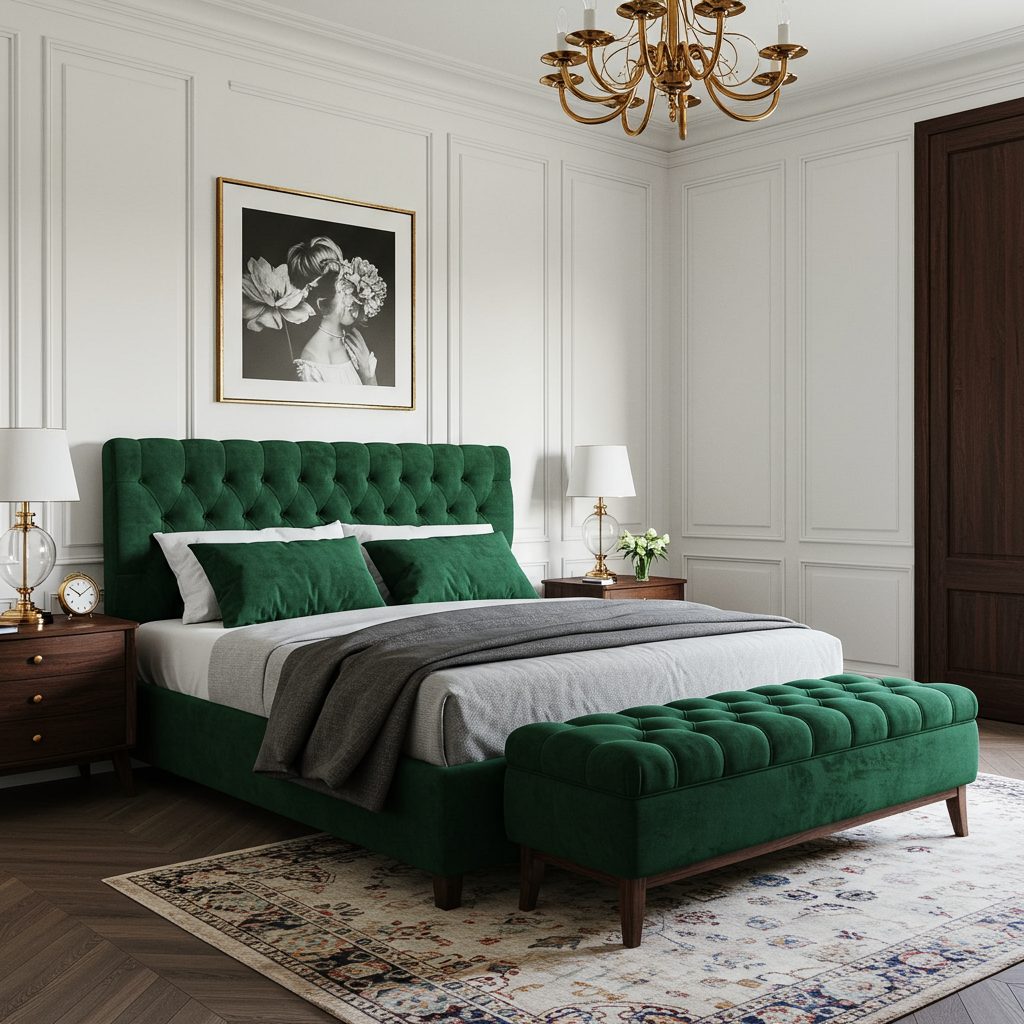
My sister’s upholstered queen frame looks absolutely stunning in her bedroom. The padded headboard is brilliant for reading in bed, and the fabric softens the room’s overall feel. Quality upholstered frames use solid wood construction with foam padding and durable fabrics.
The main considerations are fabric choice and maintenance. Linen and cotton look natural but stain easily. Performance fabrics resist spills and wear better but cost more. Leather is durable but expensive and can feel cold in winter.
Upholstered frames typically cost £500-1500 for queen size, depending on materials and construction quality. The padding can compress over time, especially on cheaper models. Professional cleaning every few years keeps them looking fresh.
Storage Solutions: Maximising Bedroom Space
Under-bed drawers transformed my small bedroom
Storage beds with built-in drawers were a game-changer when I moved to a smaller flat. Four large drawers hold all my seasonal clothing, spare bedding, and random stuff that used to clutter my wardrobe. The convenience of having storage right under the bed is mental.
Quality storage beds use proper drawer slides that operate smoothly, even when fully loaded. Cheap models have flimsy drawers that stick or fall off tracks. I learned to test drawer operation before buying – they should glide effortlessly and support significant weight.
The main drawback is reduced under-bed cleaning access. Dust bunnies accumulate in corners you can’t reach easily. Also, drawer storage beds are heavier and more complex to assemble than simple frames.
Lift-up storage provides maximum capacity
My mate has a hydraulic lift-up storage bed that’s absolutely brilliant for bulky items. The entire mattress platform lifts to reveal a massive storage compartment underneath. Perfect for storing duvets, pillows, suitcases, and other large items you don’t need regularly.
Gas struts make lifting effortless – even my petite girlfriend can operate it easily. The storage space is enormous compared to drawer systems. Quality lift-up mechanisms are rated for thousands of cycles and include safety features to prevent sudden closing.
The main considerations are mattress weight and mechanism quality. Heavy mattresses require stronger gas struts. Cheap mechanisms fail quickly and can be dangerous if they don’t support the mattress properly. Expect to pay £600-1200 for quality lift-up storage beds.
Height Considerations and Bedroom Aesthetics
Standard bed height affects daily comfort
I never thought about bed height until I stayed at a hotel with an unusually high bed. Getting in and out was awkward, and I felt like I was climbing onto a throne. Standard bed height (mattress top 24-26 inches from floor) works for most people, but personal preference and mobility issues matter.
Platform beds typically sit lower (20-24 inches total), which creates a modern, grounded feel. Traditional frames with box springs run higher (26-30 inches), making entry easier for older adults or people with mobility issues. Measure your current setup if you’re happy with the height.
Consider your bedroom’s proportions too. Low beds make rooms with standard 8-foot ceilings feel more spacious. High beds work better in rooms with tall ceilings or large furniture pieces.
Visual weight affects room perception
Chunky wooden frames dominate small bedrooms, whilst sleek metal or low-profile platforms disappear visually. My current oak frame looks perfect in my 12×14 bedroom, but would overwhelm a smaller space.
Upholstered frames in light colours feel less imposing than dark wood or black metal. The headboard height also matters – tall headboards can make ceilings feel lower in compact rooms.
Consider your existing furniture when choosing frame materials and colours. Mixed materials can work brilliantly, but they need to complement rather than clash with your current pieces.
Assembly Requirements and Durability Factors
Assembly complexity varies dramatically between styles
Simple platform beds typically require 1-2 hours and basic tools. I assembled my first metal platform frame alone in 45 minutes. Storage beds and upholstered frames are much more complex – expect 3-4 hours and possibly two people for heavy components.
Read assembly reviews before buying. Some brands have brilliant instructions and pre-drilled holes that line up perfectly. Others provide confusing diagrams and hardware that doesn’t fit properly. I learned to check if assembly service is available for complex frames.
Consider your DIY skills honestly. There’s no shame in paying for assembly if it means avoiding frustration and potential damage. Many retailers offer assembly services for £50-100, which is worth it for expensive frames.
Durability indicators to watch for
Joint construction determines long-term stability. Mortise and tenon joints in wood frames last for decades. Metal frames with welded joints are stronger than bolted connections. Upholstered frames need solid wood construction underneath the padding.
Hardware quality matters enormously. Cheap bolts strip easily, and flimsy brackets bend under stress. Quality frames use thick steel hardware with proper thread engagement. The weight of the frame often indicates build quality – heavier usually means more substantial construction.
Warranty terms reveal manufacturer confidence. Quality frames typically include 5-10 year warranties covering structural defects. Shorter warranties suggest the manufacturer expects problems or normal wear to occur quickly.
The key is matching your frame choice to your specific needs rather than just picking what looks nice. Consider your mattress type, storage requirements, assembly capabilities, and long-term durability needs before investing. Looking for the perfect platform? Our Ottoman bed frames provide superior support while maximising your storage potential! Check out the Saros Ottoman Bed Frame for exceptional foundation support and storage capacity.
Budget Planning: How Much Should You Spend on a Queen Bed?
Setting a budget for my first proper queen bed was mental stress. I had no clue what constituted good value versus marketing fluff, and I nearly made some expensive mistakes. After buying three different setups over the years (and learning from each purchase), I’ve figured out where your money actually makes a difference.
Price Ranges: What You Actually Get at Each Level
£300-600: Budget territory with surprising options
My first Queen mattress cost £350, and honestly, it wasn’t terrible. At this price point, you’re looking at basic memory foam from brands like Zinus or simple innerspring constructions. The materials aren’t premium, but they’ll do the job for a few years.
I used that budget mattress for two years in my first flat. It developed a slight sag after 18 months, and the foam retained heat like mad during summer. But for someone starting out or furnishing a guest room, it served its purpose. The key at this level is managing expectations – you’re buying functional sleep, not luxury.
Budget frames in this range are typically basic metal platforms or simple wooden constructions. My £200 metal frame was sturdy enough but looked proper industrial. Assembly was straightforward, though the finish scratched easily during moves.
£600-1200: The sweet spot for most people
This is where I found the best value for money. My current setup falls into this range, and the quality jump from budget options is massive. You get better materials, improved durability, and actual comfort features that make a difference.
Mattresses in this bracket often include gel-infused foams, better coil systems, or hybrid constructions. My £800 hybrid mattress has lasted three years without significant wear, sleeps much cooler than my budget foam, and provides proper support for both me and my partner.
Frames at this level offer solid wood construction or premium metal designs with better finishes. Storage options become available, and assembly quality improves significantly. The £600 platform bed I bought has survived two house moves and still feels rock solid.
£1200-2000: Premium comfort and features
When I splashed out on a £1600 mattress for our main bedroom, the difference was immediately obvious. The materials feel more luxurious, motion isolation is excellent, and the construction quality suggests it’ll last a decade easily.
At this price point, you get advanced cooling technologies, zoned support systems, and premium materials like natural latex or high-density memory foams. The comfort layers are thicker, and edge support is properly engineered rather than an afterthought.
Frames in this range offer solid hardwood construction, sophisticated storage solutions, or premium upholstered designs. The attention to detail is obvious – better hardware, smoother finishes, and thoughtful design elements that justify the higher cost.
£2000+: Luxury territory with diminishing returns
I’ve tested mattresses in this range at showrooms and friends’ houses. The quality is undeniably excellent, but the improvement over £1200-1600 options isn’t proportional to the price increase. You’re paying for premium brand names, exotic materials, and luxury positioning.
That said, if you’ve got the budget and sleep is a priority, these mattresses do offer the ultimate in comfort and durability. Features like organic certifications, handcrafted construction, and 20+ year warranties justify the cost for some buyers.
Value vs. Premium: Where Your Money Makes the Biggest Difference
Invest in mattress quality over frame aesthetics
My biggest mistake was spending too much on a fancy frame whilst skimping on the mattress. You spend 8 hours a night on the mattress but barely notice the frame once you’re lying down. I learned to allocate 60-70% of my budget to the mattress and 30-40% to the frame.
A £1000 mattress on a £300 platform bed will give you better sleep than a £500 mattress on an £800 designer frame. The mattress affects your actual comfort and health; the frame is mostly aesthetic once you’re asleep.
Motion isolation and edge support justify premium costs
These features seemed like marketing nonsense until I experienced the difference. Proper motion isolation means my partner’s midnight movements don’t wake me up. Quality edge support gives you the full sleeping surface instead of feeling like you’ll roll off.
Budget mattresses often fail at these basics, whilst mid-range options get them right. The sleep quality improvement is worth the extra cost if you’re sharing the bed or tend to sleep near the edges.
Cooling technology pays off for hot sleepers
I used to wake up sweating on my budget memory foam mattress. Investing in gel-infused foams or hybrid constructions with better airflow was money well spent. If temperature regulation is an issue, prioritise this feature over other premium options.
Storage solutions add genuine value
Under-bed storage transformed my small bedroom’s functionality. The extra cost for storage beds pays for itself by eliminating the need for additional furniture. If space is tight, invest in storage features rather than purely aesthetic upgrades.
Financing Options: Making Quality Affordable
0% interest deals are genuinely helpful
Many mattress retailers offer 12-24 month interest-free financing. I used this for my premium mattress purchase, spreading £1600 over 18 months without paying extra. It made quality sleep affordable without destroying my monthly budget.
The key is reading the fine print carefully. Some deals revert to high interest rates if you miss payments or don’t pay off the balance by the end date. Set up automatic payments to avoid nasty surprises.
Credit card promotions can work if managed properly
Some retailers offer additional discounts for using their store credit cards. I saved an extra 10% on my frame purchase this way. But store cards typically have high interest rates, so pay them off immediately to avoid charges.
Rent-to-own schemes are generally poor value
I looked into rent-to-own options when money was tight, but the total cost was mental – often double the retail price. Only consider these if you absolutely need a bed immediately and have no other financing options.
Timing Your Purchase: When to Find the Best Deals
Bank holiday weekends offer the biggest discounts
I’ve noticed consistent sales during May Day, August bank holiday, and especially around Black Friday. Retailers often offer 20-40% discounts during these periods. My current mattress was 30% off during a spring bank holiday sale.
End of financial quarters bring clearance sales
March, June, September, and December often see retailers clearing inventory. I found excellent deals on display models and discontinued lines during these periods. The mattresses were perfect; they just needed to make room for new stock.
Avoid buying during peak moving seasons
Summer months (June-August) typically have higher prices due to increased demand from people moving house. If possible, shop during quieter periods like January-March for better deals and selection.
Online brands run frequent promotions
Direct-to-consumer brands like Casper and Nectar constantly offer discounts, free accessories, or extended trial periods. Sign up for their newsletters to track deals, but don’t feel pressured to buy immediately – similar offers usually return.
Total Cost Considerations: The Hidden Expenses
Bedding costs add up quickly
Quality queen sheets, duvet covers, and pillows easily cost £200-400. I initially budgeted just for the mattress and frame, then realised I needed everything else too. Factor bedding into your total budget from the start.
Bamboo or high thread count cotton sheets cost more but last longer and feel better. Cheap polyester bedding pills quickly and doesn’t breathe well. It’s worth investing in quality basics that you’ll use every night.
Delivery and setup fees vary widely
Some retailers include free delivery, others charge £50-150 for queen mattresses. White glove service (setup and old mattress removal) typically costs an additional £100-200. Factor these costs into price comparisons between retailers.
Mattress protectors are essential but often forgotten
A quality waterproof mattress protector costs £50-100 but protects your investment from spills, sweat, and wear. Most mattress warranties require protectors to remain valid. Don’t skip this – it’s cheap insurance for an expensive purchase.
Old mattress disposal isn’t always free
If the retailer doesn’t remove your old mattress, disposal can cost £30-80 through local councils or waste services. Some charities accept mattress donations if they’re in good condition, which saves money and helps others.
Pillows and accessories complete the setup
New mattresses often require different pillow heights for proper spinal alignment. Budget £100-200 for quality pillows that complement your new sleep setup. Mattress toppers (£50-150) can fine-tune comfort if needed.
The key is being realistic about your total budget and prioritising features that actually improve your sleep quality. Don’t get caught up in luxury features you won’t notice or use – focus on the basics that make the biggest difference to your nightly comfort. Smart spending starts here! Discover our range of ottoman beds offering exceptional value and long-term storage solutions. The Sam Ottoman Upholstered Bed Frame delivers premium features at an affordable price point.
Shopping Tips: Where and How to Buy Your Queen Size Bed
Shopping for my queen bed was like navigating a proper minefield of sales tactics and confusing options. I made some right rookie mistakes the first time around, including falling for fake reviews and not understanding warranty terms. Here’s what I learned from three different bed purchases and countless hours of research.
Online vs. In-Store Shopping: The Real Advantages
Online shopping changed everything for me
I was sceptical about buying a mattress online without testing it first, but the convenience and pricing won me over. My Casper purchase arrived compressed in a box that I could actually manage up two flights of stairs – try doing that with a traditional mattress from a shop.
The selection online is mental compared to physical stores. I could compare dozens of brands and models without dealing with pushy salespeople. Prices are typically 20-40% lower online because there’s no showroom overhead. Plus, you can research properly without someone breathing down your neck trying to close a sale.
The main challenge is judging comfort without lying on the mattress first. But generous trial periods solve this problem – most online brands offer 90-365 nights to test at home. That’s way longer than the few minutes you get in a showroom.
Physical stores still have their place
When I bought my current hybrid mattress, I visited a local retailer first to test different firmness levels. There’s something valuable about actually lying on mattresses, especially if you’re unsure about your preferences. I spent an hour testing various models and learned I preferred medium-firm over the soft mattresses I thought I wanted.
Immediate availability is another advantage – you can take some mattresses home the same day instead of waiting for delivery. Local stores also handle warranty claims more personally, though this varies by retailer quality.
The downsides are obvious: higher prices, limited selection, and sales pressure. I felt rushed making decisions and ended up buying extended warranties I didn’t need. The markup on accessories like pillows and protectors is absolutely mental in physical stores.
The hybrid approach works best
My current strategy combines both methods. I test mattresses in stores to understand my preferences, then buy online for better prices and trial periods. Some online brands now have showrooms in major cities where you can test before ordering.
Research online first to understand different mattress types and features. Then visit stores to test similar constructions. Finally, buy from whoever offers the best combination of price, trial period, and customer service.
Trial Periods: Your Safety Net for Comfort
Longer trials aren’t just marketing gimmicks
I initially thought 30-night trials were plenty, but it takes weeks for your body to adjust to a new mattress. My first online mattress felt too firm initially, but after a month, it was perfect. Your muscles and joints need time to adapt to different support patterns.
Nectar’s 365-night trial seemed excessive until I realised how much my sleep preferences changed seasonally. What felt comfortable in winter was too warm in summer. Having a full year to evaluate the mattress in different conditions was brilliant.
The key is actually using the trial period properly. Don’t judge the mattress after one night – give it at least 3-4 weeks before making return decisions. Keep your old mattress if possible during the trial period, just in case.
Return processes vary dramatically between brands
Some companies make returns easy with free pickup and full refunds. Others charge restocking fees or require you to arrange a donation to local charities. I learned to read return policies carefully before purchasing.
Tuft & Needle handled my return brilliantly – they arranged pickup within a week and refunded my money immediately. A budget brand I tried made the process so difficult I nearly gave up. Check customer reviews specifically about return experiences.
Trial period limitations to understand
Most trials require a minimum period (usually 30 nights) before returns are allowed. This prevents people from using mattresses for short-term needs and then returning them. Some brands also limit returns to one per customer or household.
Stains, damage, or strong odours can void trial periods. Use a mattress protector from day one to avoid issues. Keep all packaging and documentation until you’re certain about keeping the mattress.
Warranty Coverage: Understanding What’s Actually Protected
Warranty length doesn’t tell the whole story
My first mattress had a 20-year warranty that sounded impressive until I read the fine print. After year 10, coverage dropped to 50%, and I’d have to pay shipping costs both ways. The “lifetime” warranty on another brand only covered manufacturing defects, not normal wear.
Focus on what’s actually covered rather than warranty duration. Sagging thresholds matter most – some brands replace mattresses for 1-inch indentations, others require 1.5 inches or more. That difference significantly affects when you can claim warranty coverage.
Prorated vs. non-prorated warranties
Non-prorated warranties provide full replacement value throughout the coverage period. Prorated warranties reduce coverage over time, so you pay increasing amounts for replacements. My current mattress has 10 years of non-prorated coverage, which gives proper peace of mind.
Always ask about shipping costs for warranty claims. Some brands cover everything; others charge £100+ for pickup and delivery. These costs can make warranty claims uneconomical for older mattresses.
Warranty void conditions are crucial
Using the wrong foundation can void your warranty immediately. Most foam mattresses require solid platforms or closely spaced slats. Box springs often void foam mattress warranties, even though salespeople might not mention this.
Stains, burns, or physical damage void most warranties. Mattress protectors are essential for maintaining coverage. Some brands require proof of protector use for warranty claims.
Keep detailed records
I learned to photograph my mattress setup, save all receipts, and document any issues with dates and photos. Warranty claims require proof of purchase and often evidence of proper care. Digital photos with timestamps help support claims.
Delivery and Setup: Getting Your Bed Home Safely
Delivery options affect total cost and convenience
Standard delivery usually means curbside drop-off, which left me struggling to get a heavy mattress upstairs alone. White glove delivery includes setup and old mattress removal, but costs £100-200 extra. For heavy mattresses or difficult access, it’s worth every penny.
Compressed mattresses in boxes are much easier to handle but need 24-48 hours to fully expand. I made the mistake of sleeping on mine too early and thought it was defective. Patience is essential with bed-in-a-box deliveries.
Timing delivery properly
Schedule delivery when you can be home to inspect everything immediately. I once had a frame delivered with missing hardware whilst I was at work, and it took weeks to get replacement parts. Check all components before the delivery team leaves.
Consider your building’s access restrictions. My current flat has narrow stairs and tight corners that make large deliveries challenging. Measure doorways, stairwells, and lifts before ordering to avoid delivery disasters.
Old mattress disposal logistics
Many retailers offer old mattress removal, but policies vary. Some include it free with white glove delivery; others charge separately. Local councils often collect old mattresses for £30-50, which is cheaper than some retailer fees.
If donating your old mattress, ensure it’s in good condition and meets charity requirements. Many won’t accept mattresses with stains or significant wear. Plan disposal before your new mattress arrives to avoid storage issues.
Reading Reviews: Separating Truth from Marketing
Fake reviews are everywhere in the mattress industry
I fell for fake reviews on my first purchase and learned to spot the warning signs. Genuine reviews mention specific details about sleep positions, body types, and actual experiences. Fake reviews use generic language and focus on features rather than personal experiences.
Look for reviews that mention negatives alongside positives. Real customers always find something to criticise, even with products they love. Reviews that are entirely positive or use similar phrasing across multiple accounts are likely fake.
Focus on reviews from similar sleepers
A review from a 200-pound side sleeper is more relevant to me than one from a 120-pound back sleeper. Look for reviewers who mention their weight, preferred sleep position, and specific comfort preferences. Their experiences will better predict your own satisfaction.
Pay attention to long-term reviews rather than initial impressions. Mattresses that feel great initially might develop problems after months of use. Reviews from customers who’ve owned the product for 6+ months provide better insights.
Third-party review sites offer better perspectives
Manufacturer websites obviously filter reviews, so check independent sites like Which?, Trustpilot, or Reddit discussions. These platforms are harder to manipulate and often include more honest feedback about problems and customer service experiences.
YouTube reviews can be helpful for seeing actual products, but many reviewers receive free mattresses in exchange for coverage. Look for reviewers who disclose sponsorships and provide balanced perspectives rather than pure promotion.
Red flags in customer service reviews
Pay special attention to reviews about returns, warranty claims, and customer service interactions. A company might make excellent mattresses but provide terrible support when problems arise. Poor customer service reviews are often more telling than product complaints.
Look for patterns in negative reviews. If multiple customers mention the same issues (heat retention, durability problems, difficult returns), those are likely genuine concerns rather than isolated incidents.
The key is approaching bed shopping like any major purchase – research thoroughly, understand your options, and don’t rush decisions based on sales pressure or limited-time offers. Quality sleep is worth the investment, but only if you buy smart and protect yourself with proper trials and warranties. Ready to make the smart choice? Shop our carefully curated collection of ottoman beds with confidence and generous trial periods! The Pearl Ottoman Bed Frame comes with comprehensive warranty coverage for peace of mind.
Accessories and Bedding for Your New Queen Bed
Getting my new queen mattress was only half the battle – I quickly realised I needed a whole ecosystem of accessories to make it work properly. I made some expensive mistakes buying the wrong pillows and cheap bedding that fell apart after a few washes. Here’s what I learned about kitting out a queen bed properly.
Mattress Protectors: The Unsung Heroes of Sleep
I nearly voided my warranty by skipping this
My first mattress lasted barely two years before developing stains and odours that voided the warranty. I thought mattress protectors were just marketing nonsense until I read the fine print on my replacement mattress warranty – they actually require proof of protector use for most claims.
The difference between a £20 basic protector and a £60 quality one is mental. Cheap protectors feel like sleeping on a plastic bag and make crinkly noises every time you move. My current bamboo protector is completely silent and actually makes the mattress feel softer whilst protecting it.
Waterproof doesn’t have to mean uncomfortable
Modern protectors use breathable waterproof membranes that block liquids whilst allowing air circulation. My Protect-A-Bed protector survived a massive coffee spill that would’ve ruined my mattress. The liquid beaded up on top whilst the mattress stayed completely dry underneath.
Look for protectors with deep pockets that fit your mattress thickness properly. My first one was too shallow and kept popping off the corners during sleep. Queen mattresses vary from 8-16 inches thick, so check your measurements before buying.
Hypoallergenic benefits are real
I didn’t realise how much dust mites were affecting my sleep until I got a proper allergen-blocking protector. My morning stuffiness disappeared within a week. Quality protectors create a barrier against dust mites, pet dander, and other allergens that accumulate in mattresses over time.
The key is washing protectors monthly in hot water to maintain their effectiveness. I learned to buy two so I always have a clean one ready whilst the other’s in the wash.
Pillow Selection: Getting Your Head Right
Sleep position determines everything about pillow choice
I spent years using the wrong pillows because I didn’t understand how sleep position affects neck alignment. As a side sleeper, I needed thick, firm pillows to fill the gap between my shoulder and head. The thin, soft pillows I preferred were actually causing neck pain.
Side sleepers need substantial support
My current memory foam pillow is about 5 inches thick and provides excellent support for side sleeping. The key is maintaining neutral spine alignment – your head shouldn’t tilt up or down when lying on your side. I tested this by having my partner check my neck position from behind.
Contour pillows work brilliantly for side sleepers because they cradle your neck whilst supporting your head. The curved design keeps everything aligned naturally. It took a week to get used to the shape, but my neck pain disappeared completely.
Back sleepers require medium support
My partner sleeps on his back and uses a medium-thickness pillow that supports his neck’s natural curve without pushing his head too far forward. Too thick and his chin tilts toward his chest; too thin and his head tilts back awkwardly.
Down alternative pillows work well for back sleepers because they’re adjustable – you can fluff them up or compress them to find the right height. Memory foam can work too, but it needs to be thinner than what side sleepers use.
Stomach sleepers need minimal elevation
My mate who sleeps face-down uses an ultra-thin pillow or sometimes no pillow at all. Thick pillows force stomach sleepers’ necks into unnatural positions that cause pain and stiffness. A thin, soft pillow provides just enough comfort without creating alignment issues.
Pillow replacement timing matters
I used to keep pillows until they were completely flat, but quality pillows should be replaced every 1-2 years, depending on materials. Memory foam lasts longer than down or polyester fill. The fold test works well – if a pillow doesn’t spring back when folded in half, it’s time for replacement.
Sheet Sets: The Foundation of Comfort
Thread count isn’t everything
I fell for the thread count marketing trap and bought 1000-thread-count sheets that felt heavy and didn’t breathe well. The sweet spot for comfort is actually 200-400 thread count with quality materials. Higher counts often use thinner, weaker threads that don’t perform as well.
Material choice affects everything
Cotton percale sheets are my absolute favourite for year-round comfort. They’re crisp, breathable, and get softer with each wash. The weave allows excellent airflow, which keeps me cool during summer nights. They wrinkle more than other materials, but the comfort is worth it.
Cotton sateen feels luxurious and silky but retains heat more than percale. I tried sateen sheets during winter and loved the smooth feel, but they were too warm for summer use. The shiny finish also shows wrinkles and wear more obviously.
Bamboo sheets surprised me with their softness and temperature regulation. They’re naturally antimicrobial and incredibly soft, though they’re more expensive than cotton options. The moisture-wicking properties work brilliantly for hot sleepers.
Queen sizing variations cause problems
Not all queen sheets fit the same. Standard queen sheets fit mattresses up to 15 inches deep, but my 16-inch mattress required deep-pocket sheets. Regular sheets kept popping off the corners, which was mentally frustrating during sleep.
Always check the pocket depth specification before buying. Deep pocket sheets (up to 18 inches) work on any queen mattress, whilst standard pockets might not fit thicker mattresses properly.
Quality indicators to watch for
Single-ply yarns last longer than multi-ply constructions. Look for reinforced seams and quality elastic around fitted sheet corners. Cheap sheets often have weak elastic that loses stretch after a few washes.
Pre-shrunk fabrics prevent sizing issues after washing. I learned this the hard way when my first sheet set shrank significantly and no longer fit properly. Quality manufacturers pre-shrink fabrics during production.
Comforters and Duvets: Seasonal Sleep Solutions
Understanding tog ratings changed my sleep
I used the same heavy duvet year-round until I learned about tog ratings. Now I use a 4.5 tog summer duvet and a 13.5 tog winter one, with a 10.5 tog for spring and autumn. The temperature regulation improvement is massive.
Down vs. synthetic fill considerations
My down duvet is incredibly light and breathable, but requires professional cleaning and costs significantly more than synthetic alternatives. Down also triggers my partner’s allergies, so we switched to a high-quality synthetic fill that performs nearly as well.
Synthetic fills have improved dramatically in recent years. My current microfibre duvet feels almost as light as down whilst being machine washable and hypoallergenic. The price difference allowed me to buy multiple tog ratings for seasonal changes.
Duvet covers protect your investment
Quality duvets last 5-10 years with proper care, but only if you use covers to protect them from body oils and spills. I learned to buy multiple cover sets so I can wash them weekly, whilst the duvet itself only needs cleaning 2-3 times per year.
Look for covers with corner ties that secure the duvet inside. Cheap covers without ties allow the duvet to bunch up and create cold spots. Quality covers also have hidden zippers or button closures that don’t scratch your skin.
Mattress Toppers: Fine-Tuning Your Comfort
Toppers can save an imperfect mattress
My first queen mattress was slightly too firm, and a 3-inch memory foam topper transformed it completely. Instead of replacing the entire mattress, I spent £150 on a topper that provided the exact comfort level I needed.
Different materials serve different purposes
Memory foam toppers add pressure relief and contouring, but can retain heat. Latex toppers provide bounce and cooling whilst adding some softness. Down alternative toppers offer plush comfort without significant support changes.
I tried a cooling gel topper when my memory foam mattress got too warm. The temperature regulation improvement was noticeable, though not as dramatic as switching to a hybrid mattress would’ve been.
Thickness affects performance significantly
Thin toppers (1-2 inches) provide minimal comfort changes but can improve temperature regulation or add slight softness. Thick toppers (3-4 inches) dramatically alter mattress feel and can mask underlying support issues.
My 3-inch topper essentially created a new sleep surface, whilst a 1-inch version I tried barely made any difference. Consider how much change you actually need before choosing thickness.
Securing toppers prevents shifting
Elastic straps or fitted covers keep toppers in place during sleep. My first topper didn’t have securing mechanisms and constantly shifted, creating lumps and gaps. Quality toppers include corner straps or fitted covers that maintain proper positioning.
Maintenance requirements vary
Memory foam toppers need regular airing and spot cleaning but can’t be machine-washed. Synthetic fill toppers are often machine washable, making maintenance much easier. Consider your cleaning preferences when choosing materials.
The key is building your bedding setup gradually and prioritising items that address your specific comfort issues. Don’t buy everything at once – start with essentials like a protector and basic sheets, then add accessories as you identify what would improve your sleep quality most. Complete your sleep sanctuary! Pair your new mattress with our stylish ottoman storage beds for a perfectly coordinated bedroom. The Luka Ottoman Upholstered Bed Frame offers elegant design that complements any bedding style.
Conclusion
Choosing the perfect queen size bed doesn’t have to feel like an impossible task! By understanding your sleep preferences, considering your budget, and focusing on quality features that matter most to you, you’ll find a mattress that transforms your nightly rest.
Remember, this is an investment in your health and well-being. Take advantage of trial periods, read the fine print on warranties, and don’t rush the decision. Your future self will thank you every morning when you wake up refreshed and pain-free!
Ready to start shopping? Begin by determining your firmness preference and budget range, then explore the brands and models that align with your needs. Sweet dreams are just a purchase away! Transform your bedroom today! Browse our premium collection of queen size ottoman beds and start enjoying better sleep with smarter storage. Don’t miss the Aniya Ottoman Bed Frame – our customer favourite for 2025!
Frequently Asked Questions About Queen Size Beds
1. What are the exact dimensions of a queen size bed, and how much space do I need?
A queen size bed measures exactly 60 inches wide by 80 inches long (5 feet by 6 feet 8 inches). You need a minimum bedroom size of 10 feet by 12 feet to accommodate a queen bed comfortably.
Room space requirements for queen beds:
- Minimum bedroom dimensions: 10′ x 12′ (120 square feet)
- Ideal bedroom size: 11′ x 13′ or larger for optimal furniture placement
- Walking space needed: 24-30 inches around three sides of the bed
- Doorway clearance: Standard 32-inch doors accommodate queen mattress delivery
- Ceiling height consideration: 8-foot minimum for comfortable proportions
The queen size sleeping surface provides 30 inches of width per person when shared, compared to just 27 inches each on a full-size bed. This extra space significantly improves sleep quality for couples while fitting in most standard bedrooms without overwhelming the room layout.
2. Which queen size mattress type is best for side sleepers and couples?
Memory foam and hybrid queen mattresses are best for side sleepers and couples because they provide pressure relief and excellent motion isolation. Medium to medium-soft firmness (4-6 on firmness scale) works optimally for side sleeping positions.
Best queen mattress features for side sleepers:
- Memory foam construction: Contours to hips and shoulders, reducing pressure points
- Hybrid design: Combines foam comfort with innerspring support and cooling
- Medium firmness level: 4-6 rating allows proper spinal alignment
- Zoned support systems: Softer around hips/shoulders, firmer for core support
- Motion isolation technology: Prevents partner movement from disturbing sleep
For couples sharing a queen bed, motion isolation becomes crucial since you have 30 inches of personal space each. Memory foam excels at absorbing movement, while hybrid mattresses offer the perfect balance of contouring comfort and responsive support for different sleep positions.
3. How much should I budget for a complete queen size bed setup in 2025?
A complete queen size bed setup costs between £800 and £ 2500 in 2025, depending on quality levels. Budget £600-1200 for the mattress and £200-800 for the bed frame, plus £200-400 for essential bedding accessories.
Queen bed budget breakdown by category:
- Budget setup (£800-1200): Basic memory foam mattress + metal platform frame
- Mid-range setup (£1200-1800): Quality hybrid mattress + wooden ottoman bed frame
- Premium setup (£1800-2500): Luxury mattress + upholstered storage bed frame
- Essential accessories (£200-400): Mattress protector, pillows, sheet sets, duvet
- Optional upgrades (£100-300): Mattress topper, premium bedding, delivery service
The sweet spot for value is the £1200-1800 range, where you get significant quality improvements in materials, durability, and comfort features. Investing 60-70% of your budget in the mattress and 30-40% in the bed frame typically provides the best sleep experience and long-term value.
4. What’s the difference between queen ottoman beds and regular queen bed frames?
Queen Ottoman beds feature hydraulic lift-up storage underneath the mattress, while regular queen bed frames provide basic mattress support without built-in storage. Ottoman beds offer 40-60% more storage capacity than traditional drawer systems.
Key differences between Ottoman and regular queen beds:
- Storage capacity: Ottoman beds provide 150-200 litres of hidden storage space
- Access method: Hydraulic gas lifts raise the entire mattress platform for easy access
- Floor space: Ottoman beds maximise under-bed storage without protruding drawers
- Price difference: Ottoman beds cost £200-500 more than equivalent regular frames
- Assembly complexity: Ottoman beds require more complex installation due to lift mechanisms
Ottoman queen beds are ideal for small bedrooms, guest rooms, or anyone needing extra storage for seasonal clothing, bedding, or personal items. The hydraulic lift system makes accessing stored items effortless, even with heavy mattresses, while maintaining a clean, streamlined bedroom appearance.
5. How long do queen size mattresses last, and when should I replace mine?
Queen size mattresses typically last 7-10 years with proper care, though lifespan varies by material type and usage. Replace your queen mattress when you experience consistent discomfort, visible sagging over 1.5 inches, or sleep quality.
Queen mattress lifespan by material type:
- Memory foam mattresses: 8-10 years with high-density foam construction
- Innerspring mattresses: 6-8 years, depending on coil quality and usage
- Hybrid mattresses: 7-9 years, combining the durability of springs and foam comfort
- Latex mattresses: 10-15 years offering the longest lifespan with natural materials
- Budget mattresses: 3-5 years with lower-quality materials and construction
Signs your queen mattress needs replacement include waking up with aches and pains, visible body impressions that don’t bounce back, squeaking or creaking sounds, and feeling tired despite adequate sleep time. Using a quality mattress protector and rotating your mattress every 3-6 months can extend its lifespan significantly.