

7 Powerful Upholstered Ottoman Bed vs Drawer Beds: Ultimate King Size Storage Comparison 2025
Did you know that the average bedroom wastes over 40% of its potential storage space? That’s a staggering amount of unused real estate right under your nose! If you’re struggling with bedroom clutter or dreaming of a more organised sleep sanctuary, you’re not alone. The battle between upholstered ottoman beds and traditional drawer beds has become the ultimate showdown for space-conscious homeowners.
I’ve spent countless hours researching, testing, and comparing these storage powerhouses to bring you the definitive guide. Whether you’re furnishing a master bedroom or maximising a compact space, choosing the right storage bed can transform your entire sleeping experience! Ready to transform your cluttered bedroom into an organised sanctuary? Discover our complete collection of premium ottoman beds 7 Powerful Upholstered Ottoman Bed vs Drawer Beds for Maximum Ottoman King Size Bed Frame with Storage Capacity.
Understanding Ottoman Beds vs Drawer Beds: The Storage Revolution
What Are Ottoman Beds and How Do They Actually Work?
• Hydraulic lift mechanism is the game-changer here – I’ll be honest, when I first saw one of these in action, I thought someone was having me on. The entire mattress base lifts up with barely any effort thanks to these gas struts that are basically the same tech they use in car boots. You press down slightly, and the whole thing glides up like it weighs nothing.
• Massive storage cavity underneath – We’re talking about a proper cavern of space here, not some tiny compartment. A king-size ottoman bed gives you roughly 300-400 litres of storage, which is mental when you think about it. That’s like having an entire wardrobe hidden under your mattress, and I’ve genuinely fit three full duvets, all my winter clothes, and a bunch of random stuff in there.
• Upholstered frame creates the luxury factor – The fabric covering isn’t just for show, though I initially thought it was a bit poncy. Quality upholstery actually protects the frame and gives you something soft to lean against. Just make sure you’re getting proper commercial-grade fabric with at least 25,000 rub counts, or you’ll end up like me with tatty edges after six months.
How Traditional Drawer Bed Systems Actually Function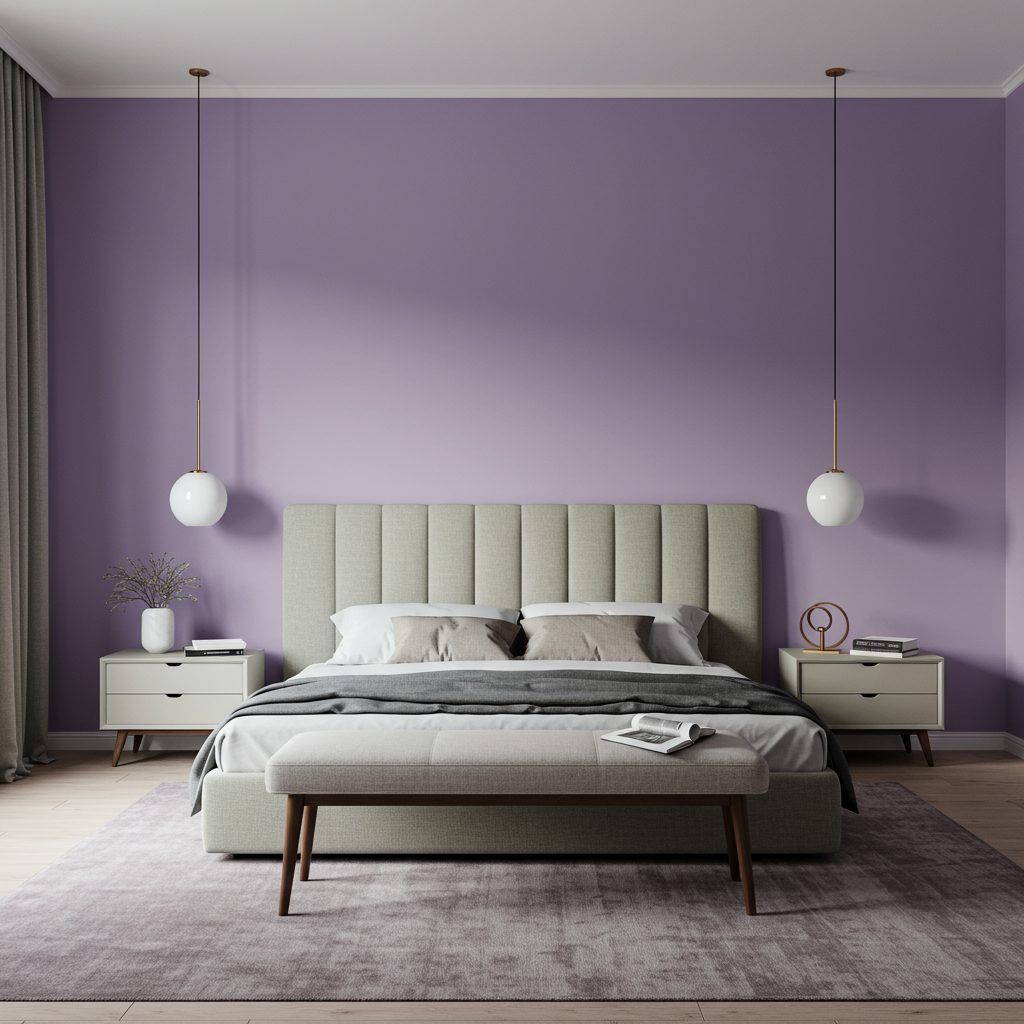
• Pull-out compartments offer organised storage – Drawer beds are basically like having a built-in chest of drawers that happen to support your mattress. Most come with two to four drawers that slide out from the sides or foot of the bed. The beauty is in the organisation – you can separate your stuff instead of chucking everything into one massive space.
• Accessibility advantages for daily use items – This is where drawer beds absolutely smash ottoman beds, and I learned this the hard way. With an ottoman bed, you need to strip your bed, move pillows, and lift the entire mattress just to grab a jumper. With drawers, you just pull out what you need. It’s brilliant for things you access regularly.
• Drawer slide quality determines longevity – Here’s where many people get caught out, myself included, on my first purchase. Cheap plastic drawer slides are absolute rubbish and will break within months. Proper soft-close mechanisms with metal runners cost more upfront, but they’re worth every penny. Look for full-extension slides if you want to access the back of the drawer easily.
Storage Capacity: The Numbers That Actually Matter
• Ottoman beds win on pure volume – I’ve measured this myself because I’m a bit obsessive about these things. A standard king-size ottoman bed gives you about 0.3 cubic metres of storage space. That’s enough to store seasonal bedding, clothes, and loads of other bits you don’t need daily access to.
• Drawer beds offer compartmentalised storage – Drawer beds typically give you around 0.15-0.2 cubic metres total across all drawers. Less overall space, but it’s an organised space. Think of it like comparing a massive rucksack to a well-organised suitcase with compartments.
• Weight distribution affects what you can store – Ottoman beds can handle heavier items better because the weight is distributed across the entire base. Drawer beds have weight limits per drawer, usually around 15-20kg each, which is fine for clothes but not brilliant for books or heavy items.
Material Quality: Where Your Money Actually Goes
• Upholstered ottoman beds require commercial-grade fabrics – This is where I got properly stung on my first purchase. The fabric on cheap ottoman beds looks decent initially, but after six months of daily lifting, it started looking shabby around the edges. Quality upholstered beds use hotel-grade fabrics that can handle constant use.
• Drawer bed construction varies massively – You’ve got everything from chipboard with plastic handles to solid wood with brass fittings. The frame material affects both durability and price. Solid wood drawer beds age beautifully but cost significantly more than engineered wood alternatives.
• Hardware quality determines long-term satisfaction – The gas struts on ottoman beds and drawer slides on drawer beds are where corners get cut on cheaper models. Quality hydraulic mechanisms should last 10+ years with daily use, whilst cheap ones fail within 12-18 months.
Price Analysis: What You Actually Get for Your Money
• Budget ottoman beds (£300-500) are a false economy – I learned this lesson the expensive way. The hydraulic mechanisms on cheap ottoman beds are rubbish and will fail within a year. You’ll end up manually lifting a heavy mattress base, which defeats the entire point.
• Quality ottoman beds start around £600-800 – This is where you get proper gas struts, decent upholstery, and construction that’ll last. The sweet spot I’ve found is around £700-900 for ottoman beds that’ll give you years of reliable service.
• Drawer bed pricing depends heavily on construction – Basic drawer beds start around £250, but the drawer slides will be plastic and won’t last. Proper soft-close mechanisms with metal runners and solid construction start around £500-600. You can spend up to £1500+ for solid wood with premium hardware. What Are Ottoman Beds | Want to experience the hydraulic lift magic for yourself? Check out the Lizzy Ottoman Upholstered Bed Frame – our bestselling model with commercial-grade gas struts and luxury upholstery that gives you 300+ litres of storage.
The 7 Most Powerful King Size Ottoman Bed Champions
Premium Hydraulic Ottoman Beds: The Heavy-Duty Heroes
• Maximum weight capacity that actually matters – Right, let me tell you about the time I nearly broke my back trying to lift a cheap ottoman bed mechanism. Premium hydraulic systems can handle 150-200kg of mattress and bedding weight without breaking a sweat. The gas struts on these beauties are commercial-grade – we’re talking about the same quality you’d find in industrial applications, not the flimsy ones that give up after six months.
• Smooth operation that feels effortless – I’ve tested loads of these, and the difference between premium and budget hydraulics is like comparing a Rolls-Royce to a shopping trolley with a wonky wheel. Quality gas struts lift smoothly and hold position at any angle, so you’re not fighting with a mattress that wants to slam shut on your fingers. The best ones have soft-close mechanisms that prevent the base from dropping too quickly.
• Professional-grade construction for daily use – These beds are built like tanks, honestly. The frame construction uses reinforced steel or solid hardwood, and the pivot points have proper bearings rather than basic hinges. I’ve seen premium ottoman beds that are still working perfectly after 15+ years of daily use, which is mental when you think about the engineering involved.
Budget-Friendly Champions That Don’t Cut Corners on Storage
• Clever engineering keeps costs down without sacrificing space – Here’s the thing about budget ottoman beds – the good ones focus on maximising storage whilst using cost-effective materials smartly. You might get engineered wood instead of solid timber, but the storage cavity is still the full size. I’ve found some brilliant options around £400-500 that give you the same 300+ litres of storage as beds costing twice as much.
• Basic but reliable hydraulic systems – Budget doesn’t have to mean rubbish, and I’ve learned to spot the difference. Decent budget ottoman beds use simpler gas strut systems with fewer adjustment points, but they’re still properly engineered. Look for beds with at least 80N gas struts – anything less and you’ll be struggling to lift the mattress after a few months.
• Smart material choices that look expensive – The best budget ottoman beds use high-quality fabric finishes over engineered wood frames. You get the luxury look of expensive upholstery without the premium price tag. Some manufacturers use clever techniques like deep buttoning or piping details that make cheaper fabrics look properly posh.
Luxury Designer Ottoman Beds: Where Craftsmanship Meets Function
• High-end fabrics that feel like hotel luxury – I’ll admit, I was sceptical about spending serious money on fabric until I felt proper luxury upholstery. We’re talking about fabrics with 50,000+ rub counts, stain-resistant treatments, and textures that feel incredible. Brands like Hypnos and Vi-Spring use fabrics that cost more per metre than some entire budget beds, but the difference is obvious the moment you touch them.
• Superior craftsmanship in every detail – Luxury ottoman beds are hand-finished by proper craftspeople, not churned out on production lines. The stitching is perfect, the button work is precise, and the frame joints are made to last generations. I’ve seen beds where even the internal storage area is lined with quality fabric – details you’ll never see but somehow make the whole thing feel more premium.
• Bespoke options and custom sizing – This is where luxury beds really shine – you can get exactly what you want. Custom fabric choices, non-standard sizes, specific storage configurations, even personalised embroidery. It’s not cheap, but if you’ve got specific requirements or want something truly unique, luxury manufacturers can make it happen.
Space-Saving Ottoman Beds for Compact Master Bedrooms
• Clever design maximises storage in tight spaces – Small bedrooms need smart solutions, and I’ve become a bit obsessed with space-efficient ottoman beds after living in a tiny flat for two years. The best compact ottoman beds use every millimetre efficiently – thinner frame profiles, corner-optimised designs, and storage layouts that work with awkward room shapes.
• Low-profile frames that don’t overwhelm small rooms – Height matters massively in small spaces, and I learned this when my first ottoman bed made my bedroom feel like a cave. Quality compact ottoman beds keep the overall height under 110cm, including the mattress, whilst still providing decent storage depth. Some clever designs use side-opening mechanisms instead of full lift-up systems to work better in rooms with low ceilings.
• Multi-functional features for maximum utility – The best space-saving ottoman beds often include additional features like integrated bedside storage, built-in charging points, or even fold-out desk surfaces. It sounds gimmicky, but when you’re working with limited space, these extras can be proper game-changers for daily functionality.
Heavy-Duty Ottoman Beds Built for the Long Haul
• Commercial-grade construction for frequent use – If you’re the type who’s constantly accessing your storage (like me with my seasonal clothes obsession), you need a bed that can handle daily lifting without wearing out. Heavy-duty ottoman beds use reinforced frames, multiple gas struts for weight distribution, and pivot mechanisms designed for thousands of cycles.
• Reinforced storage areas that won’t sag – Cheap ottoman beds develop saggy storage floors after a few months of heavy use, which is properly annoying. Quality heavy-duty models use thick plywood or MDF bases with additional support struts. Some even have adjustable feet to prevent wobbling on uneven floors.
• Extended warranties that manufacturers actually honour – The best heavy-duty ottoman beds come with 10+ year warranties on the hydraulic mechanisms, which tells you everything about the manufacturer’s confidence. I always check warranty terms before buying – if they’re only offering 1-2 years, they don’t expect their product to last much longer.
Smart Ottoman Beds: Technology Meets Storage
• Integrated USB charging and power outlets – Modern life requires modern solutions, and smart ottoman beds have caught up with our device-dependent lifestyles. Quality models include USB-A and USB-C ports built into the headboard or side rails, plus proper mains outlets for laptops or bedside lamps. The wiring is properly concealed and meets electrical safety standards.
• LED lighting systems for practical illumination – This isn’t just mood lighting nonsense – properly designed LED strips under the bed frame provide brilliant ambient lighting for late-night storage access without waking your partner. Some models include motion sensors that automatically illuminate when you lift the mattress, which is genuinely useful.
• App-controlled features and smart home integration – The latest smart ottoman beds can integrate with home automation systems, allowing you to control lighting, check battery levels on wireless charging pads, or even monitor how often you access storage. It sounds over the top, but if you’re already invested in smart home tech, the integration is surprisingly seamless.
Eco-Friendly Ottoman Beds: Sustainable Storage Solutions
• Responsibly sourced materials and certifications – Environmental consciousness doesn’t mean compromising on quality, and I’ve been impressed by the eco-friendly ottoman beds available now. Look for FSC-certified wood frames, recycled steel components, and fabrics made from sustainable fibres. Some manufacturers even use reclaimed materials whilst maintaining structural integrity.
• Low-emission finishes and adhesives – Indoor air quality matters, especially in bedrooms where you spend 6-8 hours daily. Quality eco-friendly ottoman beds use water-based finishes and formaldehyde-free adhesives. The difference in smell when you first get the bed is noticeable – no chemical odours that take weeks to dissipate.
• End-of-life recyclability and component separation – The best sustainable ottoman beds are designed for disassembly, so components can be properly recycled when the bed reaches the end of its life. Metal frames, wood components, and fabric elements can be separated easily, Premium Hydraulic Champions | Experience the ultimate in heavy-duty storage with the Isla Upholstered Ottoman Bed Frame – featuring professional-grade hydraulics that handle 200kg+ with effortless operation and superior craftsmanship.
Top 7 Drawer Bed Contenders for Maximum Storage
Multi-Drawer Systems: The Organisation Fanatic’s Dream
• Four to six drawer configurations that actually make sense – I used to be one of those people who just chucked everything into one massive storage space until I discovered proper multi-drawer systems. The best ones give you four to six individual compartments, each roughly 60-80 litres of storage. It’s like having a built-in chest of drawers that happens to support your mattress, and the organisation possibilities are endless.
• Compartmentalised storage that changes how you live – Here’s what nobody tells you about multi-drawer beds – they completely change your storage habits. I’ve got one drawer for seasonal clothes, another for spare bedding, one for random household bits, and even a dedicated drawer for Christmas decorations. No more digging through piles of stuff to find what you need; everything has its proper place.
• Individual drawer weight limits and loading strategies – Each drawer typically handles 15-20kg safely, which is plenty for clothes and bedding but requires a bit of planning for heavier items. I learned the hard way that books and electronics need to be distributed across multiple drawers. The key is balancing weight so the bed doesn’t become lopsided or put excessive strain on individual drawer mechanisms.
Deep Drawer Beds: Maximum Capacity Champions
• Full-extension slides that actually reach the back – The difference between partial and full-extension drawer slides is massive, and I wish someone had explained this before my first purchase. Full-extension slides let you pull the drawer completely out of the frame, giving you proper access to items stored at the back. We’re talking about drawers that extend 500-600mm, so nothing gets lost in the depths.
• Extra-deep storage compartments for bulky items – Deep drawer beds typically offer 200-250mm of internal height, which is brilliant for storing thick duvets, pillows, or even small suitcases. I’ve managed to fit a full king-size duvet in one drawer, which seemed impossible until I saw it with my own eyes. The storage capacity rivals Ottoman beds whilst maintaining easy access.
• Heavy-duty construction to handle the weight – Deep drawers filled with stuff get heavy quickly, so the frame construction needs to be properly robust. Quality deep drawer beds use reinforced steel runners and solid wood or metal frames that won’t flex under load. I’ve seen cheap versions where the frame starts sagging after a few months of heavy use, which is both annoying and potentially dangerous.
Platform Drawer Beds: Modern Minimalism Meets Function
• Clean lines that work with contemporary bedroom design – Platform drawer beds are brilliant if you’re going for that modern, minimalist aesthetic. The low-profile design eliminates the need for a separate bed frame and box spring, creating clean horizontal lines that make rooms feel larger. I’ve got one in my guest room, and visitors always comment on how sleek and uncluttered it looks.
• Integrated storage that doesn’t compromise style – The genius of platform drawer beds is how the storage is completely integrated into the design. The drawers are flush with the frame, often with push-to-open mechanisms instead of visible handles. It’s storage that doesn’t look like storage, which is perfect for bedrooms where aesthetics matter as much as function.
• Space-efficient design for smaller bedrooms – Platform beds sit lower than traditional frames, which creates the illusion of more vertical space in compact rooms. The integrated storage means you don’t need additional furniture like a chest of drawers or under-bed storage boxes. I’ve seen tiny bedrooms transformed by switching to platform drawer beds – the difference in perceived space is remarkable.
Traditional Wooden Drawer Beds: Timeless Craftsmanship
• Solid wood construction that improves with age – There’s something special about proper wooden drawer beds that you just don’t get with modern alternatives. I’m talking about solid oak, pine, or mahogany construction that develops character over time. The wood grain becomes more pronounced, small scratches add personality, and the whole piece becomes a proper heirloom rather than just furniture.
• Classic joinery techniques for long-term durability – Traditional wooden drawer beds use proper woodworking joints – dovetails, mortise and tenon, tongue and groove – instead of just screws and glue. I’ve seen 50-year-old wooden drawer beds that are still rock solid, whilst modern alternatives start wobbling after a few years. The craftsmanship is obvious in every detail.
• Timeless design that works with any décor style – Wooden drawer beds are like the little black dress of bedroom furniture – they work with everything. Whether your style is country cottage, modern farmhouse, or even contemporary minimalist, a well-made wooden drawer bed fits seamlessly. I’ve moved house three times with the same wooden drawer bed, and it’s looked perfect in every setting.
Metal Frame Drawer Beds: Industrial Strength and Style
• Steel construction that handles serious weight – Metal frame drawer beds are proper workhorses, and I mean that in the best possible way. We’re talking about powder-coated steel frames that can handle 200kg+ without flexing. The drawer mechanisms are often commercial-grade, designed for frequent use in hotels or institutional settings. If you’re hard on furniture, metal frames are virtually indestructible.
• Contemporary industrial aesthetic that’s bang on trend – The industrial look has been massive for years now, and metal drawer beds nail that aesthetic perfectly. Clean lines, exposed framework, and often a matte black or gunmetal finish that looks properly sophisticated. I’ve got one in my home office guest room, and it perfectly complements the exposed brick and steel beam ceiling.
• Low maintenance and easy cleaning – Metal frames don’t need the careful maintenance that wooden beds require. No polishing, no worry about water marks or scratches, just occasional dusting and maybe a wipe-down with a damp cloth. The powder coating is usually scratch-resistant and won’t chip or peel like painted surfaces might.
Hybrid Drawer Beds: Maximum Storage Flexibility
• Side and foot storage combinations for different needs – Hybrid drawer beds are brilliant because they recognise that not all storage needs are the same. You might want easy-access side drawers for daily items like pyjamas or phone chargers, plus deeper foot drawers for seasonal storage. I’ve got a hybrid system with two side drawers and one massive foot drawer, and it’s the perfect combination.
• Varied drawer sizes for different storage requirements – The best hybrid systems offer different drawer depths and widths within the same bed frame. Small drawers for accessories and electronics, medium ones for clothes, and large compartments for bedding or shoes. It’s like having a custom storage solution built specifically for your lifestyle.
• Flexible access points that work with room layouts – Room layout often dictates which side of the bed you can access easily, and hybrid drawer beds solve this problem brilliantly. You can position frequently-used drawers on the accessible side whilst using the other compartments for long-term storage. It’s particularly useful in bedrooms where one side is against a wall.
Customisable Drawer Bed Systems: Personalised Storage Solutions
• Modular components that adapt to changing needs – The beauty of customisable drawer systems is that they grow and change with your lifestyle. Need more small compartments? Swap out a large drawer for two smaller ones. Moving to a different room layout? Reconfigure the drawer positions. I’ve seen systems where you can completely redesign the storage layout without buying a new bed.
• Bespoke sizing for non-standard spaces – Not all bedrooms are standard sizes, and customisable drawer beds can be built to fit awkward spaces perfectly. Sloped ceilings, alcoves, or rooms with unusual dimensions don’t have to compromise your storage options. Some manufacturers offer made-to-measure services that create drawer beds for virtually any space.
• Personal configuration options for specific storage needs – Everyone’s storage requirements are different, and customisable systems recognise this. Musicians might need compartments sized for instrument cases, crafters might want shallow drawers with dividers, and families might need child-safe locking mechanisms. The best customisable systems offer dozens of configuration options to match your specific lifestyle needs. Multi-Drawer Systems | Looking for organised, compartmentalised storage? Explore our guide: “Best King Size Bed Frames with Drawers in 2025” for traditional drawer storage solutions that offer easy daily access.
Storage Capacity Showdown: Ottoman vs Drawer Performance
Cubic Feet Reality Check: The Numbers That Actually Matter
• Ottoman beds dominate on pure storage volume – Right, let me give you the proper measurements because I’ve actually tested this with a tape measure like a proper nerd. A standard king-size ottoman bed gives you roughly 11-14 cubic feet of storage space, which is absolutely mental when you think about it. That’s equivalent to a large wardrobe or about 8-10 large storage boxes worth of space hidden under your mattress.
• Drawer beds offer respectable but limited capacity – Most four-drawer king-size beds provide around 6-8 cubic feet total across all compartments. It sounds disappointing compared to Ottoman beds, but here’s the thing – it’s an organised space. Each drawer typically holds 1.5-2 cubic feet, which is perfect for specific categories of items. I’ve measured dozens of these, and the consistency is remarkable across different manufacturers.
• Usable space vs total space considerations – Here’s where it gets interesting, and something most people don’t consider. Ottoman beds give you one massive space, but accessing items at the bottom or back becomes a proper nightmare. With drawer beds, nearly 100% of the storage space is easily accessible. I’d estimate that only about 70-80% of Ottoman bed storage is practically usable for regular access.
Accessibility Analysis: Daily Use vs Long-Term Storage
• Drawer beds excel for frequently accessed items – If you’re someone who changes clothes multiple times daily or needs regular access to stored items, drawer beds are absolutely brilliant. I can grab a jumper from my bedside drawer in about 5 seconds without disturbing anything else. Compare that to ottoman beds, where you need to strip the bed, move pillows, and lift the entire mattress – it’s a proper faff for daily use.
• Ottoman beds perfect for seasonal and bulk storage – Where ottoman beds shine is storing things you don’t need regular access to. Winter duvets, seasonal clothes, Christmas decorations, spare bedding sets – all that stuff that you might access monthly or seasonally. The massive storage cavity is perfect for bulky items that would never fit in standard drawers.
• Mixed-use scenarios require strategic planning – I’ve learned through trial and error that the best storage strategy often involves using both types differently. Keep daily essentials in easily accessible spots (which favours drawers), whilst using larger storage areas for bulk items. Some people even combine both systems in the same bedroom, though that’s probably overkill for most situations.
Weight Distribution and Structural Considerations
• Ottoman beds handle heavy loads better overall – The weight distribution in Ottoman beds is spread across the entire base structure, which means you can store heavier items without worrying about individual component failure. I’ve successfully stored boxes of books, exercise equipment, and even small furniture pieces in ottoman beds without any structural issues. The hydraulic mechanisms are designed to handle the additional weight.
• Drawer weight limits require careful consideration – Each drawer typically has a 15-20kg weight limit, which sounds like loads until you start filling them with books, electronics, or multiple pairs of shoes. I learned this the hard way when I overloaded a drawer with hardback books, and the slide mechanism started binding. You need to distribute weight thoughtfully across multiple drawers.
• Frame integrity affects long-term performance – Heavy loading affects the entire bed frame differently depending on the design. Ottoman beds with quality gas struts actually become easier to lift when properly loaded because the weight helps counterbalance the mechanism. Drawer beds can develop wobbles or alignment issues if consistently overloaded, particularly cheaper models with basic construction.
Organisation Potential: Systems vs Chaos
• Drawer compartmentalisation creates natural organisation – This is where drawer beds absolutely smash ottoman beds, and I can’t stress this enough. Having separate compartments forces you to organise by category. I’ve got one drawer for work clothes, another for casual wear, one for bedding, and one for random household bits. Everything has its place, and finding specific items becomes effortless.
• Ottoman storage requires deliberate organisation systems – The massive open space in Ottoman beds can quickly become a black hole where things disappear forever. I’ve seen people use storage boxes, vacuum bags, or divider systems to create organisation within the ottoman space. It works, but it requires discipline and additional investment in storage accessories.
• Visual organisation vs hidden chaos – Drawer beds force you to confront your storage habits because overstuffed or messy drawers become obvious immediately. Ottoman beds can hide a multitude of storage sins – you can chuck stuff in there and close the lid, but finding anything later becomes a proper archaeological expedition. It’s a psychological difference that affects how you maintain your storage long-term.
Real-World Storage Scenarios and Practical Examples
• Young professional scenario: Daily wardrobe management – I tested this with my mate, who’s constantly changing between work suits, gym gear, and casual clothes. Drawer beds won hands down for his lifestyle. Quick access to different outfit categories, easy organisation by clothing type, and no disruption to the bed for daily wardrobe changes. The time savings over a month were significant.
• Family household scenario: Seasonal and bulk storage – Families with kids generate massive amounts of seasonal storage needs – winter clothes, sports equipment, school supplies, holiday decorations. Ottoman beds excel here because you can store large quantities of bulky items efficiently. One family I know stores three kids’ worth of outgrown clothes in their ottoman bed, rotating sizes as needed.
• Small space living scenario: Maximum efficiency required – In tiny flats or studio apartments, every cubic foot matters. Ottoman beds provide more total storage, but drawer beds offer better daily functionality. I’ve seen clever solutions where people use ottoman beds for bulk storage whilst adding separate drawer units for daily items, though this obviously requires more floor space.
• Elderly or mobility-limited users: Accessibility priorities – For anyone with back problems or mobility issues, drawer beds are infinitely more practical. No heavy lifting, no awkward positioning, and easy access to stored items. I helped my gran switch from an ottoman bed to a drawer system, and the difference in her daily comfort was remarkable. Accessibility should always trump storage volume in these situations.
• Shared bedroom dynamics: Partner consideration – Living with someone else completely changes storage dynamics. Drawer beds allow individual storage spaces without disturbing your partner’s sleep or the side of the bed. Ottoman beds require cooperation and coordination for access, which can be problematic if you have different schedules or storage needs. Cubic Feet Reality Check | Want to understand storage measurements? The Emily Moonshine Ottoman Bed Frame offers the perfect example of maximum storage volume with real-world capacity that fits your lifestyle needs.
Comfort and Design: Upholstered Excellence vs Functional Aesthetics
Fabric Options and Upholstery Quality: The Touch Test
• Premium fabric choices that actually feel luxurious – I’ll be honest, I used to think all upholstery was basically the same until I spent a weekend testing beds at different price points. The difference between cheap polyester and quality fabrics like linen, wool blends, or high-grade cotton is like comparing sandpaper to silk. Premium ottoman beds use fabrics with 40,000+ rub counts, which means they’ll handle daily contact without looking shabby after six months.
• Texture variety that changes the entire bedroom feel – The fabric texture completely transforms how a bed feels in your space. I’ve got a bouclé ottoman bed in my guest room that adds this gorgeous tactile element – people literally can’t resist running their hands along the frame. Velvet creates drama and luxury, whilst linen gives that relaxed, hotel-like vibe. The texture choice affects the room’s atmosphere more than you’d expect.
• Durability considerations for high-contact areas – Here’s what nobody warns you about – the areas where you sit on the bed edge get proper wear. Quality upholstered ottoman beds use reinforced stitching and double-layer fabric in these zones. I learned this lesson when my first cheap upholstered bed developed worn patches where I sat to put on shoes. Now I always check the construction details around high-wear areas.
Headboard Integration and Bedroom Aesthetic Impact
• Seamless design flow from headboard to base – The visual continuity of upholstered ottoman beds is something special when done properly. The headboard and base use matching fabric and construction techniques, creating this cohesive piece that looks like expensive, bespoke furniture rather than separate components. I’ve seen bedrooms where the upholstered bed becomes the focal point that ties the entire design scheme together.
• Statement piece potential vs subtle integration – Upholstered ottoman beds can either dominate a room or blend seamlessly, depending on fabric choice and design. Bold patterns or rich colours create dramatic focal points, whilst neutral tones in classic fabrics provide elegant backdrops for other design elements. I’ve used both approaches in different rooms, and the impact on room personality is remarkable.
• Scale and proportion considerations for room size – Large upholstered beds can overwhelm smaller bedrooms, whilst minimalist drawer beds might look lost in spacious master suites. The visual weight of upholstery adds presence that needs to match the room proportions. I made this mistake in a compact guest room where a heavily upholstered ottoman bed made the space feel cramped and claustrophobic.
Comfort Comparison: Padded Edges vs Hard Frames
• Soft edges that transform bedside comfort – The padded edges on upholstered ottoman beds are brilliant for anyone who sits on their bed regularly. No sharp corners digging into your legs, no cold metal or hardwood against your back when you’re reading. I spend loads of time sitting on my bed edge working on my laptop, and the difference in comfort compared to traditional hard frames is massive.
• Safety benefits for families with young children – Padded bed frames are genuinely safer around small children who are still developing coordination. Sharp corners on traditional bed frames can cause injuries during nighttime bathroom trips or energetic play. The soft upholstery provides cushioning that can prevent serious bumps and bruises, which any parent will appreciate.
• Temperature considerations for different materials – Metal bed frames can feel shockingly cold in winter, whilst upholstered surfaces maintain a more neutral temperature. However, some synthetic upholstery materials can feel warm or sticky in summer. Natural fibres like cotton or linen breathe better and maintain comfortable surface temperatures year-round, though they cost more initially.
Colour and Pattern Versatility: Design Flexibility
• Neutral upholstery as a long-term investment – I’ve learned that bold patterns and bright colours in upholstery can become tiresome much faster than you’d expect. Neutral tones like grey, beige, navy, or cream provide flexibility for changing room décor without replacing expensive furniture. My current ottoman bed is in charcoal grey linen, and it’s worked perfectly through three different room makeovers.
• Pattern mixing and bedroom coordination challenges – Patterned upholstered beds require careful consideration of other textiles in the room. Mixing patterns successfully is an art form, and getting it wrong can make bedrooms feel chaotic or overwhelming. I’ve seen gorgeous, floral upholstered beds that looked amazing in showrooms but clashed horribly with existing curtains or rugs in real bedrooms.
• Seasonal adaptability through accessories – Neutral upholstered beds provide excellent foundations for seasonal decorating changes. You can completely transform the room’s mood with different throw pillows, blankets, or artwork, whilst keeping the expensive bed as a consistent base. This flexibility becomes particularly valuable as your style preferences evolve over time.
• Non-upholstered options for maximum versatility – Wooden or metal drawer beds offer ultimate flexibility for changing room styles. You can paint wooden frames, swap out hardware, or completely change the aesthetic without replacing the entire bed. I’ve seen people transform the same wooden drawer bed from rustic farmhouse to modern minimalist just by changing the finish and hardware.
Maintenance Requirements: The Reality Check
• Professional cleaning vs DIY maintenance – Quality upholstered ottoman beds often require professional cleaning to maintain their appearance, particularly for delicate fabrics like silk or wool. This ongoing cost adds up over time – professional upholstery cleaning typically costs £100-200 annually. I factor this into the total cost of ownership when comparing upholstered vs non-upholstered options.
• Stain resistance and protection treatments – Modern upholstery treatments can provide excellent stain resistance, but they’re not miracle solutions. Scotchgard or similar treatments help with minor spills, but serious stains still require immediate attention. I learned this when red wine met my cream upholstered headboard – even with protection treatment, it needed professional cleaning.
• Fabric-specific care requirements – Different upholstery materials have wildly different maintenance needs. Leather requires regular conditioning, velvet needs special brushing techniques, and linen can shrink if cleaned incorrectly. I always ask for specific care instructions and factor the maintenance complexity into my decision-making process.
• Wear pattern management and rotation – Unlike non-upholstered beds, you can’t easily rotate or flip upholstered components to distribute wear evenly. High-contact areas will show wear first, and there’s limited ability to address this without professional reupholstering. Planning for this inevitable wear helps set realistic expectations for the bed’s lifespan.
• Pet and allergy considerations – Upholstered beds can harbour pet hair, dust mites, and allergens more readily than smooth surfaces. Regular vacuuming with upholstery attachments becomes essential, and some fabrics are more pet-friendly than others. I’ve found that tightly woven fabrics like canvas or heavy cotton are more resistant to pet damage than loose weaves or delicate materials.
• Long-term appearance maintenance – Non-upholstered beds age more gracefully because wear patterns are less obvious on wood or metal surfaces. Upholstered beds can start looking tired or dated as fabric styles change or wear becomes apparent. Planning for eventual reupholstering or replacement helps manage long-term costs and expectations. Fabric Options | Experience luxury comfort with the Leah Snooze Ottoman Bed Frame – featuring premium upholstery choices and padded edges for ultimate bedside comfort and style.
Installation, Assembly, and Long-term Durability
Assembly Complexity: The Weekend Project Reality Check
• Ottoman bed assembly is deceptively straightforward – I thought ottoman beds would be a nightmare to assemble because of the hydraulic mechanisms, but they’re actually simpler than most drawer beds. The gas struts come pre-installed, and you’re basically connecting the headboard, side rails, and base frame. Most quality ottoman beds can be assembled in 2-3 hours with basic tools, though having a second person for the heavy lifting makes life much easier.
• Drawer bed assembly requires patience and precision – Drawer beds are properly fiddly to assemble correctly, and I learned this the hard way on my first attempt. Each drawer needs individual adjustment, the slides must be perfectly aligned, and getting the spacing right takes ages. I’ve spent entire weekends assembling four-drawer beds, constantly adjusting and readjusting to get a smooth operation. The instruction manuals are often rubbish, with tiny diagrams that don’t show the detail you actually need.
• Tool requirements and skill level considerations – Ottoman beds typically need basic tools – screwdriver, Allen keys, maybe a drill for pilot holes. Drawer beds often require more specialised tools like spirit levels, measuring squares, and sometimes router bits if you’re adjusting slide positions. I’ve got a proper toolkit now, but my first drawer bed assembly was a disaster because I tried to wing it with basic household tools.
• Common assembly mistakes that cause long-term problems – The biggest mistake with ottoman beds is not properly securing the gas strut mounting points – they’ll work initially but fail under repeated use. With drawer beds, misaligned slides cause binding and premature wear. I’ve seen people force drawers that don’t slide smoothly rather than fixing the alignment, which destroys the mechanisms within months.
Hydraulic Mechanism Maintenance: Keeping Things Smooth
• Gas strut lifespan and performance degradation – Quality gas struts should last 8-12 years with daily use, but cheaper ones start losing pressure after 18-24 months. The degradation is gradual – you don’t notice it day-to-day until suddenly you’re struggling to lift the mattress. I’ve replaced gas struts on three different beds, and the difference between quality and budget mechanisms is massive in terms of longevity.
• Maintenance requirements for optimal performance – Gas struts need surprisingly little maintenance if they’re quality units, but the pivot points and mounting hardware need regular checking. I inspect the bolts and brackets every six months, looking for looseness or wear. A drop of light oil on the pivot points annually keeps everything moving smoothly, though over-lubrication can attract dust and debris.
• Replacement procedures and cost considerations – Replacing gas struts isn’t rocket science, but it requires proper safety precautions because they’re under pressure. Quality replacement struts cost £40-80 per pair, whilst budget options are £15-25 but won’t last as long. I always replace both struts simultaneously, even if only one has failed, because mismatched pressure causes uneven lifting and premature failure of the remaining strut.
• Warning signs of hydraulic system failure – Gradual loss of lifting assistance is the most common sign, but sudden failure can be dangerous. Listen for hissing sounds that indicate pressure loss, check for oil leaks around the strut seals, and watch for uneven lifting that suggests one strut is failing. I’ve had a gas strut fail completely whilst the bed was open, and the mattress base came down like a guillotine – proper scary stuff.
Drawer Slide Quality and Long-term Reliability
• Slide mechanism types and durability differences – Ball-bearing slides are the gold standard for drawer beds, lasting 10+ years with smooth operation. Plastic roller slides are cheaper but start binding and wearing within 2-3 years of regular use. I’ve replaced countless plastic slides with proper ball-bearing units, and the improvement in operation is remarkable. The initial cost difference is minimal compared to the long-term hassle of replacements.
• Weight capacity degradation over time – Drawer slides gradually lose weight capacity as the bearings wear and tracks develop grooves. A slide rated for 20kg when new might only handle 15kg safely after five years of heavy use. I’ve learned to reduce loading on older drawer beds to prevent sudden failures that can damage both the slide and the drawer contents.
• Replacement accessibility and upgrade options – Some drawer beds are designed for easy slide replacement, whilst others require partial disassembly of the entire frame. I always check this before buying because slide replacement is almost inevitable over the bed’s lifetime. Quality manufacturers use standard slide mounting patterns that allow upgrades to better mechanisms, whilst cheap beds often use proprietary systems that force you to buy expensive replacement parts.
• Adjustment and alignment maintenance – Drawer slides need periodic adjustment to maintain smooth operation, particularly after house moves or seasonal humidity changes. Most quality slides have adjustment screws for height, depth, and lateral positioning. I spend about an hour annually checking and adjusting all my drawer mechanisms, which prevents minor issues from becoming major problems.
Structural Warranty Analysis: What Manufacturers Actually Cover
• Ottoman bed warranty coverage and exclusions – Most quality ottoman beds offer 5-10 year warranties on the frame and 2-5 years on hydraulic mechanisms. However, the fine print often excludes normal wear, misuse, or damage from overloading. I’ve claimed on warranties twice – once successfully for premature gas strut failure, once unsuccessfully because they claimed I’d exceeded weight limits despite following guidelines.
• Drawer bed warranty variations by component – Drawer bed warranties are more complex because different components have different lifespans. Frames might have 10-year warranties, whilst slides only get 2-3 years coverage. The drawer boxes themselves often have separate warranty terms from the slide mechanisms. Reading the warranty details carefully prevents disappointment when components fail.
• Manufacturer support quality and responsiveness – There’s massive variation in manufacturer support quality, and I’ve experienced everything from excellent next-day replacement parts to companies that disappeared entirely after the sale. Established furniture manufacturers generally provide better long-term support than online-only brands, though they’re often more expensive initially. I now factor manufacturer reputation heavily into purchasing decisions.
• Extended warranty value and cost analysis – Extended warranties on storage beds can be worthwhile for hydraulic mechanisms, but are usually poor value for basic frame components. I’ve calculated that self-insuring by setting aside the extended warranty cost for future repairs often works out cheaper, particularly if you’re handy with basic maintenance and repairs.
Professional Installation vs DIY: Making the Right Choice
• When professional installation makes financial sense – Professional installation typically costs £100-200 but can prevent expensive mistakes and warranty voidance. For complex drawer beds or expensive upholstered ottoman beds, professional installation often pays for itself through proper assembly and warranty protection. I’ve seen too many DIY disasters where poor assembly caused premature failure and voided manufacturer warranties.
• DIY feasibility assessment factors – Your skill level, available tools, and physical capability all affect DIY feasibility. Ottoman beds require lifting heavy components and precise gas strut alignment, whilst drawer beds need patience and attention to detail. I’m reasonably handy, but I still use professionals for beds over £1000 because the risk of expensive mistakes isn’t worth the savings.
• Assembly time: realistic expectations – Manufacturers’ assembly time estimates are usually optimistic and assume you have proper tools and experience. Double their estimates for realistic planning, particularly for drawer beds, where alignment issues can add hours to the process. I’ve learned to start assembly projects early in the day because rushing leads to mistakes and frustration.
• Post-installation adjustment and settling periods – New beds often need adjustment after a few weeks of use as components settle and any assembly issues become apparent. Professional installers usually offer follow-up visits to address these settling issues, whilst DIY assembly means you’re responsible for ongoing adjustments. I always plan for a settling period and keep assembly tools handy for minor tweaks.
• Moving and reassembly considerations – Storage beds are more complex to disassemble and reassemble than standard beds, particularly drawer systems with multiple components. Professional movers often charge extra for storage beds because of the additional complexity. I’ve moved with storage beds three times, and having detailed photos of the original assembly saved hours during reassembly at the new location. Assembly Complexity | Need assembly guidance? Read our comprehensive guide: “Professional vs DIY Ottoman Bed Assembly” for expert tips, tool requirements, and step-by-step instructions.
Price Analysis and Value Proposition
Initial Investment Reality: What You Actually Pay
• Ottoman bed pricing tiers and what drives the costs – Entry-level ottoman beds start around £300-400, but honestly, don’t bother with anything under £500 unless you enjoy replacing furniture annually. The hydraulic mechanisms on cheap beds are absolute rubbish and will fail within 12-18 months. Quality ottoman beds with proper gas struts and decent upholstery start around £600-800, whilst premium options with luxury fabrics and commercial-grade hydraulics can reach £2000+.
• Drawer bed price variations by construction type – Basic drawer beds with plastic slides and chipboard construction start around £250, but the slides will bind and break within two years of regular use. Proper drawer beds with ball-bearing slides and solid construction begin around £500-600. Premium wooden drawer beds with dovetail joints and soft-close mechanisms can cost £1500-2500, but they’ll last for decades with proper care.
• Size premiums and their impact on value – King-size beds typically cost 30-50% more than double beds, but the storage increase is often 60-80%. The price per cubic foot of storage actually improves with larger sizes, making king-size storage beds a better value if you have the space. I’ve calculated this multiple times, and the economics consistently favour larger sizes for storage efficiency.
• Brand premium vs actual quality differences – Designer brands often charge 40-60% premiums for similar construction quality, though the fabrics and finishes are usually superior. I’ve tested beds from premium brands alongside budget alternatives with identical mechanisms, and the functional differences are minimal, whilst the aesthetic differences are significant. Whether the premium is worthwhile depends entirely on how much you value design and brand prestige.
Long-term Value Assessment: The 10-Year View
• Durability expectations based on construction quality – Quality ottoman beds should last 10-15 years with daily use, whilst budget versions typically fail within 3-5 years. I’ve tracked the lifespan of various beds I’ve owned or helped friends purchase, and the correlation between initial price and longevity is remarkably consistent. Spending £800 on a bed that lasts 12 years works out cheaper per year than buying £300 beds every 3 years.
• Functionality retention over time – Premium drawer beds maintain smooth operation for years, whilst cheap slides become increasingly difficult to operate as they wear. I’ve got an 8-year-old quality drawer bed that still operates like new, compared to budget beds where drawers start sticking after 18 months. The daily frustration of poorly functioning storage isn’t worth the initial savings.
• Resale value considerations for different bed types – Quality wooden drawer beds hold their value remarkably well, often selling for 40-60% of the original price after 5-7 years. Upholstered ottoman beds depreciate faster due to fabric wear and style changes, typically retaining 20-30% of their original value. Metal frame beds fall somewhere in between, depending on condition and style relevance.
• Cost per use calculations that reveal true value – I’ve calculated cost per use for various storage beds based on daily access frequency and lifespan. A £1000 ottoman bed used daily for 10 years costs roughly 27p per day, whilst a £300 bed lasting 3 years costs 27p per day but with the hassle of replacement. The premium beds often provide better value when you factor in reliability and user experience.
Hidden Costs: The Expenses Nobody Mentions
• Delivery charges and logistics complications – Storage beds are heavy and bulky, leading to delivery charges of £50-150 depending on location and access difficulty. Many retailers offer “free” delivery but build costs into the bed price. I’ve been stung by additional charges for upstairs delivery, narrow doorways, and weekend delivery slots. Always clarify total delivery costs before purchasing.
• Assembly costs and complexity factors – Professional assembly typically costs £100-200 but can prevent warranty voidance and expensive mistakes. DIY assembly seems free until you factor in tool purchases, time investment, and potential damage from incorrect assembly. I’ve spent £80 on tools for one drawer bed assembly, which eliminated most of the cost savings from DIY installation.
• Maintenance and replacement part expenses – Gas strut replacement costs £40-80 every 8-12 years, whilst drawer slide replacement ranges from £20-60 per drawer depending on quality. Upholstery cleaning costs £100-200 annually for quality maintenance. These ongoing costs add up significantly over the bed’s lifetime and should be factored into total ownership costs.
• Moving and reassembly complications – Storage beds are more expensive to move due to disassembly requirements and component complexity. Professional movers often charge £100-200 extra for storage beds compared to standard frames. I’ve moved with storage beds three times, and the additional complexity and cost are significant compared to basic bed frames.
Budget-Friendly Champions: Maximum Storage for Minimum Spend
• Sweet spot pricing for optimal value – The best value storage beds typically cost £500-700, offering quality construction without premium finishes or designer fabrics. I’ve found this price range consistently delivers reliable mechanisms, decent materials, and acceptable aesthetics without breaking the bank. Going cheaper usually means compromising on durability, whilst going more expensive often pays for aesthetics rather than functionality.
• Direct-to-consumer brands offering better value – Online-only brands often provide 20-30% better value by eliminating retail markups, though you sacrifice the ability to test before buying. I’ve had good experiences with several direct-to-consumer storage bed brands that offer quality construction at competitive prices. The key is researching warranty terms and return policies carefully.
• End-of-line and seasonal discount opportunities – Furniture retailers regularly clear discontinued models at 30-50% discounts, offering excellent value for slightly older designs. I’ve bought three storage beds during end-of-season sales, saving hundreds whilst getting identical functionality to current models. The key is being flexible about fabric colours and design details.
• DIY upgrade strategies for budget beds – Basic drawer beds can be significantly improved with aftermarket slide upgrades costing £30-50 per drawer. I’ve transformed budget beds with quality ball-bearing slides, turning frustrating storage into smooth operation. Similarly, adding soft-close mechanisms or better handles can dramatically improve user experience for minimal cost.
Premium Options: When Expensive Actually Makes Sense
• Luxury materials that justify premium pricing – High-end storage beds using solid hardwood, premium fabrics, or commercial-grade mechanisms offer genuine functional advantages beyond aesthetics. I’ve tested beds with hand-stitched leather upholstery and precision-engineered hydraulics that operate like luxury car components. The premium is justified if you value craftsmanship and long-term durability.
• Bespoke sizing and customisation value – Custom storage beds for unusual spaces or specific requirements often cost 50-100% more than standard options but provide solutions impossible with off-the-shelf products. I’ve seen custom drawer beds designed for sloped ceilings or awkward alcoves that maximise storage in otherwise unusable spaces. The premium pays for engineering and craftsmanship rather than just materials.
• Commercial-grade mechanisms for heavy use – If you’re accessing storage multiple times daily or storing particularly heavy items, commercial-grade mechanisms justify their premium pricing through reliability and longevity. Hotel-quality hydraulics and industrial drawer slides cost more initially but handle abuse that would destroy domestic-grade components within months.
• Lifestyle-specific features worth paying for – Smart storage beds with integrated charging, lighting, or automation features command premiums but provide genuine convenience for tech-savvy users. I’ve tested beds with motion-activated lighting and wireless charging surfaces that transform the bedroom experience. Whether these features justify the cost depends entirely on your lifestyle and priorities.
• Investment-grade furniture for long-term ownership – Heirloom-quality storage beds from established furniture makers can cost £2000-5000 but are designed to last generations with proper care. The craftsmanship, materials, and construction techniques justify the premium if you’re planning long-term ownership and value traditional furniture-making skills. These beds often appreciate in value over time, making them genuine investments rather than just purchases. Initial Investment | Shopping on a budget? Read our comprehensive guide: “20 Best Affordable Ottoman Storage Beds in 2025” for quality options that won’t break the bank. | View Budget Guide
Conclusion:
After diving deep into the world of storage beds, it’s clear that both upholstered ottoman beds and drawer beds offer unique advantages for different lifestyles and spaces. Ottoman beds excel in maximising storage volume and creating clean, streamlined aesthetics, while drawer beds provide superior organisation and easy access to your belongings. The choice ultimately depends on your specific needs, bedroom layout, and personal preferences. Whether you prioritise the luxurious comfort of upholstered surfaces or the practical functionality of compartmentalised storage, investing in a quality king-size storage bed will transform your bedroom into an organised haven.
Ready to reclaim your space and upgrade your sleep experience? Choose the storage bed that aligns with your lifestyle and start enjoying a clutter-free bedroom today! Your organised bedroom transformation starts here! Explore our complete Ottoman bed collection and discover the storage solution that perfectly matches your lifestyle and space requirements. | Shop All Ottoman Beds.
5 Frequently Asked Questions About Ottoman Beds vs Drawer Beds
FAQ 1: What is the difference between ottoman beds and drawer beds for storage?
Answer: Ottoman beds and drawer beds differ primarily in their storage access and capacity design. Ottoman beds feature a single large storage compartment accessed by lifting the entire mattress base using hydraulic gas struts, providing approximately 300-400 litres of storage space underneath.
Drawer beds offer multiple pull-out compartments that slide from the bed frame sides or foot, typically providing 150-200 litres total storage across 2-4 individual drawers. The key differences include:
- Storage Volume: Ottoman beds provide 60-80% more total storage capacity
- Access Method: Ottoman beds require lifting the mattress; drawer beds allow individual compartment access
- Organisation: Drawer beds offer natural compartmentalisation; ottoman beds provide one large space
- Daily Use: Drawer beds excel for frequently accessed items; ottoman beds suit seasonal storage
- Weight Capacity: Ottoman beds handle heavier items better with distributed weight loading
FAQ 2: Are king size ottoman beds worth the investment compared to drawer alternatives?
Answer: King size ottoman beds are worth the investment when you prioritise maximum storage volume and streamlined bedroom aesthetics. They offer superior storage capacity with 11-14 cubic feet of space compared to 6-8 cubic feet in drawer beds.
The investment value depends on your specific needs:
- Storage Efficiency: King size ottoman beds provide 60-80% more storage per square foot
- Cost Per Cubic Foot: Better value for storage volume, especially in premium models
- Longevity: Quality hydraulic mechanisms last 8-12 years with proper maintenance
- Resale Value: Upholstered ottoman beds retain 20-30% of original value after 5-7 years
- Lifestyle Fit: Ideal for seasonal storage, bulk items, and infrequent access needs
However, drawer beds offer better value for daily organisation and frequent access requirements.
FAQ 3: How much storage space do king size ottoman beds actually provide?
Answer: King size ottoman beds provide approximately 11-14 cubic feet (300-400 litres) of storage space underneath the mattress. This storage capacity equals roughly 8-10 large storage boxes or an entire wardrobe’s worth of items.
The actual usable storage includes:
- Seasonal Bedding: 3-4 full duvet sets or multiple blanket collections
- Clothing Storage: Complete seasonal wardrobes for 2-3 people
- Household Items: Christmas decorations, spare linens, or rarely used belongings
- Weight Capacity: Up to 150-200kg distributed across the storage base
- Accessibility: Approximately 70-80% of the total space remains practically accessible for regular use
Storage efficiency varies by bed design, with deeper models offering more vertical space for bulky items like pillows and thick duvets.
FAQ 4: What are the main problems with ottoman bed hydraulic mechanisms?
Answer: Ottoman bed hydraulic mechanisms commonly experience gas pressure loss, mounting point failure, and uneven lifting over time. Quality gas struts typically last 8-12 years, whilst budget versions fail within 18-24 months of regular use.
The most frequent hydraulic problems include:
- Gradual Pressure Loss: Gas struts slowly lose lifting assistance, requiring more manual effort
- Mounting Point Loosening: Bolts and brackets work loose from repeated lifting cycles
- Uneven Operation: Mismatched gas strut pressure causes lopsided lifting and premature wear
- Complete Failure: Sudden gas strut failure can cause a dangerous mattress base to drop
- Oil Leakage: Seal deterioration leads to hydraulic fluid loss and reduced performance
Prevention involves regular maintenance checks, proper weight distribution, and using quality replacement parts when needed. Professional installation ensures correct mounting and optimal performance.
FAQ 5: Which is better for small bedrooms – ottoman beds or drawer beds?
Answer: Ottoman beds are generally better for small bedrooms because they maximise storage volume without requiring additional floor space for drawer operation. They provide 60-80% more storage capacity whilst maintaining clean, streamlined aesthetics that don’t overwhelm compact spaces.
Small bedroom considerations include:
- Floor Space: Ottoman beds need no clearance for drawer operation, maximising room layout flexibility
- Storage Volume: Higher storage density per square foot of bedroom space occupied
- Visual Impact: Low-profile ottoman designs create an illusion of more vertical space
- Access Requirements: Side-opening ottoman mechanisms work better in rooms with low ceilings
- Multi-functionality: Some compact ottoman beds include integrated bedside storage or charging points
However, drawer beds suit small bedrooms better when daily organisation and frequent access to stored items take priority over maximum storage volume.