

Queen Size UnderBed Storage vs Traditional Ottoman King Size Frames: The Ultimate 2025 Bedroom Storage Guide
Did you know that the average bedroom wastes over 30 cubic feet of potential storage space beneath the bed? That’s enough room for an entire seasonal wardrobe! When it comes to maximising bedroom storage, two popular solutions dominate the market: queen-size under-bed storage systems and traditional ottoman king-size frames. But which one actually delivers better value for your space and budget?
I’ve spent years helping homeowners optimise their bedroom storage, and the choice between these two options isn’t always straightforward. While queen beds offer compact efficiency, king ottoman frames provide luxurious storage capacity. The decision ultimately depends on your room size, storage needs, and lifestyle preferences. Let’s dive deep into this comparison to help you make the smartest choice for your bedroom! Ready to transform your bedroom storage? Discover our complete collection of space-saving ottoman beds designed for every room size and budget.Browse All Ottoman Beds
Understanding Queen-Size Under-Bed Storage Solutions
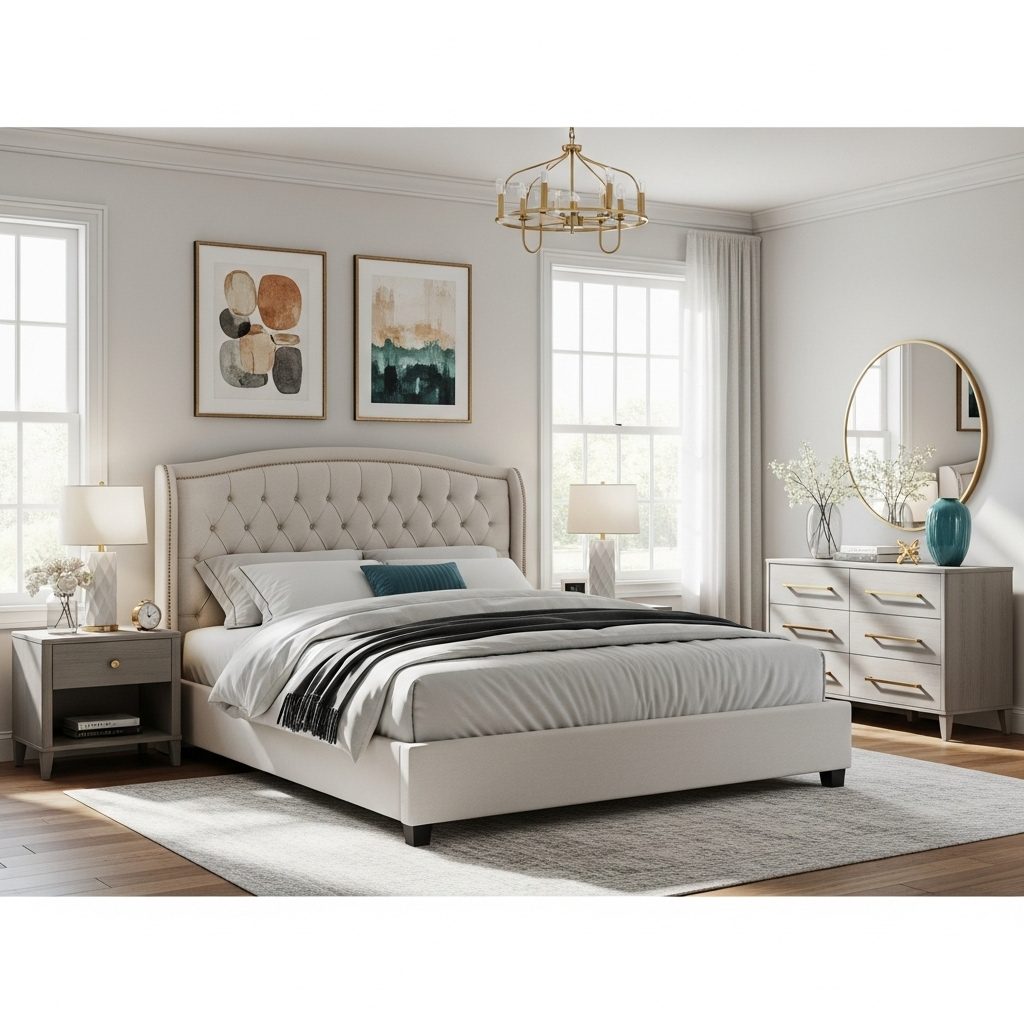
Standard Queen Bed Dimensions and Storage Space
• Available Storage Area: A standard queen bed (60″ x 80″) provides approximately 33 square feet of storage space underneath – that’s like having an entire closet hiding under your mattress.
• Height Clearance Matters: Most queen frames sit 7-15 inches off the ground, and trust me, those few inches make all the difference. I once bought gorgeous storage boxes that were half an inch too tall and spent a Saturday afternoon playing storage Tetris, trying to force them under there.
• Measuring Before Buying: Always measure your actual clearance height first. Some beds have centre support beams that reduce usable space, which I discovered the hard way when my rolling containers kept hitting the middle support.
Different Types of Under-Bed Storage Solutions
• Rolling Storage Containers: These wheeled boxes became my absolute favourite after discovering them by accident. They glide out smoothly and handle 50-75 pounds of weight – perfect for seasonal clothing. The clear-sided ones are brilliant because you can actually see what’s inside.
• Vacuum Storage Bags: Proper game-changers for bulky items like winter duvets. Watching a massive duvet shrink to cushion size felt like magic the first time. They’re not great for items you need regular access to, though, since you’ve got to re-vacuum them every time.
• Built-in Drawer Systems: The gold standard, but they come with headaches. Installation can be a real pain if you’re not handy with tools. I spent three hours assembling mine and somehow ended up with extra screws (still don’t know where they were supposed to go).
• Fabric Storage Boxes: Cheap and cheerful option, but they’re not brilliant for heavy items. I use these for out-of-season clothes and they work a treat, though the fabric can get a bit dusty over time.
Popular Storage Bed Frame Designs
• Platform Beds with Lift-Up Mattresses: These hydraulic systems give you access to the entire under-bed area. The gas struts do the heavy lifting, but they’re sensitive to weight distribution. I’ve seen too many people stuff them with heavy items only to have the mechanism fail within months.
• Drawer Storage Beds: Usually feature 2-6 drawers on one or both sides. The dual-sided versions offer the most space but require at least 24 inches of clearance on each side – learned that when I had to rearrange my entire bedroom layout.
• Captain’s Beds: Lower profile with built-in storage compartments. These work well in rooms with lower ceilings, though the storage capacity is typically smaller than full-height alternatives.
Weight Capacity Limitations
• Standard Weight Limits: Most under-bed storage systems handle 30-50 pounds per drawer or container, but weight distribution matters enormously. I once overloaded one side with books, and the whole mechanism started binding up.
• Platform Bed Capacities: Built-in storage usually handles higher weights, sometimes up to 100 pounds per compartment. Always check manufacturer specifications, though – exceeding limits can damage lifting mechanisms or cause drawers to stick.
• Even Distribution is Key: Heavy items like books should be spread across multiple containers rather than concentrated in one spot. This prevents sagging and keeps everything functioning smoothly.
Installation and Assembly Considerations
• Tool Requirements: Most storage bed frames require basic tools like screwdrivers and Allen keys. Some hydraulic systems need two people for assembly – don’t attempt these solo, like I did (nearly dropped the entire mattress platform).
• Room Layout Planning: Consider door swings, radiator placement, and walking space before installation. Storage beds with drawers need clear pathways, and lift-up designs require overhead clearance for the mattress.
• Professional Assembly: For complex hydraulic systems or if you’re not confident with DIY, professional assembly is worth the extra cost. I’ve seen too many wonky installations that never worked properly because someone skipped steps in the manual. Start maximising your bedroom space today with our versatile double bed collection – perfect for queen-sized storage solutions in compact rooms. Explore Double Beds
Exploring Traditional Ottoman King Size Storage Frames
How Ottoman Storage Beds Work with Hydraulic Lift Mechanisms
• Gas Strut Technology: The hydraulic lift system uses gas-filled struts that do most of the heavy lifting for you. I remember the first time I lifted my king size mattress with one hand – felt like I had superpowers. These struts are positioned at specific points to balance the weight distribution perfectly.
• Smooth Operation Process: You simply lift the mattress from the foot end, and the hydraulics take over. The whole thing rises smoothly without any jerky movements. I was proper nervous the first few times, thinking I’d break something, but these systems are designed to handle the weight of heavy memory foam mattresses.
• Pressure Release Mechanism: Quality ottoman beds have controlled descent features that prevent the mattress from slamming down. Mine has this brilliant soft-close function that gently lowers the mattress back into place – no more worrying about trapped fingers or damaged bed frames.
• Weight Assistance Ratios: Most hydraulic systems reduce the lifting effort by about 80-90%. What would normally require significant strength becomes manageable for most people, though I still recommend having someone help if you’ve got mobility issues.
King Size Dimensions and Storage Capacity Benefits
• Massive Storage Space: A standard king bed (76″ x 80″) provides roughly 42 square feet of storage space underneath – that’s like having an entire spare room’s worth of storage. The difference between queen and king storage capacity is absolutely mental when you see it in person.
• Deep Storage Compartments: King ottoman beds typically offer 12-18 inches of storage depth, which is perfect for storing bulky items like winter duvets, pillows, and seasonal clothing. I can fit four complete bedding sets plus extra blankets in mine without any trouble.
• Organised Storage Zones: The large space allows you to create different storage zones – I keep bedding on one side, out-of-season clothes in the middle, and rarely-used items towards the back. Some people use storage dividers to keep everything organised, though I just use the natural layout.
• Weight Distribution Advantages: The larger surface area means weight is distributed more evenly across the frame structure. This reduces stress on individual components and typically extends the lifespan of the hydraulic mechanisms.
Traditional Ottoman Design Features and Aesthetic Appeal
• Classic Upholstered Styling: Traditional ottoman beds feature deep-buttoned headboards and luxurious fabric upholstery that creates a proper statement piece. Mine’s covered in charcoal grey linen, and it completely transformed the bedroom’s aesthetic – looks like something from a posh hotel.
• Wingback and Panel Headboards: Many traditional designs incorporate tall, imposing headboards with wingback details or panelled sections. These aren’t just for show – they provide excellent back support for reading in bed and create a cosy, enclosed feeling.
• Elegant Proportions: The low-profile base combined with substantial headboards creates balanced proportions that work well in both period and contemporary homes. I was worried it might look too bulky in my Victorian terrace, but it actually complements the high ceilings perfectly.
• Colour and Fabric Options: Traditional ottomans come in rich, deep colours like navy, burgundy, and forest green, plus neutral tones. The fabric choices range from velvet and linen to leather – each creating a completely different mood in the bedroom.
Construction Materials and Durability Factors
• Solid Wood Frame Construction: Quality ottoman beds use hardwood frames, typically beech or birch, for the internal structure. I learnt this the hard way when my first cheap ottoman bed started creaking after six months – the softwood frame couldn’t handle the daily lifting and lowering.
• Metal Reinforcement Systems: The best frames incorporate metal corner brackets and reinforcement plates at stress points. These prevent the joints from loosening over time, which is crucial given the repeated movement of the hydraulic system.
• High-Quality Upholstery Materials: Traditional ottomans use dense foam padding and durable fabrics that can withstand daily use. Cheaper versions often use thin padding that compresses quickly, making the bed look tatty within a year or two.
• Hydraulic Component Quality: Premium gas struts are manufactured in Germany or Denmark and come with 5-10 year warranties. I’ve had mine for three years now, and the lifting action is still as smooth as day one – definitely worth paying extra for quality components.
Safety Features and Soft-Close Mechanisms
• Controlled Descent Technology: Modern ottoman beds include damping systems that prevent the mattress from dropping suddenly. This protects both the bed frame and anyone who might have their hands near the closing mechanism – proper peace of mind when you’ve got kids around.
• Safety Stay Mechanisms: Quality beds have safety stays that hold the mattress in the fully open position, preventing accidental closure while you’re accessing storage. Mine clicks into place with a satisfying sound, and you have to deliberately release it to close the bed.
• Finger Guard Protection: Better ottoman designs include finger guards along the edges where the mattress meets the base. These prevent accidental pinching during operation – something I didn’t think about until I nearly caught my finger the first week.
• Emergency Release Systems: Some premium models include emergency release mechanisms that allow manual operation if the hydraulics fail. Haven’t needed to use mine yet, but it’s reassuring to know it’s there, especially given how much stuff I’ve got stored underneath. Experience the luxury of the Lizzy Ottoman Upholstered Bed Frame – featuring premium hydraulic mechanisms and elegant traditional styling.
Space Efficiency and Room Layout Considerations
Queen vs King Footprint Impact on Bedroom Floor Space
• Floor Space Calculations: A queen bed takes up 33.3 square feet whilst a king claims 42.2 square feet – that’s nearly 9 square feet difference, which sounds small until you realise it’s roughly the size of a bedside table. In my 12×14 bedroom, switching from queen to king meant losing precious walking space around the bed.
• Room Proportion Guidelines: Interior designers recommend beds shouldn’t occupy more than 30-35% of total bedroom floor space. I ignored this rule once and ended up with a king bed in a small room that felt like sleeping in a furniture showroom – you could barely move around without bumping into something.
• Walking Space Requirements: You need at least 24 inches of clearance on each side for comfortable movement, though 30 inches is ideal. With a king bed, this means your room needs to be at least 11 feet wide just for basic functionality – something I wish I’d calculated before ordering my first king size ottoman.
• Visual Impact Differences: Kings can make smaller rooms feel cramped and overwhelming, whilst queens maintain better visual balance. The extra width of a king bed often forces furniture against walls, creating that “pushed to the edges” look that makes rooms feel smaller than they actually are.
Ceiling Height Requirements for Ottoman Lifting Mechanisms
• Minimum Height Clearances: Ottoman beds need at least 8 feet of ceiling height for safe operation, though 9 feet is more comfortable. I learnt this when helping a mate install his king ottoman in a converted loft – we could barely lift the mattress halfway before hitting the sloped ceiling.
• Lifting Arc Calculations: The mattress pivots from the head end, creating an arc that extends roughly 18-24 inches above the closed position at its highest point. Low ceilings can seriously limit how far you can open the bed, reducing access to storage at the back.
• Sloped Ceiling Considerations: Rooms with angled ceilings are particularly tricky – you might have enough height at the head of the bed but not enough where the mattress reaches its peak. I’ve seen people install ottoman beds only to discover they can’t fully access their storage space.
• Light Fixture Interference: Pendant lights, ceiling fans, or low-hanging fixtures can interfere with the lifting mechanism. Always check the clearance path before installation – moving a light fitting later is a proper nightmare compared to planning ahead.
Traffic Flow and Accessibility Around Different Bed Sizes
• Bedroom Navigation Patterns: People naturally move in predictable patterns around bedrooms – from door to wardrobe, bed to window, dresser to ensuite. A king bed can block these natural pathways, forcing awkward navigation that makes the room feel dysfunctional rather than restful.
• Door Swing Clearances: Wardrobe doors, ensuite doors, and bedroom doors all need adequate clearance. I once positioned a king bed that blocked the wardrobe doors from opening fully – had to shuffle the bed 6 inches every time I needed clothes, which got old fast.
• Emergency Egress Considerations: Fire safety requires clear exit paths from bedrooms. Oversized beds can create bottlenecks or block secondary exits like windows. It’s not something you think about daily, but it matters for both safety and building regulations.
• Accessibility for Cleaning: Vacuum cleaners, mops, and general cleaning equipment need space to manoeuvre around the bed. Kings leave less room for cleaning, which often results in dust bunnies accumulating in hard-to-reach corners – not ideal for anyone with allergies.
Small Bedroom Optimization Strategies
• Vertical Storage Solutions: When floor space is limited, think upwards. I installed floating shelves above my queen ottoman bed and gained loads of storage without sacrificing any floor area. Wall-mounted bedside tables also free up valuable floor space whilst maintaining functionality.
• Multi-Level Storage Systems: Ottoman beds work brilliantly with under-bed storage, but you can add over-bed storage too. I’ve got a storage bench at the foot of my bed that doubles as seating and holds extra pillows – every piece of furniture needs to earn its place in small rooms.
• Mirror Placement Tricks: Strategic mirror placement can make small bedrooms feel significantly larger. I positioned a large mirror opposite the window, which reflects natural light and creates the illusion of doubled space – proper game-changer for cramped rooms.
• Colour and Light Maximisation: Light colours reflect more light and make spaces feel larger. I painted my small bedroom walls in soft grey and chose white bedding, which made the room feel airier despite the large ottoman bed taking up most of the floor space.
Multi-Functional Furniture Placement Tips
• Ottoman Bed as Room Anchor: Position the ottoman bed as your room’s focal point, then arrange other furniture around it. I placed mine against the longest wall, which left maximum floor space for other essential pieces whilst maintaining good traffic flow.
• Storage Integration Strategy: Combine the ottoman’s under-bed storage with other storage furniture strategically. I use a storage ottoman at the foot of my bed for daily items, whilst the under-bed space holds seasonal stuff – creates a proper storage hierarchy that actually works.
• Bedside Table Alternatives: Traditional bedside tables eat up floor space in small rooms. I switched to wall-mounted floating shelves with small drawers underneath – provides the same functionality whilst keeping the floor clear for easier movement and cleaning.
• Wardrobe Positioning Logic: Place wardrobes where they won’t interfere with the ottoman’s lifting mechanism or block natural light sources. I positioned mine on the wall opposite the window, which maintains good light flow whilst ensuring I can access my bed storage without furniture blocking the way. Planning your bedroom layout? Learn why king size ottoman beds are the perfect solution for modern bedrooms in our detailed guide.
Storage Capacity and Organization Comparison
Cubic Feet of Storage Space: Queen Under-Bed vs King Ottoman
• Raw Storage Volume Calculations: A standard queen under-bed setup with 10-inch clearance provides roughly 28 cubic feet of storage, whilst a king ottoman bed with 15-inch depth offers approximately 53 cubic feet – nearly double the capacity. I was gobsmacked when I measured this properly after upgrading from my old queen setup.
• Usable vs Total Space: Here’s where it gets interesting though – queen under-bed storage often has better usable space because you can access it from multiple angles. My king ottoman has loads of volume, but the back corners are proper difficult to reach, so I’d estimate only about 40 cubic feet is genuinely accessible.
• Height Advantage Impact: Ottoman beds typically offer 12-18 inches of storage height compared to 7-12 inches for standard under-bed solutions. This extra vertical space is brilliant for bulky items like winter coats and thick duvets that won’t fit in shallow queen storage boxes.
• Storage Density Considerations: Queen under-bed systems often achieve better storage density because you can use every inch efficiently with rolling containers and vacuum bags. Ottoman beds have this massive open space that can feel overwhelming to organise – I spent ages figuring out how to use mine effectively.
Accessibility and Ease of Retrieving Stored Items
• Queen Under-Bed Accessibility: Rolling storage containers under queen beds are absolutely brilliant for frequent access. I can pull out exactly what I need without disturbing anything else – it’s like having individual drawers that slide out smoothly on wheels.
• Ottoman Lifting Requirements: King ottoman beds require lifting the entire mattress to access anything, which means you’re committed to a proper storage session each time. I’ve learnt to batch my storage tasks rather than popping in for quick items like I used to with my queen setup.
• Physical Effort Comparison: Whilst hydraulic systems make lifting easier, it still requires more physical effort than sliding out a storage box. My elderly mum struggles with my ottoman bed but manages her queen under-bed storage perfectly fine – something to consider for long-term usability.
• Frequency of Access Planning: Ottoman storage works best for items you don’t need regularly. I keep seasonal clothes and spare bedding in there, whilst daily items stay in more accessible locations. Queen under-bed storage is better for things you might need weekly or monthly.
Organization Systems and Compartmentalization Options
• Queen Storage Compartments: Multiple rolling containers create natural compartments that keep different item types separated. I use clear plastic boxes with labels – one for summer clothes, another for winter gear, and a third for spare bedding. Each container serves as its own organised zone.
• Ottoman Internal Organization: The massive open space in king ottomans needs artificial compartmentalization. I’ve tried various systems – storage bags, fabric dividers, and even cardboard boxes – but nothing beats the natural separation you get with individual queen storage containers.
• Vacuum Bag Integration: Both systems work with vacuum storage bags, but ottomans handle them better because there’s no height restriction. I can store massive compressed duvets in my king ottoman that would never fit under a queen bed, even when vacuum-packed.
• Labelling and Inventory Systems: Queen under-bed storage is easier to label and track because each container is separate. With my ottoman, I keep a written inventory stuck inside the lid because it’s impossible to see everything at once when the bed’s open.
Seasonal Storage Capabilities and Clothing Management
• Winter Clothing Storage: King ottomans absolutely excel at storing bulky winter items. I can fit six heavy coats, multiple jumpers, and thick boots in mine without any compression. Queen under-bed storage requires more strategic packing and often needs vacuum bags for similar capacity.
• Clothing Rotation Efficiency: Seasonal clothing swaps are easier with queen storage because you can access specific containers without disturbing everything else. With my ottoman, changing from summer to winter clothes becomes a major reorganisation project that takes half a day.
• Garment Protection Methods: Both systems protect clothes from dust, but ottomans provide better protection from moisture and pests because they’re completely enclosed. My queen under-bed containers occasionally get dusty despite having lids, whilst the ottoman creates a proper sealed environment.
• Quick Access for Weather Changes: Those unpredictable British weather days when you suddenly need a jumper are much easier with queen storage. I can grab what I need in seconds, whilst accessing my ottoman storage for one item feels like overkill.
Bedding, Linens, and Bulky Item Storage Solutions
• Complete Bedding Set Storage: King ottomans can store multiple complete bedding sets without any folding compromises. I keep three full sets in mine – summer cotton, winter flannel, and guest bedding – all stored flat and wrinkle-free, which is impossible with queen under-bed storage.
• Duvet and Pillow Management: The height advantage of ottomans means thick duvets and multiple pillows can be stored without compression. My 15-tog winter duvet fits perfectly in the ottoman but had to be vacuum-packed when I used queen storage, which affected its loft and warmth.
• Linen Organisation Systems: I use the “hotel method” in my ottoman – complete bedding sets stored together in pillowcases for easy identification. Queen storage works better with individual components separated into different containers, which actually makes mixing and matching easier.
• Bulky Item Accommodation: Items like sleeping bags, camping gear, and spare blankets fit naturally in king ottomans. These awkward-shaped items were always a nightmare to store under my queen bed, requiring creative folding and multiple containers to accommodate everything properly. Compare storage solutions effectively with our ultimate guide to queen size ottoman beds and their storage capabilities.
Cost Analysis and Budget Considerations
Price Ranges for Quality Queen Storage Solutions
• Entry-Level Queen Storage Options: Basic under-bed storage boxes start around £15-30 each, and you’ll typically need 4-6 containers for a complete setup. I started with cheap plastic boxes from the supermarket, but they cracked within months and the wheels fell off – proper false economy that cost me more in replacements.
• Mid-Range Rolling Container Systems: Quality wheeled storage boxes with sturdy construction run £40-80 per container. I invested in these after my cheap ones failed, and they’ve lasted three years without issues. You’re looking at £200-400 for a complete queen under-bed storage system with decent containers.
• Premium Queen Storage Bed Frames: Queen beds with built-in drawer systems range from £300-800 for decent quality, whilst high-end models with soft-close mechanisms can reach £1,200-1,500. The hydraulic lift queen ottomans sit in the £400-900 range, depending on upholstery and build quality.
• DIY vs Ready-Made Solutions: Building your own storage platform can save money if you’re handy with tools. I helped a mate build one using MDF and drawer slides for about £150 in materials, though it took two weekends and looked a bit rough around the edges compared to manufactured options.
Investment Costs for King Ottoman Frames
• Budget King Ottoman Options: Entry-level king ottomans start around £400-600, but honestly, these often use cheap gas struts that fail within a year. I’ve seen too many people buy budget ottomans only to have the hydraulics give up, leaving them with a massive bed they can’t open properly.
• Quality Mid-Range Models: Decent king ottomans with proper German gas struts and solid construction typically cost £800-1,500. This is where you start getting reliable mechanisms and upholstery that won’t look tatty after six months – definitely the sweet spot for most people’s needs.
• Premium and Luxury Options: High-end king ottomans can reach £2,000-4,000, featuring luxury fabrics, reinforced frames, and premium hydraulic systems with extended warranties. I splashed out on one of these after my budget model failed, and the difference in build quality is absolutely mental.
• Custom and Bespoke Solutions: Made-to-measure king ottomans start around £1,500 and can exceed £5,000 for luxury materials and specific size requirements. Worth considering if you’ve got an awkward room layout or specific fabric requirements that standard models can’t accommodate.
Long-Term Value and Durability Comparisons
• Queen Storage Longevity: Quality rolling containers can last 5-10 years with regular use, whilst cheap ones might need replacing annually. I’ve calculated that investing in decent containers upfront saves about £200-300 over five years compared to repeatedly buying budget replacements.
• Ottoman Hydraulic Lifespan: Premium gas struts typically last 8-12 years with daily use, whilst budget versions often fail within 2-3 years. Replacement struts cost £80-150 per pair, so buying quality initially saves money and hassle in the long run.
• Frame Durability Factors: Solid wood ottoman frames can last decades with proper care, whilst particle board constructions might start sagging or developing joint problems within 3-5 years. The upfront cost difference is significant, but the long-term value clearly favours quality construction.
• Upholstery Wear Patterns: Cheap fabrics on ottoman beds show wear quickly, especially around lifting points and edges. I’ve seen budget ottomans look shabby within 18 months, whilst quality upholstery maintains its appearance for years – proper investment in bedroom aesthetics.
Additional Storage Accessories and Organizational Tools
• Queen Storage Enhancement Costs: Vacuum storage bags (£20-40 for a set), storage dividers (£15-30), and labelling systems (£10-20) can add £50-100 to your queen storage setup. These accessories significantly improve organisation but aren’t strictly necessary for basic functionality.
• Ottoman Organization Solutions: Internal dividers for king ottomans cost £30-80, whilst fabric storage bags and compartment systems add another £40-100. I spent about £120 on organization accessories for my ottoman, which transformed it from a chaotic void into a properly functional storage system.
• Maintenance and Replacement Costs: Queen storage containers might need occasional wheel replacements (£5-15 per set), whilst ottomans require periodic hydraulic servicing or gas strut replacement. Budget £20-50 annually for maintenance on either system to keep everything running smoothly.
• Protection and Care Products: Moisture absorbers, cedar blocks, and fabric protectors add £20-40 to either storage system. These aren’t essential but help protect stored items, especially in damp climates or poorly ventilated bedrooms.
Cost Per Cubic Foot of Storage Space Analysis
• Queen Storage Cost Efficiency: With approximately 28 cubic feet of storage costing £200-400 for a complete setup, you’re looking at £7-14 per cubic foot. This makes queen under-bed storage one of the most cost-effective storage solutions available, especially considering the accessibility benefits.
• King Ottoman Value Calculation: At 53 cubic feet of storage for £800-1,500, king ottomans work out to £15-28 per cubic foot. Whilst more expensive per unit of storage, the convenience and aesthetic appeal often justify the premium for many people.
• Hidden Cost Considerations: Queen storage requires floor space for containers to extend, which effectively reduces usable bedroom area. Ottoman beds don’t need additional floor space for operation, so the true cost comparison should factor in the room space efficiency benefits.
• Resale Value Impact: Quality ottoman beds typically retain 40-60% of their value after 3-5 years, whilst storage containers have minimal resale value. If you’re likely to move or upgrade, the ottoman’s better resale value partially offsets the higher initial investment cost. Find the best value ottoman beds with our comprehensive guide to affordable options that don’t compromise on quality.
Durability, Maintenance, and Longevity Factors
Build Quality Differences Between Queen and King Storage Options
• Frame Construction Variations: Queen storage beds typically use lighter frame construction since they don’t need to support the massive hydraulic lifting mechanisms required for king ottomans. I’ve noticed my queen drawer bed uses 18mm particle board, whilst my mate’s king ottoman has a proper 25mm solid wood frame – the difference in rigidity is obvious when you compare them side by side.
• Joint Reinforcement Standards: King ottomans require significantly more robust joinery because the hydraulic lifting creates stress points that don’t exist in queen drawer systems. My king ottoman has metal corner brackets and reinforcement plates at every joint, whilst my old queen storage bed relied mainly on wooden dowels and basic screws.
• Weight Distribution Engineering: The engineering challenges are completely different between the two systems. Queen drawer mechanisms distribute weight across multiple smaller components, whilst king ottomans concentrate enormous stress on just a few hydraulic mounting points. I’ve seen cheap king ottomans fail at these stress points within months.
• Material Quality Requirements: King storage beds demand higher-grade materials throughout because failure of any component affects the entire system. With queen drawers, one broken runner doesn’t stop you using the other drawers, but a failed gas strut on a king ottoman makes the whole bed unusable until it’s repaired.
Maintenance Requirements for Hydraulic Mechanisms vs Drawer Systems
• Hydraulic System Servicing: King ottoman gas struts need periodic inspection and occasional replacement every 8-12 years depending on usage. I check mine every six months for smooth operation and any signs of oil leakage – takes about five minutes but prevents expensive failures down the line.
• Drawer Runner Maintenance: Queen storage drawers require regular cleaning and lubrication of the sliding mechanisms. I use a bit of furniture wax on the runners every few months, which keeps everything gliding smoothly. It’s more frequent maintenance than hydraulics, but much simpler and cheaper to sort out.
• Lubrication and Cleaning Schedules: Hydraulic systems are essentially maintenance-free until they need replacement, whilst drawer systems benefit from regular attention. I spend maybe 20 minutes every three months maintaining my queen drawers, compared to annual checks on hydraulic systems.
• Professional vs DIY Maintenance: Most drawer maintenance can be handled by anyone with basic DIY skills, but hydraulic system repairs often require professional attention. I’ve replaced drawer runners myself for about £15, but gas strut replacement cost me £120 including labour because I wasn’t confident doing it myself.
Common Wear Points and Replacement Part Availability
• Queen Storage Failure Points: Drawer runners and wheels are the most common failure points, typically wearing out after 5-7 years of regular use. The good news is these parts are widely available and relatively cheap – I’ve replaced runners on my queen bed twice now for under £30 total.
• King Ottoman Vulnerable Components: Gas struts are the primary wear component, but the lifting hinges and safety mechanisms also experience stress. When my mate’s ottoman hinge pin wore out, finding the exact replacement took three weeks and cost £45 – much more complicated than queen drawer parts.
• Upholstery Wear Patterns: Ottoman beds show wear around the lifting edge where you grab the mattress, whilst queen storage beds wear mainly on drawer fronts and handles. I’ve had to touch up the fabric on my ottoman’s lifting edge twice, but it’s barely noticeable unless you’re looking for it.
• Availability of Spare Parts: Standard drawer components are available from multiple suppliers, but hydraulic parts are often manufacturer-specific. I can buy generic drawer runners from any hardware shop, but my ottoman’s gas struts had to come directly from the manufacturer at premium prices.
Warranty Coverage and Manufacturer Support
• Standard Warranty Periods: Queen storage beds typically offer 1-3 year warranties on mechanical components, whilst king ottomans often include 5-10 year coverage on hydraulic systems. My ottoman came with a 7-year gas strut warranty, which gave me proper peace of mind given the higher initial investment.
• Coverage Scope Differences: Queen storage warranties usually cover drawer mechanisms and structural components but exclude normal wear items like wheels. Ottoman warranties often include comprehensive hydraulic coverage but may exclude upholstery damage – read the fine print carefully before purchasing.
• Manufacturer Support Quality: Established furniture manufacturers generally provide better long-term support than budget importers. When I needed replacement parts for my queen bed, the UK manufacturer sorted me out within days, whilst my mate struggled to get support for his imported ottoman from a company that had changed names.
• Extended Warranty Options: Many retailers offer extended warranties for £50-150, which can be worthwhile for complex hydraulic systems but less valuable for simple drawer mechanisms. I bought extended coverage for my ottoman but skipped it for my queen storage bed – the risk-to-cost ratio felt different.
Expected Lifespan and Return on Investment
• Queen Storage Longevity: Well-built queen storage beds can last 10-15 years with proper maintenance, though you might need to replace drawer components once or twice during that period. My current queen bed is eight years old and still functions perfectly after two runner replacements costing £45 total.
• King Ottoman Durability: Quality king ottomans should provide 12-20 years of service with one gas strut replacement around the 10-year mark. The higher initial cost is offset by longer lifespan and better resale value – my neighbour sold his 5-year-old ottoman for 60% of original price.
• Cost Per Year Analysis: My queen storage bed cost £450 initially plus £45 in maintenance over eight years, working out to about £62 per year. A comparable king ottoman costing £1,200 with £150 in maintenance over 12 years equals £112 annually – significant difference but not unreasonable given the extra storage and convenience.
• Resale Value Considerations: Ottoman beds typically retain 40-60% of their value after 5 years, whilst queen storage beds drop to 20-30% due to wear on mechanical components. If you move frequently or like updating your bedroom, the ottoman’s better resale value partially justifies the higher initial investment. Learn proper care techniques with our complete guide to cleaning and maintaining your ottoman bed for maximum lifespan.
User Experience and Daily Functionality
Ease of Access for Daily vs Seasonal Storage Needs
• Daily Item Accessibility: Queen under-bed storage absolutely wins for things you need regularly. I can slide out a specific container, grab what I need, and push it back in under 30 seconds without disturbing anything else. With my ottoman, accessing daily items means lifting the entire mattress – proper overkill for grabbing a spare phone charger or extra pillow.
• Seasonal Storage Efficiency: King ottomans excel when you’re doing major seasonal swaps. Last autumn, I switched from summer to winter bedding in one go, reorganising everything whilst the bed was open. With queen storage, seasonal changes become a multi-container operation that takes ages and leaves stuff scattered around the bedroom.
• Frequency-Based Storage Strategy: I’ve learnt to match storage type to usage patterns. Daily and weekly items stay in bedside drawers or wardrobes, monthly items go in queen under-bed containers, and seasonal stuff lives in the ottoman. Trying to use ottoman storage for frequent access items is just frustrating.
• Emergency Access Situations: When you suddenly need something at 2am, queen storage is much more partner-friendly. I can quietly slide out a container without waking anyone, whilst opening an ottoman involves lifting a massive mattress and potentially disturbing the whole bed – not ideal for midnight missions.
Physical Effort Required for Different Storage Mechanisms
• Queen Storage Physical Demands: Rolling containers require minimal effort once they’re properly loaded. I can operate mine with one hand whilst holding a cup of tea in the other. The only physical challenge is the initial lifting when loading heavy items into the containers, but that’s a one-time effort.
• Ottoman Lifting Requirements: Even with hydraulic assistance, ottoman beds require coordinated two-handed lifting and some upper body strength. My elderly mum struggles with my king ottoman despite the gas struts, whilst she manages her queen under-bed storage perfectly fine – something I didn’t consider when I bought it.
• Weight Distribution Impact: Heavily loaded ottomans become progressively harder to lift as you add more stuff. I’ve noticed mine requires noticeably more effort when it’s packed full compared to when it’s half empty. Queen containers maintain consistent operation regardless of how much you’ve stored in other boxes.
• Repetitive Strain Considerations: Daily use of ottoman mechanisms can cause back strain if you’re not careful about lifting posture. I’ve developed a proper technique – feet planted, straight back, lift with legs – but it’s still more physical effort than sliding out a drawer or container.
Noise Levels During Operation and Bedroom Disturbance
• Queen Storage Sound Levels: Quality rolling containers operate almost silently on carpet, though they can rattle a bit on hard floors. I added felt pads to the wheels of mine, which eliminated the noise completely – now I can access storage at any hour without waking my partner.
• Ottoman Hydraulic Noise: The gas struts on my king ottoman make a subtle hissing sound during operation, plus there’s the inevitable creaking of the bed frame under stress. It’s not loud, but it’s definitely audible in a quiet bedroom – enough to wake a light sleeper.
• Time-of-Day Usage Patterns: I’ve naturally adapted to using queen storage for late-night or early-morning access because it’s virtually silent. The ottoman gets used during normal daytime hours when noise isn’t an issue – it’s become an unconscious behaviour pattern.
• Neighbour Consideration Factors: In flats with thin walls, ottoman operation can transmit vibrations through the floor. My downstairs neighbour mentioned hearing my bed “doing something mechanical” until I started being more careful about gentle operation – never had that issue with rolling containers.
Partner Compatibility and Shared Storage Access
• Simultaneous Access Challenges: With queen storage, both partners can access different containers simultaneously without interfering with each other. Ottoman storage requires coordination – only one person can use it at a time, and it affects the entire bed surface whilst open.
• Storage Territory Division: Queen containers naturally create individual storage zones – I use the left side containers, my partner uses the right. With our ottoman, we’ve had to establish informal rules about who stores what where to avoid constant reorganisation and territorial disputes.
• Height and Strength Differences: My partner is shorter than me and finds the ottoman lifting angle awkward, especially when the bed’s positioned against a wall. Queen storage works equally well regardless of height differences – the containers slide out at a comfortable level for everyone.
• Sleep Disruption Minimisation: Accessing queen storage rarely disturbs a sleeping partner because the bed itself doesn’t move. Ottoman operation inevitably shifts the mattress and can wake someone who’s a light sleeper – I’ve learnt to batch my storage tasks for when my partner’s awake.
Elderly and Mobility Consideration Factors
• Arthritis and Joint Issues: Rolling containers are brilliant for people with arthritis because they require minimal grip strength and no overhead reaching. My gran manages her queen under-bed storage easily despite severe arthritis, but she can’t operate my ottoman at all due to the lifting motion required.
• Balance and Stability Concerns: Ottoman operation requires good balance and coordination, especially when reaching into the back corners of the storage space. Queen containers eliminate the need to lean over or reach awkwardly – everything comes to you rather than requiring you to stretch into difficult positions.
• Assistive Device Compatibility: People using walking frames or mobility aids find queen storage much more accessible. The containers can be pulled out and accessed from a seated position, whilst ottoman beds require standing and coordinated lifting that’s incompatible with many mobility aids.
• Future-Proofing Considerations: I chose queen storage for my parents’ bedroom specifically thinking about aging in place. As mobility decreases over time, the simple sliding motion will remain manageable long after hydraulic lifting becomes impossible – it’s proper forward planning for changing physical capabilities. Find the perfect fit for your lifestyle with our guide to the best king size ottoman beds available in 2025.
Conclusion:
Choosing between queen size under-bed storage and traditional ottoman king size frames ultimately comes down to balancing your space constraints, storage needs, and budget priorities. Queen storage solutions excel in smaller bedrooms where every square foot matters, offering efficient organization without overwhelming the space. Meanwhile, king ottoman frames provide unmatched storage capacity and luxurious functionality for larger bedrooms with higher storage demands.
Consider your long-term needs carefully – if you’re planning to stay in your current space for years, investing in a quality king ottoman frame might provide better value. However, if flexibility and room optimization are priorities, queen under-bed storage offers versatility and cost-effectiveness. Whatever you choose, prioritize quality construction and user-friendly mechanisms to ensure your storage solution serves you well for years to come! Ready to revolutionise your bedroom storage? Browse our complete ottoman bed collection and find the perfect solution for your space and budget today.
Frequently Asked Questions
1. What’s the difference between queen under-bed storage and king ottoman storage capacity?
Queen under-bed storage typically provides 28 cubic feet of storage space, whilst king ottoman beds offer approximately 53 cubic feet – nearly double the capacity.
The key differences include:
- Storage Volume: King ottomans provide 25 cubic feet more storage than queen under-bed systems
- Accessibility: Queen storage uses rolling containers for easy access, whilst ottomans require lifting the entire mattress
- Height Clearance: Ottoman beds offer 12-18 inches of storage depth compared to 7-12 inches for under-bed solutions
- Organization: Queen systems naturally compartmentalize with separate containers, whilst ottomans need internal dividers
- Weight Capacity: King ottomans handle bulkier items without height restrictions, perfect for thick duvets and seasonal clothing
2. How much weight can queen storage beds and king ottoman beds safely hold?
Queen storage beds and king ottoman beds have different weight capacities depending on their storage mechanisms and construction quality.
Queen Storage Bed Weight Limits:
- Rolling containers: 50-75 pounds per container
- Built-in drawers: 30-50 pounds per drawer compartment
- Platform storage: Up to 100 pounds when evenly distributed
- Vacuum storage bags: No weight limit but affects accessibility
King Ottoman Bed Weight Limits:
- Total storage capacity: 150-300 pounds depending on frame quality
- Gas strut systems: Become harder to lift when heavily loaded
- Hydraulic mechanisms: Premium models handle more weight than budget versions
- Weight distribution: Even distribution across the storage area prevents mechanism strain
3. Which storage bed type is better for elderly users or people with mobility issues?
Queen under-bed storage systems are significantly better for elderly users and people with mobility limitations than king ottoman beds.
Why Queen Storage is More Accessible:
- Minimal physical effort: Rolling containers slide out with one-hand operation
- No lifting required: Eliminates the need for coordinated two-handed lifting motions
- Seated access: Containers can be accessed from a seated position or with mobility aids
- Individual compartments: Access specific items without disturbing other storage areas
- Silent operation: Won’t disturb sleeping partners during nighttime access
- Arthritis-friendly: Requires minimal grip strength and no overhead reaching movements
King ottoman beds require upper body strength, balance, and coordination that may be challenging for users with arthritis, joint issues, or mobility aids.
4. What are the maintenance requirements for hydraulic ottoman beds vs drawer storage systems?
Hydraulic ottoman beds and drawer storage systems have different maintenance needs, with drawer systems requiring more frequent but simpler upkeep.
Hydraulic Ottoman Maintenance:
- Gas strut inspection: Check every 6 months for smooth operation and oil leakage
- Professional servicing: May require expert attention for repairs
- Replacement timeline: Gas struts typically need replacing every 8-12 years
- Lubrication: Essentially maintenance-free until component replacement needed
Drawer Storage Maintenance:
- Regular cleaning: Clean and lubricate runners every 3 months with furniture wax
- DIY repairs: Most maintenance can be handled with basic tools
- Wheel replacement: Occasional wheel replacement costs £5-15 per set
- Runner replacement: Drawer runners typically need replacing every 5-7 years for £15-30
5. How do I choose between queen storage and king ottoman beds for small bedrooms?
Choosing between queen storage and king ottoman beds for small bedrooms depends on your room dimensions, storage needs, and accessibility preferences.
Choose Queen Storage If:
- Room size: Bedroom is smaller than 12×14 feet
- Ceiling height: Less than 9 feet of ceiling clearance
- Frequent access: You need regular access to stored items
- Budget constraints: Looking for cost-effective storage solutions (£200-400 vs £800-1500)
- Mobility considerations: Elderly users or those with physical limitations
Choose King Ottoman If:
- Large storage needs: Require maximum storage capacity (53 vs 28 cubic feet)
- Seasonal storage: Primarily storing bulky items like winter bedding and clothing
- Room proportions: Bedroom can accommodate 11+ feet width with proper clearances
- Aesthetic preference: Want a luxury statement piece with upholstered styling
- Long-term investment: Planning to stay in the space for many years