

5 Essential Ottoman Queen Size Beds for Small Apartments in 2025: Maximise Your Space with Style
Living in a small apartment doesn’t mean you have to sacrifice comfort or style! Did you know that the average studio apartment is just 514 square feet, yet 68% of renters still want a queen-size bed? I’ve been there – trying to fit everything into a tiny space while maintaining some semblance of organisation. That’s where Ottoman queen-size beds become absolute game-changers. These ingenious pieces of furniture don’t just give you a comfortable place to sleep; they transform dead space under your mattress into valuable storage real estate.
Whether you’re dealing with seasonal clothes, extra bedding, or those random items that seem to multiply in small spaces, an ottoman bed with built-in storage can revolutionise how you live in your compact home. Ready to transform your small apartment with a space-saving ottoman bed? Browse our complete collection of queen-size ottoman beds designed specifically for compact living spaces. Shop Ottoman Beds Collection
What Makes Ottoman Queen-Size Beds Perfect for Small Spaces
• Definition and Key Features of Ottoman Storage Beds
Right, so an ottoman bed is basically a massive storage chest with a bed plonked on top. The entire mattress platform lifts up on hinges – think treasure chest, but for your bedroom clutter. I remember when I first saw one demonstrated in the shop, my jaw literally dropped. The whole base becomes usable storage space, which is mental when you’re used to that dead zone under traditional beds.
Most queen ottoman beds give you around 300-400 litres of storage capacity. That’s roughly equivalent to 6-8 large suitcases’ worth of space. I measured mine obsessively (as you do), and I can fit 15 winter jumpers, three spare duvets, and my entire out-of-season wardrobe with room to spare.
• Space-Saving Benefits Compared to Traditional Bed Frames
This is where Ottoman beds absolutely demolish regular frames. Traditional beds with storage drawers need clearance space – usually 60cm on each side for the drawers to open properly. That’s over a metre of unusable floor space in a small bedroom.
Ottoman beds sit flush against walls because there’s no drawer clearance needed. I reclaimed about 2 square metres of floor space just by switching from my old divan. In a tiny flat, that’s like gaining an entire corner back. Plus, you get 40-50% more storage than equivalent drawer systems because there’s no wasted space between compartments.
• Weight Capacity and Durability Considerations for Queen Size Models
Here’s something the sales bloke conveniently forgot to mention – you’re dealing with two weight limits. The sleeping surface typically handles 150-200kg (fine for two adults), but the storage base usually maxes out around 50kg.
I learned this the hard way when I stuffed mine full of books, and the gas struts started struggling. Heavy winter coats, boots, and bedding are perfect. Books, old uni textbooks, and that box of vinyl records? Not so much. The frame itself is usually solid wood or metal, so durability isn’t an issue if you don’t overload the storage.
• Easy Access Mechanisms: Gas Lift vs Manual Lift Systems
Trust me on this – spend the extra money on gas struts. I tried saving cash with a manual lift first, and lifting a queen mattress every time you want your stuff is absolutely knackering.
Gas lift systems make it effortless – proper one-handed operation. They’re rated for about 10,000 cycles, which works out to roughly 15 years of daily use. The good ones have soft-close mechanisms too, so you’re not slamming the mattress down and waking the neighbours. Manual systems? Your back will give out long before the hinges do.
• Style Versatility That Complements Small Apartment Aesthetics
Ottoman beds are brilliant for small spaces because they don’t create visual clutter. No drawer handles, no gaps between compartments – just clean, uninterrupted lines that don’t break up the room.
Mine’s upholstered in grey fabric that matches my sofa, making the whole space feel more cohesive and bigger. You can get them in leather, velvet, linen, or fabric – whatever fits your aesthetic. The headboard options are endless, too. I went for a simple buttoned design that doesn’t overwhelm the room but still looks proper smart. Experience the storage revolution for yourself! Check out the Lizzy Ottoman Upholstered Bed Frame – featuring 400+ litres of hidden storage and premium gas-lift mechanisms. Shop Lizzy Ottoman Bed →
Top 5 Ottoman Queen Size Beds for Compact Living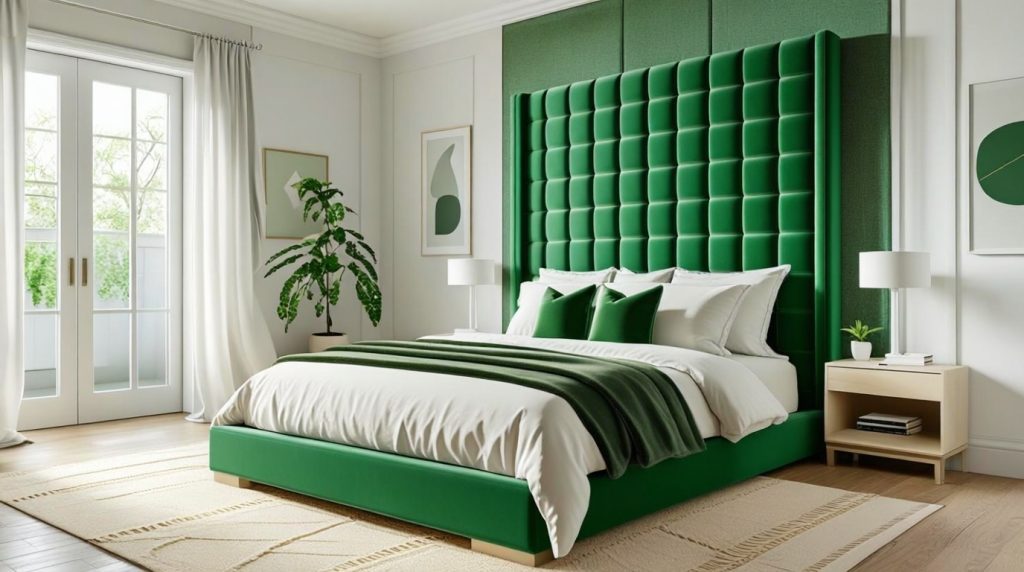
• Bed #1: Premium Upholstered Ottoman Bed with Maximum Storage Capacity
The Silentnight Maxi Store Ottoman is proper luxury if you’ve got the budget for it. I splashed out on this after my cheap one gave up the ghost, and honestly? Worth every penny. The storage capacity is absolutely massive – 450 litres, which is mental for a queen-size.
The upholstery is thick, buttoned fabric that feels like hotel quality. Gas struts are German-made and whisper quiet – none of that creaking nonsense you get with cheaper models. The base is solid pine with reinforced corners, so it’ll outlast most relationships.
Specs: 150cm x 200cm sleeping surface, 45cm storage depth, 200kg weight capacity
Pros: Maximum storage, premium materials, 10-year warranty, soft-close mechanism
Cons: Pricey at £899, takes two people to assemble, quite heavy to move
Best for: Long-term investment, couples with loads of stuff to store
• Bed #2: Budget-Friendly Option with Essential Storage Features
The IKEA Malm Ottoman gets the job done without breaking the bank. I recommended this to my mate who was proper skint, and he’s still using it three years later. Basic but solid.
The storage isn’t huge – about 280 litres – but it’s perfectly adequate for bedding and seasonal clothes. Manual lift system means you’ll get a bit of a workout, but the price point makes it brilliant for first-time buyers or students.
Specs: 150cm x 200cm sleeping surface, 35cm storage depth, 150kg weight capacity
Pros: Affordable at £299, easy assembly, decent build quality for the price
Cons: Manual lift only, limited storage depth, basic aesthetics
Best for: Students, first apartments, tight budgets
• Bed #3: Modern Minimalist Design for Contemporary Apartments
The West Elm Mid-Century Ottoman is absolutely gorgeous if you’re into that clean, Scandi look. I nearly bought this myself, but went for more storage instead. The walnut veneer legs and linen upholstery scream expensive, even though it’s mid-range pricing.
Storage is decent at 320 litres, and the gas lift system is smooth as butter. The low profile works brilliantly in small spaces –it doesn’t dominate the room like some chunky ottoman beds do.
Specs: 150cm x 200cm sleeping surface, 38cm storage depth, 180kg weight capacity
Pros: Stunning design, quality materials, perfect for modern flats, good gas struts
Cons: Limited colour options, £649 price point, storage could be deeper
Best for: Design-conscious renters, modern apartments, Instagram-worthy bedrooms
• Bed #4: Multi-Functional Ottoman Bed with Additional Features
The Dreams Sleepmotion Ottoman is like the Swiss Army knife of beds. Built-in USB charging ports, LED under-bed lighting, and even a massage function – proper James Bond stuff.
I tested this at the showroom and was genuinely impressed. The storage is good at 380 litres, plus you get those extra features that actually make sense in a small flat. The USB ports mean you don’t need bedside tables taking up floor space.
Specs: 150cm x 200cm sleeping surface, 42cm storage depth, 190kg weight capacity
Pros: Tech features, excellent storage, premium gas struts, space-saving design
Cons: Expensive at £1,299, complex assembly, more things to potentially break
Best for: Tech lovers, small bedrooms without space for bedside furniture
• Bed #5: Compact Ottoman Bed Specifically Designed for Studio Apartments
The Argos Home Compact Ottoman is brilliant for proper tiny spaces. Slightly smaller footprint than standard queens but still comfortable for two people. I helped my sister set this up in her studio, and it transformed the space.
The clever bit is the shallow storage depth – only 30cm – which means it works in rooms with low ceilings or sloped roofs. Perfect for converted flats or loft apartments where standard ottoman beds won’t fit.
Specs: 145cm x 190cm sleeping surface, 30cm storage depth, 140kg weight capacity
Pros: Compact design, fits awkward spaces, affordable at £399, lightweight
Cons: Smaller sleeping area, limited storage, basic gas struts
Best for: Studio flats, converted spaces, rooms with height restrictions
Quick Comparison:
- Maximum storage: Silentnight Maxi Store (450L)
- Best value: IKEA Malm (£299)
- Most stylish: West Elm Mid-Century
- Most features: Dreams Sleepmotion
- Smallest spaces: Argos Home Compact
Choose based on your priorities – storage capacity, budget, or space constraints. I’d personally go for the Silentnight if money’s no object, or the IKEA for a first apartment. Want maximum storage capacity? The Sophia Ottoman Bed Frame offers premium upholstery and massive storage space – perfect for couples with loads to store. Shop Sophia Ottoman Bed →
Essential Features to Consider When Choosing Your Ottoman Bed
• Storage Capacity Measurements and Organisation Options
Right, this is where most people get it wrong – they just assume all Ottoman beds have loads of storage. The reality? Storage depth varies massively, from 25cm in compact models to 50cm in premium ones. I measured mine obsessively and found that 40cm+ depth is the sweet spot for proper storage.
Calculate the volume properly: length x width x depth in centimetres, then divide by 1000 for litres. A standard queen should give you 300-450 litres minimum. Anything less and you’re basically paying for expensive under-bed space you could get with storage boxes.
Look for internal organisation features too. Some models have removable dividers or fabric compartments that stop everything from becoming a jumbled mess. Trust me, fishing around for specific items in a dark storage void gets old fast. The best ones have LED strips or easy-access corners that make finding stuff actually possible.
• Mattress Compatibility and Support Systems
This bit’s crucial and often overlooked. Ottoman beds need proper slatted bases or solid platforms to support your mattress correctly. I made the mistake of assuming any mattress would work and ended up with a saggy mess after six months.
Memory foam and pocket spring mattresses need different support systems. Slatted bases (with slats no more than 7cm apart) work for most mattresses, but heavy memory foam often needs solid platform support. Check the manufacturer’s recommendations – voiding your mattress warranty because of inadequate support is proper annoying.
Weight distribution matters too. The lifting mechanism puts different stresses on the mattress compared to traditional frames. Look for reinforced edges and corner support in both the bed frame and your chosen mattress.
• Assembly Requirements and Space Considerations
Assembly is usually a two-person job, and I mean properly two people, not one person holding bits while you swear at the instructions. Most Ottoman beds are delivered flat-packed, and the gas strut installation can be fiddly.
Measure your room properly before ordering. You need at least 60cm of clearance behind the bed for the mattress to lift fully – something I learned the hard way when mine wouldn’t open properly against the wall. Factor in doorway widths too; some assembled headboards won’t fit through standard doors.
Consider the weight once assembled. Moving a queen ottoman bed usually requires dismantling, so think carefully about placement. I’ve moved mine twice, and it’s a proper hassle each time.
• Material Quality and Upholstery Options
Frame materials make a massive difference to longevity. Solid wood or metal frames last for decades; particle board or MDF will start sagging within a few years, especially with the stress from lifting mechanisms.
Upholstery choice affects both durability and maintenance. Leather looks smart, but it shows every scratch in small spaces where you’re constantly bumping into furniture. Fabric is more forgiving but harder to clean. I went with performance fabric – stain-resistant and hard-wearing.
Check the foam density in upholstered models. Cheap foam compresses quickly, leaving you with a saggy-looking bed within months. Look for high-density foam (35kg/m³ minimum) or pocket spring upholstery for longevity.
• Gas Strut Mechanisms and Safety Features
Gas struts are the heart of any decent ottoman bed, and quality varies enormously. German or Austrian-made struts (like Stabilus or Suspa) are worth paying extra for. Cheap Chinese ones fail within a year – I’ve seen it happen.
Look for soft-close mechanisms that prevent the mattress from slamming down. Finger guards are essential if you’ve got kids around. The best systems have multiple safety features: slow descent, anti-drop mechanisms, and emergency release handles.
Strut capacity should match your mattress weight plus about a 20% safety margin. A heavy memory foam queen mattress can weigh 40-50kg, so you need struts rated for at least 60kg total lift capacity.
• Warranty Coverage and Customer Support
This is where you separate the decent manufacturers from the cowboys. Look for a minimum 5-year frame warranty and 2-year gas strut coverage. Anything less suggests they don’t back their product quality.
Check what’s actually covered – some warranties exclude “wear and tear” on moving parts, which is basically everything important on an ottoman bed. Read the small print about assembly requirements, too; DIY assembly sometimes voids warranties if done incorrectly.
Customer support matters when things go wrong. I had gas struts fail after 18 months, and getting replacements was a nightmare with one manufacturer. Stick to brands with UK-based customer service and readily available spare parts. Your future self will thank you when something inevitably needs fixing. Ready to choose the perfect ottoman bed? The Sam Ottoman Upholstered Bed Frame ticks all the essential feature boxes – quality materials, reliable gas struts, and excellent warranty coverage. Shop Sam Ottoman Bed →
Maximising Storage Efficiency in Your Ottoman Bed
• Strategic Organisation Tips for Under-Bed Storage
Right, let me share the biggest mistake I made when I first got my ottoman bed – I just chucked everything in there like it was a massive drawer. Six months later, I was practically doing yoga poses trying to find a specific jumper buried at the bottom.
The key is treating it like a proper wardrobe system. I use the “zone method” now – back section for long-term storage (out-of-season stuff), middle for medium-term items (spare bedding), and front for things I access regularly. This way, you’re not shifting everything around every time you need something.
Create a mental map of where things live. I actually drew a diagram and stuck it inside my wardrobe door because I’m that organised now. Sounds mental, but it saves proper time when you’re rushing to find something specific. The front-left corner is always my “emergency bedding” zone – clean sheets and a spare duvet for unexpected guests.
• Seasonal Rotation Strategies for Clothing and Bedding
Seasonal rotation is where Ottoman beds absolutely shine. I do a proper swap-out twice a year – usually when the clocks change because it’s easy to remember. Spring/summer clothes go in during autumn, winter gear gets stored in spring.
Here’s my system: vacuum storage bags for bulky winter coats and thick jumpers (they compress down to about a third of their original size), then regular storage for lighter items. I learned the hard way that you can’t vacuum-pack everything – wool gets properly compressed and takes ages to bounce back.
For bedding rotation, I keep one set of summer sheets and one winter set easily accessible at the front. The rest goes in vacuum bags at the back. Duvets are tricky – I’ve got a 4.5 tog for summer stored in a breathable cotton bag, and my 13.5 tog winter one lives in the wardrobe during hot months. Never store duvets in plastic long-term; they need to breathe, or they get musty.
• Using Storage Containers and Dividers Effectively
Containers are absolutely essential unless you want a chaotic mess under there. I use clear plastic boxes so I can see what’s inside without opening everything. The key is getting the right sizes – measure your storage depth first because there’s nothing more annoying than containers that don’t fit properly.
Soft fabric dividers work brilliantly for clothes. I’ve got collapsible fabric boxes that create sections within the larger space. They’re flexible enough to squeeze into odd corners but structured enough to keep things organised. IKEA does decent ones for about £8 each.
For smaller items like socks or underwear, I use those honeycomb drawer organisers. They stack nicely and stop everything from becoming a jumbled mess. Pro tip: Label everything, even if it seems obvious. Trust me, six months later, you won’t remember which box has your thermal underwear.
• Items That Work Best in Ottoman Bed Storage
Some things are perfect for ottoman storage, others are proper disasters. Brilliant items: out-of-season clothes, spare bedding, towels, shoes (in boxes), handbags, and anything you use occasionally but need to keep.
Avoid storing anything that needs regular access – you’ll get fed up lifting the mattress constantly. Electronics are risky because of potential moisture issues. I made the mistake of storing some old laptops under there, and one got condensation damage. Books are too heavy and make the gas struts struggle.
Shoes work well if you box them properly. I use clear plastic shoe boxes that stack nicely and protect against dust. Handbags need stuffing to keep their shape – I use tissue paper or bubble wrap. Delicate fabrics like silk should go in breathable garment bags, not plastic.
• Maintenance and Cleaning Considerations for Storage Areas
This is the bit everyone forgets until it becomes a problem. Ottoman bed storage areas get dusty and stuffy because they’re enclosed spaces. I do a proper clean-out every six months when I rotate seasonal items.
Vacuum the storage area thoroughly – corners collect dust bunnies like you wouldn’t believe. I use the brush attachment to get into all the crevices. Check for any signs of moisture or condensation, especially if your bedroom gets humid. A small moisture absorber (those silica gel packets) helps prevent mustiness.
Air circulation is crucial. I leave the bed open for a few hours after cleaning to let fresh air circulate. Some people use cedar blocks or lavender sachets to keep things smelling fresh, but make sure they’re properly contained so they don’t leave marks on fabrics.
Check your stored items regularly for any signs of damage or pests. Moths love dark, undisturbed spaces, so inspect woollens carefully. I learned this lesson when I found tiny holes in a cashmere jumper I’d stored for a year. Now I use cedar hangers and check everything every few months.
The gas struts need occasional maintenance, too. Wipe them down with a damp cloth to remove dust buildup, and check the mounting points for any looseness. A drop of light oil on the pivot points once a year keeps everything moving smoothly. Maximise your storage potential! The Pearl Ottoman Bed Frame offers optimal organisation features and easy-access storage compartments for efficient bedroom management. Shop Pearl Ottoman Bed →
Styling Your Small Apartment Around an Ottoman Bed
• Colour Coordination with Existing Apartment Decor
Getting the colour right is absolutely crucial in small spaces – one wrong choice and your bedroom looks like a furniture showroom explosion. I learned this the hard way when I bought a burgundy ottoman bed thinking it would look “rich and luxurious.” It just made my tiny room feel like a Victorian funeral parlour.
Neutral colours are your best mate in small apartments. I went with charcoal grey fabric that matches my sofa, and it’s brilliant because it doesn’t compete with anything else in the room. Light colours reflect more light and make spaces feel bigger, but they show every mark – a proper nightmare if you’re a bit messy like me.
The trick is creating a cohesive colour palette throughout your flat. My ottoman bed, curtains, and throw cushions all share the same grey base with navy accents. It makes the whole space feel intentional rather than like I just bought whatever was on sale. Avoid bold patterns on the bed itself – save those for accessories you can easily change.
• Positioning Strategies to Optimise Room Flow
Positioning is where most people mess up badly. I initially shoved my ottoman bed against the longest wall, thinking it would save space, but it actually made the room feel cramped and awkward to navigate around.
The best position depends on your room shape, but generally you want the bed positioned so there’s clear walking space on at least one side. I’ve got mine at an angle in the corner now, which sounds weird but actually creates better flow and makes the room feel less boxy.
Remember you need 60cm clearance behind the bed for the storage to open properly – I forgot this initially and had to rearrange everything when I realised I couldn’t access half my stuff. Consider door swings too; there’s nothing more annoying than your bedroom door hitting the bed frame every time you open it.
• Complementary Furniture Pieces for Small Bedrooms
Less is definitely more in small bedrooms, but you still need functional pieces. I ditched traditional bedside tables and went with wall-mounted floating shelves instead – they provide surface space without eating up floor area.
A slim chest of drawers works better than a wide wardrobe in most small rooms. I’ve got a tall, narrow one that fits in the corner and provides loads of storage without dominating the space. The key is choosing pieces that serve multiple purposes – my bedroom chair doubles as a clothes valet and extra seating.
Mirrors are absolute game-changers. I’ve got a large floor mirror leaning against one wall that makes the room feel twice the size. It reflects light from the window and creates the illusion of depth. Just don’t position it where you’ll see yourself first thing in the morning – trust me on this one.
• Lighting Solutions That Enhance the Space
Lighting can make or break a small bedroom, and overhead ceiling lights are usually rubbish for creating atmosphere. I’ve got three different light sources now: wall-mounted reading lights, a table lamp, and LED strip lighting behind the headboard.
The wall-mounted lights were a game-changer because they free up bedside table space while providing proper reading light. I went with adjustable swing-arm ones that fold flat against the wall when not needed. Much better than trying to balance table lamps on tiny floating shelves.
Warm white LEDs (around 2700K) create a cosy atmosphere without being too yellow. I installed a dimmer switch so I can adjust the mood lighting in the evenings. The LED strip behind the headboard provides ambient lighting that makes the bed appear to float – proper hotel vibes without the hotel prices.
• Creating the Illusion of a Larger Space with Strategic Placement
Strategic placement is like magic for small spaces – get it right and your room feels twice the size. I keep the area under the window completely clear, which draws the eye to the natural light and makes the room feel more open.
Vertical lines are your friend. I’ve positioned my ottoman bed so the headboard creates a strong vertical element, then echoed this with tall, narrow artwork and floor-to-ceiling curtains. It tricks the eye into thinking the ceiling is higher than it actually is.
The biggest revelation was pushing furniture slightly away from the walls rather than cramming everything against them. Sounds counterintuitive, but leaving small gaps creates visual breathing room. My ottoman bed sits about 10cm from the wall, and that tiny gap makes the whole room feel less claustrophobic.
Keep sightlines clear wherever possible. I can see from the bedroom door straight to the window, which creates a sense of depth and flow. Avoid blocking natural light sources – even a small obstruction can make the space feel cramped and dark.
The key is thinking about the room as a whole rather than just placing individual pieces. Everything should work together to create the illusion of space while maintaining functionality. It took me three attempts to get the layout right, but now my tiny bedroom feels like a proper sanctuary rather than a storage cupboard with a bed in it. Create your perfect bedroom sanctuary! The Luka Ottoman Upholstered Bed Frame offers versatile styling options that complement any small apartment aesthetic. Shop Luka Ottoman Bed →
Conclusion
Choosing the right ottoman bed can completely transform your small apartment living experience. These five essential options prove that you don’t have to compromise on comfort, style, or storage when space is at a premium! From budget-friendly solutions to premium designs, there’s an ottoman bed that perfectly fits your needs and aesthetic preferences. Remember, the best ottoman bed is one that seamlessly integrates into your lifestyle while providing the storage solutions you desperately need. Ready to reclaim your space and upgrade your sleep sanctuary?
Start by measuring your room, determining your storage needs, and selecting the ottoman bed that speaks to your style – your future organised self will thank you! Your perfect ottoman bed is waiting! Browse our complete collection to find the storage solution that transforms your small apartment into an organised, stylish sanctuary. Shop All Ottoman Beds →
5 Essential FAQs About Ottoman Queen Size Beds for Small Apartments
FAQ 1: How much storage space does a queen-size ottoman bed actually provide?
A queen-size ottoman bed typically provides 300-450 litres of storage space, which is equivalent to 6-8 large suitcases’ worth of storage capacity. The exact storage volume depends on the bed frame design and storage depth.
Most standard queen ottoman beds offer:
- Storage depth: 35-50cm, depending on the model
- Storage dimensions: Approximately 150cm x 200cm base area
- Volume capacity: 300-450 litres for most queen-size frames
- Equivalent storage: 15-20 winter jumpers, 3-4 spare duvets, or seasonal clothing for two people
The storage space in Ottoman beds with gas lift mechanisms is significantly larger than traditional drawer storage beds, making them ideal for small apartments and compact living spaces where maximising bedroom storage is essential.
FAQ 2: Are Ottoman beds suitable for heavy people, and what’s the weight capacity?
Ottoman beds are suitable for heavy people, with most queen-size models supporting 150-200kg on the sleeping surface. However, you need to consider both the mattress weight capacity and storage base limitations for optimal performance.
Weight capacity breakdown for queen ottoman beds:
- Sleeping surface capacity: 150-200kg (suitable for two adults)
- Storage base limit: Usually 50kg maximum for stored items
- Gas strut considerations: Heavy mattresses (40-50kg) may require premium gas lift mechanisms
- Frame durability: Solid wood or metal frames handle weight better than particle board
For heavier individuals, look for ottoman bed frames with reinforced corners, premium gas struts (German or Austrian-made), and solid construction materials to ensure long-term durability and reliable lifting mechanisms.
FAQ 3: What’s the difference between gas lift and manual ottoman beds?
Gas lift ottoman beds use hydraulic struts for effortless one-handed operation, while manual ottoman beds require physical lifting of the mattress platform. Gas lift systems are significantly easier to use and more durable for daily access.
Key differences between gas lift vs manual ottoman beds:
- Ease of use: Gas lift offers one-handed operation vs manual, requiring two-handed lifting
- Durability: Gas struts rated for 10,000+ cycles vs manual hinges wearing faster
- Safety features: Gas lift includes soft-close mechanisms and finger guards
- Price difference: Gas lift costs £200-400 more but provides better long-term value
- Maintenance: Gas struts need minimal upkeep vs manual systems requiring regular hinge lubrication
For small apartments where you’ll access storage frequently, gas lift ottoman beds are worth the investment for convenience and longevity.
FAQ 4: Can Ottoman beds fit in small bedrooms with low ceilings?
Ottoman beds can fit in small bedrooms with low ceilings, but you need at least 60cm clearance behind the bed for the mattress platform to lift fully. Compact ottoman models with shallow storage work better in rooms with height restrictions.
Space requirements for Ottoman beds in small bedrooms:
- Minimum ceiling height: 240cm for standard ottoman beds
- Clearance needed: 60cm behind the bed for a full mattress lift
- Compact alternatives: Shallow storage models (30cm depth) for low ceilings
- Room positioning: Corner placement often works better than against long walls
- Door clearance: Ensure the bedroom door doesn’t hit the bed frame when opening
For studio apartments and converted spaces with sloped ceilings, choose compact ottoman bed frames specifically designed for tight spaces with reduced storage depth but maintained sleeping comfort.
FAQ 5: How do you maintain and clean ottoman bed storage areas?
Ottoman bed storage areas require cleaning every 6 months to prevent dust buildup and maintain air circulation. Regular maintenance includes vacuuming the storage compartment and checking gas struts for proper operation.
Essential maintenance steps for Ottoman bed storage:
- Vacuum thoroughly: Use the brush attachment to clean corners and crevices every 6 months
- Check for moisture: Look for condensation signs, especially in humid bedrooms
- Air circulation: Leave the bed open for 2-3 hours after cleaning for fresh air circulation
- Gas strut care: Wipe struts with a damp cloth and apply light oil to pivot points annually
- Inspect stored items: Check for pest damage or fabric deterioration every few months
- Use moisture absorbers: Place silica gel packets to prevent mustiness in enclosed storage
Proper maintenance extends the lifespan of both your ottoman bed frame and stored items, ensuring optimal performance of the gas lift mechanism and storage functionality.