
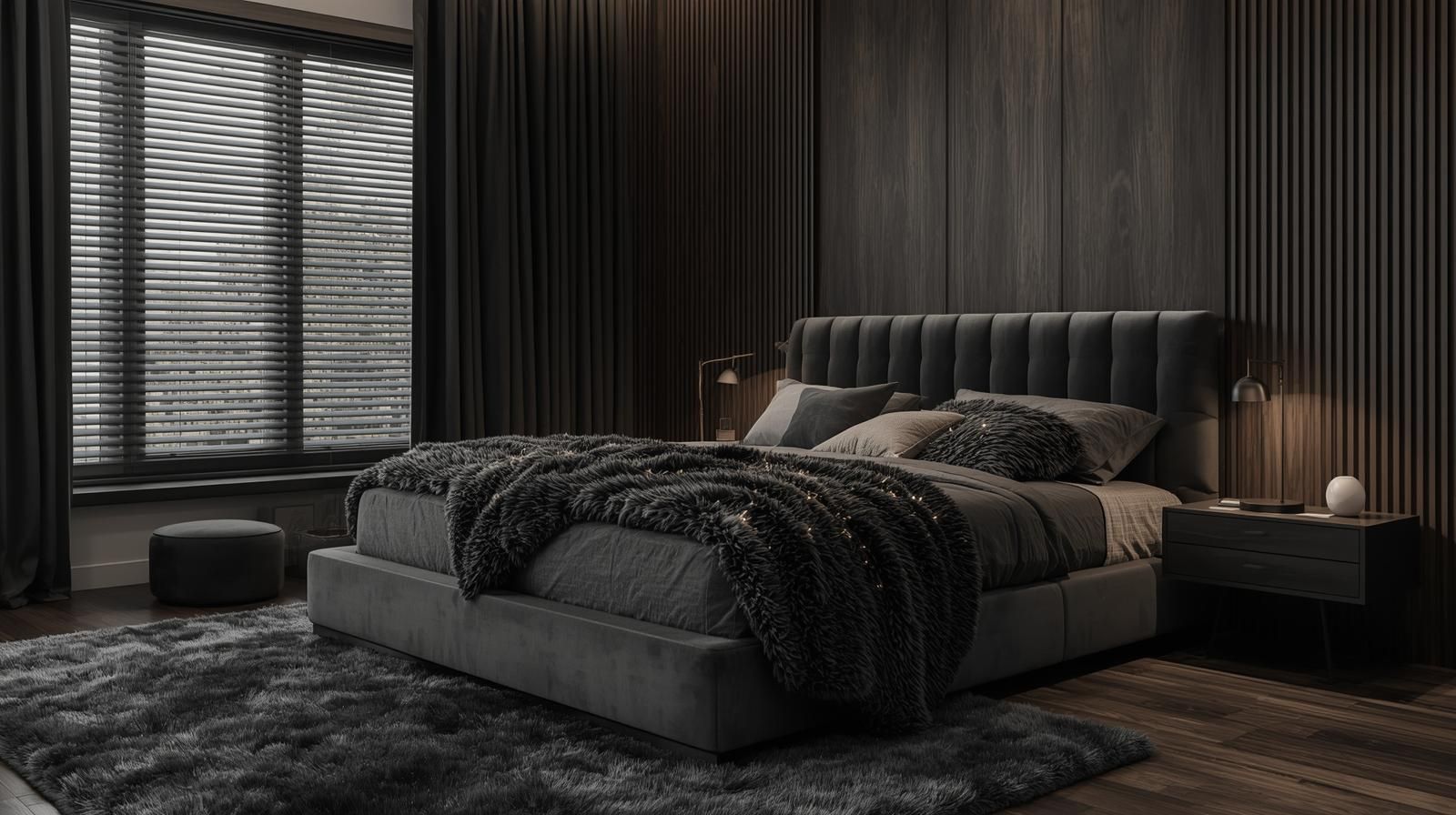
Double Bed Storage for Allergies: Complete Guide to Allergen-Free Bedroom Organisation 2025
Did you know that the average person spends one-third of their life in bed, yet most bedrooms harbour millions of dust mites and allergens? If you’re one of the 50 million Americans dealing with allergies, your bedroom storage choices could be the difference between restful sleep and endless sniffling!
Creating an allergy-friendly bedroom isn’t just about choosing the right mattress – it’s about revolutionising how you store everything from bedding to clothing. Smart double bed storage solutions can dramatically reduce allergen exposure while keeping your space organised and clutter-free. I’ve spent years helping allergy sufferers transform their bedrooms into sanctuaries of clean air and peaceful sleep. Discover which ottoman bed size offers the best storage capacity for your specific allergy management needs in our detailed comparison guide.
Understanding Allergens in Bedroom Storage Areas
• Dust Mites: The Invisible Army in Your Storage
Bloody hell, when I first learned about dust mites, I nearly threw out every piece of fabric in our bedroom! These microscopic creatures are absolutely everywhere – thriving in those cosy fabric storage boxes and wicker baskets that look so Instagram-worthy. They love temperatures between 20-25°C and humidity above 50%, which is basically every British bedroom.
What really got me was discovering that a single gram of dust can contain up to 19,000 dust mites. That gorgeous ottoman I’d been using to store extra bedding? It was like a dust mite metropolis. Every time we opened it, we were releasing their waste products into the air, which is what actually triggers the allergic reactions.
• Pet Dander: The Gift That Keeps on Giving
Here’s something that caught me completely off guard. We moved into a flat where the previous tenants had cats, and I thought a good hoover would sort everything out. Wrong! Pet dander can survive in storage areas for months, even years, because it’s so lightweight and sticky.
The real kicker is that pet allergens are about 10 times smaller than dust mite allergens, so they stay airborne longer and penetrate deeper into fabrics. That inherited storage chest? It was basically a dander time capsule that kept releasing cat proteins every time we disturbed it.
• Pollen: The Seasonal Saboteur
I used to think pollen was just a spring problem that stayed outdoors. How naive was I? Pollen hitchhikes into your bedroom on clothes, bags, and shoes, then settles into storage areas where there’s no air circulation to shift it.
Tree pollen can be particularly sneaky because it’s so fine – around 20-30 micrometres. Once it gets trapped in fabric storage containers or under-bed boxes, it just accumulates season after season. I found this out when cleaning our wardrobe and having a massive sneezing fit from disturbed pollen that had been sitting there since the previous spring.
• Poor Ventilation Creates Allergen Breeding Grounds
This was my biggest storage mistake – thinking any enclosed space was good for keeping things tidy. Turns out, poor ventilation in storage areas creates perfect conditions for allergen accumulation and mould growth.
When you’ve got damp British air mixing with enclosed storage spaces, you’re basically creating a five-star resort for allergens. That vintage trunk at the foot of our bed looked gorgeous but had zero ventilation. Every time we opened it, we released a cloud of musty air filled with months of accumulated allergens.
• The Clutter-Allergen Multiplication Effect
Here’s what nobody tells you about bedroom clutter – it doesn’t just look messy, it actively makes your allergies worse. Research shows that cluttered bedrooms can have dust mite levels up to 40% higher than organised spaces.
The problem isn’t just more surfaces for dust to settle on. Cluttered storage areas are impossible to clean properly, which means allergens keep building up in layers. I discovered this when we finally tackled our wardrobe and found clothes that hadn’t been disturbed in years, all covered in a thick layer of dust and smelling properly musty.
• Scientific Evidence That’ll Make You Rethink Your Storage
The numbers are pretty shocking when you dig into the research. Studies from the American College of Allergy, Asthma & Immunology found that bedroom allergen levels can be 200% higher in poorly organised storage areas compared to well-ventilated, regularly cleaned spaces.
What really opened my eyes was learning that allergen levels peak about 15-20 minutes after disturbing stored items. So every time you’re rummaging through that under-bed storage or opening packed wardrobes, you’re creating an allergen storm that lasts for ages.
• Identifying Your Personal Allergen Triggers
Getting proper allergy testing was a game-changer for us. Turns out my partner wasn’t just reacting to dust mites – they were also sensitive to specific moulds growing in our poorly ventilated storage areas.
Keep a simple symptom diary for a week, noting when you feel worst. If you’re constantly stuffy in the mornings or have symptoms that flare up after tidying, your storage setup might be the culprit. We noticed patterns pointing directly to times when we’d been sorting through stored items the night before. Stop letting dust mites turn your storage into their breeding ground! The Lizzy Ottoman Upholstered Bed Frame features sealed compartments that block allergen accumulation.
Essential Features of Allergy-Friendly Double Bed Storage
• Sealed Storage Compartments: Your First Line of Defence
After years of dealing with my partner’s allergies, I’ve learned that proper sealing is absolutely crucial for bedroom storage. We’re talking about compartments with tight-fitting lids, rubber gaskets, and proper latching mechanisms – not just boxes that sort of close.
The difference is mental when you get this right. Our old storage ottoman had gaps around the edges where dust could settle and allergens could escape every time we opened it. Now we use storage with silicone seals that create an actual barrier. The key is looking for storage rated as “airtight” rather than just “enclosed” – there’s a massive difference in allergen protection.
I made the mistake of thinking any box with a lid would do the trick. Wrong! Proper sealed storage should have gaskets or weatherstripping around the edges, similar to what you’d find on a good food storage container.
• Easy-Clean Materials That Actually Work
Here’s something I wish someone had told me earlier – if you can’t easily wipe down your storage furniture, you’re fighting a losing battle against allergens. Fabric-covered storage might look lovely, but it’s basically a dust magnet that you can never properly clean.
The materials that work best are non-porous surfaces like powder-coated metal, sealed wood with smooth finishes, or high-quality plastics. I learned this the hard way with a gorgeous linen-covered storage bench that looked brilliant but became an allergen nightmare within months.
What really matters is being able to do a proper weekly wipe-down with damp cloths. If your storage furniture has grooves, crevices, or textured surfaces where dust can hide, you’re making life unnecessarily difficult for yourself.
• Breathable Yet Protective Fabrics: The Goldilocks Solution
This one took me ages to figure out properly. You need fabrics that allow air circulation to prevent moisture buildup (which leads to mould), but they also need to block allergens from getting through. It’s a proper balancing act.
The breakthrough for us was discovering tightly-woven cotton covers with allergen-proof backing. These fabrics have pore sizes smaller than 6 micrometres, which block dust mites and their waste products but still allow moisture to escape. Regular cotton or linen just doesn’t cut it – the weave is too loose.
Microfiber covers can work brilliantly too, but make sure they’re specifically rated as allergen-barrier fabrics. I made the mistake of buying cheap microfiber storage bags, thinking they’d all be the same. Spoiler alert: they’re definitely not!
• Hypoallergenic Materials and Finishes: Beyond the Marketing Hype
Right, let’s talk about what “hypoallergenic” actually means in storage furniture, because there’s a lot of marketing nonsense out there. Proper hypoallergenic materials are those that don’t off-gas volatile organic compounds (VOCs) or contain common allergens like formaldehyde.
Solid wood with water-based finishes is brilliant, but avoid anything with particle board or MDF that uses formaldehyde-based adhesives. I learned this when we bought what seemed like a great storage bed, only to have it trigger respiratory symptoms for weeks while it off-gassed.
Look for furniture with Greenguard Gold certification or similar standards. These pieces have been tested for low chemical emissions. It costs a bit more upfront, but the difference in air quality is massive, especially in enclosed bedroom spaces.
• Smart Accessibility Features That Reduce Allergen Disturbance
This is where most people get it wrong – they focus on storage capacity but ignore how accessing stored items affects allergen levels. Every time you open storage, you’re potentially stirring up settled dust and allergens.
Soft-close mechanisms are brilliant because they prevent the sudden air movements that can launch allergens into the air. We upgraded to storage drawers with hydraulic soft-close systems, and the difference in air disturbance is noticeable.
Partial-access features are game-changers, too. Instead of opening entire storage compartments, look for designs that let you access specific sections without disturbing everything else. Our platform bed has individual drawer compartments rather than one massive under-bed space, which means less allergen disruption when we need something.
• Height and Positioning: The Often-Overlooked Factor
Here’s something most people don’t consider – the height of your storage affects how much dust settles on and around it. Floor-level storage collects more dust and is harder to clean underneath, whilst elevated storage on legs allows for proper hoovering.
We learned this lesson with our bedside storage. Originally had solid-base units that sat directly on the floor, creating dead zones where dust accumulated. Switching to storage with legs raised about 10cm off the ground made cleaning so much easier and reduced dust buildup significantly.
The sweet spot seems to be storage that’s either completely sealed at floor level or raised high enough for proper cleaning access. Anything in between just creates dust traps that are impossible to maintain properly. Experience the difference proper sealing makes! The Sophia Ottoman Bed Frame offers airtight storage compartments with rubber gaskets for maximum allergen protection.

Best Double Bed Storage Solutions for Allergy Management
• Platform Beds with Built-in Drawers: The Game-Changer
Honestly, switching to a platform bed with properly sealed drawers was the single best decision we made for managing bedroom allergies. I’m talking about beds with individual compartments that have soft-close mechanisms and rubber gaskets around the edges – not just basic drawers that slide under the mattress.
The key is finding platform beds with compartments that are completely separate from each other. Our current bed has six individual sealed drawers, which means accessing winter bedding doesn’t disturb the summer clothes stored in a different section. Each drawer has its own silicone seal and closes with a satisfying ‘thunk’ that tells you it’s properly airtight.
What really sold me was discovering that quality platform storage beds often come with cedar-lined compartments or antimicrobial treatments. Ours has a powder-coated steel frame inside wooden cabinetry, which gives you the best of both worlds – no off-gassing from cheap materials, but proper moisture resistance.
• Under-Bed Storage Boxes with HEPA Filtration: The Tech Solution
Right, this might sound a bit over-the-top, but under-bed storage boxes with built-in HEPA filtration are absolutely brilliant for severe allergy sufferers. These aren’t your standard plastic boxes – we’re talking about storage systems with actual air filtration built into the lids.
The ones we use have small, battery-powered HEPA filters that run for about 2 hours after you close the lid, clearing out any allergens that might have been stirred up. It sounds mental, but the difference in air quality when you open them weeks later is noticeable – no musty smell, no dust clouds.
Look for boxes with gasket seals rated to 0.3 microns or smaller. That’s the size that blocks most allergens whilst still allowing the filtration system to work properly. The initial cost is higher than regular storage, but when you’re dealing with proper allergies, it’s worth every penny.
• Headboard Storage Units: The Space-Saving Winner
Headboard storage was something I initially dismissed as a gimmick, but it’s actually brilliant for allergy management when done right. The key is finding units with completely enclosed compartments rather than open shelving that just collects dust.
Our headboard has three sealed compartments with magnetic closures – no handles or hardware that can collect allergens. The compartments are lined with smooth, wipeable surfaces and have small ventilation systems that prevent moisture buildup without letting allergens in.
What’s clever about good headboard storage is that it keeps frequently used items (like reading glasses, medications, or phone chargers) at head height where there’s naturally less dust settlement. Plus, you’re not bending down to floor level and stirring up settled allergens every time you need something.
• Bedside Storage Ottomans: The Washable Solution
Here’s where I made a proper breakthrough – finding storage ottomans with completely removable, machine-washable covers that are actually allergen-proof. Not just any washable cover, but ones made from tightly-woven fabrics with allergen-barrier backing.
The ottoman we settled on has a hard plastic inner shell with a zippered cover that can go straight in the washing machine at 60°C. The cover fabric has a pore size smaller than 6 micrometres, which blocks dust mites and their waste products but still feels soft and looks decent.
What’s brilliant is being able to throw the cover in the wash weekly along with the bedding. The inner compartment wipes clean with a damp cloth, and the whole thing can be properly sanitised without any fuss. It’s like having storage furniture that you can actually keep properly clean.
• Wall-Mounted Storage: The Dust-Avoidance Strategy
Wall-mounted storage was the solution I never saw coming, but it’s absolutely genius for allergy management. By getting storage off the floor entirely, you eliminate those impossible-to-clean spaces where dust and allergens love to accumulate.
We installed floating storage units about 30cm off the floor, which gives enough clearance for proper hoovering underneath whilst keeping stored items easily accessible. The units have soft-close doors with magnetic catches – no handles or hardware that can trap dust.
The positioning is crucial, though. Mount storage at least 20cm away from the bed to prevent disturbed allergens from settling directly onto your sleeping area. Our wall units are positioned so that opening them doesn’t create air currents that blow towards the pillows.
• Combination Systems: The Ultimate Setup
After trying various individual solutions, I’ve learned that the best approach is to combine multiple storage types strategically. Platform bed storage for bulky items like spare bedding, wall-mounted units for frequently accessed items, and sealed under-bed boxes for seasonal storage.
The key is creating zones where different types of allergens are managed differently. Textile storage goes in the most sealed compartments, whilst items that need regular access get stored in easily cleanable wall units. It sounds complicated, but once you’ve got the system sorted, maintenance becomes dead simple.
What really works is having storage that you can clean on different schedules – daily wipe-downs for frequently accessed areas, weekly deep cleans for sealed compartments, and monthly maintenance for long-term storage. It’s all about making allergy management sustainable rather than overwhelming. Ready for the ultimate allergy-fighting storage solution? The Evie Ottoman Bed Frame combines sealed compartments with soft-close mechanisms for allergen-free organisation.
Organising Bedding and Linens for Allergy Control
• Proper Storage Techniques for Hypoallergenic Bedding: The Foundation
Right, let me tell you about the massive mistake I made when we first invested in proper hypoallergenic bedding. Spent a fortune on bamboo sheets and allergen-proof duvet covers, then shoved them in the same old cotton storage bags with our regular linens. Completely defeated the purpose!
Hypoallergenic bedding needs to be stored in materials that won’t compromise its allergen-blocking properties. We learned this the hard way when our expensive bamboo sheets started smelling musty after just a few weeks in storage. The cotton bags were trapping moisture and allowing mould spores to settle on the fabric.
The game-changer was switching to breathable storage bags made from the same tightly-woven materials as the bedding itself. These bags have pore sizes smaller than 10 micrometres, which keeps allergens out whilst allowing moisture to escape. It’s like giving your hypoallergenic bedding its own protective bubble that actually works.
• Vacuum-Sealed Storage: The Space-Saving Allergen Blocker
Vacuum-sealed bags were something I initially avoided because I thought they’d damage delicate fabrics. Turns out, when done properly, they’re absolutely brilliant for seasonal bedding storage and allergen control. The key is using the right type of bags and not over-compressing natural fibres.
For our winter duvets and heavy blankets, we use vacuum bags with one-way valves that prevent air from seeping back in. The trick is only removing about 70% of the air rather than creating a brick-hard package. This protects the loft of down filling whilst still creating an allergen-proof seal.
What’s clever about quality vacuum bags is that they often come with antimicrobial treatments built into the plastic. Ours has silver ion technology that prevents bacteria and mould growth even if tiny amounts of moisture get trapped inside. It’s like having a sterile storage environment for your most expensive bedding.
• Temperature and Humidity Control: The Science Bit
This is where I got properly nerdy about bedding storage, but it’s made such a difference to our allergy management. Dust mites thrive in humidity above 50% and temperatures between 20-25°C, so controlling these factors in storage areas is crucial.
We installed a small dehumidifier in our bedroom storage area that keeps the humidity between 30-45%. Sounds excessive, but the difference in how our stored linens smell and feel is massive. No more musty odours or that slightly damp feeling when you pull out seasonal bedding.
Temperature control is trickier in British homes, but we found that storing bedding in the coolest, driest part of the bedroom works best. Our platform bed storage stays about 2-3 degrees cooler than room temperature, which significantly slows down dust mite reproduction in any stored textiles.
• Washing and Preparation Protocols: The Pre-Storage Ritual
Here’s something that took me ages to get right – how you prepare bedding before storage is just as important as how you store it. I used to think a normal wash cycle was enough, but proper allergen removal requires specific temperatures and techniques.
All bedding gets washed at 60°C minimum before storage, using allergen-reducing detergent that breaks down dust mite proteins. The key is adding an extra rinse cycle to remove any detergent residue that could attract dirt and allergens during storage. Then everything gets tumble-dried on high heat for at least 40 minutes to kill any remaining dust mites.
What really made the difference was learning about the cooling-down period. After washing and drying, we let everything cool completely and air for at least 2 hours before packing away. This prevents trapped moisture from creating the perfect breeding ground for allergens in storage.
• Labelling Systems: The Sanity-Saving Organisation
Right, this might sound obsessive, but a proper labelling system for bedding storage has been a game-changer for managing allergies. I’m not talking about basic labels – we use a colour-coded system that tracks washing dates, storage dates, and allergen treatment status.
Each storage container gets a label with the wash date, storage date, and next rotation date. We use different coloured labels for different types of bedding – blue for hypoallergenic materials, green for regular cotton, red for items that need special allergen treatment. It sounds complicated, but it prevents the nightmare of not knowing how long something’s been stored.
The rotation schedule is crucial for preventing allergen buildup. Even properly stored bedding should be rotated every 3-4 months, washed, and re-stored. Our labelling system makes this automatic rather than something we have to remember.
• Seasonal Rotation Strategy: The Long-Term Game Plan
Seasonal bedding rotation used to be a proper faff that would trigger allergy symptoms for days afterwards. Now we’ve got it down to a science that actually improves our bedroom’s allergen levels rather than making them worse.
The key is doing rotations gradually rather than swapping everything at once. We change one set of bedding per week during transition periods, which prevents massive allergen disturbance. Each set gets the full wash-and-preparation treatment before going into use, even if it’s been properly stored.
What’s brilliant about this system is that it forces regular deep cleaning of storage areas. Every rotation is an opportunity to wipe down storage compartments, check for any moisture or pest issues, and refresh the allergen-control measures. It’s turned bedding storage from a chore into an active part of our allergy management strategy.
• Emergency Protocols: When Storage Goes Wrong
Despite best efforts, sometimes storage goes wrong – moisture gets in, pests find their way into containers, or you discover that something’s been stored longer than planned. Having protocols for these situations prevents panic and protects your investment in quality bedding.
If we find any signs of moisture or mould in stored bedding, everything gets the full treatment – hot wash at 60°C, extra rinse, high-heat drying, and complete re-storage in fresh containers. It’s better to over-treat than risk spreading allergens throughout your bedroom.
The key lesson I’ve learned is that bedding storage for allergy control isn’t just about keeping things tidy – it’s about creating a system that actively reduces allergen levels whilst protecting your investment in quality, hypoallergenic materials. Take control of your bedroom allergens with the Lunar Ottoman Bed Frame – featuring advanced sealing technology that keeps dust mites where they belong: out of your storage!
Clothing Storage Strategies in Allergy-Sensitive Bedrooms
• Enclosed Wardrobes vs Open Storage: The Great Debate
After years of battling with my partner’s allergies, I can tell you that open clothing storage is basically an invitation for allergens to set up camp in your bedroom. Those gorgeous open wardrobes you see on Instagram? Absolute nightmare for anyone with dust sensitivities.
We learned this lesson the hard way with a beautiful open rail system that looked brilliant but turned our clothes into dust magnets. Every morning, getting dressed meant shaking allergens off garments that had been collecting particles all night. The difference when we switched to a fully enclosed wardrobe with proper sealing was mental – clothes stayed cleaner, and morning allergy symptoms dropped significantly.
The key with enclosed wardrobes is finding ones with tight-fitting doors and proper gasket seals around the edges. Cheap wardrobes with gaps around the doors are barely better than open storage. Look for wardrobes with magnetic closures or soft-close hinges that create a proper seal when shut.
• Cedar-Lined Drawers: Natural Protection That Actually Works
Cedar storage was something I initially dismissed as old-fashioned nonsense, but it’s actually brilliant for allergy-sensitive individuals who can’t tolerate chemical moth deterrents. The natural oils in cedar wood repel insects whilst being gentle on sensitive respiratory systems.
Our bedroom drawers are lined with aromatic red cedar, which needs refreshing every 6-12 months with light sanding to release fresh oils. The trick is using proper cedar lining rather than just cedar blocks – you want the oils to permeate the entire storage space, not just create localised protection.
What’s clever about cedar is that it also helps regulate humidity in clothing storage, which reduces dust mite populations. The wood naturally absorbs excess moisture whilst releasing it slowly when conditions are dry. It’s like having a natural climate control system built into your storage.
• Ventilation Systems: The Air Quality Game-Changer
Here’s something most people get completely wrong – thinking that sealed storage means no ventilation. Proper clothing storage for allergy management needs controlled airflow that prevents stagnation whilst filtering out allergens.
We installed small, battery-powered ventilation fans in our wardrobe that run for 15 minutes every few hours. These aren’t just any fans – they have HEPA filters that clean the air whilst circulating it. The difference in how clothes smell and feel after storage is massive compared to completely sealed or completely open systems.
The positioning of ventilation is crucial, too. Air intake should be at the bottom of the storage space, with exhaust at the top, creating a gentle upward airflow that prevents dust settlement. Our system moves air slowly enough that it doesn’t disturb settled particles but fast enough to prevent moisture buildup.
• Seasonal Rotation: The Allergen Prevention Strategy
Seasonal clothing rotation used to be a proper ordeal that would trigger allergy symptoms for days. Now we’ve developed a system that actually reduces allergen levels whilst keeping clothes in brilliant condition.
The key is washing everything before storage, even if it seems clean. Clothes carry invisible allergens like pollen, dust, and skin cells that become concentrated during long-term storage. We wash seasonal items at 40°C with allergen-reducing detergent, then ensure they’re completely dry before packing away.
What’s made the biggest difference is doing rotations gradually over 2-3 weeks rather than swapping everything at once. This prevents massive allergen disturbance and gives us time to clean storage areas between seasons properly. Each rotation becomes an opportunity to deep-clean wardrobes and refresh cedar treatments.
• Shoe Storage: The Outdoor Allergen Barrier
Shoes are basically allergen transport vehicles that most people completely ignore in bedroom storage planning. Every time you wear shoes outside, they collect pollen, dust, pollution particles, and other allergens that get tracked into your bedroom.
Our solution was creating a proper shoe storage system in the bedroom that contains outdoor allergens rather than spreading them around. We use enclosed shoe cabinets with washable liners and small dehumidifier packets to prevent moisture buildup that can lead to mould growth.
The game-changer was implementing a “shoes off” policy for the bedroom and having indoor-only slippers stored separately from outdoor footwear. Outdoor shoes get wiped down with damp cloths before storage, and the storage area gets hoovered weekly to prevent allergen accumulation.
• Fabric-Specific Storage Solutions: The Material Matters Approach
Different clothing materials need different storage approaches for optimal allergy management. Natural fibres like wool and cotton are more susceptible to dust mite infestation, whilst synthetic materials can trap static that attracts airborne allergens.
For wool items, we use breathable cotton storage bags with lavender sachets (natural moth deterrent that doesn’t trigger allergies). Synthetic garments go in anti-static storage containers that prevent particle attraction. Delicate items get individual breathable garment bags rather than being packed together.
The key lesson I’ve learned is that one-size-fits-all storage doesn’t work for allergy management. Each type of clothing needs storage that addresses its specific allergen risks whilst maintaining the fabric’s integrity and your respiratory health.
• Daily Clothing Management: The Routine That Prevents Problems
What really transformed our bedroom allergy situation was developing daily clothing habits that prevent allergen accumulation in the first place. Clothes worn outside get hung in a separate area to air out before going into the main storage, preventing outdoor allergens from contaminating clean garments.
We have a “transition zone” near the bedroom door with hooks for clothes that need airing before storage. Items worn for more than a few hours get this treatment, whilst pyjamas and indoor clothes can go straight back into main storage. It sounds fussy, but it’s become automatic and makes a massive difference to overall bedroom air quality.
The daily routine also includes quick visual checks of storage areas for any signs of moisture, pests, or unusual odours. Catching problems early prevents them from becoming major allergen sources that require complete wardrobe overhauls. Take control of your bedroom allergens with the Lunar Ottoman Bed Frame – featuring advanced sealing technology that keeps dust mites where they belong: out of your storage!
Maintenance and Cleaning Protocols for Allergy-Free Storage
• Weekly Cleaning Schedules: The Non-Negotiable Routine
Right, let me be honest – when we first started managing bedroom allergies properly, I thought weekly cleaning was complete overkill. Turns out, it’s absolutely essential if you want to stay ahead of allergen buildup rather than constantly playing catch-up.
Our weekly routine takes about 20 minutes and focuses on high-impact areas rather than deep cleaning everything. Monday mornings, we wipe down all storage surfaces with damp microfibre cloths, check for any moisture issues, and do a quick visual inspection for dust accumulation. It sounds boring, but catching problems early prevents the massive cleaning sessions that used to trigger allergy symptoms for days.
The key is having designated cleaning supplies that live in the bedroom – microfibre cloths, allergen-reducing spray, and a small handheld vacuum. No dragging cleaning products from other rooms and potentially cross-contaminating with different allergens. Everything gets stored in a sealed container to prevent the cleaning supplies themselves from becoming dust magnets.
• HEPA Vacuum Techniques: The Proper Way to Remove Allergens
Here’s where I made a massive mistake initially – thinking any vacuum would do for upholstered storage furniture. Regular vacuums just blow allergens around rather than capturing them, which actually makes allergy symptoms worse temporarily.
The technique that works is using slow, overlapping strokes with a HEPA vacuum, allowing the suction to pull allergens from deep within fabric fibres. We go over each section three times – once in each direction, then a final pass at a 45-degree angle. It takes longer, but the difference in allergen removal is massive compared to quick hoovering.
For storage ottomans and upholstered headboards, we use the upholstery attachment with reduced suction to prevent fabric damage. The key is working systematically rather than randomly – start at the top and work down, so any disturbed allergens get captured rather than settling on already-cleaned areas.
• Natural Cleaning Solutions: The Gentle but Effective Approach
Chemical cleaning products used to trigger respiratory symptoms worse than the allergens we were trying to remove! After loads of trial and error, we’ve found natural solutions that actually work better for allergy management.
Our go-to cleaning solution is white vinegar diluted 1:1 with distilled water, plus a few drops of tea tree oil for antimicrobial properties. This mixture breaks down dust mite waste products and neutralises odours without creating harsh fumes. For stubborn areas, we add a tablespoon of baking soda to create a gentle abrasive paste.
What’s brilliant about natural solutions is that you can use them more frequently without worrying about chemical buildup or respiratory irritation. We keep spray bottles of different concentrations – weak solutions for daily wipe-downs, stronger mixtures for weekly deep cleaning, and concentrated versions for tackling specific problems.
• Deep Cleaning Protocols: The Seasonal Reset
Every three months, we do a proper deep clean of all storage areas that goes way beyond regular maintenance. This used to be a nightmare that would trigger allergy symptoms for a week, but we’ve developed a system that actually improves air quality during the process.
The protocol starts with completely emptying storage areas and washing or airing everything that was stored. All surfaces get wiped down with an antimicrobial solution, then left to air dry completely before reassembling. We use this opportunity to check for any structural issues, refresh cedar treatments, and replace any worn gaskets or seals.
The game-changer was learning to do deep cleaning in stages rather than tackling everything at once. One storage area per weekend prevents massive allergen disturbance and makes the whole process manageable rather than overwhelming. Plus, it means we’re never without access to essential items whilst cleaning is in progress.
• Air Purification: The Invisible Protection Layer
Air purification in enclosed storage spaces was something I never considered until we started having issues with musty odours in our platform bed drawers. Turns out, even sealed storage needs some level of air treatment to prevent stagnation and allergen concentration.
We use small, rechargeable air purifiers with HEPA filters in larger storage compartments. These run for about an hour after we’ve accessed stored items, clearing out any allergens that might have been disturbed. The units are tiny – about the size of a smartphone – but make a noticeable difference in how storage areas smell and feel.
For smaller storage spaces, we use activated charcoal sachets that absorb odours and moisture without adding any fragrances that could trigger sensitivities. These get replaced every two months and provide passive air treatment that works continuously rather than just when powered units are running.
• Problem-Solving Protocols: When Things Go Wrong
Despite best efforts, sometimes storage areas develop problems – moisture buildup, unusual odours, or signs of pest activity. Having protocols for these situations prevents panic and protects both your stored items and your respiratory health.
If we discover moisture in any storage area, everything comes out immediately for assessment. Items that can be washed get the full hot-water treatment, whilst delicate items get aired and assessed for damage. The storage area gets completely dried, treated with an antimicrobial solution, and left open for 24 hours before being reassembled with fresh desiccant packets.
The key lesson I’ve learned is that maintenance for allergy-free storage isn’t just about keeping things clean – it’s about creating systems that prevent problems from developing in the first place. Regular maintenance is infinitely easier than dealing with major allergen contamination after it’s already established.
• Tracking and Documentation: The System That Keeps You Honest
This might sound obsessive, but keeping simple records of cleaning and maintenance has been crucial for staying on top of allergy management. We use a basic calendar system that tracks when each storage area was last cleaned, what problems were found, and when the next maintenance is due.
The documentation helps identify patterns – like certain storage areas that consistently develop moisture issues or times of year when allergen levels spike. This information lets us adjust our maintenance schedule and prevention strategies rather than just reacting to problems after they occur.
What’s made the biggest difference is having accountability built into the system. When maintenance tasks are scheduled and tracked, they actually get done rather than being forgotten until problems develop. It’s transformed storage maintenance from a reactive chore into a proactive part of our overall allergy management strategy. Maximize your allergy-free storage with the Isla Upholstered Ottoman Bed Frame – designed with enclosed compartments that prevent allergen circulation.
Budget-Friendly DIY Storage Solutions for Allergy Management
• Repurposing Existing Furniture: The Transformation Game
When we first started tackling bedroom allergies properly, I thought we’d need to bin everything and start fresh with expensive allergy-specific furniture. Turns out, you can transform most existing storage furniture into allergen-resistant solutions with some clever modifications and about £20 worth of materials.
Our biggest success was converting an old chest of drawers that was basically a dust magnet into sealed storage that rivals expensive allergy furniture. The key was adding weatherstripping around all the drawer edges and installing soft-close drawer slides to prevent sudden air movements that launch allergens around the room.
The game-changer was lining all the interior surfaces with smooth, wipeable contact paper. This created non-porous surfaces that can be properly cleaned, whilst the weatherstripping prevents allergens from settling in gaps and crevices. Total cost was about £35, compared to £300+ for new allergen-resistant furniture.
• Custom Storage Covers: The Fabric Solution That Actually Works
Making your own allergen-proof storage covers was something I initially avoided because I’m rubbish at sewing. Turns out, you don’t need fancy skills – just the right materials and some basic techniques that anyone can master.
The breakthrough was discovering tightly-woven cotton fabric with allergen-barrier backing that you can buy by the metre. This stuff has pore sizes smaller than 6 micrometres, which blocks dust mites and their waste products whilst still being breathable enough to prevent moisture buildup.
For storage ottomans and boxes, we make simple zippered covers using this fabric. The trick is adding about 5cm extra fabric all around to ensure a snug fit that doesn’t leave gaps where allergens can sneak in. Even with my dodgy sewing skills, these covers work brilliantly and cost about £8 each compared to £40+ for ready-made allergen-proof covers.
• DIY Under-Bed Storage: The Sealed System on a Budget
Building proper under-bed storage with allergen-resistant sealing used to seem impossible without spending hundreds on specialised containers. After loads of experimentation, I’ve cracked a system using basic plastic storage boxes and some clever modifications.
The key is creating airtight seals using foam weatherstripping and silicone sealant. We buy large, clear plastic boxes (the type used for Christmas decorations), then add weatherstripping around the lid edges and silicone gaskets at stress points. This creates storage that’s genuinely sealed against allergens for about £12 per box.
What’s brilliant about this approach is that you can see what’s stored without opening containers, which reduces allergen disturbance. We also add small desiccant packets to prevent moisture buildup and activated charcoal sachets to absorb any odours. The whole system works as well as expensive allergen-proof storage at a fraction of the cost.
• Upcycling Containers: The Creative Allergen-Blocking Solutions
Some of our best storage solutions have come from upcycling containers that were originally designed for completely different purposes. Large glass jars with rubber gasket lids make brilliant allergen-proof storage for smaller items like spare bedding accessories or seasonal clothing.
The winner has been repurposing large plastic containers that originally held protein powder or other supplements. These often have excellent sealing mechanisms and are made from food-grade plastics that don’t off-gas. With some cleaning and relabelling, they become perfect bedroom storage containers.
Coffee tins with tight-fitting lids work brilliantly for storing delicate items like silk scarves or cashmere accessories. The metal construction prevents pest infiltration, whilst the tight seals keep allergens out. We line them with acid-free tissue paper to prevent any metal contact with fabrics.
• Cost-Effective Alternatives: The Smart Shopping Strategy
Rather than buying expensive allergy-specific furniture, I’ve learned to identify regular furniture that can be easily modified for allergen resistance. The key is looking for pieces with smooth surfaces, tight-fitting doors or drawers, and construction that allows for easy cleaning.
IKEA furniture has been brilliant for this approach. Their basic storage units often have better sealing than expensive alternatives, and the simple construction makes modifications straightforward. We’ve converted several IKEA pieces into allergen-resistant storage for less than half the cost of specialised furniture.
The trick is shopping with modification potential in mind rather than just looking at furniture as-is. A basic wardrobe becomes allergen-resistant with some weatherstripping and magnetic closures. A simple storage bench transforms with a custom allergen-proof cover and internal organisation systems.
• Tool-Free Modifications: The Renter-Friendly Approach
Living in rental properties means most modifications need to be reversible, which actually forced us to develop some brilliant allergen-resistance techniques that don’t require permanent changes to furniture.
Magnetic strips work brilliantly for creating temporary seals on metal furniture. We use flexible magnetic weatherstripping that sticks to metal surfaces and creates effective allergen barriers without any permanent modifications. When we move, everything peels off cleanly.
Velcro attachments have been game-changers for fabric modifications. Custom storage covers can be attached to furniture using industrial-strength Velcro rather than permanent fixtures. This allows for easy removal for washing whilst maintaining tight seals that prevent allergen infiltration.
• Maintenance-Friendly DIY Solutions: The Long-Term Thinking
The best DIY storage modifications are ones that make ongoing maintenance easier rather than more complicated. All our custom solutions are designed with cleaning access in mind – removable covers, wipeable surfaces, and easy disassembly for deep cleaning.
We’ve learned to use materials that can handle frequent cleaning without degrading. Food-grade silicone for seals, marine-grade fabrics for covers, and furniture-quality hardware for moving parts. Spending slightly more on materials upfront means modifications last for years rather than needing constant replacement.
The key insight has been that effective allergy management isn’t about perfect solutions – it’s about creating systems that you can actually maintain consistently. DIY modifications that are too complicated or fragile just become sources of frustration rather than allergen control.
• Testing and Refinement: The Trial-and-Error Approach
Not every DIY modification works perfectly on the first attempt, and that’s completely normal. We’ve developed a testing approach that lets us refine solutions without wasting loads of time and money on failed experiments.
Start with small, reversible modifications to test concepts before committing to major projects. Our weatherstripping experiments began with temporary tape applications to see if sealing gaps actually made a difference to allergen levels. Once we proved the concept worked, we invested in proper materials for permanent solutions.
The biggest lesson has been that simple modifications often work better than complex ones. Our most successful DIY storage solutions use basic principles – sealing gaps, creating smooth surfaces, and enabling easy cleaning – rather than trying to replicate expensive commercial products exactly. Get washable, allergen-resistant storage with the Saros Ottoman Bed Frame – featuring removable covers that can be machine-washed for ultimate cleanliness.
Conclusion
Creating an allergy-friendly double bed storage system doesn’t have to be overwhelming or expensive. By focusing on sealed storage solutions, regular maintenance, and smart organisation strategies, you can significantly reduce bedroom allergens while maintaining a beautifully organised space. Remember, the key is consistency – both in your storage choices and cleaning routines.
Start with one storage area at a time, whether it’s investing in a platform bed with built-in drawers or simply upgrading your under-bed storage boxes. Your respiratory system will thank you, and you’ll finally achieve the restful, sneeze-free sleep you deserve. Take action today by assessing your current storage situation and implementing just one of these allergy-friendly solutions! Your journey to allergen-free sleep starts now! Browse our complete collection of storage beds designed specifically for allergy sufferers and transform your bedroom tonight.
Frequently Asked Questions: Double Bed Storage for Allergies
1. What are the best storage solutions for allergy sufferers with double beds?
The best storage solutions for allergy sufferers with double beds include sealed ottoman beds, HEPA-filtered storage boxes, and enclosed wardrobes with proper gasket seals.
Key allergy-friendly double bed storage options:
- Platform beds with sealed drawers – Individual compartments with rubber gaskets prevent dust mite infiltration
- Under-bed storage boxes with HEPA filtration – Battery-powered filters clear allergens after each use
- Headboard storage units – Enclosed compartments keep frequently used items dust-free at head height
- Wall-mounted storage – Eliminates floor-level dust collection and allows proper cleaning underneath
- Washable storage ottomans – Machine-washable covers with allergen-barrier backing for easy maintenance
These solutions focus on preventing allergen accumulation through proper sealing, easy cleaning access, and materials that don’t harbour dust mites or pet dander.
2. How do I prevent dust mites in my bedroom storage areas?
Preventing dust mites in bedroom storage areas requires controlling humidity, using sealed containers, and maintaining temperatures below 20°C where possible.
Essential dust mite prevention strategies:
- Maintain humidity below 50% – Use dehumidifiers in storage areas to create inhospitable conditions
- Choose airtight storage containers – Look for gasket seals rated to 0.3 microns or smaller
- Wash stored items at 60°C – High temperatures kill dust mites and remove allergen proteins
- Use allergen-proof storage bags – Tightly-woven fabrics with pore sizes smaller than 6 micrometres
- Regular cleaning schedule – Weekly wipe-downs with damp microfibre cloths prevent buildup
- Cedar-lined storage – Natural oils repel insects whilst regulating moisture levels
Dust mites thrive in warm, humid environments, so controlling these factors in your double bed storage significantly reduces their population.
3. What materials should I avoid in allergy-friendly bedroom storage?
Allergy-friendly bedroom storage should avoid porous fabrics, particle board with formaldehyde, and materials that trap moisture or off-gas volatile compounds.
Materials to avoid for allergy-sensitive storage:
- Regular cotton or linen covers – Loose weaves allow allergen penetration and dust accumulation
- Particle board or MDF furniture – Formaldehyde-based adhesives trigger respiratory symptoms
- Wicker or rattan baskets – Impossible to clean thoroughly and harbour dust mites
- Fabric-covered storage boxes – Act as dust magnets that can’t be properly sanitised
- Untreated wood storage – Can develop mould in humid conditions
- Cheap plastic containers – May off-gas chemicals and lack proper sealing mechanisms
Instead, choose powder-coated metal, sealed wood with water-based finishes, or high-quality plastics with Greenguard Gold certification for optimal allergen resistance.
4. How often should I clean my double bed storage to control allergens?
Double bed storage for allergy control requires weekly surface cleaning, monthly deep cleaning, and seasonal complete overhauls to maintain optimal allergen levels.
Recommended cleaning schedule for allergy-free storage:
- Daily maintenance – Quick visual checks for moisture, pests, or unusual odours
- Weekly cleaning – Wipe all surfaces with damp microfibre cloths and allergen-reducing spray
- Monthly deep clean – HEPA vacuum upholstered surfaces and check gasket seals
- Seasonal overhaul – Empty storage completely, wash all contents, treat surfaces with antimicrobial solution
- Immediate response – Address moisture issues or pest signs within 24 hours
This schedule prevents allergen buildup rather than reacting to problems after they develop. Regular maintenance is infinitely easier than dealing with major contamination in bedroom storage areas.
5. Can I make my existing bedroom storage allergy-friendly on a budget?
Existing bedroom storage can be made allergy-friendly on a budget using weatherstripping, contact paper, and DIY allergen-proof covers for under £50 per piece.
Budget-friendly allergy modifications for existing storage:
- Add weatherstripping seals – Foam strips around drawer edges create airtight barriers for £5-10
- Line with smooth contact paper – Creates wipeable, non-porous surfaces inside storage for £8-12
- Install soft-close mechanisms – Prevents sudden air movements that launch allergens for £15-25
- Make custom allergen-proof covers – Tightly-woven cotton with barrier backing costs £8 per cover
- Add magnetic closures – Ensures proper sealing without handles that collect dust for £3-5
- Use activated charcoal sachets – Absorbs odours and moisture for £2-4 per storage area
These modifications transform regular furniture into allergen-resistant storage without the expense of buying specialised allergy furniture, making effective bedroom organisation accessible for any budget.