
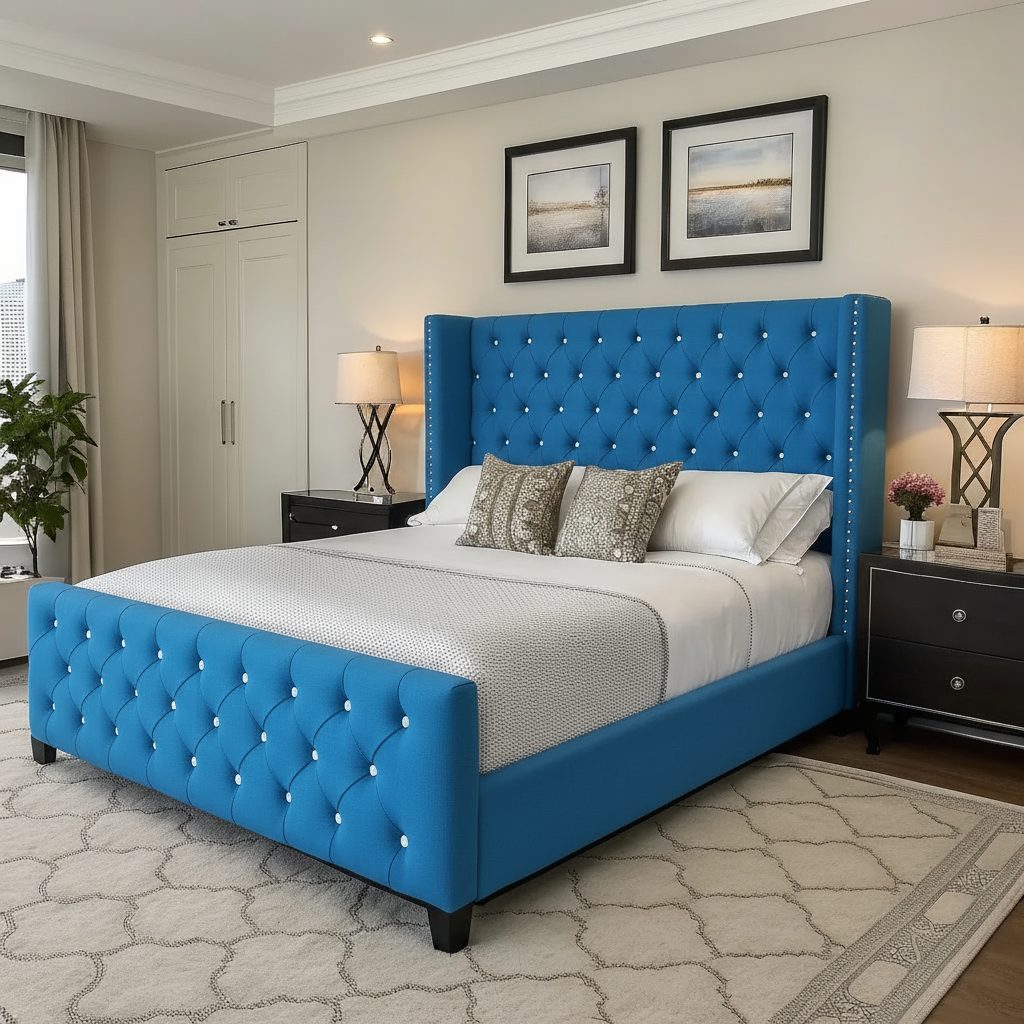
Best Queen Size Bed Storage Solutions for Seasonal Items in 2025
Did you know the average American household stores over 300,000 items? And with seasonal clothing and decorations accounting for nearly 20% of stored belongings, finding clever storage solutions is essential! Best Queen Size Bed Storage for Seasonal Items offer prime real estate for tucking away those bulky winter coats and holiday decorations that you only need once a year. I’ve spent years testing various storage options, and trust me, the right under-bed storage can transform your space from cluttered chaos to organised bliss.
Let’s explore the most innovative and practical queen size bed storage solutions for 2025 that will help you reclaim your closets and keep seasonal items dust-free until you need them again! Ready to upgrade your storage? Explore our Lizzy Ottoman Upholstered Bed Frame with ample space for all your seasonal items. Shop Lizzy Ottoman Beds now!
Types of Queen Size Bed Storage Solutions
Storage Categories for Queen Beds
- Rigid ContainersThese sturdy plastic boxes are my go-to for protecting fragile holiday decorations and keepsakes. The clear ones let you see contents without unpacking everything, saving precious time when searching for specific items. Most come with secure lids to keep dust away from your seasonal treasures.
- Soft Storage BagsI was skeptical about fabric storage at first, but they’re brilliant for bulky, squishable items like winter jumpers and duvets. They conform to awkward spaces and can be stuffed into corners where rigid boxes simply won’t fit. Just be mindful they offer less protection if something heavy gets dropped on your bed!
- Vacuum-Sealed BagsThese space-saving marvels compress bulky seasonal clothing to a fraction of their original size. I’ve managed to fit my entire winter wardrobe into two medium-sized bags, freeing up loads of space. They’re particularly brilliant for duvets and pillows that take up massive amounts of room.
- Built-In Storage SolutionsOttoman beds with hydraulic lifts reveal an enormous storage cavity beneath the mattress. My sister invested in one, and I’m properly jealous of how she can access everything without crawling around on the floor. These built-in options offer the most storage volume but come with a higher price tag.
Hard vs. Soft Storage: Which Works Best?
- Hard Storage AdvantagesRigid containers provide superior protection for fragile items like Christmas ornaments or delicate summer decorations. They stack neatly without collapsing and maintain their shape even when not completely full. I’ve found them essential for anything that might break under pressure.
- Soft Storage BenefitsFabric bags are fantastic for clothing and bedding that can be compressed without damage. They’re typically lighter and easier to handle when full compared to plastic containers. I use these for all my bulky winter jumpers and they take up significantly less space than rigid options.
- Best for Seasonal ClothingFor off-season clothes, I’ve found a combination works best—vacuum bags for bulky items and soft containers with zippers for more delicate pieces. This approach maximizes space while ensuring everything stays in good condition. My silk summer dresses go in soft containers while winter coats get vacuum-sealed.
- Best for Holiday DecorationsRigid containers with dividers are unbeatable for ornaments and decorations. After breaking three glass baubles in a soft bag disaster, I now exclusively use compartmentalized plastic containers. They’ve kept my collection safe through multiple house moves and overzealous nieces and nephews jumping on the bed.
Height Considerations for Queen Beds
- Standard Clearance KnowledgeMost queen bed frames provide 7-9 inches of clearance underneath. I learned the hard way to always measure before purchasing storage—wasted £40 on containers that were 1cm too tall! Take a tape measure to your bed before shopping to avoid frustrating returns.
- Low-Profile Bed SolutionsIf your bed sits lower than average, look for specially designed low-profile containers around 6 inches high. These shorter options still provide decent storage volume while fitting under frames with minimal clearance. I found a brilliant set that’s just 15cm high with wheels for easy access.
- Increasing Your ClearanceBed risers can add 3-5 inches of height if you’re desperate for more storage space. I used these in my tiny first flat and suddenly had room for much larger containers. Just ensure they’re sturdy enough to support your bed and won’t create a tripping hazard.
- Measuring TipsDon’t just measure the height—account for any bed frame supports that might interfere with sliding containers in and out. I once bought perfectly sized containers only to discover my bed’s center support beam blocked them from sliding through completely. Always check for obstructions!
Benefits of Under-Bed Storage for Seasonal Items
- Utilizing Dead SpaceThe area under your bed is often wasted real estate that’s perfect for items you don’t need daily access to. I’ve reclaimed nearly 10 cubic feet of storage without sacrificing any usable room space. It’s like finding an extra closet you didn’t know you had!
- Easy Seasonal RotationSwapping summer and winter wardrobes becomes remarkably simple with under-bed storage. I keep summer clothes under the bed during winter months and vice versa, making seasonal transitions quick and painless. Takes me just 30 minutes to swap everything when the weather changes.
- Dust and Pest ProtectionProperly sealed under-bed containers protect seasonal items from dust, moisture, and unwanted pests. After finding a moth had destroyed my favorite cashmere jumper in the back of my wardrobe, I now store all woolens in sealed containers under the bed. Haven’t had a single pest problem since!
- Preserving Closet SpaceBy moving seasonal items under the bed, your primary closet remains uncluttered and functional. My wardrobe used to be so stuffed I couldn’t find anything, but now it only holds current-season clothes. The difference in my morning routine is night and day!
Cost Breakdown of Storage Options
- Budget-Friendly Solutions (£20-£50)Basic fabric bags and plastic containers fit most budgets at around £20-£30 for a set of two or three. I started with these when money was tight and they served me well for years. Look for sales at homeware shops—I once scored a set of four for the price of two during a January clearance.
- Mid-Range Options (£50-£100)Higher quality containers with wheels, dividers, or vacuum functionality typically fall in this range. After upgrading to wheeled containers, my back has been much happier during seasonal swaps! The investment in better quality has paid off with containers that have lasted 5+ years without cracking.
- Premium Storage Solutions (£100-£200+)Specialized under-bed systems with custom features like humidity control or built-in vacuum sealing command higher prices. While not necessary for everyone, these can be worth it for valuable items or extreme space constraints. My custom drawer system was pricey but perfectly fits my awkward bed frame.
- Built-In Bed Storage (£200-£500+)Ottoman and platform beds with integrated storage represent the highest investment but offer the most capacity and convenience. My sister’s ottoman bed was £400 but provides storage equivalent to a small wardrobe. For long-term use, these can actually be quite cost-effective per cubic foot of storage. Worried about clearance? The low-profile Evie Ottoman Bed Frame provides perfect under-bed storage without height issues. Check out the Evie Ottoman Bed now!
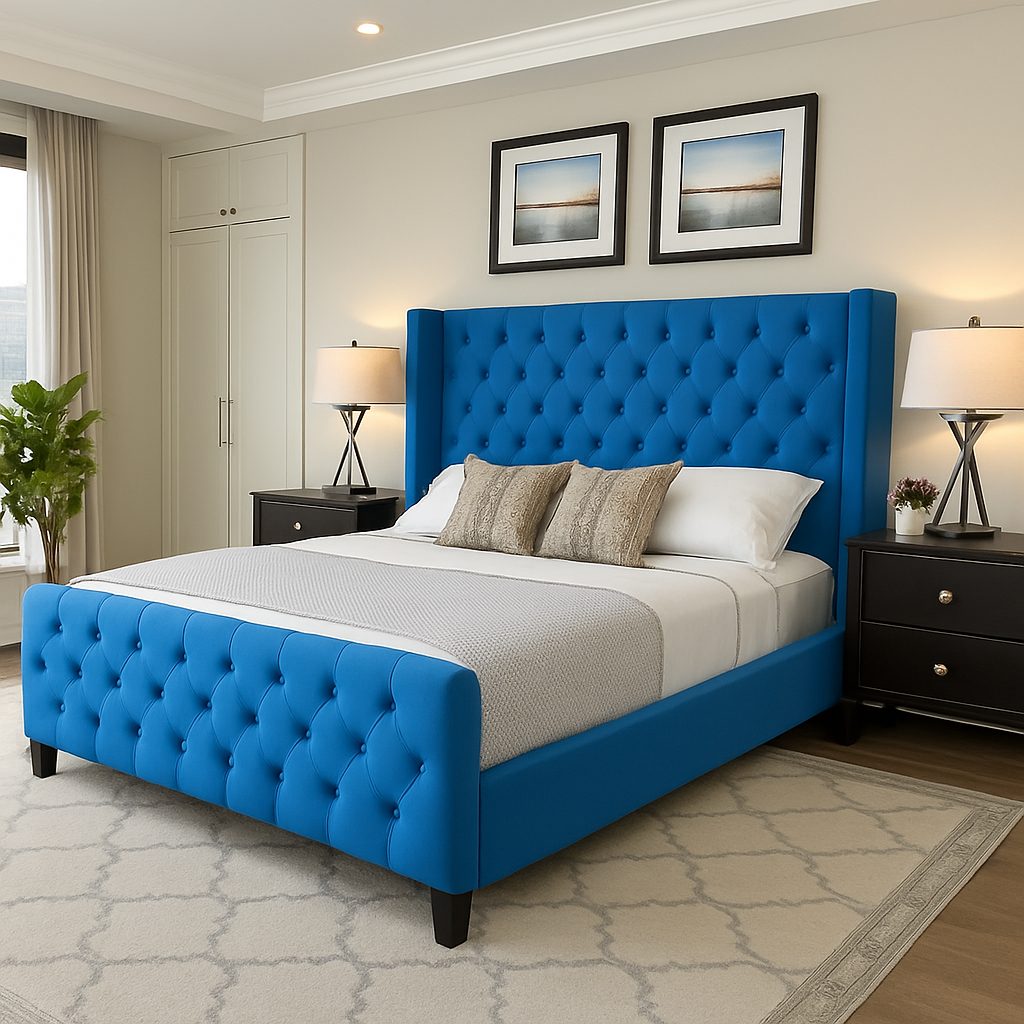
Best Under-Bed Storage Containers for Seasonal Items
Top-Rated Rigid Plastic Containers for Queen Beds
- Perfect Fit DimensionsAfter years of storage struggles, I finally found rigid containers specifically designed for queen bed clearance. These brilliant boxes measure approximately 90cm x 45cm x 18cm, making them a perfect fit without wasting a single centimetre of valuable under-bed space. I managed to fit four of these under my queen bed, essentially creating an invisible extra wardrobe!
- Clear vs. Opaque OptionsClear containers have been absolute game-changers for locating specific seasonal items without unpacking everything. I wasted countless hours with opaque containers before switching to transparent ones, and now I can spot my Christmas jumpers or summer shorts at a glance. The slightly pricier clear options have saved me so much frustration that I’d never go back to solid-colored containers.
- Stackable FeaturesSome clever rigid containers are designed to stack when not in use, which is brilliant for those transition periods between seasons. When I’m switching my winter and summer wardrobes, I can temporarily stack the empty containers in my closet rather than having them clutter up the floor. Look for ones with reinforced lids that won’t buckle under the weight of another container.
- Snap-Lock Lid TechnologyThe difference between cheap lids and quality snap-lock systems became painfully obvious when I discovered dust had infiltrated my budget containers after six months. Premium rigid containers with proper sealing mechanisms keep everything pristine, even after a full year in storage. Worth every penny for protecting seasonal clothes you’ve invested in!
Fabric Storage Solutions with Reinforced Handles
- Durability FactorsNot all fabric storage bags are created equal! I learned this the hard way when handles tore off my cheap bags while pulling them out from under the bed. Reinforced handles with double-stitching and metal grommets have proven essential for regular seasonal rotations. My current set has survived eight seasonal swaps without a single tear.
- Zippered Top AccessFull-zippered tops that open on three sides have revolutionized my seasonal storage system. Before discovering these, I was constantly dumping everything out to find specific items at the bottom. Now I can access anything without disturbing perfectly folded clothes, saving loads of time during seasonal transitions.
- Structured SidesSemi-rigid fabric containers with reinforced sides offer the perfect balance between flexibility and protection. These clever hybrids compress slightly when needed but maintain their shape well enough to prevent creasing of seasonal garments. My linen summer dresses emerge from these containers looking nearly as good as when I packed them away.
- Space-Saving CollapsibilityUnlike rigid containers, quality fabric options fold completely flat when empty. This brilliant feature means I can store the summer containers themselves inside my winter ones during cold months, eliminating the problem of where to keep empty storage boxes. Such a simple feature has freed up significant closet space in my small flat!
Wheeled Options for Heavier Seasonal Items
- 360-Degree Smooth RollersInvesting in containers with quality 360-degree wheels completely transformed my seasonal storage experience. After putting my back out dragging heavy winter duvets from under the bed, I splurged on wheeled containers and haven’t regretted it for a moment. Look for rubber wheels rather than plastic ones—they move silently across both carpet and hardwood floors.
- Weight Distribution DesignProperly designed wheeled containers distribute weight evenly to prevent contents from shifting during movement. My old containers would become front-heavy when pulled, often tipping forward and spilling winter jumpers everywhere. Better quality options have resolved this issue entirely with reinforced bases and strategically placed wheels.
- Pull Handles vs. Push-Pull DesignSome wheeled containers feature extendable handles similar to luggage, which I’ve found brilliant for accessing storage under high bed frames. For lower clearance beds, push-pull designs with built-in grip areas work better as they don’t require additional height. I use luggage-style handles in my guest room with its higher bed frame and simpler grip designs in my lower main bedroom.
- Brake Systems for Sloped FloorsIf your bedroom has slightly uneven flooring like mine, look for containers with wheel locks. I discovered this feature’s importance when my winter clothes container slowly rolled across the room overnight due to my Victorian flat’s sloping floors! A simple wheel locking mechanism prevents this midnight migration of your seasonal storage.
Divided Containers for Holiday Decorations
- Adjustable CompartmentsContainers with customizable dividers have saved countless ornaments from certain destruction. I can adjust the compartment sizes based on whether I’m storing delicate glass baubles or bulkier tree toppers. This flexibility means everything stays perfectly organized and protected regardless of shape or size.
- Specialized Ornament StoragePurpose-built holiday decoration containers with individual cardboard or fabric cells are worth every penny for precious ornaments. After breaking three irreplaceable hand-painted baubles in standard containers, I invested in proper ornament storage and haven’t lost a single decoration since. The specialized cells prevent ornaments from knocking against each other during movement.
- Layer SystemsMulti-layer divided containers allow you to store different types of decorations without mixing them together. My three-tier system keeps tree decorations, table centerpieces, and mantelpiece items completely separate yet in one container. This layered approach means I can access exactly what I need without unpacking everything.
- Color-Coded OrganizationSome brilliant divided containers come with color-coded sections or labels for different categories of decorations. I use this system to separate decorations by room—red dividers for living room items, green for dining room, and blue for hallway decorations. This simple visual system makes seasonal decorating so much more efficient!
Moisture-Resistant Options for Delicate Fabrics
- Ventilated Plastic TechnologySpecially designed containers with micro-ventilation prevent moisture buildup while still protecting from dust. I discovered these after finding mildew on my expensive wool jumpers that had been stored in completely sealed containers. The balanced airflow keeps fabrics fresh without allowing dust or pests to enter.
- Cedar-Infused OptionsSome fabric containers come with cedar inserts that naturally repel moths and absorb excess humidity. After losing two cashmere jumpers to moth damage, I switched to these and haven’t had any issues since. The cedar scent fades over time, but most inserts can be lightly sanded to reactivate their protective properties.
- Silica Gel CompartmentsPremium storage containers sometimes feature built-in pockets for silica gel packets. Before finding these, I was taping packets to the inside of container lids like some storage-obsessed DIY fanatic! The designated pockets keep moisture-absorbing packets in place while preventing them from direct contact with delicate fabrics.
- Initial Investment ComparisonThe price difference between built-in and separate storage is significant—my platform bed with drawers cost £650 compared to about £150 for quality under-bed containers. However, the built-in option provided nearly twice the storage volume while eliminating the visual clutter of containers. For small spaces where aesthetics matter, built-in storage typically justifies its premium within 3-5 years through space efficiency and convenience benefits.
- Longevity ConsiderationsQuality built-in storage typically lasts 8-12 years compared to 3-5 years for plastic containers that crack or fabric bags that tear. My first platform bed remained functional for 9 years before needing replacement, while I went through multiple sets of plastic containers during the same period. When factoring replacement costs into the equation, the cost-per-year of built-in storage often works out less expensive in the long run.
- Accessibility Value AssessmentThe time saved accessing seasonal items has genuine value that’s often overlooked in pure cost calculations. With my hydraulic bed, seasonal swaps take 15 minutes compared to the hour-plus of crawling around retrieving containers from my old bed. Over years of seasonal rotations, this convenience factor represents significant time savings that partially offsets the higher initial investment for busy households.
- Property Value ConsiderationsEstate agents have confirmed that built-in storage solutions like ottoman beds can positively impact property value, particularly in areas where space is at a premium. My friend’s London flat valuation increased by approximately £3,000 after installing built-in storage beds in both bedrooms. While not the primary reason for investment, this potential return should factor into cost-benefit calculations, especially in urban areas where storage space commands a premium.Climate-Indicator TagsMy newest discovery has been storage containers with humidity indicator cards that change colour if moisture levels become dangerous. This brilliant feature alerted me to a small leak under my bed before it could damage my stored silk summer dresses. For particularly valuable seasonal items, this early warning system is absolutely worth the extra cost! Transform your bedroom’s dead space into valuable storage with our Lunar Ottoman Bed Frame, perfect for seasonal rotation. Upgrade to the Lunar Ottoman Bed today!
Vacuum Storage Bags: Space-Saving Solutions for Queen Beds
How Vacuum Storage Slashes Volume for Bulky Clothes
- The 80% Volume Reduction RealityI was properly skeptical when my sister claimed vacuum bags could reduce my winter jumpers by 80%, but blimey, she wasn’t exaggerating! My first attempt with just three bulky knits and a winter coat was eye-opening—the stack went from 30cm high to barely 6cm after vacuuming. I’ve since managed to compress my entire winter wardrobe into a single under-bed container that used to barely hold my coat collection.
- Measurable Space SavingsFor anyone wondering about actual measurements, I tested this properly. A standard queen under-bed container (88cm x 45cm x 18cm) normally fits about 8-10 thick jumpers when folded. With vacuum bags, I squeezed in 28 winter items including 4 heavy coats! The transformation is almost magical when you see items shrink before your eyes.
- Compression Ratios for Different FabricsNot all fabrics compress equally, which I discovered through trial and error. Natural down items like my winter duvet achieved nearly 85% reduction, while synthetic fabrics managed about 70%. Cotton items landed somewhere in the middle at 75% compression. These differences matter when planning exactly how many containers you’ll need for seasonal storage.
- Visual Impact BenefitsBeyond the practical space-saving, there’s something dead satisfying about watching bulky items shrink down to neat, flat packages. I’ve turned vacuum packing into a proper seasonal ritual—it feels like I’m literally packing winter away when I compress those chunky knits. Plus, the flat, uniform packages stack beautifully in under-bed containers.
Top Vacuum Bag Brands for Long-Term Seal Integrity
- Premium vs. Budget OptionsAfter wasting money on cheap vacuum bags that leaked air after just two months, I’ve learned the hard way that quality matters! Premium brands like Spacesaver and Vacwel have maintained their seal for over 9 months in my experience, while budget options from the pound shop needed re-vacuuming every few weeks. The difference in price is about £10-15 more for quality bags, but the time saved not having to redo them is priceless.
- Double-Zip Seal TechnologyThe best vacuum bags feature double-zip sealing systems that create two barriers against air leakage. My current favorites have color-changing zip indicators that turn green when properly sealed—dead useful for someone like me who’s always rushing through packing! This simple feature has prevented countless failed seals and the frustration of finding expanded bags months later.
- Material Thickness MattersBag thickness is measured in microns, and I’ve found anything below 100 microns simply doesn’t last for seasonal storage. My current bags are 120 microns thick and have survived being dragged out from under the bed repeatedly without tearing. The thicker material also provides better protection against moisture and dust, keeping seasonal items in pristine condition.
- Valve Quality DifferencesThe valve is the most crucial component for maintaining long-term compression. After struggling with flimsy plastic valves that cracked during vacuuming, I switched to bags with silicone one-way valves. These premium valves have lasted through multiple storage cycles without failing, and they create a proper airtight seal that keeps winter clothes compressed from January till December.
Maximising Vacuum Bag Efficiency Under Queen Beds
- Strategic Folding TechniquesFolding items in thirds rather than halves before vacuum packing creates flatter, more uniform packages that slide more easily under beds. I used to just stuff things in randomly, but this simple folding change has allowed me to fit an extra bag in each container! For jumpers, I fold sleeves in first, then fold in thirds vertically and horizontally for the flattest result.
- Layering Similar ItemsGrouping similar items in each bag results in more even compression and better space utilization. I learned this after creating a lumpy disaster by mixing thick woolen jumpers with lightweight cotton tops. Now I pack by fabric type—all knitwear together, all cotton items together—and achieve much flatter, more stackable packages that maximize my under-bed real estate.
- Pre-Compression TechniqueBefore sealing bags, I pre-compress items by sitting on them (dignified, I know) to remove initial air before vacuuming. This little trick reduces the strain on both the vacuum and the bag seams during the suction process. It also helps achieve more thorough air removal, resulting in thinner packages that fit more easily under low-clearance bed frames.
- Optimal Size SelectionRather than using jumbo-sized bags, I’ve found medium bags (60cm x 80cm) work better for under-bed storage. The larger bags can be brilliant for duvets in loft storage, but under beds, they’re awkward to slide in and out. Multiple medium bags organize items by category and are much easier to manage when you need to retrieve specific seasonal items without unpacking everything.
What to Vacuum Pack vs. What to Avoid
- Perfect for Vacuum StorageDown jackets, winter duvets, and wool jumpers are absolute vacuum bag champions, compressing dramatically without damage. My bulky ski jacket compressed to about one-fifth its original size and emerged looking perfectly fine after 8 months in storage. Synthetic winter coats, flannel sheets, and thick cotton jumpers also vacuum beautifully and spring back to normal after unpacking.
- Items to Never Vacuum PackLeather and suede items should never see the inside of a vacuum bag—learned this catastrophic lesson with my favorite leather jacket that emerged with permanent wrinkles. Other no-gos include anything with sequins or beading (the pressure damages decorative elements), memory foam (destroys the structure), and natural fur (compression damages the hairs irreparably). These items need standard storage containers with room to breathe.
- Questionable Items Requiring CareSome items fall into a grey area where careful vacuuming might work. Delicate knits can be vacuum packed if wrapped in acid-free tissue first and not compressed to maximum thinness. I vacuum my cashmere jumpers at half-pressure and they’ve survived three seasons without losing their shape. Similarly, filled jackets with some natural content do alright if not stored longer than 6 months.
- Rotation ConsiderationsEven vacuum-friendly items shouldn’t remain compressed indefinitely. I’ve established a mid-season check where I briefly unpack, shake out, and repack winter items even if I’m not using them yet. This prevents compression damage and gives me a chance to check for any moisture issues. Takes an extra hour twice a year but keeps everything in top condition.
Combining Vacuum Bags with Other Storage Systems
- Container-Within-Container MethodMy most efficient under-bed system uses vacuum bags inside rigid containers for maximum protection and organization. The rigid container prevents punctures and makes seasonal swaps simple—I just slide out the entire container rather than fishing for individual vacuum bags. This nested approach combines the space-saving of vacuum technology with the convenience and protection of hard storage.
- Labeling Systems That WorkClear vacuum bags still benefit from proper labeling, especially when contents are compressed beyond recognition! I use colorful luggage tags attached to the valve area of each bag with detailed contents lists. This simple system lets me identify exactly which bag contains my holiday jumpers without having to open multiple containers during the Christmas rush.
- Vacuum Bag Divider TechniqueI’ve developed a brilliant system using vacuum bags as dividers within larger under-bed containers. By packing similar seasonal items in separate bags (winter accessories in one, jumpers in another), I create modular units within each container. This means I can retrieve just my scarves and gloves at the start of autumn without unpacking heavier winter items I won’t need until December.
- Hybrid Storage SolutionNot everything benefits from vacuum compression, so my ultimate system combines vacuum bags for compressible items with standard storage for delicate pieces. In practice, this means one under-bed container holds vacuum-packed winter clothes while another contains boxed winter boots and structured items in their original shape. This balanced approach provides optimal protection while still maximizing space efficiency. Looking for built-in storage that lasts? Invest in our premium Isla Upholstered Ottoman Bed Frame for long-term value. View the Isla Ottoman Bed here!
Built-in Storage Options for Queen Size Beds
Platform Beds with Drawer Systems
- Drawer Configuration OptionsAfter struggling with plastic containers for years, my platform bed with six drawers has been an absolute revelation! Most queen platforms come with either four large drawers (two on each side) or six medium drawers (three per side), offering between 15-25 cubic feet of storage space. I opted for the six-drawer configuration which gives me dedicated drawers for different seasonal categories—summer clothes, winter accessories, and holiday decorations all have their own space.
- Drawer Depth ConsiderationsThe depth of platform bed drawers varies dramatically between manufacturers, which I discovered after ordering my first one online without proper research. My current drawers are 15cm deep, which perfectly fits folded jumpers but required compression bags for bulkier items like my winter duvet. Always check drawer dimensions rather than just counting the number of drawers when comparing options.
- Drawer Slide MechanismsThe quality of drawer slides makes an enormous difference in daily usability—a lesson I learned the hard way with my first budget platform bed. After six months, the cheap metal slides began sticking, making seasonal clothing swaps a proper nightmare. I’ve since upgraded to a bed with ball-bearing slides that glide smoothly even when the drawer is filled with heavy winter coats and boots.
- Accessibility from Different SidesConsider your bedroom layout carefully before choosing a platform bed configuration. My first platform bed had drawers accessible from both sides, which seemed brilliant until I rearranged my room and pushed one side against the wall—instantly making three drawers completely inaccessible! My current bed has all drawers opening from the foot and sides, ensuring I can access everything regardless of room configuration.
Hydraulic Lift Queen Bed Frames
- Full-Platform Storage AccessThe sheer volume of storage in hydraulic lift beds still amazes me—my queen-sized hydraulic frame provides nearly 25 cubic feet of storage space, which is roughly equivalent to a small wardrobe! Unlike drawer systems that segment storage, the full platform design creates one massive storage area perfect for larger seasonal items like winter sports equipment or holiday decoration bins that wouldn’t fit in conventional drawers.
- Gas Strut Lifting SystemsQuality gas struts make all the difference in hydraulic beds, as I discovered when comparing my cousin’s budget model to my investment piece. Cheap struts required significant strength to lift the mattress, while my premium model lifts with just light pressure from one hand. For anyone with back issues or limited strength, spending extra on quality struts is absolutely essential—they typically last 7-10 years before needing replacement.
- Mattress Weight LimitationsMost hydraulic systems are rated for specific mattress weights, which I learned about after upgrading to a heavier hybrid mattress that overwhelmed my original struts. Standard systems typically handle mattresses up to 30kg, while heavy-duty versions manage up to 50kg. If you’re using a weighted mattress or heavier memory foam model, confirm the hydraulic system is rated appropriately or you’ll find yourself struggling to lift it after just a few months.
- Split-Lift Design BenefitsSome clever hydraulic beds feature split-lift designs where half the bed lifts independently, which has been brilliant for not disturbing my partner when I need to access seasonal items. This design also requires less clearance space around the bed since you’re lifting a smaller section. The split-lift has saved countless arguments in my household when I suddenly decide I need my summer clothes at 6:30 on a Sunday morning!
Ottoman Beds That Combine Storage and Style
- Opening Mechanism VariationsOttoman beds typically open from either the foot or the side, and the difference matters enormously depending on your room layout. My side-opening ottoman proved disastrous in my narrow bedroom where wall clearance was limited, forcing me to move furniture every time I needed seasonal items. I’ve since switched to a foot-opening model that requires clearance only at the end of the bed, making access much simpler in my modest-sized room.
- Internal Organizational FeaturesThe most brilliant ottoman beds include internal dividers that prevent seasonal items from becoming a jumbled mess. My current bed has a central divider creating two storage zones which I use to separate winter and summer items. Some premium models even feature adjustable dividers or internal drawers—though I found these reduced the overall storage capacity somewhat compared to the open cavity design.
- Frame Construction DurabilityOttoman beds bear significant structural stress during opening and closing, making frame construction critically important. My first ottoman lasted barely two years before the hinges began failing, while my current solid wood frame has remained rock-solid through four years of regular seasonal rotations. Look for frames with corner reinforcement and metal-to-metal fixings rather than cheaper wood-to-metal connections that inevitably work loose over time.
- Mattress Platform VentilationA feature I never considered until experiencing problems was platform ventilation. My first ottoman bed had a solid base that trapped moisture under the mattress, leading to mildew issues with both the mattress and stored items! My current bed features a slatted platform with breathable mesh sections that allow airflow to both the mattress and the seasonal items stored below, preventing any moisture buildup even with winter coats stored for months.
Custom-Built Queen Bed Frames with Specialized Storage
- Tailored Storage CompartmentsHaving a carpenter create custom storage compartments revolutionized my seasonal organization. Unlike standard options, my bespoke bed frame includes specialized sections—a cedar-lined area for wool jumpers, divided compartments for holiday decorations, and even climate-controlled areas for delicate fabrics. Though pricey at £850, the perfectly tailored storage has eliminated the need for any additional seasonal storage solutions in my small flat.
- Hidden Access MechanismsMy favorite feature of custom storage beds is the ability to incorporate concealed access points. My bed appears to be a standard platform design, but features hidden pull-tabs that reveal side drawers and a foot-lifting section. This clever design maintains clean aesthetics while providing different access options for various seasonal items—quick-access side drawers for items I need regularly and deeper storage under the main platform for rarely-used holiday decorations.
- Integration with Room FeaturesCustom beds can be designed to work with existing room quirks that off-the-shelf options simply can’t accommodate. My bedroom has an awkward alcove that standard beds wasted, but my custom frame extends into this space with additional pull-out storage cubbies. This bespoke approach reclaimed nearly 8 cubic feet of storage that would otherwise be lost, providing dedicated space for all my Christmas decorations and winter accessories.
- Specialty Material OptionsBeyond standard wood or metal construction, custom beds allow specialty materials that benefit seasonal storage. My bed incorporates bamboo elements in areas storing delicate fabrics as this naturally regulates humidity, while sealed marine-grade plywood protects against any potential moisture issues in our damp British climate. These material choices have kept my seasonal clothing in better condition than any previous storage solution I’ve tried. Want built-in storage that outperforms plastic containers? Our Saros Ottoman Bed Frame offers superior protection for seasonal items. Browse the Saros Ottoman Bed now!
DIY Queen Bed Storage Ideas for Seasonal Items
Creating Custom Under-Bed Rolling Platforms
- Simple Wooden Platform ConstructionAfter getting quotes for storage containers that made my eyes water, I built my own rolling platform for under £30! Start with a sheet of 12mm plywood cut to your specific under-bed dimensions (mine is 85cm x 40cm to fit perfectly). Add 5cm castor wheels at each corner and one in the centre for support, then attach a pull handle at one end using simple cabinet hardware. My DIY platform has lasted three years now—far longer than those flimsy fabric containers I used to buy.
- Measuring for Perfect ClearanceThe trickiest part of building rolling platforms is getting the height just right. Measure your under-bed clearance, then subtract 1.5cm for movement allowance. For my queen bed with 18cm clearance, I used 5cm wheels which, combined with 12mm plywood, gave me a total height of 16.2cm—leaving just enough wiggle room to slide the platform in and out without scraping. Always double-check these measurements before purchasing materials!
- Sanded Edges for Smooth OperationDon’t skip proper edge finishing if you want your platform to slide easily! I made this mistake with my first attempt and ended up with splinters and rough edges catching on the bed frame. Sand all edges with medium-grit sandpaper followed by fine-grit for smooth movement. A quick coat of water-based varnish or paint not only looks nicer but prevents moisture absorption that could warp your platform over time.
- Handle Placement TechniquesThe position of your pull handle makes an enormous difference to usability. Place it too close to the edge and it becomes difficult to grip properly when the platform is fully under the bed. My sweet spot is mounting the handle 7cm from the edge, which allows enough finger space even when the platform is mostly hidden. Use recessed cabinet pulls rather than protruding handles to prevent catching on bedding when sliding the platform in and out.
Upcycling Existing Materials for Storage Solutions
- Dresser Drawer Conversion ProjectWhen I replaced my old chest of drawers, I repurposed the drawers into brilliant under-bed storage! Simply clean the drawers thoroughly, add small wheels to the bottom corners (available at any DIY shop for about £2 each), and attach a small handle to the drawer front. My converted drawers were already perfectly sized for under-bed use and cost nothing but the price of wheels and handles—about £12 total for two large drawers.
- Suitcase Storage TransformationThose old suitcases gathering dust in the loft make fantastic seasonal storage containers! I added small furniture sliders (the type used to move heavy furniture) to the bottom of my vintage suitcase, creating a smooth-gliding storage solution with built-in handles and a secure closing mechanism. The rigid structure protects delicate holiday decorations perfectly, and the retro design adds a quirky touch when partially visible under the bed.
- Wine Crate Storage SystemWooden wine crates from my local off-licence have become my favourite storage hack for smaller seasonal items. Ask nicely at wine shops and they’ll often give these away for free! I sanded the rough edges, added small wheels, and created a modular system where each crate holds a different category of seasonal items—one for winter accessories, another for summer scarves, and a third for holiday decorations. The dividers originally meant for bottles create perfect compartments for smaller items.
- Plastic Tub ReinforcementRather than binning flimsy plastic tubs that had cracked at the corners, I reinforced them with strong duct tape and mounted them on a wooden base with wheels. This hybrid approach combines the waterproof benefits of plastic containers with the durability of a wooden platform. The entire project cost under £15 and extended the life of containers I would otherwise have thrown away. Perfect for storing slightly damp winter boots without risking moisture damage to other items!
DIY Divider Systems for Seasonal Organization
- Adjustable Cardboard Grid SystemAfter struggling with jumbled seasonal items, I created an adjustable divider system using sturdy cardboard. Cut strips of cardboard (about 15cm high) and create slots halfway down each piece at 10cm intervals. These interlocking pieces create a customizable grid that can be reconfigured based on what you’re storing each season. I used leftover packing boxes, making this solution completely free, and it keeps my winter gloves and scarves perfectly organized!
- Fabric Pocket OrganizersUsing an old bed sheet and basic sewing skills, I created hanging pocket organizers that attach to my DIY rolling platforms. Cut the sheet into a rectangle matching your platform size, hem the edges, then sew vertical lines to create pockets of various widths. This fabric overlay keeps smaller seasonal items from getting lost and can be removed for washing when it gets dusty. The total cost was zero since I used materials I already had!
- Repurposed Plastic Bottle DividersThis might sound barmy, but cut-up plastic bottles make brilliant dividers for seasonal storage! Cut the bottom 10cm from 2-litre bottles, then arrange them in your storage container to create perfect compartments for Christmas baubles, small summer accessories, or winter gloves. I secured mine to a cardboard base with hot glue to prevent shifting. This completely free solution has kept my holiday ornaments safer than expensive purpose-made dividers!
- Tension Rod Separator SystemSmall spring-tension curtain rods (the type used for cupboards) create an adjustable division system in larger storage containers. Place them across your container in both directions to create a grid of compartments that can be reconfigured each season. I found mini tension rods for £2 each at my local pound shop and used six to divide my large under-bed container into perfect sections for different seasonal categories—much cheaper than purpose-built dividers!
Custom Dust Covers for Open Storage Protection
- Fitted Sheet Protection MethodAfter noticing dust accumulating on my open storage platforms, I transformed old fitted sheets into perfect dust covers! Simply place the elastic-cornered sheet upside-down over your storage platform before sliding it under the bed. The elastic keeps it securely in place while the fabric prevents dust from settling on your seasonal items. I used sheets destined for the charity shop, making this solution completely free yet remarkably effective.
- Drawstring Fabric Cover CreationUsing an old duvet cover and some basic sewing, I created drawstring covers that completely enclose my rolling platforms. Cut the duvet cover to size plus 5cm allowance all around, fold and stitch a 2cm channel around the edge, then thread drawstring cord through. This creates a dust-proof cover that can be quickly removed when accessing items and securely closed when not in use. Total cost was about £3 for the drawstring cord.
- Water-Resistant Shower Curtain CoversFor storage in damper areas of the house, I repurposed an old shower curtain into water-resistant storage covers. The plastic material provides excellent protection against both dust and moisture for my winter boots and coats. Cut the curtain to size, then use heavy-duty double-sided tape to secure it around your storage platform. If you don’t have an old curtain, basic shower curtains cost around £5 at discount shops—still much cheaper than purpose-made covers!
- Magnetic Edge Securing SystemTo prevent dust covers from shifting when sliding platforms under the bed, I added small magnets to both the cover edges and the platforms. Sew small disc magnets (available at craft shops for about £3 for a pack of 10) into the hem of fabric covers, then attach matching magnets to your storage platform. This creates a secure seal that keeps dust out while allowing easy removal when you need to access your seasonal items.
Budget-Friendly Solutions Under £50
- Plastic Crate Slider SystemStandard plastic crates from pound shops (usually £3-£5 each) become brilliant under-bed storage with one simple addition—furniture sliders! Attach self-adhesive furniture glides (about £2 for a pack of 4) to each corner of the crate bottom. The smooth plastic surface allows the crates to glide easily under beds without scratching floors. I organized six crates for different seasonal categories, and the entire system cost just £30 including the sliders.
- Zippered Bedding Bag HackThose plastic zippered bags that new duvets and pillows come in are perfect for seasonal storage! Instead of binning them, I reinforced the handles with strong stitching and added identifying labels. They’re already designed to slide easily and protect contents from dust and moisture. I collected these from friends who were binning theirs and created a free storage system that works brilliantly for off-season bedding and clothing.
- Stackable Fabric Box TowersWhen under-bed clearance is limited, consider building sideways! I purchased six fabric storage boxes (£4 each from a discount shop) and created two stackable towers that sit at the foot of my bed rather than underneath it. Each box holds different seasonal items, and the fabric construction allows some compression of contents. The entire system cost £24 and holds as much as most under-bed solutions while adding a decorative element to my bedroom.
- Vacuum Bag + Cardboard Base CombinationCombine budget vacuum storage bags (set of 5 for about £15) with cardboard bases cut from delivery boxes for a super economical solution. The cardboard provides rigidity that prevents the vacuum bags from sliding into awkward positions under the bed, while the vacuum bags maximize space efficiency. Add a strong ribbon handle to the cardboard for easy retrieval. This hybrid approach cost me just £18 total and stores an entire season’s worth of clothing!
- Bookshelf Conversion ProjectI transformed an inexpensive bookshelf lying on its back into a perfect under-bed organizer! A basic small bookshelf (about £20 from discount furniture shops) placed on its back creates instant divided storage. Add castor wheels to the bottom (formerly the back) for about £10, and you’ve got a rolling storage system with built-in dividers for different seasonal categories. This has been my most successful budget project, costing just £30 total while providing years of organized storage! No more back strain! Our Pearl Ottoman Bed Frame offers effortless access to heavy seasonal items without wheels or pulling. Get the Pearl Ottoman Bed now!
Considerations When Choosing Queen Bed Storage
Measuring Under-Bed Clearance Accurately
- True Height Measurement TechniqueThe biggest blunder I made when first organizing my under-bed storage was eyeballing the height rather than properly measuring! Always measure from the floor to the lowest part of your bed frame—not the slats or supports higher up. In my case, what looked like 25cm of clearance turned out to be only 18cm once I accounted for the lower frame rails, resulting in storage containers that wouldn’t fit by a frustrating 2cm margin. A proper measuring tape is your best friend here!
- Accounting for Floor Surface VariationsDifferent flooring affects how storage solutions slide and the actual clearance available. My bedroom’s thick carpet reduces functional clearance by almost 1.5cm compared to the wooden floor in my guest room. When I switched to castor wheels on my storage containers, I discovered they sink slightly into carpet, requiring an additional 1cm height allowance. For accurate measurements, place your measuring tape on the actual floor surface you’ll be using, not on a hard measuring surface.
- Obstructions Beyond HeightClearance isn’t just about height—my queen bed has central support legs that created unexpected obstacles for wide storage containers. Create a simple diagram of your under-bed area noting all legs, supports, and cross-beams with their exact positions. I wasted £40 on a storage system that couldn’t navigate around my bed’s central support leg, a mistake I could have avoided with proper mapping of the space before purchasing.
- Allowance for Easy MovementAfter purchasing containers that technically fit under my bed, I quickly learned they were too snug for practical use. Always subtract at least 2cm from your measured clearance for ease of sliding containers in and out. My current containers are 16cm tall with my bed’s 19cm clearance, providing that crucial wiggle room that prevents frustrating struggles and potential damage to both containers and bed frame when accessing seasonal items.
Humidity and Temperature Factors for Storage
- Seasonal Monitoring ImportanceBritish homes are notorious for dampness, and under-bed areas can be particularly prone to humidity fluctuations. I learned this lesson the hard way when I discovered mildew on my stored winter jumpers after a particularly damp autumn. I now use an inexpensive humidity monitor (about £8 from Amazon) placed under the bed for a week before storing seasonal items to identify any potential moisture issues. Ideally, you want humidity levels between 30-50% for safe long-term storage.
- Material Selection for Climate ConditionsThe storage material should match your specific home conditions. In my drafty Victorian flat with higher humidity, plastic containers with rubber seals have proven far superior to fabric options for protecting seasonal items. However, completely sealed plastic can create condensation issues in some environments. For my daughter’s modern, centrally-heated apartment, fabric containers with partial ventilation work better since moisture buildup inside containers is more problematic than external humidity.
- Natural Moisture Control SolutionsRather than spending a fortune on dehumidifiers, I’ve had brilliant success with silica gel packets and cedar blocks for controlling moisture under beds. I collect silica packets from product packaging (shoes, electronics, etc.) throughout the year, then place about 8-10 packets in each storage container when packing away seasonal items. For my woolen winter items, cedar blocks serve double duty—absorbing excess moisture while deterring moths. These natural solutions cost nearly nothing yet provide excellent protection.
- Seasonal Rotation Timing StrategyThe timing of seasonal storage swaps significantly impacts item preservation. I’ve learned to never store winter woolens during humid summer peaks (typically August in the UK) and instead make the switch during drier September weeks. Similarly, I retrieve and air winter items on dry spring days rather than during damp March weather. This simple timing adjustment has eliminated the musty smells that used to plague my seasonal clothing rotations.
Accessibility Based on Retrieval Frequency
- Frequency-Based Positioning SystemNot all seasonal items need equal accessibility, a realization that revolutionized my storage approach. I now position containers based on access frequency—Christmas decorations used once yearly go in the most difficult-to-reach corner, while transitional autumn/spring items that might be needed on unpredictable British weather days sit in easily accessible areas. This strategic positioning has saved countless frustrated rummaging sessions when unexpected weather changes demand wardrobe adjustments!
- Container Opening Direction ConsiderationsThe direction your storage containers open makes an enormous practical difference. My first under-bed boxes opened from the top, requiring me to completely remove them for access. I’ve since switched to front-opening containers that can be accessed while still partially under the bed, saving significant space and effort during retrieval. For rarely-accessed items like holiday decorations, top-opening is fine, but frequently rotated clothing benefits enormously from front or side access designs.
- Handle Placement and Design ImpactThe humble handle makes or breaks an under-bed storage system’s accessibility. After struggling with tiny recessed grips, I upgraded to containers with substantial extended handles that can be grasped with winter-dry hands or even while wearing gloves. Position is equally crucial—my current containers have handles on both ends and sides, allowing retrieval from multiple angles depending on bedroom layout. This versatility has proven invaluable through two house moves and various bed positions.
- Labeling Systems for Quick IdentificationClear labeling transformed my under-bed storage from frustrating treasure hunt to efficient system. Beyond basic content labels, I use a color-coding approach—red for winter items, yellow for summer, green for spring/autumn, and blue for holiday decorations. Large, visible tags hang from handles rather than sitting on lids where they become invisible once containers are under the bed. My current system includes a simple stored item inventory taped inside my wardrobe door for quick reference without disrupting storage.
Weight Distribution for Different Bed Frames
- Maximum Weight Capacity AwarenessDifferent bed frames have vastly different weight tolerances for under-bed storage. My wooden queen frame has a floor clearance created by legs at each corner and center supports, limiting weight to distributed loads under 20kg per storage container. When I upgraded to a solid platform bed with even support across the base, I could safely store heavier seasonal items like winter boots and thick duvets weighing up to 30kg without stressing the frame structure. Always check manufacturer guidelines for specific weight limitations.
- Strategic Weight Placement TechniquesEven weight distribution prevents bed frame damage and makes containers easier to slide. I learned through trial and error to place heavier items like winter boots and thick jumpers toward the center of containers positioned under central bed supports, with lighter items toward edges and corners. This balanced approach maintains even weight distribution across the bed frame while preventing containers from becoming front or back-heavy, which can make them difficult to slide smoothly.
- Frame Type-Specific ConsiderationsDifferent queen bed types require specific weight approaches. My previous metal frame with cross supports could handle significant weight but created access challenges around the legs. My current wooden platform bed distributes weight evenly across the floor but has less overall clearance. Divan beds with built-in storage compartments typically have the highest weight capacity as they’re designed specifically for storage, while more decorative frames with delicate legs may require lighter storage solutions.
- Movement Impact on Frame IntegrityThe action of sliding heavy storage in and out creates different stresses than static weight. After noticing my bed frame shifting slightly during container retrieval, I added small furniture gripper pads under each bed leg to prevent movement. For containers themselves, I found that multiple smaller containers (under 8kg when full) cause less frame stress than fewer large, heavy containers, as they distribute the dynamic movement forces more evenly during access and prevent frame warping over time.
Pest Prevention for Long-Term Storage
- Regular Inspection Schedule ImportancePests can devastate seasonal items stored long-term, as I discovered after finding moths had damaged my favorite cashmere jumper during summer storage. I now maintain a strict quarterly inspection schedule, briefly opening each container to check for any signs of unwelcome visitors. These quick 15-minute checks have prevented numerous potential infestations and preserved my seasonal items in perfect condition. Set calendar reminders—seasonal transitions in March, June, September, and December work perfectly.
- Natural Deterrent Placement StrategyNatural pest deterrents work brilliantly for under-bed storage without introducing harsh chemicals near sleeping areas. I place cedar blocks in containers with natural fibers, lavender sachets among linens, and cinnamon sticks with holiday decorations—each targeting specific pests while adding a pleasant scent. These natural options need refreshing every 3-4 months (I simply sand cedar blocks lightly and replace dried herbs) but have kept my storage pest-free for three years running at minimal cost.
- Container Seal Integrity MaintenanceThe security of your container seals makes or breaks pest prevention efforts. I learned the importance of regular seal checks after discovering a tiny gap in one container’s lid had allowed moths to enter and damage winter woolens. Now I perform a simple “light test” before seasonal storage—placing a torch inside sealed containers in a darkened room to check for any light leakage that would indicate seal failures. This two-minute check has saved countless items from potential damage.
- Pre-Storage Cleaning ProtocolsThe most effective pest prevention happens before storage begins. I established a strict pre-storage ritual after a devastating moth experience—all fabric items are thoroughly washed or dry-cleaned before storage, with special attention to removing any food residue, body oils, or perfumes that attract pests. For holiday decorations, a quick wipe with diluted vinegar solution eliminates any food particles from previous displays. This preparation step adds about 30 minutes to my seasonal rotation process but has completely eliminated pest problems. Protect delicate seasonal fabrics from moisture with our ventilated Aniya Ottoman Bed Frame. Check out the Aniya Ottoman Bed now!
Conclusion
Finding the perfect queen size bed storage solution for your seasonal items doesn’t have to be overwhelming! By choosing the right option based on your specific needs—whether that’s vacuum bags for bulky winter clothing or divided containers for holiday decorations—you’ll maximize your space while keeping everything organised and protected. Don’t let valuable under-bed space go to waste! Implement one of these storage solutions today, and you’ll thank yourself when the seasons change and your items are perfectly preserved and easy to access. Ready to transform your bedroom into an organisational masterpiece? Get even more storage than vacuum bags! Our Ella Sunset Ottoman Bed Frame offers massive space for all your bulky seasonal items. Discover the Ella Ottoman Bed today!
Frequently Asked Questions About Queen Size Bed Storage
What is the standard clearance height under a queen size bed frame?
The standard clearance height under a queen size bed frame typically ranges from 7-9 inches (18-23cm). This measurement represents the space between your floor and the bottom of your bed frame rails, not including slats or supports higher up.
When measuring your under-bed clearance:
- Use a measuring tape from the floor to the lowest part of the bed frame
- Account for any floor surface variations (carpet may reduce clearance by 1-1.5cm)
- Check for center support legs or cross beams that might obstruct wide containers
- Subtract 2cm from your measurement to ensure easy movement of storage containers
Standard queen bed frames provide enough space for most low-profile storage containers, while platform beds typically offer less clearance than traditional frames with legs.
How do I prevent mold and mildew when storing seasonal clothing under my bed?
Preventing mold and mildew when storing seasonal clothing under your bed requires proper humidity control and ventilation. Moisture is the primary enemy of long-term fabric storage.
Essential humidity control methods include:
- Use containers with micro-ventilation to allow airflow while keeping dust out
- Place silica gel packets (8-10 per container) to absorb excess moisture
- Consider cedar blocks for wool items to absorb humidity and repel moths
- Monitor humidity levels with an inexpensive humidity meter (aim for 30-50%)
- Choose seasonal rotation timing carefully—avoid storing winter woolens during humid summer peaks
Waterproof under bed containers with secure seals offer excellent protection, but completely sealed plastic can sometimes create condensation issues in certain home environments.
What types of seasonal items should not be stored in vacuum bags under a queen bed?
Certain seasonal items should never be stored in vacuum bags under a queen bed as compression can cause permanent damage. Vacuum storage is not suitable for all materials despite its space-saving benefits.
Items to avoid storing in vacuum bags include:
- Leather and suede garments (compression causes permanent wrinkles)
- Clothing with sequins or beading (pressure damages decorative elements)
- Memory foam items (compression destroys the internal structure)
- Natural fur items (compression damages the hairs irreparably)
- Structured items like winter boots or handbags (will lose their shape)
- Fine wool or cashmere without tissue paper protection (may develop creases)
For these delicate seasonal items, choose rigid storage containers with ample space that allow items to maintain their natural shape while still fitting under your queen bed frame.
How can I maximize storage space under my queen size bed for seasonal rotation?
Maximizing storage space under your queen size bed for seasonal rotation requires strategic organization and the right container combination. Under-bed space optimization is essential for efficient seasonal wardrobe management.
Best practices for maximizing under-bed storage include:
- Use vacuum bags for compressible items like winter duvets and bulky jumpers (reducing volume by up to 80%)
- Choose containers specifically designed for queen bed dimensions (approximately 90cm x 45cm x 18cm)
- Implement a container-within-container method—vacuum bags inside rigid containers
- Position containers based on access frequency with rarely-used items in harder-to-reach areas
- Create a frequency-based positioning system with seasonal categories clearly labeled
- Utilize clear containers or detailed labeling systems for quick identification
This strategic approach to queen bed storage creates an invisible extra wardrobe that keeps seasonal items perfectly organized and accessible when needed.
What is the best way to protect holiday decorations in under-bed storage?
The best way to protect holiday decorations in under-bed storage is using divided containers with customizable compartments. Holiday decor requires special protection due to its often fragile and sentimental nature.
Optimal holiday decoration storage methods include:
- Choose rigid containers with adjustable dividers to separate fragile ornaments
- Look for specialized ornament storage with individual cardboard or fabric cells
- Use multi-layer divided containers to separate tree decorations from table centerpieces
- Implement a color-coding system to organize decorations by room (red for living room, green for dining)
- Wrap particularly delicate items in acid-free tissue before placing in compartments
- Position heavier decorations at the container bottom with lighter items on top
These specialized divided storage containers prevent ornaments from knocking against each other and breaking during movement, ensuring your precious holiday decorations remain intact year after year.