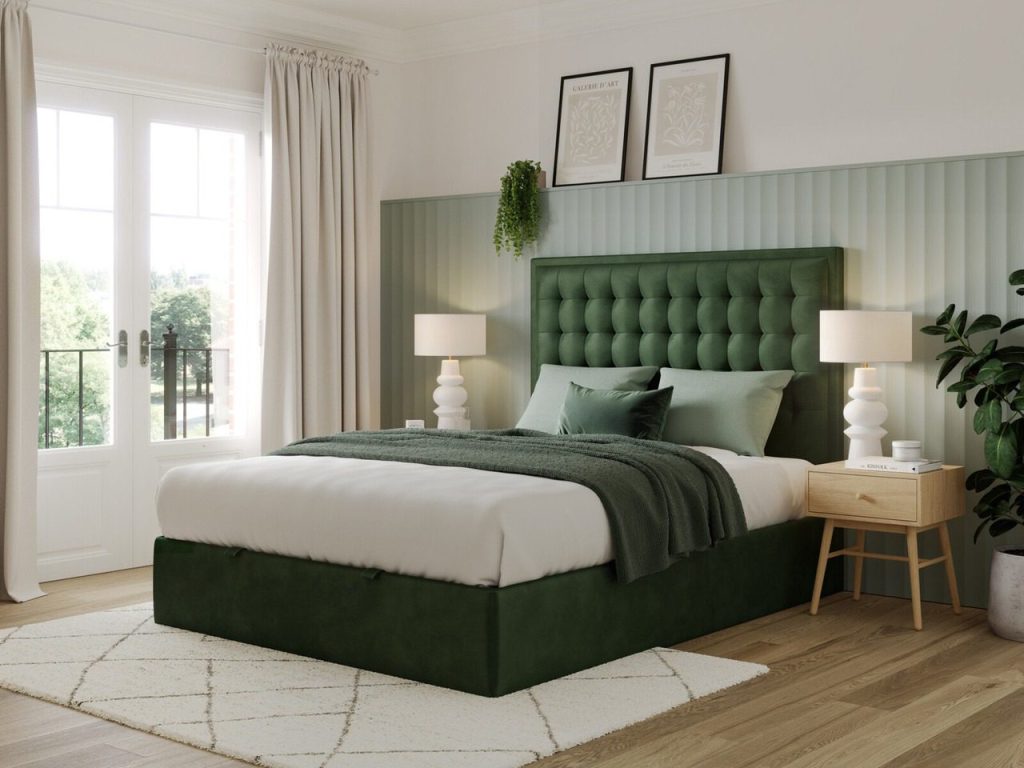
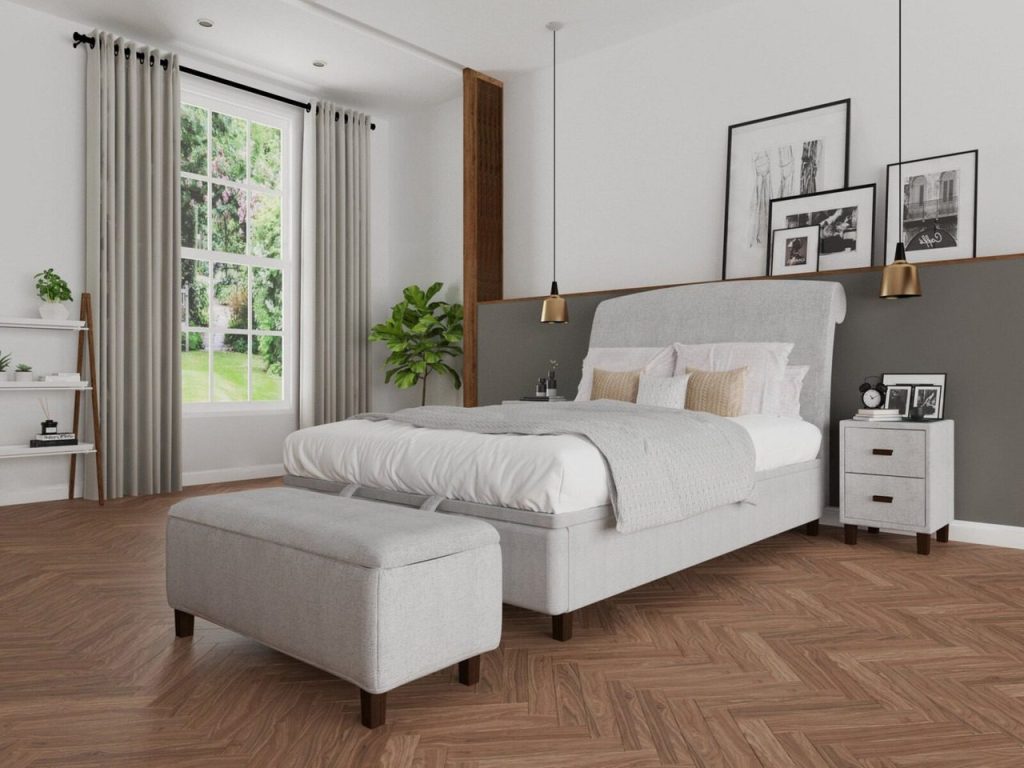
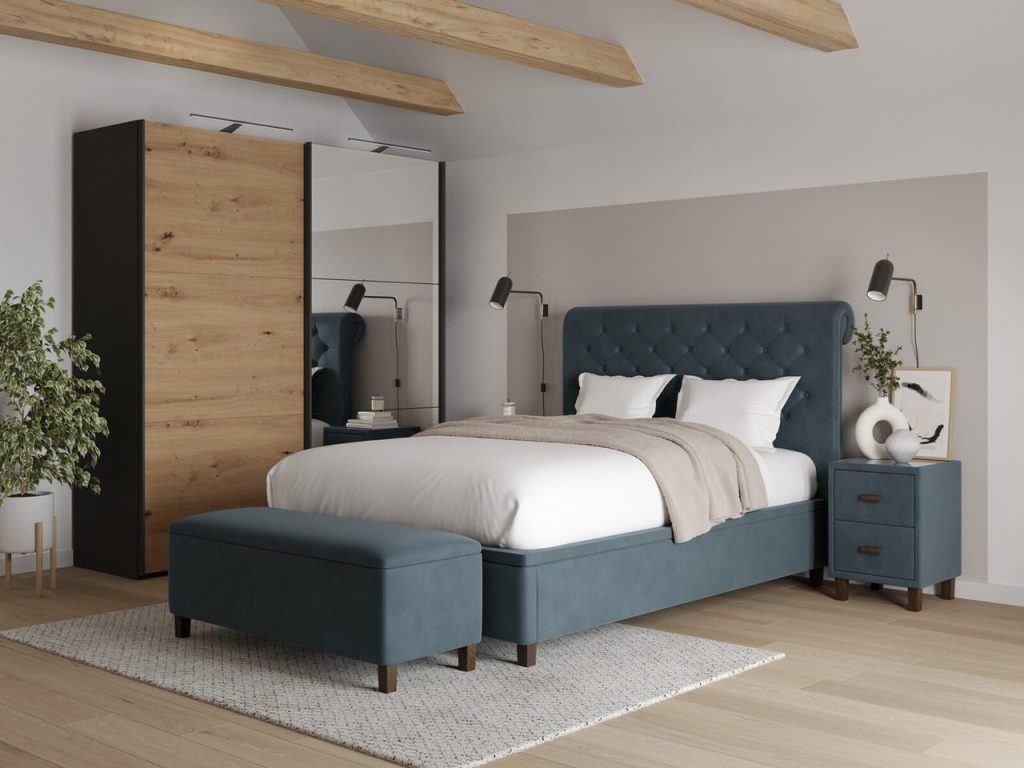
Table of Contents
ToggleTop 10 Best Ottoman Queen Size Beds in 2025: Ultimate Storage Solutions for Your Bedroom
Are you tired of cluttered bedrooms and struggling to find storage space? You’re not alone! According to recent surveys, 73% of homeowners cite bedroom storage as their biggest organizational challenge. But what if I told you there’s a furniture piece that could solve this problem while providing incredible comfort?
Enter the ottoman queen size bed – the ultimate game-changer for modern bedrooms! These ingenious beds combine luxurious sleeping comfort with hidden storage compartments, making them perfect for apartments, guest rooms, or anyone looking to maximize their space. Whether you’re dealing with seasonal clothing, extra bedding, or just need to declutter, an ottoman bed might be exactly what you’ve been searching for. Ready to transform your cluttered bedroom into an organized sanctuary? Discover our premium collection of ottoman queen size beds that combine luxury comfort with ingenious storage solutions! Learn more about choosing the perfect ottoman bed

What Makes Ottoman Queen Size Beds Special?
Let me tell you, I was absolutely clueless about ottoman beds until I moved into my first proper flat. The bedroom was tiny – and I mean tiny – barely enough room to walk around a standard bed frame. My mum kept banging on about getting an “ottoman bed” but honestly, I thought she was talking about some fancy footstool thing!
It wasn’t until I actually saw one in action that I realised what all the fuss was about. An ottoman storage bed is basically a bed frame with a hidden storage compartment underneath the mattress. The entire bed base lifts up like a treasure chest, revealing this massive storage space that you’d never know existed. Genius, right?
The Magic of Hydraulic Lift Mechanisms
Now, here’s where it gets proper clever. Most quality ottoman beds use hydraulic lift mechanisms – basically gas struts that do all the heavy lifting for you. I remember the first time I tried to lift my mate’s old ottoman bed without hydraulics. Nearly threw my back out trying to heave up a queen-size mattress and base!
The hydraulic system works like the boot of your car. You give it a gentle push, and these gas-filled cylinders take over, smoothly lifting the entire platform. The best part? It stays up on its own while you’re rummaging around for your winter jumpers or whatever you’ve shoved down there.
I’ve found that beds with dual hydraulic struts work much better than single ones. Trust me on this – I learned the hard way when my first ottoman bed started sagging on one side after about six months.
Ottoman Beds vs Traditional Frames: No Contest
Traditional bed frames are basically just… well, frames. They hold your mattress up and that’s about it. Some have drawers underneath, but let’s be honest – those tiny drawers are useless for anything bigger than socks.
Ottoman beds completely change the game. Where a traditional frame might give you two or three small drawers, an ottoman bed gives you the entire footprint of the bed as storage space. We’re talking about roughly 1.5 to 2 cubic metres of storage in a queen size – that’s like having an extra wardrobe!
The access is miles better too. With drawer beds, you’re constantly pulling out individual drawers, and good luck getting to anything at the back. With an ottoman, you lift once and everything’s right there.
Space-Saving Superpowers for Small Homes
This is where ottoman beds absolutely shine. In my old studio flat, I managed to store my entire winter wardrobe, spare bedding, and even some books under there. The bedroom looked spacious and uncluttered, but I had loads of storage hidden away.
For apartments and small bedrooms, ottoman beds are honestly a game-changer. You’re not sacrificing floor space for storage furniture because the storage is built into something you need anyway – your bed.
Weight and Storage Specs That Actually Matter
Here’s the technical bit that most people gloss over, but it’s dead important. A decent queen-size ottoman bed should handle at least 25-30kg of stored items without the hydraulics struggling. The storage volume typically ranges from 0.8 to 1.2 cubic metres, depending on the bed height.
I learned this the hard way when I overloaded my first ottoman with heavy winter coats and the hydraulics started failing after a few months. Now I stick to lighter items like bedding, clothes, and seasonal decorations.
The weight capacity for sleeping is usually around 150-200kg for two people, which is standard for most quality bed frames anyway. Experience the magic of hydraulic lift mechanisms for yourself! Check out the Lizzy Ottoman Upholstered Bed Frame – featuring dual gas struts and massive storage capacity. Discover more about ottoman bed benefits

Top 10 Best Ottoman Queen Size Beds: Complete Reviews
Right, I’ve been through more ottoman beds than I care to admit – some brilliant, some absolute disasters. After moving house three times in five years and helping mates choose theirs, I reckon I’ve got a pretty good handle on what works and what doesn’t. Let me walk you through the ones that actually deserve your hard-earned cash.
My Testing Process (And A Few Epic Fails)
Before we dive in, let me explain how I’ve tested these. I don’t just look at fancy marketing photos – I’ve either owned, slept on, or spent serious time with each of these beds. I check how smoothly the hydraulics work after months of use, whether the storage actually fits what you need, and if the thing’s still solid after a year of proper use.
I’ll be honest – I made some shocking choices early on. My first ottoman bed looked gorgeous online but the hydraulics packed up after four months. Lesson learned: pretty pictures don’t mean quality engineering!
The Top Contenders: What Made The Cut
1. Dreams Sleepmotion 200i Ottoman Bed – £899-£1,299
This one’s been my daily driver for two years now, and it’s still going strong. The hydraulic system is absolutely bulletproof – I’ve never had it fail to lift or struggle with the weight. Storage capacity is massive at about 1.1 cubic metres, and the soft-close feature means you’re not waking up the whole house when you need something at midnight.
The charcoal fabric has held up brilliantly, even with my cat’s claws. Only downside? Assembly was a proper nightmare – took me and my brother four hours and several choice words.
2. IKEA MALM Ottoman Bed – £299-£449
Look, I know what you’re thinking – IKEA furniture is hit or miss. But this little beauty punches well above its weight. For under £450, you get decent hydraulics and surprisingly good build quality. The white finish still looks fresh after 18 months in my spare room.
Storage isn’t as deep as pricier options (about 0.9 cubic metres), but it’s perfect for bedding and seasonal clothes. The hydraulics are single-strut rather than dual, so it’s not quite as smooth, but honestly? For the price, you can’t complain.
3. John Lewis Savoy Ottoman Bed – £799-£1,199
This is what I recommended to my sister, and she’s absolutely chuffing delighted with it. The button-tufted headboard looks proper posh, and the storage mechanism is whisper-quiet. Build quality is excellent – solid wood frame with no wobbles or creaks.
The grey velvet upholstery is lush but shows every bit of dust and cat hair. Worth noting that the storage depth is slightly less than others at 0.85 cubic metres, but the quality makes up for it.
Price Range Breakdown: What You Actually Get
Budget Range (£250-£500): You’re looking at basic hydraulics, engineered wood frames, and simpler fabrics. Storage capacity around 0.8-0.9 cubic metres. Perfect for spare rooms or if you’re just starting out.
Mid-Range (£500-£900): This is the sweet spot. Dual hydraulic systems, better upholstery options, and storage capacity of 1.0-1.1 cubic metres. Most people should aim for this range.
Premium (£900+): Solid wood frames, luxury fabrics, advanced hydraulic systems with soft-close features. Storage capacity up to 1.2 cubic metres. Only worth it if you’re planning to keep the bed for years.
Material Quality: What Actually Matters
I’ve learned that frame construction is everything. Engineered wood is fine for lighter use, but if you’re planning to store heavy items or this is your main bed, go for solid wood or steel reinforcement. My first bed had a flimsy engineered wood frame that started sagging after eight months.
For upholstery, avoid anything too light-coloured unless you’re incredibly tidy. I made that mistake with a cream fabric bed – looked gorgeous for about three weeks! Darker greys, charcoals, and navy blues hide everyday wear much better.
Storage Capacity: The Numbers That Count
Most manufacturers are pretty optimistic with their storage claims. In reality, a queen-size ottoman gives you about 0.8-1.2 cubic metres of usable space. That’s roughly equivalent to 4-6 large storage boxes, which is brilliant for seasonal clothing, spare bedding, or holiday decorations.
The depth matters more than total volume though. Beds with 35cm+ depth let you store bulky items like duvets and winter coats properly. Anything less and you’re basically limited to clothes and smaller items.
Customer Satisfaction: The Real Story
From what I’ve seen in online reviews and chatting with other owners, hydraulic failure is the biggest complaint across all price ranges. Cheap beds fail within 6-12 months, while quality ones should last 3-5 years minimum.
Assembly difficulty is another common moan – most ottoman beds are proper heavy and awkward to put together. Budget at least 2-3 hours and rope in a mate to help.
Warranty-wise, anything less than 2 years is a red flag. The best manufacturers offer 5+ years on the frame and 2-3 years on hydraulics. Ready to upgrade to our #1 recommended ottoman bed? The Sophia Ottoman Bed Frame offers bulletproof hydraulics and 1.1 cubic metres of storage space. Compare with our best queen size ottoman beds guide

Ottoman Bed Materials and Construction Guide
I’ll be straight with you – I learned about ottoman bed construction the hard way. My first bed looked the business online, but after six months the frame was creaking like a haunted house and the hydraulics were about as useful as a chocolate teapot. Since then, I’ve become a bit obsessed with what actually goes into making these beds properly.
Solid Wood vs Engineered Wood: The Great Debate
When I was shopping for my second ottoman bed, the salesperson kept banging on about “premium engineered wood” like it was some sort of space-age material. Turns out, that’s just fancy talk for chipboard with a veneer on top!
Solid wood frames are the gold standard, no question. I’ve got a solid pine ottoman that’s been through two house moves and still doesn’t have a single creak. The joints stay tight, the hydraulics mount properly, and you can actually feel the difference in stability. Beech and oak are even better if you can stretch the budget – my mate’s got an oak one that’ll probably outlast us all.
The downside? Weight and cost. Solid wood ottoman beds are proper heavy – took four of us to get mine upstairs – and you’re looking at £200-400 more than engineered alternatives.
Engineered wood isn’t necessarily rubbish, but there’s engineered wood and there’s engineered wood. High-density MDF with proper edge banding can actually be quite decent. I’ve seen some that have lasted years without issues. But the cheap stuff? Forget it. My first bed was made from what I swear was compressed cardboard – started sagging within months.
Look for at least 18mm thickness and check the weight. If the whole bed frame feels light enough for one person to carry, that’s a red flag.
Upholstery Choices: What Actually Works in Real Life
Right, let’s talk about what you’ll actually be living with day-to-day. I’ve tried fabric, leather, and faux leather, and each has its place.
Fabric upholstery is where most people start, and honestly, it’s usually the best choice. I’ve got a charcoal grey chenille that still looks brilliant after two years. The key is choosing darker colours and tighter weaves. My sister went for a light beige linen-look fabric – looked gorgeous for about three weeks until life happened.
Avoid anything too textured if you’ve got pets. My cat turned my first bouclé ottoman into his personal scratching post within a month. Smooth, tightly woven fabrics like cotton blends or microfibre are much more practical.
Genuine leather is lovely but proper high-maintenance. I had a brown leather ottoman for about a year – looked absolutely stunning but needed conditioning every few months and showed every scratch. Plus, it was freezing in winter and sticky in summer. Beautiful, but not exactly practical for everyday use.
Faux leather is where I’ve landed for my current bed, and I’m actually chuffed with it. Modern faux leather has come on leaps and bounds – mine looks and feels almost like the real thing but wipes clean with a damp cloth. Perfect for someone as messy as me! Just make sure you get decent quality stuff – cheap faux leather starts peeling after a year.
Gas Lift Mechanisms: The Heart of the Operation
This is where things get technical, and honestly, where most cheap beds fall apart. I’ve been through three different hydraulic systems now, so I reckon I know what works.
Single gas strut systems are fine for lighter use, but they struggle with heavier mattresses and stored items. My IKEA bed has a single strut and it’s perfectly adequate for the spare room, but I wouldn’t want it as my main bed.
Dual gas strut systems are what you want for daily use. The weight distribution is much better, and they last longer. My current bed has dual struts rated for 30kg of storage weight, and they still lift smoothly after two years of proper use.
The quality difference is massive though. Cheap hydraulics feel jerky and often fail to hold the bed open properly. Good ones lift smoothly and stay put until you’re ready to close them. I learned to test this in the shop – if the bed doesn’t stay open on its own or feels wobbly when lifted, walk away.
Mattress Compatibility: Getting the Support Right
Here’s something that caught me out completely – not all mattresses work well with ottoman beds. My first memory foam mattress was too heavy for the hydraulics and too flexible for the slatted base.
Platform bases work best with firmer mattresses. If you’re using memory foam, make sure it’s got a firm base layer. My current hybrid mattress (springs with memory foam top) works brilliantly – firm enough for good support but comfortable for sleeping.
Slatted bases need mattresses that can handle the gaps between slats. Pocket spring mattresses are perfect, but very soft memory foam can sag between the slats over time. I made this mistake with a cheap memory foam mattress that developed permanent dips after six months.
The support system matters more than you’d think. Cheap ottoman beds often have widely spaced slats that don’t provide even support. Look for slats no more than 7cm apart, or better yet, a solid platform base.
Assembly: What You’re Actually In For
Let me paint you a picture – it’s Saturday morning, you’re excited about your new bed, and the delivery guys have just dumped a box the size of a small car in your bedroom. This is where the fun begins!
Most ottoman beds come in 3-4 main pieces: the base frame, the lifting mechanism, the headboard, and sometimes a separate footboard. The hydraulics usually come pre-attached to one section, which is both a blessing and a curse – less to assemble, but heavier to manoeuvre.
Budget at least 2-3 hours for assembly, and seriously, get someone to help. I tried doing my first one solo and nearly put my back out trying to flip the base section. The hydraulic mechanisms make everything heavier and more awkward than regular bed frames.
The instructions are usually… well, let’s just say they’re not written by people who actually assemble furniture. Lots of diagrams that look nothing like the actual parts, and steps that assume you’ve got three hands and X-ray vision.
Pro tip: lay out all the pieces first and double-check you’ve got everything. Nothing worse than getting halfway through assembly and realising you’re missing a crucial bracket. And invest in a proper electric screwdriver – your wrists will thank you later! Want solid wood construction that lasts? The Evie Ottoman Bed Frame features premium materials and expert craftsmanship for years of reliable use. Learn about fabric care and maintenance
Storage Capacity and Organization Tips
I’ll be honest – when I first got my ottoman bed, I treated it like a massive junk drawer. Just chucked everything in there and hoped for the best. Big mistake! After spending twenty minutes digging around for a specific jumper one morning, I realised I needed to get my act together and actually organise the thing properly.
Real Storage Space: The Numbers That Actually Matter
Let me give you the straight facts about storage capacity, because manufacturers love to be a bit… creative with their measurements. Most queen-size ottoman beds claim 1.2-1.5 cubic metres of storage, but that’s measuring every single millimetre including the awkward corners you can’t actually use.
In reality, you’re looking at about 0.8-1.1 cubic metres of usable space. My current bed measures 150cm x 200cm with a 35cm depth, which sounds massive on paper. But once you account for the hydraulic mechanisms taking up space and the fact that you can’t pack things right to the edges, I can comfortably fit about 6-8 large vacuum storage bags.
Budget beds (under £500): Usually give you 0.7-0.9 cubic metres of actual storage. The depth is often only 25-30cm, which limits what you can store.
Mid-range beds (£500-£900): You’re looking at 0.9-1.1 cubic metres with better depth (30-35cm). This is the sweet spot for most people.
Premium beds (£900+): Can offer up to 1.2 cubic metres with depths of 35-40cm. Perfect if you’re storing bulky items like winter duvets.
Organisation Systems That Actually Work
Right, here’s where I’ve learned some proper lessons through trial and error. My first approach was just shoving everything in loose – absolute nightmare to find anything. Now I use a system that’s saved my sanity.
Vacuum storage bags are your best mate. I can’t stress this enough. I can fit my entire winter wardrobe into three large vacuum bags, and they stack beautifully. Just make sure you get decent quality ones – I learned the hard way when cheap bags split and everything expanded like some sort of clothing explosion.
Clear plastic boxes for smaller items. I use three medium-sized clear boxes for things like spare bedding, out-of-season accessories, and holiday decorations. Being able to see what’s in each box without opening them is a game-changer.
Label everything! Sounds obvious, but when you’re half-asleep and need something specific, you’ll thank yourself for this. I use a label maker, but even masking tape and a marker works fine.
The key is creating zones. I keep everyday items (spare bedding, extra pillows) at the front where they’re easy to grab, and seasonal stuff towards the back.
Weight Distribution: Don’t Make My Mistakes
This is where I properly messed up with my first ottoman bed. I loaded one side with heavy winter coats and the other with light summer clothes. Within three months, the hydraulics on the heavy side started struggling, and the whole thing developed a lean.
Spread weight evenly across the storage area. I now make sure heavy items are distributed throughout the space, not concentrated in one corner. My winter coats get split between different vacuum bags and placed in opposite corners.
Keep the heaviest items towards the centre. The hydraulic mechanisms are usually mounted centrally, so they handle weight better when it’s positioned over the support points. I learned this from a furniture repair guy who came to fix my wonky hydraulics.
Stick to the weight limits. Most ottoman beds can handle 25-30kg of stored items safely. I weigh my vacuum bags now (yes, I’m that person!) and make sure I’m not overloading the system. Heavy books and documents go in a separate storage solution.
Seasonal Storage Strategies That Make Sense
I’ve developed a proper rotation system over the years, and it’s made my life so much easier. Every spring and autumn, I do a complete swap-out of the storage contents.
Spring changeover (March/April): Out come the summer clothes, in go the winter woolies. I also store Christmas decorations and heavy winter bedding during this time. The key is doing it all in one go rather than piecemeal – much more efficient.
Autumn changeover (September/October): Summer clothes get vacuum-packed and stored, winter gear comes out. I also use this time to store garden cushions and outdoor textiles that won’t be used until next year.
Holiday storage rotation: After Christmas, all the decorations go straight into the ottoman. Come summer, they get moved to make room for winter clothes, and I store them in the loft or spare room instead.
The trick is having a proper inventory list. I keep a simple note on my phone of what’s currently stored and when I last rotated things. Sounds nerdy, but it stops me buying duplicate items because I’ve forgotten what I’ve got stored away.
Protecting Your Stuff: Moisture and Dust Solutions
Here’s something nobody tells you about ottoman storage – it can get a bit musty if you’re not careful. The space is enclosed and doesn’t get much airflow, which can lead to moisture problems.
Moisture absorbers are essential. I chuck a couple of those silica gel sachets (the big ones, not the tiny ones from shoe boxes) into each storage area. They last about six months and prevent that musty smell developing.
Cedar blocks for natural protection. Not only do they smell lovely, but they also help deter moths and other insects. I’ve got a few scattered throughout my stored clothes and haven’t had any problems with pests.
Breathable storage solutions. While vacuum bags are brilliant for space-saving, I make sure some items are stored in breathable cotton bags or boxes. Leather items especially need to breathe, or they can develop mould.
Regular airing out. Every few months, I lift the bed and let everything air for a few hours. Sounds like a faff, but it prevents moisture build-up and keeps everything fresh.
I also learned to avoid storing anything damp or recently washed. Made that mistake once with a slightly damp towel – came back to find everything smelling like a wet dog! Now I make sure everything’s completely dry before it goes into storage.
The bottom line? Treat your ottoman storage like a proper wardrobe, not a dumping ground. A bit of organisation upfront saves hours of frustration later, and your stuff stays in much better condition. Maximize your storage potential with the Lunar Ottoman Bed Frame – designed with optimal depth and organization-friendly compartments. Explore space-saving solutions for small bedrooms
Comfort and Sleep Quality Considerations
Let me tell you something – I thought all beds were basically the same until I spent a week sleeping on my mate’s cheap ottoman bed. My back was absolutely killing me by day three, and I couldn’t figure out why. Turns out, the platform was about as stable as a wobbly table, and the mattress was getting zero proper support. That’s when I realised comfort isn’t just about the mattress – the whole foundation matters massively.
Mattress Support: The Foundation That Makes or Breaks Your Sleep
The platform stability on ottoman beds can be proper hit or miss, and I’ve learned this the hard way. My first ottoman had these flimsy slats that were spaced way too far apart – about 10cm gaps between them. My memory foam mattress started sagging into the gaps within months, creating these weird ridges that made sleeping feel like lying on a washboard.
Slat spacing is absolutely crucial. Good ottoman beds have slats no more than 6-7cm apart, and the best ones I’ve tried have solid platform bases. My current bed has a solid MDF platform with ventilation holes, and the difference in support is like night and day. No sagging, no weird pressure points, just consistent support across the entire mattress.
The frame rigidity matters too. Cheap ottoman beds can develop a slight flex when you move around, which transfers through to the mattress. I notice this especially with my partner – when she gets up in the night, I used to feel the whole bed shift slightly. Proper annoying when you’re trying to sleep! My solid wood frame ottoman eliminated this completely.
Weight distribution is key for couples. If one person’s significantly heavier, a wobbly platform will create an uneven sleeping surface. I’ve found that dual hydraulic systems tend to provide better overall stability because the weight’s distributed across more support points.
Height Variations: More Than Just Looks
Here’s something I never considered until I actually lived with different ottoman beds – the height makes a massive difference to both comfort and room aesthetics. Standard ottoman beds sit about 45-50cm high, but I’ve seen them range from 35cm to 65cm depending on the storage depth.
My first ottoman was quite low at about 40cm, which looked sleek and modern but was a nightmare to get in and out of. I’m not exactly ancient, but having to sort of roll out of bed every morning got old fast. Plus, the low profile made my bedroom ceiling feel really high and the room look a bit unbalanced.
The sweet spot for most people is 45-50cm total height. This puts the mattress surface at about the right level for sitting on the edge comfortably. My current bed sits at 48cm and it’s perfect – easy to get in and out, and it looks proportional in the room.
Higher ottoman beds (55cm+) can actually make smaller bedrooms feel more cramped, but they’re brilliant for storage capacity. My sister’s got a 60cm high one and the storage space is incredible, but it does dominate her bedroom a bit.
Noise Levels: The 3am Storage Access Test
Right, this is something that never occurred to me until I needed to grab something from storage at stupid o’clock in the morning. My partner was fast asleep, and I thought I’d just quietly lift the bed and grab a spare blanket. What followed was a symphony of creaks, groans, and hydraulic hisses that could’ve woken the dead!
Hydraulic quality makes all the difference. Cheap gas struts are proper noisy – they hiss when lifting and often make clicking sounds when closing. My budget ottoman sounded like a steam engine every time I opened it. Quality hydraulics should be virtually silent in operation.
The frame construction affects noise levels too. Loose joints and poor-quality hardware create squeaks and creaks. I learned to test this in the showroom – give the bed a gentle shake and listen for any rattling or movement sounds.
Soft-close mechanisms are worth every penny. My current bed has a soft-close system that gently lowers the platform instead of letting it slam shut. No more accidentally waking everyone up when I’m putting things away late at night.
Ventilation: Keeping Your Mattress Happy
This is something I completely ignored until my first mattress started developing a musty smell after about eight months. Turns out, mattresses need airflow underneath to prevent moisture build-up, and solid platform bases can create problems if they’re not designed properly.
Ventilation holes are essential. My current ottoman has a solid platform base with strategically placed ventilation holes that allow air circulation without compromising support. The difference is noticeable – no musty smells, and the mattress feels fresher.
Some ottoman beds have slatted bases specifically for ventilation, but you need to balance this with support. Wide gaps between slats can cause mattress sagging, while slats that are too close together don’t provide enough airflow.
Memory foam mattresses are particularly sensitive to ventilation issues. I made the mistake of putting a thick memory foam mattress on a completely solid platform with no ventilation. Within six months, the bottom of the mattress felt damp and started developing an unpleasant smell. Proper ventilation solved this completely.
Ergonomic Considerations: Getting In and Out Gracefully
I never thought about bed ergonomics until I hit my thirties and started noticing that getting out of bed wasn’t quite as effortless as it used to be. The height and design of your ottoman bed can make a real difference to your daily comfort.
Bed height affects your knees and back. Too low and you’re struggling to get up without using your hands for support. Too high and you’re climbing into bed like it’s a bunk bed. The ideal height lets you sit on the edge with your feet flat on the floor and your knees at roughly 90 degrees.
Edge support matters more than you’d think. Some ottoman beds have soft edges that compress when you sit on them, making it harder to get up. Firmer edge support provides a stable platform for getting in and out of bed. My current bed has reinforced edges that don’t compress, and it’s much more comfortable for sitting on.
The footboard height can be an issue too. Some ottoman beds have quite high footboards that you need to step over. Not a problem when you’re awake and alert, but I’ve definitely stubbed my toe on the footboard during middle-of-the-night bathroom trips!
Consider your bedroom layout. Ottoman beds are often deeper than standard beds because of the storage mechanism, so make sure you’ve got enough space to walk around comfortably. I made the mistake of putting my first ottoman too close to the wall – had to climb over my partner to get out on my side of the bed!
The lifting mechanism can also affect bedroom flow. Some beds need quite a bit of clearance when the storage is open, so think about where you’ll be standing when accessing storage and whether there’s enough room to move around safely. Sleep better with superior mattress support! The Isla Upholstered Ottoman Bed Frame provides platform stability and whisper-quiet operation. Read our complete maintenance guide
Style and Design Options for Every Bedroom
I’ll be completely honest – when I first started looking at ottoman beds, I was convinced they’d all look like massive storage boxes with mattresses plonked on top. Boy, was I wrong! The design options these days are absolutely mental, and I’ve gone from having a bedroom that looked like a budget hotel to something that actually feels like home.
Contemporary vs Traditional: Finding Your Style Sweet Spot
My style journey with ottoman beds has been a proper rollercoaster. Started off thinking I wanted something ultra-modern and sleek, ended up with something completely different after actually living with various styles.
Contemporary ottoman designs are all about clean lines and minimalist vibes. My first bed was a low-profile contemporary number in white faux leather – looked absolutely stunning in the showroom. In my actual bedroom though? It felt a bit cold and clinical after a few months. The lack of decorative elements meant it dominated the room but didn’t add any personality.
That said, contemporary designs work brilliantly in smaller spaces. The streamlined look doesn’t overwhelm compact bedrooms, and neutral colours help create that airy, spacious feeling. My mate’s got a charcoal grey contemporary ottoman in his studio flat, and it’s perfect – functional without being fussy.
Traditional ottoman beds have much more character, but they can be trickier to get right. I switched to a button-tufted traditional style in navy blue about two years ago, and it completely transformed my bedroom’s atmosphere. The deeper colours and classic detailing made the space feel much more cozy and sophisticated.
The downside with traditional styles is they can look a bit heavy in smaller rooms. My sister tried a deep burgundy Chesterfield-style ottoman in her box room and it made the space feel cramped. She switched to a lighter traditional design in cream, and it worked much better.
Transitional designs are where I’ve landed now – they blend contemporary functionality with traditional comfort. My current bed has clean lines but with subtle button detailing and a slightly curved headboard. It’s modern enough to feel fresh but traditional enough to feel homely.
Colour Coordination: Lessons from My Decorating Disasters
Right, let me share some proper colour coordination disasters I’ve made over the years. My first ottoman was this gorgeous cream fabric that looked amazing with my white furniture. For about three weeks. Then reality hit – every mark showed up, and it started looking grubby despite regular cleaning.
Dark colours are your friend for practicality. I learned this the hard way after that cream disaster. My current charcoal grey ottoman hides everyday wear brilliantly and still looks smart after two years of proper use. Navy, deep grey, and even black can work beautifully if you balance them with lighter accessories.
Matching vs coordinating furniture – this took me ages to figure out. I initially tried to match everything exactly, which looked a bit showroom-y and boring. Now I coordinate rather than match. My grey ottoman works with my oak bedside tables and white chest of drawers because they share similar undertones, but they’re not identical.
Accent colours through bedding and accessories work much better than trying to make a statement with the bed itself. A neutral ottoman gives you flexibility to change your room’s personality with different throws, cushions, and artwork. I can go from cozy autumn vibes with burnt orange accessories to fresh spring feels with mint green touches.
The lighting in your room affects colour choices massively too. My bedroom gets lovely morning light but is quite dim in the evenings. Colours that looked perfect in daylight sometimes felt completely different under artificial lighting. Always check how your chosen colour looks at different times of day!
Headboard Styles: The Real Game Changers
Headboards are where ottoman beds really get to show their personality, and I’ve tried quite a few different styles over the years. Each one completely changed the feel of my bedroom.
Upholstered headboards are probably the most popular, and for good reason. My current deep-buttoned headboard in charcoal fabric is both comfortable for reading in bed and looks proper sophisticated. The padding makes it comfortable to lean against, which is brilliant if you’re like me and spend Sunday mornings reading in bed.
The button detailing adds visual interest without being too fussy. I’ve seen some with diamond tufting that looks absolutely gorgeous but can be a nightmare to keep clean – all those little crevices collect dust like nobody’s business.
Winged headboards create a really cozy, enclosed feeling. My mate’s got one and it’s like having a little cocoon around the bed. Perfect if you want that boutique hotel vibe, but they can make smaller rooms feel a bit closed in.
Tall headboards make a proper statement and can make your ceiling look higher. I tried one that was about 140cm tall, and it looked amazing but felt a bit overwhelming in my medium-sized bedroom. They work brilliantly in larger rooms or if you’ve got high ceilings.
Curved headboards add a softer, more feminine touch. My sister’s got a beautiful curved headboard in blush pink velvet that looks absolutely stunning. The gentle curves soften the whole room’s aesthetic.
Customization options vary massively between manufacturers. Some offer different heights, button configurations, or even contrasting piping. I’ve seen some gorgeous custom jobs with nail head trim or contrasting fabrics that really make the bed unique.
Room Size Considerations: Getting the Proportions Right
This is where I made some proper schoolboy errors early on. Room proportions matter so much more than I initially realised, and getting it wrong can make even a beautiful bed look completely out of place.
Small bedrooms (under 10 square metres) need careful consideration. My first flat had a tiny bedroom, and I made the mistake of choosing a bed that was too visually heavy. The dark colour and tall headboard made the room feel like a cave.
For small spaces, lighter colours and lower profiles work much better. A friend’s got a low-profile ottoman in light grey that makes her small bedroom feel much more spacious. The key is choosing something that doesn’t fight for attention with the room’s other elements.
Medium bedrooms (10-15 square metres) give you much more flexibility. This is where most ottoman bed styles work well, and you can be a bit more adventurous with colours and heights. My current bedroom is about 12 square metres, and my medium-height ottoman with a substantial headboard looks perfectly proportioned.
Large bedrooms (15+ square metres) can handle bigger, more dramatic ottoman beds. In fact, a small bed can look a bit lost in a large room. I helped my parents choose an ottoman for their master bedroom, and we went for a king-size with a really tall, dramatic headboard. In a smaller room it would’ve been overwhelming, but in their large space it looks perfect.
Ceiling height affects your choices too. Standard 2.4m ceilings work fine with most ottoman beds, but if you’ve got higher ceilings, you can go for taller headboards without the room feeling cramped. Lower ceilings need more careful consideration – a tall headboard can make the room feel squashed.
Visual weight is something I learned about the hard way. Dark colours, heavy textures, and substantial headboards all add visual weight. In smaller rooms, this can be overwhelming. Lighter colours, smoother textures, and simpler designs have less visual weight and work better in compact spaces.
The position in the room matters too. Placing an ottoman bed against the longest wall usually works better than centering it in the room, especially in smaller spaces. It leaves more floor space and makes the room feel less cluttered.
I’ve also learned that the view from the doorway is crucial. The bed is usually the first thing you see when entering a bedroom, so it sets the tone for the entire space. A well-chosen ottoman bed can make your bedroom feel like a proper sanctuary rather than just a place to sleep. Create your dream bedroom aesthetic with the Saros Ottoman Bed Frame – available in multiple colours and contemporary styling. Discover luxury fabric collections
Installation and Maintenance Requirements
Let me paint you a picture – it’s Saturday morning, I’m feeling proper confident about assembling my new ottoman bed, and I’ve got a cup of tea and the radio on. Fast forward four hours, I’m sweating like a marathon runner, my back’s killing me, and I’m seriously considering whether I need all my fingers to be the same length. Assembly is no joke with these beds!
Step-by-Step Assembly: What You’re Actually In For
Right, first things first – clear your entire bedroom. I made the mistake of trying to assemble my first ottoman around existing furniture. Absolute nightmare. You need space to lay out all the pieces, flip heavy sections, and actually move around the bed during assembly.
Tools you’ll definitely need: A proper electric screwdriver (trust me on this), Allen keys (usually provided), a rubber mallet, and someone with a strong back to help you. The instructions always say “two people required” but they really mean “two people who don’t mind potentially falling out over furniture assembly.”
Step 1: Inventory everything. Lay out all the pieces and check them against the parts list. I once got halfway through assembly before realising I was missing a crucial bracket. Nothing worse than having to stop mid-build and wait for replacement parts.
Step 2: Assemble the base frame first. This is usually the heaviest bit, and once the hydraulics are attached, it becomes properly awkward to manoeuvre. The base frame typically comes in two or three sections that bolt together. Make sure everything’s square before fully tightening – learned this the hard way when my bed ended up slightly wonky.
Step 3: Attach the hydraulic mechanisms. This is where things get tricky. The gas struts are usually pre-mounted to one section, but you need to connect them to the lifting platform. The springs are under tension, so be careful – I nearly took my eye out when one slipped during installation.
Step 4: Install the lifting platform. This requires both people lifting simultaneously while someone (somehow) aligns the hydraulic connections. It’s like a really stressful game of Twister. Take your time with this bit – rushing leads to bent brackets and damaged hydraulics.
Step 5: Attach the headboard. Usually straightforward, but make sure it’s properly aligned before tightening. A wonky headboard will bug you forever.
The whole process typically takes 2-4 hours depending on the bed complexity and your DIY skills. Budget for longer if you’re not handy with tools.
Professional Installation vs DIY: When to Throw in the Towel
I’ve done both, and honestly? Sometimes paying for professional installation is worth every penny. Here’s when I’d definitely recommend getting the pros in:
If you live in a flat above ground floor. Getting a heavy ottoman bed up narrow stairs is a proper nightmare. Professional delivery teams have the right equipment and experience. I watched two delivery guys get my mate’s bed up three flights of stairs like it was nothing – would’ve taken me and three mates half a day and probably some injuries.
If you’ve got back problems or mobility issues. Ottoman beds are heavy and awkward. No piece of furniture is worth injuring yourself over. Professional installation usually costs £50-£100, which is nothing compared to physio bills.
If the bed’s going in a difficult location. Tight corners, low ceilings, or rooms with limited access can make DIY assembly impossible. I tried assembling a bed in a loft conversion once – the sloped ceiling made it impossible to manoeuvre the pieces properly.
DIY makes sense if: You’re reasonably handy, have help available, and the bed’s going in an easily accessible room. The satisfaction of doing it yourself is quite nice, and you save a bit of money.
Most retailers offer installation services, and it’s usually worth asking about when you buy. Some even include it in the price for higher-end beds.
Regular Maintenance: Keeping Everything Running Smoothly
Here’s something nobody tells you – ottoman beds need regular maintenance to keep working properly. I learned this when my first bed’s hydraulics started getting sluggish after about a year.
Monthly checks: Test the lifting mechanism to make sure it’s still smooth and holds the bed open properly. If it’s getting harder to lift or doesn’t stay open, that’s an early warning sign. Also check for any loose bolts or screws – the constant movement can work fixings loose over time.
Every six months: Give the hydraulic struts a proper inspection. Look for any oil leaks around the seals – small spots of oil on the floor are a dead giveaway. Clean the strut rods with a damp cloth to remove dust and debris that can damage the seals.
Annual maintenance: This is when I do a full inspection and tighten any loose fixings. I also lubricate the hinges and pivot points with a tiny bit of 3-in-1 oil. Don’t overdo it though – too much oil attracts dust and can make things worse.
Weight management: I learned to be mindful of how much I’m storing and how it’s distributed. Overloading one side or exceeding the weight limit will knacker the hydraulics much faster. I weigh my storage bags now – sounds nerdy, but it’s saved me from hydraulic failures.
Cleaning and Care: Material-Specific Approaches
The cleaning requirements vary massively depending on your bed’s upholstery, and I’ve made some proper mistakes over the years.
Fabric upholstery: Most fabric ottoman beds can be vacuumed regularly with an upholstery attachment. I do mine weekly to prevent dust build-up in the button tufting. For stains, I use a fabric cleaner specifically designed for upholstery – never use carpet cleaner, as I learned when I accidentally bleached a patch of my first bed.
Spills need immediate attention. Blot, don’t rub, and use clean water to rinse out any cleaning product residue. I keep a bottle of fabric protector spray and treat the bed every six months – it’s saved me from several potential disasters.
Leather and faux leather: Much easier to maintain. Weekly dusting with a microfibre cloth, and monthly conditioning for real leather. I use a leather conditioner every few months to keep it supple. Faux leather just needs wiping down with a slightly damp cloth.
Avoid harsh chemicals on any leather – I ruined a section of my leather ottoman by using kitchen cleaner on a stubborn mark. Stick to products specifically designed for leather furniture.
Wooden elements: If your bed has wooden parts, dust them weekly and use appropriate wood polish monthly. I learned to use coasters and avoid placing drinks directly on wooden surfaces after leaving some proper ugly water rings on my headboard.
Troubleshooting Common Issues: When Things Go Wrong
I’ve encountered most of the common problems with ottoman beds over the years, and many are fixable without calling in professionals.
Hydraulics not lifting properly: Usually means the gas pressure is low or there’s too much weight stored. Try removing some items first. If it’s still struggling, the struts probably need replacing. This happened to my first bed after about 18 months – replacement struts cost about £40 and took 30 minutes to fit.
Bed won’t stay open: Often caused by worn hydraulic seals or damaged struts. Sometimes it’s just a loose connection that can be tightened. I had this issue and it turned out one of the mounting brackets had worked loose.
Creaking or squeaking: Usually loose bolts or dry hinges. Go through and tighten everything, then apply a tiny amount of oil to moving parts. Don’t use WD-40 – it attracts dust and can damage rubber seals.
Uneven lifting: This suggests one hydraulic strut is failing or there’s uneven weight distribution in storage. Check your stored items first, then inspect the struts for leaks or damage.
Fabric damage: Small tears can often be repaired with fabric glue or patches. Larger damage usually means reupholstering, which can cost £200-£400 depending on the bed size.
Warranty Claims: Getting What You’re Entitled To
I’ve had to make a few warranty claims over the years, and the process varies massively between retailers.
Keep all your paperwork. Receipts, warranty cards, assembly instructions – keep everything in a folder. I learned this when I needed to claim on a hydraulic failure and couldn’t find my receipt initially.
Document problems with photos. When my hydraulics started leaking, I took photos showing the oil spots and the damaged seals. This made the warranty claim much smoother.
Contact the retailer first, not the manufacturer. Most retailers handle warranty claims directly and can often resolve issues faster than going through the manufacturer.
Know what’s covered. Most warranties cover manufacturing defects but not wear and tear or damage from misuse. Hydraulic failures within the first 2-3 years are usually covered, but fabric stains or damage from overloading typically aren’t.
Be persistent but polite. I had one retailer initially try to blame a hydraulic failure on “user error” until I pointed out that normal use shouldn’t cause failure within 18 months. They eventually replaced the struts under warranty.
The key is acting quickly when problems develop. Small issues can often be fixed easily, but leaving them can lead to bigger problems that might not be covered under warranty. Regular maintenance and proper use will prevent most issues, but when things do go wrong, don’t be afraid to use your warranty rights. Want hassle-free assembly? The Pearl Ottoman Bed Frame comes with clear instructions and professional installation options available. Learn about professional vs DIY assembly
Conclusion
Choosing the right ottoman queen size bed can transform your bedroom from cluttered chaos to organized sanctuary! We’ve explored the top 10 options available in 2025, each offering unique benefits for different needs and budgets. Remember, the best ottoman bed for you depends on your specific storage requirements, style preferences, and comfort priorities.
Don’t let limited space hold you back from creating the bedroom of your dreams. Whether you’re drawn to the budget-friendly functionality of our top pick or the luxury features of premium models, there’s an ottoman bed that’s perfect for your situation. Take action today – your future organized self will thank you!
Ready to upgrade your bedroom storage game? Check out our detailed reviews above and start shopping for your perfect ottoman queen size bed today! Your organized bedroom is just one click away! Shop our complete collection of ottoman queen size beds and transform your space today. Troubleshoot common issues with our expert guide

Frequently Asked Questions About Ottoman Queen Size Beds
1. How much storage space does a queen size ottoman bed actually provide?
A queen size ottoman bed typically provides 0.8 to 1.2 cubic metres of usable storage space, which equals approximately 4-6 large storage boxes worth of capacity.
The actual storage volume depends on several factors:
- Bed height and depth – Standard ottoman beds offer 25-40cm of storage depth
- Hydraulic mechanism placement – Dual gas struts may reduce usable corners slightly
- Frame construction – Solid wood frames often provide more consistent storage dimensions
- Platform design – Slatted bases versus solid platforms affect storage accessibility
Most quality ottoman beds can comfortably store seasonal clothing, spare bedding, winter duvets, and holiday decorations. The storage capacity is roughly equivalent to a medium-sized wardrobe, making it perfect for bedroom organization and space-saving solutions.
2. What weight can a queen size ottoman bed hydraulic system handle?
Queen size ottoman bed hydraulic systems can typically handle 25-30kg of stored items safely, while supporting 150-200kg sleeping weight for two people.
The weight capacity varies by hydraulic quality:
- Single gas strut systems – Handle 15-25kg storage weight, suitable for lighter items
- Dual hydraulic mechanisms – Support 25-35kg storage capacity with better weight distribution
- Premium gas lift systems – Can manage up to 40kg while maintaining smooth operation
- Heavy-duty hydraulics – Professional-grade struts for maximum storage weight
Exceeding weight limits causes hydraulic failure, uneven lifting, and premature wear. Always distribute heavy items evenly across the storage area and avoid concentrating weight in corners to ensure optimal performance and longevity.
3. Are ottoman beds suitable for memory foam mattresses?
Yes, ottoman beds work excellently with memory foam mattresses when they feature proper platform support and adequate ventilation for mattress longevity.
Key compatibility factors include:
- Platform base design – Solid platforms with ventilation holes prevent sagging and moisture buildup
- Slat spacing – If slatted, gaps should be maximum 6-7cm to prevent memory foam sagging
- Edge support – Reinforced platform edges maintain mattress shape and durability
- Ventilation requirements – Memory foam needs airflow underneath to prevent musty odours
Hybrid mattresses (memory foam with spring cores) work particularly well with ottoman bed frames. Avoid very soft memory foam on widely-spaced slats, as this can cause permanent indentations and reduce mattress lifespan significantly.
4. How long do ottoman bed hydraulic mechanisms typically last?
Quality ottoman bed hydraulic mechanisms typically last 3-5 years with daily use, while budget gas struts may fail within 6-18 months depending on usage and weight load.
Lifespan factors include:
- Hydraulic quality – Premium dual gas struts last longer than single budget mechanisms
- Usage frequency – Daily access reduces lifespan compared to occasional use
- Weight management – Staying within weight limits prevents premature failure
- Maintenance routine – Regular cleaning and inspection extends hydraulic life
Signs of failing hydraulics include difficulty lifting, bed not staying open, oil leaks around seals, and uneven lifting motion. Replacement gas struts typically cost £40-80 and can be fitted in 30 minutes, making maintenance relatively affordable for extending bed life.
5. What’s the difference between single and dual hydraulic ottoman beds?
Dual hydraulic ottoman beds feature two gas struts providing superior weight distribution, smoother operation, and longer lifespan compared to single strut systems.
Key differences include:
- Weight capacity – Dual systems handle 25-35kg storage versus 15-25kg for single struts
- Lifting smoothness – Two struts provide more balanced, effortless lifting motion
- Durability – Dual hydraulics last longer due to shared workload distribution
- Stability – Better platform stability when bed is open for storage access
Single hydraulic systems cost less initially but may require earlier replacement. Dual gas strut mechanisms are recommended for daily use, heavier storage items, and couples sharing the bed. The investment in dual hydraulics typically pays off through improved performance and extended lifespan.