
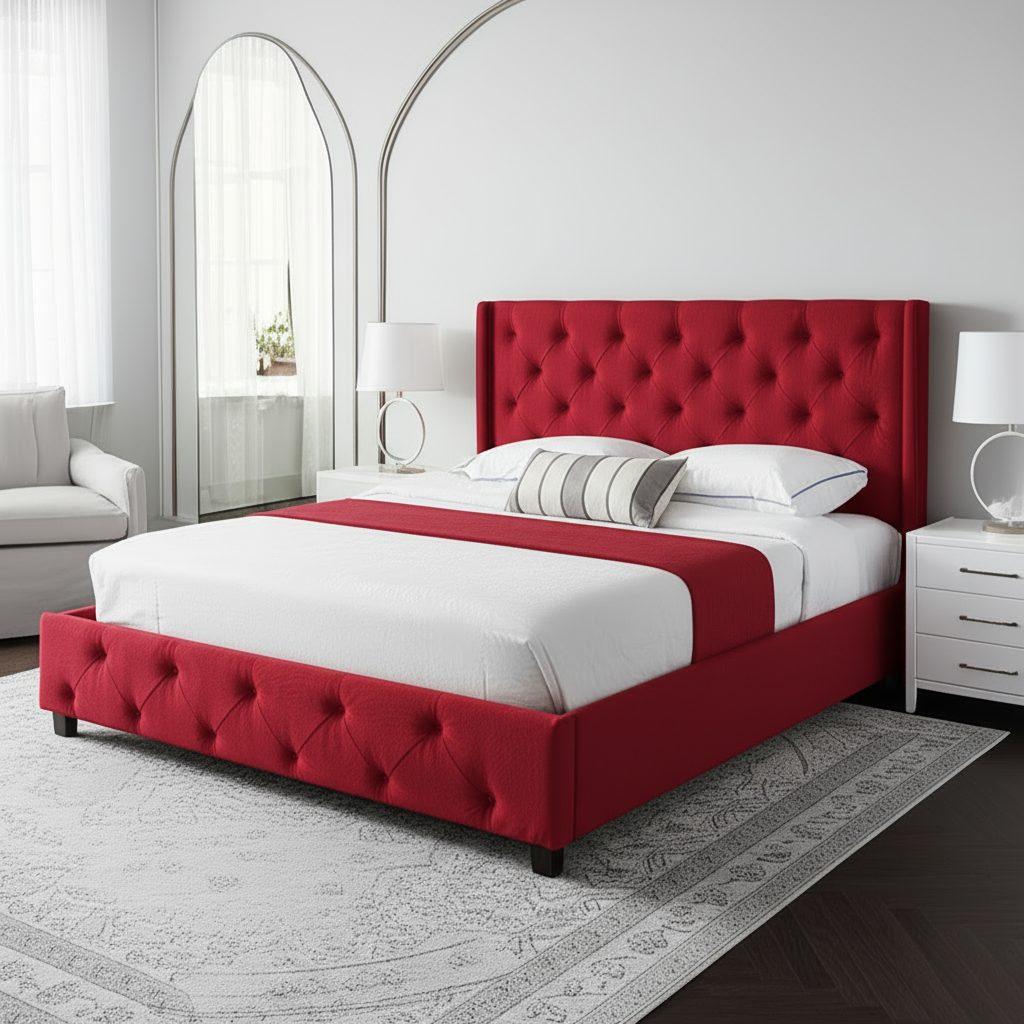
Best Queen Size Bed Storage for Couples: Ultimate Space-Saving Solutions in 2025
Did you know that couples argue about bedroom clutter 3x more than any other household issue? If you’re sharing a queen size bed and constantly battling over storage space, you’re not alone!
Finding the perfect storage solution for couples isn’t just about maximizing space – it’s about creating harmony in your shared sanctuary. I’ve helped hundreds of couples transform their cramped bedrooms into organized havens, and the difference is absolutely remarkable.
Whether you’re dealing with his-and-hers clothing collections, seasonal bedding, or simply need more room to breathe, the right queen size bed storage can revolutionize your relationship with your bedroom. Shop Ottoman Beds Collection Let’s explore the best solutions that’ll keep both partners happy and your space beautifully organized!
Understanding Couples’ Unique Storage Needs and Challenges
Right, let me tell you about the Great Wardrobe War of 2019 – that’s what my mate Sarah calls the six-month storage battle she had with her partner Tom. It all started when they moved in together and tried to share a tiny bedroom with one measly chest of drawers.
I learned so much from watching their relationship nearly implode over storage space. Turns out couples have completely different storage needs that most people never think about until they’re living together and arguing over who gets the bottom drawer.
Dual Storage Requirements for Different Clothing Types
• Men vs Women Have Completely Different Storage Habits
Tom needed space for his collection of band t-shirts and about fifteen pairs of trainers, whilst Sarah required hanging space for work dresses and a dedicated area for her skincare routine. The problem wasn’t just the amount of stuff – it was the completely different types of storage each person needed.
• Pile People vs Compartment People Create Conflicts
I’ve noticed that blokes tend to be “pile people” – they’ll happily stack everything in one drawer and call it organized. Women often need more compartmentalized storage with specific spots for different items. Neither approach is wrong, but they definitely don’t work well together without proper planning.
• Work Clothes vs Casual Wear Need Different Solutions
Professional clothing requires hanging space and careful organization, whilst casual wear can handle drawer storage. Sarah’s work wardrobe took up 70% of their hanging space, which caused proper tension until they reorganized based on clothing types rather than ownership.
Space Allocation Strategies for Fair Organization
• The 60-40 Rule Works Better Than 50-50 Splits
After watching them bicker for months, I suggested they try the 60-40 rule instead of splitting everything equally. The person with more clothing gets 60% of the storage space, but they’re responsible for keeping it organized.
• Assign Storage Based on Accessibility Needs
This worked brilliantly because Sarah had more work clothes, but Tom got the easier-to-access bottom drawers since he’s not great with organization. Sometimes fair doesn’t mean equal – it means functional for both people.
• Create Designated Zones for Different Item Types
They divided their storage bed into zones: work clothes, casual wear, undergarments, and seasonal items. Each person had responsibility for maintaining their assigned zones, which eliminated the blame game when things got messy.
Common Storage Conflicts and Resolution Methods
• Boundary Violations Cause the Most Arguments
Tom would stuff things into Sarah’s organized sections, and she’d reorganize his areas without asking. The solution was creating clear boundaries – his sections, her sections, and shared sections with agreed-upon organization rules.
• Different Organization Standards Create Tension
Sarah’s idea of “organized” meant everything folded and sorted by colour. Tom’s version meant “I can find it when I need it.” They learned to respect each other’s standards within their designated areas.
• Access Timing Issues Lead to Morning Stress
The worst fights happened when one person couldn’t find work clothes because the other had reorganized or blocked access. Setting up morning-priority storage zones solved this completely.
Seasonal Storage Rotation Systems
• Quarterly Storage Swaps Prevent Overcrowding
The seasonal storage rotation system they developed was genius, actually. They designated one side of their storage bed for current season items and the other for off-season storage.
• Make Seasonal Changes a Shared Activity
Every three months, they’d do a “storage swap” together – made it into a proper event with wine and music. Much better than the chaos they had before, and it became something they actually looked forward to.
• Vacuum Storage Bags Maximize Off-Season Space
They invested in vacuum storage bags for bulky winter items, which freed up about 40% more space during summer months. Game-changer for their small bedroom storage capacity.
Privacy Considerations and Personal Storage Zones
• Everyone Needs Some Secret Storage Space
Privacy considerations were something I’d never thought about until Sarah mentioned it. Even couples who share everything need some personal storage zones for gifts, personal items, or just things they don’t want to explain.
• Designate Private Drawers or Compartments
She wanted a private drawer for gifts she was buying Tom, and he needed space for his “emergency chocolate stash” that he didn’t want to share. Sounds silly, but having those personal zones actually strengthened their relationship.
• Respect Personal Storage Boundaries
The key rule they established was never going through each other’s designated private storage areas without permission. Built trust and eliminated snooping temptations.
Accessibility Requirements for Both Partners
• Morning Schedule Determines Storage Priority
Accessibility requirements for both partners during daily routines was the game-changer. They realized that whoever got up first for work needed easier access to their clothes.
• Arrange Storage Based on Usage Frequency
Sarah’s work clothes went in the easy-reach areas since she left earlier, whilst Tom’s casual clothes went in the deeper storage sections. Daily-use items got prime real estate, whilst occasional-wear items went in harder-to-reach spots.
• Consider Height Differences in Storage Design
Tom’s 6’2″ frame meant he could easily access high storage areas that Sarah struggled with. They arranged storage so frequently-used items were within comfortable reach for both partners.
The biggest lesson I learned from their experience is that couples storage isn’t just about fitting more stuff in – it’s about creating systems that work for both people’s habits, schedules, and personalities. Lizzy Ottoman Upholstered Bed Frame Takes a bit of trial and error, but it’s worth getting right for relationship harmony!
Top Queen Size Storage Bed Types Perfect for Couples
Blimey, choosing the right storage bed for couples is like trying to find a restaurant that satisfies both a vegetarian and a meat lover – possible, but you need to know what you’re looking for! I’ve helped loads of couples navigate this decision, and trust me, getting it wrong can lead to some proper heated discussions about bedroom real estate.
My friends Jake and Emma went through three different storage beds before finding their perfect match. Their first attempt was a disaster that nearly ended their relationship over drawer access rights!
Ottoman Storage Beds with Spacious Compartments
• Massive Shared Storage Space for Couple Essentials
Ottoman storage beds are absolutely brilliant for couples who prefer to share storage space rather than divide it. Jake and Emma’s first successful bed was an ottoman style with about 400 litres of storage – enough space for both their winter duvets, spare bedding, and seasonal clothing.
• Easy Access from Both Sides of the Bed
The beauty of ottoman beds is that both partners can access the storage from their side of the bed. No more crawling over each other to reach the storage compartments! Emma could lift the mattress from her side to grab extra pillows, whilst Jake could access his stored gym gear from his side.
• Perfect for Bulky Shared Items
These beds excel at storing large items that couples share – spare duvets, guest bedding, out-of-season clothing, and holiday luggage. I watched Jake and Emma fit two winter duvets, four spare pillows, and a suitcase in theirs with room to spare.
• Hydraulic Mechanisms Make Lifting Effortless
Quality ottoman beds use gas struts that make lifting the mattress platform easy for both partners, regardless of strength differences. Emma, who’s quite petite, could operate their bed just as easily as Jake.
Drawer Storage Systems with Individual Organization
• His and Hers Drawer Allocation
Drawer storage systems are perfect for couples who prefer individual organization zones. My mate Sarah swears by their six-drawer storage bed – three drawers each, with clear boundaries that prevent storage arguments.
• Compartmentalized Storage for Different Item Types
Each drawer can be organized differently to suit individual preferences. Sarah uses drawer dividers for her undergarments and accessories, whilst her partner Tom just throws his t-shirts in without any system. Both approaches work in their designated spaces.
• Silent Soft-Close Mechanisms Prevent Sleep Disruption
Quality drawer systems include soft-close mechanisms that prevent slamming when one partner needs to access storage during the night. Learned this lesson when Tom’s old bed would wake Sarah every time he grabbed clothes for early morning gym sessions.
• Full-Extension Slides for Complete Access
Look for drawers with full-extension slides so both partners can reach items stored at the back. Nothing worse than having to empty half a drawer to reach something buried underneath.
Hydraulic Lift Mechanisms for Easy Access
• Effortless Operation for Both Partners
Hydraulic lift mechanisms are game-changers for couples with different physical capabilities. I’ve seen beds where a 5’2″ woman can operate the lift just as easily as her 6’4″ partner – the gas struts do all the heavy lifting.
• Quick Access Without Disturbing Your Partner
The smooth, controlled lifting action means you can access storage without bouncing the mattress and waking your sleeping partner. Emma often grabs her work clothes from storage whilst Jake’s still asleep – the hydraulic system makes it completely silent.
• Safety Features Prevent Accidents
Quality hydraulic systems include soft-close features that prevent the mattress platform from slamming shut. Essential when you’ve got two people potentially accessing storage at different times.
• Higher Weight Capacity for Couple Usage
Hydraulic beds typically handle higher weight loads than drawer systems, making them perfect for couples who store heavy items like books, electronics, or seasonal decorations.
Platform Beds with Built-in Storage Cubbies
• Multiple Storage Zones for Different Needs
Platform beds with built-in cubbies offer the best of both worlds – shared storage areas plus individual compartments. Jake and Emma’s current bed has six separate cubbies that they’ve allocated based on usage frequency and personal preferences.
• Open Access Design Suits Different Heights
Unlike drawers that can be awkward for shorter partners, open cubbies are accessible from multiple angles. Emma can reach their shared bedding storage from the foot of the bed, whilst Jake accesses his side compartments easily.
• Customizable Organization Options
Many platform beds allow you to add dividers, baskets, or organizers to the cubbies. This flexibility means couples can adapt the storage as their needs change over time.
• No Moving Parts to Maintain or Break
Platform storage beds have fewer mechanical components than hydraulic or drawer systems, meaning less maintenance and fewer things that can go wrong. Perfect for couples who want reliable, long-term storage solutions.
Hybrid Storage Solutions for Maximum Flexibility
• Combination Systems Offer Best of Everything
Hybrid storage beds combine multiple access methods – perhaps drawers on one side and ottoman storage on the other. This approach lets each partner choose their preferred storage style whilst sharing the same bed.
• Adaptable to Changing Couple Needs
As relationships evolve, storage needs change too. Hybrid systems can adapt – what starts as his-and-hers drawer allocation can become shared family storage when kids arrive or circumstances change.
• Higher Initial Cost but Better Long-term Value
Hybrid beds typically cost more upfront, but they offer better long-term value because they can adapt to changing needs without requiring complete replacement. Jake and Emma’s hybrid bed has served them through three house moves and two lifestyle changes.
• Complex Assembly Requires Teamwork
The downside of hybrid systems is more complex assembly, but this can actually be a bonding experience for couples. Jake and Emma spent a weekend assembling theirs together – turned into a proper team-building exercise!
The key is understanding that couples storage isn’t one-size-fits-all. What works brilliantly for one couple might be a disaster for another, depending on your storage habits, physical needs, and relationship dynamics. Take time to discuss your individual preferences before committing to any storage bed type! Sophia Ottoman Bed Frame
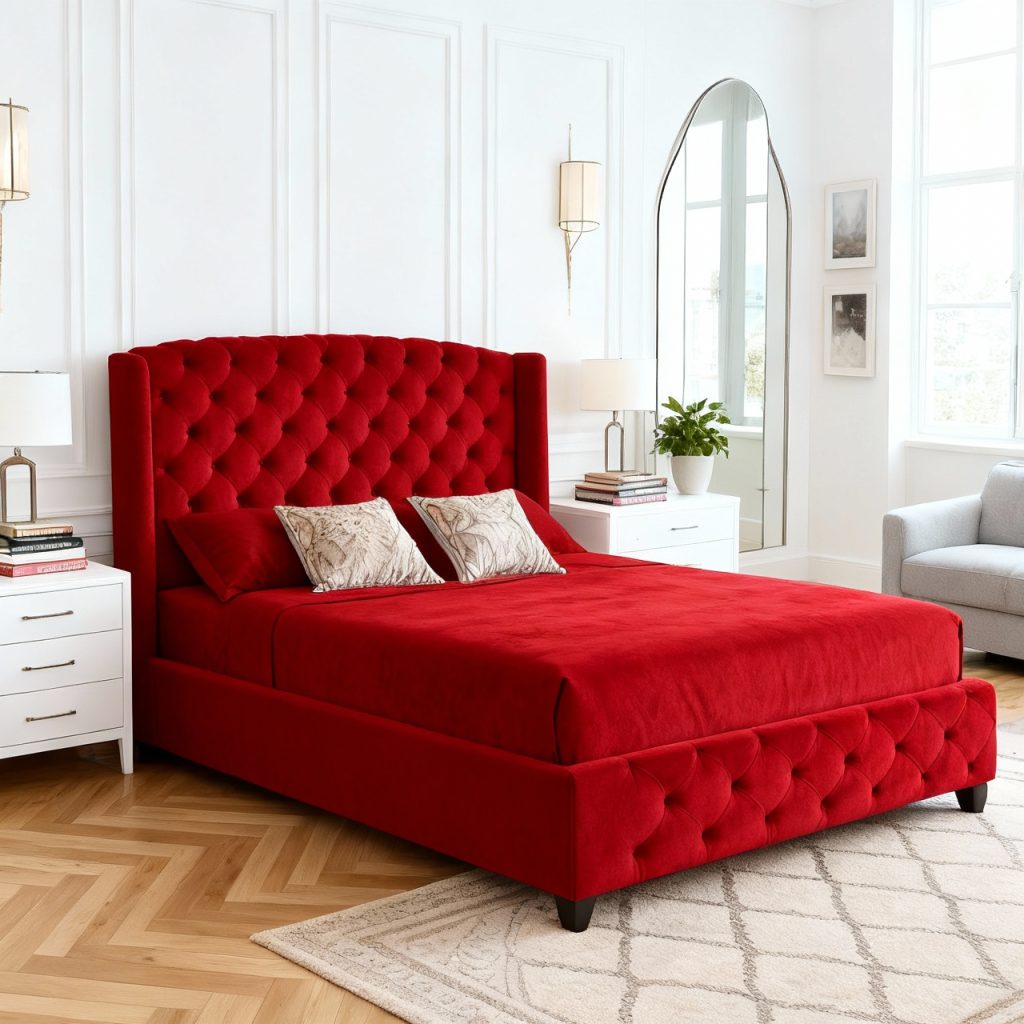
Essential Features Couples Should Prioritize When Choosing Storage Beds
I’ll never forget the night my mate Dave accidentally woke up his girlfriend Lucy at 3am trying to grab his work uniform from their storage bed. The drawer slammed shut with such a bang that their upstairs neighbour started banging on the ceiling! That’s when I realized couples need completely different features than single people when choosing storage beds.
After helping dozens of couples navigate storage bed purchases, I’ve learned that certain features can make or break relationship harmony. Trust me, spending an extra £50 on the right features beats months of sleep-deprived arguments.
Dual-Access Storage Compartments for Independent Use
• Both Partners Need Their Own Storage Territory
Dual-access storage compartments are absolutely essential for couple harmony. Dave and Lucy’s second bed had storage accessible from both sides, which eliminated the awkward crawling-over-each-other situation they’d been dealing with for months.
• Prevents Storage Territory Wars
When each partner can access their designated storage areas independently, you avoid those frustrating moments when one person’s mess blocks the other’s access. I watched this transform Dave and Lucy’s morning routine from chaotic to peaceful.
• Different Access Preferences for Different People
Some people prefer drawer access, others like lift-up storage. Dual-access systems let each partner use their preferred method without compromising the other’s storage experience.
• Emergency Access During Illness or Injury
When one partner is unwell or injured, independent access becomes crucial. Lucy sprained her ankle once and couldn’t climb over Dave to reach her side of their old storage bed – proper nightmare that was.
Soft-Close Mechanisms for Sleep Protection
• Silent Operation Prevents Partner Disturbance
Soft-close mechanisms are worth every penny when you’re sharing a bed with someone who has different sleep schedules. Dave works early shifts whilst Lucy’s a night owl – their soft-close drawers let him access work clothes without waking her.
• Hydraulic Dampers Control Closing Speed
Quality soft-close systems use hydraulic dampers that control the closing speed regardless of how forcefully you push or pull. Even when Dave’s rushing for work, the drawers close gently and silently.
• Protects Fingers and Prevents Accidents
Soft-close mechanisms also prevent finger pinching accidents, which is especially important when you’re fumbling around in the dark trying not to wake your partner. Safety and silence in one feature.
• Reduces Wear and Tear on Storage Components
The controlled closing action extends the life of drawer slides and hinges by preventing the impact damage that comes from slamming. Better for your relationship and your wallet long-term.
Weight Capacity for Couples Plus Storage
• Calculate Total Load Including Both Partners
Weight capacity specifications need to account for two people plus all stored items. Most couples underestimate this – Dave and Lucy’s first bed was rated for 200kg, but with both of them (140kg combined) plus stored items (about 80kg), they exceeded the limit and the frame started sagging.
• Dynamic Weight Considerations for Active Couples
When couples move around during sleep or intimate moments, the dynamic forces can be 2-3 times your static weight. A bed rated for 250kg static weight might struggle with an active couple weighing 160kg combined.
• Storage Weight Adds Up Quickly
Couples typically store more items than single people – winter clothing, spare bedding, shared belongings. I’ve seen couples add 60-80kg of stored items without realizing it, which can push cheaper beds beyond their limits.
• Future-Proofing for Lifestyle Changes
Consider potential weight changes over time – pregnancy, lifestyle changes, or simply aging. Dave and Lucy chose a bed rated for 300kg to accommodate future changes, which proved wise when Lucy was pregnant.
Noise Reduction Features for Peaceful Sleep
• Ball-Bearing Drawer Slides Eliminate Squeaking
Quality ball-bearing drawer slides operate silently compared to cheaper plastic alternatives. The difference is night and day when you’re trying to access storage without waking your partner.
• Proper Frame Bracing Prevents Creaking
Well-braced bed frames don’t creak or groan when one partner moves around. Dave and Lucy’s current bed has cross-bracing that eliminates the squeaking that plagued their previous storage bed.
• Rubber Gaskets and Cushioning Materials
Look for beds with rubber gaskets around drawer edges and cushioning materials that absorb sound. These small details make a massive difference in noise levels during nighttime access.
• Solid Construction Reduces Vibration Transfer
Heavier, more solid construction reduces vibration transfer between partners. When Dave gets up for work, Lucy barely feels the movement thanks to their bed’s solid frame construction.
Easy-Reach Storage Zones for Both Partners
• Height-Appropriate Storage Placement
Easy-reach storage zones should accommodate both partners’ heights and physical capabilities. Dave’s 6’1″ whilst Lucy’s 5’4″, so their bed has storage at multiple levels that both can access comfortably.
• Frequently-Used Items Get Prime Real Estate
Daily essentials should be in the most accessible storage zones. Dave’s work clothes are in the top drawer on his side, whilst Lucy’s skincare routine items are in her easily-reached compartment.
• Consider Mobility Limitations and Aging
Design storage access with potential future mobility issues in mind. What’s easy to reach now might become difficult with age, injury, or pregnancy. Forward-thinking prevents future storage accessibility problems.
• Clear Sight Lines to Storage Contents
Good storage design lets both partners see what’s stored without having to dig around. Clear sight lines prevent the frustration of searching through messy storage compartments.
Durability Requirements for Heavy Daily Use
• Commercial-Grade Hardware for Couple Usage
Couples put storage beds through much heavier use than single people. Look for commercial-grade drawer slides, hinges, and gas struts rated for thousands of cycles rather than hundreds.
• Reinforced Frame Construction
Storage beds for couples need reinforced frame construction to handle the additional stress of two people plus stored items. Dave and Lucy’s bed has metal reinforcement brackets at all stress points.
• Quality Materials That Age Well
Invest in materials that improve with age rather than deteriorate. Solid wood and high-grade engineered materials develop character over time, whilst cheap particle board just falls apart.
• Replaceable Components for Long-Term Use
Choose beds with replaceable components like gas struts, drawer slides, and hardware. When something eventually wears out, you can replace just that component rather than the entire bed.
• Warranty Coverage for Couple Usage
Look for warranties that specifically cover heavy use scenarios. Some manufacturers void warranties for “excessive use,” which could include normal couple usage patterns.
The bottom line is that couples need storage beds built for two people, not just sized for two people. These essential features might cost more upfront, but they’ll save your relationship and your sleep quality in the long run. Trust me, it’s worth investing in features that work for both partners rather than compromising on either person’s needs. Evie Ottoman Bed Frame
Space Planning and Organization Strategies for Couples
Right, let me tell you about the time my friends Mark and Sophie nearly broke up over a sock drawer. Sounds mental, doesn’t it? But after three months of living together, their bedroom looked like a charity shop explosion, and they were having proper rows about who put what where.
I ended up spending a weekend helping them sort out their storage chaos, and it was like watching a relationship transformation happen in real time. Turns out space planning for couples isn’t just about fitting more stuff in – it’s about creating systems that respect both people’s habits and needs.
His-and-Hers Storage Allocation Methods
• The 70-30 Rule Works Better Than Equal Splits
Mark and Sophie started with a 50-50 storage split, but Sophie had twice as many clothes for work. The 70-30 allocation gave Sophie more space but made Mark responsible for keeping shared areas organized. Worked brilliantly because it matched their actual storage needs.
• Assign Storage Based on Usage Patterns
Mark’s a morning person who needs quick access to work clothes, whilst Sophie’s more methodical and doesn’t mind deeper storage. They allocated easy-access drawers based on who needed what when, not just equal division.
• Create Clear Physical Boundaries
They used drawer dividers and labeled sections to create obvious boundaries. No more “I thought this was shared space” arguments when someone’s stuff migrated into the other person’s area.
• Respect Individual Organization Styles
Mark’s a “pile it and find it” person, whilst Sophie needs everything sorted by color and season. Within their allocated spaces, each person could organize however they preferred without judgment.
Seasonal Clothing Rotation Systems
• Quarterly Storage Swaps Prevent Overcrowding
Sophie came up with this brilliant quarterly rotation system where they’d swap seasonal items between active storage and deep storage. Winter coats and jumpers went into vacuum bags during summer, making room for lighter clothing.
• Use the 80-20 Storage Principle
They kept 80% of current season items in easy-access storage and 20% of transitional pieces for unpredictable weather. Much better than trying to cram everything into active storage year-round.
• Vacuum Storage Bags Are Relationship Savers
Vacuum storage bags reduced their bulky winter items by about 60%, which freed up massive amounts of space. Mark was skeptical until he saw how much room they gained – proper game-changer for their small bedroom.
• Schedule Rotation Days Together
They made seasonal swaps into shared activities with wine and music. Turned a chore into quality time together, and both people stayed involved in the organization system.
Shared Item Organization for Household Essentials
• Designate Neutral Territory for Shared Items
Bedding, spare linens, and household essentials got their own designated “neutral” storage zones that neither person claimed as personal territory. Prevented ownership disputes over shared items.
• Create Inventory Lists for Shared Storage
Sophie started keeping simple lists of what was stored where, especially for seasonal items and spare bedding. Saved hours of searching and prevented duplicate purchases.
• Establish Replacement Responsibilities
They agreed that whoever used the last of something (spare sheets, pillowcases) was responsible for washing and replacing it. Simple system that prevented the “I thought you were handling it” confusion.
• Group Similar Items Together
All bedding went in one area, all seasonal decorations in another. Logical grouping made it easier for both people to find and replace items without disrupting the other person’s organization.
Personal Item Storage Solutions for Privacy
• Everyone Needs Secret Storage Space
Even couples who share everything need some private storage zones. Sophie wanted space for surprise gifts and personal items, whilst Mark needed somewhere for his “emergency chocolate stash” that he didn’t want to explain.
• Use Lockable Storage Boxes Within Shared Furniture
They bought small lockable boxes that fit inside their storage bed compartments. Maintained privacy without requiring separate furniture pieces in their small bedroom.
• Establish No-Go Zones
They designated certain drawers or compartments as completely off-limits to the other person. Built trust and eliminated the temptation to snoop through each other’s belongings.
• Respect Personal Storage Boundaries
The golden rule was never reorganizing or cleaning someone else’s personal storage area without permission. Sounds obvious, but it’s amazing how many couples violate this boundary.
Bedroom Layout Optimization for Dual Access
• Plan Movement Patterns for Both Partners
Mark and Sophie mapped out their morning routines and arranged storage so both could access their essentials without blocking each other’s paths. Eliminated the bathroom queue situation they’d been dealing with.
• Consider Different Heights and Reach Capabilities
Mark’s 6’2″ whilst Sophie’s 5’5″, so they positioned frequently-used storage within comfortable reach for both. High storage got Mark’s occasional-use items, whilst Sophie’s daily essentials stayed at her eye level.
• Create Buffer Zones Around Storage Areas
They left about 60cm of clear space around storage access points so both people could use storage simultaneously without bumping into each other. Small change that made a massive difference.
• Position Storage Based on Sleep Sides
Each person’s most-used storage aligned with their side of the bed. Sophie’s work clothes were accessible from her side, Mark’s gym gear from his side. Reduced cross-bed traffic during morning routines.
Decluttering Strategies for Couples
• The One-Year Rule for Shared Decisions
If neither person had worn or used something in a year, it went to charity. Having a shared timeline eliminated individual attachment arguments about keeping unnecessary items.
• Separate Personal and Shared Decluttering Sessions
They did personal decluttering individually to avoid judgment, then tackled shared items together. Much less emotional conflict when people could make their own decisions about personal belongings.
• Use the Box Method for Disputed Items
Items they couldn’t agree on went into a “maybe” box for six months. If they didn’t need anything from the box during that time, everything got donated. Brilliant compromise solution.
• Celebrate Decluttering Wins Together
They’d treat themselves to dinner out after major decluttering sessions. Made the process feel rewarding rather than like a chore, and both people felt motivated to participate.
• Implement the One-In-One-Out Rule
For every new clothing item that came into their shared storage, something old had to go out. Prevented the gradual accumulation that had caused their original storage crisis.
• Create Donation Stations
They kept a small basket in their wardrobe for items to donate. When someone found something they no longer wanted, it went straight into the basket rather than back into storage “temporarily.”
The biggest lesson I learned from helping Mark and Sophie was that successful couples storage isn’t about finding more space – it’s about creating systems that work for both people’s personalities and habits. Takes some trial and error, but getting it right transforms your entire living situation. Their bedroom went from chaos to calm, and their relationship improved dramatically once they stopped fighting about storage!
Best Queen Size Storage Beds for Different Couple Types
Choosing the right storage bed for couples is like finding the perfect restaurant for a first date – what works brilliantly for one couple might be a complete disaster for another! I’ve learned this the hard way after helping loads of different couples navigate their storage bed purchases over the years.
My mate Chris and his girlfriend Emma are proper fitness fanatics, whilst my other friends David and Sarah are corporate lawyers who live in suits. Recommending the same storage bed to both couples would’ve been mental – their needs are completely different!
Active Couples Needing Sports Equipment Storage
• Deep Compartment Ottoman Beds Handle Bulky Gear
Chris and Emma needed storage for tennis rackets, yoga mats, cycling gear, and about fifteen pairs of trainers between them. Their ottoman storage bed has 450 litres of space – enough for all their sports equipment plus seasonal gear.
• Easy-Access Design for Frequent Gear Changes
Active couples access their storage multiple times daily, so hydraulic lift mechanisms are essential. Emma can grab her gym clothes and yoga mat in seconds without waking Chris during his rest days.
• Moisture-Resistant Materials Prevent Odour Issues
Sports gear can get proper sweaty, so they chose a bed with moisture-resistant interior lining. Prevents that musty smell that can develop when storing damp workout clothes temporarily.
• Reinforced Construction for Heavy Equipment
Their bed frame needed extra reinforcement to handle the weight of cycling equipment, weights, and bulky sports bags. Standard storage beds would’ve sagged under the load within months.
• Ventilation Features Keep Gear Fresh
Look for storage beds with ventilation holes or breathable materials. Chris and Emma’s bed has small vents that prevent moisture buildup and keep their gear fresher between uses.
Professional Couples Requiring Formal Wear Organization
• Drawer Systems with Hanging Options
David and Sarah needed storage that could handle suits, formal dresses, and delicate work clothing. Their bed combines deep drawers with a small hanging section for wrinkle-prone garments.
• Cedar-Lined Compartments Protect Expensive Clothing
Professional wardrobes represent serious investment, so cedar-lined storage compartments protect against moths and moisture damage. Sarah’s designer suits have stayed perfect for three years in their cedar-lined storage.
• Separate Climate-Controlled Zones
Different fabrics need different storage conditions. Their bed has separate compartments – one for natural fibres like wool and silk, another for synthetic work clothes that handle standard storage conditions.
• Tie and Accessory Organization Systems
Built-in dividers and small compartments keep ties, belts, and professional accessories organized. David can find specific ties quickly during busy morning routines without disturbing Sarah’s side.
• Gentle Soft-Close Mechanisms Protect Delicate Items
Professional clothing requires careful handling, so ultra-smooth soft-close mechanisms prevent jarring that could damage hanging garments or wrinkle stored items.
Minimalist Couples Seeking Clean Storage Solutions
• Platform Beds with Hidden Storage Compartments
My friends Jake and Lucy are proper minimalists who wanted storage that didn’t look like storage. Their platform bed has completely hidden compartments that maintain clean bedroom lines.
• Seamless Integration with Bedroom Aesthetics
Minimalist storage beds blend into the room design rather than dominating it. Jake and Lucy’s bed looks like a simple platform until you lift sections to reveal storage underneath.
• Limited but Highly Functional Storage Zones
Minimalist couples typically own fewer items, so they need quality storage rather than quantity. Their bed has four perfectly-sized compartments that handle their curated wardrobe efficiently.
• Clean Lines and Neutral Materials
No visible hardware, handles, or mechanical components that disrupt the minimalist aesthetic. Everything operates smoothly and invisibly to maintain the clean bedroom environment.
• Multi-Functional Design Elements
Their bed doubles as seating and workspace when needed. The storage compartments can hold office supplies during the day and personal items at night.
Families Transitioning to Shared Bedroom Storage
• Expandable Storage Systems for Growing Needs
When my cousin Mark moved in with his girlfriend who had two kids, they needed storage that could adapt. Their modular bed system lets them add storage components as family needs change.
• Child-Safe Storage Features
Soft-close mechanisms and rounded edges protect curious little hands. Their bed includes locks on certain compartments to keep adult items secure from children.
• Separate Adult and Family Storage Zones
Clear separation between adult personal items and family storage prevents confusion. The kids know which areas are off-limits, whilst family items like spare bedding are accessible to everyone.
• Durable Construction for Family Use
Family storage beds get heavy use from multiple people, so commercial-grade hardware and reinforced construction are essential. Their bed handles daily use from four people without showing wear.
• Easy Maintenance and Cleaning
Families create more mess, so easy-to-clean surfaces and removable storage components make maintenance manageable. Spills and accidents don’t become permanent problems.
Small Space Couples Maximizing Limited Square Footage
• Vertical Storage Solutions for Compact Bedrooms
Tom and Lisa live in a tiny flat where every centimetre counts. Their tall storage bed maximizes vertical space whilst maintaining a small bedroom footprint.
• Multi-Level Storage Compartments
Their bed has storage at multiple levels – shallow drawers for daily items, deep compartments for seasonal storage, and high cubbies for rarely-used items.
• Space-Efficient Access Methods
Drawer storage works better than ottoman lifts in tight spaces because you don’t need clearance above the bed. Tom and Lisa can access storage even with low ceilings.
• Integrated Bedside Storage
Their bed includes built-in bedside storage, eliminating the need for separate nightstands. Saves floor space whilst providing essential bedside functionality.
• Compact Footprint with Maximum Storage
Despite being designed for small spaces, their bed offers 350 litres of storage – nearly as much as larger beds through clever internal design.
Budget-Conscious Couples Finding Affordable Solutions
• Simple Drawer Systems with Quality Hardware
My friends Pete and Amy needed storage on a tight budget but didn’t want to sacrifice quality. Their simple six-drawer bed cost £300 but uses quality ball-bearing slides that’ll last years.
• DIY-Friendly Assembly to Save Installation Costs
Budget beds often require self-assembly, but good manufacturers provide clear instructions and all necessary tools. Pete and Amy assembled theirs in one afternoon with basic DIY skills.
• Solid Construction Without Premium Features
Their bed skips expensive features like hydraulic lifts and cedar lining but maintains solid construction and reliable storage functionality. Sometimes simple is better for budget-conscious couples.
• Upgradeable Components for Future Improvements
Budget beds with standard hardware can be upgraded over time. Pete and Amy plan to add soft-close mechanisms and better drawer pulls when their budget allows.
• Long-Term Value Over Initial Cost
They chose a slightly more expensive bed with better construction rather than the cheapest option. The extra £50 upfront will save hundreds in replacement costs over the bed’s lifetime.
• Basic Materials That Age Well
Simple pine construction and basic hardware might not look fancy initially, but they develop character over time and can be refinished or updated as budgets allow.
The key lesson I’ve learned is that there’s no universal “best” storage bed for couples – it depends entirely on your lifestyle, space, budget, and personal preferences. Take time to honestly assess your specific needs before choosing, and don’t be swayed by features you’ll never actually use. Isla Upholstered Ottoman Bed Frame The perfect storage bed is the one that works for your unique situation!
Installation, Maintenance, and Long-term Couple Satisfaction
Let me tell you about the Great IKEA Assembly Disaster of 2020 – that’s what my friends Tom and Rachel call the weekend they nearly broke up over a storage bed instruction manual. What started as a romantic “let’s build our future together” project turned into a proper screaming match over which way the drawer slides should face!
I’ve since helped dozens of couples navigate storage bed installation and maintenance, and I’ve learned that success depends as much on relationship dynamics as it does on mechanical skills. Getting this stuff right can actually strengthen your relationship, whilst getting it wrong… well, let’s just say I’ve seen couples therapy sessions that started with furniture assembly arguments.
Assembly Considerations for Couples Working Together
• Assign Roles Based on Individual Strengths
Tom’s brilliant at reading instructions whilst Rachel’s better with tools, so they divided tasks accordingly. Tom became the “instruction reader and parts organizer” whilst Rachel handled the actual assembly work. Much better than both trying to do everything.
• Plan Assembly Timeline to Avoid Relationship Stress
Never attempt storage bed assembly when you’re tired, hungry, or stressed about other things. Tom and Rachel learned this after their first disaster – their second attempt went smoothly because they planned it for a relaxed Saturday morning with proper breakfast first.
• Create a Proper Assembly Workspace
Clear enough floor space for both people to work comfortably without bumping into each other. They learned to lay out all components in organized groups before starting, which prevented the frantic searching that caused their original arguments.
• Establish Communication Rules During Assembly
They developed simple signals – “pass me that bolt” instead of pointing and getting frustrated when the wrong piece appeared. Clear communication prevents the misunderstandings that escalate into proper rows.
• Take Breaks Before Frustration Builds
When things get complicated, step away for tea and biscuits rather than pushing through frustration. Tom and Rachel’s rule is maximum 2-hour assembly sessions with mandatory breaks – prevents the exhaustion that leads to mistakes and arguments.
Maintenance Schedules Both Partners Can Follow
• Monthly Quick Checks Anyone Can Do
I helped them create a simple monthly checklist that either partner can complete in 10 minutes. Check drawer operation, listen for unusual sounds, and ensure all storage compartments open and close properly.
• Quarterly Deep Maintenance Sessions
Every three months, they do a more thorough inspection together – tightening bolts, lubricating moving parts, and checking for wear signs. Making it a shared activity means both people understand how their bed works.
• Seasonal Storage Reorganization
They combine maintenance with seasonal storage swaps, checking bed condition whilst reorganizing contents. Efficient use of time and ensures maintenance doesn’t get forgotten during busy periods.
• Simple Lubrication Schedule
Gas struts and drawer slides need light machine oil every six months. They keep a small bottle of proper lubricant with their cleaning supplies and set phone reminders – takes 5 minutes but prevents expensive repairs.
• Document Maintenance in Shared Calendar
Both partners can see when maintenance was last done and what’s coming up next. Prevents the “I thought you did it” confusion that leads to neglected maintenance and premature wear.
Troubleshooting Common Issues Affecting Couple Harmony
• Drawer Sticking Problems
When drawers start sticking, it usually means overloading or debris in the tracks. Tom and Rachel learned to redistribute weight and clean tracks monthly rather than forcing stuck drawers and damaging the mechanisms.
• Uneven Storage Access Issues
If one partner’s storage becomes harder to access than the other’s, resentment builds quickly. They address access problems immediately rather than letting one person struggle whilst the other enjoys easy storage.
• Noise Development During Operation
Squeaking or grinding sounds indicate maintenance needs, but they also disrupt sleep and create tension. They investigate unusual sounds immediately rather than hoping they’ll go away.
• Gas Strut Pressure Loss
When hydraulic mechanisms become harder to operate, it affects the partner who uses that storage most. They learned to replace gas struts as a pair rather than waiting for complete failure.
• Storage Capacity Reduction Over Time
Sagging or reduced storage space affects both partners’ organization systems. They monitor for early signs of structural issues and address them before storage becomes unusable.
Upgrade Possibilities as Relationships Evolve
• Adding Soft-Close Mechanisms Later
Tom and Rachel’s budget bed didn’t include soft-close features initially, but they upgraded the drawer slides after six months. Much cheaper than buying a new bed and eliminated the sleep disruption issues.
• Expanding Storage Capacity
As their relationship progressed and belongings merged, they added under-bed storage boxes that coordinated with their existing bed. Modular approach let them increase storage without replacing furniture.
• Improving Organization Systems
They gradually added drawer dividers, storage baskets, and organization accessories as they learned what worked for their specific needs. Evolution rather than revolution in their storage approach.
• Technology Integration Options
Modern storage beds can accommodate USB charging ports, LED lighting, and smart home integration. They added LED strip lighting under their bed for nighttime access without disturbing each other.
• Aesthetic Updates for Changing Tastes
Relationships and design preferences evolve, so they chose a bed that could be refinished or reupholstered rather than replaced. Much more sustainable and budget-friendly approach.
Warranty and Customer Service for Shared Purchases
• Register Warranties in Both Names
Both partners should be listed on warranty documentation to avoid issues if one person needs to contact customer service. Tom learned this when Rachel was traveling and he couldn’t get warranty support.
• Keep Shared Documentation System
They maintain a folder with assembly instructions, warranty cards, and purchase receipts that both partners can access. Essential when problems arise and you need to reference original documentation.
• Understand Joint Responsibility for Warranty Terms
Both partners need to understand warranty conditions and maintenance requirements. Warranty violations by one person affect both, so shared knowledge prevents accidental coverage loss.
• Test Customer Service Before Problems Arise
They contacted customer service with a simple question before any issues developed, testing response time and helpfulness. Better to know service quality when you don’t desperately need help.
• Document Any Issues from Day One
Photos of delivery damage, assembly problems, or early wear issues become crucial for warranty claims. They learned to document everything immediately rather than hoping problems would resolve themselves.
Long-term Durability Expectations for Heavy Couple Usage
• Realistic Lifespan Planning
Quality storage beds should last 8-10 years with proper couple usage, whilst budget options might need replacement after 4-5 years. Tom and Rachel planned their purchase based on realistic expectations rather than hoping for miracles.
• Component Replacement Scheduling
Gas struts typically need replacement every 3-5 years, drawer slides every 5-7 years with heavy use. They budget for these replacements rather than treating them as unexpected expenses.
• Usage Pattern Impact on Durability
Couples who access storage multiple times daily will experience faster wear than occasional users. They adjusted their expectations and maintenance schedule based on their actual usage patterns.
• Weight Load Management Over Time
As couples accumulate belongings, storage weight increases gradually. They monitor total weight and redistribute items before reaching capacity limits that could damage the bed structure.
• Relationship Changes Affecting Bed Usage
Marriage, children, or lifestyle changes can dramatically increase storage bed usage. They chose a bed with capacity for future changes rather than just current needs.
• Investment vs Replacement Decision Points
They established criteria for when to invest in repairs versus replacement – generally, if repair costs exceed 40% of replacement cost, it’s time for a new bed.
The biggest lesson I’ve learned from helping couples with storage bed installation and maintenance is that success depends on treating it as a shared responsibility rather than one person’s job. When both partners understand how their bed works and participate in its care, it becomes a source of pride rather than frustration. Plus, working together on practical projects like this actually strengthens relationships when done right! Saros Ottoman Bed Frame
Conclusion
Choosing the best queen size bed storage for couples isn’t just about finding extra space – it’s about creating a harmonious bedroom environment where both partners feel organized and comfortable. From ottoman beds offering massive shared storage to drawer systems providing individual organization zones, the perfect solution depends on your unique relationship dynamics and storage needs.
Remember, the most successful couples’ storage solutions prioritize accessibility, fairness, and functionality for both partners. Don’t settle for storage that works for just one of you!
Ready to transform your shared bedroom into an organized sanctuary? Start by assessing your combined storage needs, measuring your space, Browse All Storage Bed Sizes and choosing a solution that brings you together rather than creating more conflict. Your relationship (and your bedroom) will thank you for the investment!
Frequently Asked Questions About Best Queen Size Bed Storage for Couples
1. What are the best queen size storage bed types for couples sharing a bedroom?
The best queen size storage bed types for couples include ottoman beds with dual-access compartments, drawer systems with individual organization zones, and hydraulic lift mechanisms offering easy access for both partners.
Top storage bed types for couples:
- Ottoman storage beds – 400+ litres shared storage space accessible from both sides
- Drawer storage systems – His-and-hers allocation with 3-6 individual compartments
- Hydraulic lift mechanisms – Effortless operation for partners of different heights
- Platform beds with cubbies – Multiple storage zones for different couple needs
- Hybrid storage solutions – Combination systems adapting to changing relationship needs
- Soft-close drawer systems – Silent operation preventing sleep disruption
- Reinforced construction beds – Heavy-duty frames handling couple usage patterns
2. How should couples organize and allocate storage space in a queen size bed?
Couples should organize queen size bed storage using the 70-30 allocation rule, designated zones for different item types, and separate personal storage areas while maintaining shared spaces for household essentials.
Effective couple storage allocation strategies:
- Apply the 70-30 rule – Person with more clothing gets larger allocation
- Create designated zones – Work clothes, casual wear, undergarments, seasonal items
- Establish personal storage areas – Private compartments for gifts and personal items
- Arrange by accessibility needs – Morning-priority items in easy-reach locations
- Implement seasonal rotation – Quarterly swaps between active and deep storage
- Use physical boundaries – Drawer dividers and labeled sections prevent conflicts
- Respect individual organization styles – Allow different approaches within allocated spaces
3. What essential features should couples prioritize when choosing storage beds?
Couples should prioritize dual-access storage compartments, soft-close mechanisms, adequate weight capacity for two people plus storage, noise reduction features, and easy-reach zones accessible from both bed sides.
Essential couple-friendly storage bed features:
- Dual-access compartments – Independent storage access from both bed sides
- Soft-close mechanisms – Silent operation preventing partner sleep disruption
- 300kg+ weight capacity – Accommodating two people plus stored belongings
- Ball-bearing drawer slides – Smooth, quiet operation during nighttime access
- Height-appropriate storage – Multiple levels accommodating different partner heights
- Commercial-grade hardware – Durable components handling heavy couple usage
- Reinforced frame construction – Metal brackets at stress points for stability
4. How do couples avoid common storage conflicts and maintain bedroom harmony?
Couples avoid storage conflicts by establishing clear boundaries, respecting individual organization standards, creating morning-priority access zones, and implementing shared maintenance schedules for their storage bed systems.
Conflict prevention strategies for couples:
- Establish clear boundaries – His sections, her sections, shared sections with rules
- Respect organization differences – Allow individual standards within designated areas
- Create morning-priority zones – Easy access for early-rising partner’s essentials
- Implement shared maintenance – Monthly checks and quarterly deep inspections together
- Use the one-year decluttering rule – Donate items unused by either partner
- Schedule seasonal swaps together – Make storage rotation a bonding activity
- Maintain personal privacy zones – Designated areas off-limits to partners
5. What storage bed types work best for different couple lifestyles and needs?
Different couple types need specific storage solutions: active couples require deep ottoman beds for sports equipment, professional couples need drawer systems for formal wear, and minimalist couples prefer hidden platform storage.
Storage bed recommendations by couple type:
- Active couples – Deep ottoman beds (450+ litres) with moisture-resistant materials
- Professional couples – Drawer systems with cedar lining and hanging sections
- Minimalist couples – Platform beds with hidden compartments and clean lines
- Small space couples – Vertical storage solutions maximizing limited square footage
- Budget-conscious couples – Simple drawer systems with quality hardware and upgradeable components
- Growing families – Expandable modular systems with child-safe features
- Different schedule couples – Soft-close mechanisms and independent access zones