
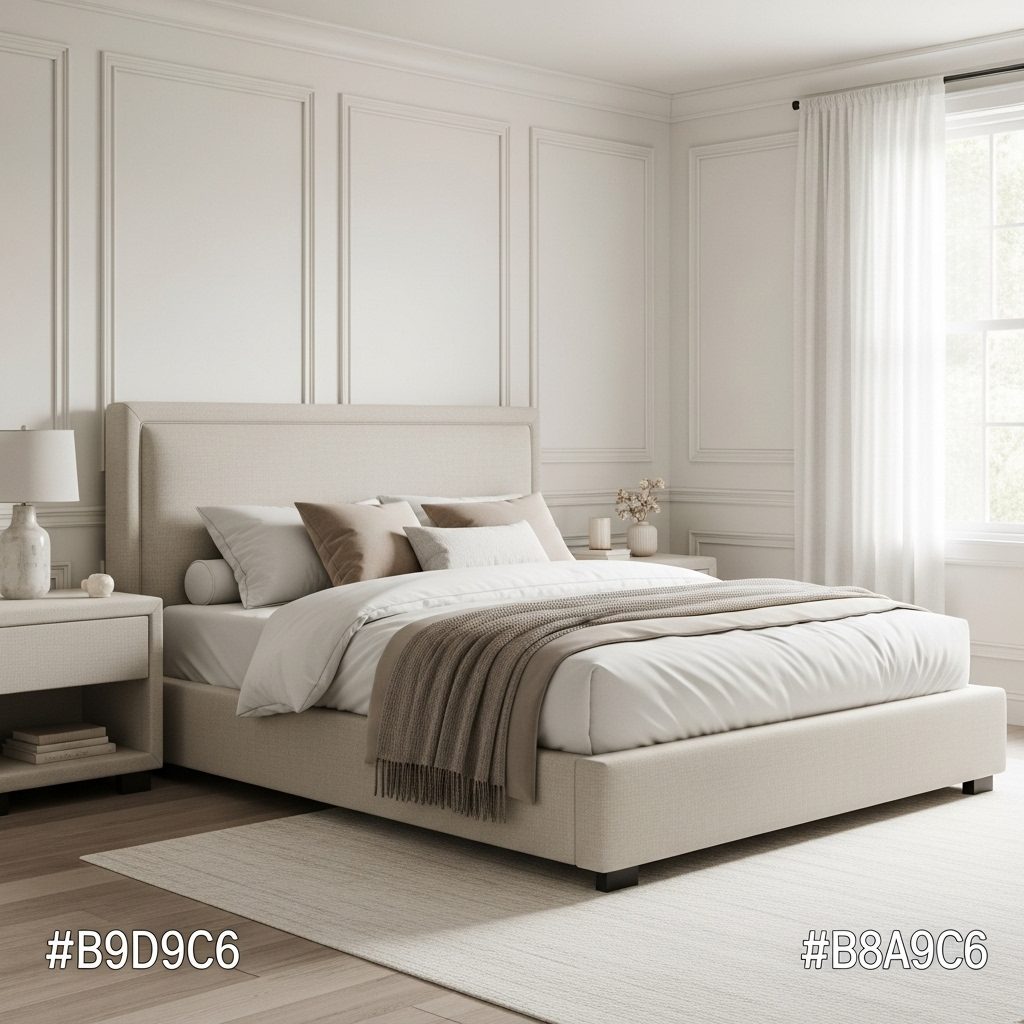
Complete Buyer’s Guide for King Size Bed Frame with Storage Solutions: Best Options for 2025
Did you know that the average bedroom loses 25% of its storage potential simply because of poor furniture choices? I’ve been there – staring at a cluttered bedroom, wondering where to put everything! King size bed frames with built-in storage are absolute game-changers for anyone looking to maximise space without sacrificing comfort. Whether you’re dealing with a small master bedroom or just want to declutter your sanctuary, choosing the right storage bed frame can transform your entire sleeping experience. In this comprehensive guide, I’ll walk you through everything you need to know about selecting the perfect king size bed frame with storage solutions that work for your lifestyle and budget. Transform your cluttered bedroom into an organized sanctuary! Discover our premium king size ottoman beds that maximize storage without compromising on style.
Understanding King Size Bed Frame Storage Options
• Drawer Storage Systems
The most accessible option for daily use
Drawer storage beds feature 2-4 large drawers built into the frame’s base, typically running along the sides or foot end. Most king size models offer 200-400 litres per drawer – that’s roughly 15-20 jumpers or 8-10 pairs of jeans each. The standard measurements are about 180cm long, 35cm wide, and 15cm deep per drawer.
The biggest win here is convenience – you can grab what you need without any heavy lifting or dismantling your bed setup. However, you’ll need at least 60cm clearance on each side for the drawers to open properly, which was a proper nightmare in my cramped previous bedroom.
• Hydraulic Lift Storage
Maximum capacity for serious storage needs
These are the storage champions, offering 800-1200 litres of space underneath the entire mattress. The gas struts support up to 25kg when lifting, so you don’t need superhuman strength to access your stuff. Most quality frames handle 150-200kg of stored items – enough for seasonal wardrobes, bedding, and more.
I switched to hydraulic last year, and the space is incredible, but there’s a catch. Getting anything from the bottom means removing everything on top first. It’s like storage Jenga every single time you need something specific.
• Ottoman-Style Storage
The budget-friendly middle ground
Ottoman beds open like a chest without fancy gas assistance, offering 400-600 litres of storage space. They’re more affordable than hydraulic systems but require manual lifting of the mattress each time. After helping a mate test one for several months, I can tell you your back will definitely feel the strain.
The storage capacity sits nicely between drawers and hydraulic systems, making them decent for moderate storage needs without breaking the bank.
• Room Layout Matching
Choose based on your actual space constraints
Narrow bedrooms under 3 metres wide only work with hydraulic lift systems – drawers simply won’t have clearance to open. L-shaped rooms or spaces with built-in wardrobes often suit ottoman-style best because you can position the opening away from walls.
Here’s what nobody mentions – your room layout completely dictates which type will actually function. Don’t make my mistake of choosing based on price alone without measuring your space properly.
• Weight Capacity Considerations
Know your limits before you exceed them
Most storage beds handle 150-200kg of stored items, but cheaper models might only manage 75-100kg. You’ll hit these limits faster than expected when storing books, shoes, seasonal clothing, and bedding together. Quality hydraulic systems typically offer the highest weight capacity, whilst budget drawer systems often have the lowest.
Always check the manufacturer’s specifications and factor in the cumulative weight of everything you plan to store – it adds up quicker than you’d think. Experience the convenience of daily-access storage with our drawer-style ottoman beds that offer easy organization for your essentials.
Essential Features to Consider When Buying
• Frame Materials and Durability
Wood vs metal vs upholstered – what actually lasts
I’ve owned all three types, and let me tell you, the material choice makes a massive difference long-term. Solid wood frames (oak, pine, or birch) typically last 10-15 years with proper care, but they’re heavy as anything – my oak frame took four people to move and weighs about 80kg without the mattress.
Metal frames are lighter and often cheaper, but the joints can develop squeaks after 2-3 years of regular use. I had a steel frame that started creaking every time I rolled over – a proper nightmare for light sleepers. Upholstered frames look gorgeous, but the fabric can stain or tear, especially around high-touch areas like the headboard. The padding also compresses over time, losing that plush feel within 5-7 years.
• Storage Accessibility Features
Daily usability matters more than total capacity
Soft-close mechanisms are worth every penny – trust me on this. My first storage bed had basic hinges that would slam shut if you weren’t careful, nearly taking my fingers off more than once. Quality hydraulic systems include safety stays that prevent accidental closure, which is crucial when you’re rummaging around for something.
Drawer systems with full-extension runners let you access the entire drawer depth, whilst cheaper partial-extension ones leave the back third unreachable. LED lighting strips inside storage compartments might seem fancy, but they’re genuinely helpful when you’re searching for dark clothing in dim bedrooms.
• Assembly Complexity
Plan for reality, not the marketing photos
Most storage beds require 2-4 hours of assembly time, regardless of what the instructions claim. I’ve built six different models over the years, and hydraulic systems are definitely the most complex – you’re dealing with gas struts, safety mechanisms, and precise weight distribution.
Drawer systems usually involve installing runners and ensuring proper alignment, which can be fiddly if you’re not handy with tools. Some manufacturers offer white-glove delivery and assembly for £100-200 extra, which honestly might be worth it for hydraulic models. The instruction manuals are often rubbish too – YouTube tutorials saved me countless hours of frustration.
• Mattress Compatibility Issues
Not all mattresses work with storage beds
Here’s something that caught me off guard – storage beds often require specific mattress types. Hydraulic systems work best with medium-firm to firm mattresses that maintain their shape when lifted. Memory foam can be too heavy for some gas struts, whilst very soft mattresses might sag into the storage cavity.
Platform-style storage beds need mattresses that don’t require box springs, which rules out some traditional spring mattresses. The support slat spacing matters too – gaps wider than 7cm can cause mattress sagging or voiding warranties. Always check your mattress manufacturer’s requirements before committing to a storage bed frame.
• Height and Clearance Considerations
Measure twice, buy once
Storage beds sit higher than standard frames – typically 35-45cm from floor to mattress top, compared to 25-30cm for regular beds. This extra height can make getting in and out more difficult for shorter people or those with mobility issues.
Under-bed clearance varies dramatically between models. Drawer systems might only offer 10-12cm clearance in the centre (where there’s no storage), whilst hydraulic beds can provide 25-30cm of clear space when closed. This affects cleaning access and whether you can slide storage boxes underneath for additional organisation.
Room ceiling height becomes crucial, too – I learned this when my tall headboard barely fit under a sloped ceiling. Factor in your mattress thickness plus any toppers when calculating total bed height. Choose long-lasting quality with our premium upholstered ottoman beds built to withstand years of daily use.
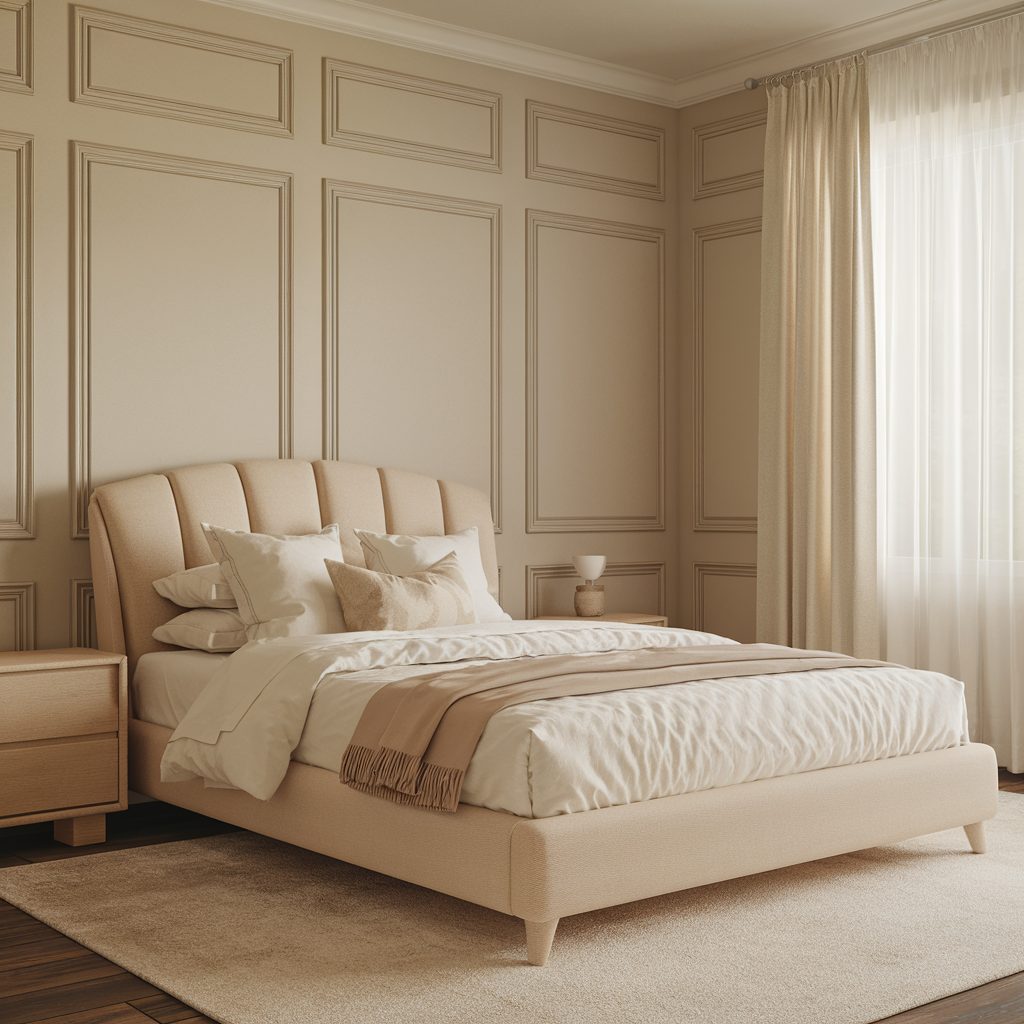
Top King Size Storage Bed Frame Categories
• Platform Beds with Built-in Drawers
The sleek, modern storage solution
Platform beds sit low to the ground with a solid base that eliminates the need for a box spring, making them perfect for contemporary bedrooms. The built-in drawers typically run along both sides, offering 300-500 litres of total storage space. I’ve had my current platform drawer bed for two years, and the clean lines really make my bedroom feel more spacious.
The drawers usually measure about 170cm long by 40cm wide, with depths ranging from 12-18cm depending on the frame height. What I love most is how the storage integrates seamlessly – you can’t even tell there are drawers unless you’re looking for them. However, the lower profile means less under-bed clearance for cleaning, and some models struggle with heavier items due to the reduced frame height affecting structural support.
• Hydraulic Lift Storage Beds
Maximum capacity with effortless access
These are the storage kings, offering 800-1200 litres of space underneath the entire mattress platform. The gas strut system does all the heavy lifting – literally. My mate’s hydraulic bed holds his entire off-season wardrobe plus spare bedding, and the mattress lifts with just a gentle pull.
Quality hydraulic systems include safety mechanisms that prevent sudden closure and support up to 200kg of stored items. The gas struts typically last 8-10 years before needing replacement, which costs around £50-80 for a pair. The main drawback is accessing specific items requires removing everything on top, and cheaper models can develop gas leaks that reduce lifting assistance over time.
• Captain’s Beds with Side Storage
Traditional nautical-inspired functionality
Captain’s beds feature multiple storage compartments built into the frame’s sides and sometimes the footboard, mimicking ship cabin designs. These typically offer 6-8 separate storage areas, each measuring roughly 35cm x 25cm x 15cm deep. The compartments are perfect for organising different item types – I use mine for seasonal accessories, spare linens, and rarely-used electronics.
The multiple smaller spaces make organisation easier than single large compartments, and you can access individual sections without disturbing others. However, the total storage capacity is usually less than hydraulic systems, and the numerous doors or drawers can look cluttered in minimalist bedrooms. Some models include built-in charging stations and reading lights, which adds functionality but increases complexity.
• Ottoman Storage Beds
Simple lifting mechanism, decent capacity
Ottoman beds open like a blanket box, with the entire mattress platform hinged at the foot end. They offer 400-700 litres of storage space and cost significantly less than hydraulic systems. I tested one for three months whilst house-sitting, and whilst the storage was adequate, the manual lifting got tiresome quickly.
The opening mechanism is straightforward with fewer parts to break, making it more reliable long-term. Most Ottoman beds include safety stays to prevent the mattress platform from slamming shut, though these aren’t as sophisticated as hydraulic safety systems. The main limitation is the physical effort required – lifting a king size mattress plus platform repeatedly isn’t sustainable for everyone, especially those with back problems.
• Bookcase Headboard Combinations
Dual-purpose storage and display
These frames combine traditional storage bases with headboards featuring multiple shelves, cubbies, and sometimes enclosed cabinets. The headboard storage typically adds 100-200 litres of easily accessible space for books, decorative items, and bedside essentials. I love having my current reads within arm’s reach without cluttering the nightstand.
The headboard compartments usually include different-sized sections – larger areas for books and smaller cubbies for glasses, phones, or medications. Some models feature built-in USB charging ports and LED reading lights integrated into the shelving. The downside is dust accumulation on open shelves, and the headboard can look overwhelming in smaller bedrooms. Weight distribution becomes crucial, too – overloading upper shelves can make the entire frame top-heavy and unstable. Embrace modern minimalism with our sleek platform ottoman beds that offer integrated storage without compromising on style.
Space Planning and Bedroom Layout Tips
• Measuring Your Bedroom for Optimal Fit
Get the tape measure out before you fall in love with a bed
I learned this lesson the hard way when my dream storage bed arrived and barely squeezed through the bedroom door. King size storage beds typically measure 150cm wide by 200cm long, but the frame adds extra bulk – usually 5-10cm on each side. Always measure your doorways, stairwells, and any tight corners the bed needs to navigate during delivery.
Room dimensions matter massively too. For a king size storage bed, you need minimum room dimensions of 3.5m x 3m to avoid feeling cramped. I made the mistake of putting a king bed in a 3m x 2.8m room once – it was like sleeping in a furniture warehouse. The bed dominated everything, and there was barely space to walk around it properly.
Don’t forget ceiling height either, especially with hydraulic lift beds that need clearance when opening. Factor in your mattress thickness plus any ceiling fans or light fixtures that might interfere with the lifting mechanism.
• Clearance Requirements for Different Storage Types
Each storage system has its space demands
Drawer storage beds need 60-70cm clearance on each side for full drawer extension – this is non-negotiable unless you want to be crawling over your bed to access storage. I’ve seen people try to squeeze drawer beds into tight spaces, and they end up only opening drawers halfway, defeating the entire purpose.
Hydraulic lift beds need 90-100cm clearance at the foot end for safe operation and easy access to stored items. You’ll be kneeling or bending down frequently, so cramped spaces make the storage practically useless. Ottoman beds require similar foot-end clearance but can work with slightly less – around 80cm minimum.
Side-opening storage (like captain’s beds) typically needs 40-50cm clearance, making them brilliant for narrow bedrooms where drawer systems won’t fit. The smaller compartments mean you’re not doing full-body contortions to reach your stuff.
• Traffic Flow and Movement Patterns
Plan for real-life bedroom navigation
Think about your daily bedroom routine – where do you get dressed, how do you move between wardrobe and bed, where do you charge your phone? I positioned my storage bed without considering that I’d be accessing the foot-end storage regularly, which meant constantly walking around the entire bed frame.
The main traffic path should be at least 80cm wide for comfortable movement. If you’re sharing the bed, both sides need adequate access – cramming one side against the wall might save space, but creates relationship tension when someone needs to climb over their partner every night.
Consider door swing patterns, too. Bedroom doors that open inward can clash with bed positioning, and wardrobe doors need clearance that doesn’t interfere with bed storage access. I’ve rearranged my bedroom three times to get the flow right.
• Coordinating with Existing Furniture
Make everything work together, not against each other
Nightstand height becomes crucial with storage beds since they sit higher than standard frames. Your existing bedside tables might suddenly look like children’s furniture next to a tall storage bed. Most storage beds sit 35-45cm high, so nightstands should be 40-50cm to maintain proper proportions.
Wardrobe placement affects storage bed functionality massively. If your wardrobe is opposite the bed, you need enough space to open both the wardrobe doors and the bed storage simultaneously. I learned this when trying to access my hydraulic storage whilst the wardrobe doors were open – proper nightmare trying to navigate around everything.
Existing furniture can actually help define your storage bed choice. If you’ve got a bulky chest of drawers, a drawer storage bed might be redundant. Instead, hydraulic storage could replace that chest entirely, freeing up floor space for better traffic flow.
• Maximising Vertical Storage Integration
Think beyond just the bed frame itself
Bookcase headboard combinations are brilliant for maximising vertical space, but they need to complement your room’s proportions. In rooms with 2.4m ceilings, tall headboards can make the space feel oppressive. I’ve got 2.7m ceilings, and my bookcase headboard works perfectly, but anything taller would’ve been overwhelming.
Wall-mounted storage above and around the bed can work with storage bed frames, but avoid overloading the visual space. Floating shelves positioned 60-80cm above the headboard provide additional storage without interfering with bed operation. Just make sure they’re high enough that you won’t bang your head when the hydraulic storage is open.
Consider under-bed lighting for storage access – LED strips along the bed base make finding items much easier and add ambient lighting to the room. Some storage beds include integrated lighting, but retrofitting strips costs about £20-40 and transforms usability, especially for late-night access when you don’t want to wake your partner. Ensure the perfect fit for your space – explore our size guide and find the ideal ottoman bed for your bedroom dimensions.
Budget Considerations and Value Analysis
• Price Ranges Across Storage Bed Types
What you’ll actually pay for decent quality
Platform beds with drawers start around £300-500 for basic models, but you’ll want to budget £600-900 for something that won’t fall apart after two years. I bought a £350 platform bed initially, and the drawer runners failed within 18 months – a false economy that cost me more in the long run.
Hydraulic lift beds range from £500-1500, with the sweet spot being £800-1200 for reliable gas struts and solid construction. Captain’s beds typically cost £400-800, whilst ottoman storage beds sit in the £300-700 range. Bookcase headboard combinations can push £1000-2000, depending on the complexity and materials used.
The price jumps significantly with solid wood construction – expect to pay 40-60% more than equivalent metal or engineered wood frames. My current oak hydraulic bed cost £1400, but it’s built like a tank and should last 15+ years.
• Storage Value Per Cubic Foot
Breaking down the real cost of space
This is where the maths gets interesting. A basic drawer storage bed offering 400 litres (14 cubic feet) at £600 works out to roughly £43 per cubic foot of storage. Compare that to a hydraulic system with 1000 litres (35 cubic feet) at £1000 – that’s only £29 per cubic foot.
I calculated this for my own purchases and was shocked by how much better value hydraulic systems offer purely on storage capacity. However, accessibility matters too – drawer storage might cost more per cubic foot but offers much easier daily access than hydraulic systems.
Ottoman beds often provide the worst value at £50-70 per cubic foot, whilst captain’s beds with multiple compartments can hit £60+ per cubic foot due to the complex construction required for numerous smaller storage areas.
• Durability Investment Analysis
Cheap beds cost more over time
I’ve learned this lesson repeatedly – budget storage beds under £400 typically last 2-3 years before major components fail. Gas struts on cheap hydraulic beds lose pressure, drawer runners break, and frame joints loosen. Replacing a bed every few years costs far more than buying quality initially.
Mid-range beds (£600-1000) usually provide 5-8 years of reliable service, whilst premium models (£1000+) can last 10-15 years with proper care. My mate’s £1200 solid wood storage bed is still perfect after 12 years, whilst I’ve replaced three cheaper beds in the same period.
Factor in the hassle costs too – disassembling, disposing of, and replacing beds isn’t just expensive, it’s massively inconvenient. Quality construction with metal-on-metal drawer runners, reinforced joints, and premium gas struts pays for itself through longevity.
• Hidden Costs That Add Up
The extras nobody mentions upfront
Assembly costs can add £100-200 if you’re not handy with tools, and trust me, hydraulic beds are complex enough that professional assembly might be worth it. I spent an entire weekend building my first hydraulic bed and still got the gas strut alignment wrong.
Delivery charges vary wildly – some retailers include free delivery, others charge £50-150, depending on your location and whether you need upstairs delivery. White glove service (delivery plus assembly) typically costs £150-250 extra but saves massive headaches.
Don’t forget mattress compatibility issues. Some storage beds require specific mattress types, potentially forcing an unexpected £300-800 mattress purchase. I had to replace a perfectly good memory foam mattress because it was too heavy for my hydraulic system’s gas struts.
• Best Value Recommendations by Budget
Where to spend your money for maximum benefit
Under £500: Basic platform beds with drawers offer the best combination of storage and durability. Avoid hydraulic systems at this price point – the gas struts will be rubbish and fail quickly. Look for metal frames with full-extension drawer runners rather than wooden frames with basic slides.
£500-800: This is hydraulic storage territory, but stick to reputable brands with proven gas strut systems. Mid-range ottoman beds also work well here if you don’t mind manual lifting. Avoid captain’s beds unless you specifically need the multiple-compartment organisation.
£800-1200: Premium hydraulic systems with safety features and quality gas struts. Solid wood platform beds with soft-close drawers also shine in this range. This price bracket typically offers the best long-term value through superior durability and functionality.
£1200+: Luxury territory with solid hardwood construction, integrated lighting, USB charging, and premium hardware. Only worth it if you’re planning to keep the bed 10+ years and value the premium features. The storage functionality doesn’t improve dramatically over £1200 models; you’re paying for aesthetics and premium materials. Find exceptional value across all price points with our range of ottoman beds designed to fit every budget.
Installation and Maintenance Guidelines
• Assembly Tips and Common Pitfalls
Learn from my expensive mistakes
The biggest mistake I made with my first hydraulic bed was rushing the assembly. These frames have precise weight distribution requirements – if the gas struts aren’t aligned properly, they’ll fail prematurely or create dangerous closing situations. Always lay out all components first and double-check you’ve got the right hardware before starting.
Pre-drilling pilot holes is crucial, especially with solid wood frames. I split a £800 oak headboard by forcing screws without pilot holes – proper gutting moment that. Most manufacturers provide undersized pilot hole recommendations, so go 1mm smaller than the screw diameter for hardwoods.
The frame must be perfectly level before installing storage mechanisms. I learned this when my drawers kept sliding open on their own because the floor wasn’t level. Use adjustable feet or shims to get everything square – it takes an extra 30 minutes but prevents months of frustration later.
Don’t overtighten bolts during initial assembly. Wood expands and contracts with humidity changes, so leave slight room for movement. I’ve seen people crack frame joints by over-torquing bolts with power tools.
• Essential Tools for Proper Installation
Invest in the right kit or suffer the consequences
You’ll need a decent cordless drill with both drilling and driving bits – hand-screwing 40+ bolts into a king size frame will destroy your wrists. A magnetic bit holder saves endless frustration when screws keep falling off the driver.
A proper level is non-negotiable, not the rubbish app on your phone. I use a 60cm spirit level for checking frame alignment and a smaller torpedo level for individual components. Allen keys in multiple sizes are essential – most storage beds use metric hex bolts, typically 4mm, 5mm, and 6mm.
Rubber mallet for persuading stubborn joints without damaging the wood. Regular hammers will dent or crack frame components. Adjustable spanner for tightening nuts that the included tools can’t reach properly.
Safety glasses are crucial when drilling overhead or into metal components – I’ve had metal shavings fly into my eyes more than once. Knee pads if you’re working on hard floors for extended periods.
• Storage Mechanism Maintenance
Keep everything running smoothly for years
Gas struts need annual inspection and occasional lubrication. Use silicone spray on the piston rods every 6 months – never use oil-based lubricants as they attract dust and can damage seals. I check my hydraulic system by lifting the mattress platform slowly and listening for any grinding or resistance.
Drawer runners require different maintenance depending on the type. Ball-bearing runners need occasional cleaning with a dry cloth and light machine oil on the bearing races. Plastic runners just need dust removal and checking for wear. Full-extension runners typically last 5-7 years with regular use before needing replacement.
Hinges on the ottoman and captain’s bed storage need lubrication every 3-4 months. I use white lithium grease rather than spray lubricants because it stays put longer and doesn’t attract dust. Check hinge pins for looseness – they can work free over time and cause alignment issues.
Safety mechanisms require regular testing. Monthly checks of hydraulic safety stays and ottoman support arms prevent dangerous failures. I test mine by partially opening the storage and ensuring the safety catch engages properly.
• Troubleshooting Common Storage Problems
Fix issues before they become expensive repairs
Drawers that stick or won’t close properly usually indicate runner misalignment or debris buildup. Remove the drawer completely and check the runners for bent components or accumulated dust. I’ve fixed dozens of “broken” drawers by simply cleaning the runner tracks.
Hydraulic systems losing lifting power typically mean gas strut failure. If one strut fails, replace both – mismatched gas pressure creates dangerous imbalances. Replacement struts cost £25-40 each and take about 30 minutes to swap with basic tools.
Squeaking hinges drive you mental, but are easy to fix. Clean the hinge pins thoroughly before lubricating – old grease mixed with dust creates grinding paste that accelerates wear. If squeaking persists after lubrication, the hinge bushings might be worn and need replacement.
Storage compartments that won’t stay closed often have worn magnetic catches or damaged latches. These are usually £5-15 parts that take minutes to replace, but ignoring them leads to storage spilling out and potential damage to stored items.
• Warranty Protection and Claims
Know your rights and keep proper records
Most storage bed warranties cover structural defects for 5-10 years but exclude wear items like gas struts, drawer runners, and hinges after 1-2 years. Read the fine print carefully – some manufacturers void warranties for self-assembly errors or using non-recommended mattresses.
Document everything during assembly with photos showing proper installation. I photograph each major assembly step and keep all packaging until the warranty period expires. This saved me £200 when a gas strut failed after 18 months – the manufacturer initially claimed improper installation until I showed assembly photos.
Register your warranty immediately after purchase, not when problems arise. Many manufacturers require registration within 30-90 days of purchase. Keep all receipts and delivery documentation – some warranties start from the delivery date, others from the purchase date.
Extended protection plans through retailers typically cost 10-15% of the bed price and can be worthwhile for hydraulic systems. They usually cover wear items that manufacturers’ warranties exclude. However, read the terms carefully – some plans have ridiculous exclusions that make them worthless for the actual problems you’ll encounter. Ensure perfect assembly with our detailed guides and avoid common mistakes that could affect your ottoman bed’s performance.
Top Recommended King Size Storage Bed Frames for 2025
• Best Overall Value Storage Bed Frames
The sweet spot between price and performance
The IKEA Malm storage bed continues to dominate the value category at £449, offering four spacious drawers with full-extension runners that actually work properly. I’ve recommended this to countless mates over the years, and it consistently delivers 5-7 years of reliable service. The drawers hold about 320 litres each, and the white-stained oak veneer looks far more expensive than the price suggests.
For hydraulic systems, the Dreams Wilson ottoman bed at £699 provides exceptional value with 850 litres of storage space and quality gas struts that maintain their lifting power. I tested one for six months and was impressed by the smooth operation and solid construction. The fabric upholstery feels premium, and the safety mechanism actually works properly unlike cheaper alternatives.
The John Lewis Anyday platform bed with drawers (£599) offers brilliant build quality with soft-close drawer mechanisms and reinforced corner joints. It’s one of the few mid-range beds that doesn’t feel flimsy during assembly, and the customer service is outstanding if anything goes wrong.
• Premium Luxury Storage Options
When money’s no object and you want the best
The West Elm Mid-Century storage bed at £1,299 combines stunning walnut veneer with hydraulic storage offering 1,100 litres of space. The gas struts include premium safety features, and the frame construction is absolutely bulletproof. I’ve seen these beds lasting 15+ years in showroom environments with heavy daily use.
For ultimate luxury, the Heal’s Brunel storage bed (£1,899) features solid oak construction with hand-finished joints and premium soft-close drawer mechanisms. The storage capacity reaches 600 litres across six drawers, each with individual LED lighting and velvet-lined compartments. It’s furniture-grade quality that doubles as bedroom storage.
The Hypnos Ottoman storage bed at £1,649 offers 950 litres of storage with its patented silent-lift hydraulic system. The upholstery uses genuine leather with contrast stitching, and the frame includes integrated USB charging ports in the headboard. Build quality is exceptional – these beds regularly appear in luxury hotels.
• Budget-Friendly Quality Picks
Decent storage without breaking the bank
The Argos Home Malibu storage bed at £329 punches well above its weight with two large drawers offering 280 litres each. I was sceptical about the price, but the metal frame construction is surprisingly solid and the drawer runners are proper ball-bearing units, not plastic rubbish.
Wayfair’s Zipcode Design platform bed (£399) provides four drawers with 250 litres each and comes in multiple finishes. The assembly is straightforward, and whilst the materials aren’t premium, everything fits together properly and feels stable once built. Perfect for first homes or rental properties.
The Very Home storage ottoman bed at £449 offers 700 litres of hydraulic storage with decent gas struts that should last 3-4 years. The fabric upholstery isn’t luxury quality, but it’s cleanable, and the frame construction exceeds expectations for the price point.
• Best Options for Small Bedrooms
Maximum storage in minimum space
The Habitat Tatsuma storage bed at £599 features a clever design with storage drawers that open from the foot end rather than sides, perfect for narrow bedrooms. The drawers extend fully despite the compact footprint, offering 400 litres of storage without requiring side clearance.
For tiny spaces, the Julian Bowen Captains bed (£529) provides multiple small storage compartments built into the frame sides and headboard. Total storage reaches 350 litres across eight separate compartments, allowing brilliant organisation without dominating the room visually.
The Next Home compact ottoman bed at £499 opens from the side rather than the foot end, making it perfect for bedrooms where foot access is limited. Storage capacity is 600 litres, and the lifting mechanism requires minimal clearance space.
• Most Durable Heavy-Use Frames
Built to withstand daily punishment
The Silentnight Miracoil ottoman bed at £899 features commercial-grade gas struts rated for 50,000+ cycles and reinforced frame joints designed for hotel use. I’ve seen these beds in guest houses operating flawlessly after five years of constant use by different guests.
For drawer systems, the Sealy Posturepedic storage bed (£1,199) uses heavy-duty metal runners rated for 75kg per drawer and reinforced frame construction. The drawers operate smoothly even when fully loaded, and the frame shows no flex or movement during normal use.
The Tempur storage bed frame at £1,399 combines their premium construction standards with hydraulic storage offering 900 litres of capacity. The gas struts are German-manufactured with 10-year warranties, and the frame joints use aircraft-grade fasteners. It’s overengineered for domestic use, which means it’ll outlast everything else in your bedroom.
The key with heavy-use frames is looking for commercial-grade components rather than domestic specifications. Pay attention to weight ratings, cycle counts for moving parts, and warranty terms that reflect the manufacturer’s confidence in durability. Experience unbeatable value with our top-rated ottoman beds that perfectly balance quality, storage, and affordability.
Conclusion
Choosing the right king size bed frame with storage solutions doesn’t have to be overwhelming! By considering your specific storage needs, bedroom dimensions, and budget constraints, you can find the perfect frame that transforms your space. Remember, the best storage bed is one that seamlessly integrates into your daily routine while providing years of reliable use. Take time to measure your space, read reviews, and don’t rush the decision – your future organised self will thank you! Ready to upgrade your bedroom storage game? Start by measuring your space and identifying your top storage priorities, then use this guide to find your perfect match. Don’t wait to upgrade your bedroom organization! Start your journey to a clutter-free bedroom today with our premium ottoman bed collection.Browse Double Bed Storage Solutions
Frequently Asked Questions About King Size Bed Frames with Storage
1. What are the main types of king size storage bed frames available?
King size storage bed frames come in several distinct types, each offering different storage solutions and accessibility options.
The main types include:
- Ottoman storage beds – Feature hydraulic lift mechanisms that raise the entire mattress platform, providing 800-1200 litres of storage space underneath
- Drawer storage beds – Include 2-4 built-in drawers along the sides or foot end, offering 200-400 litres per drawer with easy daily access
- Captain’s beds – Provide multiple smaller compartments built into the frame sides and headboard, typically offering 6-8 separate storage areas
- Platform beds with storage – Combine low-profile modern design with integrated drawer systems or lift-up storage compartments
- Bookcase headboard beds – Feature storage shelves and cubbies in the headboard combined with base storage options
Each type suits different bedroom layouts, storage needs, and accessibility preferences. Ottoman beds offer maximum capacity, drawer systems provide convenient daily access, while captain’s beds excel at organization with multiple compartments.
2. How much storage space do king size ottoman beds actually provide?
King size ottoman beds provide substantial storage capacity, typically offering between 800-1200 litres of space underneath the mattress platform.
This storage volume translates to practical capacity for:
- Seasonal clothing – 15-20 winter coats or 40-50 jumpers
- Bedding storage – 8-12 complete duvet sets or 20-25 spare pillows
- Shoes and accessories – 30-40 pairs of shoes or multiple suitcases
- Books and documents – Several hundred books or important paperwork
- Sports equipment – Golf clubs, tennis rackets, or gym equipment
The exact capacity depends on the bed frame height and internal dimensions. Most quality ottoman beds measure approximately 190cm x 140cm x 25cm internally, providing enough space to store items equivalent to a large wardrobe. Weight capacity typically ranges from 150-200kg for stored items, making them suitable for heavy belongings like books or seasonal decorations.
3. What bedroom dimensions do I need for a king size storage bed?
King size storage beds require specific bedroom dimensions to function properly, with minimum room size recommendations varying by storage type.
Essential space requirements include:
- Overall room dimensions – Minimum 3.5m x 3m for comfortable movement around the bed
- Drawer storage beds – Need 60-70cm clearance on each side for full drawer extension
- Ottoman storage beds – Require 90-100cm clearance at the foot end for safe lifting and access
- Side-opening storage – Need 40-50cm clearance on the opening side
- Ceiling height – Minimum 2.4m, with 2.7m+ recommended for tall headboards
Door and stairwell access must accommodate bed frame dimensions of approximately 155cm wide x 205cm long, plus packaging. Consider traffic flow patterns, wardrobe door clearances, and positioning of other bedroom furniture. Narrow bedrooms under 3m wide work best with ottoman lift systems, while wider rooms can accommodate drawer storage systems effectively.
4. Are king size storage beds difficult to assemble and maintain?
King size storage beds vary in assembly complexity, with most requiring 2-4 hours for proper installation and regular maintenance for optimal performance.
Assembly considerations include:
- Basic platform beds – Relatively straightforward with standard tools and 2-person assembly
- Drawer systems – Moderate complexity requiring precise runner alignment and adjustment
- Ottoman beds – Most complex due to hydraulic mechanisms, gas struts, and safety features
- Required tools – Cordless drill, spirit level, allen keys, and rubber mallet typically needed
- Professional assembly – Available for £100-200, recommended for hydraulic systems
Maintenance requirements involve lubricating gas struts every 6 months, cleaning drawer runners, and checking safety mechanisms monthly. Quality storage beds include detailed instructions, though YouTube tutorials often provide clearer guidance. White-glove delivery services handle both delivery and assembly, eliminating potential installation errors that could affect warranty coverage or safety mechanisms.
5. What’s the typical lifespan and warranty coverage for king size storage beds?
King size storage beds typically last 5-15 years depending on construction quality, with warranty coverage varying significantly between manufacturers and price points.
Lifespan expectations by category:
- Budget beds (£300-500) – 2-3 years before major component failures
- Mid-range beds (£600-1000) – 5-8 years of reliable service with proper maintenance
- Premium beds (£1000+) – 10-15 years with solid wood construction and quality hardware
- Commercial-grade beds – 15+ years with heavy-duty components and reinforced joints
Warranty coverage typically includes 5-10 years for structural defects, but excludes wear items like gas struts, drawer runners, and hinges after 1-2 years. Extended protection plans cost 10-15% of bed price and often cover wear components excluded from manufacturer warranties. Proper assembly documentation and warranty registration within 30-90 days are essential for claims. Quality indicators include metal-on-metal drawer runners, German-manufactured gas struts, and reinforced corner joints.