
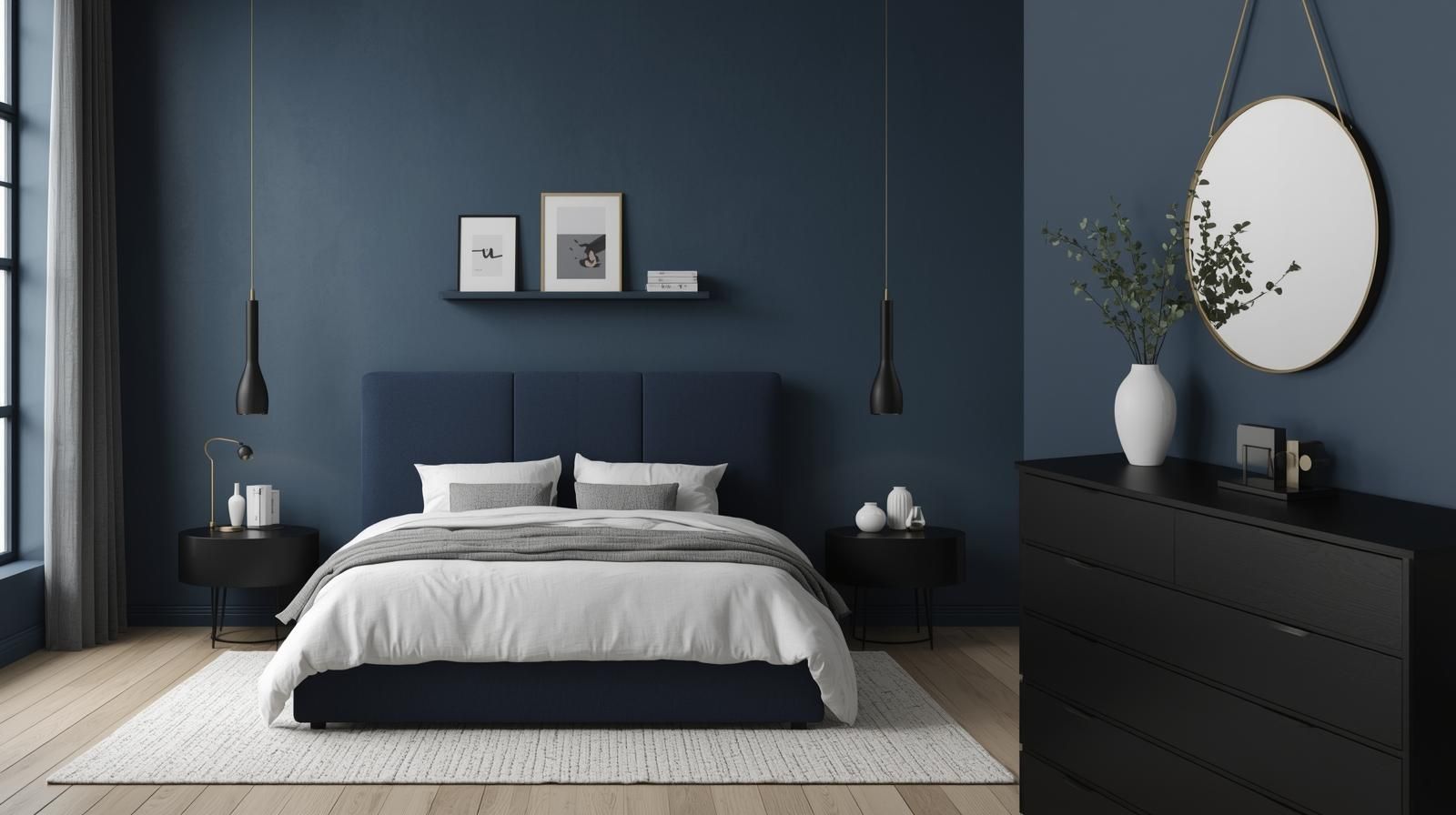
Double Bed Storage for Minimalists: 10 Space-Saving Solutions That Embrace Less in 2025
Did you know that the average person spends one-third of their life in their bedroom, yet 78% of people feel overwhelmed by bedroom clutter? As Marie Kondo once said, “The space in which we live should be for the person we are becoming now, not for the person we were in the past.”
For minimalists, the bedroom represents more than just a place to sleep – it’s a sanctuary of simplicity and intentional living. But here’s the challenge: even minimalists need storage! The key lies in finding double bed storage solutions that serve multiple purposes while maintaining that clean, uncluttered aesthetic we all crave.
I’ve spent years perfecting the art of minimalist bedroom design, and today I’m sharing the most effective storage strategies that’ll transform your space without compromising your values. Ready to embrace minimalist living? Explore our curated collection of double bed storage solutions that perfectly balance functionality with clean aesthetics.
What Makes Storage Solutions Truly Minimalist-Friendly?
I spent years thinking I understood minimalism – turns out I was just hiding clutter behind closed doors and calling it “organised.” The real awakening came when I walked into my mate’s flat and couldn’t spot a single storage solution, yet somehow he had everything he needed perfectly accessible.
That’s when I realised I’d been approaching minimalist storage all wrong.
The “One Purpose” Rule That Changed My Game
True minimalist storage follows what I call the “one purpose” principle – every storage solution should serve its function without screaming for attention. I learned this the hard way after buying a gorgeous vintage trunk that became the focal point of my bedroom instead of blending into the background.
The trunk was beautiful, sure, but it violated the cardinal rule of minimalist design: storage should enhance your space’s functionality without dominating the visual landscape. Now I choose pieces that disappear into the room’s aesthetic rather than competing with it.
Hidden vs Visible Storage: There’s Actually a Science to It
Here’s where I got it completely backwards initially. I thought minimalism meant hiding absolutely everything, so I went mad buying storage ottomans and boxes with lids. My flat looked clean but felt sterile and unwelcoming.
The trick is understanding when to hide and when to display. Items you use daily – like books you’re actually reading or your skincare routine – can be visible if they’re arranged thoughtfully. But seasonal clothes, spare electronics, and random bits? Those need to disappear completely.
I’ve found that 80% hidden, 20% visible works brilliantly for most spaces. The visible stuff adds personality whilst the hidden storage prevents visual overwhelm.
Quality Over Quantity Changed Everything
This was probably my most expensive lesson, but buying cheap storage furniture nearly bankrupted me in the long run. I went through three different bedside tables in two years because I kept choosing based on price rather than build quality.
My current bedside table cost £180, which felt extortionate at the time. But it’s solid oak, has lasted four years without a scratch, and the drawer slides perfectly every single time. Compare that to the £30 MDF one that started falling apart after six months, and suddenly the maths makes sense.
Multi-functional pieces are absolute gold for minimalist spaces. That expensive bedside table? It’s also a charging station with built-in USB ports and cord management. My storage ottoman serves as extra seating, a coffee table, and houses all my workout gear.
The Visual Weight Game-Changer
The biggest revelation was understanding visual weight versus actual storage capacity. A bulky chest of drawers might hold loads, but it makes your room feel cramped. Meanwhile, a sleek under-bed storage system can hold just as much whilst maintaining that airy, spacious feeling.
I started choosing furniture with legs rather than pieces that sit directly on the floor. This creates visual flow and makes rooms feel larger, even when you’ve got substantial storage happening underneath.
Floating shelves became my best friend – they provide storage and display space without the visual bulk of traditional bookcases. Just make sure they’re properly mounted; I learned that lesson when mine came crashing down at 3 am! Experience the “one purpose” principle in action with the Lizzy Ottoman Upholstered Bed Frame – where elegant design meets hidden storage perfection.
Under-Bed Storage Solutions That Disappear From Sight
I used to think under-bed storage was just about shoving random boxes underneath and forgetting about them until moving day. What a nightmare that turned out to be when I actually needed something!
The whole game changed when I realised that proper under-bed storage should be completely invisible yet totally accessible. No more wrestling with boxes or crawling around on my hands and knees like some sort of bedroom archaeologist.
Rolling Boxes That Actually Roll (Unlike My First Attempt)
My first rolling storage boxes were an absolute disaster – the wheels were so rubbish they barely moved across the carpet. I ended up dragging them out, which scratched my wooden floors and made enough noise to wake the entire building.
The second time round, I invested in proper under-bed storage boxes with ball-bearing wheels. Game changer! These things glide out effortlessly, even when they’re packed full of winter clothes. I found some brilliant, clear ones from a Swedish furniture shop that are exactly 16cm high – perfect for most standard bed frames.
The key is getting the measurements spot on. Most beds have about 18-20cm of clearance, so anything over 17cm starts looking obvious from the side. I learned this when my first set stuck out like a sore thumb because they were too tall.
Vacuum-sealed bags inside these boxes are pure genius for bulky items. I can fit my entire winter wardrobe into two boxes now, whereas it used to take up half my wardrobe space. Just don’t vacuum-seal anything delicate – I ruined a silk shirt that way!
Platform Beds with Built-In Drawers: Worth Every Penny
After two years of wrestling with individual storage boxes, I finally bit the bullet and bought a platform bed with integrated storage drawers. Best £450 I’ve ever spent, honestly.
The difference is night and day. These drawers slide out on proper runners, completely silent, and you can access everything without moving the bed or crawling about. I’ve got four large drawers that hold everything from spare bedding to out-of-season clothes and even some books I’m not quite ready to donate.
The brilliant thing is that guests have absolutely no idea there’s storage there unless you show them. The bed frame looks completely normal from all angles, maintaining that clean minimalist aesthetic whilst hiding a ridiculous amount of stuff.
Sliding Trays for the Win
Before I upgraded to the platform bed, I discovered sliding storage trays that attach to your existing bed frame. These were a revelation for someone renting who couldn’t replace furniture easily.
They mount underneath using brackets and slide out like massive drawers. I could fit shoes, gym gear, and random electronics without any visible storage from the outside. The installation was surprisingly straightforward – just needed a drill and about 30 minutes.
Seasonal Rotation Strategy That Actually Works
Here’s something nobody talks about: seasonal storage rotation. I used to just shove everything under there and hope for the best, but now I’ve got a proper system.
Summer clothes go in vacuum bags at the back during winter, and winter gear gets the same treatment come spring. I keep a simple list on my phone of what’s stored where – it saves me from unpacking everything just to find one jumper.
The trick is doing the rotation twice a year religiously, not when you suddenly need something that’s buried under three other boxes! Skip the rolling boxes hassle – discover the Sophia Ottoman Bed Frame with effortless hydraulic storage that’s completely invisible yet totally accessible.
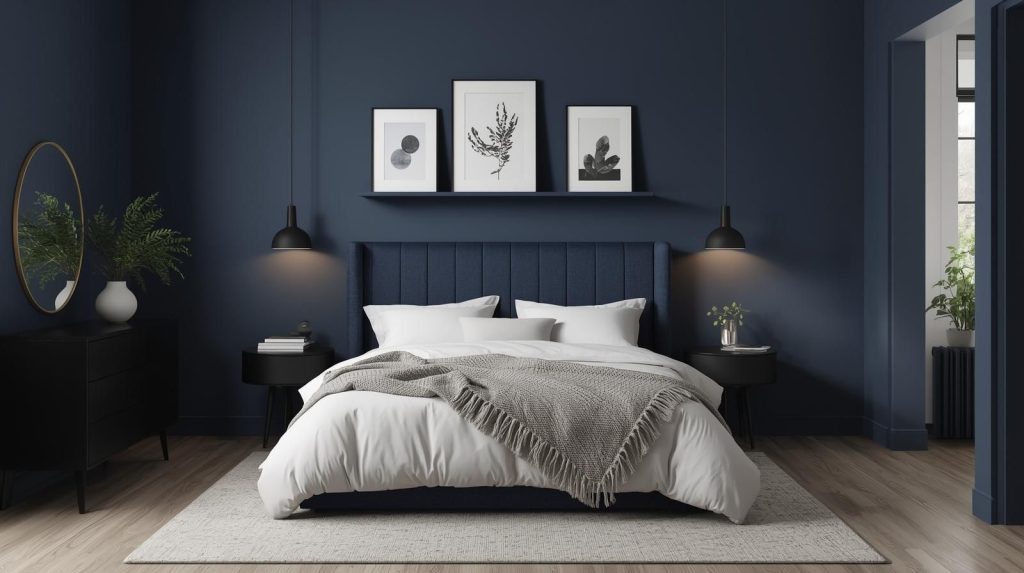
Headboard Storage That Doubles as Design
My old headboard was basically a glorified cushion attached to the wall – it looked nice, but did absolutely nothing useful. I didn’t realise how much wasted potential was happening behind my head until I started running out of bedside table space for all my nighttime essentials.
That’s when I discovered headboard storage could be both functional and gorgeous, not just some utilitarian afterthought.
Floating Shelves with Secret Compartments
The first thing I tried was installing floating shelves above my bed, but the regular ones looked too obvious and cluttered. Then I found these brilliant shelves with hidden compartments – they look like simple wooden planks from below, but lift up to reveal storage space inside.
I keep my sleep essentials hidden away: spare phone chargers, earplugs, hand cream, and those random bits you need at bedtime but don’t want cluttering your nightstand. The best part? Guests assume they’re just decorative shelves until I show them the secret storage.
Installation was trickier than expected, though. You need to hit the wall studs properly because these shelves get heavy when loaded. I made the mistake of using just wall plugs initially and woke up to a shelf on my pillow – not exactly the gentle wake-up call I was hoping for!
Built-In Nightstand Magic
After dealing with wobbly bedside tables for years, I decided to create built-in nightstand storage directly into my headboard design. This involved mounting small floating boxes at the perfect height for bedside access.
Each “nightstand” is basically a wall-mounted cube with an open front and hidden storage behind. I can charge my phone, keep a water bottle accessible, and store books without any furniture taking up floor space. It makes the room feel so much bigger whilst providing everything I actually need.
The trick is getting the height exactly right – about 5cm above your mattress level works perfectly. Too high and you’re reaching awkwardly; too low and it becomes pointless.
Wall-Mounted Cubes That Don’t Look Like Storage
I went through several iterations before finding storage cubes that actually enhanced the room’s aesthetic rather than screaming “STORAGE!” at everyone who walked in.
The ones that work best are simple wooden cubes in the same finish as your bed frame. I’ve got three mounted in an asymmetrical pattern – looks like modern art but holds loads of stuff. Books, small electronics, skincare products, and even some decorative bits that change seasonally.
The key is not filling them. About 60% capacity looks intentional and stylish, whereas 100% capacity just looks messy and overwhelming.
Headboard Bookcase Heaven
This was probably my favourite discovery – creating a shallow bookcase that doubles as a headboard. Mine’s only 15cm deep, so it doesn’t stick out much from the wall, but it provides brilliant storage for current reading material.
I keep my “active reading” collection here – usually 5-6 books that I’m actually working through, plus a few reference books for easy access. No point storing books you’re never going to read again; those get donated or moved to proper bookshelves elsewhere.
Cable Management Game-Changer
The most practical addition was incorporating proper cable management into the headboard design. I installed a small shelf with integrated cable routing – basically a hidden channel that keeps charging cables tidy and accessible.
No more cables dangling behind the bed or crawling under covers to find your phone charger. Everything routes neatly through the headboard storage system and emerges exactly where you need it on your nightstand area.
The whole setup cost about £200 in materials and took a weekend to install, but it’s transformed both the functionality and appearance of my bedroom completely. Complement your headboard storage with the Evie Ottoman Bed Frame – where every inch serves a purpose without compromising your minimalist aesthetic.
Choosing the Right Storage Bed Frame for Minimalists
I’ve owned five different storage beds over the past eight years, and let me tell you – the wrong choice can absolutely ruin your bedroom’s vibe, whilst the right one becomes the hero piece that transforms everything.
My first attempt was a complete disaster that taught me exactly what not to do.
Platform Beds: My Current Love Affair
After years of messing about with different options, I’ve landed on platform beds with integrated storage compartments as the ultimate minimalist solution. Mine has four large drawers that slide out on whisper-quiet runners, and honestly, guests never even realise there’s storage there until I show them.
The beauty of platform beds is that they sit low to the ground, which makes your ceiling feel higher and the room more spacious. Plus, the clean lines work perfectly with minimalist aesthetics – no fussy details or unnecessary embellishments.
I made one crucial mistake initially, though. My first platform bed had drawers that opened from the foot end, which seemed logical until I realised I’d have to move half my furniture every time I wanted to access anything. Side-opening drawers are absolutely essential unless you’ve got loads of space around your bed.
Ottoman Beds: Maximum Storage, But There’s a Catch
Ottoman storage beds offer insane amounts of storage space – literally, the entire area under your mattress becomes accessible. I tried one for about six months, and the storage capacity was brilliant for bulky items like duvets and winter coats.
But here’s what nobody tells you: accessing anything becomes a proper workout. You’re lifting your entire mattress every time you need something, which gets old fast when you just want to grab a spare pillow. Plus, if you’re sharing the bed, good luck accessing storage whilst your partner’s still sleeping!
They work brilliantly if you’re storing things you only need occasionally, but for regular access? Not so much.
Hydraulic Lift vs Drawer Systems: The Real Difference
Hydraulic lift beds use gas struts to help you lift the mattress platform – similar to ottoman beds, but much easier to operate. I tested one at a friend’s place and was impressed by how effortless the lifting mechanism felt.
However, drawer systems win hands down for practicality. You can access specific sections without disturbing anything else, and there’s something satisfying about smooth-sliding drawers that hydraulic systems just can’t match.
The hydraulic systems also tend to be more expensive and can fail over time. My mate’s gas struts started losing pressure after two years, making the bed increasingly difficult to open.
Material Choices That Actually Matter
Wood looks gorgeous and feels substantial, but quality varies massively. I learned this lesson when my cheap pine bed frame started sagging after 18 months. Solid oak or beech costs more upfront but lasts decades.
Metal frames can look fantastic in industrial or modern spaces, but they’re often noisier and can feel cold. Upholstered options add warmth but show wear more easily – my fabric headboard looked shabby after just a year.
For minimalists, I’d recommend solid wood in natural finishes. It ages beautifully and fits virtually any decor style you might evolve towards.
Size and Proportion Guidelines
This is where most people mess up completely. Your storage bed shouldn’t dominate the room or make navigation difficult. I use the “two-thirds rule” – your bed should take up no more than two-thirds of your bedroom’s length or width.
In smaller rooms, consider the visual weight too. A chunky storage bed can make a small space feel cramped, even if it technically fits. Ready to upgrade from storage boxes? The Lunar Ottoman Bed Frame offers the platform bed benefits I mentioned – clean lines with maximum hidden storage.
Organisation Systems That Support Minimalist Living
I’ll be brutally honest – my first attempt at minimalist living was basically just moving clutter around and calling it “organised.” It took three failed bedroom reorganisations before I realised that minimalism isn’t about clever storage tricks; it’s about having proper systems that prevent accumulation in the first place.
The breakthrough came when I stopped focusing on where to put things and started questioning whether I actually needed them at all.
The One-In-One-Out Rule That Actually Works
This rule sounds simple enough: for every new item that enters your bedroom, one existing item must leave. But implementing it properly took me months to get right because I kept cheating the system.
My biggest mistake was being too loose with the definition of “one item.” I’d buy a new jumper and get rid of an old sock, thinking I was following the rule. Absolute nonsense, obviously.
The system only works when you’re honest about categories. New clothing means old clothing goes out. A new book means an existing book gets donated. I keep a small basket by my bedroom door specifically for items that need to leave – it’s a visual reminder that prevents things from building up again.
Capsule Wardrobe Storage: Less Really Is More
Building a capsule wardrobe was probably the most liberating thing I’ve ever done for my bedroom storage. I went from a bursting wardrobe to 37 carefully chosen pieces that all work together.
The key is choosing a colour palette that actually makes sense. My first attempt involved keeping favourite pieces in completely different colours, which meant I still needed loads of accessories and shoes to make outfits work. Total disaster.
Now I stick to navy, white, grey, and one accent colour per season. Everything mixes and matches, which means I need fewer pieces overall, whilst having more outfit options. It’s proper mental when you think about it.
The storage becomes dead simple, too. Everything fits in one wardrobe section with room to spare, and I can see everything at a glance. No more digging through piles or forgetting what I own.
Essential vs Non-Essential: The Three-Month Test
I used to agonise over what counted as “essential,” so I developed a simple test that’s never failed me. If I haven’t used something in three months, and can’t think of a specific occasion when I’ll need it in the next three months, it’s non-essential.
This rule helped me finally get rid of those “just in case” items that were cluttering up my bedroom storage. That fancy dress I wore once to a wedding three years ago? Gone. The exercise equipment I swore I’d use but hadn’t touched in six months? Donated.
The brilliant thing is, I’ve never once regretted getting rid of something using this system. Not once.
Seasonal Storage Rotation That’s Actually Sustainable
Seasonal rotation used to be this massive twice-yearly project that I’d put off until I desperately needed something. Now it’s a simple monthly check that takes about 15 minutes.
I keep current season clothes easily accessible, next season’s clothes in under-bed storage, and off-season items in vacuum bags at the back. The monthly review means I’m gradually shifting things as the weather changes rather than doing a massive swap.
Digital Solutions That Replace Physical Storage
This was a game-changer I discovered by accident. So many things I was storing physically can be replaced with digital alternatives. Receipts, warranties, instruction manuals – they all live on my phone now instead of cluttering drawers.
I even photograph sentimental items before donating them. Sounds daft, but it lets me keep the memory without the physical storage burden. Put your capsule wardrobe system to work with the Isla Upholstered Ottoman Bed Frame – spacious storage that supports your one-in-one-out lifestyle.
Maintenance and Long-Term Success Strategies
The hardest lesson I learned about minimalist storage wasn’t setting it up – it was keeping it that way. I’d spend weekends creating these perfect, organised systems, only to find them completely chaotic again within a month.
Turns out, minimalism isn’t a destination you reach; it’s a daily practice that requires proper maintenance systems, not just good intentions.
Weekly Decluttering: The 15-Minute Game Changer
I used to think weekly decluttering meant doing a massive bedroom overhaul every Sunday. What a recipe for burnout that was! Now I do 15 minutes every Wednesday evening whilst listening to a podcast.
The key is focusing on one specific area each week rather than trying to tackle everything. This week it’s the bedside table, next week it’s under-bed storage, the following week it’s the wardrobe. Small and consistent beats massive and overwhelming every single time.
I keep a donation bag permanently in my wardrobe for items that no longer serve me. When it’s full, it goes straight to the charity shop – no second-guessing or “maybe I’ll need this someday” nonsense.
Fighting Storage Creep Like Your Sanity Depends on It
Storage creep is evil – it happens so gradually you don’t notice until suddenly your beautifully organised drawers are stuffed again. I learned to spot the warning signs early: when I start putting things on top of storage rather than inside it, or when I’m struggling to close drawers properly.
The biggest culprit for me was keeping packaging “just in case.” Box from that new lamp? Into storage it went. Phone box for warranty purposes? Stored indefinitely. Before I knew it, I had more packaging than actual belongings.
Now I have a strict “no packaging storage” rule unless it’s something genuinely valuable that might need returning. Everything else gets recycled immediately.
Annual Storage System Reviews Actually Work
Every January, I do a proper review of my storage systems to see what’s working and what isn’t. This isn’t about decluttering – it’s about evaluating whether my organisational methods still suit my lifestyle.
Last year’s review revealed that my under-bed seasonal storage wasn’t working because I’d started working from home more and needed different clothes accessible. I swapped the system completely, moving workout gear to easy access and formal wear to deep storage.
Don’t be afraid to completely change systems that aren’t serving you anymore. I wasted months trying to force a drawer organiser system that looked perfect but didn’t match how I actually used my clothes.
Getting Family Members On Board
This was probably my biggest challenge because you can’t force minimalism on other people. My partner thought I’d gone mental when I started suggesting we didn’t need three spare duvets “just in case.”
The trick is leading by example and showing the benefits rather than preaching. When our bedroom started feeling more peaceful and getting ready became quicker, they naturally started adopting similar habits.
We now have a monthly “bedroom review” where we both assess what’s working and what needs adjusting. It’s become quite therapeutic actually!
Troubleshooting Common Storage Disasters
The most common problem I see is people buying more storage solutions instead of addressing why their current ones aren’t working. If your drawers are overflowing, you probably don’t need bigger drawers – you need fewer things.
When storage systems fail, it’s usually because they’re too complicated or don’t match your natural habits. Keep it simple, and work with your tendencies rather than against them. Invest in lasting quality with the Saros Ottoman Bed Frame – built to support your long-term minimalist journey with durable construction and timeless design.
Conclusion
Creating effective double bed storage for minimalists isn’t about finding more places to stuff your belongings – it’s about being intentional with what you keep and how you store it. The solutions we’ve explored today prove that you can have both functionality and beauty without sacrificing your minimalist principles.
Remember, the goal isn’t perfection; it’s progress toward a more intentional way of living. Start with one storage solution that resonates with you, implement it thoughtfully, and build from there. Your future self will thank you for creating a bedroom that truly serves your needs while honouring your commitment to simplicity.
Ready to transform your bedroom into a minimalist haven? Choose one storage solution from this guide and implement it this week – your journey toward a more organised, peaceful space starts now! Start your minimalist transformation today – browse our complete ottoman bed collection and find the perfect storage solution that honours your commitment to simplicity.
Frequently Asked Questions: Double Bed Storage for Minimalists
1. What makes a double bed storage solution truly minimalist-friendly?
Minimalist double bed storage solutions prioritise functionality without visual clutter, following the “one purpose” design principle. These storage beds feature clean lines, hidden compartments, and multi-functional elements that enhance your bedroom’s aesthetic rather than dominating it.
Key characteristics of minimalist storage beds include:
- Hidden storage compartments that remain completely invisible
- Clean, simple lines without unnecessary decorative elements
- Multi-functional design serving as both a sleeping surface and storage
- Quality construction using sustainable materials like solid wood
- Proportional sizing that doesn’t overwhelm your bedroom space
The best minimalist storage solutions blend seamlessly into your bedroom decor whilst providing substantial storage capacity for seasonal clothing, bedding, and essential items.
2. How much storage space do double ottoman beds actually provide?
Double ottoman beds typically provide 150-300 litres of hidden storage space, equivalent to storing an entire seasonal wardrobe plus spare bedding. This storage capacity depends on the bed frame height and internal design configuration.
Most double ottoman storage beds accommodate:
- 2-3 complete seasonal wardrobes when using vacuum storage bags
- 4-6 spare duvets and pillows for guest bedding rotation
- Multiple storage boxes for shoes, accessories, and small items
- Exercise equipment like yoga mats and resistance bands
- Electronics and cables in organised compartments
The hydraulic lift mechanism provides access to the entire under-mattress area, making it significantly more spacious than traditional drawer storage systems for bedroom organisation.
3. What’s the difference between Ottoman beds and platform beds with drawers for minimalist storage?
Ottoman beds offer complete under-mattress storage access, whilst platform beds with drawers provide compartmentalised storage sections. Ottoman storage beds suit minimalists seeking maximum capacity, whereas drawer systems offer easier daily access.
Ottoman bed advantages:
- Maximum storage volume using the entire under-bed space
- Cleaner visual lines with no visible drawer pulls
- Better for bulky items like winter coats and duvets
- Hydraulic assistance makes lifting effortless
Platform drawer bed benefits:
- Organised compartments for different item categories
- Easier daily access without lifting the mattress
- Individual sections allow partial access
- Silent operation with quality sliding mechanisms
Choose ottoman beds for seasonal storage rotation and platform drawers for frequently accessed bedroom essentials.
4. How do you maintain minimalist storage systems long-term without accumulation?
Maintaining minimalist storage systems requires implementing the “one-in-one-out” rule and conducting weekly 15-minute decluttering sessions. Successful long-term minimalism depends on prevention systems rather than periodic massive reorganisations.
Essential maintenance strategies:
- Weekly decluttering, focusing on one storage area per session
- Monthly rotation checks, adjusting seasonal clothing accessibility
- Annual system reviews evaluating storage method effectiveness
- The donation bag system keeps a permanent removal bag in the wardrobe
- Digital alternatives are replacing physical storage with smartphone apps
The key is creating sustainable habits that prevent storage creep whilst maintaining your bedroom’s peaceful, organised aesthetic through consistent small actions.
5. What size storage bed works best for small bedrooms and studio apartments?
Double storage beds are optimal for small bedrooms, providing substantial storage whilst maintaining comfortable sleeping space and room navigation. King-size storage beds often overwhelm compact spaces, whilst single beds offer insufficient storage capacity.
Size considerations for small spaces:
- Double beds balance storage capacity with floor space efficiency
- Platform height should be 35-40cm for optimal storage without bulk
- Room proportion following the two-thirds rule for bedroom layout
- Visual weight choosing beds with legs rather than floor-sitting frames
- Access clearance ensuring 60cm minimum around the bed perimeter
Double ottoman beds work brilliantly in studio apartments, guest bedrooms, and rental properties where maximising storage without permanent fixtures is essential for minimalist living.