
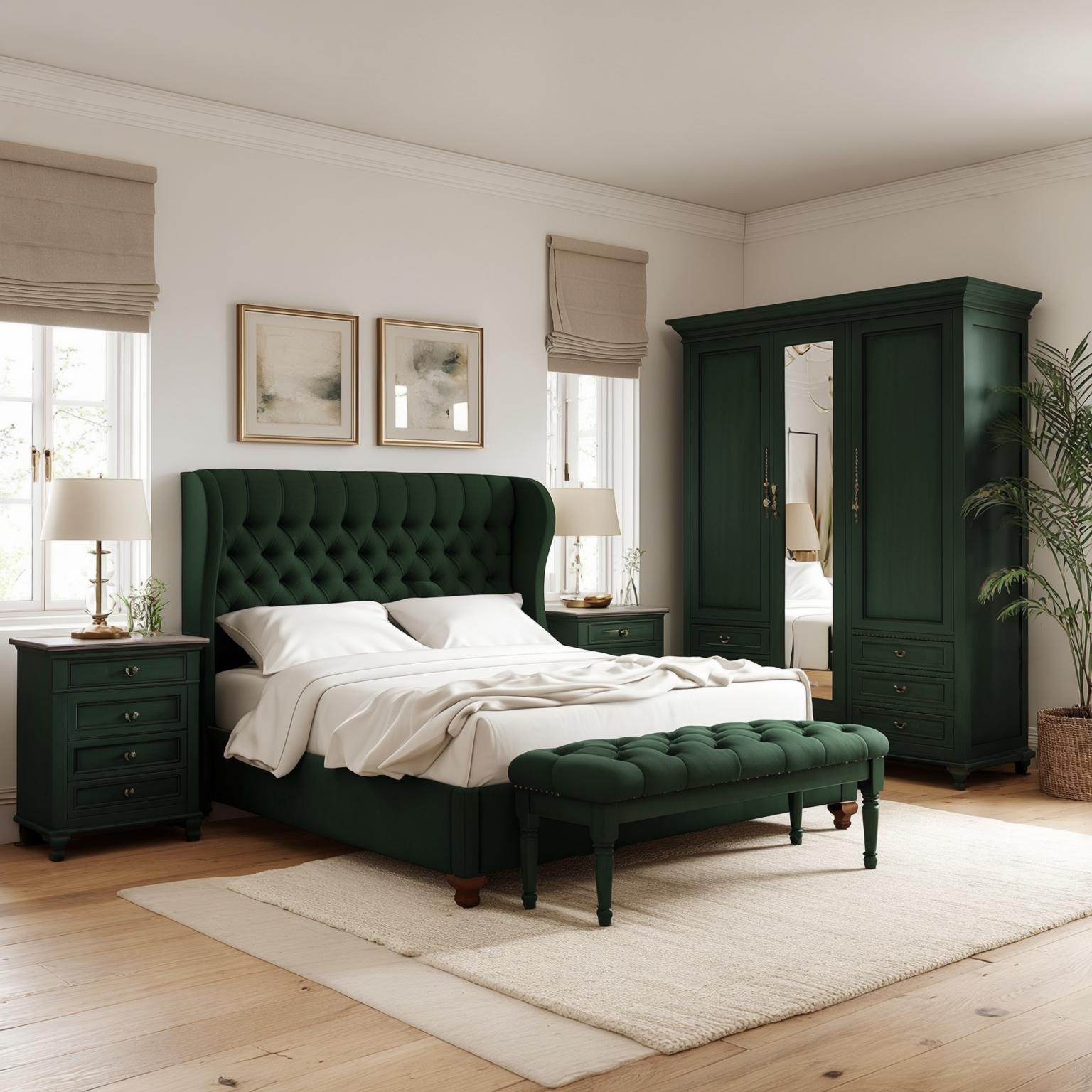
Queen Size Bed With Built-in Storage: 2025’s Ultimate Space-Saving Sleep Solutions
Did you know that the average bedroom wastes over 30% of its potential storage space? If you’re tired of cluttered bedrooms and overflowing closets, a queen-size bed with built-in storage might be your game-changer! These ingenious sleep solutions combine comfort with clever organisation, transforming the dead space under your mattress into valuable storage space. Whether you’re living in a cosy apartment, downsizing your home, or want to maximise every square foot, storage beds offer the perfect blend of functionality and style. Let’s dive into everything you need to know about choosing the perfect storage bed for your space. Ready to transform your cluttered bedroom into an organised sanctuary? Explore our complete collection of Ottoman Storage Beds and discover how much space you can reclaim with smart storage solutions!
Types of Queen Size Storage Beds Available in 2025
• Platform Beds with Built-in Drawers
These are your bread-and-butter storage solutions, and I’ve owned three different ones now. The first was a complete disaster – cheap MDF construction with drawers that stuck constantly. You want solid wood or high-quality engineered wood with proper ball-bearing slides.
The sweet spot seems to be four-drawer configurations with two deep drawers on each side. I can fit my entire winter wardrobe in mine, plus spare bedding and random bits you accumulate. Just avoid anything under £300 – learned that lesson the hard way when my drawers literally fell apart after six months.
• Ottoman Storage Beds with Hydraulic Lift Mechanisms
These are like having a secret vault under your mattress! I was properly sceptical until I tried one at my mate’s place. The hydraulic pistons make lifting a queen mattress feel effortless – even my mum could do it with one hand.
The storage space is massive – we’re talking suitcase-sized items, Christmas decorations, or anything you don’t need daily access to. Just make sure you get gas struts rated for at least 1000 cycles. Cheaper ones start getting wobbly after a year, and nobody wants their mattress crashing down unexpectedly.
• Captain’s Beds with Side and Foot Storage
Named after ship cabins, these give you loads of compartments without the faff of lifting your entire mattress. I love the side storage for books, chargers, and bedtime essentials – everything’s within arm’s reach.
Some newer models have built-in USB ports and LED lighting in the side panels. The foot storage is brilliant for shoes or seasonal items. Just don’t overload the compartments like I did – the hinges on cheaper models aren’t built for heavy use.
• Bookcase Headboard Beds with Integrated Shelving
These solve two problems at once – storage plus display space for your favourite reads. I made the rookie mistake of loading mine with heavy hardbacks, and the whole thing started sagging within months.
Stick to lighter items on the upper shelves and save the lower ones for weightier stuff. The newer models with built-in LED strip lighting create lovely ambient lighting for evening reading. Just remember to dust regularly – books are proper dust magnets!
• Under-bed Storage Boxes and Modular Systems
Perfect for renters who can’t modify their existing bed frame. These roll-out drawers on wheels slide under most standard beds, and the modular design means you can start small and expand as needed.
Measure your bed height first – I learned this the hard way when half my storage boxes wouldn’t fit under my low platform bed. The wheeled versions are game-changers for easy access, especially if you’re storing heavier items like winter coats.
• Hybrid Designs Combining Multiple Storage Solutions
Manufacturers are getting proper creative in 2025, combining ottoman storage with side drawers, or platform beds with bookcase headboards and charging stations. Some work brilliantly, others feel over-engineered.
I’ve seen beds with built-in wardrobes, fold-out desks, and even mini-fridges – though that last one seems a bit much! The key is finding combinations that actually match your lifestyle, not just buying the fanciest option available. Ready to find your perfect storage solution? Browse our complete collection of innovative queen-size beds with built-in storage options.
Benefits of Choosing Storage Beds Over Traditional Frames
• Maximising Small Bedroom Spaces and Studio Apartments
Living in a 400-square-foot studio taught me that every inch counts, and traditional bed frames are basically just wasted space on legs. When I finally ditched my old metal frame for a platform storage bed, it was like gaining an entire wardrobe’s worth of space overnight.
The difference is mental – where I used to have this dead zone under my bed collecting dust bunnies and lost socks, I now store everything from seasonal clothes to spare bedding. In studio apartments, especially, storage beds can replace entire pieces of furniture. My mate Sarah managed to ditch her chest of drawers completely after getting an ottoman bed.
• Eliminating the Need for Additional Furniture Pieces
This is where storage beds properly shine financially and spatially. Before my storage bed, I had a separate chest of drawers, under-bed storage boxes, and still clothes everywhere. Now? One piece of furniture does it all.
I calculated that my storage bed replaced about £800 worth of separate furniture – two bedside tables with drawers, a chest of drawers, and various storage containers. Plus, I gained back nearly 20 square feet of floor space that was previously occupied by all that extra furniture. It’s like having a bigger room without moving house!
• Reducing Bedroom Clutter and Improving Organisation
The psychological impact of this surprised me most. When everything has a designated spot built into your bed, you naturally become more organised. No more clothes draped over chairs or random items scattered about.
I’ve got specific drawers for different things now – one for workout gear, another for seasonal clothes, and the deep ones for bulky items like winter coats. It’s forced me to be more mindful about what I keep and where it goes. My bedroom actually feels calm now instead of like a jumble sale exploded.
• Cost-effectiveness Compared to Separate Storage Solutions
Here’s where the maths gets interesting. A decent storage bed might cost £600-£1200, but try buying equivalent storage furniture separately. A quality chest of drawers alone runs £300-£500, bedside tables with storage are £150-£300 each, and don’t get me started on wardrobe prices.
I worked out that separate storage furniture would’ve cost me nearly double what I paid for my storage bed. Plus, you avoid the hassle of trying to match different pieces or dealing with multiple assembly jobs. One purchase, one delivery, one assembly session – job done.
• Enhanced Room Aesthetics with Streamlined Design
Storage beds create this lovely, clean, minimalist look that’s impossible to achieve with multiple furniture pieces. Everything flows together as one cohesive unit instead of looking like you’ve cobbled together random bits from different shops.
The streamlined design makes rooms feel larger and more sophisticated. I’ve had guests comment on how spacious and organised my bedroom looks now, when previously it felt cramped and chaotic. It’s amazing how removing visual clutter can completely transform a space’s atmosphere.
• Increased Property Value Through Smart Space Utilisation
Estate agents love storage solutions, especially in smaller properties. When I had my flat valued recently, the surveyor specifically mentioned the storage bed as a selling point. Smart storage is seen as a premium feature that adds genuine value.
In rental properties, storage beds can justify higher rents because they solve real problems for tenants. Landlords are catching on to this – several rental listings I’ve seen recently specifically mention built-in storage as a key feature. It’s not just furniture anymore; it’s a property enhancement that pays dividends. Ready to maximise your space and minimise clutter? Start your bedroom transformation with our storage solutions today!
Essential Features to Consider When Shopping
• Weight Capacity and Mattress Compatibility Requirements
This is where I properly messed up with my first storage bed. I assumed all queen beds could handle any queen mattress – wrong! My lovely new memory foam mattress was too heavy for the cheap bed frame, and the whole thing started sagging within weeks.
Most decent storage beds handle 500-700 pounds total weight (that’s mattress plus two people), but always check the specs. Memory foam and latex mattresses are heavier than traditional spring ones – my memory foam weighs nearly 80 pounds alone. Also, some storage beds need specific mattress heights to work properly with hydraulic mechanisms. I learned this when my thick mattress made the ottoman lift feel sluggish and awkward.
• Drawer Mechanisms and Soft-Close Hardware Quality
The difference between cheap and quality drawer slides is like night and day. My first storage bed had these horrible plastic runners that stuck constantly and made awful scraping noises every time I opened them. Proper nightmare at 6 am when you’re trying not to wake your partner!
Look for ball-bearing slides or soft-close mechanisms – they’re worth every penny. The good ones glide silently and won’t slam shut if you let go too quickly. I’ve had my current bed for three years now, and the drawers still operate like they’re brand new. Cheap slides start wobbling and sticking after about six months of regular use.
• Material Durability: Solid Wood vs. Engineered Options
This is where you really get what you pay for. My first bed was MDF with a wood veneer – looked lovely in the shop but started chipping and warping within a year. The drawer fronts literally started peeling off!
Solid wood costs more upfront but lasts decades if you treat it right. Pine and oak are popular choices, though pine can dent easily. Engineered wood isn’t necessarily bad – high-quality plywood or particle board with proper laminate can be brilliant. Just avoid anything that feels flimsy or has that cheap, plasticky smell when you open the packaging.
• Assembly Complexity and Required Tools
Some storage beds are proper nightmares to put together. I once spent an entire weekend assembling one that came with instructions that looked like they’d been translated by a confused robot. The hardware bag had about 50 different screws, and half the holes didn’t line up properly.
Check reviews specifically for assembly experiences before buying. The best manufacturers include all necessary tools and have clear, step-by-step instructions with actual photos (not just confusing diagrams). Some even offer assembly videos online. If you’re not handy with tools, factor in professional assembly costs – usually £100-£200, but worth it for complex designs.
• Warranty Coverage and Manufacturer Reputation
I cannot stress this enough – buy from reputable manufacturers with proper warranty coverage. My second storage bed developed a broken hydraulic mechanism after 18 months, and the company had disappeared completely. No customer service, no replacement parts, nothing.
Look for at least 5-year warranties on the frame and 2-3 years on moving parts like hydraulics and drawer slides. Established furniture brands usually honour their warranties and have replacement parts available. Check online reviews and forums – if people are complaining about poor customer service or warranty issues, run the other way.
• Style Compatibility with Existing Bedroom Decor
This seems obvious, but I’ve seen so many people (including myself) get caught up in the storage features and forget about how the bed actually looks in their room. My first storage bed was this massive, chunky thing that completely overwhelmed my small bedroom.
Consider your room’s proportions and existing furniture style. A sleek, modern platform bed might clash with traditional wooden furniture, whilst an ornate captain’s bed could look out of place in a minimalist room. Also, think about colour coordination – it’s much easier to match bedding than to replace other furniture. Take photos of your room and compare them with product images before deciding. Make an informed choice! Use our expert buying guide to find your perfect storage bed match.
Top Storage Solutions and Configurations
• Deep Drawer Systems for Bulky Items and Linens
These are absolute game-changers for anyone who’s ever struggled to fit a duvet into a normal drawer. I’m talking about drawers that are 8-10 inches deep – proper cavernous things that can swallow entire bedding sets without breaking a sweat.
My current bed has two deep drawers on each side, and I can fit four complete sheet sets plus spare pillows in just one drawer. The key is getting drawers with full-extension slides so you can actually reach the back corners. I made the mistake once of buying a bed with half-extension drawers – you’d lose stuff in the back and forget it existed! Also, look for dividers or adjustable compartments within the deep drawers; otherwise, everything just becomes a jumbled mess.
• Compartmentalised Storage for Seasonal Clothing
This is where smart design really shows. Instead of one massive storage space where everything gets mixed up, the best beds have multiple smaller compartments that let you organise properly. I’ve got separate sections for summer clothes, winter gear, and workout stuff.
The clever bit is having different-sized compartments for different items. Small ones for accessories and underwear, medium ones for t-shirts and jumpers, and larger ones for coats and boots. Some beds even have cedar-lined compartments for wool items – brilliant for keeping moths away. Just make sure the compartments are actually accessible and not just tiny decorative spaces that look good but hold nothing useful.
• Easy-Access Hydraulic Lift Systems for Frequent Use
If you’re going to be accessing your storage regularly, hydraulic lifts are the way forward. But here’s the thing – not all hydraulic systems are created equal. The cheap ones require proper effort to lift and start getting stiff after a year.
Look for gas struts with at least 1000-cycle ratings and smooth operation from day one. I’ve got one now that lifts with literally one finger – my 70-year-old mum can operate it easily. The best ones also have safety mechanisms that prevent the mattress from slamming down if you let go suddenly. Trust me, you don’t want a queen mattress crashing down on your fingers whilst you’re rummaging for something!
• Combination Storage with Drawers and Open Shelving
These hybrid designs are brilliant when done right, but awful when manufacturers just throw everything together without thinking. The best combinations I’ve seen pair deep drawers at the foot of the bed with open shelving in the headboard area.
The open shelving is perfect for books, decorative items, or things you need quick access to, whilst the drawers handle the bulk storage. Some designs include a mix of open cubbies and closed compartments in the same unit, which gives you flexibility for both display and hidden storage. Just avoid designs where the open shelving interferes with your pillows or makes the headboard too deep – I’ve banged my head more times than I care to admit!
• Built-in Charging Stations and Nightstand Integration
This is where storage beds are getting properly clever in 2025. Instead of separate bedside tables, some beds have integrated nightstand areas with built-in USB ports, wireless charging pads, and even small drawers for bedtime essentials.
I’ve got one with LED strip lighting under the nightstand area that creates this lovely ambient glow for evening reading. The charging station has both USB-A and USB-C ports, plus a proper three-pin socket for larger devices. The small drawers are perfect for glasses, medications, or whatever random bits you need within arm’s reach. Just make sure the electrical components are properly certified – you don’t want dodgy wiring near where you sleep!
• Customizable Modular Storage Components
These are the future of storage beds, honestly. Instead of being stuck with whatever configuration the manufacturer decided on, modular systems let you adapt the storage to your actual needs. I can add or remove drawer units, change compartment sizes, or even reconfigure the entire layout.
The best modular systems use standardised connections so you can mix and match components from the same manufacturer. Some even let you upgrade individual parts – like swapping basic drawers for soft-close ones later. It’s like having storage that grows with your needs rather than being stuck with one fixed setup forever. Just make sure the modular connections are sturdy – wobbly joints defeat the whole purpose of having organised storage! Ready for the ultimate storage upgrade? Discover our top-rated storage configurations.
Material Options and Durability Considerations
• Solid Wood Construction Benefits and Maintenance
Solid wood is the gold standard, but bloody hell, it comes with a learning curve. My oak storage bed has lasted eight years and still looks brilliant, but I nearly ruined it in the first month by placing a hot mug directly on the surface – left a proper white ring that took ages to sort out.
The benefits are massive, though – solid wood can handle serious weight, doesn’t creak like cheaper alternatives, and actually improves with age if you treat it right. Pine is lovely but dents easily (learned this when I dropped a laptop on mine), whilst oak and maple are virtually indestructible. Just budget for proper wood polish and use coasters religiously. Also, solid wood expands and contracts with humidity, so don’t panic if drawers feel tight in summer – it’s completely normal.
• Engineered Wood and MDF Cost-Effective Alternatives
Here’s where things get tricky – engineered wood can be brilliant or absolute rubbish depending on the quality. My first storage bed was cheap MDF with a thin veneer, and it started chipping within months. The drawer fronts literally peeled off like old wallpaper!
High-quality plywood or particle board with proper laminate, however, can be fantastic. I’ve got a friend with a storage bed made from birch plywood that’s lasted five years without a single issue. The key is thickness – anything under 18mm for the main structure is asking for trouble. Good engineered wood should feel solid and heavy, not hollow or flimsy. And for the love of all that’s holy, avoid anything that smells strongly of chemicals when you unpack it.
• Metal Frame Storage Beds for Modern Aesthetics
Metal frames are having a proper moment, and I can see why. My current guest room has a steel frame storage bed that looks absolutely stunning – all clean lines and industrial chic. The durability is mental too – you could probably drive a car over it and it’d be fine.
The downside? They’re noisy as anything if not properly assembled. Every joint needs to be tight, or you’ll get squeaking and rattling that’ll drive you mad. Also, metal conducts heat, so they can feel cold in winter. Look for powder-coated finishes rather than painted ones – they resist scratches and chips much better. Just be prepared for assembly to take longer, as metal frames usually have more connection points than wood ones.
• Upholstered Storage Beds with Fabric and Leather Options
Upholstered beds are gorgeous but require proper commitment to maintenance. I had a fabric storage bed in my old flat that looked like a hotel suite when new, but after two years of normal use, it looked like it belonged in a student house.
Leather is more forgiving but costs a fortune. The fabric ones need regular hoovering and professional cleaning every year or so. Microfibre is brilliant for families – spills wipe off easily, and it doesn’t show wear as much as natural fabrics. Just avoid light colours unless you’re prepared to baby it constantly. Also, check if the upholstery is removable for washing – some cheaper beds have covers that are permanently attached, which is mental when you think about it.
• Moisture Resistance and Climate Considerations
This is something nobody tells you about until it’s too late. I learned the hard way when my first storage bed developed mould in the drawers after a particularly damp winter. Turns out, enclosed storage spaces can trap moisture, especially in older buildings without proper ventilation.
Look for beds with ventilation holes or gaps that allow air circulation. Some manufacturers now include moisture-resistant treatments or cedar linings that help prevent problems. If you live in a humid climate or a basement flat, consider beds with metal components or treated wood that won’t warp or develop mould. Also, never store damp clothes or towels in storage beds – learned that lesson when I ruined an entire drawer full of winter jumpers!
• Long-term Durability and Replacement Part Availability
This is where buying from established manufacturers really pays off. My mate bought a gorgeous storage bed from some random online company, and when the hydraulic mechanism failed after 18 months, the company had vanished completely. No customer service, no replacement parts, nothing.
Stick with brands that have been around for years and offer proper customer support. Check if replacement parts are available and how much they cost – some companies charge mental prices for basic components like drawer slides or gas struts. The best manufacturers provide detailed parts diagrams and sell components directly to customers. Also, look for modular designs where you can replace individual sections rather than the entire bed if something goes wrong. It’s like buying a car – you want to know you can get it serviced and repaired for years to come. Choose materials that match your lifestyle! Learn about material quality and care.
Installation and Maintenance Best Practices
• Step-by-Step Assembly Guidance and Common Pitfalls
The biggest mistake I made was diving straight in without reading the instructions properly. I know, I know – nobody reads manuals, but storage beds aren’t like normal furniture. There’s a specific order to everything, and getting it wrong means taking half the thing apart later.
Always lay out all the pieces first and check them against the parts list. I once got halfway through assembly before realising I was missing crucial brackets – proper nightmare when you’ve already built the base. The golden rule is: don’t tighten anything fully until the entire frame is together. I learned this when my perfectly aligned drawers suddenly wouldn’t fit because I’d tightened the side panels too early and thrown everything out of square.
• Required Tools and Recommended Installation Time
Most manufacturers say “2-3 hours assembly time,” which is complete rubbish unless you’re some sort of furniture assembly wizard. Budget at least 4-6 hours for a proper storage bed, especially if it’s your first one. I’ve done enough now that I can manage in about 3 hours, but that first one took me an entire weekend!
You’ll need a proper electric drill with various bits, not just a screwdriver. Manual screwing gets exhausting fast when you’re dealing with 50+ screws. A rubber mallet is essential for getting joints to sit properly – I tried using a regular hammer once and dented the wood. Also, get a decent spirit level; wonky storage beds are a nightmare because the drawers won’t slide properly.
• Proper Weight Distribution and Mattress Selection
This is where physics meets furniture, and getting it wrong can be expensive. Storage beds have weight limits that include everything – mattress, bedding, people, and whatever you’re storing. My memory foam mattress weighs 80 pounds alone, which I didn’t factor in initially.
The weight needs to be distributed evenly across the frame. Some storage beds have centre support beams that are crucial for heavier mattresses. I ignored this once and ended up with a sagging bed that made horrible creaking noises every time I moved. Also, check mattress height requirements – some hydraulic systems need specific clearances to work properly. Too thick a mattress and the lift mechanism struggles; too thin and it looks daft.
• Regular Maintenance Schedules for Moving Parts
Nobody tells you that storage beds need regular TLC, but they absolutely do. I learned this when my drawer slides started sticking after about 18 months of neglect. Now I’ve got a proper maintenance routine that takes about 30 minutes every six months.
Clean and lubricate all moving parts regularly – drawer slides, hinges, and hydraulic mechanisms. I use a light machine oil on metal parts and furniture wax on wooden components. Check all screws and bolts every few months because they do work loose with regular use. The hydraulic gas struts need checking annually – they gradually lose pressure and start feeling sluggish. Most can be recharged or replaced individually rather than replacing the whole system.
• Troubleshooting Common Drawer and Lift Issues
Sticky drawers are usually down to dirt buildup or loose mounting screws. I’ve found that most drawer problems can be sorted by cleaning the slides thoroughly and checking the alignment. If drawers are binding, don’t force them – you’ll just make things worse.
Hydraulic lifts getting stiff or not staying up properly usually means the gas struts are losing pressure. This is normal wear and tear, not a fault. You can often adjust the tension or replace individual struts without calling in professionals. Squeaking hinges just need a drop of oil, but persistent noises might indicate loose bolts or worn components. Keep a maintenance log – it helps identify patterns and prevents small issues from becoming big problems.
• Professional Assembly Services vs. DIY Installation
I’m all for DIY, but some storage beds are proper beasts that really benefit from professional assembly. Complex hydraulic systems or beds with integrated electronics are worth paying for professional installation. It usually costs £100-£200 but includes warranty coverage that you might void with DIY assembly.
The decision often comes down to your skill level and available time. If you’re handy with tools and have a full day free, most storage beds are manageable DIY projects. But if you’re not confident or the bed costs over £1000, professional assembly is good insurance. Many retailers offer assembly as part of the delivery service, which is brilliant because they’ll sort out any missing parts or defects on the spot. Just make sure whoever does it is properly insured – you don’t want to be liable if something goes wrong during assembly. Set yourself up for success! Get professional assembly help for perfect installation.
Budget-Friendly vs. Premium Storage Bed Options
• Entry-Level Storage Beds Under £400: Features and Limitations
Right, let’s be honest about budget beds – they’re not all terrible, but you need to know what you’re getting into. My first storage bed cost £280 from a discount furniture warehouse, and whilst it lasted two years, it was a proper learning experience.
The main limitations are the build quality and materials. You’re looking at particle board or thin MDF construction, basic plastic drawer slides that stick after a few months, and assembly that requires the patience of a saint. The storage space is usually there, but accessing it becomes increasingly frustrating as components wear out. I had drawers that required two hands and serious effort to open by the end. However, if you’re renting short-term or just need something temporary, they can do the job. Just don’t expect them to last more than 2-3 years with regular use.
• Mid-Range Options Between £400-£800 Value Propositions
This is the sweet spot where you start getting proper value for money. I’ve had brilliant experiences with beds in this range – they offer decent materials, better hardware, and actually last several years without major issues.
You’re looking at higher-quality engineered wood or even some solid wood options, metal drawer slides instead of plastic ones, and much better assembly instructions. My current mid-range bed has soft-close drawers that still work perfectly after four years. The storage capacity is usually generous, and you start seeing clever design features like divided compartments or better weight distribution. The difference in daily use compared to budget options is massive – everything just works smoothly without the constant frustration of sticking drawers or wobbly frames.
• Premium Storage Beds Over £800 Luxury Features
Premium beds are where manufacturers really show off, and honestly, some of the features are brilliant, whilst others feel like expensive gimmicks. I splashed out on a £1200 storage bed for my main bedroom, and the quality difference is immediately obvious.
You’re getting solid wood construction, premium hardware like ball-bearing slides and gas-assisted lifts, and features like built-in USB charging, LED lighting, and even wireless charging pads. The storage solutions are much more sophisticated – think cedar-lined compartments, adjustable dividers, and hydraulic systems that lift with one finger. The finish quality is restaurant-grade too – my oak bed still looks showroom-fresh after three years. But here’s the thing: some premium features are genuinely useful (like the charging stations), whilst others (like the built-in speakers I never use) feel like marketing nonsense.
• Cost-Per-Storage-Cubic-Foot Analysis and Value Comparison
I’m a bit of a nerd about this stuff, so I actually calculated the storage value of different beds I’ve owned. Budget beds typically offer about £15-20 per cubic foot of storage, mid-range beds around £25-35, and premium options can hit £50+ per cubic foot.
But here’s where it gets interesting – the usable storage often differs from the total storage. My budget bed had loads of space that was impossible to access properly due to poor design and cheap hardware. The premium bed has slightly less total storage but every inch is easily accessible and well-organised. When you factor in durability, the mid-range options often offer the best long-term value. My £600 bed has provided reliable storage for four years, whilst the £280 one needed replacing after two years.
• Financing Options and Seasonal Sales Opportunities
Most furniture retailers offer financing now, but read the small print carefully. I got caught with a “0% interest” deal that had massive fees if you didn’t pay off the full amount by the end date. Proper nightmare when I forgot about the deadline!
The best sales happen during January clearances and late summer when retailers are shifting old stock for new collections. I’ve seen premium beds reduced by 40-50% during these periods. Black Friday deals are often rubbish – just inflated original prices with fake discounts. End-of-line models can be brilliant value if you’re not fussed about having the latest design. Just make sure warranty coverage isn’t affected by buying discounted stock.
• Long-Term Investment Considerations and Resale Value
Storage beds hold their value much better than traditional bed frames, especially premium ones. When I moved house, I sold my three-year-old mid-range storage bed for about 60% of what I paid – try doing that with a basic metal frame!
The key factors for resale value are brand reputation, condition, and whether the design is timeless rather than trendy. Solid wood beds from established manufacturers retain value best. My mate bought a premium storage bed five years ago and could probably sell it for 70% of the original price because it’s a classic design that’s aged well. However, beds with integrated technology (like built-in speakers or complex lighting) don’t age as gracefully – the tech becomes outdated whilst the furniture is still perfectly good. For long-term value, stick with quality construction and timeless design over flashy gadgets. Find your perfect price point! Compare our complete price range of storage beds.
Styling Your Storage Bed for Maximum Impact
• Coordinating with Existing Bedroom Furniture
I learned this lesson the hard way when I paired my nan’s dark wood wardrobe with a bright white Ottoman bed – it looked absolutely dreadful. Your storage bed should either complement or create intentional contrast with existing pieces. If you’ve got traditional wooden furniture, go for storage beds with wooden elements or neutral fabric headboards. The goal is visual flow, not a furniture fight. I eventually fixed mine by adding cream accessories that bridged the gap between the white bed and dark wood.
• Bedding Selection for Storage Bed Designs
Here’s something nobody tells you – regular bedding often looks rubbish on storage beds. Those deep Ottoman bases make thin duvets look lost, and shallow fitted sheets constantly pop off when you’re accessing storage underneath. I went through three sets before getting it right. Choose bedding with proper weight – heavier cotton or quality linen works brilliantly. Layer up with a base sheet, a lightweight blanket, then your duvet. This creates depth and makes the whole setup look intentionally luxurious rather than like a massive empty box.
• Room Layout Optimisation for Storage Placement
Biggest mistake I made? Shoving my storage bed against the wall to “save space”, then realising I couldn’t access half the storage. You need at least 60cm clearance on your main access side, whether that’s drawers or lift-up mechanisms. Think about your daily routine too – if you’re always grabbing clothes from storage, don’t put the access side facing the wall. I’ve found that placing storage beds slightly away from walls actually makes rooms feel bigger, not smaller.
• Lighting Considerations for Storage Access
Nothing’s more frustrating than hunting for your winter jumpers in what’s basically a black hole under your bed. I was using my phone torch like some sort of cave explorer until I got smart about lighting. Battery-powered LED strips inside storage compartments are game-changers – you can get decent ones for about a tenner. Stick them to the inside edges and suddenly accessing your storage becomes actually pleasant. Some of the posh storage beds come with built-in lighting now, but retrofitting works just as well.
• Decorative Elements That Enhance Storage Aesthetics
The trick is celebrating the storage aspect rather than hiding it. I’ve got this gorgeous woven basket at the foot of my bed that looks purely decorative but actually holds spare pillows and throws. Dual-purpose pieces make storage solutions feel like intentional design choices. Consider storage ottomans that match your bed, decorative boxes that can sit on top, or even plants that soften the sometimes boxy appearance of storage furniture.
• Creating Cohesive Bedroom Themes Around Storage
Don’t fall into the trap of thinking everything needs to match perfectly – sometimes the most interesting rooms have a bit of tension between elements. I’ve built my whole bedroom theme around the idea of “functional beauty.” My storage bed anchors the room, then I’ve added complementary storage solutions like floating shelves and a storage bench. The key is choosing a colour palette that works across all your storage pieces, then adding personality through textiles and accessories. Create your dream bedroom! Get expert styling tips for maximum visual impact.
Conclusion:
Queen size beds with built-in storage represent the perfect marriage of comfort and functionality in today’s space-conscious world. From sleek platform designs to luxurious ottoman styles, these innovative sleep solutions help you reclaim valuable bedroom real estate while maintaining the comfort you deserve. Remember to prioritise your specific storage needs, room dimensions, and style preferences when making your selection. Whether you choose budget-friendly options or invest in premium features, a well-chosen storage bed will transform your bedroom into an organised, clutter-free sanctuary. Ready to revolutionise your sleep space? Start exploring storage bed options today and discover how much more functional and beautiful your bedroom can become! Transform your bedroom into an organised, clutter-free sanctuary today! Browse our premium storage bed collection and start your space-saving journey now!
Frequently Asked Questions About Queen Size Storage Beds
1. What are the main benefits of queen size beds with built-in storage?
Queen size beds with built-in storage offer significant space-saving advantages for modern bedrooms. These innovative sleep solutions maximise bedroom storage capacity while eliminating the need for additional furniture pieces like dressers or under-bed storage boxes.
The primary benefits include:
- Space optimisation – Utilises dead space under your mattress for valuable storage
- Cost savings – Replaces multiple furniture pieces with one integrated solution
- Clutter reduction – Provides designated storage areas for bedding, clothing, and seasonal items
- Enhanced aesthetics – Creates a streamlined, minimalist bedroom appearance
- Property value increase – Adds functional storage that appeals to potential buyers
- Improved organisation – Offers compartmentalised storage for better bedroom management
These storage bed frames are particularly beneficial for small bedrooms, studio apartments, and homes where maximising every square foot is essential for comfortable living.
2. How much storage space do queen size ottoman beds actually provide?
Queen size ottoman beds typically provide 15-25 cubic feet of storage space underneath the mattress. This substantial storage capacity can accommodate bulky items like winter bedding, seasonal clothing, spare pillows, and suitcases that traditional bed frames cannot store.
The actual storage dimensions vary by manufacturer:
- Standard ottoman storage – Approximately 60″ x 80″ x 12″ deep
- Deep storage models – Can offer up to 16-18 inches of storage height
- Compartmentalised designs – Divide space into organised sections
- Side-opening ottomans – Provide easier access to stored items
- Hydraulic lift systems – Allow full mattress lifting for maximum access
To put this in perspective, a queen ottoman bed can store approximately 4-6 complete bedding sets, an entire seasonal wardrobe, or several large suitcases. This storage capacity often eliminates the need for a separate chest of drawers or wardrobe space in smaller bedrooms.
3. Are queen size storage beds suitable for heavy mattresses like memory foam?
Queen size storage beds can accommodate heavy mattresses, including memory foam, but weight capacity varies significantly between models. Most quality storage bed frames support 500-700 pounds total weight, including mattress, occupants, and stored items.
Key considerations for heavy mattresses:
- Check weight specifications – Verify the bed frame’s maximum weight capacity
- Hydraulic system strength – Ensure gas struts can lift heavier mattresses easily
- Frame construction – Solid wood or reinforced engineered wood handles weight better
- Support beam requirements – Some frames need centre support for heavier mattresses
- Mattress thickness – Ensure adequate clearance for hydraulic mechanisms
Memory foam mattresses typically weigh 60-100 pounds for queen mattress, compared to 40-60 pounds for traditional spring mattresses. High-quality storage beds with proper gas strut systems can handle these weights effortlessly, but budget models may struggle with heavier mattresses over time.
4. What’s the difference between Ottoman storage beds and platform beds with drawers?
Ottoman storage beds and platform beds with drawers offer different storage access methods and capacities. Ottoman beds feature hydraulic lift mechanisms that raise the entire mattress, while platform beds include built-in drawers that slide out from the bed frame sides.
Ottoman Storage Beds:
- Access method – Lift the entire mattress via hydraulic pistons
- Storage capacity – Larger, uninterrupted storage space
- Item storage – Better for bulky items like suitcases and bedding
- Frequency of use – Ideal for seasonal or occasional access
- Space requirements – Need clearance above the bed for mattress lifting
Platform Beds with Drawers:
- Access method – Individual drawers slide out independently
- Storage organisation – Multiple compartments for better organisation
- Daily access – Perfect for frequently used items
- Space efficiency – Drawers extend beyond the bed frame footprint
- Weight distribution – Spreads stored items across multiple compartments
Choose ottoman beds for maximum storage capacity and infrequent access, or platform beds with drawers for daily organisation and easy access to stored items.
5. How long do queen size storage beds typically last compared to regular bed frames?
Queen size storage beds typically last 8-15 years with proper maintenance, similar to quality regular bed frames. However, the moving components like hydraulic pistons and drawer slides may require replacement or maintenance every 5-7 years, depending on usage frequency and build quality.
Longevity factors for storage beds:
- Frame material quality – Solid wood lasts 15+ years, engineered wood 8-12 years
- Hardware quality – Premium ball-bearing slides and gas struts last longer
- Usage frequency – Daily storage access reduces component lifespan
- Maintenance schedule – Regular lubrication extends moving parts life
- Weight management – Staying within weight limits prevents premature wear
- Assembly quality – Proper installation ensures structural integrity
Maintenance requirements:
- Lubricate moving parts every 6 months
- Check and tighten bolts annually
- Replace gas struts every 5-7 years if needed
- Clean drawer tracks regularly
Quality storage beds from reputable manufacturers often outlast budget regular bed frames due to the robust construction required to support storage mechanisms and additional weight loads.