

Ottoman Queen Size Bed vs Traditional Storage Bed: The Ultimate 2025 Buyer’s Guide
Did you know that the average bedroom wastes over 30% of its potential storage space? If you’re struggling with bedroom clutter and limited storage options, you’re not alone! Choosing between an ottoman queen-size bed and a traditional storage bed can feel overwhelming, especially when both promise to solve your space problems.
I’ve spent years helping homeowners maximise their bedroom storage, and the truth is: the right bed choice can completely transform how you use your space. Whether you’re dealing with a cramped apartment or want to declutter your sanctuary, understanding these two popular storage solutions is crucial. Let’s dive into everything you need to know to make the perfect choice for your bedroom! Ready to maximise your bedroom storage? Explore our complete collection of Ottoman Beds and discover space-saving solutions that transform cluttered bedrooms into organised sanctuaries!
What Are Ottoman Queen Size Beds and How Do They Work?
• Definition and Basic Mechanism
Ottoman beds are essentially queen-size bed frames with a hidden storage compartment underneath the mattress. The entire sleeping platform lifts using gas-lift hydraulic struts, similar to the pistons that hold up your car boot. I remember being absolutely gobsmacked the first time I saw one in action – it’s like having a massive storage chest that doubles as your bed.
The hydraulic system uses compressed nitrogen gas to create upward pressure, making it dead easy to lift what would otherwise be an impossibly heavy mattress and platform. It’s proper engineering genius, really.
• Step-by-Step Lifting Process
Here’s exactly how you operate one of these clever contraptions. First, you locate the handle or fabric strap at the foot of the bed – some models have them on the sides too. Give it a gentle pull upwards, and the hydraulic struts kick in immediately.
The mattress platform rises smoothly to about a 45-degree angle, revealing the entire storage space below. I’ve stored everything from winter duvets to Christmas decorations in mine. To close it, you simply guide the platform back down, and the gas struts control the descent so it doesn’t crash down on your toes.
The whole process takes about 10 seconds once you get the hang of it, though I’ll admit I was a bit nervous the first few times!
• Side-Opening vs End-Opening Mechanisms
This is where I made my biggest rookie mistake. Side-opening ottoman beds lift from either the left or right side of the bed, which means you need proper clearance space next to your bed. I bought one without measuring, and it opened straight into my wardrobe door – absolutely useless!
End-opening models lift from the foot of the bed, requiring space at the bottom instead. These are brilliant for bedrooms where you’ve got bedside tables or limited side space. The mechanism is identical, just positioned differently on the frame.
Most manufacturers offer both options, so measure your bedroom layout before ordering. Trust me on this one – it’ll save you a right headache.
• Weight Capacity and Safety Features
Modern Ottoman beds typically support between 25 and 35 stone on the mattress platform, which is more than enough for two adults plus the occasional breakfast-in-bed session. The gas struts are rated for thousands of lifting cycles, so they’re built to last.
Safety features have improved massively over the years. Most quality beds now include soft-close mechanisms that prevent the platform from slamming shut on your fingers. The struts are also designed to fail safely – if one gives out, the other will hold the platform whilst you get it repaired.
Some premium models even have safety stays that lock the platform in the open position, which is handy when you’re rummaging around for something specific.
• Construction Materials and Methods
You’ll find ottoman beds made from solid wood (oak and pine are popular choices), engineered wood like MDF for budget-friendly options, or metal frames for that industrial look. The upholstery ranges from basic polyester fabric to proper leather, depending on your budget and style preferences.
The storage compartment is usually lined with breathable fabric to protect your belongings from dust and moisture. The base is typically made from sturdy plywood or chipboard, designed to handle the weight of your stored items without sagging.
The hydraulic struts themselves are usually German or Italian-made – these components are crucial for longevity, so it’s worth investing in a bed with quality hardware rather than going for the cheapest option. Experience the engineering genius for yourself! Check out the Lizzy Ottoman Upholstered Bed Frame with premium German gas-lift struts and see how effortless storage can be.

Understanding Traditional Storage Beds: Drawers, Shelves, and More
• Overview of Drawer-Style Storage Beds and Configurations
Traditional storage beds with drawers are probably what most people picture when they think “bed with storage.” I’ve had a few of these over the years, and they’re dead practical for everyday items you need regular access to. The most common setup is two large drawers on either side of the bed frame, though you can get models with four smaller drawers or even six if you’re really keen on organisation.
The drawer configurations vary quite a bit. Some beds have deep drawers that run the full length of the bed – brilliant for storing bedding or seasonal clothes. Others feature shallower drawers that are perfect for smaller items like socks, underwear, or books. I learned the hard way that not all drawer systems are created equal – my first cheap bed had drawers that stuck constantly and made an awful racket every time I opened them.
Most quality drawer beds use either wooden runners or metal ball-bearing slides. The metal ones are definitely worth the extra cost – they glide smoothly and last ages longer than the basic wooden tracks.
• Platform Beds with Built-in Shelving and Compartments
Platform storage beds are a bit different from your standard drawer setup. Instead of traditional drawers, they feature open compartments or cubbyholes built into the bed frame itself. I’ve got one in my spare room, and guests always comment on how clever the design is.
These beds typically have compartments at the foot of the bed or along the sides, perfect for storing books, decorative boxes, or even shoes. Some models include adjustable shelving, which is handy because you can customise the space based on what you’re storing. The open design makes it easy to see what you’ve got stored, though it does mean everything’s on display.
One thing to watch out for is dust accumulation in the open compartments. I learned to use storage baskets or boxes to keep things tidy and protected. The platform design also tends to sit lower to the ground than traditional beds, which some people love and others find a bit awkward to get in and out of.
• Captain’s Beds with Multiple Drawer Combinations
Captain’s beds are like the Swiss Army knife of storage beds – they’ve got drawers everywhere! Originally designed for ship cabins where space was at a premium, these beds maximise every inch of available storage. My nephew has one, and it’s honestly impressive how much stuff he can cram into it.
A typical captain’s bed features three to six drawers arranged around the bed frame, plus sometimes additional storage compartments or shelving at the head or foot. The drawers are usually different sizes – larger ones for bulky items like jumpers or spare bedding, and smaller ones for bits and bobs.
The downside is that captain’s beds can look quite chunky and dominate a room, especially in smaller bedrooms. They also tend to be more expensive than simpler storage bed designs because of all the additional hardware and construction complexity. But if you’re short on storage space, they’re absolutely brilliant.
• Bookcase Headboards and Integrated Storage Features
Bookcase headboards are one of my favourite storage solutions because they don’t take up any additional floor space. These headboards feature built-in shelving, compartments, or even small drawers right behind where you sleep. Perfect for keeping bedtime reading, glasses, phone chargers, and other essentials within arm’s reach.
Some models include LED lighting built into the shelving, which creates a lovely ambient glow for reading. Others have hidden compartments or sliding panels – I’ve seen ones with secret storage spaces that you’d never know were there. The more elaborate designs can include wine glass holders, USB charging ports, or even small safes.
The main consideration is wall clearance – you need enough space between your bed and the wall to accommodate the depth of the bookcase headboard. I made the mistake of ordering one without checking this properly, and it stuck out so far from the wall that it looked ridiculous.
• Under-Bed Storage Boxes and Rolling Drawer Systems
Sometimes you don’t need a whole new bed – you just need better storage solutions for the space you’ve already got. Under-bed storage boxes and rolling drawer systems are brilliant for this. I’ve used various types over the years, from simple plastic boxes to proper wooden drawer units on wheels.
Rolling drawer systems are particularly clever because they slide out completely from under the bed, giving you full access to everything stored inside. They’re usually on heavy-duty castors that can handle the weight of stored items. Some models have dividers or compartments built in, which is handy for keeping things organised.
The key is measuring your under-bed clearance properly. Most beds have between 6-12 inches of clearance, but it varies quite a bit. I learned this lesson when I bought storage boxes that were too tall and had to return them. Also, consider how the boxes or drawers will affect your ability to vacuum under the bed – some rolling systems lift slightly off the floor to make cleaning easier. Need organised, accessible storage? Discover our Double Bed collection featuring drawer systems and platform designs perfect for everyday essentials.

Storage Capacity Showdown: Which Offers More Space?
• Cubic Footage Comparison Between Ottoman and Traditional Storage Beds
Right, let’s talk numbers because this is where things get properly interesting. I’ve measured both types extensively (yes, I’m that person who gets out a tape measure), and the results might surprise you. A standard queen-size ottoman bed typically offers between 15-20 cubic feet of storage space – that’s roughly equivalent to a large wardrobe or about 8-10 moving boxes worth of stuff.
Traditional drawer beds, on the other hand, usually provide around 8-12 cubic feet of storage across all their drawers combined. I was honestly shocked when I first worked this out – my old six-drawer captain’s bed held significantly less than my current ottoman bed, despite looking like it had loads more storage.
The difference comes down to wasted space. Drawer beds have all that structural framework between compartments, plus the drawer mechanisms themselves take up room. Ottoman beds use virtually every inch of the space beneath your mattress. It’s like comparing a filing cabinet to an empty room – the room’s always going to win on pure volume.
• Accessibility Differences for Storing Large vs Small Items
Here’s where traditional storage beds fight back, though. Whilst Ottoman beds win on total capacity, drawer beds absolutely smash them when it comes to accessing small, everyday items. I can grab a pair of socks from my bedside drawer in about three seconds. Getting the same socks from an ottoman bed means lifting the entire mattress, rummaging around, then closing it all back up.
Ottoman beds are brilliant for large, bulky items that you don’t need regular access to. I store my winter duvet, spare pillows, and out-of-season clothes in mine. But trying to organise small items in that cavernous space is like trying to find a specific book in a library with no shelving system.
Traditional drawer beds excel at categorisation. You can dedicate different drawers to different types of items – underwear in one, t-shirts in another, books in a third. It’s properly organised, and you always know exactly where everything is. With Ottoman beds, everything just gets chucked into one massive space unless you invest in storage boxes or dividers.
• Seasonal Storage Capabilities and Organisation Potential
For seasonal storage, ottoman beds are absolutely unbeatable. I can fit my entire winter wardrobe – thick jumpers, coats, boots, the lot – in my ottoman bed during summer months. Try doing that with drawer storage, and you’d need about three separate beds’ worth of drawers.
The organisation’s potential is where it gets tricky, though. Ottoman beds require you to be more creative with your storage solutions. I use vacuum storage bags for clothes, clear plastic boxes for smaller items, and fabric organisers to create sections within the space. It takes a bit more planning, but the payoff in storage capacity is massive.
Traditional drawer beds are naturally organised but limited in what they can accommodate. You’re not fitting a thick winter duvet in a standard bed drawer, no matter how hard you try. I learned this the hard way when I attempted to stuff my king-size duvet into what I thought was a “large” drawer – it was like trying to fit an elephant into a Mini Cooper.
• Real-World Storage Scenarios and Practical Applications
Let me give you some proper, real-world examples from my own experience. In my Ottoman bed, I currently store: two spare duvets, four pillows, a complete set of winter bedding, three jumpers, two pairs of boots, Christmas decorations, and a box of books. That’s stuff that would require an entire wardrobe or multiple storage solutions elsewhere in the house.
My mate’s got a captain’s bed with six drawers, and she stores: underwear and socks (one drawer), t-shirts (one drawer), pyjamas (one drawer), books and magazines (one drawer), electronics and cables (one drawer), and miscellaneous bits (one drawer). Useful for daily access, but nowhere near the volume capacity.
For families with kids, ottoman beds are game-changers. You can store entire seasons’ worth of children’s clothes as they grow out of them, toys that aren’t currently in rotation, or sports equipment. Traditional drawer beds work better for active storage – things the kids need to access regularly, like school uniforms or favourite toys.
• Measuring and Maximising Your Available Storage Space
Here’s the bit most people get wrong – measuring properly before you buy. For Ottoman beds, you need to measure the internal dimensions of the storage compartment, not just the external bed size. I’ve seen queen beds with storage spaces ranging from 50 inches by 70 inches down to 45 inches by 65 inches, depending on the frame thickness.
Height is crucial, too. Most Ottoman beds offer between 8-12 inches of storage height, but some budget models only give you 6 inches, which severely limits what you can store. Always check the internal measurements, not just the marketing claims about “massive storage space.”
For traditional drawer beds, measure each drawer individually and add them up. Don’t forget to account for the space taken up by the drawer slides and framework. A bed advertised as having “six large drawers” might actually offer less usable space than you’d expect.
To maximise your storage, invest in proper organisers regardless of which type you choose. Vacuum bags can double your clothing storage capacity in ottoman beds, whilst drawer dividers and small boxes work wonders in traditional storage beds. I’ve probably tripled my effective storage capacity just by getting organised properly. Want maximum storage capacity? The Sophia Ottoman Bed Frame offers up to 20 cubic feet of storage space – that’s like having an entire wardrobe under your bed!
Ease of Access: Daily Usability and Convenience Factors
• How Quickly You Can Access Stored Items in Each Bed Type
Let’s be brutally honest here – if you need something quickly, traditional drawer beds win hands down. I can grab a pair of socks from my bedside drawer in literally three seconds. With my ottoman bed, it’s more like 30-45 seconds by the time I’ve lifted the mattress, found what I need, and closed it back up again.
The speed difference becomes even more pronounced when you’re looking for something specific. In a drawer bed, you open the relevant drawer and there’s your stuff, neatly organised and visible. With an ottoman bed, you’re essentially playing a game of storage Tetris every time you need something. I’ve spent ages rummaging around in that cavernous space looking for one specific item.
That said, Ottoman beds are brilliant for bulk access. When I’m doing a seasonal wardrobe swap, I can access everything at once rather than opening multiple drawers. It’s horses for courses, really – quick daily access versus efficient bulk storage management.
• Physical Effort Required for Ottoman Lifting vs Drawer Pulling
This is where I had some proper misconceptions before owning both types. I thought lifting an entire mattress would be knackering, but modern gas-lift systems make it surprisingly effortless. The hydraulic struts do most of the work – I can lift my queen-size mattress with one finger once the mechanism engages.
Drawer beds seem easier in theory, but here’s the thing – cheap drawer systems can be an absolute nightmare. I had one bed where the drawers stuck constantly and required proper yanking to open. The metal runners were rubbish, and after a year, opening those drawers was like doing a mini workout.
Quality drawer systems with ball-bearing slides are smooth as butter, though. The effort required is minimal, and there’s something satisfying about a drawer that glides open effortlessly. But even the best drawers require more sustained effort than a well-designed ottoman mechanism, especially when they’re fully loaded with heavy items.
• Frequency of Use Considerations for Different Storage Needs
Here’s where your lifestyle really matters. I store things I need daily in my bedside table drawers, weekly items in my wardrobe, and everything else goes in the ottoman bed. It’s a proper hierarchy of access frequency, and it works brilliantly.
If you’re someone who changes clothes multiple times a day or needs regular access to stored items, traditional drawer beds make more sense. My sister’s got young kids, and she’s constantly in and out of their storage drawers for clean clothes, spare sheets, or toys. An Ottoman bed would drive her absolutely mental.
But for things like seasonal clothing, spare bedding, or items you only need occasionally, ottoman beds are perfect. I access my ottoman storage maybe twice a month, usually for seasonal swaps or when guests are coming. The slight inconvenience is worth it for the massive storage capacity.
• Accessibility for People with Mobility Limitations or Back Issues
This is a crucial consideration that doesn’t get talked about enough. Ottoman beds can be challenging for people with back problems or mobility issues. Even though the gas struts do most of the lifting, you still need to bend over and reach into what’s essentially a deep box.
I watched my mum struggle with my ottoman bed when she stayed over. She’s got arthritis in her hands and found gripping the lifting strap difficult, plus bending down to reach items at the bottom of the storage space was uncomfortable for her back.
Traditional drawer beds are generally more accessible, especially if they’re at the right height. You can access items without bending over much, and the pulling motion is more natural for most people. However, drawers that are too low or too high can still cause problems. The sweet spot seems to be drawers positioned between knee and waist height.
Some Ottoman beds now come with assisted-lift mechanisms or even electric operation, which helps with accessibility issues. But these features add significantly to the cost and complexity of the bed.
• Maintenance Requirements and Long-Term Usability
Here’s something I learned the hard way – maintenance requirements differ massively between the two types. Ottoman beds have more complex mechanisms that can go wrong. I’ve had to replace gas struts twice in five years, though to be fair, I probably overloaded the storage space a few times.
The hydraulic systems need occasional lubrication, and the lifting mechanism can develop squeaks or stiffness over time. It’s not difficult maintenance, but it’s something you need to think about. When one of my gas struts failed, the bed was basically unusable until I got it repaired.
Traditional drawer beds have simpler maintenance needs, but they’re not maintenance-free either. Drawer runners can wear out, especially on cheaper beds, and wooden drawers can swell or warp in humid conditions. I’ve had to adjust drawer fronts and replace runners on various beds over the years.
The long-term usability really depends on the build quality. A well-made ottoman bed with quality gas struts should last 10-15 years with proper care. Cheap drawer beds might start having problems within 2-3 years, whilst quality ones can last decades. The key is investing in proper hardware from the start rather than trying to save money on the mechanisms that you’ll use every day.
One thing I’ve noticed is that Ottoman beds tend to age more gracefully in terms of appearance, since there are fewer moving parts visible. Drawer beds can start looking tatty when the drawer fronts get scuffed or the handles become loose. Looking for the perfect balance of storage and accessibility? The Evie Ottoman Bed Frame features smooth gas-lift operation that makes accessing your belongings effortless.
Design Aesthetics: Style Impact on Your Bedroom Decor
• Visual Differences and How Each Bed Type Affects Room Appearance
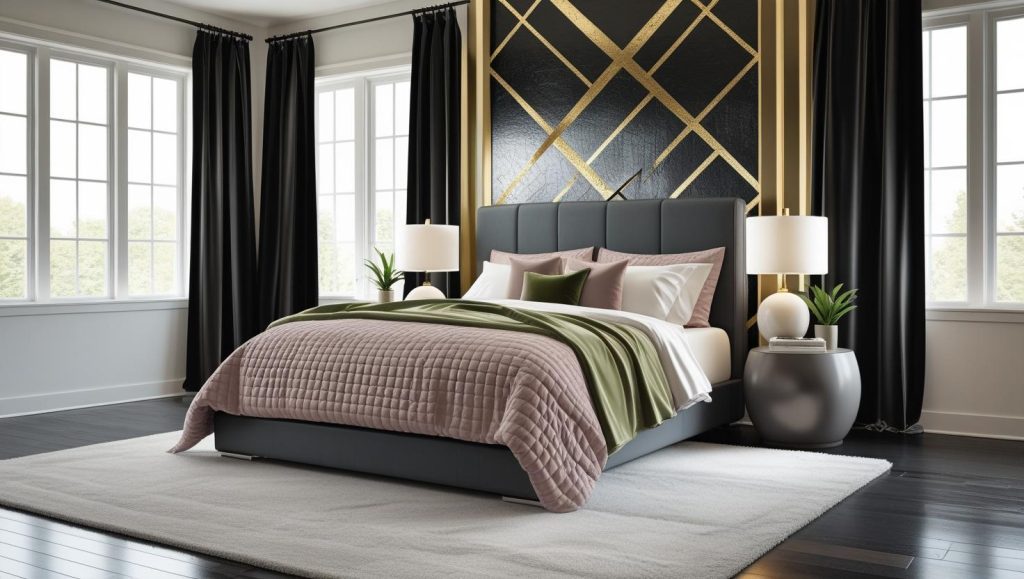
The visual impact between these two bed types is honestly like night and day. Ottoman beds have this lovely, clean, minimalist look that makes your bedroom feel more spacious and uncluttered. There’s something quite elegant about a bed that appears to float slightly above the ground with no visible storage compartments breaking up the lines.
Traditional storage beds, on the other hand, can look quite chunky and furniture-heavy. My old captain’s bed with six drawers dominated my bedroom – it was like having a massive chest of drawers that you happened to sleep on top of. The drawer fronts create visual breaks and can make a room feel busier, especially if you’ve got different handle styles or wood grains that don’t match perfectly.
I’ve noticed that Ottoman beds tend to make bedrooms feel larger because there’s less visual clutter at floor level. The smooth, uninterrupted lines create a sense of flow that drawer beds simply can’t match. It’s particularly noticeable in smaller bedrooms where every visual trick to create space matters.
• Integration with Various Bedroom Design Styles and Themes
Ottoman beds are absolute chameleons when it comes to design styles. I’ve seen them work brilliantly in everything from ultra-modern minimalist bedrooms to traditional country cottage settings. The key is in the upholstery and frame materials – a sleek leather ottoman bed fits perfectly in a contemporary space, whilst a linen-upholstered wooden frame works beautifully in farmhouse-style rooms.
Traditional storage beds are a bit more limited in their style flexibility. Captain’s beds and drawer beds tend to work best in casual, family-friendly, or nautical-themed spaces. They’ve got that built-in practicality that can clash with more formal or sophisticated design schemes. I learned this when I tried to make a six-drawer bed work in what was meant to be an elegant guest room – it just looked out of place.
Scandinavian and Japanese-inspired minimalist designs almost always favour ottoman beds. The clean lines and hidden storage align perfectly with the “everything has its place but nothing on display” philosophy. Traditional storage beds work better in American traditional, cottage core, or kids’ bedrooms where the visible storage actually adds to the aesthetic rather than detracting from it.
• Headboard Options and Customisation Possibilities
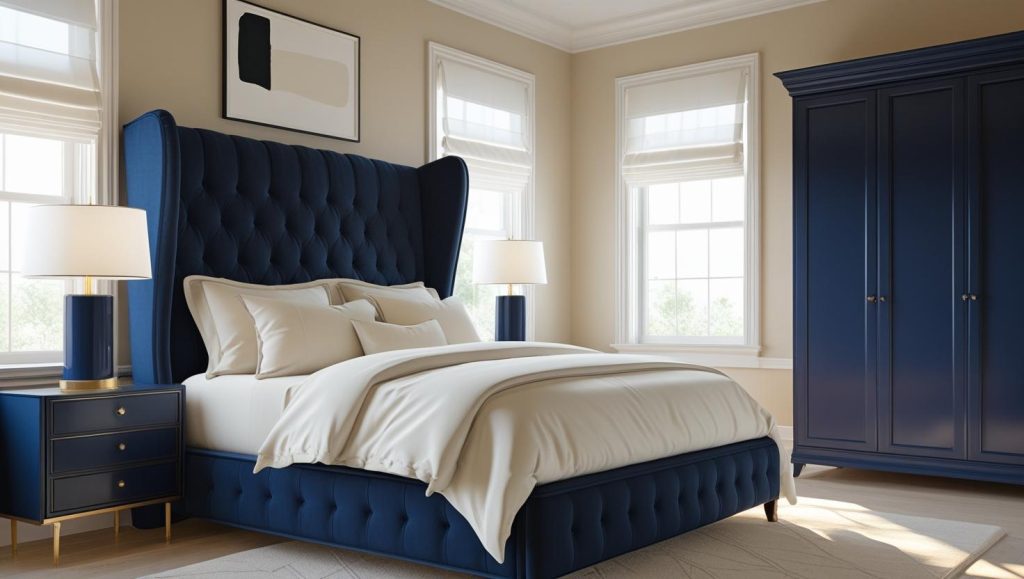
This is where things get really interesting from a design perspective. Ottoman beds typically come with more sophisticated headboard options because the bed base itself is quite simple. I’ve seen Ottoman beds with everything from tufted velvet headboards to sleek wooden panels, elaborate wingback designs, or even built-in LED lighting.
The customisation possibilities are endless with Ottoman beds. You can often choose different fabrics for the base and headboard, mix materials like wood and upholstery, or even add decorative elements like button tufting or nail head trim. My current ottoman bed has a gorgeous curved headboard in charcoal linen that completely transforms the look of my bedroom.
Traditional storage beds are more limited in headboard options because so much of the design focus is on the storage elements. You’ll typically find simpler headboard designs – basic panels, bookcase styles, or no headboard at all. The storage drawers are really the main design feature, which can be either a blessing or a curse depending on your aesthetic preferences.
• Colour, Fabric, and Material Choices Available for Each Type
Ottoman beds absolutely win in the variety department. Because they’re essentially large upholstered pieces, you can get them in virtually any fabric or colour imaginable. I’ve seen everything from rich jewel-toned velvets to neutral linens, bold patterns, or even leather finishes. The fabric choice can completely change the personality of the bed.
Wood frame ottoman beds offer choices in timber types and finishes – oak, pine, walnut, painted finishes, or distressed looks. Some manufacturers even offer two-tone options where the frame is one material and the upholstered panels are another. It’s like having a bespoke piece of furniture made.
Traditional storage beds are typically more limited to wood finishes and basic fabric options. You’ll find standard choices like white, grey, natural wood tones, or black. The focus is more on functionality than aesthetics, so the material choices tend to be practical rather than decorative. That said, some higher-end drawer beds do offer custom paint colours or premium wood species.
• Impact on Room Flow and Spatial Perception
The spatial impact is something I didn’t fully appreciate until I switched from a drawer bed to an ottoman bed. Ottoman beds create better room flow because there are no protruding elements to navigate around. You can walk right up to the bed from any angle without worrying about bumping into open drawers or protruding handles.
Traditional storage beds can actually impede room flow, especially in smaller spaces. I remember constantly banging my shins on the drawer pulls of my old bed, and heaven forbid someone left a drawer slightly open – it became a proper obstacle course. The visual weight of all those drawer fronts can also make a room feel more cramped.
From a feng shui perspective (and yes, I went through a phase of caring about this), ottoman beds are supposed to create better energy flow because there’s less visual and physical clutter around the sleeping area. Whether you believe in that or not, there’s definitely something to be said for the psychological impact of a cleaner, more streamlined bedroom environment.
The height difference also affects spatial perception. Ottoman beds tend to sit slightly higher than traditional beds due to the storage mechanism, which can make ceilings appear lower in rooms with limited height. Conversely, the clean lines can make the bed appear to take up less visual space even though the physical footprint is similar.
I’ve found that Ottoman beds photograph better, too, which matters if you’re the type who likes sharing your bedroom on social media. The clean, uncluttered look just seems more Instagram-worthy than a bed surrounded by visible storage compartments. Create that clean, minimalist bedroom aesthetic! The Lunar Ottoman Bed Frame combines elegant design with hidden storage for the perfect Instagram-worthy bedroom.

Price Comparison: Initial Investment and Long-Term Value
• Average Cost Ranges for Quality Ottoman vs Traditional Storage Beds
Right, let’s talk money because this is where things get properly eye-opening. Quality ottoman beds typically start around £400-500 for a basic queen size and can easily reach £1,500-2,000 for premium models with fancy upholstery and top-notch gas struts. I’ve seen some luxury ones pushing £3,000, though at that point you’re paying for designer fabrics and bespoke features.
Traditional storage beds are generally more affordable, with decent drawer beds starting around £250-350 for a queen-size. Captain’s beds with multiple drawers usually run £400-800, whilst platform beds with built-in shelving can be found for £200-600. The sweet spot for quality seems to be around £500-700 for traditional storage beds.
I learned this the hard way when I first started shopping – I assumed ottoman beds would be cheaper because they looked simpler. Boy, was I wrong! The hydraulic mechanisms and quality construction actually make them more expensive to manufacture. My first Ottoman bed cost nearly double what I’d paid for my previous drawer bed, though the storage capacity was significantly better.
• Factors Affecting Pricing in Both Categories
The biggest price driver for Ottoman beds is definitely the gas-lift mechanism. Quality German or Italian-made struts can add £100-200 to the cost, but they’re absolutely worth it. I made the mistake of buying a cheap ottoman bed with basic struts once – they failed within 18 months, and the replacement cost nearly as much as buying a better bed initially.
Upholstery quality makes a massive difference, too. Basic polyester fabrics keep costs down, but premium linen, velvet, or leather can double the price. Frame materials matter as well – solid wood costs more than engineered wood or metal, but it lasts significantly longer.
For traditional storage beds, the main cost factors are the number and quality of drawers. Each additional drawer adds complexity and cost. Ball-bearing drawer slides versus basic wooden runners can add £50-100 to the total price, but they’re essential for long-term usability. I’ve had cheap drawer beds where the runners wore out within two years – false economy, really.
Construction quality varies enormously in both categories. Solid wood frames, dovetail joints, and quality hardware all push prices up but dramatically improve longevity.
• Durability Expectations and Replacement Timelines
Here’s where the initial investment really pays off or bites you. A quality ottoman bed with proper gas struts should last 10-15 years with normal use. I’ve had my current one for seven years, and it’s still working perfectly. The gas struts are rated for about 10,000 cycles, which works out to lifting the bed once daily for nearly 30 years.
Budget ottoman beds are a different story entirely. I’ve seen cheap ones fail within 2-3 years, usually when the gas struts give out or the frame starts sagging. The replacement cost often exceeds what you’d have spent on a quality bed initially.
Traditional storage beds can last decades if built properly. My parents still have a solid wood captain’s bed from the 1980s that works perfectly. However, cheap drawer beds with poor-quality runners and flimsy construction might need drawer repairs or replacement within 3-5 years.
The key difference is that when traditional storage beds start failing, you can often repair individual components. When Ottoman bed mechanisms fail, you’re usually looking at major repairs or replacement.
• Value Proposition Analysis for Different Budget Ranges
In the budget range (under £400), traditional storage beds generally offer better value. You can get a decent drawer bed that’ll last several years, whilst budget ottoman beds often have reliability issues. I’d honestly recommend saving up for a better ottoman bed rather than buying a cheap one.
Mid-range (£400-800) is where Ottoman beds start making sense value-wise. You can get quality mechanisms and decent construction that’ll last for years. Traditional storage beds in this range are usually excellent quality and represent brilliant value for money.
The premium range (£800+) is where ottoman beds really shine. The storage capacity per pound spent becomes quite attractive, especially when you factor in the space-saving benefits. High-end traditional storage beds are lovely, but you’re often paying for aesthetics rather than additional functionality.
I’ve calculated that my £900 ottoman bed provides about 18 cubic feet of storage, working out to roughly £50 per cubic foot. A comparable amount of storage from wardrobes or a chest of drawers would cost significantly more and take up much more floor space.
• Hidden Costs and Additional Accessories to Consider
This is the bit that caught me off guard initially. Ottoman beds often need additional organisers to make the storage space truly functional. I’ve spent probably £100-150 on vacuum storage bags, clear boxes, and fabric organisers over the years. It’s not essential, but it makes a massive difference to usability.
Mattress compatibility can be another hidden cost. Some Ottoman beds work better with specific mattress types, and you might need to factor in a new mattress if your current one doesn’t suit the mechanism. Memory foam mattresses can be particularly heavy and put extra strain on gas struts.
Traditional storage beds might need drawer organisers or dividers, but these are usually much cheaper – maybe £20-50 total. However, you might need additional furniture to replace the storage capacity you’re not getting compared to an ottoman bed.
Delivery and assembly costs can vary significantly. Ottoman beds are often heavier and more complex to assemble, potentially adding £50-100 to the total cost. Some retailers include white glove delivery for premium beds, whilst others charge extra.
Insurance is worth considering for expensive ottoman beds. The mechanisms are more complex and potentially more expensive to repair than simple drawer systems. I’ve never bothered with it personally, but it’s something to think about for beds over £1,000.
Maintenance costs are generally minimal for both types, but Ottoman beds might need gas strut replacement every 10-15 years (around £50-100), whilst traditional storage beds might need drawer runner replacement or adjustments over time. Ready to invest in quality that lasts? The Isla Upholstered Ottoman Bed Frame offers premium construction and 10-15 years of reliable storage at exceptional value.
Durability and Maintenance: Which Lasts Longer?
• Common Wear Points and Potential Failure Modes for Each Bed Type
Let me tell you about the weak spots because I’ve experienced most of them firsthand! Ottoman beds have three main failure points that’ll drive you absolutely mental. The gas struts are the biggest culprit – I’ve had two fail on me over the years, usually starting with a slow leak that makes the bed harder to lift until eventually it won’t stay up at all.
The lifting mechanism hinges are another trouble spot. Cheap beds use basic pin hinges that can wear out or snap under repeated use. I learned this lesson when my first Ottoman bed’s hinge cracked after about three years, leaving me with a bed that opened at a wonky angle. The fabric handles or straps also wear out, especially if you’re a bit rough with them, like I tend to be.
Traditional storage beds have their own set of problems. Drawer runners are the main weakness – I’ve had wooden runners swell up in damp weather, making drawers impossible to open. Metal ball-bearing slides are better but can still jam if they get dirty or damaged. Drawer fronts coming loose is another common issue, especially on cheaper beds where they’re just screwed on rather than properly jointed.
The drawer bottoms can sag or crack if you overload them, which I definitely did with my old captain’s bed. Six months of stuffing heavy books in there, and the bottom panel started bowing alarmingly.
• Maintenance Requirements and Care Instructions
Ottoman beds need more regular attention than you’d expect. I oil the hinges every six months or so with a drop of 3-in-1 oil to keep them moving smoothly. The gas struts occasionally need a wipe down to remove dust and grime that can affect their operation. Some manufacturers recommend checking the strut mounting bolts annually, though I’ll admit I’m not brilliant at remembering this.
The upholstery needs regular vacuuming, especially around the lifting mechanism, where dust tends to accumulate. I learned to check the fabric handles periodically for wear – it’s much easier to replace them before they fail than after you’re stuck with a bed you can’t open.
Traditional storage beds are generally lower maintenance, but they’re not maintenance-free. Drawer runners need occasional cleaning and lubrication – I use a bit of candle wax on wooden runners or spray lubricant on metal ones. Keeping the drawers from getting overloaded is crucial for longevity.
I’ve found that tightening screws and checking joints every year or so prevents bigger problems down the line. Drawer fronts can work loose over time, and it’s much easier to tighten a screw than replace an entire drawer front that’s fallen off.
• Warranty Coverage and Manufacturer Support Differences
This is where things get interesting, and not always in a good way. Ottoman bed warranties vary massively depending on the manufacturer. Quality brands typically offer 5-10 years on the frame and 2-5 years on the gas struts, but budget manufacturers might only give you 1-2 years total coverage.
I had a nightmare with one manufacturer who claimed my gas strut failure was due to “misuse” because I’d stored heavy items in the bed. Apparently, storing winter clothes in a storage bed constitutes misuse – who knew? Better manufacturers are more reasonable about what constitutes normal wear and tear.
Traditional storage bed warranties are usually more straightforward. Most decent manufacturers offer 3-5 years on the frame and hardware, with some premium brands going up to 10 years. The simpler mechanisms mean fewer things can go wrong, so manufacturers are generally more confident about offering longer warranties.
Customer service quality varies enormously across both categories. Some companies are brilliant about sending replacement parts or arranging repairs, whilst others seem to disappear the moment you need support. I always check online reviews specifically for after-sales service before buying.
• Repair Possibilities and Replacement Part Availability
Ottoman beds can be trickier to repair because of their more complex mechanisms. Gas struts are usually replaceable, but you need to get the right specifications – length, force rating, and mounting style all matter. I’ve successfully replaced struts myself using parts from online suppliers, though it took some research to get the right ones.
Hinge repairs can be more challenging. Simple pin hinges are easy to replace, but more complex mechanisms might require professional help or even manufacturer involvement. Fabric components like handles or upholstery panels can usually be repaired or replaced by a local upholsterer.
Traditional storage beds are generally much easier to repair. Drawer runners are standard components available from hardware stores, and most repairs can be done with basic tools. I’ve replaced drawer runners, tightened loose joints, and even rebuilt entire drawers over the years without too much difficulty.
The availability of replacement parts is generally better for traditional storage beds because they use more standard components. Ottoman bed parts are often manufacturer-specific, which can be problematic if the company goes out of business or discontinues your model.
• Expected Lifespan Under Normal Usage Conditions
Here’s the reality based on my experience and that of friends and family. A quality ottoman bed with proper gas struts should give you 10-15 years of reliable service. My current one is seven years old and still works perfectly, though I can tell the struts aren’t quite as strong as they were when new.
Budget ottoman beds are a different story entirely. I’ve seen them fail within 2-3 years, usually due to cheap gas struts or poor construction. The false economy is real – spending £300 on a bed that lasts three years works out more expensive than spending £600 on one that lasts twelve years.
Traditional storage beds can last decades if built properly. My parents’ solid wood captain’s bed from the 1980s still works perfectly, though they’ve replaced the drawer runners once. Quality construction with dovetail joints and solid wood can literally last a lifetime.
However, cheap traditional storage beds with particle board construction and basic hardware might only last 5-7 years before major components start failing. The drawer runners usually go first, followed by the drawer fronts working loose or the frame joints failing.
The key factor for both types is build quality rather than the storage mechanism itself. A well-made ottoman bed will outlast a poorly made traditional storage bed, and vice versa. I’ve learned that it’s worth investing in quality construction regardless of which type you choose, because the cost per year of ownership works out much better with beds that last longer.
Environmental factors matter too. Damp bedrooms are particularly hard on wooden drawer components, whilst dry conditions can affect the seals in gas struts. Proper bedroom ventilation helps both types last longer. Want a bed built to last decades? The Saros Ottoman Bed Frame features quality German hydraulics and solid construction for long-term reliability.

Installation and Assembly: Setup Complexity Compared
• Assembly Time and Difficulty Levels for Each Bed Type
Right, let’s be honest about this because assembly can make or break your entire bed-buying experience. Ottoman beds are definitely more complex to put together – I’ve assembled three different ones over the years, and they typically take me 2-3 hours with a mate helping. The gas struts and lifting mechanism add proper complexity that you don’t get with simpler beds.
Traditional storage beds vary massively depending on the design. A basic platform bed with a few drawers might take 90 minutes, whilst a full captain’s bed with six drawers and a bookcase headboard can easily take 4-5 hours. I spent an entire Saturday assembling my nephew’s captain’s bed, and by the end, we were both ready to chuck the whole thing out the window!
The difficulty level for Ottoman beds is definitely higher because you’re dealing with hydraulic components that need to be aligned properly. Get the gas struts mounted wrong, and the bed either won’t lift or won’t stay closed. I learned this the hard way when I rushed the assembly on my first one and had to take it apart and start again.
Traditional storage beds are generally more forgiving during assembly. If you mess up a drawer, you can usually fix it without dismantling the entire bed. The components are more straightforward – it’s basically advanced furniture assembly rather than mechanical engineering.
• Tools Required and Professional Installation Considerations
Ottoman beds typically require a decent toolkit. You’ll need various screwdrivers, an electric drill, Allen keys (usually provided), and sometimes a socket set for the gas strut mounting bolts. I always keep a spirit level handy, too, because getting the frame level is crucial for proper operation.
Some Ottoman beds come with specialised tools for the gas strut installation, but not all manufacturers are that thoughtful. I’ve had to buy specific Allen key sizes that weren’t in my standard toolkit. A rubber mallet is often helpful for persuading stubborn components into place without damaging them.
Traditional storage beds usually need similar basic tools, but the assembly is more straightforward. The main difference is that you might need clamps for glueing joints on solid wood beds, and definitely need patience for aligning multiple drawers properly.
Professional installation is worth considering for expensive ottoman beds, especially if you’re not confident with mechanical assemblies. I’ve seen people mess up the gas strut installation and damage the mechanisms. Most furniture stores offer assembly services for £50-100, which can be money well spent if you’re not handy with tools.
• Space Requirements During Assembly Process
This is something I didn’t think about properly until I was halfway through assembling my first ottoman bed in a tiny spare room. You need significantly more space than the final bed footprint because you’re working with large panels and need room to manoeuvre the gas struts into position.
I’d recommend having at least 8 feet by 10 feet of clear floor space for assembling a queen-size ottoman bed. You’ll be flipping the frame over multiple times, and the gas struts extend quite a bit during installation. My current bedroom barely had enough space, and I ended up doing the initial assembly in the living room, then carrying it upstairs in pieces.
Traditional storage beds need less space overall, but drawer assembly can be fiddly if you’re working in cramped conditions. Each drawer needs to be assembled separately, then fitted to the bed frame. I’ve found it helpful to have a separate table or surface for drawer assembly rather than trying to do everything on the floor.
The headboard assembly for both types usually requires the most space because you’re dealing with the largest single component. Some headboards are massive and need two people just to move them around safely.
• Common Installation Challenges and Solutions
The biggest challenge with Ottoman beds is getting the gas struts aligned properly. If they’re not mounted at exactly the right angle, the bed won’t open smoothly or might not stay closed. I’ve learned to test the mechanism before fully tightening all the bolts – it’s much easier to make adjustments early in the process.
Another common issue is the fabric handles or straps not being positioned correctly. Too high and you can’t reach them comfortably; too low and they interfere with the bed frame. Most manufacturers provide templates, but they’re not always accurate for different mattress thicknesses.
Traditional storage beds have their own set of challenges. Drawer alignment is the big one – get it wrong and drawers either won’t close properly or will stick constantly. I always fit all the drawers before final tightening to make sure everything aligns correctly.
Wobbly frames are another common problem, usually caused by not tightening bolts properly or assembling on an uneven floor. I learned to check for wobbles before adding the mattress because it’s much easier to fix when you can access all the joints.
The solution for most assembly problems is patience and following the instructions properly. I know it’s tempting to skip ahead, but furniture assembly really does need to be done in the right order.
• Moving and Relocation Considerations for Each Bed Style
Moving ottoman beds is honestly a bit of a nightmare. The gas struts make them heavier and more awkward to handle, plus you risk damaging the mechanisms if you’re not careful. I’ve moved house twice with ottoman beds, and both times I partially disassembled them to make the move safer.
The gas struts can be damaged if the bed is moved with them under pressure, so I always release the pressure by opening the bed fully before moving. Some manufacturers recommend removing the struts entirely for long-distance moves, though that’s a proper faff.
Traditional storage beds are generally easier to move, especially if you remove the drawers first. The drawers can be packed separately and are much lighter to handle individually. The main frame is usually straightforward to disassemble and reassemble.
However, solid wood traditional storage beds can be incredibly heavy. My parents’ captain’s bed took four people to move, even after removing all the drawers. The weight is more evenly distributed than with ottoman beds, but there’s just more of it.
I’ve learned to keep assembly instructions and spare hardware in a labelled bag taped to the bed frame. Nothing’s worse than trying to reassemble a bed without instructions, especially if it’s been a few years since the original assembly.
For both types, I always take photos during disassembly to help with reassembly later. Modern smartphones make this dead easy, and it’s saved me hours of head-scratching trying to remember which bolt goes where.
The key lesson I’ve learned is that moving any storage bed is more complex than moving a standard bed. Factor in extra time and possibly professional help if you’re not confident handling the mechanisms safely. Prefer professional-quality assembly? The Sam Ottoman Upholstered Bed Frame comes with detailed instructions and quality hardware for smooth installation.
Best Use Cases: When to Choose Each Storage Bed Type
• Ideal Room Sizes and Layouts for Ottoman Beds
Ottoman beds absolutely shine in smaller bedrooms where every square inch matters. I learned this when I moved from a spacious master bedroom to a tiny flat – my traditional storage bed suddenly felt massive and clunky, whilst an ottoman bed would’ve given me the same storage capacity without all the visual bulk.
The sweet spot for ottoman beds seems to be rooms between 10×10 feet and 12×14 feet. Any smaller and you might struggle with the space needed to lift the mattress comfortably. Any larger and you’ve probably got room for additional storage furniture anyway. My current bedroom is about 11×13 feet, and the ottoman bed fits perfectly without dominating the space.
Layout-wise, ottoman beds work brilliantly when you’ve got limited wall space for wardrobes or a chest of drawers. They’re also perfect for rooms with awkward layouts – like bedrooms with sloped ceilings, bay windows, or radiators that prevent you from placing traditional furniture. I’ve seen them work really well in converted loft spaces where standard storage solutions just don’t fit.
One thing to consider is ceiling height. You need enough clearance above the bed to lift the mattress comfortably – I’d say at least 7.5 feet of ceiling height is essential. Lower ceilings make the lifting process awkward and potentially dangerous.
• Perfect Scenarios for Traditional Storage Bed Selection
Traditional storage beds are brilliant for families with kids who need constant access to clothes, toys, and bits and bobs. My sister’s got three children, and she’s constantly in and out of their storage drawers for school uniforms, spare clothes, or toys. An ottoman bed would drive her absolutely mental with all that lifting and closing.
They’re also perfect for people who like everything organised and easily accessible. If you’re the type who changes clothes multiple times a day or needs quick access to different items, drawer storage is unbeatable. I know people who have different drawers for different activities – gym clothes in one, work clothes in another, weekend wear in a third.
Guest bedrooms are another great use case for traditional storage beds. Guests can easily access extra pillows, blankets, or towels without having to lift an entire mattress. It’s much more user-friendly for people who aren’t familiar with the bed’s operation.
Larger bedrooms where visual bulk isn’t an issue also suit traditional storage beds well. If you’ve got the space, a captain’s bed with loads of drawers can be both functional and aesthetically pleasing. They work particularly well in country cottage or farmhouse-style bedrooms where the chunky, furniture-heavy look fits the overall design theme.
• Lifestyle Factors That Influence the Best Choice
Your daily routines make a massive difference in which bed type works best. I’m someone who lays out clothes the night before and doesn’t change outfits multiple times, so accessing my ottoman storage once or twice a week works perfectly. But my mate, who’s constantly trying on different outfits, would find it incredibly frustrating.
If you travel frequently and do regular seasonal clothing swaps, ottoman beds are brilliant. I can fit my entire winter wardrobe in there during summer months, then swap everything over when the weather changes. The massive storage capacity makes this dead easy.
People with mobility issues or back problems need to think carefully about accessibility. Ottoman beds require bending and reaching, whilst drawer beds allow access at a more comfortable height. I watched my elderly neighbour struggle with an ottoman bed when she stayed at her daughter’s house – the lifting mechanism was fine, but reaching items at the bottom of the storage space was difficult.
Your cleaning habits matter too. If you’re someone who likes to vacuum under the bed regularly, traditional storage beds with legs or clearance make this easier. Ottoman beds sit closer to the floor and can be harder to clean around.
• Family Size and Storage Need Considerations
Single people or couples without kids often find ottoman beds perfect because their storage needs are more predictable and less frequent. I lived alone for years with an ottoman bed and rarely needed to access the storage more than once a week for seasonal items or spare bedding.
Families with young children are usually better served by traditional storage beds. Kids need constant access to clothes as they grow, spill things, or change for different activities. The ability to quickly grab clean clothes from a drawer is invaluable when you’re dealing with toddler meltdowns or school morning rushes.
However, families with older children who’ve moved out might find ottoman beds perfect for storing keepsakes, seasonal decorations, or items they’re keeping “just in case.” My parents switched to an ottoman bed after my brother and I left home, and they love the massive storage capacity for things they don’t need regular access to.
The amount of stuff you own is crucial, too. If you’re minimalist with limited possessions, traditional storage beds might provide more organisation than you actually need. But if you’re collectors or have lots of seasonal items, the sheer volume capacity of ottoman beds is hard to beat.
• Rental vs Owned Home Decision Factors
This is something I wish I’d considered more carefully when I was renting. Ottoman beds are generally heavier and more complex to move, which matters if you’re likely to relocate frequently. I moved three times in five years whilst renting, and lugging that ottoman bed around was a proper pain each time.
Traditional storage beds are usually easier to disassemble and move, especially if you remove the drawers first. The components are typically lighter and more manageable for DIY moves. This can save you money on professional movers if you’re on a tight budget.
However, if you’re in a long-term rental and struggling with storage space, an ottoman bed might be worth the moving hassle for the storage benefits. I know renters who’ve chosen ottoman beds specifically because they couldn’t add built-in storage to properties they didn’t own.
Damage considerations matter in rentals, too. Ottoman beds with their lifting mechanisms are potentially more likely to cause accidental damage to walls or floors if something goes wrong. Traditional storage beds are generally more predictable in their operation.
For owned homes, the decision is more about long-term lifestyle and design preferences. You can invest in higher-quality options knowing you won’t need to move them frequently. I’ve noticed that homeowners tend to choose based on their specific room layouts and storage needs rather than portability concerns.
The key is being honest about your actual usage patterns rather than what you think you might need. I’ve seen people choose traditional storage beds, thinking they’d use all the drawers, only to find half of them remain empty. Conversely, I’ve known people who chose Ottoman beds for the clean look but found the access inconvenience drove them mad for daily items.
Think about your lifestyle realistically – how often do you actually need to access stored items, what types of things do you need to store, and how does your living situation affect your furniture choices? The best storage bed is the one that actually improves your daily life rather than creating new frustrations. Found your perfect storage solution? The Pearl Ottoman Bed Frame is ideal for small bedrooms and offers the massive storage capacity you need.

Conclusion
Choosing between an ottoman queen-size bed and a traditional storage bed ultimately comes down to your specific needs, lifestyle, and preferences. Ottoman beds excel in maximising storage space and maintaining clean aesthetics, making them perfect for minimalist bedrooms and those who need to store bulky items. Traditional storage beds offer superior accessibility and organisation options, ideal for families who frequently access stored items.
Consider your daily routines, physical capabilities, and long-term storage goals when making this important decision. Remember that the best storage bed is one you’ll actually use effectively! Take time to measure your space, assess your storage needs, and think about how each option fits into your lifestyle.
Ready to transform your bedroom storage? Start by measuring your current storage needs and visiting showrooms to test both bed types in person. Your perfect sleep and storage solution is waiting! Transform your bedroom storage today! Browse our complete Ottoman Beds Collection and find the perfect balance of style, storage, and functionality for your space.
Frequently Asked Questions
1. What is the difference between an Ottoman bed and a traditional storage bed?
An ottoman bed and a traditional storage bed differ primarily in their storage access mechanism and capacity. Ottoman beds use gas-lift hydraulic systems to lift the entire mattress platform, revealing a large storage compartment underneath, whilst traditional storage beds feature drawers, shelves, or compartments built into the bed frame.
Key differences include:
- Storage capacity – Ottoman beds typically offer 15-20 cubic feet of storage space, whilst traditional drawer beds provide 8-12 cubic feet across all compartments
- Access method – Ottoman beds require lifting the mattress platform using gas struts, whereas traditional beds use pull-out drawers or open compartments
- Organisation – Traditional storage beds excel at categorising items in separate drawers, whilst ottoman beds provide one large space requiring storage organisers
- Visual appearance – Ottoman beds maintain clean, minimalist lines, whilst traditional storage beds have visible drawer fronts and handles
- Price range – Ottoman beds generally cost £400-2,000, whilst traditional storage beds range from £250-800
The choice between these bedroom storage solutions depends on your storage needs, accessibility preferences, and bedroom design style.
2. How much weight can a queen-size ottoman bed support?
A quality queen-size ottoman bed can typically support between 25-35 stone (350-490 pounds) on the mattress platform. This weight capacity includes the combined weight of two adults plus additional items like pillows, bedding, or breakfast trays.
Weight capacity factors include:
- Gas strut quality – Premium German or Italian-made hydraulic struts support higher weights and last longer
- Frame construction – Solid wood frames generally support more weight than engineered wood or metal frames
- Platform design – Reinforced plywood or chipboard bases distribute weight more effectively
- Safety margins – Manufacturers typically rate beds below their maximum capacity for safety
- Cycle rating – Quality gas struts are rated for 10,000+ lifting cycles under normal weight loads
The storage compartment itself can typically hold an additional 50-100 pounds of stored items, depending on the bed’s construction quality. Always check the manufacturer’s specific weight ratings, as budget ottoman beds may have lower capacity limits than premium models.
3. Are Ottoman beds difficult to assemble compared to traditional storage beds?
Ottoman beds are more complex to assemble than traditional storage beds due to their hydraulic gas-lift mechanisms. Assembly typically takes 2-3 hours with assistance, compared to 90 minutes for basic drawer beds, though the exact time depends on the specific bed design and your DIY experience.
Assembly complexity factors:
- Gas strut installation – Requires precise alignment and proper mounting angles for smooth operation
- Tool requirements – Need an electric drill, various screwdrivers, Allen keys, and sometimes socket sets
- Space needs – Require 8×10 feet of clear floor space for assembly due to large panels and gas strut positioning
- Component weight – Ottoman bed frames are generally heavier and more awkward to manoeuvre
- Professional option – Many retailers offer assembly services for £50-100, which can be worthwhile for expensive beds
Traditional storage beds with multiple drawers can also be time-consuming (4-5 hours for captain’s beds), but the assembly process is more straightforward. The key difference is that Ottoman bed mechanisms must be perfectly aligned, whilst drawer beds are more forgiving of minor assembly errors.
4. Which bed type is better for small bedrooms – ottoman or traditional storage?
Ottoman beds are generally better for small bedrooms because they maximise storage capacity whilst maintaining clean visual lines. They provide 15-20 cubic feet of storage without requiring additional floor space for opening drawers, making them ideal for rooms between 10×10 and 12×14 feet.
Small bedroom advantages of ottoman beds:
- Space efficiency – No clearance needed for drawer operation, allowing furniture placement closer to the bed
- Visual impact – Clean, uncluttered appearance makes rooms feel larger and more spacious
- Storage volume – Nearly double the storage capacity of traditional drawer beds in the same footprint
- Flexibility – Can store large, bulky items that won’t fit in standard drawers
- Room flow – No protruding handles or drawer fronts to navigate around
However, traditional storage beds work better in small bedrooms if you need frequent access to stored items or have mobility limitations. The key considerations are ceiling height (ottoman beds need 7.5+ feet for comfortable lifting), room layout, and your specific storage and accessibility needs.
5. How long do Ottoman beds last compared to traditional storage beds?
Quality ottoman beds typically last 10-15 years with proper maintenance, whilst traditional storage beds can last decades if built with solid construction. The lifespan depends primarily on build quality, usage frequency, and maintenance rather than the storage mechanism type.
Durability comparison factors:
- Mechanism complexity – Ottoman beds have more complex hydraulic systems that can fail, whilst traditional beds use simpler drawer mechanisms
- Repair options – Traditional storage beds are easier to repair with standard hardware store components, whilst ottoman beds may need manufacturer-specific parts.
- Wear points – Ottoman beds: gas struts, hinges, fabric handles; Traditional beds: drawer runners, joints, handles
- Maintenance needs – Ottoman beds require periodic lubrication and gas strut checks, traditional beds need drawer adjustments and runner cleaning.
- Quality investment – Premium ottoman beds with German/Italian gas struts last longer than budget models, similar to how solid wood traditional beds outlast particle board versions.
The key to longevity for both types is investing in quality construction from the start. A well-made ottoman bed will outlast a poorly made traditional storage bed, and vice versa. Regular maintenance and proper usage significantly extend the lifespan of either bed type.