

Top 10 Queen Size Bed Storage Solutions to Maximise Your Bedroom Space in 2025
Is your bedroom drowning in clutter while your queen-size bed takes up precious floor space? You’re not alone! According to recent home organisation surveys, 73% of homeowners struggle with bedroom storage, especially in smaller spaces. But here’s the exciting news: your queen bed can be transformed from a space-hogging furniture piece into a storage powerhouse!
I’ve spent years helping people maximise their bedroom storage, and the solutions I’m about to share will revolutionise how you think about bedroom organisation. Whether you’re dealing with a tiny apartment or just want to make the most of every square inch, these queen size bed storage solutions will help you create a clutter-free sanctuary that’s both functional and beautiful. Maximise your bedroom space with our top-rated ottoman beds. Discover stylish storage solutions that fit your lifestyle. Shop Ottoman Beds Now
Under-Bed Storage Drawers and Boxes
Rolling Storage Containers That Fit Perfectly Under Queen Beds
• Measure your bed height first – I learned this the hard way when my first containers were 2cm too tall! Most queen beds sit 20-25cm off the ground, so look for containers around 15-18cm high.
• Choose smooth-rolling casters – Trust me, you don’t want to be dragging heavy boxes across your floor. The wheeled ones from IKEA are brilliant and won’t scratch your flooring.
• Go for transparent sides or clear labelling – There’s nothing worse than pulling out three boxes to find your winter duvet. I use a label maker now and it’s saved me hours of rummaging.
I use my rolling containers for extra bedding, out-of-season clothes, and all those random bits that used to clutter my wardrobe. The beauty is you can actually access your stuff without doing weird yoga poses under the bed!
Built-In Drawer Systems for Platform Beds
• Consider drawer configuration carefully – I went for four smaller drawers instead of two large ones because it lets me categorise better: spare sheets, winter clothes, summer gear, and random household bits.
• Check the weight capacity – Some cheaper platform beds have flimsy drawer mechanisms. Mine can handle about 15kg per drawer, which is perfect for most storage needs.
• Look for soft-close mechanisms – These prevent the drawers from slamming shut and waking up the whole house. Worth the extra cost, especially if you’re a night owl like me.
When I upgraded to a platform bed with integrated drawers, it was like gaining an entire extra wardrobe. These systems are brilliant because they’re designed specifically for the bed frame, so there’s no wasted space or awkward gaps.
Vacuum-Sealed Storage Bags for Seasonal Items
• Don’t overstuff the bags – I made this mistake early on and ended up with a bag that looked ready to explode. Fill to about 80% capacity for best results.
• Avoid delicate or embellished items – Learned this lesson when my favourite beaded top came out looking rather sad after being vacuum-packed for six months.
• Invest in a decent vacuum attachment – The little hand pumps that come with some bags are absolutely useless. Use your proper vacuum cleaner for best compression.
I was sceptical about vacuum bags at first – seemed a bit gimmicky. But when I managed to fit three winter coats, two thick duvets, and a pile of jumpers into a space that previously held just one coat, I was completely converted.
Clear Plastic Bins for Easy Visibility and Access
• Use different sizes strategically – Larger bins for bulky items like spare pillows and throws, smaller ones for accessories and seasonal decorations.
• Choose stackable designs – These are particularly clever because you can adjust your storage as your needs change. I’ve rearranged mine loads of times.
• Look for secure lids – Nothing’s more annoying than a lid that pops off when you’re sliding the bin out. The clip-on ones work best in my experience.
Clear bins are probably the most practical solution for everyday under-bed storage. You can see exactly what’s inside without having to open everything up, which saves loads of time when you’re hunting for something specific.
Wooden Storage Boxes That Complement Bedroom Decor
• Cedar boxes are worth the investment – They not only look gorgeous but also keep moths away from wool jumpers. Double win!
• Consider the weight factor – Wooden boxes are heavier than plastic alternatives, so make sure you can actually move them when they’re full.
• Look for dividers or compartments – Many wooden boxes come with adjustable dividers for better organisation. Cedar, pine, and bamboo are popular choices.
The downside is they’re more expensive than plastic containers, but if your bedroom’s on show (mine definitely is since I work from home), they’re worth the investment for that extra touch of style.
Pro tip: Whatever storage solution you choose, leave some space for air circulation. Cramming everything in tight can lead to musty smells and potential moisture problems, especially if your bedroom doesn’t get great ventilation. I learned this one the smelly way! Discover the convenience of ottoman beds with ample under-bed storage. Shop the Lizzy Ottoman Upholstered Bed Frame for smooth rolling storage solutions!
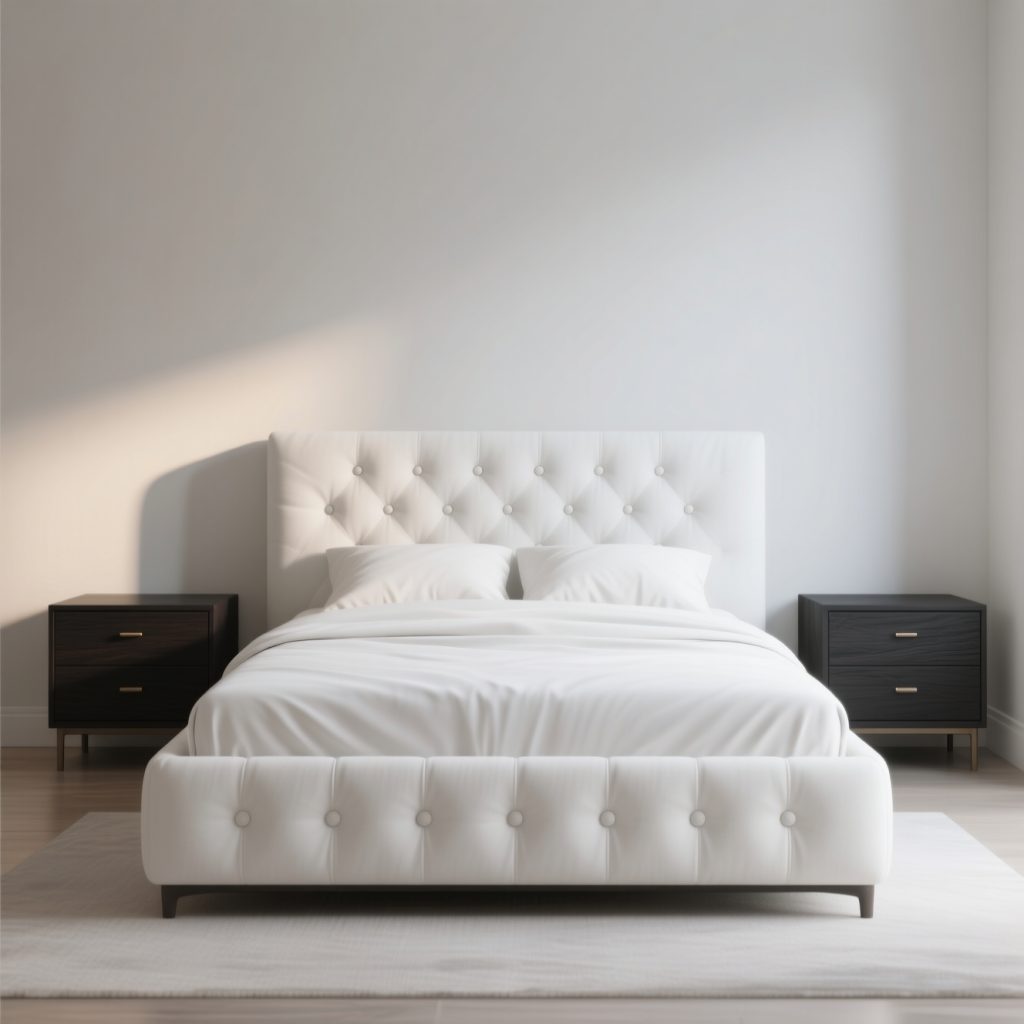
Why I Swear By Storage Beds
Platform Beds: The Reliable Workhorses
• Easy daily access without heavy lifting – Platform beds with integrated storage drawers became my go-to after my initial nightmare with cheap furniture. What I love about them is the accessibility – no lifting heavy mattresses or wrestling with complicated mechanisms. The drawers slide out smoothly when you invest in decent ones, and you can actually see what you’ve stored without doing yoga poses.
• Perfect for seasonal clothing rotation – My current platform bed has four deep drawers that hold roughly 40-50 items each, depending on what you’re storing. I’ve found they work brilliantly for rotating winter and summer clothes. The key is getting one with full-extension drawer slides – trust me on this. Those cheap partial-extension ones will drive you mental when you can’t reach the stuff at the back.
• Height considerations for smaller rooms – The downside is they do add height to your bed, which can make smaller rooms feel a bit cramped. Mine sits about 18 inches off the ground, which is perfect for storage but means I practically need a running jump to get into bed.
Ottoman Storage: Maximum Space, Maximum Effort
• Incredible storage capacity but daily faff – Ottoman storage beds with lift-up mechanisms are absolute space-saving champions, but they’re not for everyone. I tried one for about six months, and whilst the storage capacity was incredible – enough space for an entire wardrobe – the daily faff of lifting the mattress got old quickly.
• Hydraulic quality makes or breaks the experience – The hydraulic systems on quality ottoman beds can support up to 150kg easily, but cheaper versions will have you struggling like you’re bench-pressing your mattress every morning. Plus, if you’re someone who likes to make your bed properly with hospital corners and multiple pillows, you’ll be redoing it constantly.
• Best for infrequently accessed items – For guest rooms or storing things you don’t need daily access to, they’re brilliant. I kept all my out-of-season bedding and spare duvets in mine, which freed up an entire wardrobe.
Captain’s Beds: The Overachievers
• Multiple storage options can become overwhelming – Captain’s beds with side and foot storage are like the Swiss Army knives of bedroom furniture. Mine had six drawers plus bookshelf headboard storage, which sounds amazing until you realise you’ve created a storage monster that demands constant organisation.
• Variety of compartment sizes for different needs – The beauty of captain’s beds is the different sized compartments for different storage requirements. But honestly? I found myself just shoving random stuff in random drawers because there were too many options. Sometimes less choice is better for actually staying organised. Experience the best in storage beds with the Lunar Ottoman Bed Frame. Maximise your space without sacrificing style!
Headboard Storage Solutions That Actually Work
Bookshelf Headboards: My Love-Hate Relationship
• Perfect for bedtime reading but dust magnets – Bookshelf headboards seemed like the obvious choice for someone who reads themselves to sleep every night. I installed one with three tiers that held about 30-40 books plus some decorative bits. The convenience of grabbing a book without getting out of bed was brilliant, but bloody hell, the dust accumulation was mental. Every fortnight I was up there with a feather duster like some sort of bedroom librarian.
• Weight distribution nightmares – Here’s what nobody tells you about bookshelf headboards – books are heavy, and not all wall fixings are created equal. My first attempt resulted in the entire thing crashing down at 3am because I’d used cheap wall plugs. Now I always use heavy-duty fixings rated for at least 50kg, even if the headboard seems light.
• Organisation becomes obsessive – I found myself constantly rearranging books by colour, size, or genre because they’re literally the first thing you see when you wake up. It’s like having a permanent display case that judges your reading habits.
Floating Shelves: Simple But Effective
• Customisable height and spacing – Floating shelves attached to the headboard wall became my compromise solution after the bookshelf disaster. You can position them exactly where you need them, and I’ve got mine at different heights – one for my phone charger and water glass, another for books I’m currently reading.
• Easy to clean and rearrange – Unlike built-in solutions, floating shelves are dead easy to dust and you can move them about if you fancy a change. I’ve repositioned mine three times in two years without any drama.
• Limited weight capacity requires planning – The downside is weight limits – most floating shelf brackets max out around 15-20kg, so you can’t go mad with heavy items. I learned this when my “decorative” collection of vintage cameras came tumbling down one morning.
Built-In Nightstand Headboards: The Game Changers
• Hidden compartments for bedroom essentials – Built-in nightstand headboards with secret compartments are absolute genius for storing things you need but don’t want on display. Mine has hidden slots for charging cables, reading glasses, and those random bits you accumulate on bedside tables.
• Space-saving in tight bedrooms – These work brilliantly in smaller rooms where traditional nightstands would make the space feel cramped. My bedroom gained about two feet of walking space when I switched from standalone nightstands to an integrated headboard system.
• Installation complexity and cost – The major downside is installation – you’re basically doing carpentry, not just hanging shelves. I had to get a proper joiner in, which cost about £400, but it’s been worth every penny for the functionality.
Upholstered Headboards: Secret Storage Surprise
• Discrete pockets for personal items – Upholstered headboards with storage pockets are sneaky clever. Mine has zippered compartments hidden in the padding that hold things like spare phone chargers, hand cream, and emergency chocolate. Guests never suspect there’s storage built right into the soft bit they’re leaning against.
• Comfort meets functionality – The padding makes them brilliant for sitting up in bed reading or watching telly, whilst the storage keeps essentials within arm’s reach. It’s like having a bedside drawer that’s also a cushion.
• Cleaning challenges with fabric – The fabric can be a nightmare to keep clean though – mine’s developed mysterious stains that I swear weren’t there yesterday. And if you spill something in the storage compartments, good luck getting it properly clean.
Wall-Mounted Storage Cubes: Modern But Practical
• Modular systems for changing needs – Wall-mounted storage cubes above the headboard are brilliant because you can add or remove them as your storage needs change. I started with three and now have six, arranged in a pattern that looks intentional rather than chaotic.
• Display and storage combination – They work perfectly for mixing storage with decoration – some cubes hold books and chargers, others have plants or photo frames. It’s like having a gallery wall that’s actually useful.
• Height placement requires careful planning – Getting the height right is crucial – too low and you’ll bang your head, too high and they’re useless for grabbing things. I mounted mine 18 inches above my pillow height, which seems to be the sweet spot for both safety and accessibility. Add functional headboard storage with the Luka Ottoman Upholstered Bed Frame for a clutter-free bedside.
Footboard and Bench Storage: The Unsung Heroes of Bedroom Organisation
The foot of the bed used to be this weird dead zone in my bedroom – just empty space that collected laundry I was too lazy to put away properly. Then I discovered footboard storage, and honestly, it changed everything about how I think about bedroom organisation.
Storage Benches: My Daily Lifesavers
• Perfect height for getting dressed – Storage benches at the foot of the bed are absolute game-changers for morning routines. Mine’s the perfect height for sitting whilst putting on shoes or laying out tomorrow’s outfit. The storage underneath holds about a week’s worth of gym clothes, which means I’m not rummaging through drawers at 6am when I’m barely conscious.
• Quick access for frequently used items – I keep my most-used items in the bench storage – phone chargers, reading glasses, the book I’m currently obsessing over. It’s become my go-to spot for things I need daily but don’t want cluttering up the bedside table.
• Weight capacity varies dramatically – Here’s what caught me off guard – not all storage benches can handle being sat on regularly. My first one was more decorative than functional and started sagging after three months of daily use. Now I only buy benches rated for at least 120kg, even though I’m nowhere near that weight. Better safe than sorry.
Footboard Trunks: Old School But Brilliant
• Massive capacity for bulky bedding – Footboard trunks are the workhorses of bedroom storage. Mine holds four complete bedding sets plus spare pillows and throws. When guests stay over, I can completely change the bedroom’s look just by swapping out what’s stored in the trunk.
• Traditional style with modern functionality – I love that trunks give bedrooms a bit of character whilst being incredibly practical. Mine’s got that vintage travel trunk vibe but with modern soft-close hinges that don’t slam shut and wake up the entire house.
• Accessibility issues for daily items – The downside is that trunks aren’t great for things you need regular access to. Everything gets stacked on top of everything else, so getting to the bottom layer means unpacking half the contents. I learned to keep seasonal items at the bottom and frequently used stuff on top.
Ottoman Cubes: The Flexible Champions
• Modular seating and storage combination – Ottoman cubes that double as seating are brilliant for smaller bedrooms where every piece of furniture needs to earn its keep. I’ve got three that can be arranged as a bench, separated for individual seating, or even used as impromptu side tables when friends come over.
• Easy to move and rearrange – The beauty of ottoman cubes is their flexibility – they’re light enough to move around easily but sturdy enough for daily use. I constantly rearrange mine depending on what I need – sometimes they’re extra seating, sometimes they’re a makeshift coffee table for breakfast in bed.
• Limited individual storage capacity – Each cube doesn’t hold masses on its own – maybe 10-15 items of clothing or a couple of throws. But having multiple cubes means you can organise by category, which actually works better than one massive storage space where everything gets jumbled together.
Cedar Chests: The Long-Term Investment
• Natural moth protection for woolens – Cedar chests are absolutely brilliant for long-term clothing storage, especially expensive wool jumpers and coats. The natural cedar oils keep moths away without needing chemical mothballs that make everything smell like your gran’s wardrobe.
• Climate control for delicate fabrics – I store my good wool coats and cashmere jumpers in mine, and they come out looking exactly as they went in. The cedar helps regulate moisture, which prevents that musty smell you get with plastic storage boxes.
• Size and placement considerations – Cedar chests are proper furniture pieces that need space and planning. Mine’s quite deep, which is great for storage but means it sticks out quite far from the foot of the bed. In smaller rooms, this could make the space feel cramped.
Upholstered Storage Benches: Comfort Meets Function
• Hidden compartments for personal items – Upholstered storage benches with secret compartments are sneaky brilliant. Mine looks like a simple padded bench, but it’s got zippered sections that hold everything from spare bedding to out-of-season clothes.
• Comfortable seating for bedroom activities – The padding makes them perfect for sitting whilst doing things like painting nails or folding laundry. It’s like having a proper chair at the foot of your bed without the visual bulk of actual furniture.
• Fabric maintenance and durability concerns – The upholstery can be a nightmare to keep clean, especially if you’ve got pets or tend to eat breakfast in bed. Mine’s developed a few mysterious stains over the years, and professional cleaning costs more than I’d like to admit. Next time I’m definitely going for leather or a washable fabric cover. Combine seating and storage with the Aniya Ottoman Bed Frame. Perfect for foot-of-bed organisation!
Vertical Storage Around Queen Beds: Going Up When You Can’t Go Out
When I moved into my current place, I had this massive queen bed that basically ate up half the bedroom floor space. I was gutted thinking I’d have to choose between a proper bed and actual storage, until my mate suggested I start thinking vertically. Best advice I ever got, honestly.
Floor-to-Ceiling Wardrobes: The Space Maximisers
• Custom fit transforms awkward bedroom layouts – Floor-to-ceiling wardrobes flanking my queen bed completely transformed the room’s functionality. I had these weird alcoves on either side that were too narrow for normal furniture, but perfect for built-in storage. Now I’ve got hanging space for about 80 items plus shelving for folded clothes and shoes.
• Creates a cosy bedroom cocoon effect – What I didn’t expect was how the tall wardrobes would make the bed feel like a proper sanctuary. It’s like sleeping in a stylish cave – really cosy and private, especially with some soft lighting between the wardrobes and the bed.
• Installation costs and commitment required – The downside is the expense and permanence. Getting proper floor-to-ceiling units fitted cost me nearly £2,000, and they’re not coming with me when I move. But for the amount of storage I gained, it’s been worth every penny.
Wall-Mounted Floating Shelves: Simple But Effective
• Customisable height arrangements for different items – Wall-mounted floating shelves gave me vertical organisation without the massive commitment of built-ins. I’ve got them arranged at different heights – lower ones for books and daily items, higher ones for decorative storage boxes and things I don’t need often.
• Easy access without furniture bulk – The beauty of floating shelves is they don’t take up any floor space whilst still giving you loads of storage. I can hoover right underneath them, and the room doesn’t feel cramped like it would with tall furniture pieces.
• Weight limitations require strategic planning – Each shelf can only hold about 15-20kg safely, so I had to be strategic about what goes where. Heavy books go on the lower shelves with better wall fixings, whilst lighter decorative items live up high. I learned this the hard way when my “light” collection of vintage cameras came crashing down at 2am.
Over-Bed Storage: The Bold Choice
• Maximum storage in minimal floor space – Over-bed storage cabinets and shelving units are brilliant for cramped bedrooms where every inch counts. Mine spans the full width of the queen bed and holds everything from spare bedding to out-of-season clothes. It’s like having a massive wardrobe that floats above your head.
• Earthquake-proof mounting is absolutely essential – The installation was terrifying – you’re basically hanging heavy furniture above where you sleep. I used heavy-duty wall anchors rated for three times the cabinet weight, plus safety cables as backup. Probably overkill, but I sleep better knowing it’s not coming down.
• Claustrophobic feeling takes adjustment – I won’t lie – it felt weird having storage looming overhead for the first few weeks. Some people love the cosy cave feeling, others find it oppressive. I got used to it, but guests sometimes comment that it feels a bit intense.
Corner Storage Towers: Hidden Gems
• Utilises dead space most people ignore – Corner storage towers are absolute genius for maximising unused space around queen beds. Those awkward corners that usually just collect dust bunnies can actually hold loads of stuff when you use vertical tower units.
• Rotating or fixed options for different needs – I went for a rotating corner tower that spins 360 degrees, which means I can access everything without moving the whole unit. It holds about 40 books, charging stations, and random bedroom bits. Fixed towers hold more but you can’t reach the back easily.
• Stability issues with taller units – Anything over 6 feet tall gets a bit wobbly, especially rotating ones. I had to anchor mine to the wall after it nearly toppled when I was reaching for something on the top shelf. Corner spaces can be tricky for getting proper wall fixings too.
Ladder Shelves: Style Meets Function
• Instagram-worthy storage that actually works – Ladder shelves look dead trendy whilst providing proper vertical storage. Mine leans against the wall beside the bed and holds books, plants, decorative storage boxes, and my collection of vintage alarm clocks. It’s functional storage that guests always compliment.
• Easy to move and reconfigure – Unlike built-in solutions, ladder shelves can be moved around easily. I’ve repositioned mine three times in two years depending on how I want the room laid out. Perfect for renters who can’t make permanent changes.
• Limited weight capacity per shelf – Each rung can only hold about 10-15kg safely, so you can’t go mad with heavy items. I keep books on the lower rungs and lighter decorative stuff up top. The angled design also means things can slide off if you’re not careful – I lost a favourite mug that way. Maximise vertical space with a queen ottoman bed like the Ella Sunset Ottoman Bed Frame and add wall-mounted shelves for extra storage.
Bedside Storage Innovations That Actually Make Mornings Easier
My bedside table used to be this chaotic mess of charging cables, half-empty water glasses, and random bits I’d emptied from my pockets. It was like a graveyard for good intentions until I discovered that bedside storage could actually be clever instead of just… there.
Multi-Drawer Nightstands: The Organised Person’s Dream
• Compartmentalised storage prevents the junk drawer effect – Nightstands with multiple drawers and compartments completely changed my bedtime routine. Instead of one massive drawer where everything gets jumbled together, I’ve got separate spaces for different categories. Top drawer for daily essentials like glasses and phone charger, middle for books and notebooks, bottom for random bits that don’t belong anywhere else.
• Soft-close mechanisms worth the extra cost – I splurged on nightstands with soft-close drawer runners, and honestly, it’s one of those small luxuries that makes a massive difference. No more accidentally slamming drawers at 6am and waking up the entire house. The quality ones close silently even when you’re half-asleep and clumsy.
• Size considerations for smaller bedrooms – The downside is that multi-drawer units tend to be quite bulky. My bedroom’s not huge, and the nightstands do make the space feel a bit more cramped than simple floating shelves would. But the storage capacity makes up for it – each one holds about three times what my old single-drawer ones did.
Hanging Organisers: The Space-Saving Heroes
• Utilises vertical space without floor footprint – Hanging bedside organisers and caddies are brilliant for tiny bedrooms where floor space is precious. Mine hangs off the side of the bed frame and holds everything I need within arm’s reach – phone, charger, water bottle, current book, and even a small torch for power cuts.
• Easy access from lying position – The beauty of hanging storage is that everything’s accessible without getting out of bed. I can grab my phone charger or reading glasses whilst still horizontal, which is perfect for those lazy Sunday mornings when leaving bed feels like climbing Everest.
• Weight distribution and bed frame compatibility – Not all bed frames can handle hanging storage properly. My first attempt with a flimsy metal frame resulted in the whole thing tilting every time I reached for something. Now I only use hanging organisers with solid wood frames that can take the weight without shifting about.
Rolling Carts: The Flexible Solution
• Mobile storage that adapts to different needs – Under-nightstand rolling carts are genius for people who like to rearrange their space regularly. Mine slides under the nightstand during the day to keep the room looking tidy, then rolls out at night when I need extra surface space for books, tea, or laptop work in bed.
• Perfect height for bedside access – The cart I chose is exactly the right height to slide under my nightstand but still be accessible from bed level. It’s got three tiers that hold different categories of stuff – top for current reading material, middle for charging stations and cables, bottom for storage boxes with random bits.
• Wheels can be noisy on hard floors – The rolling mechanism works brilliantly on carpet but sounds like a freight train on my wooden floors. I had to get special rubber wheels to stop the neighbours complaining about mysterious rolling sounds at midnight when I’m reaching for my water bottle.
Wall-Mounted Pockets: The Minimalist’s Choice
• Discrete storage that doesn’t clutter surfaces – Wall-mounted bedside storage pockets are perfect for people who want storage without visual bulk. Mine are mounted on the wall beside the bed and hold all the essentials without taking up any surface space on the actual nightstand.
• Easy installation and removal for renters – As someone who moves house fairly regularly, I love that wall pockets can be installed with simple screws and removed without major damage. They’re perfect for rental properties where you can’t make permanent changes but still need proper storage solutions.
• Limited capacity requires careful curation – Each pocket only holds a few items, so you have to be selective about what deserves bedside storage. I keep mine for absolute essentials – phone charger, reading glasses, lip balm, and emergency chocolate. Everything else has to find a home elsewhere.
Swing-Arm Tables: The Engineering Marvel
• Space-saving design for cramped bedrooms – Swing-arm storage tables that tuck away are like having a bedside table that disappears when you don’t need it. Mine swings out from the wall when I want to work in bed or need extra surface space, then tucks flat against the wall to keep the room feeling spacious.
• Adjustable height and angle for different activities – The adjustability is brilliant – I can position it perfectly for reading, laptop work, or just holding a cup of tea. The surface tilts and rotates, so it works for everything from breakfast in bed to late-night writing sessions.
• Mechanical complexity means more things can break – The downside of all that clever engineering is that there are more moving parts to go wrong. Mine’s developed a slight wobble after two years of daily use, and getting replacement parts for the swing mechanism was a proper nightmare. Simple furniture definitely has its advantages. Simplify your bedside clutter with the Milla Moonshine Ottoman Bed Frame, featuring integrated storage options.
Closet Integration: Making Peace With Your Wardrobe Chaos
I used to be one of those people who treated their closet like a black hole – stuff went in, but finding anything specific required archaeological excavation skills. It wasn’t until I moved into a place with a proper walk-in that I realised closets could actually be functional instead of just storage nightmares.
Walk-In Closet Systems: The Dream That Became Reality
• Custom organisation transforms chaotic spaces into retail-like displays – Walk-in closet organisation systems completely changed how I think about getting dressed. I installed adjustable shelving, double-hang rods, and proper lighting, which turned my messy closet into something that looks like a posh boutique. Now I can actually see what I own instead of wearing the same three shirts because they’re the only ones visible.
• Zone planning prevents the everything-everywhere problem – The key breakthrough was creating specific zones for different clothing types. Work clothes live on the left side with proper hanging space, casual stuff goes on the right with more shelving for folded items, and shoes have their own dedicated area with angled shelves. It sounds obvious, but having designated spots for everything stops the gradual slide into chaos.
• Investment costs add up quickly with quality systems – Getting a proper walk-in system wasn’t cheap – mine cost about £1,500 for a medium-sized closet, but the difference in functionality is mental. Cheap wire shelving looks fine initially but starts sagging within months. I learned this the hard way when my first attempt collapsed under the weight of winter coats.
Reach-In Closet Maximisation: Working With What You’ve Got
• Vertical space utilisation doubles hanging capacity – Reach-in closet maximisation techniques saved my sanity in my previous flat where the closet was basically a cupboard with delusions of grandeur. Installing a second hanging rod underneath the main one doubled my hanging space for shorter items like shirts and skirts.
• Door-mounted organisers add surprising storage capacity – The back of the closet door became prime real estate with over-the-door shoe organisers and hanging pockets. Mine holds about 20 pairs of shoes plus accessories, belts, and random bits that used to clutter up drawer space. It’s like finding an extra wardrobe you didn’t know you had.
• Depth limitations require strategic folding techniques – Shallow reach-in closets mean you can’t just shove things in randomly. I had to learn proper folding methods that keep clothes visible and accessible. The Marie Kondo vertical folding thing actually works brilliantly for maximising drawer space in narrow closets.
Armoire Placement: The Furniture Tetris Challenge
• Strategic positioning maximises bedroom flow and accessibility – Armoire and wardrobe placement strategies became crucial when I realised my massive vintage armoire was basically blocking half the natural light in my bedroom. Moving it to the wall opposite the window made the room feel twice as big whilst still keeping clothes easily accessible.
• Corner placement utilises dead space effectively – Angled corner placement worked brilliantly for my L-shaped bedroom. The armoire fits perfectly in the corner that was too awkward for anything else, and I can still open both doors fully without hitting the bed or other furniture.
• Weight distribution and floor protection considerations – Heavy armoires need proper floor protection, especially on wooden floors. Mine left permanent dents until I got furniture pads rated for the weight. Also learned that older buildings might need the weight distributed across floor joists – my mate’s armoire actually cracked his floorboards.
Closet Door Storage: The Hidden Opportunity
• Over-door organisers transform wasted vertical space – Closet door storage solutions are absolute game-changers for maximising space without major renovations. I’ve got slim organisers on both sides of my bifold doors that hold shoes, accessories, and cleaning supplies. It’s storage that completely disappears when the doors are closed.
• Mirror integration serves dual purposes – Installing a full-length mirror on the inside of one closet door was genius – it serves the obvious purpose whilst also making the closet feel bigger and brighter. Plus, it’s positioned perfectly for getting dressed without having to trek to the bathroom mirror.
• Weight limits require careful selection of storage items – Closet doors aren’t designed to hold massive weight, so I had to be strategic about what goes where. Heavy shoes go in lower pockets, lighter accessories up top. I made the mistake of hanging my collection of heavy winter coats on door hooks, which gradually pulled the door out of alignment.
Seasonal Rotation: The Sanity Saver
• Quarterly clothing swaps prevent overcrowding – Seasonal clothing rotation systems keep my closet from becoming completely overwhelming. Every three months, I swap out clothes that are no longer weather-appropriate for items stored in under-bed boxes or the spare room wardrobe. It’s like getting a new wardrobe four times a year.
• Vacuum storage bags maximise off-season storage – Vacuum storage bags are brilliant for bulky winter items like coats and jumpers. I can fit about six thick jumpers in a bag that takes up the same space as one folded coat. The key is labelling everything clearly – I once spent twenty minutes looking for a specific jumper that was vacuum-sealed with completely different items.
• Climate-controlled storage prevents damage to expensive items – I learned the hard way that storing wool and cashmere in damp spaces leads to disaster. Now all my expensive seasonal items go in cedar-lined boxes with moisture absorbers. It’s extra faff, but replacing a £200 cashmere coat because of moth damage is far more annoying than proper storage preparation. Complement your closet with a queen ottoman bed like the Emily Moonshine Ottoman Bed Frame for extra hidden storage.
DIY Queen Bed Storage Hacks That Actually Work
Repurposing Furniture: One Person’s Junk Is Another’s Storage Solution
• Old dressers become perfect bedside storage with simple modifications – I found this knackered chest of drawers at a car boot sale for £15 and turned it into brilliant bedside storage. Sanded it down, painted it white, and added some decent handles from the hardware shop. Now it holds way more than any shop-bought nightstand and cost me about £30 total including paint and supplies.
• Vintage suitcases stack beautifully as footboard storage – My gran’s old suitcases were gathering dust in the loft until I realised they’re perfect storage for the foot of the bed. They hold all my out-of-season clothes and look dead stylish stacked up. Plus, when guests come over, I can actually use them as proper suitcases again.
• Ladder transformation into leaning storage display – Found an old wooden ladder at a house clearance and turned it into a leaning shelf beside the bed. Just sanded it down and added some wooden planks between the rungs. Cost me about £20 and holds books, plants, and decorative storage boxes. Looks like something from a fancy magazine but took me one weekend to make.
Custom Under-Bed Solutions: The Space You’re Probably Wasting
• Rolling storage boxes built from basic materials – I made custom under-bed storage boxes using plywood, basic hinges, and furniture wheels from the DIY shop. Each box is exactly the right size for my bed frame and holds about 30 items of clothing. The wheels make them dead easy to pull out for access, and they cost about £25 each to make versus £80+ for shop-bought ones.
• Drawer slides create professional pull-out storage – Installing proper drawer slides under the bed was a game-changer. I built simple wooden boxes that slide out smoothly on heavy-duty runners. It’s like having built-in drawers without buying an expensive storage bed. The slides cost about £15 per box, but the functionality is identical to beds costing hundreds more.
• Fabric storage bags with rigid frames – Made storage bags using canvas fabric and basic wooden frames. They’re much cheaper than buying storage boxes and I could customise the sizes exactly for my space. Each bag cost about £8 to make and holds loads of stuff whilst being light enough to move around easily.
Floating Shelves: The Beginner’s Best Friend
• Basic bracket shelves provide maximum impact for minimal cost – Building floating shelves was my first proper DIY success. Used basic shelf brackets from the hardware shop, some decent wood, and wall plugs rated for the weight. Three shelves beside the bed cost me about £40 total and hold books, charging stations, and decorative bits.
• Hidden bracket systems create clean modern lines – Upgraded to hidden bracket floating shelves after getting confident with the basic ones. They look much more professional without visible supports, though the installation is trickier. Had to use a spirit level religiously and mark everything precisely, but the end result looks like something from a design magazine.
• Weight calculations prevent midnight disasters – Learned the hard way that not all walls can support heavy shelves. My first attempt with books came crashing down because I used cheap wall plugs in plasterboard. Now I always find the wall studs for anything heavy, or use proper plasterboard fixings rated for at least double the weight I’m planning.
Upcycling Containers: The Creative Challenge
• Wooden wine crates become stylish modular storage – Collected wooden wine crates from the local off-licence and turned them into modular storage cubes. Sanded them down, added some wood stain, and now they stack beside the bed holding everything from books to charging cables. Each crate cost me nothing and looks dead trendy.
• Plastic storage boxes get fabric makeovers – Transformed boring plastic storage boxes with fabric and spray adhesive. Covered them in nice fabric that matches the bedroom decor, and now they look like expensive storage ottomans. Cost about £5 per box versus £30+ for similar-looking shop-bought ones.
• Mason jars become bedside organisation heroes – Mason jars mounted on wooden boards create brilliant bedside storage for small items. I made a charging station using jars to hold cables, earphones, and random pocket contents. Looks rustic and organised at the same time, plus everything’s visible so nothing gets lost.
Budget Makeover Ideas: Maximum Impact, Minimum Spend
• Paint transforms any furniture into bedroom-worthy pieces – A tin of decent paint can completely transform charity shop furniture finds. I’ve painted three different pieces for bedroom storage – a bookshelf, small chest of drawers, and wooden stool – all for less than £50 total. The key is proper preparation and using furniture paint that doesn’t need primer.
• Fabric and foam create custom storage seating – Made a storage bench for the foot of the bed using a basic wooden box, some foam padding, and fabric. Total cost was about £35, and it provides seating plus storage for spare bedding. Looks like something that would cost £150+ in shops.
• Rope and baskets add texture whilst hiding clutter – Wrapped basic storage boxes with rope using hot glue gun to create textured storage that looks expensive. Added some woven baskets from charity shops, and now the bedroom storage looks coordinated and stylish instead of like a collection of random containers.
• Pegboard walls create customisable storage displays – Installed a pegboard section on the wall beside the bed for hanging storage. Cost about £25 for the board and various hooks, but it’s completely customisable and holds everything from bags to jewellery. Can rearrange the hooks whenever I fancy a change, which is brilliant for someone who gets bored easily. For a ready-made storage solution that beats DIY, check out the Isabelle Star Ottoman Bed Frame for effortless organisation.
Space-Saving Storage for Small Bedrooms:
Multi-Functional Furniture: The Space-Saving Champions
• Ottoman storage beds eliminate need for separate seating – Multi-functional furniture pieces became my lifeline when I moved into a studio flat where the bedroom had to serve about five different purposes. My ottoman storage bed doubles as seating for getting dressed and holds about three months’ worth of spare bedding. It’s like having a sofa, storage unit, and bed all rolled into one piece of furniture.
• Bedside tables with built-in charging stations – Found a nightstand that’s got wireless charging built into the top surface plus USB ports and regular plug sockets. No more cable chaos, and it freed up loads of surface space that was previously taken up by charging bricks and tangled wires. Cost about £120 but eliminated the need for separate charging solutions.
• Folding desk that doubles as dressing table – Installed a wall-mounted folding desk that serves as both workspace and dressing table. When it’s folded down, the bedroom feels spacious, but I can flip it up whenever I need a proper surface for laptop work or doing makeup. The storage compartments inside hold office supplies and beauty bits.
Wall-Mounted Folding Solutions: The Disappearing Act
• Murphy-style storage cabinets maximise vertical space – Wall-mounted folding storage solutions are absolute genius for tiny bedrooms. I’ve got a cabinet that folds flat against the wall when not in use but opens up to reveal shelving for clothes, books, and random bits. When it’s closed, you’d never know there’s storage there.
• Fold-down ironing boards save precious floor space – Installing a fold-down ironing board in the bedroom was one of my better decisions. It mounts to the wall and disappears completely when not needed, but means I don’t have to drag a full-size ironing board through the flat every time I need to press something.
• Collapsible hanging storage appears when needed – Got these brilliant hanging organisers that fold completely flat when empty but expand into proper storage compartments when needed. Perfect for seasonal clothing swaps – they hold loads when full but take up virtually no space when stored.
Ceiling-Mounted Options: The Overlooked Real Estate
• Overhead storage racks utilise forgotten space – Ceiling-mounted storage options opened up a whole new dimension in my tiny bedroom. Installed overhead racks above the foot of the bed that hold suitcases, out-of-season clothes, and bulky items I don’t need regular access to. It’s like having an extra wardrobe floating above your head.
• Pulley systems make high storage accessible – The clever bit was adding a pulley system to lower the storage when needed. Sounds complicated, but it’s basically just rope and pulleys from the hardware shop. Now I can access ceiling storage without needing a ladder every time.
• Safety considerations absolutely essential – Ceiling storage requires proper fixings into ceiling joists, not just plasterboard. I learned this when my first attempt came crashing down at 3am. Now everything’s anchored properly with safety cables as backup – better paranoid than concussed.
Mirror Storage: The Optical Illusion Masters
• Full-length mirrors with hidden compartments – Mirror storage combinations are brilliant for making small bedrooms feel bigger whilst adding functionality. My full-length mirror has a hidden storage compartment behind it that holds jewellery, accessories, and small items. The mirror makes the room look twice as big, and the storage is completely invisible.
• Mirrored wardrobe doors reflect light and space – Replaced solid wardrobe doors with mirrored ones, which transformed how spacious the bedroom feels. The mirrors reflect the window light around the room and create the illusion of much more space. Plus, having full-length mirrors on the wardrobe doors means I don’t need a separate mirror taking up floor space.
• Medicine cabinet style storage for bedside essentials – Installed a mirrored cabinet beside the bed that looks like a simple mirror but opens to reveal storage for bedside essentials. Holds reading glasses, phone chargers, medications, and random bits without cluttering up the nightstand surface.
Studio Apartment Solutions: The Ultimate Space Challenge
• Room divider storage creates separate zones – Compact storage solutions for studio apartments require serious creativity. I used a tall bookshelf as a room divider that separates the sleeping area from the living space whilst providing loads of storage. It’s like having two rooms instead of one big space.
• Under-bed storage maximised with platform beds – Platform beds with built-in storage are essential in studio living. Mine has drawers on three sides that hold everything from clothes to kitchen overflow. The storage capacity is mental – probably equivalent to a small wardrobe plus chest of drawers.
• Vertical storage towers utilise corner spaces – Corner storage towers make use of awkward spaces that are too small for regular furniture. Mine goes from floor to ceiling and holds books, decorative storage boxes, and random bits that would otherwise clutter up surfaces.
• Modular systems adapt to changing needs – Invested in modular storage cubes that can be reconfigured depending on what I need. Sometimes they’re stacked as a tall tower, other times arranged as low storage along walls. The flexibility is brilliant when you’re living in one room that has to serve multiple purposes.
• Hidden storage in unexpected places – Found storage opportunities in places I’d never considered – under the window sill, behind the bedroom door, even in the space above the door frame. Every tiny nook became potential storage when space is at such a premium.
• Vacuum storage bags compress seasonal items – Vacuum storage bags are absolute lifesavers for studio living. I can compress winter coats and bulky jumpers down to about a quarter of their normal size, which frees up loads of space for current-season clothes. The key is labelling everything clearly because compressed clothes all look the same. Perfect for small spaces, the Leah Snooze Ottoman Bed Frame offers multi-functional storage and comfort.
Choosing the Right Storage Solution:
Assessing Your Actual Needs: The Reality Check
• Honest inventory reveals surprising storage patterns – Assessing your storage requirements and bedroom layout starts with brutal honesty about what you actually own and use. I spent a weekend cataloguing everything in my bedroom and discovered I had 47 books I’d never read, 12 jumpers I hadn’t worn in two years, and enough charging cables to power a small village. The real eye-opener was realising most of my storage problems came from keeping stuff I didn’t actually need.
• Traffic flow analysis prevents daily frustrations – Mapping how I move around the bedroom revealed why some storage solutions work brilliantly whilst others become obstacles. My first nightstand blocked the path to the wardrobe, which meant I was constantly bumping into it in the dark. Now I always consider how storage placement affects the natural flow around the room.
• Seasonal variation planning prevents overcrowding – British weather means storage needs change dramatically throughout the year. Summer requires space for light clothes and beach gear, winter demands room for bulky coats and extra bedding. I learned to plan storage that can adapt to these seasonal swings rather than being optimised for just one time of year.
Lifestyle Matching: Storage That Works With You
• Morning routine analysis determines accessibility priorities – Matching storage solutions to your lifestyle and habits makes the difference between storage that helps and storage that hinders. I’m absolutely useless in the morning, so anything I need before 8am has to be within arm’s reach of the bed. My most-used clothes live in the easiest-access drawers, whilst fancy occasion wear can live in harder-to-reach spaces.
• Work-from-home requirements change bedroom storage needs – Since working from home became normal, my bedroom storage had to accommodate office supplies, laptop equipment, and video call-appropriate clothes that need to be easily accessible. The storage solutions that worked when the bedroom was just for sleeping became completely inadequate.
• Social habits influence storage visibility – How often you have guests over affects whether storage needs to look pristine or can be purely functional. I entertain quite a bit, so visible storage has to look intentional and stylish, whilst hidden storage can be more utilitarian and focused on capacity.
Budget Reality: Getting Value Without Going Broke
• Quality investment areas versus acceptable compromises – Budget considerations for different storage options taught me where to splurge and where to save. Drawer slides and hinges are worth investing in because cheap ones fail quickly and drive you mental. But decorative storage boxes can be budget finds that look expensive with a bit of creativity.
• Phased implementation spreads costs over time – I learned to implement storage solutions gradually rather than trying to solve everything at once. Started with the most urgent needs – bedside storage and clothes organisation – then added extras like decorative storage and specialty solutions over several months as budget allowed.
• Cost-per-use calculations reveal true value – Expensive storage that gets used daily often works out cheaper than budget options that need replacing. My £200 platform bed with built-in storage seemed extravagant initially, but after three years of daily use, it’s cost less per day than the cheap nightstands I was replacing every year.
Style Coordination: Making It Look Intentional
• Existing decor analysis prevents expensive mismatches – Style coordination with existing bedroom decor requires honest assessment of what you actually have versus what you think your style is. I thought I was minimalist until I realised my bedroom was full of vintage finds and quirky accessories. Choosing storage that worked with my actual style rather than aspirational style made everything look more cohesive.
• Material and finish consistency creates visual harmony – Mixing too many different materials and finishes makes bedrooms look chaotic. I learned to stick to a maximum of three materials – in my case, white painted wood, natural wood, and black metal accents. New storage has to fit within this palette or it looks out of place.
• Scale and proportion considerations prevent overwhelming spaces – Large storage pieces can dominate small bedrooms, whilst tiny storage looks lost in bigger spaces. I made the mistake of choosing storage based on capacity alone, which resulted in a massive wardrobe that made my medium-sized bedroom feel cramped. Now I always consider how storage proportions affect the room’s visual balance.
Durability Planning: Storage That Lasts
• Construction quality indicators separate good from rubbish – Long-term durability and quality factors become obvious once you’ve had storage fall apart on you. Solid wood or quality engineered wood beats particle board every time. Dovetail joints in drawers, soft-close mechanisms, and adjustable shelving are signs of furniture that’s built to last rather than just look good in the shop.
• Usage intensity affects longevity requirements – Daily-use storage needs higher quality construction than occasional-access pieces. My bedside drawers get opened multiple times per day, so they needed heavy-duty slides and solid construction. Storage for seasonal items can be more basic since it’s accessed infrequently.
• Maintenance requirements influence long-term satisfaction – Some storage solutions require regular maintenance to stay functional and attractive. My wooden storage pieces need occasional oiling, whilst painted surfaces show scuffs and need touch-ups. I learned to choose finishes and materials that match my willingness to do upkeep.
• Adaptability for changing needs prevents obsolescence – The best storage solutions adapt as your needs change rather than becoming obsolete. Modular systems, adjustable shelving, and multipurpose pieces have stayed useful as my lifestyle and storage requirements evolved. Fixed, single-purpose storage often becomes redundant when circumstances change.
• Warranty and return policies indicate manufacturer confidence – Companies that offer decent warranties and return policies are usually confident in their product quality. I learned to avoid storage furniture with no warranty or restrictive return policies – it’s often a sign that the manufacturer expects problems. Find your perfect queen size ottoman bed storage solution with our full range. Start with the Lizzy Ottoman Upholstered Bed Frame today!
Conclusion
Transforming your queen-size bedroom into an organized, clutter-free haven doesn’t have to be overwhelming! These 10 storage solutions prove that with the right approach, even the smallest bedrooms can become spacious and functional. From simple under-bed containers to sophisticated built-in systems, there’s a perfect storage solution waiting for every bedroom and budget.
Remember, the best storage solution is one that fits your lifestyle and makes your daily routine easier. Start with one or two solutions that address your biggest storage challenges, then gradually build your organized bedroom sanctuary. Your future self will thank you every morning when you wake up in a peaceful, clutter-free space!
Ready to reclaim your bedroom? Pick your favorite storage solution from this list and take the first step toward your dream organized bedroom today! Ready to reclaim your bedroom? Explore our full collection of ottoman beds and find your ideal storage solution now: Shop Ottoman Beds
Frequently Asked Questions
How much storage space does a queen size ottoman bed provide?
A queen size ottoman bed provides substantial storage space, typically offering 150-200 litres of hidden compartment space. The storage capacity includes:
- Space for 4-6 complete bedding sets
- Room for seasonal clothing and winter coats
- Storage for shoes, bags, and accessories
- Capacity for spare pillows and throws
- Space for household items and linens
This makes queen ottoman beds ideal for bedroom organisation and decluttering small spaces.
What are the benefits of under-bed storage drawers versus ottoman storage?
Under-bed storage drawers versus ottoman storage offer different advantages for bedroom organisation. Key differences include:
- Drawers: Easy daily access without lifting mattress
- Ottoman: Maximum storage capacity in single compartment
- Drawers: Better for frequently used items
- Ottoman: Ideal for seasonal storage and bulky bedding
- Drawers: Multiple compartments for better organisation
Choose based on your storage habits and accessibility needs.
How do I choose the right storage bed for a small bedroom?
Choosing the right storage bed for a small bedroom requires considering space constraints and functionality. Essential factors include:
- Measure bed height clearance for lift mechanisms
- Consider room layout and furniture placement
- Choose light colours to maintain spacious feel
- Opt for multi-functional designs with headboard storage
- Select beds with smooth-operating hydraulic systems
These considerations ensure your storage bed enhances rather than overwhelms your small bedroom space.
What items should I store in my queen size bed storage compartment?
Items to store in your queen size bed storage compartment should be clean, dry, and infrequently accessed. Recommended storage includes:
- Seasonal bedding and spare duvet sets
- Out-of-season clothing and winter wear
- Extra pillows and decorative cushions
- Luggage and travel accessories
- Household linens and towels
Avoid storing valuable items, electronics, or anything requiring frequent access in bed storage compartments.
How do hydraulic lift mechanisms work in ottoman storage beds?
Hydraulic lift mechanisms in ottoman storage beds use gas struts to assist mattress lifting effortlessly. The system works through:
- Gas-filled cylinders that provide upward pressure
- Smooth lifting motion requiring minimal physical effort
- Safety features preventing sudden closure
- Weight capacity typically supporting 150kg+ mattresses
- Durable construction lasting 10+ years with proper care
This mechanism makes accessing bed storage safe and convenient for daily use.