
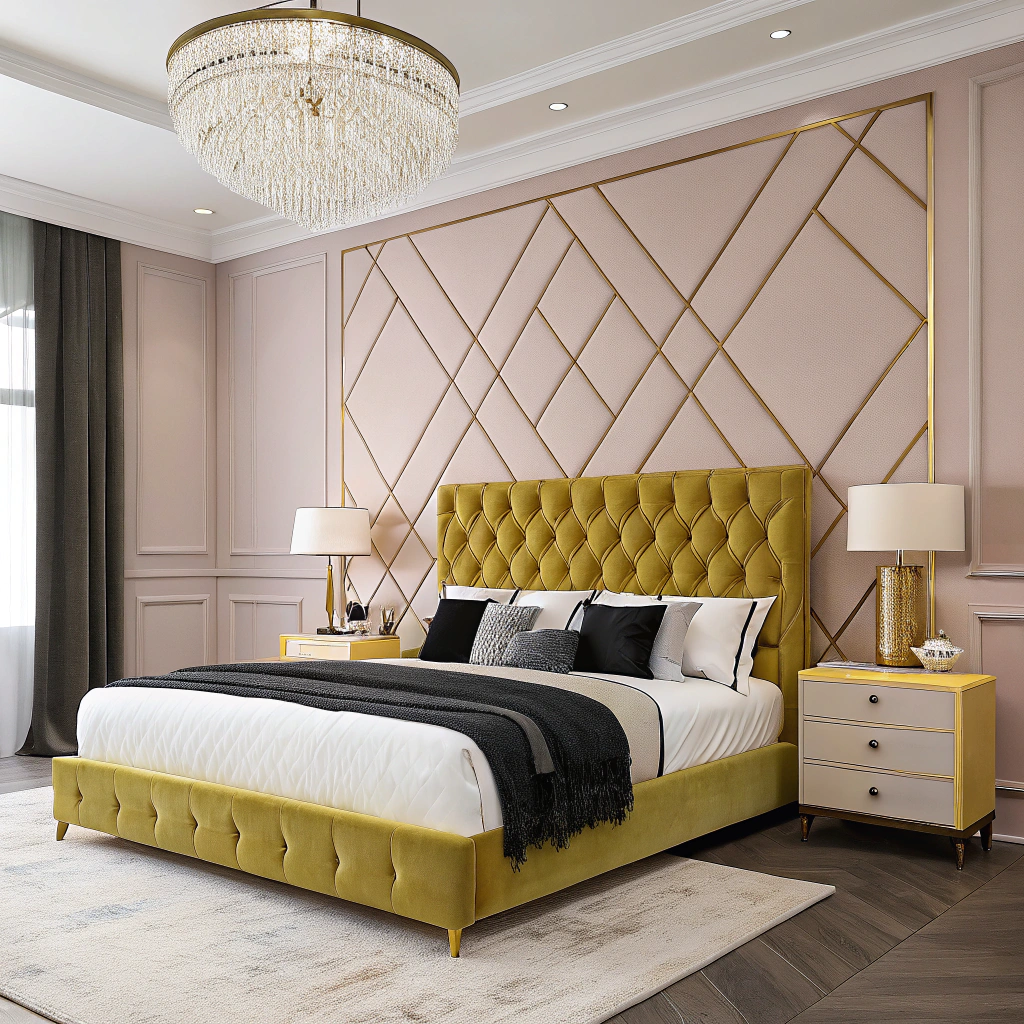
Upholstered Ottoman Bed vs Standard King Size Bed Frame: The Ultimate 2025 Buyer’s Guide
Did you know that the average bedroom wastes over 30 square feet of potential storage space beneath the bed? I’ve been there – staring at that dead zone under my standard king size bed frame, wishing I could magically transform it into something useful! Enter the upholstered ottoman bed, a game-changing piece of furniture that’s revolutionising how we think about bedroom storage and style.
Top 5 Reasons to Choose an Upholstered Ottoman Bed Over Standard King Size Bed Frame with Storage Options While traditional bed frames simply hold your mattress, ottoman beds work double duty as both sleeping surface and storage powerhouse. In this comprehensive guide, we’ll explore why more homeowners are ditching their standard frames for these multifunctional marvels, and help you decide which option deserves a place in your bedroom sanctuary. Ready to transform your bedroom with smart storage? Discover our complete collection of upholstered ottoman beds that combine luxury style with massive storage capacity.
What Is an Upholstered Ottoman Bed? Understanding the Basics
Definition and Core Features
• Massive hidden storage compartment – An upholstered ottoman bed is essentially a storage unit disguised as a gorgeous bed frame. The entire mattress platform lifts up to reveal a cavernous space underneath that can hold roughly 40 cubic feet of your stuff.
• Upholstered comfort meets functionality – Unlike basic wooden or metal frames, these beds feature soft fabric or leather covering that makes them feel more like furniture than just a mattress holder. I remember running my hands along my first velvet ottoman bed, thinking it felt more like a luxury sofa.
• No visible storage hardware – The beauty of ottoman beds is their clean, streamlined look. There are no bulky drawers sticking out or handles cluttering up the design, just smooth upholstered sides that hide all the clever engineering underneath.
How the Hydraulic Lift Mechanism Actually Works
• Gas strut technology – Most quality ottoman beds use the same gas-filled pistons you’d find in car boots or office chairs. These struts contain pressurised nitrogen that provides the lifting force, making a heavy king size mattress feel weightless when you’re opening it.
• Safety features built in – The hydraulic system includes soft-close mechanisms that prevent the bed from slamming shut on your fingers (learned that one the hard way with a cheap model that nearly took my thumb off). Quality systems also have safety stays that hold the bed open whilst you’re digging around inside.
• Weight capacity considerations – Most hydraulic systems are designed to handle mattresses up to about 50kg, but I’ve found that memory foam mattresses can push this limit. If you’ve got a particularly heavy mattress, check the manufacturer’s specifications before buying.
Upholstery Materials and Fabric Choices
• Velvet upholstery – Absolutely stunning but high maintenance. My cream velvet ottoman bed looked like something from a luxury hotel for about three weeks before reality hit. Pet hair, dust, and general life made it look shabby pretty quickly.
• Linen and cotton blends – Much more practical for everyday living. Linen ottoman beds have that relaxed, lived-in vibe that’s dead trendy right now, plus they hide marks better than smooth fabrics. Cotton blends offer good durability without breaking the bank.
• Leather options – The ultimate in easy maintenance, but expect to pay premium prices. Faux leather ottoman beds give you that sleek look for less money, though they don’t age as gracefully as genuine leather.
• Performance fabrics – Some manufacturers now offer stain-resistant treatments or easy-clean fabrics that are brilliant if you’ve got kids or pets. These usually cost a bit extra but save you loads of hassle in the long run.
King Size Dimensions and Space Requirements
• Standard king size measurements – Most king size ottoman beds measure 150cm x 200cm, exactly the same footprint as traditional king frames. The height varies between 35-45cm, depending on the storage depth and mattress thickness.
• Clearance space needed – Here’s what furniture shops don’t always mention: you need extra room around the bed because the mattress lifts up and out. I made the mistake of placing mine too close to the wall and could only open it halfway. Allow at least 60cm of clear space on your main access side.
• Bedroom layout considerations – Ottoman beds work best when positioned so you can access the storage from the foot of the bed or the side away from the wall. Corner placements can be tricky unless you’ve got loads of space.
Price Comparison with Traditional Bed Frames
• Budget ottoman beds (£400-£800) – Basic fabric models with simple hydraulic systems. These do the job but don’t expect premium materials or fancy features. Still miles better value than buying a separate bed frame and storage furniture.
• Mid-range options (£800-£1500) – Better quality upholstery, more reliable hydraulic systems, and often include features like built-in USB ports or LED lighting. This is the sweet spot for most people.
• Premium models (£1500+) – Luxury fabrics, superior construction, and designer styling. Some include extras like integrated bedside tables or wireless charging pads built into the headboard.
• Value proposition reality check – Yes, ottoman beds cost more upfront than basic frames, but when you factor in replacing a chest of drawers or wardrobe, the maths starts working in your favour. My £1200 ottoman bed replaced both my old £200 frame and a £400 storage unit. Experience the luxury of the Lizzy Ottoman Upholstered Bed Frame – featuring premium gas-lift hydraulics and gorgeous fabric options that’ll transform your bedroom storage game.
Storage Solutions That Transform Your Bedroom Space
Massive Under-Bed Storage Capacity
• 40+ cubic feet of hidden space – When I first measured my king size ottoman bed storage, I couldn’t believe the numbers. We’re talking about roughly 1,200 litres of space – that’s like having an entire wardrobe hidden under your mattress. To put it in perspective, that’s enough room for about 20-30 winter coats or your entire out-of-season wardrobe.
• Dead space transformed into a goldmine – Before my ottoman bed, that area under my old frame was just a dust bunny graveyard and the occasional lost sock. Now it’s become the most valuable real estate in my bedroom. I’ve managed to clear out two bulky storage boxes and a chest of drawers just by utilising this previously wasted space.
• Size comparison reality check – A standard king size ottoman bed typically offers about three times more storage than those under-bed storage boxes you can buy separately. Plus, you don’t have to crawl around on your hands and knees trying to drag heavy boxes out from awkward corners.
Easy Access with Gas-Lift Hydraulic Systems
• Effortless lifting mechanism – The first time I opened my ottoman bed, I nearly sent the mattress flying because I was bracing for serious weight. The gas struts make lifting a king size mattress feel like opening a laptop lid. Even my mum, who struggles with heavy lifting, can operate it with one hand.
• No more back-breaking storage access – Gone are the days of getting on your knees to reach under-bed boxes or wrestling with stuck drawers. The hydraulic system brings everything up to waist height, making it dead easy to see what you’ve got stored and grab what you need.
• Safety features that actually work – Quality gas-lift systems include soft-close mechanisms that prevent the bed from slamming shut. I learned to appreciate this feature after a mate’s cheap ottoman bed nearly took his fingers off when the hydraulics failed. Always check the weight rating and warranty on the lifting mechanism.
• Maintenance considerations – The hydraulic struts typically last 5-10 years with normal use, though I’ve noticed mine getting slightly stiffer after three years of daily opening. Most manufacturers offer replacement struts for around £50-80, which beats buying a whole new bed.
Perfect Storage for Bedding, Seasonal Clothes, and Bulky Items
• Seasonal wardrobe rotation made simple – This is where ottoman beds absolutely shine. I can fit my entire winter wardrobe (thick jumpers, coats, boots) in there during the summer months. No more vacuum storage bags or trips to the loft – just lift the bed, swap out your clothes, and you’re sorted.
• Bedding storage without the bulk – Spare duvets, pillows, and guest bedding take up massive amounts of wardrobe space. My ottoman bed easily holds three complete bedding sets plus spare pillows without looking stuffed. The key is using the full depth of the storage area rather than just throwing everything in randomly.
• Bulky item solutions – Things like suitcases, sports equipment, or those awkward-shaped items that never fit anywhere else have found their perfect home. I’ve got my guitar case, camping gear, and winter sports kit all stored under there. It’s like having a walk-in wardrobe that nobody can see.
Storage Space Comparison vs Standard Bed Frames with Drawers
• Drawer limitations exposed – Standard bed frames with drawers typically offer about 10-15 cubic feet of storage across 2-4 drawers. That’s less than half what you get with an ottoman bed, plus drawers have height restrictions that make storing bulky items impossible.
• Access advantages – Bed frame drawers are notorious for getting stuck, especially when they’re fully loaded. I’ve had drawer runners break under the weight of heavy bedding, leaving me with a useless storage solution. Ottoman beds give you complete access to the entire storage area without mechanical drawer systems that can fail.
• Space efficiency comparison – Drawers waste loads of space due to their construction – you’ve got the drawer sides, runners, and gaps between drawers eating into your storage capacity. Ottoman beds use every inch of available space under the mattress platform.
• Cost-effectiveness reality – A decent bed frame with quality storage drawers can cost £600-1000, whilst offering significantly less storage than an ottoman bed in the same price range. When you factor in the storage capacity per pound spent, ottoman beds win hands down.
Organisation Tips for Maximising Ottoman Bed Storage
• Zone your storage space – I divide my ottoman bed storage into sections: one end for seasonal clothes, the middle section for bedding, and the other end for bulky items. This prevents everything from becoming a jumbled mess where you can’t find anything.
• Use clear storage containers – Whilst the ottoman bed gives you loads of space, throwing everything in loose creates chaos. I use clear plastic boxes to keep similar items together and make everything visible when I lift the bed. Vacuum storage bags work brilliantly for out-of-season clothes.
• Label everything properly – Trust me on this one – after six months, you’ll forget what’s in each container. I use a simple labelling system with contents and date stored. It saves ages when you’re looking for specific items.
• Rotate items seasonally – Don’t just dump everything in there and forget about it. I do a proper clear-out every six months, moving seasonal items to the front and checking nothing’s getting damp or damaged. The storage area needs to breathe occasionally.
• Weight distribution matters – Keep heavier items towards the foot of the bed where the hydraulic struts are usually positioned. This makes opening easier and puts less strain on the lifting mechanism. Lighter items like pillows and duvets can go anywhere. Maximise your bedroom space with the Sophia Ottoman Bed Frame – offering 40+ cubic feet of hidden storage that’ll replace your chest of drawers and under-bed boxes.
Style and Design Advantages of Upholstered Ottoman Beds
Luxurious Upholstered Headboard Integration
• Seamless design flow – The beauty of ottoman beds lies in how the headboard and base work together as one cohesive piece. Unlike traditional bed frames, where you’re essentially buying two separate bits of furniture, ottoman beds create this gorgeou,s uninterrupted line of upholstery that makes your bedroom look dead sophisticated.
• Height and proportion benefits – Most ottoman beds feature taller headboards (around 120-140cm) that create proper visual impact in your bedroom. I remember when I first set mine up, it completely transformed the scale of my room – suddenly my ceiling felt higher and the whole space looked more luxurious.
• Integrated design elements – Many upholstered ottoman beds include clever details like button tufting, piped edges, or contrasting welts that tie the headboard and base together. My bed has this gorgeous deep buttoning on the headboard that’s echoed in subtle stitching lines on the base – it’s these little touches that make it look like a proper designer piece.
• No awkward gaps or mismatched styles – With separate headboards and frames, you often end up with slightly different fabric shades or textures that don’t quite match. Ottoman beds eliminate this problem entirely since everything’s made from the same materials at the same time.
Wide Range of Fabric Colours and Textures
• Velvet luxury options – Velvet ottoman beds are absolutely stunning and create this rich, hotel-like atmosphere in your bedroom. I’ve seen them in everything from deep emerald green to blush pink, and the way velvet catches the light makes even budget models look expensive. Just be prepared for the maintenance – velvet shows every mark and pet hair.
• Linen and natural textures – Linen upholstery has become massively popular lately, and for good reason. It gives ottoman beds this relaxed, lived-in vibe that works brilliantly with Scandi or coastal bedroom styles. The natural texture hides marks better than smooth fabrics, plus it gets softer and more characterful with age.
• Performance fabric innovations – Some manufacturers now offer stain-resistant and easy-clean fabrics that look like expensive materials but handle real life much better. I wish I’d known about these when I bought my first cream velvet bed – would’ve saved me loads of stress about spills and marks.
• Leather and faux leather sophistication – Leather ottoman beds create this gorgeous, masculine, sophisticated look that works brilliantly in modern or industrial-style bedrooms. Faux leather options give you the same aesthetic for less money, though they don’t age as gracefully as genuine leather.
Modern, Streamlined Aesthetic Without Visible Storage Hardware
• Clean lines that don’t scream storage – The genius of ottoman bed design is that nobody would guess there’s massive storage underneath unless you told them. There are no bulky drawer handles, visible hinges, or awkward gaps that give the game away – just smooth, elegant lines that look like expensive furniture.
• Minimalist bedroom compatibility – If you’re going for that clean, uncluttered bedroom look, ottoman beds are perfect because they eliminate the need for additional storage furniture. My bedroom went from looking cramped with a chest of drawers and bedside storage to feeling spacious and serene with just the ottoman bed.
• No protruding elements – Unlike bed frames with drawers that stick out and create trip hazards, ottoman beds sit flush against walls and maintain clean sight lines throughout your bedroom. This makes rooms feel larger and more organised, especially in smaller spaces.
• Contemporary design language – The upholstered, geometric shape of ottoman beds fits perfectly with modern interior design trends. They work brilliantly in everything from industrial lofts to cosy cottages because the clean lines are so versatile.
Customisation Options for Different Bedroom Decor Styles
• Traditional and classic styling – Ottoman beds with deep button tufting, rolled edges, and rich fabrics like velvet or leather create gorgeous traditional bedroom aesthetics. I’ve seen them work brilliantly in period properties where they complement original features whilst providing modern functionality.
• Scandinavian minimalism – Light-coloured linen or cotton ottoman beds with simple, clean lines are perfect for Scandi-style bedrooms. The natural textures and neutral colours create that calm, uncluttered vibe that’s so popular right now.
• Industrial and contemporary looks – Charcoal grey or black leather ottoman beds work brilliantly in industrial-style bedrooms with exposed brick or metal fixtures. The sleek lines complement modern architecture whilst the upholstery softens harsh industrial elements.
• Bespoke sizing and features – Many manufacturers offer custom sizing for awkward spaces or specific requirements. Some even include extras like built-in USB charging ports, LED strip lighting, or integrated bedside shelving that’s all covered in matching upholstery.
How Upholstery Adds Warmth and Comfort to Bedroom Ambience
• Softening hard surfaces – Bedrooms can feel cold and unwelcoming with too many hard surfaces like wooden floors, metal fixtures, or glass furniture. The large expanse of soft upholstery on an ottoman bed immediately warms up the space and makes it feel more inviting and cosy.
• Sound absorption benefits – The thick padding and fabric covering on ottoman beds actually help absorb sound in your bedroom, making the space feel quieter and more peaceful. This is especially noticeable if you’ve got hard flooring or minimal soft furnishings elsewhere in the room.
• Tactile comfort for daily use – There’s something lovely about being able to sit on the edge of your bed and feel soft fabric rather than hard wood or cold metal. The upholstered surface is much more comfortable for those moments when you’re sitting on the bed, getting dresse,d or just having a chat.
• Colour and texture impact on mood – The choice of upholstery colour and texture can completely change how your bedroom feels. Warm, rich colours like deep blues or burgundy create a cosy, intimate atmosphere, whilst lighter shades in soft textures make spaces feel airy and calm. It’s amazing how much difference the right fabric choice can make to your daily mood when you wake up in that space.
Durability and Construction: Ottoman Beds vs Standard Frames
Robust Wooden Frame Construction in Quality Ottoman Beds
• Solid hardwood vs particle board reality – When I first started shopping for ottoman beds, I was shocked at how many cheap models use chipboard or MDF covered in fabric. Quality ottoman beds use solid hardwood frames (usually beech or birch) that can handle the constant stress of lifting mechanisms and heavy storage loads. My mate bought a £300 “bargain” ottoman bed that started sagging after six months – the particle board base just couldn’t cope.
• Reinforced corner joints and bracing – Proper ottoman beds have metal corner brackets and additional cross-bracing that standard bed frames often skip. The storage compartment needs to be structurally sound enough to hold 40+ cubic feet of stuff without flexing or warping. I’ve noticed that cheaper models often develop creaks and wobbles within the first year because they’ve skimped on internal reinforcement.
• Frame thickness that actually matters – Quality ottoman bed frames typically use 18-25mm thick wooden panels compared to the 12-15mm you’ll find on budget models. This extra thickness isn’t just for show – it prevents the base from bowing under weight and keeps the hydraulic mounting points secure over time.
• Moisture resistance considerations – Better manufacturers treat their wooden frames with moisture-resistant finishes, which is crucial since the storage area can trap humidity from bedding and clothes. I learned this the hard way when my first ottoman bed developed a musty smell after storing damp towels – proper wood treatment prevents this issue entirely.
Heavy-Duty Hydraulic Mechanisms Built to Last
• Gas strut quality variations – Not all hydraulic systems are created equal, and this is where you really get what you pay for. Premium ottoman beds use German or Austrian-made gas struts rated for 50,000+ cycles, whilst budget models often use cheaper alternatives that start failing after 2-3 years of regular use.
• Mounting point engineering – The hydraulic struts need to be mounted to reinforced sections of the frame, not just screwed into thin wood panels. Quality beds have metal mounting plates that distribute the load properly. I’ve seen cheap ottoman beds where the struts literally ripped out of the frame because the mounting points weren’t engineered properly.
• Pressure rating and performance – Heavy-duty hydraulic systems maintain a consistent lifting force even when fully loaded with storage. Cheaper systems struggle when you’ve got heavy items stored, making the bed difficult to open. My current bed lifts just as easily with 30kg of winter clothes stored as it does when empty.
• Replacement and serviceability – Quality manufacturers design their hydraulic systems to be serviceable, with replacement struts available for around £60-100. Budget beds often use proprietary systems where replacement parts aren’t available, meaning you’re stuck with a broken bed after a few years.
Weight Capacity Comparisons (Typically 500+ lbs)
• Total weight distribution reality – Quality ottoman beds are typically rated for 500-700 lbs total weight, including mattress, occupants, and stored items. That’s significantly higher than many standard bed frames that max out around 400-500 lbs. The distributed weight across the entire platform makes ottoman beds incredibly stable.
• Dynamic vs static load considerations – Ottoman beds need to handle not just static weight but also the dynamic forces of people getting in and out of bed whilst the storage area is loaded. Standard bed frames only deal with the mattress and occupants, so they don’t need the same level of structural engineering.
• Storage weight limits – Most manufacturers recommend keeping stored items under 50-75kg to maintain proper hydraulic function. I’ve pushed this limit with heavy winter gear and found that whilst the frame can handle it, the gas struts work harder and may wear out faster.
• Mattress weight factors – Memory foam and pocket spring mattresses can weigh 40-60kg for a king size, which eats into your total weight capacity. Factor this in when comparing ottoman beds, especially if you’re planning to store heavy items or have a particularly hefty mattress.
Mattress Support Systems and Slat Arrangements
• Solid platform vs slatted bases – Many ottoman beds use solid wooden platforms rather than slatted bases, which provides excellent mattress support but can reduce airflow. Some premium models use closely-spaced slats (5-7cm gaps) that offer the best of both worlds – proper support with adequate ventilation.
• Edge support engineering – Ottoman beds often have superior edge support compared to standard frames because the entire perimeter needs to be reinforced for the storage compartment. This means less mattress roll-off and better sleeping surface utilisation across the entire bed.
• Ventilation considerations – The enclosed storage area can trap moisture, so quality ottoman beds include ventilation holes or breathable fabric panels. Standard bed frames have natural airflow underneath, whilst ottoman beds need engineered ventilation solutions.
• Mattress compatibility issues – Some ottoman beds work better with certain mattress types. Platform-style bases are brilliant for memory foam but might be too firm for traditional spring mattresses that need more give in the support system.
Long-Term Value and Warranty Considerations
• Warranty coverage reality check – Quality ottoman beds typically come with 5-10 year warranties on the frame and 2-5 years on hydraulic components. Standard bed frames often have shorter warranties because they’re simpler products with fewer potential failure points. Always check what’s actually covered – some warranties exclude the hydraulic system entirely.
• Repair vs replacement economics – When a standard bed frame breaks, you usually just buy a new one because they’re relatively cheap. Ottoman beds are worth repairing because of their higher initial cost. Replacement hydraulic struts cost £60-100, which is much cheaper than buying a new bed.
• Resale value considerations – Quality ottoman beds hold their value much better than standard frames because of their functionality and construction quality. I sold my three-year-old ottoman bed for about 60% of what I paid, whilst standard bed frames typically lose 80% of their value immediately.
• Total cost of ownership – When you factor in the storage furniture you don’t need to buy, plus the longer lifespan of quality ottoman beds, the total cost of ownership often works out similar to or better than buying separate bed frames and storage solutions. My ottoman bed replaced a £200 bed frame and £400 chest of drawers, so even at £800, it was actually good value.
• Manufacturer reputation matters – Stick with established furniture manufacturers who’ve been making ottoman beds for years rather than fly-by-night online retailers. Established companies are more likely to honour warranties and provide replacement parts years down the line. Invest in quality that lasts with the Lunar Ottoman Bed Frame – built with solid hardwood construction and premium hydraulic systems for years of reliable use.
Practical Benefits That Make a Difference
Space-Saving Advantages in Smaller Bedrooms
• Maximising every square metre – When I moved into my tiny one-bedroom flat, I thought I’d have to choose between having a proper bed and any storage space. Ottoman beds completely changed that equation – suddenly, I had both without sacrificing floor space. In bedrooms under 10 square metres, every centimetre counts, and ottoman beds use vertical space that would otherwise be completely wasted.
• Visual space enhancement – Smaller bedrooms can feel cramped when you’ve got bulky furniture everywhere, but ottoman beds create clean sight lines because there’s no additional storage furniture cluttering up the room. My bedroom went from feeling like a storage unit to actually looking like a proper bedroom once I ditched the chest of drawers and under-bed boxes.
• Traffic flow improvements – Standard bed frames with separate storage furniture create obstacle courses in small bedrooms. You’re constantly navigating around chests of drawers, wardrobes, and storage boxes. Ottoman beds eliminate most of these obstacles, making small bedrooms much more livable and less stressful to move around in.
• Proportional furniture scaling – In smaller bedrooms, a king size ottoman bed actually looks more proportional than a standard frame plus multiple storage pieces. The single, streamlined piece of furniture creates better visual balance than several smaller items scattered around the room.
Elimination of Need for Additional Storage Furniture
• Chest of drawers replacement – My ottoman bed completely replaced a bulky chest of drawers that was taking up valuable floor space and making my bedroom feel cramped. The storage capacity is actually greater than most chests of drawers, plus you don’t lose the space around and behind the furniture that you can’t really use for anything else.
• Under-bed storage box elimination – Before my ottoman bed, I had three large plastic storage boxes under my old frame that were an absolute nightmare to access. You’d have to drag them out, creating dust clouds and scratching the floor, just to find one item. Now everything’s accessible with a simple lift of the mattress.
• Wardrobe space liberation – The massive storage capacity means I can move bulky items like winter coats, spare bedding, and seasonal clothes out of my wardrobe, freeing up hanging space for everyday items. My wardrobe went from being stuffed to the point where I couldn’t find anything to being properly organised with room to spare.
• Bedside storage reduction – Many people use bedside tables or units for storage, but ottoman beds reduce this need significantly. I’ve been able to switch from bulky bedside cabinets to simple floating shelves because I don’t need the storage space anymore.
Easy Mattress Access for Cleaning and Maintenance
• Mattress rotation made simple – Rotating a king size mattress used to be a proper workout that required moving furniture and enlisting help. With an ottoman bed, you just lift the hydraulic mechanism and you’ve got complete access to flip or rotate your mattress. Takes about two minutes instead of twenty.
• Deep cleaning accessibility – The hydraulic lift gives you proper access to clean the mattress base and check for any issues like wear spots or sagging. I discovered my old mattress had developed a damp patch that I never would’ve found with a standard frame because it was impossible to lift and inspect properly.
• Bed frame maintenance – You can actually see and clean the bed frame structure, check for loose bolts, and maintain the hydraulic system properly. With standard frames, especially divan bases, you’re basically flying blind when it comes to what’s happening underneath your mattress.
• Pest prevention benefits – Being able to easily lift and inspect the entire sleeping area means you can spot potential pest issues early. Dust mites, bed bugs, or other unwanted visitors are much easier to deal with when you can access and treat the entire bed structure properly.
Reduced Bedroom Clutter and Improved Organisation
• Everything has a proper home – The massive storage capacity means you can actually organise items properly instead of shoving them wherever they’ll fit. I’ve got designated areas for different types of items – seasonal clothes at one end, spare bedding in the middle, and bulky items like suitcases at the other end.
• Seasonal rotation systems – Ottoman beds make it dead easy to rotate seasonal items without the hassle of loft access or garage storage. When winter’s over, I just lift the bed, swap out heavy jumpers for summer clothes, and everything’s sorted in about ten minutes.
• Guest preparation efficiency – When people come to stay, I can quickly access spare bedding, towels, and anything else guests might need without rummaging through multiple storage locations. Everything’s in one easily accessible place under the bed.
• Reduced surface clutter – When you’ve got proper storage that’s easy to access, you’re much more likely to put things away rather than leaving them on surfaces. My bedroom surfaces went from being covered in random stuff to actually being clear and usable.
Ideal Solutions for Guest Rooms and Studio Apartments
• Multi-functional space optimisation – In studio apartments where your bedroom is also your living room, ottoman beds are absolute game-changers. The storage capacity means you can keep the space looking like a proper living area during the day, whilst having everything you need hidden away underneath the bed.
• Guest room efficiency – Guest rooms often become dumping grounds for stuff you don’t know where else to put. Ottoman beds solve this by providing massive storage whilst ensuring the room still looks welcoming for visitors. All the random household items can be stored under the bed, leaving the room looking like an actual guest bedroom.
• Rental property advantages – If you’re renting and can’t install built-in storage, ottoman beds provide a portable storage solution that moves with you. I’ve taken mine through three different flats, and it’s adapted to each space perfectly without requiring any permanent modifications.
• Student accommodation benefits – University rooms and shared houses often have minimal storage, making ottoman beds brilliant for students who need to fit their entire life into one small room. The storage capacity can hold everything from textbooks to sports equipment to out-of-season clothes.
• Airbnb and holiday let optimisation – For property owners, ottoman beds in guest accommodations provide storage for spare bedding, towels, and cleaning supplies whilst maintaining a clean, uncluttered look that guests appreciate. Everything’s hidden away but easily accessible when needed. Perfect for small spaces? The Isla Upholstered Ottoman Bed Frame eliminates clutter whilst providing luxurious comfort – ideal for studio apartments and guest rooms.

Potential Drawbacks to Consider Before Buying
Higher Upfront Investment Compared to Basic Bed Frames
• Sticker shock reality – Let’s be honest, when I first saw the price tags on decent ottoman beds, I nearly choked on my tea. You’re looking at £600-2000+ for a quality model, whilst you can pick up a basic metal bed frame for under £100. That initial cost difference is properly eye-watering, especially when you’re furnishing your first place on a tight budget.
• Hidden costs that add up – The bed frame price is just the start – you’ll often need specific types of mattresses that work well with platform bases, plus delivery charges for heavy furniture can be £50-100 extra. I didn’t factor in these additional costs when budgeting for mine and ended up spending £200 more than planned.
• Budget vs quality dilemma – Cheap ottoman beds (under £400) are often a false economy because they use rubbish hydraulic systems and flimsy construction. But spending £1000+ on a bed feels mental when you could furnish half your bedroom for that money. Finding the sweet spot between quality and affordability is genuinely tricky.
• Financing considerations – Many furniture stores offer payment plans for ottoman beds because of the higher costs, but you’ll end up paying interest that makes them even more expensive. I was tempted by a “buy now, pay later” deal but realised I’d end up paying nearly 30% more over two years.
Weight and Difficulty of Moving Ottoman Beds
• Moving house nightmares – Ottoman beds are absolute beasts to move – my king size model weighs about 80kg without the mattress. When I moved flats, the removal company charged extra because it required three people to carry it safely. Standard bed frames can usually be handled by two people or even taken apart completely.
• Staircase challenges – Getting an ottoman bed up narrow staircases or around tight corners is a proper mission. The solid construction means they don’t disassemble like standard frames, so what you see is what you’re stuck with. I had to remove my bedroom door and measure every angle twice before delivery.
• Assembly location importance – Once you’ve assembled an ottoman bed, it’s basically staying in that room unless you fancy dismantling the whole thing. I made the mistake of assembling mine in the wrong bedroom initially and had to completely take it apart to move it – it took an entire weekend and nearly ended my relationship.
• Rental property considerations – If you move frequently or rent furnished places, the weight and size of ottoman beds can be a real pain. They’re not exactly the kind of furniture you can easily transport in a car or store temporarily between moves.
Potential Hydraulic Mechanism Maintenance Needs
• Gas strut degradation over time – The hydraulic struts gradually lose pressure over 3-5 years of regular use, making the bed harder to lift. My mate’s ottoman bed started requiring two people to open it after four years because the gas struts were knackered. Replacement struts cost £60-100, which isn’t terrible, but it’s an ongoing expense you don’t get with standard frames.
• Lubrication and cleaning requirements – The hydraulic hinges need occasional lubrication to keep working smoothly, and dust can build up in the mechanism over time. It’s not difficult maintenance, but it’s something you need to remember to do. Standard bed frames basically maintain themselves once assembled.
• Temperature sensitivity issues – Gas struts can be affected by extreme temperatures – in very cold bedrooms, they might be stiffer to operate, whilst heat can make them lose pressure faster. My bedroom gets quite cold in winter, and I’ve noticed the bed is definitely harder to lift on freezing mornings.
• Warranty limitations on moving parts – Whilst the bed frame might have a 10-year warranty, the hydraulic components often only get 2-3 years coverage. After that, any repairs or replacements are on you, which can add up if you’re unlucky with component failures.
Limited Under-Bed Access Compared to Open Frames
• No quick access for daily items – With standard bed frames, you can easily slide storage boxes in and out or grab something that’s rolled under the bed. Ottoman beds require lifting the entire mattress every time you need access, which is fine for stored items but annoying for things you might need regularly.
• Cleaning complications – Hoovering under an ottoman bed means lifting the mattress every time, whereas open frames let you just run the hoover underneath quickly. I’ve definitely become lazier about cleaning under my bed since getting an ottoman, because it requires more effort.
• Lost item retrieval challenges – When something rolls under a standard bed frame, you can usually fish it out with a broom handle or crawl under to grab it. With ottoman beds, you’ve got to lift the whole sleeping surface just to retrieve a dropped phone charger or escaped sock.
• Pet access considerations – If you’ve got cats or small dogs that like hiding under beds, ottoman beds eliminate that option entirely. My cat was genuinely confused for weeks Good Housekeeping’s bedroom organisation guide after I got mine because her favourite hiding spot had disappeared.
Assembly Complexity and Professional Installation Considerations
• Multi-person assembly requirements – Ottoman bed assembly is definitely not a one-person job – you need at least two people, preferably three, to handle the weight and complexity safely. The instruction manuals make it look simple, but wrestling with heavy upholstered panels whilst trying to align hydraulic mechanisms is proper stressful.
• Specialised tools needed – Most ottoman beds require tools beyond basic screwdrivers and Allen keys. I had to borrow a proper drill and buy specific drill bits for mine. Some models need torque wrenches to properly tighten the hydraulic mounting points, which most people don’t have lying around.
• Professional installation costs – Many retailers offer professional assembly for £100-200, which feels like a rip-off but might be worth it given the complexity. I tried assembling mine myself and ended up calling in a handyman anyway after getting the hydraulic alignment wrong twice.
• Instruction manual quality varies – Some manufacturers provide brilliant step-by-step guides with clear diagrams, whilst others give you poorly translated instructions that make no sense. I spent three hours trying to figure out which way round certain panels went because the manual was useless.
• Mistake consequences – Getting assembly wrong with an ottoman bed can be expensive – if you damage the upholstery or hydraulic system during assembly, you might void your warranty. Standard bed frames are much more forgiving of assembly mistakes because they’re simpler and less expensive to fix. Want professional assembly and peace of mind? The Saros Ottoman Bed Frame comes with expert installation options and comprehensive warranty coverage.
Making the Right Choice for Your Bedroom Needs
Assessing Your Storage Requirements and Bedroom Size
• Honest storage audit – Before I bought my ottoman bed, I spent a weekend actually measuring and cataloguing everything I needed to store. Turns out I had about 35 cubic feet of stuff that was cluttering up my bedroom – winter clothes, spare bedding, sports equipment, and random household items. If you’ve got less than 20 cubic feet of storage needs, an ottoman bed might be overkill.
• Bedroom dimensions reality check – Measure your bedroom properly, including ceiling height and door widths. My bedroom is 3.2m x 2.8m, which sounds decent until you factor in wardrobes, windows, and radiators. Ottoman beds need at least 60cm clearance on one side for access, plus space for the mattress to lift up. In rooms smaller than 2.5m x 3m, they can dominate the space.
• Current storage furniture assessment – List everything you’re currently using for bedroom storage and work out if an ottoman bed could realistically replace it all. I had a chest of drawers, two under-bed storage boxes, and half a wardrobe full of bulky items. The Ottoman bed replaced everything except daily-use clothing storage.
• Future storage needs consideration – Think about whether your storage needs might change. If you’re planning to have kids, move house, or change lifestyle significantly, factor that into your decision. I didn’t consider that working from home would mean needing storage for office supplies and equipment.
Budget Considerations and Long-Term Value Analysis
• Total cost of ownership calculation – Don’t just look at the ottoman bed price – factor in what storage furniture you won’t need to buy. My £1200 ottoman bed replaced a £300 chest of drawers, £150 worth of under-bed storage boxes, and freed up £400 worth of wardrobe space that I could use differently. Suddenly, the maths looked much better.
• Quality vs price sweet spot – I’ve learned that spending £800-1200 gets you proper quality without going mental on price. Below £600, you’re often getting rubbish hydraulics and flimsy construction. Above £1500, you’re paying for designer names rather than significantly better functionality.
• Financing trap awareness – Furniture stores love pushing payment plans for expensive items, but the interest rates are often shocking. I nearly fell for a “0% interest” deal that had massive setup fees hidden in the small print. If you can’t afford to buy it outright, maybe wait and save up rather than getting trapped in expensive credit agreements.
• Resale value considerations – Quality ottoman beds hold their value much better than standard frames. I sold my previous one after three years for about 55% of what I paid, whilst my mate’s basic metal frame was basically worthless after the same period. Factor this into your long-term cost calculations.
Matching Ottoman Bed Styles with Existing Decor
• Fabric choice impact on room aesthetics – The upholstery choice can make or break your bedroom’s look. I initially wanted a bold navy velvet bed, but realised it would clash horribly with my existing cream and grey colour scheme. Neutral colours like charcoal, beige, or soft grey work with most decor styles and won’t date quickly.
• Scale and proportion considerations – Ottoman beds tend to be chunkier than standard frames, which can overwhelm smaller bedrooms or clash with delicate, minimalist decor. My friend’s tiny Victorian terrace bedroom looked ridiculous with a massive tufted ottoman bed – it was like putting a sofa in a cupboard.
• Existing furniture coordination – Consider how the ottoman bed will work with your current bedroom furniture. If you’ve got sleek, modern pieces, a heavily buttoned traditional ottoman bed will look completely out of place. I had to replace my bedside tables because my old ones looked tiny and cheap next to the substantial ottoman bed.
• Lighting and texture interactions – Different upholstery materials react differently to your bedroom lighting. Velvet looks gorgeous in soft lighting, but can look cheap under harsh overhead lights. Linen works well in bright, natural light but can look dull in darker rooms.
When Standard King Frames Might Be the Better Option
• Minimal storage needs – If you’re naturally tidy and don’t accumulate much stuff, the storage benefits of an ottoman bed might not justify the extra cost and complexity. My minimalist mate has about five items of clothing and no clutter – an ottoman bed would be complete overkill for his lifestyle.
• Frequent moving situations – If you move house regularly or rent furnished places, the weight and size of ottoman beds become major disadvantages. Standard frames can be dismantled easily and transported in a car, whilst ottoman beds require professional movers and careful planning.
• Budget constraints reality – Sometimes you just need a bed and can’t justify spending £800+ on storage you might not use. A decent standard king frame for £200-400 plus some under-bed storage boxes might be the sensible choice, especially for first-time buyers or students.
• Bedroom layout limitations – Some bedroom layouts just don’t work with ottoman beds. If you’ve got radiators, fitted furniture, or awkward angles that prevent proper access to the storage, a standard frame might be more practical.
Questions to Ask Before Making Your Final Decision
• Storage accessibility requirements – How often will you actually need to access the stored items? If it’s daily or weekly, the hassle of lifting the mattress might get annoying quickly. I use mine mainly for seasonal storage, so accessing it monthly is fine, but daily access would drive me mental.
• Physical capability considerations – Can everyone who uses the bedroom operate the hydraulic mechanism comfortably? My elderly mum struggles with my ottoman bed when she visits, whilst my old standard frame was much easier for her to manage.
• Maintenance commitment level – Are you prepared to maintain the hydraulic system and keep the storage area organised? Ottoman beds work brilliantly when properly maintained, but become frustrating when neglected. Be honest about your housekeeping habits.
• Long-term living situation – How long are you planning to stay in your current home? If you’re likely to move within 2-3 years, the hassle and cost of moving an ottoman bed might outweigh the benefits. Standard frames are much more portable and flexible.
• Partner or household agreement – Does everyone in the household actually want the storage and understand how to use it properly? I’ve seen relationships strained by one person buying an expensive ottoman bed that the other person finds awkward and unnecessary.
• Backup plan considerations – What happens if the hydraulic system fails or you decide you don’t like the bed? Standard frames are easy to replace or modify, whilst ottoman beds are significant investments that are harder to change your mind about. Ready to make the smart choice? The Sam Ottoman Upholstered Bed Frame offers the perfect balance of style, storage, and value for discerning buyers.
Conclusion
Choosing between an upholstered ottoman bed and a standard king size bed frame ultimately comes down to your specific needs and lifestyle. If you’re struggling with bedroom storage and want a sophisticated, space-saving solution, an ottoman bed offers unmatched functionality wrapped in luxurious style. The investment pays dividends in organisation, aesthetics, and room optimisation. However, if you prefer simplicity, have ample storage elsewhere, or work with a tight budget, a quality standard frame might serve you better.
Whatever you choose, prioritise quality construction and consider how your decision will impact your daily routine and bedroom enjoyment for years to come. Ready to transform your bedroom? Start by measuring your space and identifying your storage needs – your perfect bed solution awaits! Transform your bedroom today! Browse our complete collection of premium ottoman beds and discover why thousands of customers have made the switch to smarter storage.
Frequently Asked Questions
1. What is the difference between an upholstered ottoman bed and a standard king size bed frame?
An upholstered ottoman bed differs from a standard king size bed frame by featuring massive hidden storage underneath the mattress platform, accessed via hydraulic gas-lift mechanisms. Standard bed frames simply support your mattress without any integrated storage solutions.
Key differences include:
- Storage capacity – Ottoman beds offer 40+ cubic feet of hidden storage space, whilst standard frames provide none
- Construction – Ottoman beds use reinforced wooden frames with hydraulic lifting systems, and standard frames use basic support structures
- Upholstery – Ottoman beds feature soft fabric or leather covering, standard frames typically use wood or metal finishes
- Functionality – Ottoman beds eliminate the need for additional bedroom storage furniture, like a chest of drawers
- Price point – Ottoman beds cost £600-2000+, standard king frames range from £100-500
- Weight capacity – Ottoman beds support 500-700 lbs total weight, including stored items, standard frames handle 400-500 lbs
- Assembly complexity – Ottoman beds require professional installation, standard frames use simple DIY assembly
2. How much storage space does a king size ottoman bed actually provide?
A king size ottoman bed provides approximately 40-45 cubic feet of storage space, equivalent to roughly 1,200 litres or the capacity of a large chest of drawers. This massive under-bed storage compartment can accommodate your entire seasonal wardrobe.
Storage capacity breakdown:
- Seasonal clothing – 20-30 winter coats, jumpers, and heavy garments
- Bedding storage – 3-4 complete bedding sets, including duvets and pillows
- Bulky items – Suitcases, sports equipment, camping gear, guitar cases
- Household items – Spare towels, blankets, out-of-season decorations
- Comparison – Three times more storage than standard under-bed storage boxes
- Space efficiency – Replaces the need for a separate chest of drawers or wardrobe space
- Organisation zones – Divide storage into sections for different item categories
The hydraulic gas-lift mechanism provides easy access to this entire storage area, making it practical for regular use rather than just long-term storage.
3. Are ottoman beds worth the extra cost compared to standard bed frames?
Ottoman beds are worth the extra cost when you factor in their dual functionality as both sleeping surface and storage furniture. The investment typically pays for itself by eliminating the need for additional bedroom storage solutions.
Value proposition analysis:
- Cost comparison – £1200 ottoman bed vs £200 standard frame + £400 chest of drawers + £150 storage boxes
- Space savings – Eliminates 2-3 pieces of additional storage furniture from your bedroom
- Resale value – Quality ottoman beds retain 55-60% of original value after 3 years
- Durability – Solid hardwood construction lasts 10-15 years vs 5-7 years for budget frames
- Functionality – Provides storage equivalent to a large wardrobe or multiple furniture pieces
- Room aesthetics – Creates a cleaner, more organised bedroom appearance
- Long-term savings – Reduces need for future storage furniture purchases
However, they’re not worth it if you have minimal storage needs, move frequently, or prefer simple bedroom setups.
4. What are the main disadvantages of ottoman beds I should consider?
The main disadvantages of ottoman beds include higher upfront costs, significant weight, making them difficult to move, and potential hydraulic mechanism maintenance requirements over time. These drawbacks may outweigh the benefits depending on your specific circumstances.
Key disadvantages to consider:
- Higher initial investment – £600-2000+ vs £100-500 for standard frames
- Moving difficulties – 80kg+ weight requires professional movers and careful planning
- Hydraulic maintenance – Gas struts need replacement every 5-10 years (£60-100 cost)
- Assembly complexity – Requires 2-3 people and potentially professional installation
- Limited access – Must lift the entire mattress for storage access, no quick retrieval
- Space requirements – Need 60cm+ clearance for hydraulic mechanism operation
- Rental limitations – Difficult to transport frequently or store between moves
- Pet considerations – Eliminates under-bed hiding spaces for cats and small dogs
Consider these factors against your lifestyle, budget, and long-term housing plans before purchasing.
5. How do I choose between velvet, linen, and leather upholstery for my ottoman bed?
Choose velvet upholstery for luxury aesthetics but expect high maintenance, linen for practical durability with relaxed styling, or leather for easy cleaning with a sophisticated appearance. Your choice should match your lifestyle, maintenance preferences, and bedroom decor style.
Upholstery comparison guide:
- Velvet ottoman beds – Stunning hotel-like appearance, shows pet hair and marks easily, requires regular maintenance
- Linen upholstery – Relaxed Scandinavian vibe, hides marks well, gets softer with age, moderate pricing
- Leather options – Ultimate easy maintenance, premium pricing, sophisticated masculine aesthetic
- Cotton blends – Good durability, budget-friendly, wide colour selection, family-friendly
- Performance fabrics – Stain-resistant treatments, ideal for households with children or pets
- Maintenance levels – Leather (low), linen (medium), cotton (medium), velvet (high)
- Longevity – Leather ages gracefully, linen develops character, and velvet shows wear quickly
Consider your household’s lifestyle, cleaning habits, and aesthetic preferences when selecting upholstery materials for long-term satisfaction.