
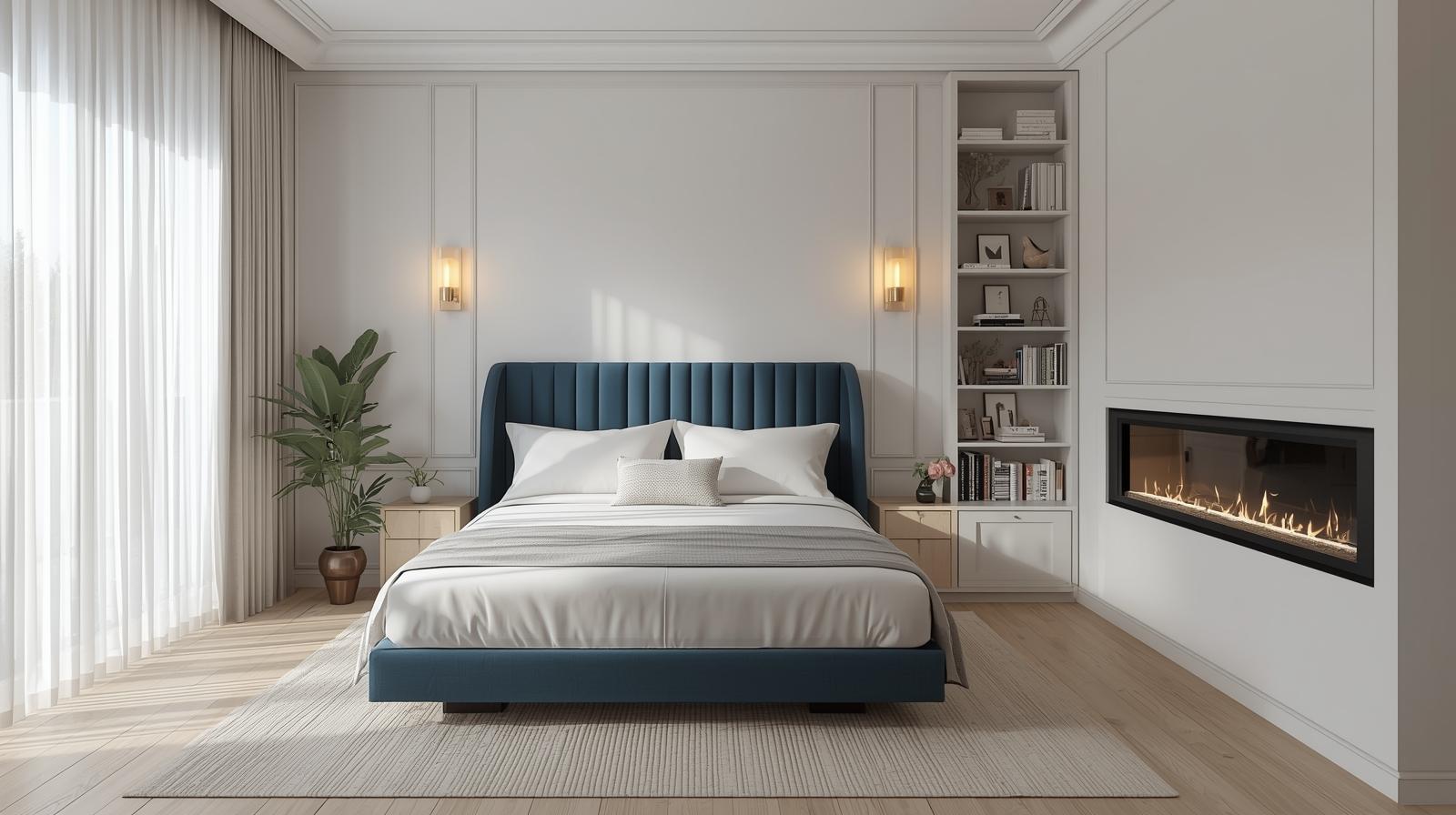
Top Best Queen Size Bed Storage Materials : 7 Best Options for Maximum Durability and Style in 2025
Did you know that the average bedroom wastes over 25 square feet of valuable storage space beneath the bed? That’s enough room to store an entire seasonal wardrobe! If you’re tired of cluttered closets and overflowing dressers, a queen size storage bed might be your game-changer. But here’s the thing – not all storage bed materials are created equal.
Choosing the right material for your queen size storage bed can mean the difference between a piece that lasts decades and one that starts sagging within months. From classic solid wood that ages like fine wine to modern engineered options that won’t break the bank, I’ll walk you through the top materials that combine durability, functionality, and style.
Let’s dive into what makes each material special and help you find the perfect match for your bedroom! Browse our complete collection of Ottoman Beds and discover storage solutions that combine style, durability, and functionality. From solid wood classics to modern engineered options – find your perfect match today!
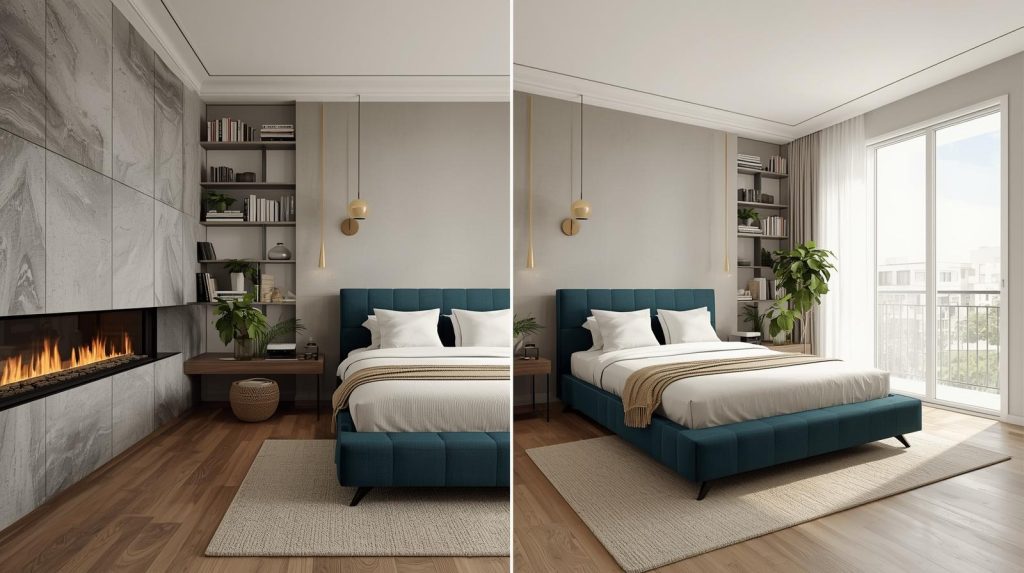
Solid Wood: The Gold Standard for Queen Storage Beds
I’ll be honest – when I first started shopping for a queen storage bed, I thought all wood was basically the same. Boy, was I wrong about that one! After going through three different beds in five years (don’t ask), I’ve learned the hard way why solid wood really is the gold standard.
My first mistake was buying what I thought was a “wooden” storage bed from a big box store. Turned out it was mostly particleboard with a thin wood veneer. Within eighteen months, the storage drawers were sagging, and I could literally see the bed frame bowing under my memory foam mattress. That’s when I started properly researching solid wood options.
Premium Hardwoods: Oak, Maple, and Cherry Lead the Pack
The difference between solid hardwood and engineered wood is like comparing a brick house to a cardboard box. I ended up going with an oak queen storage bed, and the transformation was incredible. Oak’s got this amazing density – around 0.75 grams per cubic centimetre – which means it can handle serious weight without breaking a sweat.
Maple’s another brilliant choice if you’re after something lighter in colour. My mate Sarah’s got a maple storage bed that’s been going strong for eight years now. The wood’s so hard that her kids have literally jumped on it (much to her horror), and there’s not a single dent or scratch.
Cherry wood’s the posh option, and honestly, it’s gorgeous. The natural reddish tones deepen over time, which means your bed actually gets more beautiful as it ages. Though I’ll warn you – cherry can be proper expensive, sometimes running £800-1200 more than oak for the same design.
Natural Wood Grain: Every Bed Tells Its Own Story
Here’s something I never considered before – no two solid wood beds look exactly the same. The grain patterns are like fingerprints, completely unique to each piece. My oak bed has these amazing cathedral grain patterns on the headboard that catch the morning light perfectly.
This natural variation means you’re getting something genuinely one-of-a-kind. Unlike manufactured materials that look identical, solid wood celebrates those little imperfections and character marks that make each piece special.
Weight-Bearing Capacity That Actually Works
The storage capacity difference is mental. My old particleboard bed could barely handle my winter duvets without the drawers sticking. Now I’ve got heavy books, spare bedding, and even some exercise equipment stored underneath, and the drawers glide like butter.
Solid hardwood can typically support 300-500 pounds per drawer, compared to maybe 50-75 pounds for cheaper alternatives. That’s the difference between storing a few light items versus actually using your storage bed as proper furniture.
Refinishing: The Gift That Keeps on Giving
This is where solid wood really shines long-term. Got a scratch or water ring? Sand it down and restain it. Want to change the colour to match new décor? Completely doable with solid wood.
I’ve already refinished my headboard once after a unfortunate incident involving red wine (we don’t talk about that). With engineered wood, that would’ve meant buying a whole new bed. With solid oak, it was a weekend project that made it look brand new again.
The environmental angle’s worth considering too – buying solid wood from sustainable sources means you’re supporting responsible forestry practices, and the longevity means less furniture ending up in landfills. Ready to invest in timeless elegance? Discover our premium Lizzy Ottoman Upholstered Bed Frame – combining solid wood construction with luxurious upholstery for the perfect blend of durability and style.

Engineered Wood: Budget-Friendly Durability for Modern Homes
Look, I get it – not everyone’s got £2000 lying around for a solid oak storage bed. When I was renting my first flat after uni, engineered wood furniture was basically my lifeline. And honestly? Some of the modern engineered options are miles better than what was available even five years ago.
I’ve owned both high-end and budget engineered wood storage beds, and there’s definitely a sweet spot where you get proper value for money. The trick is knowing what to look for and setting realistic expectations.
MDF and Particleboard: Not All Engineered Wood is Created Equal
Here’s where most people get confused – they lump all engineered wood together, but there’s a massive difference between quality MDF and cheap particleboard. I learned this the hard way with my second storage bed purchase.
MDF (medium-density fibreboard) is basically wood fibres compressed with resin under high pressure. Good quality MDF can actually be quite sturdy – my current guest room has an MDF storage bed that’s held up brilliantly for three years. The key is density; you want MDF that’s at least 600-800 kg per cubic metre.
Particleboard, on the other hand, is more like wood chips glued together. It’s cheaper to produce, but it’s also where you’ll run into problems with sagging and moisture damage. I had a particleboard bed frame that literally fell apart when I moved house – the screws just pulled right through the material.
Laminate and Veneer: Wood Looks Without the Wood Price
The finish quality on modern engineered beds has improved dramatically. I’ve seen laminate finishes that genuinely fooled me into thinking they were real wood from a few feet away. The printing technology they use now captures grain patterns and colour variations that look surprisingly authentic.
Veneer’s the step up from laminate – it’s actual thin slices of real wood bonded to the engineered core. My sister’s got a cherry veneer storage bed that cost about 60% less than solid cherry would’ve, and it looks absolutely stunning in her bedroom.
The downside? You can’t refinish these surfaces like you can with solid wood. Once they’re damaged, you’re basically stuck with it or looking at replacement.
Weight Advantages: Assembly and Moving Made Simple
This is where engineered wood properly shines. When I moved from my old flat, dismantling and reassembling my engineered storage bed was a one-person job. Try doing that with a solid oak piece – you’ll need at least two strong mates and probably a van.
Most engineered queen storage beds weigh between 80-120 pounds total, compared to 200-300 pounds for solid wood equivalents. If you’re someone who moves frequently or lives in a flat with narrow staircases, this weight difference is genuinely life-changing.
Moisture Resistance: The Make-or-Break Factor
Here’s where quality really matters with engineered wood. Cheap particleboard will swell up like a sponge if it gets wet, but properly sealed MDF can handle normal household humidity just fine.
I made the mistake once of putting a budget storage bed in a basement bedroom without checking the moisture rating. Within six months, the bottom panels were warping, and the drawers wouldn’t close properly. Now I always check for moisture-resistant finishes, especially in bedrooms that might get humid.
Perfect for Renters and Temporary Situations
Let’s be real – if you’re renting and might move in a year or two, spending massive money on furniture doesn’t always make sense. Engineered wood storage beds offer a brilliant middle ground where you get proper functionality without the massive investment.
I recommend them for young professionals, students, or anyone in transitional living situations. You get the storage benefits, decent aesthetics, and when it’s time to upgrade or move, you’re not heartbroken about leaving expensive furniture behind.
The maintenance is pretty straightforward too – just dust regularly and avoid getting water on the surfaces. No special oils or treatments needed like with solid wood. Looking for smart value without compromising on quality? The Sophia Ottoman Bed Frame offers engineered excellence with modern aesthetics – perfect for today’s practical homeowner.
Metal Frame Storage Beds: Industrial Strength Meets Minimalist Design
I never thought I’d be a metal bed person until my landlord’s ancient wooden frame finally gave up the ghost at 2am with the loudest crack you’ve ever heard. Desperate times called for desperate measures, and I ended up with a steel storage bed from a clearance sale. Three years later, it’s still the best furniture purchase I’ve ever made.
The thing about metal beds is they’re proper no-nonsense. No fancy grain patterns or wood stains to worry about – just clean lines and rock-solid reliability. And honestly, once you experience that level of structural integrity, it’s hard to go back to anything else.
Steel and Iron: Built Like a Tank
The difference in stability between my old wooden bed and this steel frame is absolutely mental. We’re talking about a bed that doesn’t creak, doesn’t wobble, and doesn’t shift even slightly when you sit on the edge. Steel frames typically use 14-16 gauge steel tubing, which can easily handle 1000+ pounds of distributed weight.
I’ve got a memory foam mattress that weighs about 90 pounds, plus I store my entire winter wardrobe in the under-bed drawers, and this frame doesn’t even flinch. My mate James has an iron storage bed that’s been supporting his king-size mattress and two very active kids jumping on it for five years without a single issue.
Iron’s slightly different from steel – it’s got this lovely traditional feel but with modern engineering. The trade-off is weight; iron beds are properly heavy, which makes them incredibly stable but a nightmare to move.
Powder-Coated Finishes: Tougher Than You’d Think
I was worried about scratches and chips when I first got my metal bed, but the powder-coating process creates this incredibly durable surface. It’s basically electrostatically applied plastic powder that’s baked on at high temperatures – way tougher than regular paint.
My bed’s been through two house moves, countless furniture rearrangements, and even survived my disastrous attempt at hanging fairy lights (don’t ask about the drill incident). The finish still looks practically new, with just a tiny chip near one of the legs that you’d never notice unless you were looking for it.
The corrosion resistance is brilliant too. I live in a pretty humid area, and wooden furniture always seems to develop that slightly musty smell after a while. Metal frames just don’t have that problem.
Sleek Profiles: Storage Access That Actually Works
Here’s something I didn’t expect – metal frames are typically much slimmer than wooden ones, which means you get loads more clearance for accessing your storage. My old wooden bed had these chunky side rails that made pulling out the storage drawers a proper wrestling match.
With the metal frame, the support structure is so efficient that the side profiles are maybe 2-3 inches thick maximum. The under-bed storage drawers slide out completely without any awkward maneuvering around thick wooden posts or decorative elements.
The minimalist design also means there’s no wasted space. Every inch of the frame serves a structural purpose, so you’re getting maximum storage capacity in the smallest possible footprint.
Assembly: Actually Enjoyable (Sort Of)
I’m not exactly handy with tools, but putting together my metal storage bed was surprisingly straightforward. Most quality metal frames use a bolt-together system with maybe 20-30 pieces total, compared to the 50+ components you often get with wooden storage beds.
The hardware is usually zinc-plated steel bolts and brackets that actually stay tight over time. No stripped screws, no wobbly joints that need retightening every few months. I assembled mine in about 90 minutes with just a socket wrench and an Allen key.
Hypoallergenic Benefits: A Breath of Fresh Air
This was an unexpected bonus that I only discovered after living with the bed for a while. Metal doesn’t harbor dust mites, mold, or bacteria the way porous materials can. My seasonal allergies definitely improved after switching from my old wooden bed.
There’s no off-gassing either, which was a relief after my previous MDF bed made my bedroom smell like a furniture factory for weeks. Metal frames are basically inert once they’re powder-coated, so they don’t contribute any weird smells or allergens to your sleeping environment.
Modern Aesthetic: Industrial Chic Done Right
The clean, geometric lines work brilliantly with contemporary decor. My bedroom’s got this modern minimalist thing going on, and the metal frame fits perfectly without dominating the space visually.
I’ve seen metal storage beds work equally well in industrial loft-style spaces and traditional bedrooms. The key is choosing the right finish – matte black for modern spaces, or brushed steel for something more classic. Want industrial strength with sleek style? Check out our Evie Ottoman Bed Frame – featuring robust construction and clean lines that complement any contemporary bedroom.
Upholstered Storage Beds: Comfort Meets Hidden Organization
I used to think upholstered beds were just for posh hotels until I spent a weekend at my cousin’s place and experienced the absolute luxury of leaning against a properly padded headboard. Within a month, I’d ditched my hard wooden bed frame for a gorgeous grey linen storage bed, and honestly, it’s transformed my entire bedroom experience.
The thing about upholstered storage beds is they’re like having a comfy sofa that doubles as your bed and wardrobe. But choosing the right one? That’s where things get properly complicated.
Fabric vs Leather: The Great Upholstery Debate
I went back and forth on this decision for weeks. Fabric felt more cosy and bedroom-appropriate, whilst leather seemed more practical and easier to clean. In the end, I chose a linen-blend fabric, and I’m chuffing delighted with it.
Linen and cotton blends are brilliant for breathability – no sweaty back when you’re propped up reading. The natural fibres also age beautifully, developing this lovely lived-in character over time. My bed’s got these subtle colour variations now that make it look even better than when it was brand new.
Velvet’s another popular choice, and I can see why. My neighbour’s got a deep emerald velvet storage bed that looks absolutely stunning, but she’s constantly battling pet hair and dust. The pile direction means you can see every fingerprint and brush mark, which drives her mental.
Leather’s the practical choice if you’ve got kids or pets. My sister went with a chocolate brown leather storage bed after her toddler decorated her previous fabric headboard with crayon masterpieces. Leather wipes clean with just a damp cloth, and it actually gets more comfortable as it breaks in.
Padded Headboards: Game-Changer for Bedroom Comfort
This is where upholstered beds really shine. I spend probably two hours every evening propped up in bed with my laptop or a book, and having that soft, supportive headboard is absolutely life-changing. No more stacking pillows that constantly slip down or dealing with hard wooden edges digging into your back.
The padding thickness makes a massive difference too. Cheaper upholstered beds often have maybe an inch of foam, which compresses down to nothing within months. Quality beds use 3-4 inches of high-density foam or even memory foam, which maintains its shape and support for years.
Button tufting isn’t just decorative either – it helps prevent the padding from shifting around inside the fabric cover. Though I’ll warn you, those little button indentations are dust magnets if you don’t vacuum them regularly.
Hidden Storage: The Art of Invisible Organization
The storage design on upholstered beds is usually much more sophisticated than other types. Instead of obvious drawers or lift-up platforms, many use hydraulic lift mechanisms hidden beneath the mattress platform. My bed lifts up to reveal this massive storage cavity that holds my entire off-season wardrobe.
The gas struts make lifting the mattress effortless – even my mum can operate it one-handed, and she’s not exactly known for her upper body strength. The storage space is completely hidden when the bed’s made, which keeps the bedroom looking clean and uncluttered.
Some designs incorporate storage in the headboard too. I’ve seen beds with hidden compartments behind the upholstery for storing books, tablets, or bedside essentials. Clever stuff, though it does add to the overall cost.
Colour and Texture Coordination: Making It Work
Choosing the right colour was probably the most stressful part of the whole process. Unlike wooden beds where you’re basically stuck with brown variations, upholstered beds come in literally hundreds of colour and texture combinations.
I went with a neutral grey because it works with basically any bedding or decor changes. Smart move, because I’ve completely redecorated twice since getting the bed, and it still looks perfect. Bold colours can look amazing initially, but they’re much harder to work with long-term.
Texture matters more than you’d think too. Smooth fabrics like faux leather or tight weaves show every wrinkle and imperfection, whilst textured fabrics like bouclé or herringbone weaves are much more forgiving.
Cleaning and Maintenance: The Reality Check
Here’s where upholstered beds can become a bit of a faff. My linen fabric is treated with a stain-resistant coating, but it still needs regular vacuuming to prevent dust buildup. I use the upholstery attachment on my hoover about once a week, paying special attention to the tufted areas.
Spills happen, and when they do, you need to act fast. I learned this the hard way when I knocked over a cup of tea. Blotting immediately with a clean cloth saved the day, but if I’d left it to soak in, it would’ve been a proper disaster.
Professional cleaning every 12-18 months is pretty much essential if you want the bed to maintain its appearance. It’s an extra cost to factor in, but it’s worth it to keep everything looking fresh.
Durability: What to Expect Long-Term
The frame quality matters just as much as the upholstery. My bed’s got a solid hardwood frame underneath all that padding, which means it’s still rock-solid after three years of daily use. Cheaper options often use particleboard or metal frames that can develop squeaks or wobbles over time.
The upholstery itself will show wear eventually, especially on high-contact areas like the headboard edges where you lean against it. Quality fabrics with tight weaves and protective treatments last much longer than bargain options, but even the best materials will need refreshing after 5-7 years of heavy use. Ready for ultimate bedroom luxury? Experience the Lunar Ottoman Bed Frame – where premium upholstery meets ingenious hidden storage for the perfect night’s sleep.
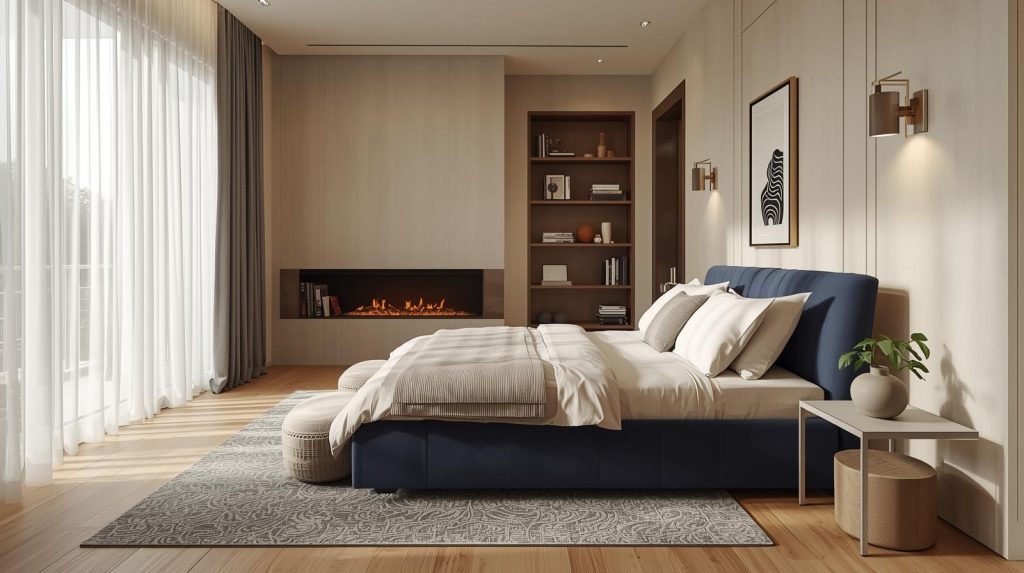
Composite and Hybrid Materials: Innovation in Storage Bed Construction
I stumbled into the world of composite furniture completely by accident when I was hunting for a storage bed for my holiday cottage. The place gets proper damp in winter, and I’d already watched two wooden beds basically disintegrate from moisture damage. My carpenter mate suggested trying one of these new wood-plastic composite beds, and honestly, I thought he was having a laugh.
Two years later, that “experimental” bed is still going strong despite being in an unheated cottage that sees everything from flooding to freezing temperatures. It’s made me a proper convert to these hybrid materials that most people have never even heard of.
Wood-Plastic Composites: Best of Both Worlds
The technology behind WPC is actually quite clever – they take wood fibres (usually recycled sawdust or wood chips) and combine them with recycled plastic polymers under heat and pressure. The result looks and feels surprisingly like real wood but with none of the moisture sensitivity or maintenance headaches.
My cottage bed uses about 60% wood fibre and 40% recycled HDPE plastic. It’s got this lovely wood-grain texture that you’d never guess was partially synthetic unless someone told you. The plastic component makes it completely waterproof, whilst the wood fibres give it that natural feel and appearance.
The strength is impressive too – WPC typically has a flexural strength of around 20-25 MPa, which puts it somewhere between softwood and hardwood in terms of structural performance. My bed’s been supporting a heavy spring mattress plus storage loads without any sagging or stress marks.
Multi-Material Engineering: Strategic Material Placement
Here’s where modern furniture design gets properly interesting. Instead of using one material throughout, hybrid beds use different materials where they make the most sense. My current bedroom bed (different from the cottage one) has a steel frame core for strength, bamboo panels for aesthetics, and composite drawer boxes for durability.
The drawer construction is brilliant – composite sides and bottom for moisture resistance, but solid wood fronts for appearance and feel. The runners are aluminium with polymer bearings, so they glide silently and won’t rust or stick over time.
I’ve seen beds with carbon fibre reinforcement in high-stress areas, which sounds mental for furniture but actually makes sense. A tiny amount of carbon fibre in the corner joints can dramatically improve overall frame rigidity without adding weight or bulk.
Advanced Manufacturing: Consistency You Can Count On
The quality control with composite materials is miles ahead of traditional wood furniture. Every piece comes out virtually identical because you’re not dealing with natural variations in grain, density, or moisture content. My mate’s got the exact same bed model as my cottage one, and they’re genuinely indistinguishable.
CNC machining works brilliantly with composites too. The precision you can achieve with computer-controlled cutting means perfect joints and consistent tolerances every time. No more wonky drawers or gaps between panels that you often get with traditional wood construction.
The surface finishes are incredibly consistent as well. Unlike wood staining where you might get blotchy areas or grain variations affecting colour uptake, composite materials take finishes evenly across the entire surface.
Weather Resistance: Furniture That Actually Lasts
This is where composites really shine compared to traditional materials. My cottage bed has survived flooding (twice), freezing temperatures, and humidity levels that would destroy most wooden furniture. The WPC material just doesn’t care about moisture – it won’t warp, crack, or develop mold.
I’ve tested this accidentally more times than I’d like to admit. Left windows open during rainstorms, had heating failures in winter, even had a minor plumbing leak that soaked one corner of the bed frame. With traditional wood, any of these incidents would’ve meant furniture replacement. The composite bed just shrugged it off.
The UV resistance is excellent too. The cottage gets loads of direct sunlight through large windows, and there’s been zero fading or degradation after two years of exposure. Traditional wood furniture would need regular treatment to maintain appearance in those conditions.
Emerging Technologies: The Future is Weird and Wonderful
The innovation happening in furniture materials right now is absolutely mental. I’ve seen prototype beds using mycelium (mushroom root) composites that are completely biodegradable but stronger than many traditional materials. Sounds like science fiction, but it’s actually in testing phases.
Bio-based polymers are another interesting development. Instead of petroleum-based plastics, manufacturers are experimenting with polymers derived from plant materials like corn starch or sugarcane. The performance is similar to traditional plastics, but the environmental impact is much lower.
3D printing is starting to influence furniture construction too. Complex joint designs that would be impossible to manufacture traditionally can now be printed directly into composite components. I’ve seen bed frames with internal lattice structures that provide incredible strength whilst using minimal material.
Performance Comparisons: How They Stack Up
Honestly, comparing composite beds to traditional materials isn’t straightforward because they excel in different areas. My solid oak bed was beautiful and had that premium feel, but it required constant maintenance and was vulnerable to environmental conditions.
The composite options are more consistent and practical, but they lack some of the character and warmth of natural materials. It’s a bit like comparing a classic car to a modern one – both have their merits depending on what you value most.
Cost-wise, quality composites often fall between budget engineered wood and premium solid wood. You’re paying for the advanced materials and manufacturing processes, but you’re getting furniture that should last decades with minimal maintenance.
The weight characteristics are interesting too. Composites can be engineered to specific density requirements, so you can have lightweight construction where you need it and added mass where stability matters. It’s like having bespoke material properties designed for each application. Fascinated by cutting-edge furniture technology? Discover the Saros Ottoman Bed Frame – featuring innovative hybrid construction that delivers unmatched durability and weather resistance.
Conclusion
Selecting the right material for your queen size storage bed doesn’t have to feel overwhelming. Whether you’re drawn to the timeless elegance of solid wood, the practical affordability of engineered options, or the sleek durability of metal frames, each material offers distinct advantages for different lifestyles and budgets.
Remember, the best storage bed material is one that aligns with your specific needs – consider your budget, bedroom style, storage requirements, and how long you plan to keep the bed. A solid wood investment might serve you for decades, while an engineered wood option could be perfect for a starter home or guest room.
Ready to transform your bedroom storage game? Start by measuring your space, setting your budget, and visiting showrooms to feel the quality differences firsthand. Your future organized self will thank you for choosing a storage bed that combines the perfect material with your personal style! Whether you need a space-saving Double Bed or a luxurious King Size Bed with maximum storage, we’ve got the perfect solution for your bedroom and budget.

Frequently Asked Questions
1. What is the most durable material for queen size storage beds?
Solid hardwood is the most durable material for queen size storage beds, with oak, maple, and cherry offering exceptional longevity and weight-bearing capacity.
Premium hardwoods like oak provide superior structural integrity compared to engineered alternatives. These materials can support 300-500 pounds per storage compartment whilst maintaining their shape for decades. Oak’s density of 0.75 grams per cubic centimetre ensures your queen storage bed frame won’t sag or warp under heavy mattresses and stored items. The natural wood grain also allows for refinishing and restoration, extending the bed’s lifespan significantly beyond cheaper particleboard or MDF alternatives.
2. How much storage space do queen size ottoman beds actually provide?
Queen size ottoman beds typically provide 15-25 cubic feet of hidden storage space, equivalent to storing an entire seasonal wardrobe underneath your mattress.
The actual storage capacity depends on the bed frame design and construction materials:
- Standard ottoman beds: 15-18 cubic feet of storage
- Deep storage models: 20-25 cubic feet capacity
- Hydraulic lift systems: Maximum access to full under-bed area
- Drawer-style storage: 12-15 cubic feet in compartmentalised sections
This storage space easily accommodates winter bedding, spare pillows, clothing, shoes, and even exercise equipment whilst maintaining a clean, uncluttered bedroom appearance.
3. Are upholstered storage beds harder to maintain than wooden ones?
Upholstered storage beds require more regular maintenance than wooden beds, needing weekly vacuuming and professional cleaning every 12-18 months.
Fabric and leather upholstered bed frames demand different care approaches:
- Weekly maintenance: Vacuum with upholstery attachment, focusing on tufted areas
- Immediate spill response: Blot liquids immediately to prevent staining
- Professional cleaning: Schedule deep cleaning annually for optimal appearance
- Stain protection: Choose fabrics with protective coatings for easier maintenance
Wooden storage beds only require occasional dusting and yearly conditioning, making them lower-maintenance options for busy households.
4. What weight capacity should I look for in a queen storage bed frame?
Quality queen storage bed frames should support at least 600-800 pounds total weight, including mattress, occupants, and stored items combined.
Weight capacity varies significantly by construction material and design:
- Solid hardwood frames: 800-1200 pounds total capacity
- Steel and metal frames: 1000+ pounds with superior stability
- Engineered wood options: 400-600 pounds depending on quality
- Storage compartments: 300-500 pounds per drawer or lift section
Consider your mattress weight (memory foam can weigh 90+ pounds), plus two adults, plus stored items when calculating your required weight capacity for long-term durability.
5. How do gas lift mechanisms work in ottoman storage beds?
Gas lift mechanisms in ottoman storage beds use hydraulic struts to effortlessly lift the mattress platform, providing easy one-handed access to under-bed storage.
These innovative storage systems operate through compressed gas cylinders that counterbalance the mattress weight:
- Hydraulic assistance: Gas struts reduce lifting effort by 80-90%
- Safety features: Soft-close mechanisms prevent slamming
- Weight capacity: Quality systems handle 150-200 pound mattresses easily
- Durability: Premium gas lifts last 10+ years with regular use
The hydraulic lift system transforms heavy mattress access into an effortless operation, making ottoman beds practical for daily use whilst maximising bedroom storage efficiency.