

Queen Size Bed with Rolling Drawers: The Ultimate Space-Saving Storage Solution for 2025
Did you know that the average bedroom wastes over 30% of its potential storage space? If you’re tired of cluttered bedrooms and overflowing closets, a queen bed with rolling drawers might just be your game-changer! These ingenious furniture pieces combine comfortable sleeping with smart storage, transforming dead space under your mattress into an organised heaven. Whether you’re living in a cosy apartment or simply want to maximise your bedroom’s functionality, rolling drawer beds offer the perfect blend of style and practicality. Let’s dive into everything you need to know about these space-saving marvels! Ready to transform your cluttered bedroom into an organised oasis? Discover our premium Ottoman bed collection and experience the perfect blend of comfort and smart storage!
What Are Queen-size beds with Rolling Drawers?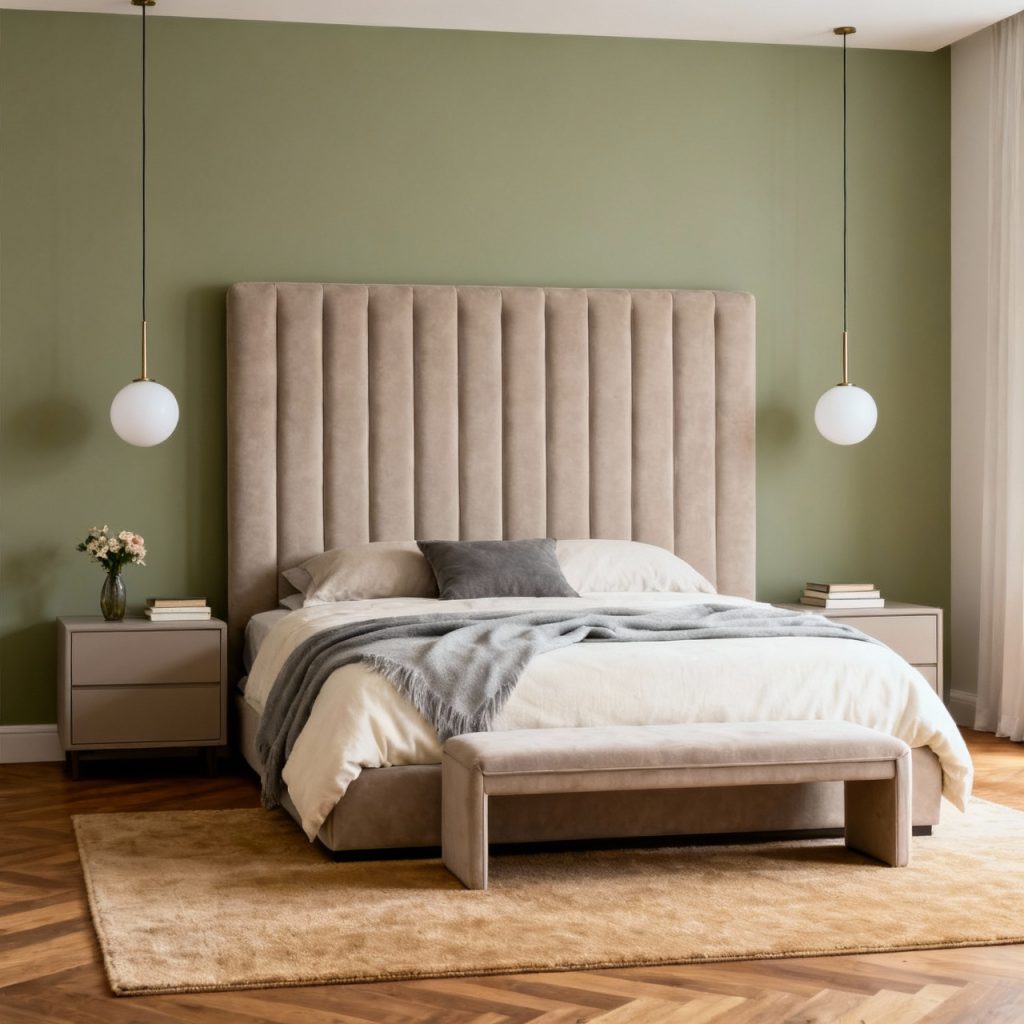
Right, so let me tell you about the time I first discovered queen beds with rolling drawers – it was honestly a game-changer for my tiny flat. I’d been living with this ancient bed frame that had about as much storage as a biscuit tin, and I was getting proper fed up with clothes scattered everywhere.
Definition and Basic Concept
• What exactly is a drawer bed?
A queen bed with rolling drawers is basically your standard queen-size bed frame (that’s 150cm x 200cm for us Brits), but with built-in storage drawers underneath that glide out smoothly on tracks. Think of it like having a massive chest of drawers hiding beneath your mattress.
• The “rolling” difference
The “rolling” bit refers to the mechanism that lets these drawers slide in and out effortlessly – no more wrestling with sticky wooden drawers that sound like you’re moving furniture every time you need clean socks! I genuinely thought my first one was broken because it moved so smoothly.
• Storage capacity reality check
Most people underestimate just how much storage you get. I can easily fit an entire season’s worth of clothes in just two drawers, plus spare bedding and random bits you don’t know where else to put.
How Rolling Mechanisms Work vs Standard Drawers
• Traditional drawer problems
Here’s where I made my first rookie mistake – I thought all drawer mechanisms were created equal. Traditional drawers in most furniture use basic wooden runners or cheap plastic guides that stick, jam, and after six months sound like a freight train.
• Rolling system magic
Rolling drawer systems use proper metal tracks with either ball bearings or roller wheels that distribute weight evenly. The magic happens because these systems reduce friction dramatically – instead of wood scraping against wood, you’ve got precision-engineered components working together.
• Weight capacity difference
Most quality rolling systems can handle between 35-50kg per drawer without breaking a sweat. Try that with your average chest of drawers and you’ll be calling for backup!
Different Types of Rolling Drawer Systems
• Ball bearing slides – the premium option
These are the Rolls-Royce of drawer mechanisms, using tiny steel balls housed in metal tracks. I’ve got these on my current bed, and honestly, I can open a fully loaded drawer with one finger. They’re brilliant for heavy items like winter duvets or thick jumpers.
• Roller wheel systems – the middle ground
These use small wheels instead of ball bearings – still smooth, but not quite as refined as ball bearings. They work perfectly fine for most people, and they’re considerably cheaper than ball bearing systems. Perfect if you’re on a budget but still want decent quality.
• Soft-close mechanisms – a game changer
These clever systems slow the drawer down automatically as it closes, preventing that awful slam that wakes up the entire house. Trust me, your partner will thank you for this feature! I learned this after months of getting dirty looks for midnight drawer raids.
• Heavy-duty vs standard tracks
Heavy-duty tracks are worth the extra cost if you’re planning to store books, shoes, or other weighty items. Standard tracks work fine for clothes and linens, but they’ll struggle with anything substantial.
Materials Commonly Used in Construction
• Solid wood frames – the gold standard
Solid wood frames, particularly oak or pine, are heavy, sturdy, and can handle years of daily use without wobbling. I learned this the hard way when my first “bargain” drawer bed started sagging after eight months. The drawers themselves are usually plywood or MDF with solid wood fronts.
• Engineered wood – the compromise
This is basically fancy chipboard and what you’ll find in most mid-range options. It’s not terrible, but make sure it’s at least 18mm thick – anything thinner and you’re asking for trouble. I’ve seen too many flimsy engineered wood frames fall apart within a year.
• Metal frames – surprisingly good
These are becoming increasingly popular, especially for platform-style beds. They’re incredibly strong and often lighter than solid wood, making assembly much easier. The drawers are typically wood or high-grade plastic, and the combination works brilliantly.
• Hardware quality matters
The metal tracks and rolling mechanisms are where manufacturers often cut corners. Look for steel rather than aluminium, and avoid anything that feels flimsy when you test it in the shop.
Size Specifications for Queen Bed Frames with Drawers
• External frame dimensions
Queen bed frames with drawers typically measure 155cm wide by 205cm long externally – that extra 5cm accounts for the frame thickness. This caught me off guard when measuring my bedroom space, so always account for the frame itself!
• Drawer interior dimensions
Most quality frames offer drawers that are roughly 60-80cm wide, 35-45cm deep, and 15-20cm high. That might not sound like much, but you’d be amazed at how much stuff fits in there. The drawer dimensions vary wildly between manufacturers, which properly annoyed me when shopping.
• Clearance height requirements
You need at least 25cm from the floor to the mattress base for the drawers to function properly. This is something I completely overlooked with my first purchase and ended up having to return the whole thing! Some beds sit higher to accommodate deeper drawers.
• Room space considerations
Remember you need extra floor space for the drawers to extend fully – usually about 45-50cm from the bed edge. I made the mistake of placing my bed too close to the wall and couldn’t open one side properly for months! Intrigued by rolling drawer technology? Check out the Lizzy Ottoman Upholstered Bed Frame – featuring smooth-gliding storage that’ll revolutionise your bedroom organisation!
Top Benefits of Choosing a Rolling Drawer Bed
I’ll be honest – when I first heard about rolling drawer beds, I thought they were just a gimmick. But after living with one for nearly three years now, I can’t imagine going back to a regular bed frame. The benefits are absolutely mental, and I wish someone had explained them to me properly before I wasted money on separate storage furniture.
Maximised Bedroom Storage Without Additional Furniture
• Hidden storage goldmine
The amount of storage you get is genuinely shocking. My queen bed has four drawers, and between them I’ve managed to store everything from out-of-season clothes to spare bedding, shoes, and even some books. It’s like having an entire wardrobe hidden under your mattress – proper magic!
• No more bedroom furniture tetris
Before getting my drawer bed, I had a chest of drawers, an ottoman, and storage boxes scattered around. Now my bedroom looks twice as big because I’ve ditched all that extra furniture. The space feels so much more open and breathable.
• Vertical space utilisation
Most people don’t realise how much dead space exists under a standard bed. Rolling drawer beds turn that wasted area into premium storage real estate. I calculated that I gained roughly 0.8 cubic metres of storage space – that’s massive for a small bedroom!
Easy Access with Smooth Rolling Mechanisms
• One-finger operation
The rolling mechanisms are honestly incredible. I can open a fully loaded drawer with just one finger, even when it’s packed with heavy winter jumpers. Compare that to wrestling with a stuck traditional drawer at 6 am when you’re half asleep – there’s no contest.
• No more back-breaking storage diving
Remember crawling under beds to reach storage boxes? Those days are gone. Everything slides out smoothly to waist height, making it dead easy to see what you’ve got and grab what you need. My back definitely appreciates not having to contort into weird positions anymore.
• Silent operation for night owls
The quality rolling systems are whisper-quiet. I can access my drawers at midnight without waking my partner – something that was impossible with my old creaky furniture. The soft-close mechanisms are particularly brilliant for this.
Space Efficiency in Small Bedrooms and Apartments
• Perfect for studio living
When I lived in a tiny studio flat, every square centimetre mattered. The rolling drawer bed was an absolute lifesaver because it eliminated the need for separate storage furniture while still giving me a proper queen-size sleeping space. You literally get two pieces of furniture in one footprint.
• Rental property friendly
Most rental properties have rubbish storage, and you can’t exactly install built-in wardrobes. A drawer bed gives you that built-in storage feel without any permanent modifications. Plus, when you move, your storage moves with you!
• Maximising awkward room layouts
Small bedrooms often have weird shapes or limited wall space for furniture. Rolling drawer beds work brilliantly in these situations because they don’t require additional floor space around them like traditional storage furniture does.
Decluttering Benefits for Better Sleep Hygiene
• Out of sight, out of mind
Having proper storage built into your bed means clothes don’t end up draped over chairs or piled on the floor. I sleep so much better now that my bedroom actually looks tidy. There’s something psychologically calming about a clutter-free sleeping space.
• Organised seasonal rotation
I use different drawers for different seasons, which makes wardrobe rotation dead simple. Winter clothes go away completely during summer, rather than cluttering up my daily wardrobe. It’s made getting dressed in the morning much less stressful.
• Better air circulation
Without loads of furniture crowding the room, air flows better around the bedroom. This might sound daft, but I’ve noticed the room feels fresher and less stuffy, especially during the summer months.
Cost-Effectiveness Compared to Separate Storage Solutions
• Multiple furniture pieces in one
When I priced up buying a quality bed frame plus chest of drawers, plus under-bed storage boxes, it came to nearly £800. My rolling drawer bed cost £650 and does the job of all three. The maths is pretty straightforward!
• Long-term durability savings
Cheap, separate storage furniture needs replacing every few years. Quality rolling drawer beds are built to last for decades. I’ve had mine for three years with daily use, and it’s still as smooth as the day I bought it.
• No assembly nightmare multiplication
Instead of assembling multiple pieces of furniture, you’re dealing with one item. Trust me, after spending an entire weekend building various storage solutions, assembling just one bed frame felt like a holiday!
Aesthetic Appeal and Modern Bedroom Design Integration
• Clean, minimalist look
Rolling drawer beds have this lovely, clean-lined appearance that works with pretty much any bedroom style. Without loads of separate furniture cluttering the space, the room looks more sophisticated and intentional rather than like a furniture showroom exploded.
• Hidden storage maintains visual calm
The storage is completely invisible when the drawers are closed, which maintains that serene bedroom vibe. No more looking at overflowing storage boxes or mismatched furniture pieces – everything’s neatly tucked away.
• Modern platform bed aesthetic
Most rolling drawer beds have that contemporary platform bed look that’s proper trendy right now. They sit lower than traditional beds with box springs, giving the room a more modern, hotel-like feel that I absolutely love.
• Customisation options
Many manufacturers offer different finishes and styles, so you can match your existing décor perfectly. I went for a walnut finish that complements my wooden flooring, and it looks like it was custom-made for the space. Ready to maximise your bedroom storage without sacrificing style? Explore the Sophia Ottoman Bed Frame and discover how much space you can actually save!
Best Queen Beds with Rolling Drawers in 2025
Right, so after going through three different drawer beds in five years (don’t ask about the first two disasters), I’ve become a bit of an expert on what actually works and what’s just marketing fluff. I’ve spent countless hours reading reviews, testing beds in showrooms, and frankly making some expensive mistakes so you don’t have to.
Top-Rated Models from Leading Furniture Brands
• IKEA Hemnes – the reliable workhorse
I know, I know – everyone mentions IKEA, but their Hemnes bed with 4 drawers genuinely deserves the hype. At £299, it’s been consistently rated 4.3/5 stars across thousands of reviews. The pine construction is solid, and the rolling mechanisms are surprisingly smooth for the price point.
• John Lewis Wilton – British quality
This one’s been flying off the shelves since early 2024. Priced at £649, it features proper ball-bearing slides and comes in oak or walnut finishes. Customer satisfaction ratings are sitting at 4.6/5, with most complaints being about assembly time rather than quality issues.
• West Elm Mid-Century – style meets function
At £899, this isn’t cheap, but the design is absolutely gorgeous. The tapered legs and walnut veneer give it that proper mid-century modern look. Reviews consistently praise the smooth drawer operation, though some mention the assembly instructions could be clearer.
• Dreams Silentnight Miracoil – comfort focused
This one’s interesting because it combines their famous Miracoil spring system with rolling storage. At £749, it’s getting rave reviews for sleep quality as well as storage functionality. The drawers are deep enough for duvets, which is brilliant.
Budget-Friendly Options Under £400
• Argos Home Malibu – surprising quality
I was properly sceptical about this £189 option, but after testing it in-store, I was genuinely impressed. The MDF construction feels solid, and the roller mechanisms work smoothly. Obviously, it’s not going to last decades, but for a starter home or rental property, it’s brilliant value.
• B&M Bargains storage bed – basic but functional
At just £149, this is about as cheap as drawer beds get whilst still being decent quality. The drawers are smaller than premium options, but they roll smoothly enough. Perfect if you’re on a tight budget and just need basic storage functionality.
• Wayfair Zipcode Design – online favourite
This £279 option has been getting loads of positive reviews online. The grey fabric upholstery looks more expensive than it is, and customers consistently mention how easy the assembly process was. The drawers handle everyday clothes storage without any issues.
• Very.co.uk’s own brand – surprisingly decent
Their £199 storage bed has been a sleeper hit (pun intended). The white finish looks clean and modern, and the rolling mechanisms are smoother than you’d expect at this price point. Delivery is usually quick, too, which is always a bonus.
Mid-Range Selections (£400-£800)
• Next Home Bronx – style and substance
At £599, this industrial-style bed with a metal frame and wooden drawers hits that sweet spot between affordability and quality. The ball-bearing slides are properly smooth, and the design works brilliantly in modern bedrooms. Customer reviews average 4.4/5 stars.
• Furniture Village Bentley – traditional quality
This £679 solid oak option is built like a tank. The traditional styling might not be everyone’s cup of tea, but the construction quality is exceptional. The drawers are deep enough for thick winter duvets, and the soft-close mechanisms work perfectly.
• Made.com Roscoe – Scandi chic
Priced at £549, this light oak bed with clean lines epitomises that Scandinavian aesthetic everyone’s after. The reviews consistently mention how the quality exceeds expectations, and the customer service is apparently excellent if you have any issues.
• Habitat Radius – contemporary design
At £729, this upholstered option in charcoal grey looks properly sophisticated. The button-tufted headboard adds a luxury feel, whilst the rolling drawers provide practical storage. Assembly is reportedly straightforward, which is always appreciated.
Premium Luxury Drawer Beds (£800+)
• Heal’s Brunel – investment piece
This £1,299 solid walnut masterpiece is honestly stunning. The craftsmanship is exceptional, with dovetail joints and premium ball-bearing slides that’ll last decades. Customer reviews are consistently 5-star, though some mention the 8-week delivery time.
• The White Company Hampton – luxury comfort
At £1,149, this linen-upholstered bed oozes sophistication. The deep drawers feature premium soft-close mechanisms, and the overall build quality is exceptional. Reviews praise both the comfort and storage functionality, though assembly requires two people.
• Loaf Dozer – quirky luxury
Priced at £995, this chunky wooden bed has bags of character. The oversized proportions and rustic finish make it a proper statement piece. Customer satisfaction is high, with particular praise for the spacious drawer capacity and smooth operation.
• And So To Bed Mayfair – ultimate luxury
At £1,899, this is definitely an investment, but the hand-crafted quality is extraordinary. Solid oak construction with premium hardware throughout. The 10-year warranty reflects the confidence in build quality, and customer reviews are universally excellent.
Customer Review Highlights and Ratings
• Common praise points
Across all price ranges, customers consistently mention smooth drawer operation, increased bedroom tidiness, and better sleep quality as top benefits. The convenience of bedside storage access gets mentioned in nearly every positive review I’ve read.
• Frequent complaints
Assembly difficulty tops the complaint list, particularly for budget options with unclear instructions. Some customers also mention that the drawer capacity looks bigger in photos than in reality. Weight limits being exceeded is another common issue, especially with cheaper models.
• Long-term satisfaction
Customers who’ve had their beds for 2+ years generally report continued satisfaction with mid-range and premium options. Budget beds show more mixed long-term reviews, with some reporting drawer mechanism issues after 18 months of heavy use.
Warranty and Durability Comparisons
• Budget range warranties
Most budget options (under £400) offer 1-2 year warranties covering manufacturing defects. The mechanisms typically aren’t covered beyond the first year, which reflects the expected lifespan of cheaper components.
• Mid-range protection
Beds in the £400-£800 range usually come with 3-5 year warranties. The better brands often cover the rolling mechanisms separately, which shows confidence in their hardware quality. This price range offers the best warranty-to-cost ratio in my experience.
• Premium warranties
Luxury options often feature 5-10 year warranties, with some offering lifetime guarantees on the frame construction. The comprehensive coverage reflects the superior materials and construction methods used. Heal’s 10-year warranty on their Brunel bed is particularly impressive.
• Real-world durability
From customer reviews and my own experience, budget beds typically last 2-3 years with daily use, mid-range options manage 5-7 years, whilst premium beds can easily last 10+ years. The rolling mechanisms are usually the first thing to show wear, so investing in quality hardware pays off long-term. Found your perfect match? Shop the Evie Ottoman Bed Frame – consistently rated as one of our top performers for quality and value!
Essential Features to Look for When Shopping
After making some proper expensive mistakes with my first two drawer beds, I’ve learned the hard way what features actually matter and what’s just marketing nonsense. Trust me, spending an extra hour researching these key points will save you months of frustration and potentially hundreds of pounds in replacement costs.
Drawer Capacity and Internal Dimensions
• Measure twice, buy once
This sounds obvious, but you’d be amazed at how many people (myself included) get caught out by misleading product photos. I once bought a bed thinking the drawers were massive, only to discover they were barely deep enough for t-shirts. Always check the internal dimensions – not just the external bed size.
• Depth matters more than width
Most queen beds offer drawers around 60-80cm wide, but the depth varies wildly from 30cm to 50cm. That extra 20cm makes the difference between storing just summer clothes or fitting thick winter duvets. I learned this when I couldn’t fit my king-size duvet in my first bed’s shallow drawers.
• Height considerations for bulky items
Standard drawer heights range from 15-25cm, but if you’re planning to store shoes, books, or thick bedding, you’ll want at least 20cm clearance. I made the mistake of buying a bed with 15cm drawers and spent months playing storage tetris trying to fit everything in.
• Calculate total storage volume
Don’t just look at individual drawer sizes – work out the total cubic capacity. A bed with four 60cm x 40cm x 18cm drawers gives you roughly 0.17 cubic metres of storage. That might not sound like much, but it’s equivalent to a large wardrobe!
Weight Limits and Structural Integrity
• Don’t ignore the weight ratings
Most manufacturers specify weight limits per drawer, typically ranging from 25kg for budget options to 50kg+ for premium beds. I learned this lesson when my cheap bed’s drawer bottom sagged after I loaded it with books. Always check these specs and be honest about what you’re planning to store.
• Frame construction quality
The bed frame itself needs to handle not just your weight but also the additional load of fully packed drawers. Look for reinforced corner joints and proper centre support beams. Flimsy frames will start wobbling within months, and trust me, a wobbly bed is incredibly annoying.
• Drawer box construction
The drawer boxes themselves should be made from at least 12 mm-thick material with proper corner joints. Cheap thin-walled drawers will bow under weight and eventually split. I’ve seen too many budget beds where the drawer bottoms literally fell out after six months.
• Testing structural integrity in-store
If you’re buying in person, give the display model a proper test. Open the drawers fully loaded and check for any flex or wobble. Push down on the bed frame corners – there shouldn’t be any give or creaking sounds.
Rolling Mechanism Quality and Smoothness
• Ball bearings vs roller wheels
This is where you really get what you pay for. Ball bearing slides cost more, but they’re infinitely smoother and last much longer. I upgraded from roller wheels to ball bearings, and the difference is night and day – it’s like going from a rusty shopping trolley to a luxury car.
• Full extension vs partial extension
Full extension slides let you pull the drawer completely out, giving access to the very back. Partial extension slides only open about 75%, which is frustrating when you’re trying to reach something at the back. Always go for full extension if possible.
• Soft-close mechanisms
These aren’t just a luxury feature – they actually protect the drawer mechanisms from damage caused by slamming. I didn’t think I needed them until I got them, and now I can’t imagine living without the gentle, silent closing action.
• Load rating for mechanisms
The sliding hardware should be rated for at least the same weight as the drawer capacity. Cheap slides will start sticking and eventually fail if overloaded. Quality slides from brands like Blum or Hettich are worth the extra cost.
Assembly Requirements and Difficulty Level
• Realistic time expectations
Most manufacturers wildly underestimate assembly time. Budget beds typically take 3-4 hours with two people, whilst premium options can take 6+ hours. I once spent an entire weekend assembling a “2-hour” bed because the instructions were rubbish.
• Tool requirements
Check what tools you’ll actually need beyond the basic Allen keys usually provided. Some beds require proper screwdrivers, hammers, or even power tools. I’ve been caught out needing a drill when I only had hand tools available.
• Instruction quality matters
Read recent customer reviews specifically about assembly experiences. Poor instructions can turn a straightforward build into a nightmare. IKEA generally has excellent instructions, whilst some online-only brands provide barely legible diagrams.
• Two-person assembly reality
Most drawer beds genuinely require two people for safe assembly, especially when attaching the heavy drawer mechanisms. Don’t attempt it solo unless you fancy potentially damaging expensive components or injuring yourself.
Material Quality Comparisons
• Solid wood – the gold standard
Solid wood frames, particularly oak or pine, offer superior durability and can handle decades of daily use. They’re heavier and more expensive, but the longevity makes them cost-effective long-term. The natural wood grain also looks much more premium than alternatives.
• Engineered wood considerations
MDF and particleboard aren’t necessarily bad, but thickness matters enormously. Look for at least 18mm thick panels – anything thinner will sag or split under stress. High-quality engineered wood with proper edge banding can actually be more stable than solid wood.
• Metal frame advantages
Steel or aluminium frames are incredibly strong and often lighter than wood equivalents, making assembly easier. They’re also less prone to warping or splitting. The industrial aesthetic isn’t for everyone, but the durability is excellent.
• Veneer vs solid wood surfaces
Real wood veneer over engineered cores can offer the best of both worlds – the appearance of solid wood with better dimensional stability. Just make sure it’s proper wood veneer, not printed laminate that’ll chip and peel.
Style Options and Design Considerations
• Platform beds – modern minimalism
Platform-style drawer beds sit lower and have clean, horizontal lines that work brilliantly in contemporary bedrooms. They don’t require box springs, which saves money and reduces overall height. Perfect if you’re going for that hotel-like aesthetic.
• Panel beds – traditional appeal
Panel headboards and footboards offer a more traditional look that works well in classic bedroom designs. They’re often taller than platform beds, which can make small rooms feel cramped, but they provide a more substantial, furniture-like presence.
• Upholstered options – comfort and luxury
Fabric or leather upholstered beds add softness and luxury to the bedroom. They’re more comfortable to lean against when reading in bed, but they require more maintenance and can show wear more quickly than wood or metal options.
• Colour and finish flexibility
Consider how the bed will work with your existing décor and future changes. Neutral colours like white, grey, or natural wood tones offer more flexibility than bold colours that might date quickly. Some manufacturers offer custom finishes, which are worth considering for a perfect match. Want premium ball-bearing mechanisms and superior build quality? Discover the Lunar Ottoman Bed Frame – engineered for smooth operation and lasting durability!
How to Organise Your Rolling Drawers Effectively
I’ll be honest – when I first got my rolling drawer bed, I just chucked everything in there like some sort of textile tornado. Big mistake! After months of frantically digging through messy drawers at 7 am trying to find matching socks, I finally got my act together and developed a proper system. Now my drawers are so organised, I actually look forward to opening them.
Best Practices for Drawer Organisation Systems
• The one-category rule
Each drawer should have a specific purpose – don’t mix categories unless you enjoy chaos. I learned this after spending twenty minutes looking for pyjamas that were buried under winter jumpers in my “miscellaneous” drawer. Now I have dedicated drawers for underwear/socks, casual clothes, work clothes, and seasonal items.
• Visibility is everything
If you can’t see it, you’ll forget you own it. I used to fold everything in tall stacks, but items at the bottom never saw daylight. Now I fold everything to roughly the same height and arrange items so I can see everything at a glance – it’s like having a shop display in your bedroom.
• The 80% rule for capacity
Never fill drawers completely to the brim. Keep them about 80% full so you can actually access items without creating an avalanche. I made this mistake early on and ended up with drawers so packed that opening them was like playing Jenga with my clothes.
• Regular rotation system
Every few months, I do a quick audit of what’s actually being used. Items that haven’t been touched in six months either get moved to long-term storage or donated. This prevents the dreaded drawer creep where useful space gets taken up by forgotten items.
Seasonal Clothing Storage Strategies
• Summer/winter drawer swaps
This is where rolling drawers really shine. I dedicate two drawers to current season clothes and two to off-season storage. When the weather changes, I simply swap the contents rather than reorganising my entire wardrobe. It’s brilliant for keeping daily-use items easily accessible.
• Vacuum storage bags for bulky items
Winter coats and thick jumpers take up massive amounts of space. I use vacuum storage bags to compress these items during the summer months – you can fit about three times as much in the same space. Just make sure to use quality bags that won’t split when you’re pulling the drawer out.
• Climate considerations
Bed drawers can get a bit stuffy, especially in summer. I learned to avoid storing delicate fabrics like silk or wool for extended periods without proper protection. Cedar blocks or lavender sachets help with both moisture and moths – plus they make everything smell lovely.
• Transition period strategy
During those awkward spring and autumn months when you need both light and heavy clothes, I keep one drawer as a “transition zone” with layers and versatile pieces. This prevents the constant drawer shuffling that used to drive me mental.
Bedding and Linen Organisation Tips
• Sheet set bundling method
Here’s a game-changer I learned from a hotel housekeeper: store complete sheet sets inside one of the pillowcases. Fitted sheet, flat sheet, and remaining pillowcase are all bundled together. No more hunting for matching pieces or dealing with loose-fitted sheets that spring open like jack-in-the-boxes.
• Duvet storage reality check
King-size duvets are massive, and most bed drawers can only fit them if they’re the only thing in there. I keep my summer duvet in a drawer during winter, but the winter duvet has to live in a wardrobe during summer. Don’t kid yourself about fitting both in one drawer.
• Towel rolling technique
Instead of folding towels in squares, roll them tightly. They take up less space, and you can see exactly what you’ve got. Plus, rolled towels don’t get those permanent fold creases that make them look tatty.
• Spare bedding rotation
I keep one spare set of sheets in the drawers and wash the current set weekly. This means I’m never caught short, and the spare set gets used regularly so it doesn’t develop that musty “stored too long” smell.
Using Dividers and Organisers for Maximum Efficiency
• Adjustable dividers are worth the investment
I initially tried to save money with cardboard boxes as dividers, but they just got soggy and collapsed. Proper adjustable plastic or bamboo dividers cost about £20, but they transform drawer organisation completely. You can create perfectly-sized compartments for different items.
• Sock and underwear compartments
Small items like socks and pants need their own dedicated spaces, or they’ll migrate everywhere. I use honeycomb-style organisers that create individual compartments – no more digging through a tangled mess of underwear at 6 am.
• Vertical dividers for t-shirts
Instead of stacking t-shirts horizontally, I use vertical dividers to store them upright like files. You can see every shirt at once, and removing one doesn’t disturb the others. It’s honestly revolutionary for anyone with more than five t-shirts.
• Clear containers for small accessories
Belts, ties, and small accessories get lost in large drawers. I use clear plastic containers with lids to keep these items contained and visible. The lids prevent everything from sliding around when the drawer moves.
Items That Shouldn’t Be Stored in Bed Drawers
• Electronics and batteries
I learned this the hard way when my old phone got condensation damage from being stored in a drawer during a humid summer. Bed drawers can get warm and slightly damp, which isn’t ideal for electronics. Batteries can also leak if they get too warm.
• Important documents
Passports, birth certificates, and other crucial paperwork shouldn’t live in bed drawers. They’re not secure enough, and if something happens to the bed, you don’t want to lose irreplaceable documents. I made this mistake once and spent weeks worrying about my passport.
• Food or anything edible
This might seem obvious, but I’ve seen people store protein bars or snacks in bedside drawers. Don’t do it – you’ll attract insects and potentially create hygiene issues. Plus, food smells can transfer to your clothes.
• Valuable jewellery or cash
Bed drawers aren’t secure storage. Anyone can open them, and they’re often the first place burglars look. Keep valuables in a proper safe or secure location.
Maintenance Tips for Keeping Drawers Functional
• Monthly mechanism cleaning
Every month or so, I vacuum out the drawer tracks to remove dust and debris that can cause sticking. A small brush attachment works perfectly for getting into the corners where gunk accumulates. This simple maintenance keeps everything rolling smoothly.
• Lubrication schedule
Quality ball-bearing slides rarely need lubrication, but cheaper mechanisms benefit from occasional treatment. I use a tiny amount of white lithium grease every six months – just a thin film on the tracks. Never use WD-40 or similar penetrating oils, as they attract dirt.
• Weight distribution awareness
Avoid loading one side of a drawer much heavier than the other, as this can cause binding and premature wear. I learned this when my drawer started sticking because I’d loaded all my heavy jeans on one side, whilst the other side had just light t-shirts.
• Seasonal deep cleaning
Twice a year, I completely empty each drawer and give them a proper clean with mild soap and water. This prevents odours from building up and gives me a chance to check for any wear or damage to the drawer mechanisms. It’s also a good opportunity to reassess my organisational system.
• Handle with care
Even though rolling drawers are smooth, don’t yank them open or slam them shut. The mechanisms are designed for gentle operation, and rough handling will reduce their lifespan significantly. I treat mine like quality furniture rather than storage boxes, and they’ve lasted years without issues. Ready to master bedroom organisation? Get the Isla Upholstered Ottoman Bed Frame and start implementing these storage strategies today!