

Table of Contents
Toggle7 Essential Ottoman King Size Bed Dimensions for Maximum Storage in 2025
Did you know that the average bedroom wastes over 40% of its potential storage space? If you’re struggling with clutter and limited storage options, an ottoman king size bed might be your game-changer! These ingenious furniture pieces combine comfortable sleeping with hidden storage compartments underneath. But here’s the catch – getting the dimensions wrong can turn your storage solution into a storage nightmare. Whether you’re downsizing, organizing a master bedroom, or simply maximizing every square inch of space, understanding the essential measurements is crucial for success. Ready to transform your cluttered bedroom into an organized sanctuary? Discover our premium collection of king size ottoman beds designed for maximum storage efficiency.
Standard Ottoman King Size Bed Frame Dimensions
External Frame Measurements: Getting the Basics Right
• Standard US King Dimensions: 76″ W x 80″ L x 14-16″ H
I’ll never forget the panic when my new ottoman bed arrived and I realised I’d measured wrong. The standard external frame for a US king size ottoman bed is 76 inches wide by 80 inches long, with heights ranging from 14 to 16 inches without the mattress. That height measurement is crucial because once you add your mattress, you’re looking at a total bed height of 22 to 30 inches depending on your mattress thickness.
• Door and Stairway Clearance Requirements
Here’s something they don’t tell you in the adverts – measure your doorways and staircases before ordering! Most ottoman beds come in two pieces (base and headboard), but that 76-inch width can still be a nightmare to manoeuvre. I had to remove my bedroom door frame just to get mine upstairs. Learn from my mistakes and add at least 2 inches clearance on all sides.
Internal Storage Compartment Variations
• Storage Depth Options: 8-15 Inches Deep
The internal storage depth varies massively between manufacturers, and this is where I got proper confused initially. Most decent ottoman beds offer between 8 to 12 inches of storage depth, though some premium models go up to 15 inches. I went for maximum depth thinking “more storage, better deal” – wrong! The deeper the storage, the higher your bed sits, and accessing items at the bottom becomes a right faff.
• Compartment Layout and Dividers
Some ottoman beds come with built-in dividers, others are just one big space. I prefer the single compartment because you can use your own storage boxes and organise however you like. The internal dimensions are usually about 2-3 inches smaller than the external frame due to the thickness of the sides and mechanisms.
UK vs US King Size Specifications
• UK King Dimensions: 60″ W x 78″ L – The Smaller “King”
This caught me completely off guard when I first moved from the US to the UK. A UK king size bed is actually 60 inches by 78 inches – that’s 16 inches narrower and 2 inches shorter than a US king! I made the mistake of ordering US king bedding for my UK bed and everything was swimming in fabric. Proper nightmare trying to tuck in those massive sheets.
• Mattress and Bedding Compatibility Issues
The size difference isn’t just about the bed frame – it affects everything from fitted sheets to duvet covers. US king bedding won’t fit properly on UK frames, and vice versa. I’ve got a drawer full of expensive sheets that don’t fit because I didn’t pay attention to this detail.
Frame Thickness Impact on Storage
• 2-4 Inch Frame Thickness Standard
The frame thickness directly affects your storage capacity, and this is something I wish I’d understood better. Thicker frames (3-4 inches) provide better structural support but eat into your storage space. Thinner frames (2-3 inches) maximise storage but might feel less sturdy. I went for a 2-inch frame initially and regretted it when the bed started creaking after six months.
• Material Choices: Wood vs Metal Impact
Solid wood frames are typically thicker but offer better longevity. Metal frames can be thinner whilst maintaining strength, giving you more storage space. My current metal frame is only 2.5 inches thick but feels rock solid compared to my previous wooden one that was 4 inches thick.
Weight Capacity Considerations
• Sleeping Weight vs Storage Weight Limits
This is where most people get confused – there are two different weight ratings! The sleeping surface should handle 500-600 pounds for two adults, but the storage mechanism has its own separate rating. My gas struts are rated for 200 pounds of lifting weight, which includes the mattress, base, and whatever’s stored inside.
• Gas Strut Limitations and Maintenance
I learnt this the hard way when I overloaded my storage compartment with winter clothes and books. The hydraulic mechanism started struggling, opening only halfway before giving up. Most gas struts handle 150-300 pounds total, and they need replacing every 3-5 years depending on usage. Factor in about £50-80 for replacement struts when budgeting. Avoid the measuring mistakes I made! Check out the Lizzy Ottoman Upholstered Bed Frame with perfectly proportioned 76″ x 80″ dimensions and reliable gas strut mechanisms.
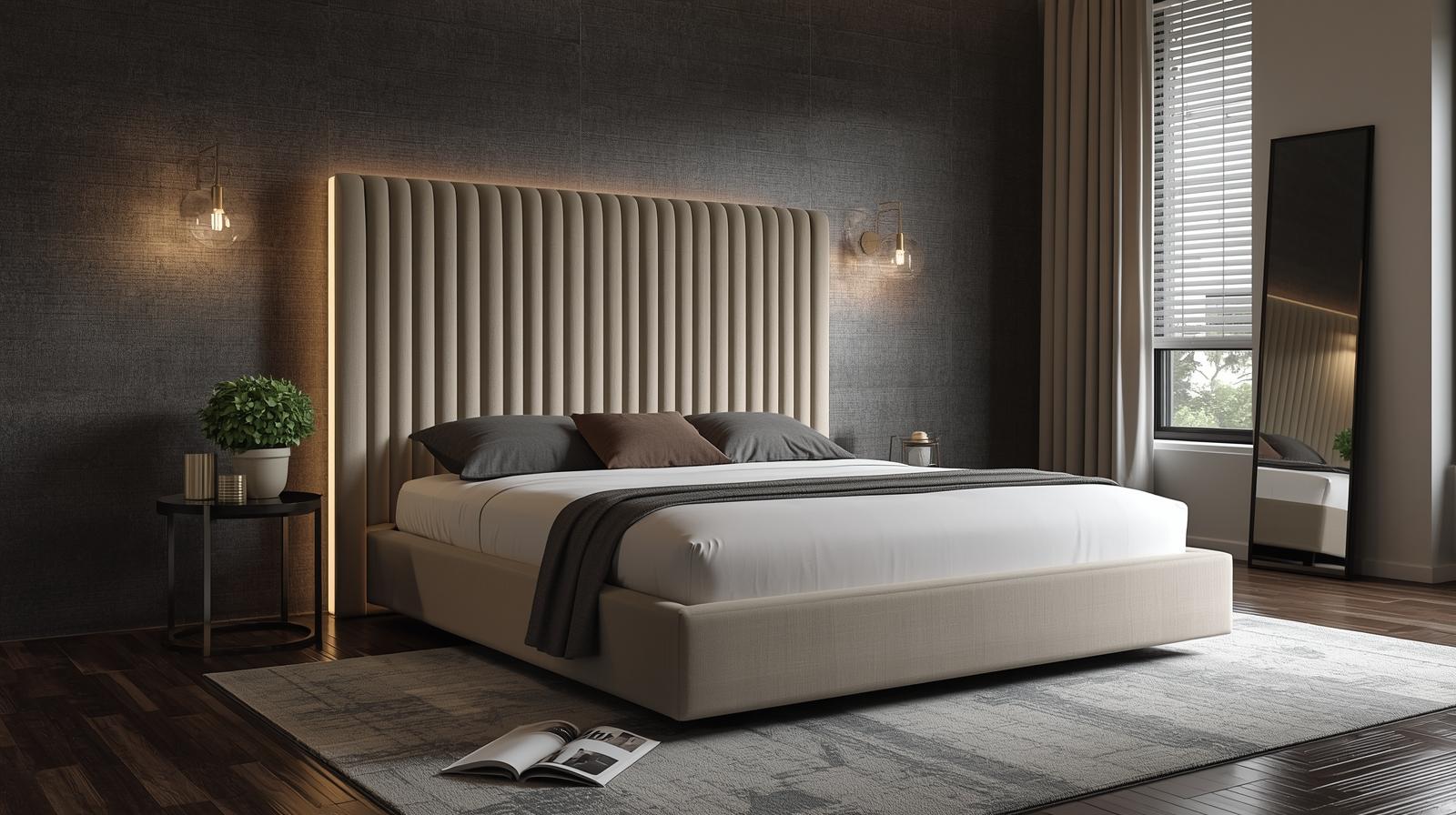
Optimal Storage Compartment Depth for Maximum Capacity
Recommended Storage Depth: The 8-12 Inch Sweet Spot
• 8-10 Inches: The Goldilocks Zone for Daily Access
After trying three different ottoman beds, I’ve found that 8-10 inches is absolutely perfect for everyday storage needs. You can easily reach items at the bottom without doing yoga poses, and it’s deep enough for most seasonal clothing, spare bedding, and shoes. My current 9-inch deep compartment holds about 15 pairs of shoes, three spare duvets, and still has room for my partner’s endless collection of handbags.
• 10-12 Inches: Maximum Practical Depth
If you’re desperate for storage space, 12 inches is about as deep as you want to go whilst maintaining practicality. I had a 12-inch deep ottoman for two years, and whilst the storage capacity was brilliant, I constantly found myself on my knees digging around for items that had migrated to the back corners. It’s also the maximum depth where most people can comfortably reach the bottom without straining.
Deep Compartments: When More Isn’t Always Better
• 12-15 Inch Depths: The Height Problem
Here’s what the sales people don’t tell you – every extra inch of storage depth adds directly to your bed height. My 15-inch deep ottoman bed sat so high that I needed a step stool to get in comfortably. With a 12-inch mattress on top, the total sleeping surface was 31 inches off the ground. I’m 5’8″ and felt like I was climbing Mount Everest every night!
• Accessibility Issues with Ultra-Deep Storage
Anything deeper than 12 inches becomes a proper pain to access. I stored my winter coats at the bottom of my 15-inch compartment and genuinely forgot about half of them because retrieving anything was such a faff. You end up using only the top 8 inches anyway, so the extra depth just makes your bed unnecessarily tall.
Balancing Depth with Lifting Mechanisms
• Gas Strut Performance vs Storage Weight
The deeper your compartment, the more weight your gas struts need to lift, and this is where physics becomes your enemy. My 15-inch deep bed was constantly overloaded, and the gas struts started failing after just 18 months. Standard gas struts are designed for 8-10 inch depths with moderate loading. Go deeper, and you’re asking for trouble.
• Hydraulic System Strain and Maintenance
Deeper compartments put more strain on hydraulic lifting systems because there’s more leverage working against the mechanism. I’ve replaced gas struts twice on deep ottoman beds but never once on my current 9-inch model. The maintenance costs add up – replacement struts cost £60-100 depending on quality.
Storage Volume Calculations: The Maths Behind the Space
• Volume Comparison: 8″ vs 12″ vs 15″ Depths
Let me break down the actual storage volumes for a standard king size ottoman. An 8-inch deep compartment gives you roughly 30 cubic feet of storage. A 12-inch depth increases this to 45 cubic feet, whilst a 15-inch depth provides about 56 cubic feet. Sounds brilliant until you factor in the accessibility issues and increased bed height.
• Usable vs Total Storage Space
Here’s the reality check – you’ll only use about 70% of any storage compartment effectively. In my 15-inch deep bed, I could only comfortably access the top 10 inches, making the actual usable space similar to a 10-inch compartment but with all the drawbacks of the extra height. The bottom 5 inches became a graveyard for forgotten items.
Gas Strut Impact on Usable Depth
• Strut Positioning and Storage Access
The placement of gas struts affects how much of your storage depth you can actually use. Most struts are mounted 2-3 inches from the foot of the bed, creating a dead zone where you can’t store tall items. In my current setup, the struts reduce my effective storage height by about 2 inches, but it’s a fair trade-off for reliable lifting performance.
• Weight Distribution and Strut Longevity
I’ve learnt that distributing weight evenly across the storage compartment significantly extends gas strut life. Heavy items should go towards the head of the bed where there’s better structural support, not near the lifting mechanism. My first ottoman bed’s struts failed because I stored all my books at the foot end where the gas struts were working hardest.
• Soft-Close Mechanisms and Depth Limitations
Beds with soft-close mechanisms typically work best with 8-10 inch depths. Deeper compartments create more momentum when closing, which can overwhelm the soft-close feature and cause the bed to slam shut. I’ve had my fingers nearly trapped when the soft-close failed on an overloaded 14-inch deep compartment – proper scary moment that was! Get the perfect 8-12 inch storage depth with the Sophia Ottoman Bed Frame – designed for maximum accessibility without compromising bed height.
Critical Bedroom Clearance Requirements
Minimum Perimeter Clearance: The 24-Inch Rule
• 24-Inch Walkway Standard for Comfortable Movement
I learnt this lesson the hard way when I squeezed my first ottoman bed into a tiny bedroom with just 18 inches clearance on one side. Getting in and out of bed became a daily obstacle course, and I constantly banged my shins on the bed frame. The 24-inch minimum clearance isn’t just a suggestion – it’s essential for comfortable daily use. You need space to walk around, make the bed properly, and access storage without feeling like you’re navigating a maze.
• Furniture Placement and Traffic Flow
With less than 24 inches clearance, you can’t fit a bedside table comfortably, and opening wardrobe doors becomes impossible. I had to move my chest of drawers three times before finding a layout that worked. The bedroom felt cramped and claustrophobic, even though it was technically big enough for the bed. Trust me, measure twice and plan your furniture placement before committing to an ottoman bed size.
Door Swing Clearance: The Make-or-Break Measurement
• 36-48 Inch Opening Arc for Full Access
This is the measurement that catches most people out, and I was no exception. When an ottoman bed opens, it needs a clear arc of 36-48 inches depending on the lifting angle. My first bed could only open about 60 degrees because my wardrobe was too close, making storage access a proper nightmare. I had to crawl under the partially opened bed to reach anything at the back – not exactly the convenient storage solution I’d imagined!
• Furniture Repositioning and Room Layout
I ended up moving my entire bedroom around to accommodate the full opening arc. The wardrobe went to a different wall, the dressing table shifted to the corner, and suddenly my bedroom layout made sense. It’s worth sketching your room layout on paper first – I wish I’d done this instead of playing furniture Tetris for three weekends straight.
Ceiling Height: The Overlooked Dimension
• Minimum 8-9 Foot Ceiling Height Required
Here’s something that nearly caught me out completely – ceiling height matters more than you’d think. When the ottoman bed opens fully, the mattress and base can extend 4-5 feet upward from the bed frame. My bedroom has 8-foot ceilings, and with a thick mattress, I had barely 6 inches clearance when fully opened. Opening the bed became a delicate operation to avoid scraping the ceiling.
• Light Fixture and Ceiling Fan Considerations
I had to relocate my ceiling light because it was directly above where the mattress would swing when opened. Ceiling fans are an absolute no-go above ottoman beds – I’ve seen someone crack their fan blades trying to open their bed without thinking. Factor in any hanging fixtures, exposed beams, or sloped ceilings when planning your bed placement.
Side-Opening Ottoman Clearance
• Left vs Right Opening Mechanisms
Side-opening ottoman beds need even more careful planning than foot-opening ones. My mate has a side-opening model that requires 42 inches of clearance to the left side. It’s brilliant for accessing storage whilst someone’s still sleeping, but the clearance requirements are mental. You basically need to dedicate one entire side of your bedroom to the opening mechanism.
• Wall Distance and Storage Accessibility
Side-opening beds need at least 18 inches from the wall even when closed, plus the full opening clearance. This means you’re looking at 60+ inches of clear space on one side. It’s a massive commitment that really limits your bedroom layout options. I’d only recommend side-opening if you’ve got a proper large bedroom and specific storage needs.
Pathway Dimensions: Getting the Bed Inside
• Doorway Width: Minimum 32 Inches Required
Most ottoman beds come in two pieces, but that base section is still 76 inches long for a king size. Getting it through doorways requires careful planning and often removing door frames temporarily. Standard interior doors are 30-32 inches wide, which is cutting it fine. I had to remove my door trim and take the door off its hinges just to get my bed upstairs.
• Staircase Navigation and Turning Radius
Staircases are the real challenge – you need at least 36 inches width and enough turning radius at the top. My staircase has a 90-degree turn at the top, and we had to flip the base section vertically to navigate the corner. The delivery team weren’t happy, and I ended up paying extra for the “difficult access” surcharge. Measure your entire route from front door to bedroom, not just the bedroom itself.
• Hallway Width and Corner Clearance
Narrow hallways are ottoman bed killers. You need at least 36 inches hallway width to manoeuvre a king size base, and any corners need careful measurement. I’ve seen people have to return beds because they simply couldn’t get them upstairs. One neighbour had to have their bed hoisted through a first-floor window because their Victorian hallway was too narrow – cost them an extra £200 in crane hire!
• Assembly Space Requirements
Even if you get the bed into your bedroom, you need space to assemble it. The base needs to be flipped and positioned, gas struts attached, and the whole mechanism tested. I needed about 6 feet of clear space around the bed during assembly, which meant temporarily moving everything else out of the bedroom. Factor in assembly space when planning your delivery day – it’s not just about storage, it’s about getting the thing built too! Plan your bedroom layout perfectly! The Evie Ottoman Bed Frame comes with detailed clearance specifications and professional assembly guidance.
Mattress Compatibility and Height Considerations
Standard King Mattress Dimensions: Getting the Fit Right
• 76″ x 80″ Standard with 8-14″ Thickness Variations
When I bought my first ottoman bed, I naively assumed any king mattress would fit perfectly. Wrong! Standard king mattresses are 76 inches by 80 inches, but the thickness varies massively from 8 inches for basic models up to 14 inches for luxury memory foam. My original 8-inch mattress looked lost on the ottoman base, with gaps around the edges that collected dust and made the bed look cheap. Upgrading to a 12-inch mattress transformed the whole appearance.
• Pocket Spring vs Memory Foam Thickness Differences
Pocket spring mattresses tend to be thinner (8-10 inches) but provide excellent edge support, whilst memory foam mattresses are typically thicker (10-14 inches) but can be softer around the edges. I’ve tried both, and the thickness difference affects not just comfort but how your bedroom looks and feels. A thin mattress on an ottoman base can make the whole setup look disproportionate.
Total Bed Height: The Calculation That Matters
• Base Height + Mattress Thickness = Your New Reality
Here’s the maths that caught me off guard: my 16-inch ottoman base plus 12-inch mattress equals 28 inches total height. That’s nearly 2.5 feet off the ground! My previous standard bed was only 22 inches high, so the extra 6 inches made a massive difference to getting in and out of bed. My elderly mum couldn’t visit and sleep comfortably because the bed was too high for her to manage safely.
• Impact on Bedroom Proportions and Aesthetics
A high bed completely changes your bedroom’s visual proportions. My bedside tables suddenly looked ridiculously low, and I had to buy new ones that were 4 inches taller. The bed dominated the room in a way I hadn’t anticipated. If you’ve got low ceilings or a small bedroom, a thick mattress on an ottoman base can make the space feel cramped and overwhelming.
Memory Foam vs Spring Mattress Compatibility
• Memory Foam Weight and Gas Strut Performance
Memory foam mattresses are significantly heavier than spring mattresses – my 12-inch memory foam king weighs about 90 pounds compared to 60 pounds for an equivalent spring mattress. This extra weight puts more strain on the gas struts, and I noticed my lifting mechanism became sluggish after about 18 months. The struts that were rated for 200 pounds total capacity were struggling with the combined weight of mattress, base, and stored items.
• Heat Retention and Ventilation Issues
Memory foam mattresses need proper ventilation to prevent heat buildup and moisture problems. Ottoman bases with solid platforms can trap heat and moisture underneath memory foam, leading to uncomfortable sleeping and potential mould issues. I had to drill additional ventilation holes in my ottoman base after experiencing night sweats and a musty smell developing under the mattress.
• Spring Mattress Advantages for Ottoman Beds
Pocket spring mattresses work brilliantly with ottoman beds because they’re lighter, provide better edge support, and allow natural airflow. The springs compress evenly when the bed opens, and there’s less risk of the mattress sagging over the storage compartment edges. My current pocket spring mattress has lasted three years on an ottoman base with no sagging issues.
Mattress Weight Impact on Lifting Mechanisms
• Weight Distribution and Strut Longevity
The heavier your mattress, the harder your gas struts work every time you open the bed. My first memory foam mattress was so heavy that opening the bed required genuine effort, and the struts failed after just two years. Lighter spring mattresses put less strain on the mechanism, and I’ve had the same gas struts for four years now with no issues.
• Lifting Assistance and Safety Considerations
Heavy mattresses can make ottoman beds dangerous to operate. If the gas struts are struggling, the bed can slam shut unexpectedly – I nearly trapped my hand when my overloaded bed’s struts gave way suddenly. Always test the lifting mechanism regularly, and if it feels heavy or jerky, replace the struts immediately. It’s not worth risking injury for the sake of £80 replacement parts.
Mattress Overhang and Edge Support Requirements
• Proper Mattress Sizing for Ottoman Frames
Your mattress should sit flush with the ottoman base edges with no overhang. I made the mistake of using a slightly oversized mattress that hung over the base by 2 inches on each side. This created pressure points that caused premature sagging and made the lifting mechanism work harder because the mattress caught on the bed frame edges when opening.
• Edge Support Impact on Storage Access
Mattresses with poor edge support can sag into the storage compartment when you sit on the bed edge to access storage. This happened with my first memory foam mattress – sitting on the edge to reach into storage caused the mattress to dip and partially block access to items. A mattress with reinforced edges maintains its shape and doesn’t interfere with storage functionality.
• Platform vs Slatted Base Considerations
Ottoman beds typically have solid platform bases rather than slatted bases, which affects mattress performance. Memory foam works fine on solid platforms, but some spring mattresses prefer slatted bases for optimal support and ventilation. My current hybrid mattress (springs with memory foam top) works perfectly on the solid ottoman platform and provides the best of both worlds – good edge support and comfortable sleeping surface.
• Mattress Warranty and Ottoman Base Compatibility
Here’s something I wish I’d known earlier – some mattress warranties are void if used on non-standard bases. Check your mattress warranty terms before pairing it with an ottoman bed. Some manufacturers specifically exclude platform bases or require certain ventilation standards. I nearly lost my warranty claim when my mattress developed a fault because the manufacturer argued the solid ottoman base wasn’t suitable for their product. Ensure perfect mattress compatibility with the Lunar Ottoman Bed Frame – engineered for optimal height balance and gas strut performance.
Gas Strut and Hydraulic Lifting Mechanism Specifications
Standard Gas Strut Lengths: Finding the Right Fit
• 10-16 Inch Struts for King Size Ottoman Beds
When my first set of gas struts failed after 18 months, I learnt more about strut specifications than I ever wanted to know! Standard king size ottoman beds use gas struts between 10-16 inches in length, with 12-14 inches being the most common. The length determines how far your bed opens and affects the lifting force. My original 12-inch struts only opened the bed to about 75 degrees, which made accessing items at the back of the storage compartment a proper pain.
• Strut Length vs Opening Angle Relationship
Longer struts (14-16 inches) provide better opening angles but require more mounting space and put different stress patterns on the bed frame. I upgraded to 14-inch struts and gained an extra 15 degrees of opening angle, making storage access much easier. However, the longer struts also meant I needed more ceiling clearance – something I hadn’t considered when ordering the replacements.
Weight Capacity Ratings: Understanding the Limits
• 150-300 Pound Capacity Range Explained
This is where most people get confused, and I was no exception initially. The weight capacity isn’t just about what you store – it includes the mattress, bed base, and storage contents combined. My 200-pound rated struts seemed adequate until I added a heavy memory foam mattress (90 pounds) plus stored winter clothes and books. Suddenly I was pushing 250 pounds total, and the struts started struggling within months.
• Premium vs Budget Strut Performance
I’ve tried both cheap £30 struts and premium £80 ones, and the difference is night and day. Budget struts might claim 200-pound capacity, but they lose lifting force quickly and start leaking gas within a year. Premium struts maintain their lifting power longer and have better seals. My current Stabilus struts cost £120 for the pair but have lasted three years with no performance loss.
• Load Distribution and Strut Pairing
Most ottoman beds use two gas struts working together, and they must be perfectly matched. I made the mistake of replacing just one failed strut with a different brand, and the bed became lopsided and dangerous to operate. The mismatched struts created uneven lifting forces that eventually damaged the bed frame mounting points. Always replace gas struts in pairs with identical specifications.
Lifting Angle Requirements: Getting Full Access
• 45-90 Degree Opening Range for Practical Use
A 45-degree opening angle is the absolute minimum for basic storage access, but it’s pretty useless for anything beyond grabbing items near the edge. My first ottoman only opened to 60 degrees due to weak struts, and I constantly found myself on my knees trying to reach items at the back. Upgrading to struts that provide 85-90 degree opening transformed the storage from frustrating to genuinely useful.
• Ceiling Height Impact on Maximum Opening
Even with powerful struts, your ceiling height limits the practical opening angle. My bedroom has 8-foot ceilings, and with a thick mattress, I can only achieve about 80 degrees before hitting the ceiling. I’ve learnt to position frequently used items towards the front of the storage compartment where they’re accessible even with limited opening angles.
Safety Features: Protecting Fingers and Furniture
• Soft-Close Mechanisms and Finger Protection
After nearly trapping my fingers when overloaded struts failed suddenly, I became obsessed with safety features. Soft-close mechanisms prevent the bed from slamming shut, but they only work properly when the struts are functioning correctly. My current bed has both soft-close and safety stays that prevent the bed from closing if something’s in the way – worth every penny for peace of mind.
• Emergency Release and Manual Override
Some premium ottoman beds include emergency release mechanisms that allow manual closing if the gas struts fail completely. I discovered this feature when my struts leaked and left the bed stuck open. The manual override saved me from sleeping on the sofa whilst waiting for replacement parts. It’s a feature I’d never consider optional now.
• Strut Mounting Safety and Frame Integrity
Gas struts put enormous stress on their mounting points, and I’ve seen bed frames crack around poorly reinforced mounting brackets. My first bed developed stress fractures around the strut mounts after two years of heavy use. Quality ottoman beds have reinforced mounting plates and distribute the strut forces across larger areas of the frame structure.
Maintenance and Replacement Considerations
• 2-5 Year Replacement Cycle for Gas Struts
Gas struts aren’t lifetime components, and this caught me off guard initially. Even premium struts gradually lose gas pressure and lifting force over 2-5 years depending on usage frequency and load. I now budget £100-150 every three years for strut replacement as part of regular bed maintenance. It’s much cheaper than replacing the entire bed when struts fail.
• Cleaning and Lubrication Requirements
Gas strut rods need regular cleaning to prevent dirt buildup that can damage the seals. I wipe mine down monthly with a damp cloth and apply a tiny amount of silicone spray to keep them operating smoothly. Never use oil-based lubricants as they can damage the rubber seals and cause premature failure.
• Mounting Point Inspection and Maintenance
I check the strut mounting bolts every six months for looseness or wear. The constant opening and closing motion can gradually loosen mounting hardware, and loose struts put uneven stress on the bed frame. Tightening loose bolts takes five minutes but can prevent expensive frame damage. I also inspect the mounting plates for cracks or deformation that could indicate impending failure.
• Replacement Part Availability and Compatibility
Before buying an ottoman bed, check that replacement struts are readily available and reasonably priced. Some manufacturers use proprietary strut specifications that are expensive or difficult to source. My current bed uses standard automotive-grade struts that are available from multiple suppliers, keeping replacement costs reasonable and ensuring long-term serviceability. Experience premium lifting mechanisms with the Isla Upholstered Ottoman Bed Frame featuring high-quality gas struts rated for 300-pound capacity.
Storage Organization Dimensions and Internal Layout
Compartment Divider Options: Creating Order from Chaos
• Built-in vs Removable Divider Systems
My first ottoman bed came with fixed dividers that seemed brilliant in theory but turned into a nightmare in practice. The compartments were too small for winter coats but too large for shoes, leaving me with awkward dead spaces everywhere. I ripped them out after six months and went with removable fabric dividers instead. Now I can reconfigure the storage layout seasonally – large sections for bulky winter items, smaller sections for summer clothes and accessories.
• DIY Divider Solutions Using Storage Boxes
The best divider system I’ve found is actually just using different sized storage boxes as modular dividers. I use three large boxes (24″ x 16″ x 8″) for the main sections and smaller boxes (12″ x 8″ x 6″) for accessories and small items. This approach costs about £40 compared to £200 for custom dividers, and I can rearrange everything whenever my storage needs change.
• Adjustable Divider Rails and Tracks
Some premium ottoman beds offer adjustable divider rails that slide along tracks in the storage compartment. I tried this system at a mate’s house and was impressed by the flexibility, but the rails reduce storage height by about 2 inches and cost an extra £150. For most people, removable box dividers offer better value and more flexibility.
Perfect-Fit Storage Box Dimensions
• Standard Box Sizes for King Ottoman Storage
After years of trial and error, I’ve found the perfect storage box dimensions for king size ottoman beds. Large boxes should be 24″ x 16″ x 8″ – these fit three across the width with room to spare. Medium boxes at 16″ x 12″ x 6″ are perfect for shoes and accessories. Small boxes (12″ x 8″ x 4″) work brilliantly for underwear, socks, and small items. These dimensions maximise space whilst keeping everything accessible.
• Vacuum Storage Bags and Space Optimisation
Vacuum storage bags are game-changers for seasonal clothing storage in ottoman beds. I can fit four winter coats in a bag that compresses to just 4 inches thick. The key is using bags no larger than 24″ x 18″ so they fit comfortably in the storage compartment. Larger bags become unwieldy and difficult to position properly in the confined space.
• Clear vs Opaque Storage Solutions
I swear by clear storage boxes because finding items in an ottoman bed can be challenging enough without playing guessing games. Clear boxes let me see contents at a glance, even when stacked. I label everything anyway, but being able to see through the boxes saves loads of time when I’m hunting for specific items in a hurry.
Seasonal Clothing Storage Calculations
• Winter Clothing Volume Requirements
A typical winter wardrobe for two people requires about 15-20 cubic feet of storage space. My king ottoman provides roughly 30 cubic feet total, so winter clothes take up about two-thirds of the available space. Heavy coats are the space killers – each thick winter coat takes up about 1.5 cubic feet uncompressed, or 0.5 cubic feet in a vacuum bag. I can store 8-10 winter coats using vacuum compression.
• Summer vs Winter Storage Rotation
I do a complete storage rotation twice yearly, and it’s become a proper system now. Summer clothes (t-shirts, shorts, light dresses) compress much better and take up about 40% less space than winter items. During summer months, I store winter clothes in vacuum bags at the back of the compartment and keep summer overflow in easily accessible boxes at the front.
• Footwear Storage Capacity Planning
Shoes are tricky because they don’t compress and have awkward shapes. I can fit about 20-25 pairs of shoes in my ottoman storage using stackable shoe boxes. Boots take up significantly more space – each pair of knee-high boots uses the same space as three pairs of regular shoes. I store out-of-season shoes in clear boxes stacked two high along one side of the compartment.
Bedding and Linen Organization Systems
• Duvet and Pillow Storage Solutions
Spare duvets are massive space hogs, but they’re essential for guest bedrooms. I can fit two spare king duvets in my ottoman using compression bags, reducing them from 8 cubic feet to about 2 cubic feet total. Pillows compress even better – six spare pillows fit in one large vacuum bag that’s only 3 inches thick when compressed.
• Sheet Set Organization and Rotation
I keep three complete sheet sets for our king bed, storing two in the ottoman whilst one’s in use. Each sheet set (fitted sheet, flat sheet, two pillowcases) fits perfectly in a medium storage box (16″ x 12″ x 6″). I label each box with the thread count and colour so I can grab the right set quickly. Storing sheet sets together prevents the frustration of hunting for matching pieces.
• Towel and Bathroom Linen Storage
Bath towels fold down to about 12″ x 8″ x 4″ each, so I can stack 8-10 towels in one medium storage box. Hand towels and face cloths fit in smaller boxes alongside other bathroom linens. I keep guest towels and rarely used beach towels in the ottoman, whilst everyday towels stay in the bathroom cupboard.
Small Item Storage Within Large Compartments
• Drawer Organiser Systems for Ottoman Storage
Small items get lost easily in large ottoman compartments, so I use drawer organisers inside storage boxes. Plastic drawer dividers (the type used for kitchen utensils) work perfectly for organising underwear, socks, and accessories within larger boxes. This creates a drawer-like system within the ottoman storage that keeps small items sorted and accessible.
• Jewellery and Accessory Storage Solutions
I use a dedicated jewellery box (8″ x 6″ x 3″) that fits inside a larger storage box along with other accessories. The key is keeping valuable or delicate items in protective cases rather than loose in the storage compartment. I also store watches, belts, and ties in a separate accessory box with individual compartments.
• Seasonal Decoration and Holiday Item Storage
Ottoman beds are brilliant for storing seasonal decorations that only come out once yearly. Christmas decorations, Halloween costumes, and summer garden party supplies all fit perfectly in the deep storage compartment. I use large clear boxes (24″ x 16″ x 8″) for bulky decorations and smaller boxes for delicate ornaments. Everything stays dust-free and organised until needed.
• Document and Important Item Storage
I keep a fireproof document box (12″ x 8″ x 4″) in one corner of the ottoman for important papers, passports, and backup drives. It’s not the most secure location, but it’s convenient for documents I need occasionally but don’t want cluttering up the house. The fireproof box provides some protection whilst keeping everything organised and accessible. Maximize your storage organization with the Saros Ottoman Bed Frame – includes modular storage solutions and perfect-fit compartment dimensions.
Room Layout Planning and Space Optimization Tips
Bedroom Furniture Arrangement: Working Around the Ottoman
• Bedside Table Height and Positioning Strategy
Getting bedside table heights right with an ottoman bed is trickier than you’d think. My first tables were 24 inches high, perfect for my old bed, but looked ridiculous next to my 28-inch high ottoman bed. I had to buy new 28-30 inch tables so the tops aligned with my mattress height. Position them at least 6 inches from the bed frame to avoid interference when the ottoman opens – I learnt this after scratching my expensive walnut table during a midnight storage raid.
• Wardrobe Placement and Opening Clearance
This is where most people mess up their room layout, and I was no exception. My wardrobe was originally 40 inches from the foot of the bed, which seemed loads of space until I tried opening the ottoman. The bed needs 42-48 inches clearance for full opening, so my wardrobe had to move to a different wall entirely. Now I position wardrobes either at the head of the bed or on side walls to avoid clearance conflicts.
• Chest of Drawers and Storage Furniture Integration
Ottoman beds reduce your need for additional storage furniture, but you still need some accessible storage for daily items. I moved my chest of drawers to the side wall and use it for everyday clothes whilst the ottoman stores seasonal items. The key is creating storage hierarchy – frequently used items in easily accessible furniture, occasional items in the ottoman storage.
Traffic Flow Patterns: Creating Smooth Movement
• Primary Walkway Planning Around Ottoman Access
The biggest mistake I made initially was treating the ottoman bed like a regular bed for traffic flow planning. You need clear pathways not just around the bed, but specifically to the foot of the bed for storage access. I created a 36-inch wide pathway from the bedroom door directly to the foot of the bed, which means I can access storage without navigating around other furniture.
• Secondary Access Routes and Emergency Egress
Fire safety regulations require two exit routes from bedrooms, and ottoman beds can complicate this if not planned properly. My bed positioning ensures I can reach the door from either side of the bed without having to navigate around the opened ottoman. It sounds obvious, but when the bed’s open for storage access, you don’t want to be trapped if there’s an emergency.
• Morning Routine Flow Optimization
I planned my furniture layout around my morning routine – bed to wardrobe to ensuite bathroom in a logical flow. The ottoman storage access point is positioned so I can grab items without disrupting my partner’s sleep. This meant moving my dressing table to the opposite wall and creating a dedicated “getting ready” zone away from the bed area.
Multi-Functional Furniture Pairing Strategies
• Ottoman Bed with Storage Bench Combinations
I added a storage bench at the foot of my ottoman bed, which seemed redundant initially but turned out brilliant. The bench provides seating for putting on shoes and extra storage for items I need daily access to – things I don’t want buried in the main ottoman compartment. It’s also the perfect height (18 inches) to step on when making the bed with high mattresses.
• Bedside Tables with Built-in Storage
Since ottoman beds are already storage-focused, I chose bedside tables with drawers and shelves to maximise the storage theme. My current tables have two drawers each plus open shelving, providing easily accessible storage for books, chargers, and nighttime essentials. This reduces the need to open the ottoman for frequently used items.
• Dressing Table Integration and Dual-Purpose Furniture
My dressing table doubles as a desk for working from home, positioned near the window for natural light. The key is choosing furniture that serves multiple purposes when you’re already dedicating significant floor space to an ottoman bed. Every piece needs to earn its place in the room through multiple functions.
Lighting Considerations for Storage Access
• Under-Bed LED Strip Installation
Accessing ottoman storage in dim lighting is a nightmare, so I installed battery-powered LED strips under the bed frame. They automatically illuminate when the bed opens, making it easy to find items even during early morning or late evening access. The strips cost about £25 and transformed the usability of the storage compartment.
• Overhead Lighting Positioning and Shadows
Central ceiling lights create shadows inside the ottoman compartment, making it difficult to see items at the back. I repositioned my ceiling light towards the foot of the bed so it illuminates the storage area when opened. If you can’t move ceiling fixtures, consider adding a floor lamp positioned to shine into the storage compartment.
• Natural Light Optimization for Daytime Access
I positioned my bed so the foot faces the window, providing natural light for daytime storage access. This simple positioning change made a huge difference to visibility inside the compartment. Heavy curtains or blackout blinds can make ottoman storage access difficult during the day, so I switched to lighter window treatments that still provide privacy.
Design Integration and Aesthetic Harmony
• Colour Coordination with Existing Décor
Ottoman beds can dominate a room visually, so colour coordination is crucial. I chose a neutral grey fabric that complements my existing colour scheme rather than fighting with it. The bed frame colour should either match your other furniture or provide a deliberate contrast – avoid colours that clash or look accidental.
• Headboard Styles and Room Proportion Balance
The headboard significantly affects how an ottoman bed fits into your room’s aesthetic. My first bed had a massive tufted headboard that overwhelmed my medium-sized bedroom. I switched to a simple panel headboard that provides visual weight without dominating the space. Consider your room size when choosing headboard styles – larger rooms can handle more elaborate designs.
• Fabric Choices and Maintenance Considerations
I learnt the hard way that light-coloured fabrics show every mark and require constant cleaning. My current charcoal grey fabric hides minor marks whilst still looking sophisticated. Avoid white or cream fabrics unless you’re prepared for regular professional cleaning. Textured fabrics hide wear better than smooth ones but can be harder to clean.
• Styling Around Storage Functionality
The challenge with ottoman beds is balancing aesthetics with functionality. I keep a decorative throw folded at the foot of the bed that I can quickly remove when accessing storage. Avoid heavy decorative pillows or elaborate bed styling that makes storage access inconvenient. The bed needs to look good but remain functional for daily use.
• Room Scale and Proportion Management
Ottoman beds sit higher than standard beds, which can make rooms feel smaller. I compensated by choosing lower-profile furniture elsewhere in the room and using vertical storage solutions like tall, narrow bookcases. Mirrors positioned opposite the bed help maintain the sense of space whilst the higher bed height actually creates more visual floor space underneath. Create the perfect bedroom layout with the Sam Ottoman Upholstered Bed Frame – designed for optimal traffic flow and furniture integration.
Conclusion
Choosing the right ottoman king size bed dimensions transforms your bedroom from cluttered chaos to organized sanctuary. Remember, it’s not just about fitting a bed into your space – it’s about maximizing every cubic inch for storage while maintaining comfort and accessibility. The seven essential dimensions we’ve covered ensure you’ll avoid costly mistakes and create a storage solution that actually works for your lifestyle. Ready to reclaim your bedroom space? Start by measuring your room using these specifications, and don’t forget to account for that crucial clearance space. Your future organized self will thank you! Your future organized self is waiting! Browse our complete collection of ottoman beds and find the perfect storage solution for your lifestyle.
Frequently Asked Questions
1. What are the standard dimensions for a king size ottoman bed frame?
A king size ottoman bed frame measures 76 inches wide by 80 inches long, with a base height of 14-16 inches before adding the mattress.
The external frame measurements for US king size ottoman beds follow these specifications:
- Width: 76 inches (193 cm)
- Length: 80 inches (203 cm)
- Base height: 14-16 inches (35-40 cm) without mattress
- Total bed height: 22-30 inches including mattress thickness
UK king size ottoman beds are smaller at 60 inches by 78 inches. The internal storage compartment dimensions are typically 2-3 inches smaller than the external frame due to side thickness and lifting mechanisms. Gas strut placement also affects usable storage space, reducing effective storage height by approximately 2 inches.
2. How much storage space does a king size ottoman bed actually provide?
A king size ottoman bed provides approximately 30-56 cubic feet of storage space, depending on the compartment depth and internal layout design.
Storage capacity varies based on several factors:
- 8-inch depth: Approximately 30 cubic feet of storage
- 12-inch depth: Approximately 45 cubic feet of storage
- 15-inch depth: Approximately 56 cubic feet of storage
- Usable space: Only 70% effectively accessible due to gas strut positioning
The storage compartment can accommodate seasonal clothing for two people, spare bedding, shoes, and household items. Winter clothing typically requires 15-20 cubic feet, whilst summer clothes need 40% less space. Vacuum storage bags can increase capacity by compressing bulky items like duvets and coats.
3. What bedroom clearance is needed around a king size ottoman bed?
You need minimum 24-inch clearance around the bed perimeter and 36-48 inches at the foot for full ottoman opening access.
Essential clearance requirements include:
- Perimeter walkway: 24 inches minimum for comfortable movement
- Opening arc clearance: 36-48 inches from foot of bed
- Ceiling height: 8-9 feet minimum for full mattress lift
- Doorway access: 32+ inches width for delivery and assembly
Side-opening ottoman beds require 60+ inches of clear space on one side. Furniture placement must accommodate the opening mechanism without obstruction. Inadequate clearance makes storage access difficult and can damage surrounding furniture or limit the bed’s opening angle.
4. Which mattress types work best with king size ottoman beds?
Pocket spring mattresses work best with ottoman beds due to lighter weight, better edge support, and reduced strain on gas strut lifting mechanisms.
Mattress compatibility considerations:
- Pocket spring: 60 pounds average weight, excellent edge support
- Memory foam: 90 pounds average weight, requires ventilation
- Hybrid mattresses: Balanced weight and support combination
- Thickness range: 8-14 inches affects total bed height
Memory foam mattresses put more strain on gas struts and may cause premature mechanism failure. Solid ottoman platforms can trap heat under memory foam, leading to comfort issues. Proper mattress sizing ensures flush fit with base edges, preventing sagging and lifting interference.
5. How long do gas struts last on king size ottoman beds?
Gas struts on ottoman beds typically last 2-5 years depending on usage frequency, weight load, and strut quality before requiring replacement.
Gas strut lifespan factors:
- Premium struts: 3-5 years with proper maintenance
- Budget struts: 1-2 years before performance decline
- Weight capacity: 150-300 pounds affects longevity
- Maintenance: Monthly cleaning extends operational life
Signs of failing gas struts include difficulty opening, slow closing, or uneven lifting. Replacement costs range from £50-150 for a pair. Overloading storage compartments or using mismatched struts can cause premature failure and potential safety hazards. Regular inspection and timely replacement ensure safe operation.